Learning how to catch a bee swarm is an essential skill for beekeepers and nature enthusiasts alike. Understanding the natural behaviors and lifecycle of bees helps ensure successful and safe capture, enabling new colonies to thrive. Proper preparation, safety measures, and technique are vital components of this rewarding process.
This guide provides comprehensive steps from identifying a swarm and assessing its condition to capturing, relocating, and preventing future swarms. With careful attention to detail and safety, anyone can learn how to handle bee swarms responsibly and effectively.
Understanding Bee Swarms
Bee swarms represent a natural and vital stage in the life cycle of honeybee colonies. Recognizing and understanding their behavior and characteristics are essential for anyone interested in apiculture or concerned about local bee activity. These swarms indicate a healthy, thriving bee population and provide an opportunity for beekeepers to capture and establish new colonies. Comprehending the patterns, timing, and locations of swarms can aid in effective management and ensure safety for both humans and bees.
Bee swarms typically occur during specific times of the year and in particular environments where conditions favor their natural instinct to reproduce and expand. They are most commonly observed during warmer months when colonies are at their peak activity levels. Identifying a swarm involves recognizing distinctive physical behaviors and visual cues within various settings, including urban, suburban, and rural landscapes.
Accurate identification helps in understanding whether the cluster is a swarm seeking a new home or a different bee activity altogether.
Natural Behavior and Lifecycle of Bee Swarms
Bee swarms are a fundamental part of the honeybee reproductive cycle. They occur when a single colony becomes too large, and a portion of the worker bees, along with a queen, leave the original hive to establish a new colony. This process prevents overcrowding and ensures the survival of the species. Swarming usually happens in spring or early summer, aligning with optimal environmental conditions and nectar availability.
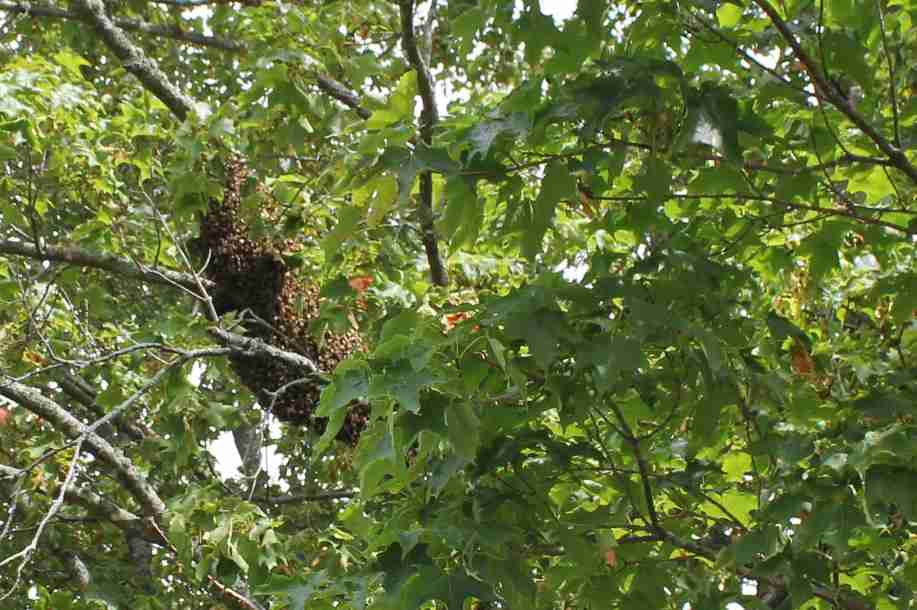
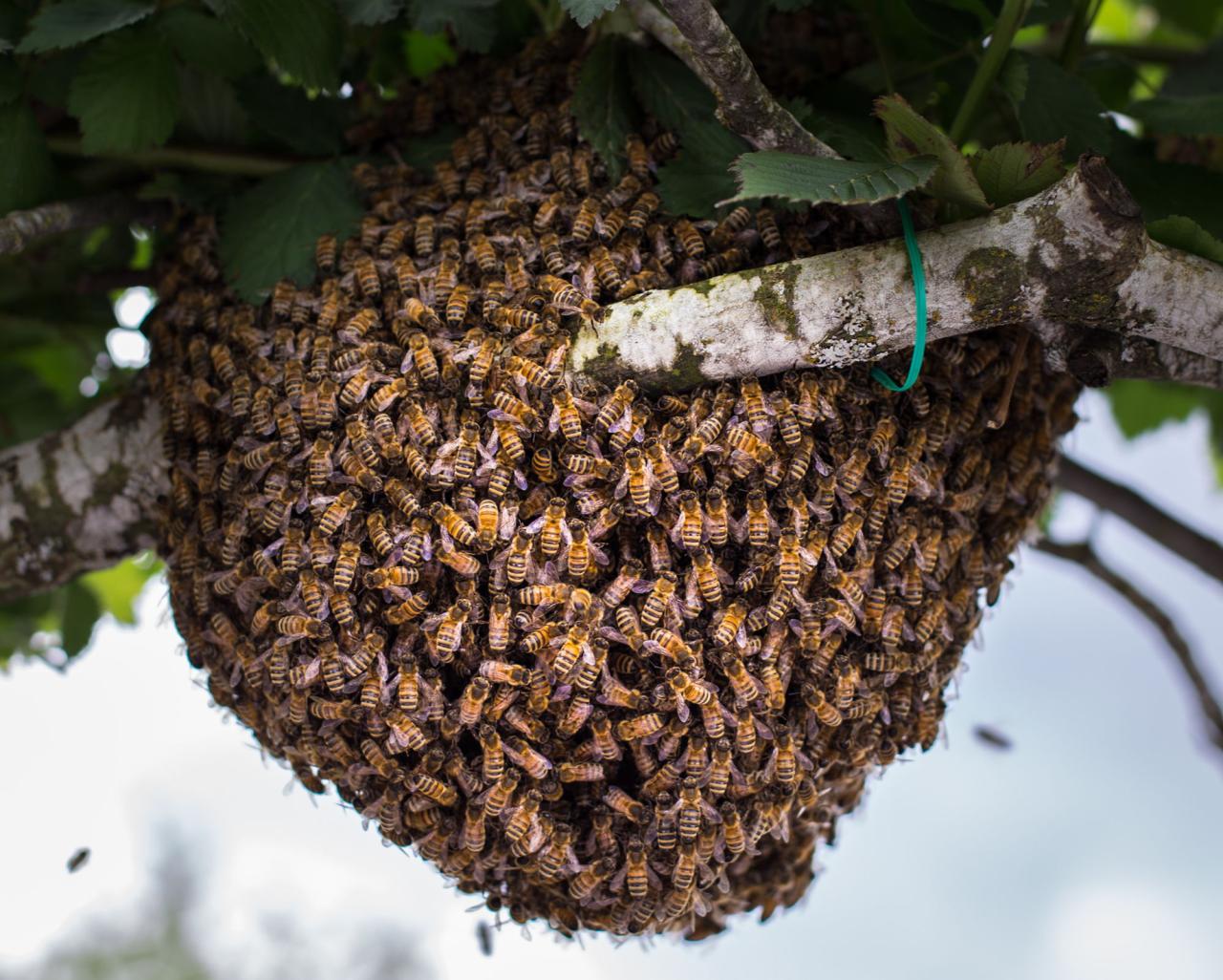
During the swarming process, scout bees leave the hive to search for suitable nesting sites. Once a location is selected, the swarm gathers in a cluster around the queen, often hanging from a branch, ledge, or other structure. This temporary congregation can contain thousands of bees and is a sign that a new colony is forming. After a suitable hive is found, the swarm will transfer and establish a new hive, continuing the cycle of growth and reproduction.
Typical Times and Locations for Bee Swarms
Understanding when and where bee swarms are likely to appear enhances the ability to observe and manage these natural phenomena. Swarms predominantly occur during the late spring to early summer months, typically between April and July in temperate regions. This period coincides with peak colony expansion, providing ideal conditions for swarming activity.
Locationally, bee swarms are often found in areas with abundant flowering plants that provide nectar and pollen. Common locations include tree branches, shrubs, building eaves, fence posts, and other sheltered structures. Urban and suburban environments offer numerous nesting opportunities, especially in cavities, vents, and overhangs. Rural areas with mature trees and natural foliage are also prime sites where swarms may cluster temporarily.
Indicators and Identification of a Bee Swarm
Accurately recognizing a bee swarm requires attention to specific environmental and behavioral cues. Swarming bees usually present as a dense, buzzing cluster hanging from a fixed point. The cluster appears as a rounded or teardrop-shaped mass, with a noticeable concentration of bees around the queen.
Visual identification involves noting the following features:
- Bees forming a compact, moving mass often hanging from branches, wires, or structures.
- Presence of a large number of worker bees surrounding a central queen.
- A buzzing sound emanating from the cluster, especially during warm days.
- Occasional movement or fluttering of the cluster as bees communicate or respond to environmental changes.
In some cases, swarms can be mistaken for other insects or bee activities, but the size, shape, and clustering behavior are distinguishing features. It is important to observe from a distance to avoid disturbing the bees, especially since swarms are generally non-aggressive unless provoked.
Preparing for Bee Swarm Capture
Effective and safe bee swarm capture begins long before approaching the swarm itself. Proper preparation ensures the safety of both the handler and the bees, while also increasing the likelihood of a successful capture. Developing a comprehensive plan that includes appropriate protective gear, the right tools, and a checklist of essential steps can make the entire process smoother and more secure.
Preparation involves understanding the necessary safety measures, gathering reliable equipment, and methodically organizing each step to minimize risks and maximize efficiency. This diligent approach not only safeguards individuals involved but also promotes the well-being of the swarm during relocation, supporting the broader goal of responsible beekeeping and conservation.
Essential Safety Gear and Protective Clothing
Ensuring personal safety during a bee swarm capture is paramount due to the potential for aggressive behavior from the swarm, especially if disturbed. Proper protective clothing acts as a barrier against stings and reduces discomfort, allowing the handler to focus on the task with confidence.
- Bee Suit: A full-body, preferably ventilated suit made of thick material such as canvas or polyester to prevent bee stings. It should cover all exposed skin.
- Veil and Headgear: A protective veil that surrounds the face, often integrated with the suit, providing clear visibility while preventing bees from reaching the face and neck.
- Gloves: Durable, thick gloves made of leather or synthetic materials to shield the hands from stings during handling and manipulation of equipment.
- Boots: Sturdy, closed-toe boots that cover the ankles, ideally with thick soles to prevent stings from reaching through the footwear.
Wearing adequate protective gear significantly reduces the risk of stings and allergic reactions. It is recommended to check the gear for any tears or holes before proceeding to ensure full protection.
Tools and Equipment Necessary for Capturing a Swarm
Having the right tools on hand is crucial for a smooth and efficient swarm capture. The equipment should be selected based on the size of the swarm, its location, and the method of capture. Organized tools can significantly reduce handling time and stress on the bees.
| Item | Description and Purpose |
|---|---|
| Bee Brush | A soft-bristled brush used to gently move bees off surfaces without harming them, essential for careful handling during transfer. |
| Swarm Trap or Nucleus Box | A suitable container designed to hold and transport the swarm. It should be well-ventilated and escape-proof. |
| Hive Tool | A multi-purpose metal tool for prying, scraping, and lifting hive components, facilitating access and manipulation during capture. |
| Ladder or Elevated Platform | Depending on the height of the swarm, a sturdy ladder or platform may be necessary for safe access, especially for swarms located high in trees. |
| Smoke Device (Smoker) | Used to calm the bees by masking alarm pheromones, reducing aggression and making handling safer. |
| Flashlight or Headlamp | Provides adequate illumination in low-light conditions, helping to locate and observe the swarm clearly. |
| Transport Container Straps or Cords | Secures the swarm container during movement, preventing accidental openings or spills. |
Step-by-Step Checklist for Preparation
Organizing each step before attempting to catch a swarm ensures a systematic approach, minimizes surprises, and enhances safety. The following checklist provides a structured plan to prepare thoroughly:
- Inspect and Prepare Protective Gear: Ensure all clothing and equipment are intact, clean, and ready for use. Put on the full protective suit, gloves, and veil before approaching the swarm.
- Gather Tools and Equipment: Collect all necessary tools, including the hive tool, brush, swarm trap, and any additional safety devices. Verify functionality and cleanliness.
- Assess the Location: Visit the site beforehand to evaluate the environment, identify the swarm’s position, and plan access routes, especially if elevated or in confined spaces.
- Prepare the Capture Container: Ensure the swarm box or trap is clean, ventilated, and ready for immediate use. Have straps or cords prepared for securing during transport.
- Set Up Safety Measures: Have an escape route planned and any additional safety equipment, such as first aid kits, nearby. Inform others in the vicinity about the operation for safety.
- Calm the Bees with Smoke: Prepare the smoker for use, ensuring it is filled with suitable fuel. Have it ready for immediate deployment once preparations are complete.
- Plan for Transportation: Arrange the vehicle or method for relocating the swarm. Ensure the transport container is accessible and ready to be loaded quickly.
- Perform a Final Check: Review all gear, tools, and safety measures. Confirm access routes and ensure the area around the swarm is clear of obstacles or hazards.
Adhering to this checklist fosters a methodical and safe approach, significantly increasing the likelihood of a successful and stress-free swarm capture.
Locating and Assessing a Swarm
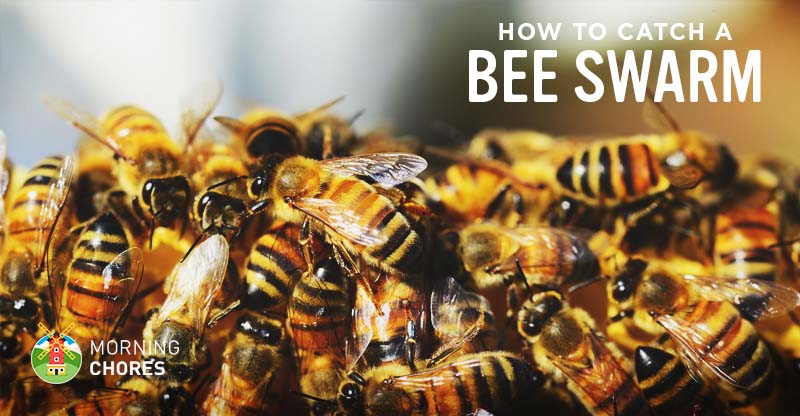
Identifying the precise location and understanding the characteristics of a bee swarm are essential steps for successful capture and safe handling. Accurate detection reduces the risk of disturbance to the insects and ensures an effective approach, whether in urban, rural, or wooded environments. Proper assessment of the swarm’s size and health informs the selection of appropriate tools and methods for relocation, increasing the likelihood of a successful outcome.
Effective techniques involve a combination of visual searching, environmental awareness, and strategic positioning. Different settings necessitate tailored approaches to pinpoint the swarm’s location accurately and evaluate its condition, enabling the beekeeper or handler to plan the best course of action for safe and efficient capture.
Locating a Bee Swarm in Different Settings
Locating a bee swarm requires keen observation and adaptability, especially considering the diverse environments where swarms may settle. In urban areas, swarms often cluster on building eaves, window frames, or garden shrubs. In rural or wooded regions, they may hang on tree branches, fence posts, or tall grasses. Recognizing these typical sites helps narrow the search area, saving time and effort.
Methods to locate swarms include visual scanning of the environment during peak bee activity hours, usually in the late morning or early afternoon when bees are most active. Using binoculars can aid in spotting clusters high up on trees or structures. Listening for the buzzing sounds can also guide the search, especially in dense foliage or quiet surroundings. In some cases, tracking the flight path of foraging bees returning to a specific site can lead directly to the swarm’s location.
Assessing the Size and Health of a Swarm
Once located, evaluating a swarm’s size and health is crucial for determining the appropriate capture method. A large swarm may contain upwards of 10,000 bees, indicating a healthy, viable colony, whereas smaller swarms or clusters may suggest a recent split or struggling colony. Assessing size involves estimating the volume or the number of bees visible on the cluster’s outer surface.
Health assessment involves observing the swarm’s activity level, coloration, and behavior. Healthy swarms typically display lively movement, uniform coloration, and a steady buzzing sound. Discoloration, visible pests such as varroa mites, or lethargic behavior may indicate health issues requiring special care or treatment before relocation. Checking for signs of disease or pest infestation is also essential, often involving closer inspection if feasible without disturbing the bees excessively.
Determining the Best Approach for Capture Based on Placement
The placement of a swarm influences the capture strategy, dictating the tools, timing, and safety precautions necessary. Swarms located high in trees or on tall structures demand equipment such as telescoping ladders, scaffolding, or cherry pickers, along with protective gear to ensure safety during access. Conversely, swarms on low shrubs, fences, or ground level are easier to reach with minimal equipment.
Evaluating the terrain and accessibility helps determine whether a quick approach with a capture box is sufficient or if more extensive preparations are necessary. For example, swarms hanging on fragile or difficult-to-access sites may require gentle disturbance techniques or specialized equipment to prevent damage to the bees and their environment. The surrounding environment, such as proximity to pedestrians or livestock, also influences the choice of approach, emphasizing the importance of planning for safety and minimal hive disturbance.
Techniques for Capturing a Bee Swarm
Capturing a bee swarm requires a careful balance of safety, patience, and knowledge of bee behavior. Proper techniques ensure the safety of both the handler and the bees while maximizing the chances of a successful collection. Understanding and applying these methods can turn a potentially chaotic situation into an organized and safe operation that benefits both the bees and the beekeeper.
This section provides detailed procedures for approaching and capturing a swarm, utilizing appropriate equipment, and gently relocating the cluster into a hive or container. Following these steps ensures a humane and efficient process that minimizes stress to the bees and reduces risks to the handler.
Safe Approach and Handling of the Swarm
Approaching a bee swarm requires calmness, proper protective gear, and strategic movement. The primary goal is to minimize agitation among the bees while positioning oneself to facilitate safe capture. The process begins with assessing the swarm’s activity level and location to determine the best approach path, avoiding sudden movements or loud noises that can provoke defensive behavior.
Wear appropriate protective clothing, including a veil, gloves, and a bee suit, to prevent stings. Approach the swarm from the side or slightly below, where bees are less likely to attack, and avoid direct face-to-bee contact. Use slow, deliberate motions to avoid startling the cluster. When close enough, gently coax the bees onto a prepared collection tool or into a container, maintaining a steady and calm demeanor throughout.
Using a Swarm Box or Container for Collection
Employing a suitable container is crucial for a safe and efficient transfer of the swarm. A swarm box, typically a wooden or plastic hive box with an opening and screened ventilation, provides a secure environment for the bees during transport. The container should be prepared beforehand, with frames or combs if possible, to encourage bees to settle and facilitate later hive integration.
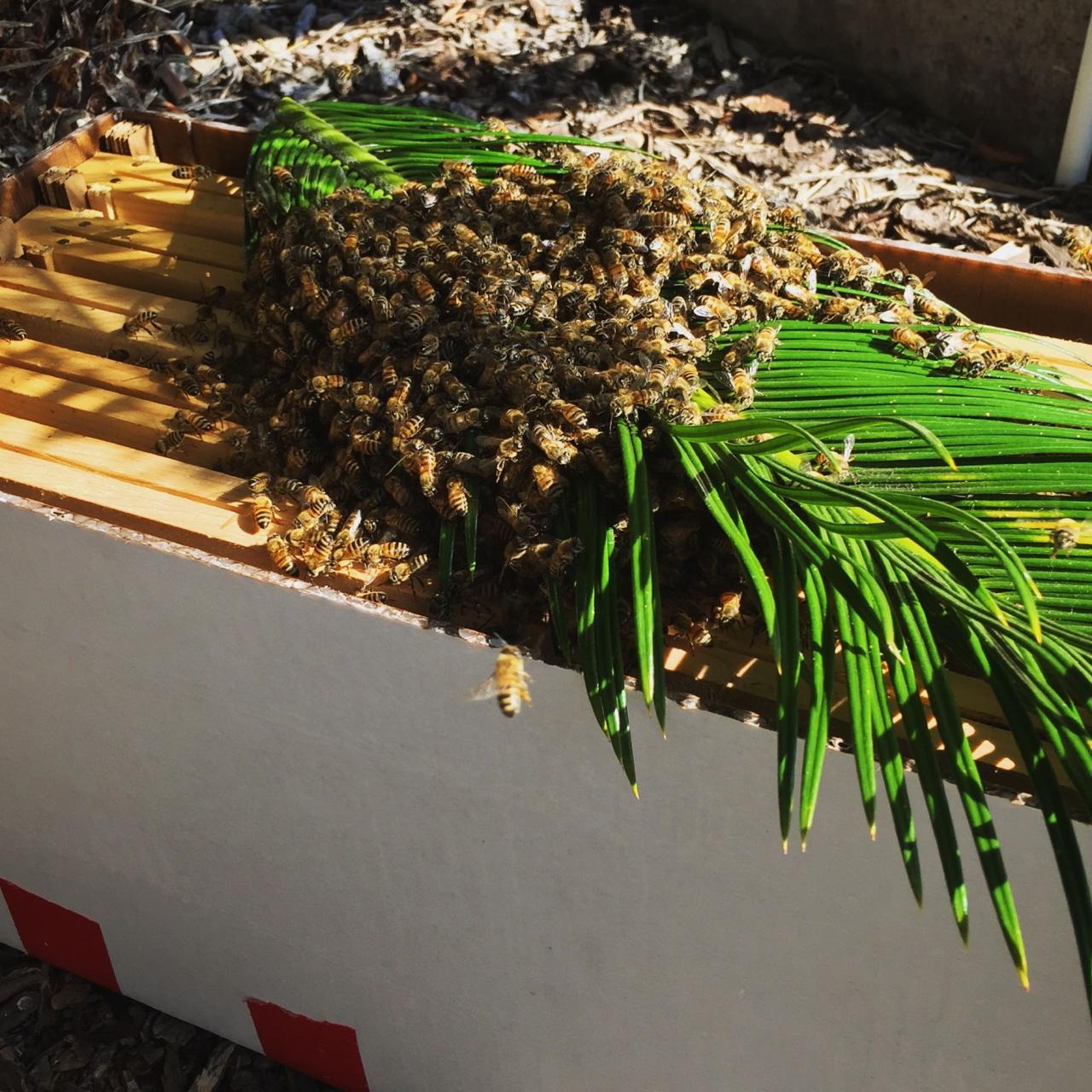
To utilize the container effectively, position it beneath the swarm. Gently tap or shake the cluster to dislodge bees into the box or use a soft brush to carefully collect bees onto a sticky board or bee brush, guiding them into the container. Ensure the opening is accessible and that the lid is secured to prevent escape. For larger swarms, a gradual approach involving multiple small captures may prove more manageable and less stressful for the bees.
Gently Moving a Swarm from Its Initial Location into a Hive or Box
Relocating a swarm into a permanent hive or a suitable container involves patience and gentle handling to avoid harming the bees or causing undue stress. Once the swarm is collected in the container, transfer it carefully, keeping it upright to prevent disorientation or injury.
Position the hive or new enclosure close to the original swarm location. Slowly tilt or invert the container over the hive entrance or opening, allowing the bees to move naturally into their new home. Using a soft brush or gentle shaking can encourage hesitant bees to enter. During this process, monitor the behavior of the bees, ensuring they are moving smoothly and that the transfer remains calm.
If necessary, use a smoker lightly to calm the bees during the move, being cautious to avoid overwhelming them or causing panic.
The entire operation should prioritize minimizing disturbance, and after the transfer, it is advisable to observe the bees for a short period to confirm successful relocation and to ensure the hive is well-established in its new environment.
Post-Capture Handling and Relocation
Efficient and humane handling of a captured bee swarm is essential to ensure the safety and health of the bees, as well as the success of their relocation. Proper techniques during transfer and placement into a hive minimize stress for the colony and improve survival rates. Equally important is selecting an appropriate environment for the swarm’s new home, which supports their development and productivity.Handling a bee swarm after capture requires meticulous attention to detail and adherence to best practices.
The primary goal is to transfer the bees calmly and securely into their new hive without causing injury or undue stress. This involves careful containment, gentle movement, and ensuring the hive environment is conducive to their needs.The transfer process begins with securely closing the swarm container to prevent escape during movement. When transferring the bees into a hive, it is best to work during calm weather conditions, using smoke to ease the bees’ agitation if necessary.
The swarm should be gradually introduced into the hive, allowing the bees to acclimate to their new environment. Using a hive with proper ventilation and appropriate internal arrangement fosters a smooth transition.
Steps for Safely Transferring a Captured Swarm into a Hive
Transferring a swarm into the hive involves several careful steps to ensure the safety and well-being of the bees:
- Preparation of the Hive: Ensure the hive is clean, properly assembled, and placed in a shaded, well-ventilated location that provides protection from strong winds and direct sunlight. Pre-install frames if necessary, or have a foundation ready for bees to build comb.
- Calm Handling of the Swarm Container: Gently position the swarm container near the hive entrance. Use a smoker lightly to calm the bees, but avoid over-smoking as it can stress or disorient them.
- Gradual Opening: Open the container slowly, allowing the bees to exit gradually. If possible, tilt the container to encourage bees to crawl into the hive entrance naturally.
- Releasing Bees into the Hive: Use a soft brush or gentle waving to encourage bees to move into the hive, or carefully pour the bees onto a screened top entry if applicable. Avoid sudden movements that may agitate the bees.
- Sealing and Securing: Once the bees are inside, securely close the hive entrance to prevent escape and ensure the bees settle into their new environment.
Minimizing Stress and Maximizing Survival
Effective post-capture handling aims to keep stress levels low and improve the chances of colony survival. To achieve this:
- Handle the bees during calm weather conditions, avoiding extreme temperatures or windy days.
- Use smoke sparingly, just enough to calm the bees without causing panic or disorientation.
- Maintain a quiet, smooth workflow to prevent startling the colony.
- Ensure the hive is well-ventilated and appropriately shaded during placement.
- Provide adequate food and water sources nearby if the transfer occurs over an extended period or if the bees are expected to be in transit for some time.
- Limit the duration of exposure outside the hive to reduce dehydration and stress.
- Monitor the bees closely after transfer for signs of distress or disorientation, intervening as necessary to support their adaptation.
Proper post-capture handling greatly influences the colony’s health, honey production, and overall success in the new environment. Respectful, careful techniques help ensure the bees’ survival and foster a healthy, productive hive.
Relocation Environment Suitability
Choosing an appropriate environment for the relocated hive is crucial for the colony’s health and productivity. The following table Artikels various relocation environments and assesses their suitability based on key factors:
| Environment Type | Advantages | Challenges | Suitability |
|---|---|---|---|
| Urban Garden |
|
|
Suitable if located away from high pollution zones and with minimal human disturbance. Ideal for small-scale beekeeping and educational purposes. |
| Rural Field |
|
|
Highly suitable, especially when positioned near wildflower meadows or organic farms, supporting natural foraging. |
| Forest Edge |
|
|
Suitable if protected and monitored, providing a natural environment that promotes healthy foraging and hive growth. |
| Backyard or Residential Area |
|
|
Suitable when managed responsibly, with consideration for neighbor relations and local regulations. |
Preventing Future Bee Swarms
Establishing effective hive management practices is essential to minimize the risk of bee colonies producing swarms. By implementing proactive strategies, beekeepers can promote stable and healthy colonies while reducing the likelihood of disruptive swarming behavior. Monitoring hive conditions and encouraging proper colony development play vital roles in maintaining a balanced and sustainable apiary environment.Preventing swarms involves a combination of regular hive inspections, strategic hive manipulations, and fostering optimal colony health.
These measures not only help in avoiding the loss of bees through swarming but also contribute to increased honey production and overall hive vitality.
Regular Hive Inspections and Monitoring
Consistent and thorough inspections are fundamental to early detection of signs that may lead to swarming. Beekeepers should schedule inspections at least every 7 to 10 days during peak swarm season, typically late spring to early summer, when colonies are most prone to swarming. During inspections, focus on identifying:
- Overcrowding of brood chambers with bees and honey stores.
- Presence of swarm cells—specialized queen cells located at the edges or bottom of frames, indicating a colony preparing to swarm.
- Excessive drone comb, which can encourage swarming behavior.
- Signs of queen congestion, such as multiple queens or queen cups.
Regular monitoring allows beekeepers to take timely intervention measures to mitigate swarming tendencies before they escalate.
Hive Space Management and Manipulation
Providing adequate space within the hive reduces the urge for bees to swarm as a means of colony expansion. Strategies include:
- Adding supers or expanding hive boxes before the colony becomes overcrowded.
- Implementing hive splits or dividing strong colonies to prevent space constraints.
- Using swarm traps or bait hives placed nearby to divert swarming impulses away from the main hive.
- Removing queen cells or relocating swarm cells to suppress natural swarming instincts when appropriate.
Proper spatial management ensures the colony has sufficient room for brood rearing and storage, decreasing the motivation to swarm.
Encouraging Healthy Colony Development
Supporting the overall health and vigor of the bee colony is crucial in discouraging swarming. Healthy colonies tend to regulate their population naturally without resorting to swarming. Techniques include:
- Ensuring a balanced diet with adequate pollen and nectar sources, especially during critical periods of brood rearing.
- Promoting genetic diversity by introducing queens from stable and non-swarming lines.
- Maintaining optimal environmental conditions within the hive, such as proper ventilation and humidity control.
- Applying integrated pest management practices to control pests like Varroa mites, which can weaken colonies and trigger swarming behavior.
Encouraging robust colony growth creates a stable environment where the bees’ natural tendency is to thrive rather than swarm, fostering long-term apiary success.
Effective hive management is an ongoing process that requires vigilance, knowledge, and adaptability to minimize swarming and promote healthy, productive bee colonies.
Troubleshooting Common Challenges
Encountering difficulties during bee swarm capture is a common aspect of apiary management. Recognizing and addressing these challenges effectively can significantly improve the success rate of relocation efforts and ensure safety for both the beekeeper and the bees. This section provides guidance on identifying typical problems and implementing practical solutions to overcome them, especially when dealing with difficult swarm locations or aggressive bee behavior.
Beekeepers often face obstacles such as inaccessible swarm sites, aggressive or disturbed bees, and environmental factors that complicate the capture process. Proper troubleshooting ensures that these issues are managed calmly and efficiently, minimizing stress for the bees and reducing the risk of stings or injury.
Dealing with Difficult Swarm Locations
Swarm sites can vary widely, including high tree branches, narrow crevices, or inaccessible cavities. When a swarm is positioned in an awkward or hard-to-reach area, effective strategies are essential to facilitate safe and successful capture.
Important considerations include selecting appropriate equipment, timing the capture during optimal weather conditions, and using methods tailored to the specific location. For instance, extending tools such as telescoping poles or using specialized capturing boxes can improve reach in high or confined spaces. Additionally, enlisting assistance from experienced individuals or using mechanical aids like cherry pickers or scaffolding may be necessary for elevated or challenging sites.
Addressing Aggressive or Disturbed Bees
Bees may become aggressive or agitated during swarm capture, especially if they are disturbed or feel threatened. Handling such situations requires calmness, protective gear, and strategic approaches to reduce risk.
To manage aggressive bees, beekeepers should wear full protective clothing, including veils, gloves, and suits, ensuring no skin is exposed. Employing smoke to gently calm the bees can significantly reduce their defensive responses. Moving slowly and deliberately helps avoid provoking the swarm further. When dealing with particularly disturbed or defensive bees, it may be necessary to delay capture attempts until the swarm calms down or to use specialized tools like bee escape boards or smoke grenades to facilitate safe handling.
Overcoming Equipment Failures or Malfunctions
Technical issues with capturing equipment can hinder swarm collection efforts. Common problems include broken or malfunctioning boxes, improperly functioning vacuums, or unsuitable tools for the task.
Regular maintenance and thorough inspection of equipment before attempting a capture can prevent many issues. Using backup tools or alternative methods ensures continued progress even when primary equipment fails. For example, having spare hive parts or supplementary capture devices on hand allows for quick replacement, minimizing delays and stress for the bees.
Managing Environmental Challenges
Environmental factors such as wind, rain, or extreme temperatures can complicate swarm capture activities. These conditions not only affect the behavior of the bees but also impact the safety and efficiency of the process.
Scheduling captures during calm, dry weather enhances safety and success rates. Using protective coverings or shelters can safeguard equipment and provide comfort during adverse conditions. Additionally, adjusting the timing of the capture to avoid peak heat or cold prevents undue stress on the bees and the handler.
Ensuring preparedness and flexibility in approach are key components to overcoming challenges encountered during bee swarm capture, ultimately leading to safer and more successful relocations.
Wrap-Up
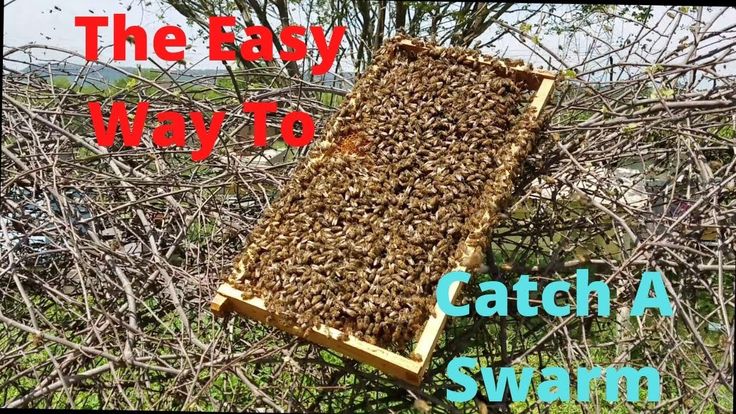
Mastering how to catch a bee swarm not only supports the growth of healthy bee populations but also enhances your confidence and skills as a beekeeper or nature observer. By following proper procedures and safety protocols, you can ensure the well-being of the bees and the success of your efforts. Embrace this fascinating aspect of beekeeping and contribute positively to the preservation of these vital pollinators.