Understanding how to predict nectar flow is essential for maximizing the efficiency of pollination and supporting healthy hive management. This process involves analyzing various biological, environmental, and technological factors that influence nectar secretion in flowering plants. By accurately forecasting nectar availability, beekeepers and researchers can better align their activities with natural cycles, ensuring optimal pollination success and honey production.
This comprehensive approach combines historical climate data, plant phenology, soil health indicators, and pollinator activity to develop reliable prediction models. Integrating these diverse data sources enables a more precise understanding of nectar flow patterns, which is vital for ecological research, agricultural planning, and sustainable beekeeping practices.
Understanding Nectar Flow Dynamics

Nectar flow in flowering plants is a complex process influenced by a multitude of biological and environmental factors. Recognizing these influences is essential for accurate prediction and effective management of pollination activities, honey production, and plant reproduction strategies. This section explores the key factors affecting nectar secretion and how environmental conditions modulate nectar availability.
Nectar secretion is primarily governed by the plant’s biological mechanisms, including genetic traits, floral structure, and physiological processes. Environmental variables such as temperature, humidity, light intensity, and soil nutrients significantly impact these biological processes, altering nectar production rates. Understanding the interplay between these factors enables beekeepers, botanists, and agricultural professionals to anticipate nectar flow patterns more accurately.
Biological and Environmental Factors Influencing Nectar Secretion
The production and secretion of nectar are controlled by both intrinsic plant characteristics and extrinsic environmental conditions. Key biological factors include floral morphology, the presence of nectar-producing glands (nectaries), and plant species-specific physiological traits. Environmental influences encompass temperature, humidity, light exposure, soil moisture, and nutrient availability, each affecting nectar quantity and quality.
For instance, plants with densely packed nectaries or those adapted to arid environments tend to produce nectar differently compared to those in humid, temperate zones. Additionally, certain plant species have evolved to synchronize their peak nectar production with pollinator activity periods, optimizing reproductive success.
Temperature, Humidity, and Nectar Production Rates
Temperature and humidity are among the most critical environmental factors affecting nectar secretion. Their combined effects influence both the rate of nectar production and its evaporation rate. The relationship can be summarized as follows:
Optimal Temperature Range: Most nectar-producing plants exhibit peak nectar secretion within a temperature range of 20°C to 30°C. Temperatures below or above this range can lead to reduced nectar output.
Humidity Effects: Higher humidity levels tend to reduce nectar evaporation, maintaining higher nectar volumes, whereas low humidity accelerates evaporation, decreasing nectar availability.
Higher temperatures tend to increase nectar secretion up to a threshold beyond which enzymatic and physiological stress can reduce production. Conversely, high humidity preserves nectar volume but can also influence pollinator activity, as many pollinators prefer to forage under specific moisture conditions.
Comparison of Nectar Flow Patterns in Different Plant Species
Understanding how different plant species vary in their nectar flow patterns is vital for predicting pollination opportunities and honey flow periods. The table below provides a comparison of some common nectar plants, their typical nectar flow periods, and secretion rates:
| Plant Species | Blooming Period | Typical Nectar Flow Rate (μL/flower/day) | Nectar Secretion Pattern |
|---|---|---|---|
| Blackberry (Rubus fruticosus) | Late Spring to Early Summer | 5-15 | Peak in mid-morning; declines by afternoon |
| Lemon (Citrus limon) | Spring to Early Summer | 10-25 | Consistent secretion over bloom period |
| Salvia | Summer | 3-8 | Multiple peaks throughout the day, aligned with pollinator visits |
| Red Clover (Trifolium pratense) | Late Spring to Early Summer | 8-20 | Higher during warm, sunny days |
| Cherry Blossom (Prunus spp.) | Spring | 2-6 | Brief, with high nectar during early bloom |
This table highlights that nectar flow varies widely among species, influenced by their bloom period, environmental adaptations, and pollinator interactions. Recognizing these patterns aids in planning for optimal pollination and honey harvesting.
Impact of Weather Conditions on Nectar Availability and Pollinator Activity
Weather conditions directly influence nectar production and pollinator behavior, ultimately affecting the overall pollination success and nectar harvests. The main weather factors include temperature, wind, rainfall, and cloud cover.
High temperatures and direct sunlight can enhance nectar secretion but may also increase evaporation, reducing nectar volume. Windy conditions can hinder pollinator flight, decreasing visitation rates despite abundant nectar. Rainfall can wash away nectar or inhibit flowering altogether, leading to reduced nectar availability. Cloud cover influences temperature and pollinator activity, with overcast days often resulting in lower nectar secretion but potentially higher pollinator persistence during cooler periods.
Pollinator activity is typically highest during warm, sunny, and calm weather conditions. Sudden changes, such as thunderstorms or cold fronts, can temporarily halt nectar secretion and foraging activity, disrupting pollination cycles and honey flow predictions. Monitoring local weather patterns is thus essential for understanding and anticipating nectar flow fluctuations in real-time.
Historical and Climatic Indicators
Understanding the influence of historical weather patterns and climatic conditions is essential for accurately predicting peak nectar flow periods. By analyzing past climatic data and correlating it with nectar secretion timelines, beekeepers and researchers can develop reliable predictive models that optimize hive management and honey production strategies.
This approach involves examining various environmental factors, such as temperature fluctuations, rainfall patterns, and seasonal changes, which directly or indirectly affect nectar availability. Utilizing robust data analysis techniques and visual tools enables the identification of recurring patterns, offering valuable insights into nectar flow dynamics based on climatic indicators.
Analyzing Historical Weather Data for Nectar Flow Prediction
Historical weather data provides a foundation for identifying trends and patterns that influence nectar secretion. The process involves collecting extensive climate records over multiple years from local or regional weather stations, focusing on parameters such as temperature, rainfall, humidity, and sunlight hours. These datasets can then be scrutinized to reveal correlations between specific weather conditions and subsequent nectar flow peaks.
One effective method is to perform time-series analysis, which evaluates how climatic variables change over time and how these changes match documented nectar flow periods. This analysis helps in recognizing consistent environmental conditions that precede high nectar secretion, allowing for more precise predictions in future seasons. For example, a pattern might emerge where a series of warm, dry weeks lead up to substantial nectar flow in certain flowering plants.
Correlating Temperature, Rainfall, and Nectar Secretion Timelines
Establishing relationships between environmental factors and nectar secretion involves correlating historical climatic data with observed nectar flow events. This can be achieved through statistical methods such as Pearson correlation coefficients or regression analysis, which quantify the strength and nature of these relationships.
For instance, a typical correlation might show that higher daytime temperatures within a certain range (e.g., 20–30°C) are associated with increased nectar production, provided that rainfall remains below a particular threshold. Conversely, excessive rainfall often hampers flowering and nectar availability. Visualizing these relationships with scatter plots allows for straightforward identification of thresholds and optimal conditions that signal upcoming nectar peaks.
Data Visualization Techniques for Pattern Recognition
Effective visualization of climatic data is crucial for recognizing recurring patterns and seasonal shifts. Tables, line charts, and heat maps are powerful tools in this context. For example, a line chart plotting average monthly temperatures alongside recorded nectar flow volumes over several years can highlight seasonal peaks and anomalies.
Tables summarizing monthly rainfall, temperature, and humidity data alongside nectar secretion levels enable quick comparison and trend spotting. Heat maps illustrating climatic variable intensities against time also provide a visual summary of periods conducive to nectar flow. Such visual tools facilitate easier interpretation of complex datasets, aiding in the development of predictive models.
Seasonal Changes and Nectar Production Cycles
Seasonal variations significantly influence nectar production cycles through changes in temperature regimes, plant phenology, and rainfall patterns. Recognizing these seasonal shifts helps in aligning expectations and planning hive activities accordingly.
In temperate regions, nectar flow typically coincides with spring and early summer, when favorable weather conditions promote flowering. Conversely, in tropical areas, the rainy season might suppress flowering, though specific plants may bloom during dry spells, creating distinct nectar flow periods. A thorough understanding of local seasonal cycles allows beekeepers to anticipate nectar availability, optimize hive placement, and plan honey harvesting schedules effectively.
Using Phenological Observations
Phenological observations serve as a vital tool in predicting nectar flow by monitoring the natural developmental stages of flowering plants. These observations provide real-time, observable indicators that can be correlated with nectar secretion patterns, enabling beekeepers and researchers to anticipate optimal foraging periods. Accurate phenological monitoring ensures better synchronization between hive activities and flowering cycles, ultimately enhancing honey yield and colony health.
Incorporating phenological data into nectar flow forecasting involves systematic observation of plant developmental stages and alignment with environmental cues. By tracking specific growth phases, such as bud formation and flowering, practitioners can establish reliable patterns that precede nectar abundance. This method offers a practical and cost-effective approach, especially when combined with climatic and historical data, for making informed decisions about hive management and resource planning.
Monitoring Flowering Stages as Indicators of Nectar Flow Onset
Effective monitoring of flowering stages requires consistent and precise observation of plant development, focusing on key phenological markers that signal the beginning of nectar secretion. These markers include bud swelling, the emergence of flower buds, and the full bloom period, which often correspond with increased nectar availability.
- Scheduled Observations: Establish regular observation intervals, such as bi-weekly or weekly, to track phenological changes throughout the flowering season.
- Identification of Key Stages: Focus on specific stages such as bud formation, bud burst, flower opening, and peak flowering, as these indicate the progression towards the nectar flow period.
- Recording Environmental Conditions: Note temperature, humidity, and sunlight exposure during each observation to understand their influence on phenological development and nectar secretion.
Careful monitoring allows for the detection of subtle changes in plant development that often precede peaks in nectar production. Timely observations enable beekeepers to prepare hives for anticipated nectar flow, maximizing honey harvest efficiency.
Designing a Phenological Data Recording Table
Consistent and organized data collection is essential for analyzing phenological trends over time. A well-structured table facilitates comparison across different plant species, locations, and environmental conditions, providing a comprehensive overview of flowering patterns related to nectar flow.
| Date of Observation | Plant Species | Development Stage | Bud Size/Description | Flowering Status | Number of Open Flowers | Notes on Environmental Conditions |
|---|---|---|---|---|---|---|
| 2024-03-01 | Honeylocust (Gleditsia triacanthos) | Bud swelling | Small, round buds beginning to enlarge | Not yet flowering | N/A | Temperature: 15°C; Humidity: 60%; Sunny |
| 2024-03-08 | Black Locust (Robinia pseudoacacia) | Flower bud emergence | Elongated, slightly open buds | Pre-bloom | N/A | Temperature: 18°C; Humidity: 55%; Partly cloudy |
| 2024-03-15 | Black Locust (Robinia pseudoacacia) | Full bloom | Many open flowers, fragrant cluster | Peak nectar flow likely | High (hundreds per tree) | Temperature: 20°C; Humidity: 50%; Sunny with light breeze |
Accurate phenological records enable the correlation of flowering stages with nectar secretion peaks, facilitating precise predictions of honey flow periods.
Integrating Plant Phenology with Environmental Cues
Plant phenology is closely linked to environmental factors such as temperature, photoperiod, and soil moisture. By observing these cues in conjunction with developmental stages, it becomes possible to forecast nectar flow more reliably. For example, a consistent pattern of bud burst following a specific temperature threshold can serve as a predictive marker for flowering and nectar secretion initiation.
Environmental cues often serve as natural signals triggering flowering processes. An example includes the increase in day length and rising temperatures in spring, which typically induce bud break and flowering in many temperate species. Monitoring these cues helps in establishing predictive models that incorporate both phenological data and environmental parameters, offering a comprehensive approach for nectar flow prediction. For instance, if black locust trees in a particular region consistently bloom when daytime temperatures reach 18°C after a period of stable soil moisture, then observing these conditions can serve as an early warning for nectar flow onset.
Combining phenological observations with environmental data enhances forecasting accuracy, supports proactive hive management, and optimizes honey production timelines. This integrated approach allows beekeepers to anticipate nectar abundance based on observable natural signals and environmental conditions, leading to more sustainable and profitable apiculture practices.
Soil and Plant Health Indicators

Assessing soil and plant health is fundamental in predicting nectar flow, as the vigor of the soil-plant system directly influences nectar secretion in flowering plants and crops. Healthy soil with balanced nutrients and adequate moisture fosters robust plant growth, which correlates with increased nectar production. Conversely, signs of soil or plant stress can signal diminished nectar flow, affecting pollinator activity and crop yields.
This section explores how various soil and plant health indicators can serve as reliable predictors of nectar availability. By systematically evaluating key parameters, beekeepers, agronomists, and researchers can make informed decisions about hive placement, harvesting schedules, and resource management, ultimately enhancing apicultural productivity.
Assessing Plant and Soil Vitality to Predict Nectar Flow
Effective prediction involves a systematic approach to evaluating soil moisture, nutrient levels, and plant vitality. These indicators not only reflect the current health status but also offer insights into potential changes in nectar secretion over time. Regular monitoring and interpretation of these factors enable proactive management strategies that optimize nectar collection and pollination efficiency.
Key steps in assessing plant and soil health include: soil testing, visual evaluation of plant vigor, and correlating these with climatic and phenological data to forecast nectar flow peaks.
Key Soil and Plant Health Indicators Linked to Nectar Secretion
| Indicator | Description | Relation to Nectar Production |
|---|---|---|
| Soil Moisture Content | The amount of water present in the soil, measured via moisture sensors or gravimetric methods. | Optimal moisture levels facilitate nutrient uptake and metabolic activities, promoting healthy flowering and nectar secretion. |
| Nutrient Levels | Primarily nitrogen, phosphorus, and potassium, assessed through soil nutrient analysis. | Balanced nutrients support vigorous plant growth, flowering, and the biochemical pathways involved in nectar synthesis. |
| Soil pH | Measure of acidity or alkalinity, typically determined via pH meters or test kits. | Maintains soil nutrient availability; extreme pH levels can impair plant health and reduce nectar production. |
| Plant Vigor and Leaf Coloration | Visual assessment of leaf turgidity, coloration, and overall growth rate. | Healthy, lush foliage indicates sufficient nutrients and water, often correlating with high nectar secretion during flowering. |
| Root Health and Development | Evaluation through soil examination or root inspection for signs of disease or damage. | Healthy roots ensure effective nutrient and water uptake, supporting nectar production. |
Interpreting Plant Vigor as an Indirect Predictor of Nectar Availability
Plant vigor, characterized by robust growth, healthy foliage, and strong root systems, serves as an indirect but reliable indicator of potential nectar flow. Vigorous plants tend to allocate more resources toward flowering and nectar secretion as a part of their reproductive strategy.
Monitoring plant vigor involves both visual assessment and quantitative measures such as growth rate, leaf chlorophyll content, and overall canopy density. For example, during a flowering season, a lush, uniformly green plant with vigorous flowering signs often precedes a peak in nectar secretion. Conversely, signs of stress, such as leaf wilting, discoloration, or stunted growth, may suggest diminished nectar flow, prompting more targeted hive management or supplemental feeding strategies.
By correlating plant vigor with climatic and phenological data, beekeepers can refine their predictions of nectar flow, ensuring better timing for honey harvests and hive health management.
Technological Tools and Instrumentation
Accurate prediction of nectar flow is greatly enhanced by integrating advanced technological tools and instrumentation. These devices enable beekeepers, researchers, and farmers to collect precise, real-time data on environmental and biological factors influencing nectar availability. Utilizing such tools facilitates informed decision-making for hive management and honey production, leading to increased efficiency and productivity.
Incorporating weather stations, soil moisture sensors, and remote sensing devices into nectar flow forecasting systems allows for continuous monitoring of critical parameters. Proper setup, calibration, and data integration are essential for maximizing the benefits of these technologies. Additionally, the advent of drone imagery offers innovative opportunities for assessing flowering stages and nectar sources over large or inaccessible areas, providing a comprehensive understanding of nectar dynamics across landscapes.
Utilizing Weather Stations, Soil Moisture Sensors, and Other Devices
Weather stations, soil moisture sensors, and other environmental monitoring devices have become indispensable in predicting nectar flow patterns. These tools collect vital data such as temperature, relative humidity, rainfall, solar radiation, and soil moisture levels, which directly influence flowering and nectar secretion in various plant species. Access to accurate environmental data enables beekeepers to anticipate nectar abundance, optimize hive placements, and plan harvesting schedules effectively.
To utilize these tools effectively, it is crucial to install weather stations at representative locations within the apiary or landscape, ensuring they are shielded from direct sunlight and wind interference. Soil sensors should be placed at appropriate depths to measure moisture content accurately, especially in regions where soil conditions significantly affect flowering cycles. Data from these devices should be calibrated regularly and maintained to ensure reliability.
Setting Up Data Collection Systems and Real-Time Monitoring
Establishing a comprehensive data collection system involves selecting appropriate sensors, installing them correctly, and integrating their outputs into centralized monitoring platforms. Modern systems often connect sensors via wireless networks, allowing for seamless data transmission and real-time analysis. This continuous monitoring helps identify trends, sudden changes in environmental conditions, or anomalies indicative of upcoming nectar flow events.
Procedures for setup include determining optimal sensor placement based on environmental and botanical considerations, configuring data logging intervals, and establishing alert thresholds for specific parameters. Cloud-based platforms or dedicated software enable remote access to live data, facilitating timely interventions or management adjustments. Regular maintenance, data validation, and calibration are vital to maintaining system accuracy over time.
Sample HTML Table Layout for Recording Sensor Data
Date Time Temperature (°C) Humidity (%) Rainfall (mm) Soil Moisture (%) Solar Radiation (W/m²) Comments 2024-04-25 08:00 15.2 78 0.0 22.5 150 Clear morning, soil moisture stable 2024-04-25 14:00 22.5 55 0.0 19.8 500 Peak solar radiation, temperature rising
Role of Remote Sensing and Drone Imagery in Nectar Availability Assessment
Remote sensing technologies and drone imagery provide valuable insights into flowering patterns, nectar source health, and landscape-level flowering intensity. Satellite images can monitor large expanses for flowering synchronization and blooming stages, aiding in broad-scale nectar flow predictions. Drones equipped with multispectral or hyperspectral sensors can capture high-resolution images, allowing detailed assessment of individual plant health, flowering density, and nectar resource availability.
These tools facilitate rapid surveys of inaccessible or expansive areas, offering real-time, spatially explicit data. For instance, drone imagery can detect early flowering stages not apparent from ground observations, enabling timely hive management actions. Combining remote sensing data with ground-based sensor data creates a comprehensive overview of nectar sources, improving the accuracy of nectar flow forecasts and optimizing resource allocation for beekeepers.
Pollinator Activity as an Indicator
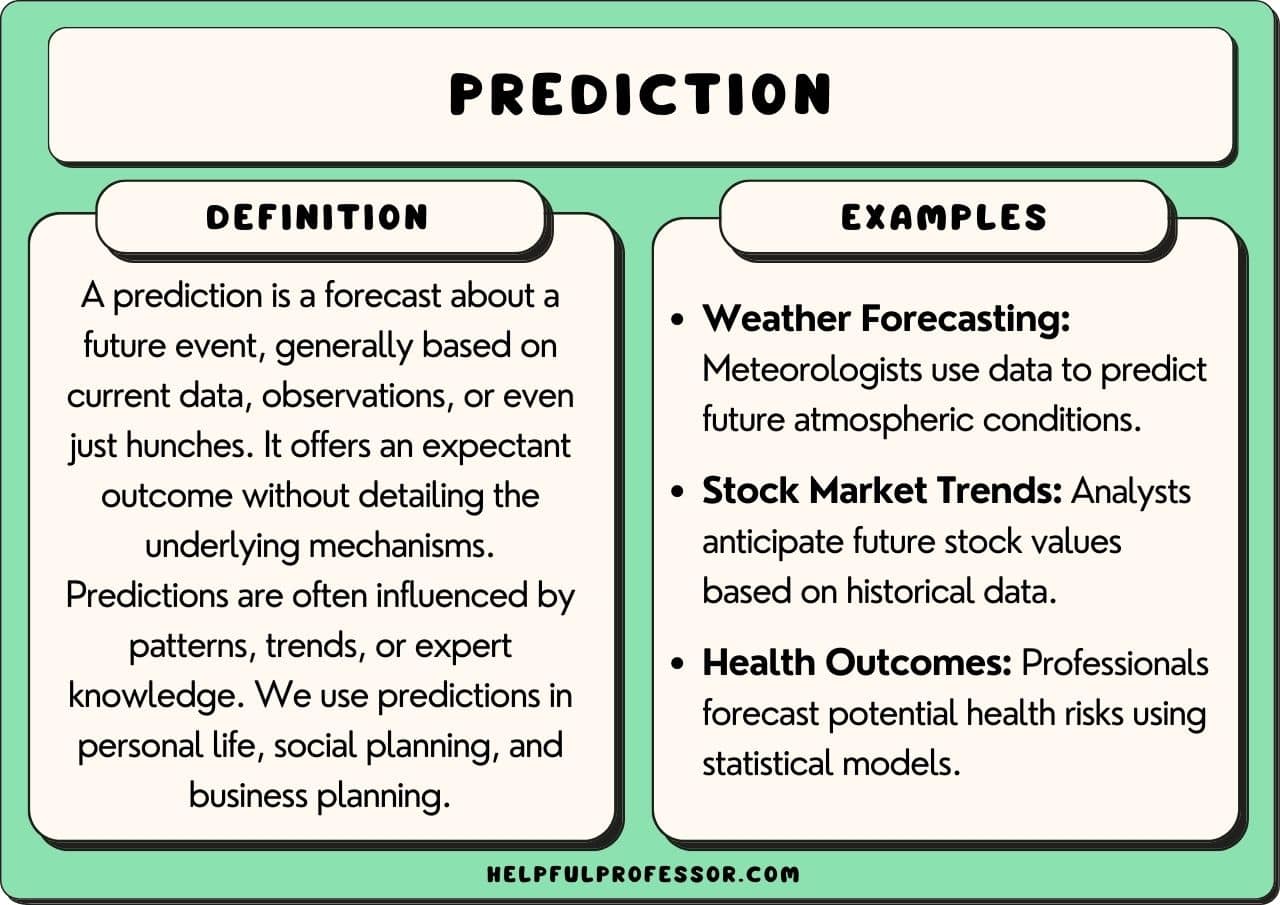
Monitoring pollinator activity offers valuable insights into nectar flow dynamics within an apiary. The behavior and visitation patterns of pollinators, primarily bees, are closely linked to nectar availability, making their activity levels a practical indicator for predicting nectar flow peaks. Systematic observation and recording of pollinator visits enable beekeepers and researchers to anticipate periods of high nectar influx, optimizing hive management and harvesting strategies.
Understanding pollinator activity involves identifying visitation patterns, frequencies, and species involved. These observations can reveal subtle shifts that precede significant nectar flow events, offering an early warning system for beekeepers aiming to maximize honey production and maintain healthy colonies. Accurate data collection and analysis are essential components for translating pollinator behavior into reliable nectar flow predictions.
Observation and Recording of Pollinator Visits
Effective prediction relies on meticulous observation of pollinator activity, which includes monitoring visit frequency, duration, and species diversity. This process involves selecting representative hive entrances or floral sites for regular observation during peak foraging hours, typically mid-morning to early afternoon when pollinator activity is at its highest.
Standardized recording methods include using hand tally counters, time-lapse photography, or video recordings to accurately count visits without disturbing pollinators. Observers should note environmental conditions such as temperature, humidity, wind speed, and cloud cover, as these factors influence pollinator behavior and nectar availability. Recording should be conducted at consistent intervals—such as every 15 or 30 minutes—over several days to establish reliable activity patterns.
Correlating Pollinator Activity with Nectar Flow Stages
To effectively utilize pollinator activity as an indicator, it is essential to correlate visitation data with specific stages of nectar flow. This involves tracking changes in pollinator visits throughout the day and across multiple days, identifying peak activity periods, and aligning these with known nectar availability stages observed through botanical assessments or nectar sampling.
Data analysis includes plotting pollinator counts against time and environmental variables, then overlaying these with nectar volume measurements or plant flowering stages. Through this process, beekeepers can recognize patterns such as increased pollinator visits preceding or aligning with the onset of nectar flow peaks, enabling proactive hive management and resource allocation.
| Pollinator Species | Number of Visits | Time of Visit | Environmental Conditions |
|---|---|---|---|
| Apis mellifera (Western Honeybee) | 35 | 09:15 – 09:45 | Temperature: 22°C; Wind: Calm; Cloud Cover: Partly cloudy |
| Bombus spp. (Bumblebees) | 12 | 10:00 – 10:30 | Temperature: 20°C; Wind: Light breeze; Cloud Cover: Overcast |
| Hoverflies | 20 | 11:00 – 11:30 | Temperature: 23°C; Wind: Slight breeze; Cloud Cover: Clear |
“An increase in pollinator visitation often signals that nectar is becoming more abundant, especially when correlating with specific flowering or environmental cues.”
Pollinator Behavior as a Signal for Nectar Peak
Changes in pollinator behavior, such as increased visit frequency, longer foraging durations, or shifts in species composition, can serve as early indicators of upcoming nectar flow peaks. For example, a sudden surge in honeybee activity, especially when coupled with specific environmental conditions like rising temperatures or optimal humidity, often precedes the maximum nectar availability in flowering plants.
Such behavioral shifts may include more aggressive foraging, extended foraging hours, or increased recruitment of workers to floral patches. Recognizing these patterns allows beekeepers to anticipate the timing of nectar abundance, enabling more precise hive placement, honey extraction planning, and resource management. Historical data, combined with real-time observations, enhances predictive accuracy, making pollinator activity a vital component of nectar flow prediction models.
Combining Multiple Data Sources
Integrating diverse datasets such as climatic conditions, phenological observations, soil health indicators, and pollinator activity enhances the accuracy of nectar flow predictions. This comprehensive approach leverages the strengths of each data type to create more reliable forecasts, benefiting beekeepers and researchers aiming to optimize hive management and honey production. The synthesis of multiple sources allows for a nuanced understanding of the complex interactions influencing nectar availability, leading to better planning and resource allocation.Effective combination of these data streams involves both strategic data collection and sophisticated analytical methods.
By integrating real-time measurements with historical trends and predictive modeling, stakeholders can develop dynamic systems capable of adapting to changing environmental conditions. Employing multi-faceted data sources ensures that predictions are not solely dependent on a single factor but reflect the broader ecological context influencing nectar flow periods.
Creating Composite Models and Flowcharts for Forecasting
Constructing composite models and flowcharts provides a visual and systematic means of synthesizing various data inputs into actionable nectar flow forecasts. These tools facilitate decision-making by illustrating how different environmental indicators interact and influence nectar availability throughout the season.Designing a composite model begins with selecting key variables such as temperature, rainfall, soil moisture, phenological stages of flowering plants, and pollinator activity levels.
Each variable is assigned a weight based on its relative influence, often determined through statistical analyses like regression models or machine learning algorithms. Combining these weighted indicators results in a predictive score or index that corresponds to specific nectar flow periods.Flowcharts serve as logical pathways that guide users through the decision-making process, connecting observed data points to forecasted nectar flow windows.
For example, a flowchart might start with current temperature and rainfall data, leading to branching pathways based on thresholds that trigger predictions of imminent flowering or nectar abundance. These visual representations streamline complex data interactions into clear, user-friendly decision tools.
Data Inputs and Predicted Nectar Flow Periods
| Data Inputs | Predicted Nectar Flow Periods |
|---|---|
|
|
Systems for Updating Predictions with New Observations
Implementing adaptive systems that incorporate ongoing observations ensures nectar flow forecasts remain accurate and responsive to environmental changes. Such systems utilize real-time data collection through sensors, manual field measurements, or citizen science reports to refine existing models continuously.An effective approach involves establishing a feedback loop where new data points are integrated into the predictive framework. For example, if a sudden heatwave accelerates plant phenology or unexpected rainfall delays flowering, the system adjusts forecasts accordingly.
Algorithms like Kalman filters or Bayesian updating methods facilitate this process by weighting recent observations more heavily while retaining historical context. This dynamic updating mechanism enhances the reliability of nectar flow predictions, allowing beekeepers to make timely decisions and adapt management strategies proactively.
Wrap-Up
In conclusion, predicting nectar flow requires a multifaceted approach that considers environmental conditions, plant development stages, soil health, and pollinator behavior. By leveraging technological tools and combining various data sources, stakeholders can achieve more accurate forecasts, ultimately fostering healthier ecosystems and more productive apiculture activities. Continuous observation and data integration remain key to refining these predictions and supporting sustainable agricultural practices.