Mastering the art of handling bees safely is essential for both the well-being of the bees and the safety of beekeepers. Proper knowledge and techniques enable individuals to work confidently with these important pollinators while minimizing risks and promoting hive health.
This guide covers understanding bee behavior, selecting appropriate protective equipment, employing safe handling techniques, responding to emergencies, and creating a secure environment for all. Equipped with these insights, beekeepers can ensure a harmonious and safe interaction with their colonies.
Understanding Bee Behavior and Safety Precautions
Gaining a comprehensive understanding of bee behavior is essential for ensuring safe interactions during hive management or observation activities. Recognizing the typical movements and reactions of bees allows handlers to anticipate their responses and minimize risks. Proper safety precautions, including the use of protective gear, are vital components of responsible bee handling, safeguarding both the handler and the bees.
Bees exhibit specific behavioral patterns that can indicate their mood and level of defensiveness. By attentively observing these behaviors, handlers can assess whether the hive is calm or agitated, allowing them to adapt their approach accordingly. Implementing appropriate safety measures, particularly the correct wearing of protective gear, significantly reduces the likelihood of stings and adverse reactions. Consistent adherence to safety protocols ensures a respectful and secure environment for both humans and bees.
Understanding Bee Behavior
Bees are highly social insects with distinct behavioral cues that signal their current state. Their movements, posture, and clustering tendencies reflect their level of comfort or agitation. Recognizing these cues enables handlers to identify potential risks early and respond appropriately.
- Calm Bees: Typically, bees are stationary or gently moving within the hive, with wings fluttering softly. They may be focused on hive tasks such as cleaning or brood care. In this state, handling can proceed with minimal disturbance.
- Agitated or Defensive Bees: Signs of agitation include rapid wing beating, buzzing sounds, and clustering at hive entrances. Bees may also exhibit defensive postures, such as raised abdomens or aggressive buzzing if they perceive a threat.
Signs of aggressive behavior include persistent buzzing near the hive entrance, rapid vibrations, and bees gathering in dense clusters. Such behaviors indicate that the hive feels threatened, and handling should be postponed or approached with heightened caution.
Protective Gear and Proper Usage
The use of protective gear is fundamental for safe bee handling. Properly worn equipment acts as a barrier against stings and helps reduce anxiety during hive interactions. Ensuring the correct fit and coverage is essential to maximize safety and comfort.
- Bee Suit: A full-body suit made of thick, breathable material protects the entire body. It should be snug enough to prevent bees from crawling inside but loose enough to allow comfortable movement.
- Veil and Hat: A veil protects the face and neck. The veil should be securely attached to the suit or hat, with fine mesh that allows clear visibility and ventilation.
- Gloves: Thick, long gloves made of leather or durable synthetic material shield the hands and forearms from stings. Gloves should fit snugly to prevent gaps.
- Footwear: Closed, sturdy shoes or boots prevent bees from entering and provide stable footing during handling activities.
Proper wearing of protective gear involves checking for any tears, ensuring all closures and zippers are fastened, and maintaining cleanliness to prevent contamination. Regular inspection of equipment maintains its effectiveness and prolongs usability.
Safety Procedure Table
Implementing a structured safety protocol ensures systematic and precautionary handling of bees. The following table Artikels key steps, their descriptions, and associated safety tips to guide handlers in various situations:
| Step Illustration | Description | Safety Tips |
|---|---|---|
| Prepare Equipment | Gather all necessary protective gear and tools before approaching the hive to minimize unnecessary movement and distractions. | Inspect gear for damage, ensure proper fit, and have a calm, deliberate mindset before beginning. |
| Approach Calmly | Approach the hive slowly and quietly to avoid startling the bees, reducing the likelihood of defensive behavior. | Move smoothly, avoid sudden gestures, and maintain a steady, confident posture. |
| Use Gentle Movements | Handle the hive or frames with gentle, deliberate movements to prevent agitation. | Be aware of bee activity and adjust your actions accordingly, avoiding abrupt jarring. |
| Monitor Bee Behavior | Observe bees continuously for signs of agitation, adjusting handling techniques or retreating if necessary. | If bees become aggressive or swarm, pause operations and retreat cautiously. |
| Post-Handling Safety | Carefully remove protective gear after completing tasks, avoiding contact with bees or hive surfaces. | Wash hands and gear if contaminated and store equipment properly to maintain safety and hygiene. |
Proper Equipment and Protective Clothing
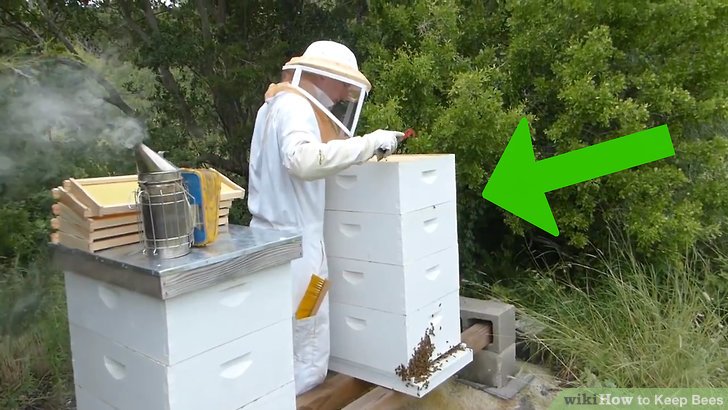
Handling bees safely requires more than just knowledge of bee behavior; it also depends heavily on appropriate protective gear. The right equipment not only minimizes the risk of stings and injuries but also enhances confidence during hive inspections and maintenance. Investing in high-quality, well-fitting protective clothing is essential for both novice and experienced beekeepers to ensure a safe and enjoyable beekeeping experience.
Choosing the correct protective equipment involves considering factors such as the beekeeper’s experience level, the activity intensity of the hive, and environmental conditions. Properly fitted gear can significantly reduce vulnerability to bee stings and prevent accidental injuries, making safety a priority in every interaction with bee colonies.
Essential Protective Gear for Handling Bees
When working with bees, essential protective gear should include a combination of clothing and accessories designed to cover the body and prevent bee stings. The following items are fundamental for safe beekeeping:
- Hive Suit or Coveralls
- Beekeeping Gloves
- Veil or Bee Helmet with Mesh Face Shield
- Beekeeping Boots or Waterproof Footwear
- Beesuit Accessories (such as smoker and hive tool) for activity management
Each piece of equipment plays a vital role in safeguarding against stings and ensuring that the beekeeper can handle the colony confidently and comfortably. Selecting the right gear depends on factors like hive activity and personal comfort, which can influence safety and efficiency during hive management.
Comparison of Hive Suits, Gloves, and Veils
Understanding the differences between types of protective gear helps in making informed decisions tailored to individual needs and circumstances. Below is an organized comparison of various protective options based on material, coverage, and suitability for different experience levels and hive activity.
| Gear Type | Options | Material | Coverage | Best For |
|---|---|---|---|---|
| Hive Suit | Full suit with zip front; Jacket and pants combo; Separate pants and jacket | Polyester, cotton blends, or specialized bee-proof fabric | Full body coverage, including legs and arms | Beginners, high-activity hives, or protective measures in hot climates |
| Gloves | Nitrile, leather, rubber, or Kevlar-lined gloves | Flexible, puncture-resistant materials | Hand and forearm protection | All experience levels; high hive activity or aggressive bees |
| Veil/Helmet | Mesh veil, full helmet with netting, or protective hood | Metal mesh, lightweight fabric, or plastic | Face and neck protection | All beekeepers, essential for safety during hive inspection |
For example, beginners often prefer full suits with integrated veils for comprehensive coverage, while experienced beekeepers may opt for less bulky jackets or gloves made from durable materials. When selecting equipment, consider the hive’s temperament; more aggressive colonies warrant more protective gear. Ensuring a proper fit enhances safety, comfort, and ease of movement during hive handling.
Selecting Appropriate Equipment Based on Experience Level and Hive Activity
Experience level and hive activity significantly influence the choice of protective gear. Novice beekeepers or those managing active, aggressive colonies should prioritize full coverage suits, sturdy gloves, and well-fitting veils to prevent stings and facilitate confident hive management. Advanced beekeepers, familiar with their colonies’ temperaments, might opt for lighter or less cumbersome gear, provided safety is not compromised.
When selecting equipment, it is crucial to ensure a snug fit to prevent bee entry and reduce sting risk. Adjustable straps on suits and gloves, elastic cuffs, and properly fitted veils contribute to optimal protection. Regularly inspecting gear for tears or wear is also vital to maintain safety standards. For particularly active or defensive colonies, additional precautions such as double-layer suits or bee-proof gloves made from reinforced materials may be appropriate.
Safe Techniques for Handling Bees and Hive Inspection
Handling bees and inspecting hives require a calm, deliberate approach to ensure both beekeeper safety and the well-being of the colony. Proper technique minimizes stress for the bees, reduces the risk of stings, and allows for effective assessment of hive health. Mastering these procedures is essential for anyone involved in apiculture, whether as a hobbyist or professional.
Implementing safe handling methods involves understanding bee behavior, utilizing the right tools correctly, and following organized steps during hive inspection. Adhering to established safety practices not only protects the individual beekeeper but also promotes a positive experience with the hive, encouraging bees to remain calm and cooperative during inspections.
Procedures for Opening a Hive Safely Without Provoking Bees
Opening a hive efficiently and safely starts with preparation and a calm demeanor. Approach the hive slowly and gently, avoiding abrupt movements that might startle the bees. Always wear protective equipment to create a physical barrier between you and potential stings, and approach the hive from the side or front, depending on hive orientation, to maintain control of your movements.
Before opening, ensure the hive entrance is not obstructed and that the weather conditions favor calm bee activity. If bees become agitated during inspection, close the hive immediately to prevent unnecessary disturbance and wait until they calm down before resuming. Using smoke appropriately can help keep bees docile by interrupting their alarm pheromone signals and reducing their defensive response.
Proper Use of Tools Like Hive Tools and Smokers to Minimize Disturbance
The correct use of hive tools and smokers is critical for smooth hive management. A hive tool is used to gently pry apart hive components without damaging the frames or combs. Always insert the tool slowly and carefully, working along the edges to release any attachments, and avoid yanking or forcing components apart, which can provoke defensive behavior.
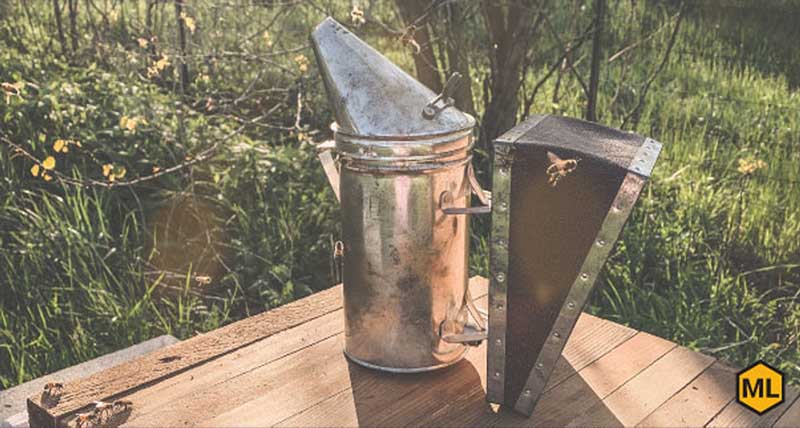
Smokers are employed to calm bees by masking alarm pheromones and encouraging them to retreat into the hive. Fill the smoker with appropriate fuel—such as untreated wood or natural materials—and light it until it produces a steady, cool smoke. Puff the smoke gently at the hive entrance and around the frames before opening, and periodically while inspecting, to maintain a calm environment.
Step-by-Step Hive Inspection Procedures with Safety Considerations
- Prepare and gear up: Don protective clothing, including gloves, veil, and suit. Ensure tools are clean and functional.
- Approach the hive calmly: Move slowly and deliberately, avoid sudden movements or loud noises that can startle bees.
- Apply smoke: Light the smoker and puff smoke at the hive entrance and around the frames to calm the bees. Wait a few moments for the bees to settle.
- Uncover the hive: Gently remove the lid or outer cover using the hive tool, working from the side or front to minimize disturbance.
- Inspect the frames: Carefully lift frames one by one, supporting their weight with both hands. Use the hive tool to gently loosen any stuck frames.
- Examine brood and honey stores: Look for signs of healthy brood patterns, pest presence, or disease symptoms. Handle frames gently to avoid crushing bees or damaging combs.
- Replace the frames and cover: Once inspection is complete, replace the frames in their original order and carefully re-attach the cover, ensuring it is secure.
- Remove the smoker and observe: Allow a few moments for bees to settle after closing the hive. Remove your protective gear carefully, avoiding sudden movements that could provoke a response.
Throughout the inspection, remain calm, patient, and deliberate. Avoid jarring the hive or making loud noises. If bees become overly aggressive, pause the inspection, use smoke to restore calm, and consider rescheduling if necessary.
Do’s and Don’ts During Hive Handling
Adherence to best practices enhances safety and promotes a healthy hive environment. The following list provides essential do’s and don’ts for handling bees and conducting hive inspections:
- Do: Use smooth, deliberate movements to avoid startling the bees.
- Do: Wear full protective gear, including gloves and a veil, to prevent stings.
- Do: Use smoke effectively to calm the bees before opening the hive.
- Do: Handle frames gently to prevent damage to the comb and disturbance to the colony.
- Do: Keep tools clean and in good condition to avoid unintended injuries or hive damage.
- Don’t: Rush the opening or closing process; patience is key.
- Don’t: Use excessive force when removing or replacing frames, as this can provoke defensive behavior.
- Don’t: Spray or use chemicals inside the hive unless specifically recommended for disease treatment, and always follow safety guidelines.
- Don’t: Approach the hive from directly above or from behind unless necessary, to avoid unexpected stings.
By following these structured steps and safety guidelines, beekeepers can conduct hive inspections efficiently and safely, fostering a positive environment for both the bees and themselves.
Responding to Bee Stings and Emergencies
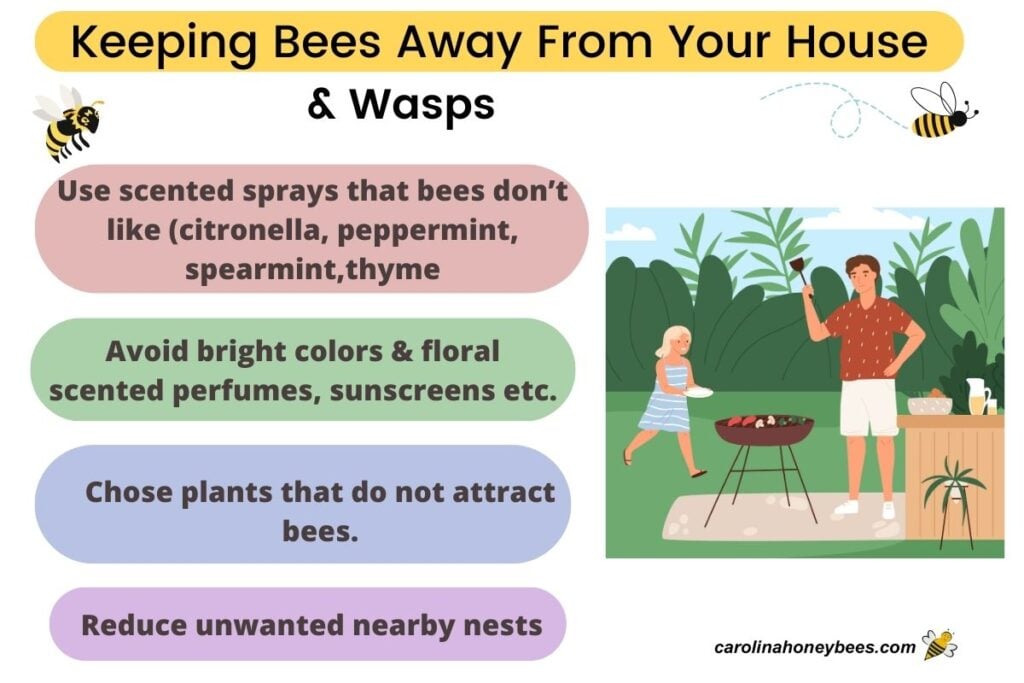
Handling bee stings promptly and effectively is crucial for minimizing discomfort and preventing serious health complications. Even experienced beekeepers can encounter unexpected reactions, making preparedness vital. Understanding the immediate actions required and knowing how to respond to allergic reactions ensures safety for yourself and others involved in hive management.
This section provides comprehensive guidance on how to act swiftly after a bee sting, administer appropriate first aid, and utilize an emergency bee sting kit. Proper response procedures can significantly reduce pain, swelling, and potentially life-threatening reactions, ensuring a safe beekeeping experience.
Immediate Actions After a Bee Sting
Timely intervention following a bee sting can mitigate pain, swelling, and other adverse effects. The goal is to remove the stinger quickly and reduce the spread of venom. The following steps should be taken immediately:
- Remove the Stinger: Use a fingernail, tweezers, or a credit card to gently scrape out the stinger as swiftly as possible. Avoid squeezing it, which can release more venom.
- Clean the Area: Wash the sting site thoroughly with soap and water to prevent infection.
- Apply Cold Compress: Place a cold pack or ice wrapped in a cloth on the affected area for 10-15 minutes to reduce pain and swelling.
- Manage Pain and Swelling: Use over-the-counter antihistamines or pain relievers such as ibuprofen, following the recommended dosage, to alleviate discomfort.
Monitoring the site for adverse reactions is essential. Most bee stings cause localized pain and swelling that subside within a few hours to days when promptly treated.
First Aid Procedures for Allergic Reactions
While many individuals experience mild symptoms, some may develop severe allergic reactions, known as anaphylaxis, which require immediate medical attention. Recognizing warning signs and administering appropriate first aid can be life-saving:
- Signs of anaphylaxis include difficulty breathing, swelling of the throat or tongue, dizziness, rapid heartbeat, abdominal cramps, or loss of consciousness.
- If an allergic reaction occurs, administer an epinephrine auto-injector (such as an EpiPen) immediately, if available, and call emergency services.
- Position the person to prevent shock: have them lie down with legs elevated, unless they are experiencing difficulty breathing.
- Loosen tight clothing and keep the person calm while waiting for emergency responders.
- If the individual does not respond to the auto-injector within 5 minutes, and emergency help has arrived, they may require additional doses as advised by medical personnel.
Seek medical attention promptly for any signs of severe allergic reactions, even if symptoms seem to improve after initial treatment.
Emergency Contacts, Symptom Indicators, and First Aid Steps
Accurate and accessible information is crucial during bee sting emergencies. The following table summarizes critical contacts, symptoms, and first aid actions to ensure swift and effective response:
| Emergency Scenario | Indicators | Primary First Aid Steps | Emergency Contact |
|---|---|---|---|
| Localized bee sting pain and swelling | Itching, redness, swelling around the sting site; pain within minutes | Remove stinger promptly, clean area, apply cold compress, take antihistamines if necessary | Local emergency number (e.g., 911), or poison control center |
| Signs of allergic reaction (mild to moderate) | Itching, hives, swelling beyond the sting site, mild breathing difficulty | Administer antihistamines, apply cold pack, monitor breathing, seek medical help immediately | Emergency services (911), nearest hospital or urgent care center |
| Severe allergic reaction (anaphylaxis) | Difficulty breathing, swelling of throat/tongue, dizziness, loss of consciousness, rapid heartbeat | Administer epinephrine auto-injector, call emergency services, position person appropriately | Emergency services (911), nearest hospital |
Carrying and Maintaining an Emergency Bee Sting Kit
An emergency bee sting kit is a vital component of first aid preparedness for beekeepers. Properly stocked and maintained kits ensure swift response to bites and allergic reactions. The kit should be stored in a readily accessible location near the hive or work area and checked regularly to ensure all supplies are available and up-to-date.
- Essential Items to Include:
- Epipen or other epinephrine auto-injectors — ensure they are within their expiration date and stored at recommended temperatures
- Antihistamines (oral tablets like diphenhydramine or loratadine)
- Cold packs or instant ice packs for immediate application
- Sterile gauze, antiseptic wipes, and adhesive bandages
- Tweezers for stinger removal
- Disposable gloves to prevent infection during treatment
- Clear written instructions on how to recognize symptoms and administer first aid
- Maintenance Tips:
- Check expiry dates regularly and replace expired medications or supplies
- Ensure the kit is fully stocked after each use or at scheduled intervals
- Train all team members on how to use auto-injectors and perform basic first aid
- Keep the kit in a waterproof, easily accessible container
Having a well-maintained emergency bee sting kit helps ensure rapid, effective response, reducing the risk of severe reactions and promoting safety during beekeeping activities.
Creating a Safe Environment for Bees and Humans
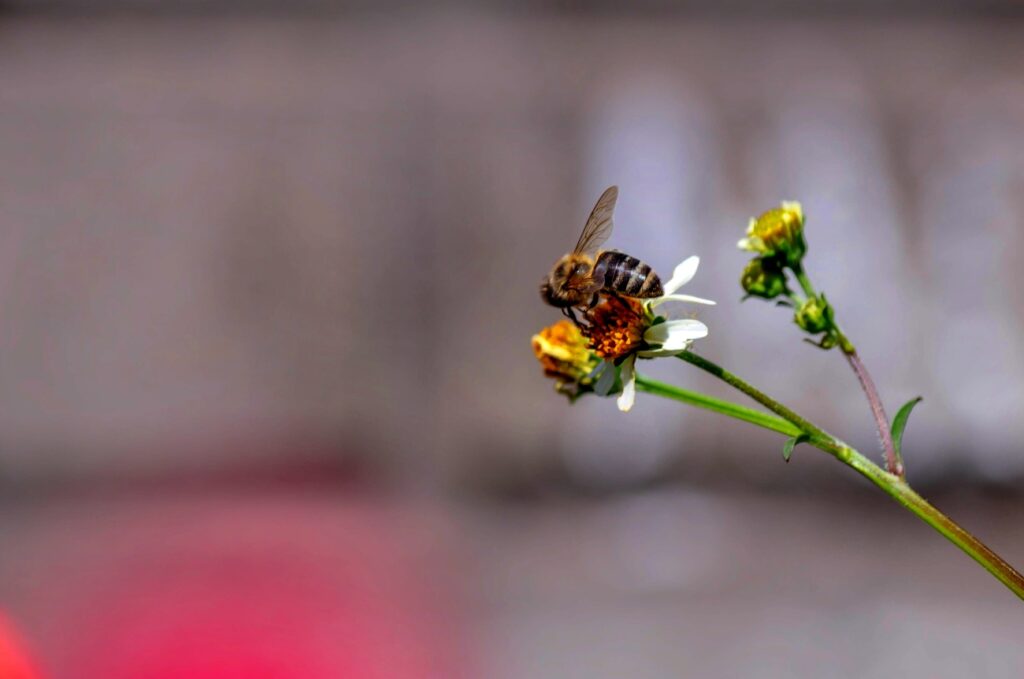
Setting up a harmonious space where bees and humans coexist safely is essential for effective beekeeping and community well-being. This involves thoughtful planning of hive placement, regular maintenance, and implementation of safety measures that protect both parties while promoting healthy bee populations.Establishing a bee-friendly environment requires careful attention to the physical layout of the apiary, as well as ongoing practices that support hive health and reduce the likelihood of aggressive behavior.
This proactive approach ensures that bees remain calm and productive, while humans can enjoy their presence without undue risk.
Designing a Safe and Accessible Apiary Area
Creating a safe environment starts with selecting an appropriate location for the hives. The area should be accessible for routine inspections yet positioned to minimize disturbance to neighbors and passersby. Key considerations include:
- Choosing a site with good airflow to prevent moisture buildup and discourage disease development.
- Placing hives away from high traffic zones, playgrounds, or areas frequented by children and pets.
- Providing natural or artificial shading to prevent overheating during summer months, but avoiding excessive shade that could hinder hive ventilation.
- Ensuring easy access for maintenance while maintaining proper barriers to restrict unwarranted human or animal entry.
Effective placement not only enhances hive health but also reduces the risk of bee-human conflicts by establishing clear boundaries.
Maintaining Hive Health and Preventing Aggressive Behavior
A well-maintained hive contributes significantly to a peaceful apiary environment. Regular checks and proper management can prevent issues that might trigger defensive or aggressive bee behavior. The following checklist supports this goal:
Hive Maintenance and Behavior Prevention Checklist:
- Ensure adequate space within the hive to prevent overcrowding, which can lead to stress and defensiveness.
- Maintain stable hive temperatures and humidity levels through proper ventilation and site selection.
- Monitor for signs of disease or pests, such as Varroa mites or American foulbrood, and address issues promptly.
- Replace old or damaged frames and brood combs to reduce the risk of disease and improve hive health.
- Implement gentle handling techniques during inspections to minimize disturbance and stress to the bees.
- Use behavioral cues, like flight patterns and hive activity, to gauge bee temperament and adjust management practices accordingly.
Consistent hive health management not only prevents aggressive encounters but also promotes robust, productive colonies.
Methods for Safely Relocating Hives
Relocating beehives is sometimes necessary due to construction, safety concerns, or urban development. Proper relocation methods are crucial to prevent stress or harm to the bees and ensure their successful transition:
- Planning: Choose a new site that offers suitable forage, water sources, and a stable environment, ideally at least 3 miles away from the original location to prevent the bees from returning.
- Timing: Conduct the move during early morning or late evening when bees are less active to minimize disturbance.
- Preparation: Use a ventilated, secure transport box or hive, and ensure the colony has adequate ventilation during transit.
- Relocation Process: Gently remove the hive, avoiding abrupt jolts or vibrations, and position it at the new site at the same orientation as before.
- Post-Relocation Care: Observe the hive closely over the following days for signs of stress or disorientation and provide supplemental feeding if necessary.
Following these steps ensures a smooth transition and maintains hive vitality.
Visual Diagram Description: Safe Distances and Barriers Around Hives
A well-designed apiary incorporates physical boundaries that establish safe distances and barriers to protect both bees and humans. Imagine a diagram with the following features:
- The hive is centrally located, with a minimum distance of 10 meters (approximately 33 feet) from pathways, property lines, or areas with high foot traffic. This distance reduces the likelihood of accidental encounters and provides bees with a buffer zone.
- A low, sturdy fence or hedge surrounding the apiary creates a visual and physical barrier, discouraging unwarranted access by children or animals.
- Signage is placed at the entrance indicating “Bee Apiary – Authorized Personnel Only” to inform visitors and prevent unintentional intrusion.
- A clear, open space of at least 2 meters (around 6.5 feet) around each hive allows for safe maintenance and inspection activities.
- Additional barriers such as screens or netting can be used during hive inspections or relocation to contain bee flight paths and prevent escape into public areas.
- The diagram emphasizes the importance of maintaining these distances and barriers consistently to foster a secure environment where bees can thrive and humans can coexist safely.
Educational Resources and Training
Providing comprehensive education and training is essential for ensuring that new beekeepers develop safe handling practices and understand the importance of safety protocols. Well-structured training programs not only promote safe interactions with bees but also foster responsible beekeeping communities that prioritize the well-being of both humans and bee populations.
Accessible safety workshops, certification programs, and detailed training modules serve as foundational tools in cultivating knowledgeable and confident beekeepers. By emphasizing continuous learning and adherence to established safety standards, beekeepers can mitigate risks, enhance hive management skills, and contribute to the sustainability of local ecosystems.
Guidelines for Training New Beekeepers on Safe Handling Practices
Effective training for new beekeepers revolves around clear guidelines that establish best practices from the outset. These guidelines should encompass understanding bee behavior, proper use of protective equipment, and safe hive manipulation techniques. Emphasizing hands-on experience under supervision ensures that beginners develop practical skills while minimizing risk exposure.
Training modules should incorporate real-life scenarios, such as handling unexpected bee aggression or hive disturbances, preparing new beekeepers for diverse situations. Reinforcing the importance of patience, attentiveness, and respect for bee behavior fosters a safety-conscious mindset that benefits both the handler and the colony.
Safety Workshops and Certification Programs
Participating in safety workshops and certification programs enhances beekeepers’ knowledge and credibility. These programs typically cover essential topics such as disease prevention, pest management, legal considerations, and emergency response procedures. Certification often requires successful completion of both theoretical assessments and practical evaluations, ensuring comprehensive understanding.
Local agricultural extension offices, beekeeping associations, and environmental organizations frequently offer these workshops, which serve as excellent platforms for networking and knowledge exchange. Certified beekeepers are recognized for their commitment to safety and responsible hive management, which can also boost community trust and support.
Developing Safety Training Modules with Key Points
Creating effective safety training modules involves identifying core topics and presenting them in an accessible, engaging manner. These modules should be designed to cover critical safety aspects, including bee behavior, protective gear usage, hive inspection techniques, and emergency procedures. Incorporating visual aids, demonstrations, and interactive components enhances learning retention and practical application.
Key points to include in training modules are:
- Understanding bee anatomy and behavior to predict hive reactions.
- Proper selection and maintenance of protective equipment, such as veils, suits, and gloves.
- Techniques for safe hive opening, inspection, and honey harvesting.
- Recognizing signs of distress or aggression in bees and responding appropriately.
- Procedures for administering first aid and managing bee stings or allergic reactions.
- Legal and environmental considerations related to beekeeping activities.
Safety Certifications and Standards Related to Handling Bees Safely
Adherence to recognized safety certifications and standards reinforces safe beekeeping practices and promotes consistency across the industry. These certifications often require demonstration of knowledge, practical skills, and commitment to safety protocols.
Examples of relevant certifications and standards include:
- National or regional beekeeping safety certifications: Provided by agricultural agencies or beekeeping associations, these validate a beekeeper’s competence in handling bees responsibly.
- Occupational Safety and Health Administration (OSHA) standards: Although specific to workplaces, OSHA guidelines influence safe handling practices and equipment requirements in commercial apiaries.
- Environmental and wildlife protection standards: Regulations ensuring that beekeeping activities do not harm local ecosystems or non-target species.
- Equipment safety standards: Certifications for protective gear and hive components to ensure durability and safety during handling.
Engagement with these certifications and standards not only enhances safety but also demonstrates professionalism, encouraging public confidence and supporting regulatory compliance in the beekeeping industry.
Summary
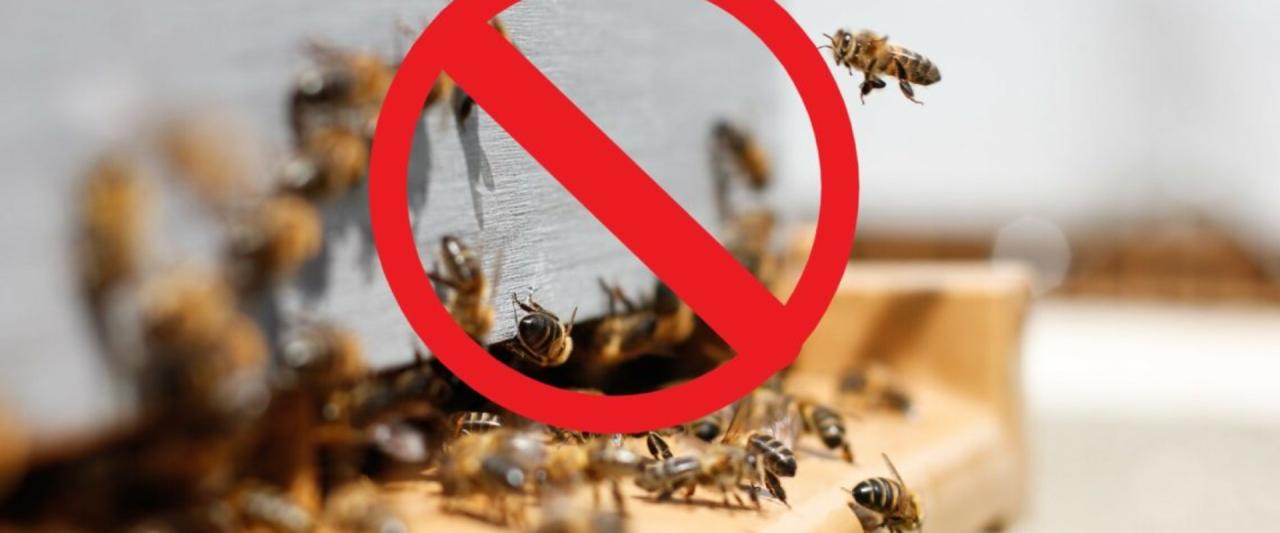
In conclusion, handling bees safely is a vital skill that combines knowledge, proper equipment, and careful procedures. By following best practices and maintaining a respectful approach, beekeepers can enjoy productive and safe apiary management, fostering both human safety and healthy bee colonies.