Understanding how to price honey products is essential for producers and sellers aiming to succeed in a competitive market. Proper pricing not only reflects the value and quality of the honey but also ensures profitability and sustainability for your business. This guide offers valuable insights into the key factors, strategies, and considerations involved in setting the right price for honey products, empowering you to make informed decisions that resonate with your target customers.
From analyzing production costs and market demand to implementing effective pricing strategies and adhering to legal standards, this comprehensive overview provides the tools needed to establish fair and competitive prices. Whether you are offering raw honey, flavored varieties, or packaged products, understanding the nuances of pricing will help maximize your sales and build consumer trust.
Understanding the Factors Influencing Honey Product Pricing
Pricing honey products effectively requires a comprehensive understanding of the various elements that influence market values. Several factors, ranging from production costs to regional and seasonal variations, play a crucial role in determining the final price set by producers and sellers.
By examining these components, honey producers and marketers can develop strategic pricing models that reflect both the intrinsic qualities of their products and external market conditions. The following table provides a detailed overview of the key factors impacting honey pricing, highlighting their descriptions, impact levels, and relevant examples.
| Factor | Description | Impact Level | Examples |
|---|---|---|---|
| Production Costs | Expenses incurred during honey cultivation, harvesting, processing, and packaging. This includes labor, equipment, maintenance, and raw material costs. | High | Honey produced with organic certification often incurs higher costs due to specialized handling and certification fees. |
| Market Demand | The level of consumer interest and purchasing behavior influences price; higher demand can justify higher prices. | Variable | During health-conscious trends, organic and raw honey see increased demand, elevating prices. |
| Quality Differentiation | Variations in honey purity, flavor, origin, and processing methods impact perceived quality and pricing. | Moderate to High | Manuka honey from New Zealand commands premium prices due to its unique antibacterial properties. |
| Regional Variations | Differences in climate, flora, and local production practices influence honey availability and cost. | Moderate | Honey from Mediterranean regions may be priced higher due to limited harvest seasons and unique floral sources. |
| Seasonal Variations | Harvest times and seasonal fluctuations in nectar flow affect honey supply, impacting prices accordingly. | High | Honey prices often spike after peak harvest seasons in spring and summer due to limited stock. |
Understanding these factors allows producers to anticipate market trends and adjust their pricing strategies accordingly. For instance, during periods of low regional honey yields, prices tend to increase, whereas oversupply can lead to price reductions. Similarly, investing in quality differentiation, such as organic certification or unique floral sources, can justify premium pricing and target niche markets.
Cost Analysis for Honey Products
Accurate cost analysis forms the backbone of effective honey product pricing. Understanding both the direct and indirect costs involved in honey production enables producers to set sustainable prices that cover expenses and generate profit. This process involves systematically identifying all costs associated with each stage of production and distribution to ensure comprehensive financial management.
By thoroughly analyzing costs, honey producers can determine the minimum price at which their products can be sold without incurring losses, known as the break-even price. This not only helps in pricing strategies but also in making informed decisions about scaling production, sourcing raw materials, and optimizing operational efficiencies. The detailed understanding of costs ultimately supports the creation of competitive yet profitable honey products tailored to market demands.
Calculating Direct and Indirect Costs
Effective cost analysis begins with distinguishing between direct costs, which are directly attributable to honey production, and indirect costs, which are shared across multiple activities or products. Carefully calculating these costs ensures that all expenses are accounted for, providing a clear picture of the true cost of honey products.
To calculate direct costs, consider the expenses directly associated with honey production, such as raw materials, labor specific to harvesting and processing, and packaging. Indirect costs include overhead expenses like utilities, equipment depreciation, maintenance, administrative salaries, and marketing. Allocating these costs proportionately to honey production helps in establishing accurate product costs.
Step-by-Step Method to Determine the Break-Even Price
- Identify Total Fixed Costs: These are costs that remain constant regardless of production volume, such as equipment purchase, land rent, and salaried labor.
- Calculate Variable Costs per Unit: These include raw honey, labor involved in processing, packaging materials, and transportation costs that vary directly with production volume.
- Determine Total Costs for a Production Volume: Sum fixed costs and variable costs for the expected number of units produced.
- Compute the Break-Even Price: Use the formula:
Break-Even Price = (Total Fixed Costs + Total Variable Costs) / Number of Units Produced
- Analyze and Adjust: Consider market conditions, competitor pricing, and profit margins to adjust the break-even point to a sustainable selling price.
Key Components of Cost Analysis
Understanding the fundamental components involved in cost analysis allows honey producers to pinpoint areas for cost control and efficiency improvements. The main components include:
- Raw Materials: The cost of honey itself, beeswax, and other natural inputs essential for honey production. Fluctuations in honey prices due to seasonal or market factors significantly influence overall costs.
- Labor: Wages for beekeepers, processing workers, and other personnel involved in harvesting, extracting, filtering, and packaging honey. Labor costs can vary depending on labor intensity and local wage standards.
- Packaging: Expenses related to bottles, jars, labels, seals, and other packaging materials necessary for product presentation and preservation. High-quality packaging may increase costs but can also add value to the product.
- Distribution: Costs incurred in transporting honey to markets, including logistics, freight, storage, and distribution personnel. Efficient distribution channels can reduce costs and improve market reach.
Pricing Strategies for Honey Products
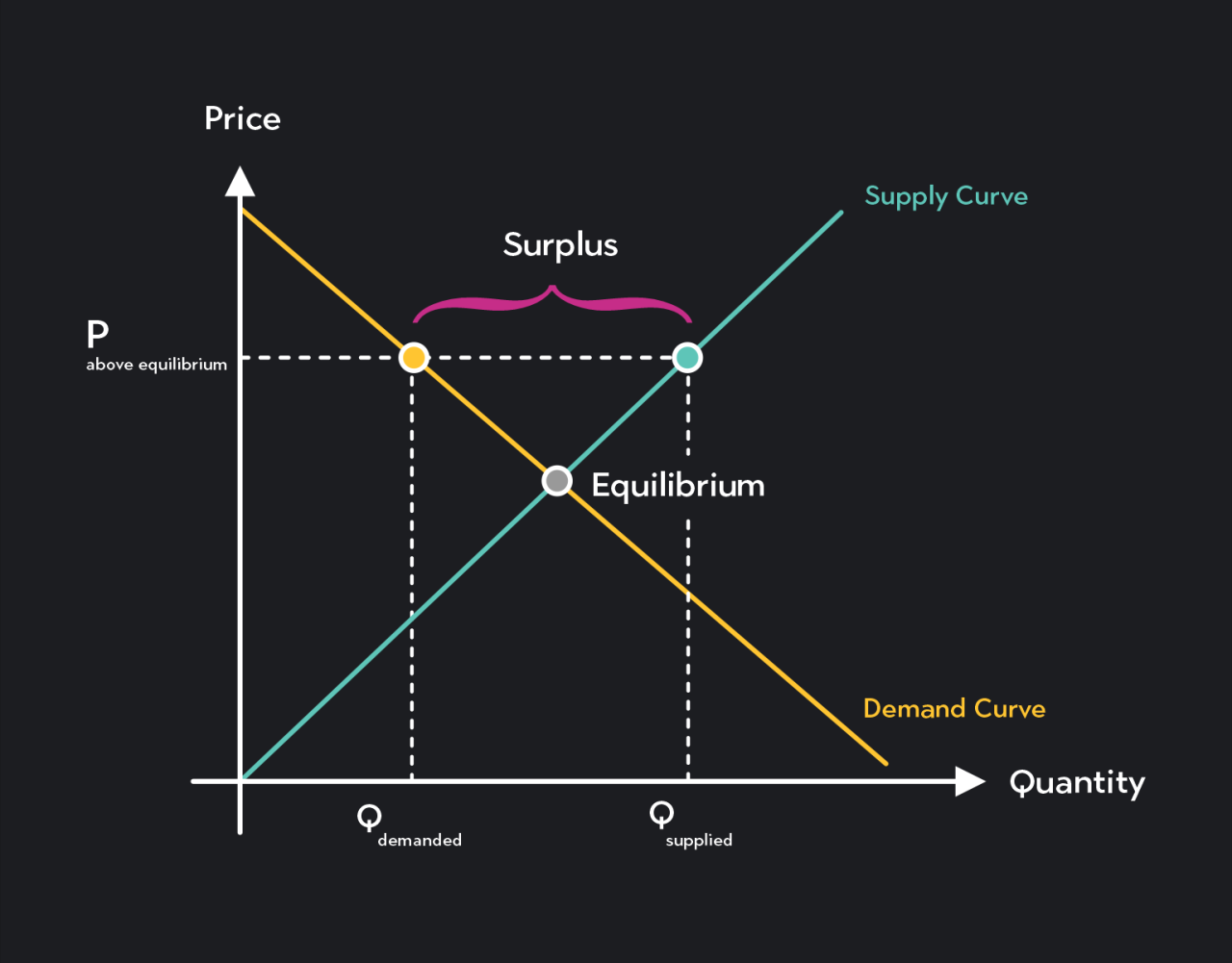
Determining the most effective pricing strategy for honey products is crucial to ensuring both market competitiveness and profitability. Different approaches cater to various business models, target audiences, and market conditions. Selecting the appropriate strategy requires a clear understanding of your costs, perceived value, and competitor landscape.
Implementing the right pricing approach influences consumer perception, sales volume, and overall revenue. It is essential to evaluate each strategy’s advantages and limitations within the context of your specific honey products and market positioning. The goal is to find a balanced price point that maximizes profit while remaining attractive to customers.
Cost-Plus Pricing
Cost-plus pricing is a straightforward method where a fixed percentage or amount is added to the total cost of producing honey products to determine the selling price. This approach ensures all costs are covered and a consistent profit margin is maintained.
Formula: Selling Price = Total Cost per Unit + (Total Cost per Unit × Markup Percentage)
Cost-plus pricing is advantageous for its simplicity and reliability, especially when costs are stable and predictable. However, it may not account for market demand or competitor prices, potentially leading to prices that are too high or too low relative to consumer expectations.
Value-Based Pricing
Value-based pricing focuses on the perceived value of honey products to consumers rather than solely on costs. This approach considers factors such as quality, branding, health benefits, and uniqueness, which can justify higher price points.
To implement value-based pricing, businesses should conduct market research to understand what customers are willing to pay for premium honey or distinctive features, such as organic certification or unique floral sources. This strategy can enhance profitability by capturing the maximum perceived value.
Tip: Emphasize the health benefits, purity, and origin of your honey to strengthen the perceived value and justify premium pricing.
Competitive Pricing
Competitive pricing involves setting prices based on what competitors are charging for similar honey products. This strategy requires continuous market analysis to stay aligned with industry standards and consumer expectations.
Adopting a competitive approach can help attract price-sensitive customers and prevent loss of market share. It is particularly effective in saturated markets where price differentiation is limited, and consumers often compare options before purchase.
Best Practice: Regularly monitor competitor prices and adjust your pricing to maintain competitiveness without sacrificing margins excessively.
Determining the Optimal Price Point
Balancing profitability and market competitiveness necessitates an analytical approach to identify the optimal price. This involves evaluating the costs, customer willingness to pay, and competitive landscape simultaneously.
Methods such as conducting price elasticity studies, testing different price points in pilot markets, and analyzing sales data help in pinpointing the price that maximizes revenue without deterring potential customers. Setting an introductory price and gradually adjusting based on market response can also be an effective tactic.
Additionally, considering psychological pricing techniques, such as setting prices just below whole numbers (e.g., $9.99 instead of $10), can influence consumer perception and increase sales volume.
Pricing Strategies Comparison
| Strategy | Advantages | Disadvantages | Suitable Scenarios |
|---|---|---|---|
| Cost-Plus Pricing | Simple to calculate; guarantees covering costs; predictable profit margins | Ignores market demand; may lead to prices that are too high or low; less flexible | Stable cost environments; small-scale producers; products with predictable costs |
| Value-Based Pricing | Captures higher margins; aligns with customer perceptions; supports premium branding | Requires detailed market research; can be challenging to quantify perceived value | Premium honey products; unique or branded offerings; health-conscious markets |
| Competitive Pricing | Helps stay relevant in saturated markets; easy to implement | Margins may be squeezed; risk of price wars; less focus on cost structure | Highly competitive markets; commodity honey products; price-sensitive consumers |
Market Research and Consumer Perception
Effective market research and a clear understanding of consumer perception are essential components in setting optimal prices for honey products. These strategies enable producers and sellers to gauge consumer preferences, evaluate competitor positioning, and determine perceived value—factors that directly influence purchasing decisions and profitability. A comprehensive approach combines data collection, analysis, and interpretation to align pricing with market realities and customer expectations.Market perceptions of honey products are shaped by quality, branding, packaging, health benefits, and price points.
Understanding how consumers perceive the value of honey allows producers to set prices that reflect these perceptions while remaining competitive. Additionally, insights into consumer willingness to pay help optimize profit margins without alienating potential buyers. The following sections explore the techniques and procedures that assist in gathering relevant market data, analyzing competitors, and evaluating consumer perceptions effectively.
Techniques for Gathering Market Data and Understanding Consumer Preferences
Gathering accurate and relevant market data is vital for informed decision-making in honey product pricing. These techniques facilitate the collection of insights into consumer preferences, buying behaviors, and market trends:
- Surveys and Questionnaires: Distributing structured surveys to target audiences helps gather direct feedback regarding consumer preferences, perceived quality, and price sensitivity. For instance, a survey might reveal that health-conscious consumers are willing to pay a premium for organic honey with specific health benefits.
- Focus Groups: Conducting focus group discussions provides qualitative insights into consumer perceptions, preferences, and attitudes toward different honey products. These interactions often uncover underlying motivations influencing purchasing decisions.
- Sales Data Analysis: Examining historical sales data allows for identifying buying patterns, seasonal fluctuations, and popular product features that impact pricing strategies.
- Online Reviews and Social Media Monitoring: Analyzing feedback on e-commerce platforms and social media offers real-time insights into consumer satisfaction, product perceptions, and emerging trends.
Analyzing Competitors’ Pricing and Positioning
Understanding how competitors price their honey products and position themselves in the market is crucial for developing competitive strategies. This process involves:
Reviewing competitors’ pricing structures, promotional tactics, and value propositions provides a benchmark for setting your own prices. Analyzing product varieties, packaging, certifications (such as organic or raw), and marketing messages sheds light on market segmentation and niche opportunities.
Comparative analysis of competitors’ pricing involves examining factors such as price ranges for different honey types, discounts offered, and perceived quality levels, which influence consumer choices and market share.
Tools such as mystery shopping, online marketplace monitoring, and industry reports can facilitate this process. For example, if premium organic honey is priced between $15 and $20 per kilogram in a specific region, positioning your product within or slightly above this range can signal quality, provided your offerings match those consumers’ expectations.
Methods to Evaluate Perceived Value and Willingness to Pay
Assessing perceived value and willingness to pay among target customers enables producers to optimize pricing strategies and maximize revenue:
- Conjoint Analysis: This statistical technique evaluates how consumers value different attributes of honey products, such as organic certification, packaging size, and flavor variety. It helps determine the relative importance of each feature and the price points customers are willing to accept.
- Price Experimentation: Testing different price points through limited-time offers or A/B testing enables observation of consumer responses and purchase behaviors, providing practical insights into acceptable price ranges.
- Customer Interviews and Focus Groups: Engaging directly with consumers to discuss their perceptions of value and acceptable price ranges offers qualitative insights that complement quantitative data.
- Willingness-to-Pay Surveys: Structured questionnaires asking consumers how much they are willing to pay for specific honey qualities or packaging options can reveal maximum acceptable prices and inform pricing tiers.
Understanding perceived value involves aligning product attributes with consumer expectations, ensuring that price points reflect both quality and desirability, thus fostering customer satisfaction and loyalty.
Pricing for Different Types of Honey Products
Establishing appropriate prices for various honey products requires an understanding of the distinct characteristics and market expectations for each type. Whether dealing with raw honey, flavored honey, honey blends, or packaged honey products, tailoring pricing strategies to product specifics and consumer preferences is essential for maximizing profitability and market competitiveness.Different honey products vary significantly in production complexity, ingredient costs, and perceived value.
Consequently, pricing must reflect these differences while considering factors such as packaging, branding, and target consumer segments. Properly differentiated pricing ensures that each product line appeals to its intended market and supports brand positioning effectively.
Pricing Raw Honey, Flavored Honey, Honey Blends, and Packaged Honey Products
Pricing strategies for honey products should be aligned with their unique production processes and consumer expectations. Raw honey, being minimally processed, typically commands a premium due to its purity and natural appeal. Flavored honey and honey blends, which involve additional ingredients and processing steps, often have varied price points based on ingredient quality and flavor complexity. Packaged honey products, especially those in unique containers or sizes, require consideration of packaging costs and branding influence.
- Raw Honey: This product is valued primarily for its purity, naturalness, and health benefits. Pricing should consider the quality of the honey, the scarcity of high-grade nectar sources, and the labor involved in honey extraction and filtering. Premium raw honey, such as monofloral or organic varieties, can be priced significantly higher, sometimes 30-50% above standard bulk honey, to reflect its exclusivity and quality.
- Flavored Honey: These products integrate natural or artificial flavors, spices, or infusions. The added ingredients increase production costs but can also justify higher prices if the flavors are unique or artisanal. For example, lavender-infused honey or chili-flavored honey often appeal to niche markets and can be priced at a premium based on ingredient costs and perceived gourmet value.
- Honey Blends: Blending different honey varieties or adding flavorings creates a product with a broader consumer appeal. Pricing should account for the cost of multiple honey sources and the complexity of blending processes. These products often target middle-market segments, with prices reflecting quality and uniqueness—generally slightly below premium single-origin honey but higher than standard bulk options.
- Packaged Honey Products: Packaging size, design, and labeling considerably influence pricing. Larger containers (e.g., 1 kg jars) tend to have lower per-unit costs, allowing for competitive retail prices, while smaller or premium packaging (e.g., decorative jars or gift sets) can command higher prices. The packaging’s aesthetic appeal, branding, and labeling can significantly enhance perceived value and justify price premiums.
Impact of Packaging Size, Branding, and Labeling on Pricing
The presentation and branding of honey products are critical determinants of their market value. Packaging influences not only the protection and preservation of the honey but also consumer perception and willingness to pay.
- Packaging Size: Larger sizes typically offer better per-unit pricing, appealing to bulk buyers or health-conscious consumers. Smaller, premium-sized packages, such as gift sets or decorative jars, often command higher per-unit prices due to perceived exclusivity and convenience.
- Branding: A strong brand identity can allow producers to set higher prices by establishing trust and recognition. Branding elements, including logo, packaging design, and messaging, should reflect quality and authenticity, reinforcing consumer perception of value.
- Labeling: Clear, attractive, and informative labels that highlight product origin, organic certification, or unique qualities can elevate perceived value. Premium labels often incorporate textured paper, foil accents, or eco-friendly materials, which can increase production costs but justify higher retail prices.
Procedures for Customizing Prices Based on Product Type and Target Market Segments
Adapting pricing models to specific product types and consumer segments involves comprehensive market analysis and strategic flexibility.
- Identify target demographics: Premium products aimed at health-conscious or gourmet consumers can be priced higher, leveraging their willingness to pay for quality and brand prestige.
- Assess production costs: Factor in ingredient costs, packaging, labeling, and distribution expenses to establish a baseline price that ensures profitability.
- Analyze competitor pricing: Benchmark against similar products in the market to position your products competitively while maintaining desired profit margins.
- Implement tiered pricing: Offer different product lines (e.g., standard, premium, and ultra-luxury) to cater to diverse consumer budgets and preferences.
- Adjust for regional markets: Consider local purchasing power, cultural preferences, and market demand when setting regional or international prices.
- Use promotional strategies: Temporary discounts, bundle offers, or loyalty programs can attract different consumer segments and increase overall sales volume.
- Monitor and reevaluate: Regularly review sales data, customer feedback, and market trends to refine pricing strategies and optimize profitability for each product type.
Legal and Ethical Considerations in Pricing Honey

Ensuring that honey products are priced fairly and transparently involves adhering to various legal regulations and ethical standards. These considerations not only protect consumers but also uphold the integrity and reputation of honey producers and sellers. Navigating the complex landscape of regulations, certifications, and ethical practices is crucial for establishing trust and long-term success in the honey market.Legal and ethical considerations significantly influence how honey products are priced.
From compliance with government regulations to maintaining transparent communication with consumers, these factors shape both strategic decisions and day-to-day operations. Adopting ethical pricing practices fosters consumer trust and supports sustainable business growth, while neglecting these principles can lead to legal repercussions and damage to brand reputation.
Regulations, Labeling Standards, and Organic Certifications Affecting Pricing
The honey industry is governed by strict regulations designed to ensure product safety, authenticity, and truthful marketing. These regulations vary by country but generally include standards regarding purity, labeling accuracy, and health claims.
- Food Safety Regulations: Agencies such as the U.S. Food and Drug Administration (FDA) or the European Food Safety Authority (EFSA) enforce standards that require honey to meet specific safety and purity criteria. Compliance with these standards can incur costs related to testing, certification, and quality control, which influence pricing.
- Labeling Standards: Accurate labeling is mandated to prevent consumer deception. Labels must correctly display information such as origin, processing methods, and certifications. Proper labeling enhances consumer confidence but may add to production costs, impacting the final price.
- Organic Certification: Organic honey must meet specific standards regarding beekeeping practices, environmental impact, and ingredient purity. Obtaining and maintaining organic certification involves rigorous inspections and documentation, often resulting in higher production costs that are reflected in the pricing.
Best Practices for Transparent and Fair Pricing
Implementing transparent and fair pricing strategies enhances consumer trust and reinforces ethical business conduct. Transparent practices involve clear communication of how prices are determined, avoiding hidden fees or unjustified markups.
- Clear Pricing Structures: Clearly display all costs, including per-unit prices, shipping fees, taxes, and any additional charges, on product labels and online platforms.
- Justification of Value: Educate consumers on factors influencing the price, such as honey quality, certification standards, and production methods, to foster understanding and acceptance.
- Consistent Pricing Policies: Maintain uniform pricing strategies across different sales channels to prevent perceptions of unfairness or favoritism.
- Regular Market Benchmarking: Stay informed about prevailing market prices to ensure competitiveness without compromising fair profit margins.
Importance of Avoiding Price Gouging and Maintaining Consumer Trust
Price gouging—significantly inflating prices during times of high demand or scarcity—is both unethical and often illegal, damaging the reputation of honey producers and vendors.
- Engaging in fair pricing practices during emergencies or shortages preserves brand integrity and customer loyalty.
- Developing policies that prevent excessive markup ensures compliance with consumer protection laws and discourages unethical behavior.
- Building transparent communication channels, such as providing explanations for price changes, helps maintain trust and demonstrates ethical responsibility.
- Legal Repercussions: Many jurisdictions have laws against price gouging, with penalties including fines and restrictions that can impact business operations.
- Consumer Loyalty: Ethical pricing fosters long-term relationships with customers, who are more likely to return and recommend the brand when they perceive fairness and transparency.
Maintaining a balance between fair profit margins and ethical responsibility is essential in the honey industry. Transparent, compliant, and fair pricing practices not only protect consumers but also support the sustainability and reputation of honey producers.
Implementing Price Adjustments and Promotions

Effective pricing strategies are essential for maintaining competitiveness and stimulating sales in the honey industry. Implementing well-timed price adjustments and promotional campaigns can attract new customers, reward loyal buyers, and adapt to market fluctuations. This section explores practical approaches to seasonal discounts, bulk purchase incentives, and promotional offers, along with methods to communicate these changes clearly to consumers through various channels.
Understanding how to craft persuasive promotional techniques can significantly influence purchasing behavior and enhance brand loyalty.Implementing price adjustments and promotions requires a strategic approach that balances profitability with customer satisfaction. Proper planning ensures that discounts and incentives are sustainable and aligned with overall business objectives. Additionally, transparent communication about price changes prevents confusion and fosters trust among consumers. Innovative promotional techniques, such as limited-time offers or bundled products, can stimulate immediate sales and encourage consumers to try new honey varieties or purchase in larger quantities.
Seasonal Discounts and Time-Limited Promotions
Seasonal discounts are an effective way to capitalize on periods of high demand or clear inventory before new harvests. For honey producers, this could mean offering discounts during peak harvesting seasons such as late summer or early fall when honey is abundant. Conversely, promotional prices can be used during off-peak times to maintain steady sales flow.Time-limited promotions create a sense of urgency that encourages consumers to make quicker purchasing decisions.
For example, a “Honey Festival Sale” lasting only one week can increase traffic to stores or online platforms. These campaigns should be well-advertised through email newsletters, social media, and in-store signage to maximize reach. Timing promotions strategically around holidays, such as Thanksgiving or Christmas, can also boost sales through themed marketing.
Bulk Purchase Incentives and Volume Discounts
Encouraging larger orders through bulk purchase incentives can benefit both producers and consumers. Offering discounts for purchasing multiple jars of honey—such as buy two, get one free, or a percentage off for orders exceeding a certain quantity—motivates consumers to buy more at once, increasing overall sales volume.Volume discounts not only enhance sales but also promote customer loyalty by rewarding repeat business.
For example, a honey brand might introduce a loyalty program where customers receive escalating discounts after a certain number of purchases or spend thresholds. These incentives should be clearly communicated at the point of sale and emphasized in marketing materials to highlight the value proposition.
Communicating Price Changes Effectively
Transparent and clear communication of price adjustments is crucial to maintain consumer trust. When implementing discounts or raising prices, businesses must inform customers through multiple channels, including digital platforms, in-store signage, and direct outreach.For online sales, update product listings promptly and utilize email notifications to inform subscribed customers about upcoming promotions or changes. In physical stores, conspicuous signage explaining the duration and terms of discounts helps prevent confusion.
Moreover, providing context for price changes—such as rising production costs or seasonal factors—can foster understanding and acceptance among consumers.
Promotional Techniques Influencing Consumer Behavior
Effective promotional techniques leverage psychological triggers and social proof to influence purchasing decisions. Limited-time offers create scarcity, prompting consumers to act quickly. Bundling honey products with complementary items, such as honey jars with beeswax candles, enhances perceived value and encourages higher spending.Offering samples during markets or in-store tastings can significantly boost sales by allowing consumers to experience product quality firsthand.
Digital campaigns featuring testimonials, reviews, or influencer endorsements can also increase credibility and desire for honey products. Loyalty programs that reward repeat purchases foster ongoing engagement and foster word-of-mouth referrals.
Utilizing a mix of strategic discounts, clear communication, and compelling promotional techniques can boost honey sales while building long-term customer relationships.
Final Wrap-Up
In conclusion, mastering the art of pricing honey products requires a careful balance of cost analysis, market understanding, and strategic planning. By considering the various influencing factors and continuously adapting your approach, you can achieve optimal profitability while maintaining customer satisfaction. Implementing transparent and ethical pricing practices will further strengthen your reputation and foster long-term success in the honey industry.