Maintaining a clean honey extractor is essential for producing pure and high-quality honey. Regular cleaning not only prolongs the lifespan of the equipment but also guarantees that the honey remains free from contamination and residues from previous use. Understanding the proper procedures involved in cleaning different types of honey extractors can significantly enhance efficiency and ensure the safety of your harvest.
This guide provides comprehensive steps on preparing for cleaning, employing suitable cleaning solutions, and performing thorough maintenance of your honey extractor. Whether you are a seasoned beekeeper or just starting, mastering these cleaning techniques will help you preserve the integrity of your equipment and the quality of your honey.
Overview of Honey Extractor Cleaning
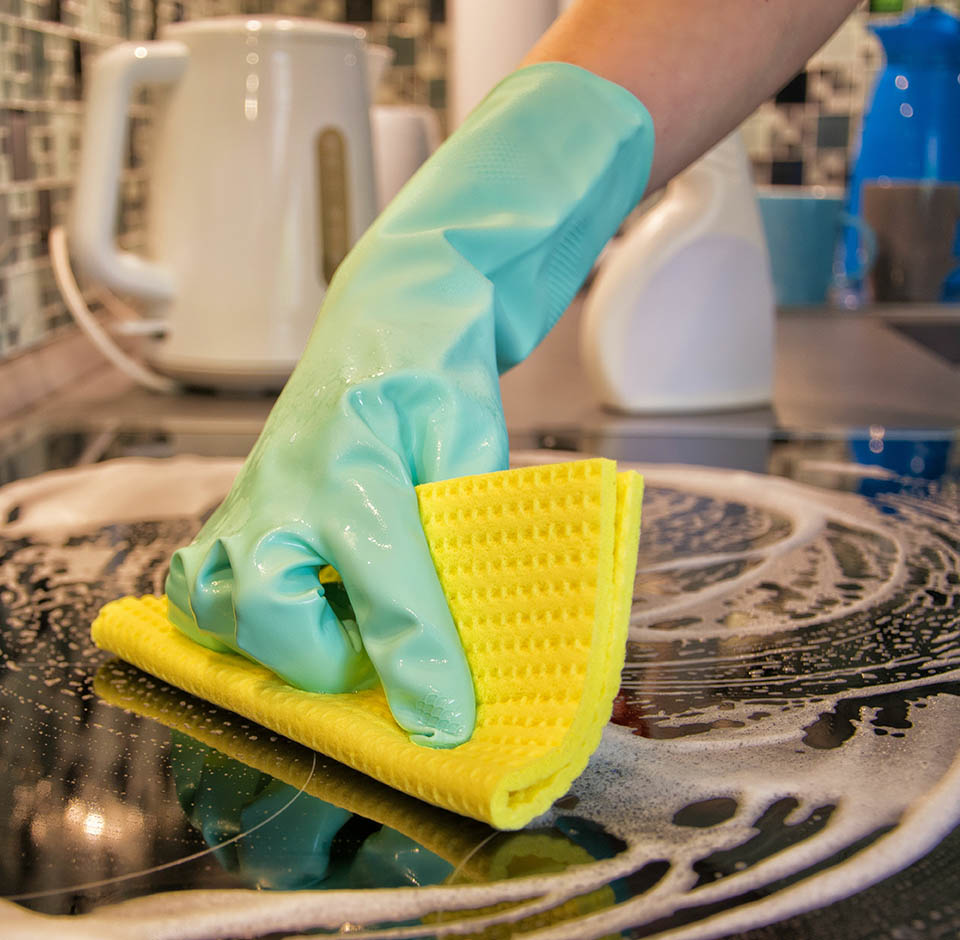
Regular cleaning of honey extractors is a vital step in maintaining the quality of honey and ensuring the longevity of the equipment. Proper hygiene not only prevents the buildup of wax, pollen, and residual honey but also reduces the risk of microbial contamination, which can compromise honey purity and flavor. A well-maintained extractor contributes to a more efficient honey extraction process and preserves the natural integrity of the honey produced.
The cleaning process for honey extractors involves several systematic steps designed to thoroughly remove residues and sanitize the equipment. This typically includes disassembly, rinsing, scrubbing, and sanitizing the various parts of the extractor. It’s essential to follow a consistent cleaning routine after each use, especially during peak honey harvesting seasons, to prevent the accumulation of impurities that can hinder extraction efficiency or taint honey quality.
Types of Honey Extractors and Cleaning Procedures
Honey extractors come in different types, primarily tangential and radial extractors, each with unique construction features that influence their cleaning methods. Understanding these differences ensures that cleaning is both effective and safe for the equipment’s longevity.
In general, the cleaning process involves several common steps, but specific procedures may vary based on the extractor type:
- Disassembly: Carefully remove all removable parts such as frames, baskets, and internal components. This allows for thorough cleaning of hard-to-reach areas.
- Pre-rinse: Rinse all parts with warm water to loosen residual honey, wax, and pollen. It helps prevent the formation of hardened deposits that are difficult to clean later.
- Washing: Use a mild, food-safe detergent with warm water to scrub the surfaces. For stubborn residues, soft brushes or non-abrasive scrub pads are recommended to avoid scratching the metal or plastic parts.
- Sanitizing: Apply a food-grade sanitizer or a vinegar solution to eliminate bacteria or mold. Ensure proper contact time as per the product instructions to maximize effectiveness.
- Rinsing and drying: Rinse all parts thoroughly with clean water to remove any soap or sanitizer residues. Allow the components to air dry or wipe with a clean, lint-free cloth to prevent water spots and corrosion.
Cleaning Variations for Different Extractor Types
While the general cleaning steps are consistent, specific variations exist depending on the extractor’s design.
| Extractor Type | Cleaning Considerations |
|---|---|
| Tangential Extractor | Since the honey flows out from a single side, cleaning focuses on the internal drum and the entry/exit points. The side openings should be scrubbed carefully to remove residual wax and honey, and the drum’s interior must be checked for buildup. |
| Radial Extractor | This model rotates frames around a central axis, requiring cleaning of the central spindle, bearings, and interior casing. Special attention should be given to the bearings, which may require lubrication after cleaning, to ensure smooth operation. |
| Electric vs. Manual Extractors | Electric models may have additional components such as motors and wiring, which should be carefully cleaned and inspected for honey or wax ingress. Manual models are generally simpler, with fewer parts to disassemble and clean. |
Effective cleaning maintains the extractor’s efficiency, prevents contamination, and extends the lifespan of the equipment, ensuring high-quality honey production season after season.
Preparing for Cleaning
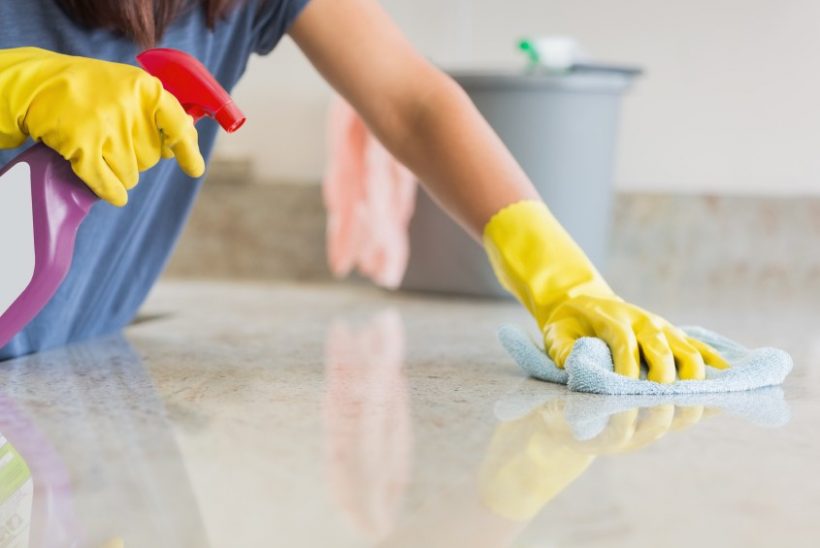
Cleaning a honey extractor thoroughly and safely requires proper preparation. This involves gathering all necessary tools and materials, carefully disassembling the equipment, and implementing safety precautions to prevent injuries or damage. Adequate preparation ensures an efficient cleaning process and helps maintain the longevity of the honey extractor.Effective cleaning begins with organizing the right tools and materials. Having everything ready beforehand minimizes interruptions during the process and promotes a smooth cleaning experience.
Disassembling the extractor carefully allows access to all parts that need cleaning while ensuring that components are not damaged. Additionally, prioritizing safety precautions protects the individual performing the cleaning from potential hazards such as sharp edges, residual honey, or chemical exposure.
Tools and Materials Needed for Cleaning Honey Extractors
To achieve a thorough and safe cleaning, it is essential to assemble the appropriate tools and cleaning supplies. The following details highlight what is typically required:
Having the correct tools and materials on hand ensures that each component of the honey extractor can be cleaned effectively without causing damage or leaving residues that could contaminate future honey batches.
- Cleaning brushes: Various sizes and types, such as soft-bristled brushes for delicate parts and stiff brushes for stubborn residues.
- Non-abrasive cleaning cloths or sponges: To wipe surfaces without scratching or damaging finish.
- Cleaning solutions: Mild soap or a food-safe cleaning agent specifically designed for honey equipment; avoid harsh chemicals that could leave residues.
- Warm water: For rinsing and diluting cleaning solutions effectively.
- Sanitizing agents: Food-grade sanitizers or vinegar solutions, especially if sterilization is required after cleaning.
- Protective gear: Rubber gloves, safety goggles, and aprons to protect skin and eyes from splashes and residues.
- Tools for disassembly: Screwdrivers, pliers, or wrenches suitable for removing parts without damage.
Organizing for Safe Disassembly of the Extractor
Careful planning and organization are vital for disassembling the honey extractor safely and efficiently. Proper disassembly facilitates access to all internal components that need cleaning and reduces the risk of damaging delicate parts or causing injury.
Before beginning, ensure the workspace is clean, well-lit, and free of obstructions. Lay out all tools and components systematically to keep track of each part. Follow the manufacturer’s instructions carefully, noting the order of disassembly to reassemble correctly later. When removing parts, handle sharp edges such as blades or metal edges with caution, using protective gloves to avoid cuts. Labeling or photographing each step can help in reassembling the extractor accurately.
- Turn off and unplug the extractor to eliminate electrical hazards.
- Disassemble components such as the drum, lid, agitator, and spindles in a systematic sequence.
- Use appropriate tools, like screwdrivers or pliers, ensuring they fit correctly to prevent stripping screws or damaging parts.
- Inspect each part for wear or damage that might need repair or replacement before the next honey extraction cycle.
- Keep small parts in labeled containers to prevent loss and facilitate reassembly.
Safety Precautions During Cleaning
Adhering to safety protocols is crucial for a safe cleaning process. Handling honey extractors involves potential hazards such as sharp edges, residual honey, and cleaning chemicals. Implementing safety measures minimizes the risk of injuries.
Personal protective equipment is essential for safeguarding against splashes of honey, cleaning agents, or debris. Always wear rubber gloves to protect the skin from sticky residues and possible irritants. Safety goggles shield the eyes from splashes during rinsing or when using cleaning solutions. An apron or protective clothing can prevent honey or chemicals from staining or irritating the skin.
When handling sharp parts or tools, exercise caution and handle with care to prevent cuts or punctures.
- Work in a well-ventilated area, especially when using chemical cleaning agents or sanitizers.
- Ensure electrical components are disconnected before disassembly or cleaning to prevent shocks.
- Follow the manufacturer’s instructions regarding cleaning agents to avoid chemical reactions or damage.
- Dispose of used cleaning solutions and residues according to local regulations to ensure environmental safety.
- Keep a first aid kit nearby in case of accidental injuries during disassembly or cleaning.
Cleaning Procedures for Different Parts

Proper maintenance of a honey extractor is essential to ensure its longevity, optimal performance, and hygiene. Different components of the extractor require specific cleaning methods to effectively remove honey residues, wax, and other debris without damaging the equipment. Addressing each part with appropriate techniques not only preserves the quality of the honey but also prevents contamination and mechanical issues over time.Cleaning the honey extractor involves a systematic approach tailored to its various parts, including the drum or barrel, frames and comb holders, and mechanical components such as gears and spindles.
Employing suitable cleaning agents, gentle scrubbing, and thorough drying will help maintain the extractor’s efficiency and lifespan.
Cleaning the Drum or Barrel
The drum or barrel is the main chamber where honey is collected and extracted. Residual honey can harden and adhere stubbornly to the surfaces, which necessitates effective cleaning methods. Begin by removing any remaining honey residues using a plastic or silicone scraper to avoid scratching the surface. Warm water mixed with a mild, non-abrasive detergent is typically sufficient for loosening residues.
For stubborn honey stains, a solution of warm water and a small amount of vinegar can be effective, as vinegar helps break down sugar and wax deposits. After scrubbing with a soft cloth or sponge, thoroughly rinse the drum with clean water to eliminate any soap or vinegar traces. It is crucial to dry the interior completely using a clean, absorbent cloth or allow it to air dry in a well-ventilated area.
Ensuring the drum is dry prevents rust and microbial growth, especially if the extractor has metal components.
Cleaning the Frames and Comb Holders
Frames and comb holders are delicate components that require careful handling during cleaning to avoid damage. Residues of honey and wax tend to cling to the surfaces, necessitating gentle removal techniques.Start by gently scraping off excess honey and wax using a plastic spatula or scraper, avoiding metal tools that could scratch the surfaces. Subsequent washing with warm water and a mild detergent helps remove residual residues.
For thorough cleaning, soak the frames and holders in a solution of warm water and vinegar or a specialized honey extractor cleaner, which effectively dissolves sticky substances without harming the materials.Use a soft brush or sponge to gently clean crevices and corners, ensuring all residues are removed. Rinse thoroughly with clean water and dry immediately with a soft towel. Allowing the components to air dry completely, preferably in a ventilated and shaded area, prevents mold formation and preserves the integrity of the wood or plastic parts.
Cleaning Mechanical Components: Gears and Spindles
Mechanical parts like gears and spindles are vital for the smooth operation of the honey extractor. Honey and wax residues can accumulate in these areas, potentially impairing functionality or causing wear.To clean these components, first disassemble them carefully, following the manufacturer’s instructions. Use a small brush or cloth to remove surface debris and honey deposits. A degreasing solution or a mild solvent, such as mineral spirits or isopropyl alcohol, can be used to dissolve sticky residues.
Apply the cleaning solution with a cloth or brush, paying attention to moving parts to ensure all debris is removed without hindering their movement. After cleaning, rinse with a clean cloth soaked in water or wipe with a damp cloth to remove any residual solvent. Dry all mechanical components thoroughly with a lint-free cloth to prevent rust and ensure smooth operation when reassembled.responsive table
| Part Name | Cleaning Method | Recommended Solution | Drying Tips |
|---|---|---|---|
| Drum or Barrel | Remove residues with scraper; wash with warm water and mild detergent; rinse and dry | Warm water, mild detergent, vinegar (for stubborn stains) | Air dry or wipe with a dry cloth; ensure complete dryness before storage |
| Frames and Comb Holders | Gently scrape, soak in vinegar solution, scrub with soft brush, rinse, and dry | Warm water, vinegar, or specialized honey extractor cleaner | Air dry in a ventilated, shaded area to prevent mold |
| Gears and Spindles | Disassemble, clean with brush and solvent, rinse, and dry thoroughly | Mineral spirits or isopropyl alcohol | Thorough drying with lint-free cloth; re-lubricate if necessary |
Cleaning Solutions and Products
Effective cleaning of honey extractors is vital to ensure the purity of honey and the longevity of the equipment. Selecting appropriate cleaning agents involves understanding their efficacy, safety, and compatibility with the materials of the extractor. This section discusses natural and commercial cleaning solutions suitable for honey extractor maintenance, compares their effectiveness, and emphasizes the importance of avoiding harsh chemicals that could compromise honey quality or damage the equipment.Cleaning solutions used for honey extractors must efficiently remove residual honey, wax, and other debris without introducing contamination.
Natural options like hot water and vinegar are favored for their safety and environmental friendliness, while specialized equipment cleaners offer enhanced cleaning power for stubborn residues. The choice of cleaning agents often depends on the extent of contamination, the type of parts being cleaned, and adherence to food safety standards. Proper selection and application of cleaning solutions help maintain the extractor’s hygiene and operational integrity.
Natural Cleaning Agents
Natural cleaning agents are preferred by many beekeepers due to their gentle yet effective properties. These solutions are typically biodegradable, non-toxic, and pose minimal risk of contaminating honey or harming the equipment.
- Hot Water: Using hot water at temperatures around 60-70°C (140-158°F) is highly effective in dissolving honey residues and wax buildup. It also helps to loosen stubborn deposits, making manual scrubbing easier. Hot water should be used carefully to avoid warping or damaging plastic components.
- Vinegar: Acetic acid in vinegar serves as a natural disinfectant and degreaser. A solution of equal parts vinegar and water can be applied to surfaces to break down residues. Vinegar’s antimicrobial properties help reduce microbial growth on the equipment, ensuring a hygienic environment.
When using natural solutions, always rinse thoroughly with clean water to remove any residues, especially before reassembling the extractor for honey processing.
Commercial Cleaning Products
Commercial cleaning agents are formulated to address specific cleaning challenges associated with honey extractors. These products often contain surfactants, enzymes, or disinfectants designed to improve cleaning efficiency and meet food safety standards.
- Food-Grade Equipment Cleaners: These are specially formulated to be safe for equipment in direct contact with food products, including honey extractors. They effectively remove sticky residues, wax, and microbial contaminants without leaving harmful residues.
- Enzymatic Cleaners: Enzymes such as proteases and amylases break down complex sugars, waxes, and proteins. They are ideal for cleaning extractors after extensive honey extraction, ensuring thorough residue removal with minimal effort.
- Disinfectants: Products containing hydrogen peroxide or quaternary ammonium compounds are suitable for disinfecting extractor parts. These should be used following manufacturer instructions to ensure safety and effectiveness.
Choosing commercial cleaners with proven food safety certifications, such as NSF or USDA approval, helps ensure that the cleaning agents are safe for equipment used in honey processing.
Effectiveness and Safety Considerations
The effectiveness of cleaning solutions depends on their ability to remove residues without damaging the extractor or leaving harmful residues.
- Hot water is highly effective for initial cleaning, especially for removing surface residues, but it may not suffice for embedded wax or stubborn deposits.
- Vinegar offers good antimicrobial and degreasing properties but should be used in moderation to prevent corrosion on metal parts and to avoid lingering odors.
- Specialized cleaners often provide enhanced cleaning power and disinfection capabilities, which are essential after prolonged use or contamination; however, they must be used according to the manufacturer’s instructions to avoid chemical residues.
Avoiding harsh chemicals such as caustic soda, strong acids, or industrial solvents is crucial, as these can contaminate honey, damage delicate parts, or pose health risks. Always opt for cleaning solutions that are labeled safe for food-grade equipment and ensure thorough rinsing to eliminate any chemical residues before reassembling the extractor.
Post-Cleaning Procedures
After completing the cleaning process of a honey extractor, it is essential to follow proper post-cleaning procedures to ensure the equipment remains in optimal condition, free from residual cleaning agents, mold, or corrosion. These steps help maintain the longevity and hygiene of the extractor, preventing contamination of future honey batches and ensuring smooth operation during subsequent uses. Implementing these procedures diligently safeguards both the quality of your honey and the durability of your equipment.Thorough rinsing, proper drying, careful reassembly, and verification checks are critical components of effective post-cleaning care.
Each step plays a vital role in preventing issues such as mold growth, rust formation, or mechanical malfunction, which could compromise the safety and efficiency of your honey harvesting process.
Thorough Rinsing of All Components
Ensuring the complete removal of cleaning agents from all parts of the honey extractor is crucial to prevent contamination of honey during subsequent use. Residual chemicals can alter the taste, color, or quality of the honey and may pose health risks to consumers.After cleaning with appropriate solutions, rinse all components with clean, warm water. Use a gentle stream to flush out any lingering residues, paying close attention to crevices, seals, and joints where cleaning agents may hide.
For thorough rinsing, consider immersing parts in water or using a high-pressure spray to dislodge remaining cleaning solutions. Confirm that no soap or cleaning residue remains by inspecting the surfaces visually and, if necessary, wiping with a clean cloth. A good practice is to perform a final rinse with distilled or filtered water to minimize mineral deposits and impurities, especially if tap water quality is questionable.
Effective Drying to Prevent Mold and Corrosion
Proper drying of all components after rinsing is essential to inhibit mold growth and prevent corrosion, especially on metal parts susceptible to rust. Moisture left on equipment can serve as a breeding ground for bacteria or fungi, potentially contaminating future honey batches.Use clean, dry towels or lint-free cloths to wipe down each component meticulously. Air drying is highly recommended; place parts in a well-ventilated area, ideally under a fan or in a space with low humidity.
For metal parts, especially the motor and bearings, consider using compressed air to eliminate moisture from hidden crevices. Ensure all parts are completely dry before reassembling, as residual moisture can accelerate rust formation or damage sensitive electronic components.
Note: Avoid using heat sources such as hairdryers directly on electrical components unless they are specifically rated for such use, to prevent damage or safety hazards.
Organizing and Reassembling for Proper Function
Careful organization and reassembly of the honey extractor ensure that all parts fit correctly and operate smoothly. Proper reassembly minimizes the risk of mechanical failure, leaks, or improper sealing, which can compromise hygiene and efficiency.Begin by inspecting each component during disassembly for signs of wear or damage, replacing any compromised parts. Lay out all parts systematically, ideally in the reverse order of disassembly, to avoid missing any components.
Use a suitable diagram or manual if available to verify correct placement. Secure all bolts, screws, and fittings tightly but avoid over-tightening, which can damage threads or seals. Ensure that seals and gaskets are properly seated to prevent leaks.Create a checklist to verify the reassembly process:
- All parts are present and free of debris or damage.
- Seals and gaskets are correctly positioned and intact.
- All bolts and screws are tightened to manufacturer specifications.
- Electrical components and motors are correctly connected and secured.
- Moving parts operate smoothly without obstruction.
- Final visual inspection confirms no loose or misplaced parts.
Adhering to these organized procedures ensures the honey extractor operates efficiently and maintains hygiene standards, providing reliable performance for future honey harvesting sessions.
Maintenance Tips and Troubleshooting
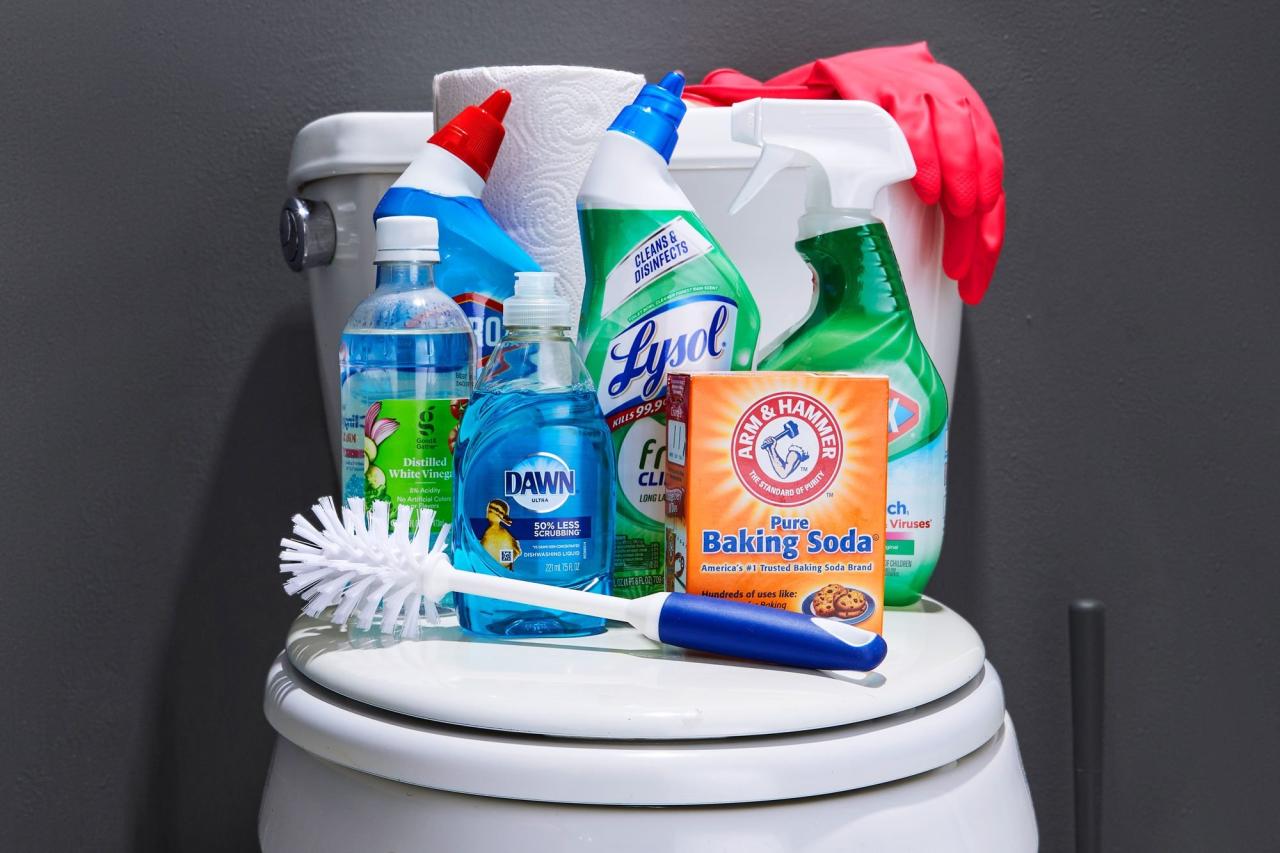
Proper maintenance of honey extractors is essential to ensure their longevity and optimal performance. Regular upkeep not only prevents unexpected breakdowns but also maintains the quality of honey extraction. Addressing common issues promptly and following scheduled maintenance routines can significantly extend the lifespan of your equipment, saving time and costs in the long run.Routine maintenance involves regular inspection, cleaning, lubrication, and timely replacement of worn parts.
Being proactive with these practices helps identify potential problems early, avoiding costly repairs or replacements. Troubleshooting common issues such as rust formation or mechanical failures requires understanding their causes and applying appropriate solutions to keep your honey extractor functioning smoothly.
Routine Maintenance Tips for Honey Extractors
Consistent maintenance practices are crucial for the durability and efficiency of honey extractors. Implementing a structured routine can prevent common problems and ensure the equipment operates at peak performance for many seasons.
- Inspect all mechanical parts, including gears, bearings, and seals, for signs of wear or damage. Replace or repair defective components promptly to prevent larger malfunctions.
- Lubricate moving parts regularly using food-grade lubricants suitable for honey extraction equipment. Proper lubrication minimizes friction and reduces wear and tear.
- Keep the exterior and interior surfaces clean and free from residual honey, wax, or debris that can lead to corrosion or mechanical issues.
- Check for rust formation, especially in metal parts exposed to moisture, and treat affected areas with rust inhibitors or replace compromised components.
- Ensure that all fasteners, bolts, and screws are tight, as loose parts can cause misalignments or operational failures.
- Store the extractor in a dry, ventilated area when not in use to prevent moisture buildup and corrosion.
Common Issues and Solutions Post-Cleaning
While regular cleaning is vital, certain issues can still arise after cleaning routines are completed. Addressing these problems promptly ensures the extractor remains in optimal condition and prevents further damage.
Rust formation is a frequent concern, especially if the extractor is stored in humid environments. Mechanical failures such as broken gears or motor issues can also occur due to improper maintenance or overuse.
- Rust Formation: If rust develops on metal parts, use a rust remover or apply a rust-inhibiting paint to affected areas. For severe rust, replacing the parts might be necessary to ensure safety and functionality.
- Mechanical Failures: Check for misaligned or damaged gears, belts, or motor components. Lubricate moving parts regularly and replace any worn-out parts to restore smooth operation.
- Leakages or Seal Failures: Inspect seals and gaskets periodically. Replace any that show signs of cracking or deterioration to prevent honey leakage and contamination.
- Electrical Issues: Ensure wiring connections are secure and free from corrosion. If electrical components fail, consult a professional technician for repairs to avoid safety hazards.
Scheduling Regular Cleaning and Maintenance Routines
Establishing a clear schedule for cleaning and maintenance is key to maintaining the performance and lifespan of honey extractors. Consistent routines allow for early detection of issues and reduce downtime due to major repairs.
- After Each Harvest: Conduct a quick cleaning to remove honey residues and wax, inspect for any immediate damages, and lubricate moving parts as needed.
- Bi-Weekly or Monthly: Perform a thorough inspection and cleaning, including checking for rust, tightening fasteners, and inspecting seals and gaskets.
- Annually: Schedule a comprehensive maintenance check-up, including replacing worn parts, deep cleaning, and verifying electrical systems.
Maintaining a detailed log of inspections, repairs, and replacements can help track the machine’s condition over time and inform future maintenance cycles.
Do’s and Don’ts During Cleaning
Adhering to proper cleaning protocols ensures the longevity and safety of your honey extractor. Following these guidelines can prevent damage and maintain hygiene standards.
- Do’s:
- Use food-grade cleaning solutions that are safe for honey equipment.
- Disassemble parts carefully, following manufacturer instructions, to avoid damaging delicate components.
- Dry all parts thoroughly after cleaning to prevent moisture buildup and rust formation.
- Lubricate moving parts with suitable lubricants after cleaning to maintain smooth operation.
- Inspect parts for damage or wear during each cleaning session.
- Don’ts:
- Use abrasive materials or harsh chemicals that can damage surfaces or leave residues affecting honey quality.
- Neglect to dry components, leading to rust or corrosion over time.
- Skip inspecting for mechanical issues after cleaning, as residual problems can worsen during operation.
- Apply excessive force when cleaning or assembling parts, risking damage to delicate components.
- Ignore manufacturer guidelines regarding cleaning products and procedures.
Additional Care and Storage
Maintaining your honey extractor beyond cleaning is essential to ensure its longevity, prevent contamination, and preserve optimal functionality. Proper storage conditions and careful handling of tools and parts can significantly reduce the risk of damage and costly repairs over time. Regular inspection during storage further safeguards against wear and ensures that the equipment remains in prime condition for future use.To achieve this, it is important to store your honey extractor in a clean, dry, and temperature-controlled environment.
Proper storage prevents rust, corrosion, and mold growth, all of which can compromise the integrity of your equipment. Additionally, organizing your cleaning tools and spare parts in designated, secure locations minimizes the risk of misplacement or accidental damage. Regularly inspecting your extractor during storage allows you to identify signs of wear, such as worn seals, loose fittings, or corrosion, enabling timely repairs that extend the lifespan of your investment.
Proper Storage Conditions Post-Cleaning
After completing the cleaning process, the honey extractor must be stored in conditions that protect it from environmental hazards. The ideal environment is a cool, dry, and well-ventilated space, away from direct sunlight and moisture sources. Humidity can promote rust and microbial growth, which can contaminate your honey or damage the equipment. Using a dehumidifier or silica gel packs within storage spaces can help regulate moisture levels.It is also advisable to cover the extractor with a breathable cloth or a dedicated dust cover to shield it from dust, insects, and airborne debris.
Ensuring that all moving parts are properly lubricated according to manufacturer recommendations before storage can prevent seizing or rust formation. If your extractor has removable parts, such as gaskets or filters, these should be stored separately in labeled containers to facilitate quick reassembly and maintenance.
Storing Cleaning Tools and Spare Parts Safely
Cleaning tools and spare parts serve as essential accessories for maintaining your honey extractor, and their proper storage directly impacts their durability and readiness for use. Store brushes, scrapers, and cleaning cloths in a clean, dry area away from chemicals or contaminants. Using dedicated containers or toolboxes helps keep these items organized and prevents cross-contamination.Spare parts, such as seals, gaskets, or bearings, should be kept in sealed, labeled containers to prevent exposure to moisture and dust.
Keeping an inventory list and storing these parts in a designated location allows for quick identification and replacement when needed. Regularly inspecting stored spare parts for signs of deterioration, such as cracking or corrosion, ensures that only reliable components are kept on hand, reducing the risk of equipment failure during critical honey harvest periods.
Proper storage and vigilant inspection during downtime are key to maintaining the efficiency and safety of your honey extractor, ultimately supporting a successful and hygienic honey harvesting process.
Final Wrap-Up
In conclusion, diligent cleaning and maintenance of your honey extractor are vital for sustainable beekeeping and high-quality honey production. By following the Artikeld procedures and tips, you can prevent common issues such as rust or contamination, ensuring your equipment remains in excellent condition for years to come. Consistent care and proper storage further contribute to the longevity and optimal performance of your honey extractor.