Learning how to network with beekeepers opens doors to valuable connections, knowledge exchange, and collaborative opportunities within the apiculture community. Building strong relationships with fellow beekeepers can significantly enhance your understanding of beekeeping practices and foster mutual growth.
This guide provides practical strategies for initiating contact, maintaining relationships, sharing resources, attending industry events, leveraging online platforms, learning from experiences, and establishing long-term partnerships. Whether you are a beginner or an experienced beekeeper, effective networking is essential for success and sustainability in the field.
Strategies for Initiating Contact with Beekeepers
Building relationships with beekeepers can significantly enhance your understanding of apiculture and foster valuable collaborations. Approaching beekeepers effectively requires a combination of respectful communication, genuine interest, and appropriate timing. Whether at local events or engaging through online forums, establishing initial contact is a crucial step toward developing a mutually beneficial connection.
Initiating contact with beekeepers involves understanding the best avenues for outreach, crafting a thoughtful introduction, and employing respectful communication practices. Successful interaction can lead to insightful exchanges, mentorship opportunities, and even potential partnerships in bee-related projects or research.
Approaching Beekeepers at Local Events and Online Forums
Local events such as beekeeping workshops, farmers’ markets, or agricultural fairs provide excellent opportunities to meet beekeepers face-to-face. Conversely, online forums, social media groups, and dedicated apiculture websites offer platforms to connect with beekeepers beyond physical gatherings. Recognizing the context in which beekeepers operate allows for tailored approaches that resonate culturally and professionally.
When approaching beekeepers, it is essential to be respectful of their time and expertise. For in-person interactions, consider waiting for appropriate moments—such as during breaks or after presentations—to introduce yourself. For online interactions, ensure your initial message is clear, concise, and shows genuine interest in their work.
Step-by-Step Procedures for Introducing Yourself and Establishing Rapport
- Research beforehand: Learn about the beekeeper’s background, their apiary size, or specializations to personalize your introduction.
- Make a friendly approach: Initiate contact with a genuine smile and a warm greeting, demonstrating enthusiasm about beekeeping.
- Introduce yourself clearly: Share your name, your interest in beekeeping, and any relevant background or goals you have.
- Express appreciation and curiosity: Compliment their work or ask specific questions about their apiary or techniques to foster engagement.
- Share common interests: Highlight mutual connections, shared goals, or community involvement to establish rapport.
- Maintain respectful boundaries: Be attentive to their responses, avoid interrupting, and respect their willingness to converse or decline engagement.
- Follow up thoughtfully: After initial contact, send a thank-you note or follow-up message that references your conversation to nurture the relationship.
“Effective networking is rooted in genuine curiosity, respectful communication, and mutual interest.” — Beekeeping Association Guidelines
Communication Tips: Dos and Don’ts
To ensure positive and meaningful interactions with beekeepers, consider the following communication tips:
- Do: Approach with a friendly attitude and a respectful tone, acknowledging their expertise.
- Don’t: Be overly intrusive or demanding of their time, especially during busy periods like harvest or hive inspections.
- Do: Show genuine interest by asking informed questions about their methods, challenges, or successes.
- Don’t: Dominate the conversation with self-centered topics or fail to listen actively.
- Do: Share relevant experiences or knowledge that could add value to their work.
- Don’t: Overstep boundaries by offering unsolicited advice unless explicitly invited to do so.
- Do: Respect confidentiality and sensitive information shared about their apiary or practices.
- Don’t: Use aggressive language or make assumptions about their beekeeping practices without understanding the context.
Building Relationships within the Beekeeping Community
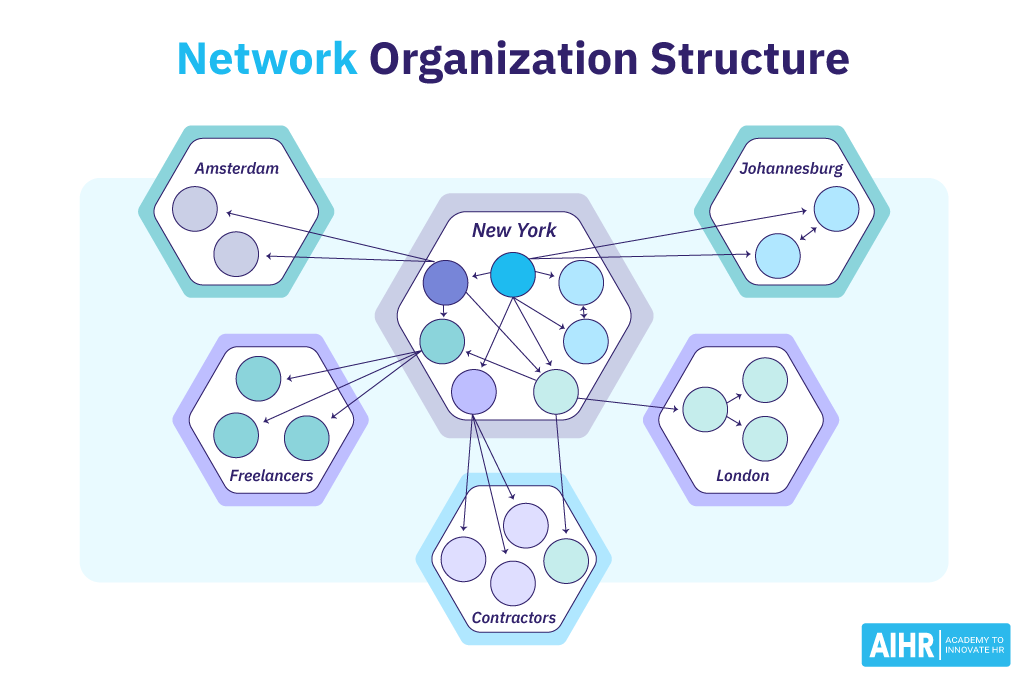
Establishing and nurturing strong relationships within the beekeeping community is essential for ongoing learning, support, and collaboration. These connections can lead to valuable mentorship opportunities, shared resources, and collective problem-solving, all of which enhance your beekeeping journey. Developing trust and rapport with seasoned beekeepers and fellow enthusiasts fosters a sense of belonging and encourages continuous growth in this specialized field.Building relationships involves consistent communication, active participation, and mutual respect.
Engaging authentically with the community helps to establish your reputation as a dedicated and reliable beekeeper. As relationships deepen, opportunities for collaborative projects, shared equipment, and co-hosted events become more accessible, enriching your practical experience and expanding your network within the beekeeping industry.
Techniques for Maintaining Ongoing Communication with Experienced Beekeepers
Maintaining effective communication with experienced beekeepers requires a combination of respectful outreach, regular updates, and genuine interest in their expertise. Building on initial contact, these techniques help foster long-term relationships that are mutually beneficial.
- Consistent Check-Ins: Regularly reaching out via email, phone, or social media demonstrates your ongoing interest and commitment. Share updates on your hive progress, ask for advice on specific challenges, or simply express appreciation for their guidance.
- Engaging in Collaborative Projects: Offer to assist in seasonal hive inspections, participate in honey harvests, or co-host educational sessions. Active involvement fosters camaraderie and demonstrates your dedication to the craft.
- Sharing Knowledge and Resources: Contribute relevant articles, research findings, or tools that might benefit their beekeeping practices. Reciprocity nurtures trust and encourages ongoing exchanges.
- Respecting Experience and Time: Be mindful of their busy schedules by scheduling meetings in advance and preparing specific questions or topics. Showing appreciation for their time builds respect and strengthens the relationship.
Participation in Beekeeper Clubs, Workshops, and Social Media Groups
Active participation in community organizations and online platforms opens avenues for continuous learning, peer support, and social engagement. These platforms serve as vital spaces for sharing knowledge, troubleshooting issues, and discovering new techniques or innovations in beekeeping.Beekeeper clubs often organize regular meetings, field days, and mentorship programs that facilitate face-to-face interactions and practical demonstrations. Workshops provide hands-on experience with hive management, disease prevention, and sustainable practices, fostering skill development.
Social media groups, such as Facebook or specialized online forums, enable members to exchange ideas, ask questions, and stay updated on industry trends from anywhere in the world.Participation in these platforms not only enhances your technical competence but also helps you build a reputation within the community. Engaging politely, sharing your experiences, and seeking advice promotes a positive presence and encourages others to connect with you.
Community Engagement Platforms and Their Benefits
Below is a comparison of popular community engagement platforms, highlighting their respective advantages for beekeepers seeking to strengthen their network and knowledge base.
| Platform | Type | Benefits |
|---|---|---|
| Local Beekeeper Clubs | In-person meetings and events |
|
| Workshops and Seminars | Educational sessions with practical demonstrations |
|
| Online Forums and Social Media Groups | Digital communities (e.g., Facebook groups, Reddit, specialized forums) |
|
| National Beekeeping Associations | Membership organizations with conferences and publications |
|
Sharing Knowledge and Resources with Beekeepers

Engaging with fellow beekeepers through the exchange of knowledge and resources strengthens the community and promotes sustainable apiculture practices. Building an open and collaborative environment allows beekeepers to grow their expertise, optimize their operations, and innovate collectively. Sharing resources effectively also fosters mutual trust and supports the development of healthier, more productive apiaries.In this context, establishing clear methods for exchanging equipment, honey, and educational materials enhances cooperation.
Additionally, organizing collaborative projects such as joint apiary visits or shared research initiatives can lead to significant insights and community benefits. Emphasizing mutual benefits encourages ongoing resource sharing and reinforces the network of support among beekeepers.
Exchanging Equipment, Honey, and Educational Materials
Effective exchange of tangible resources requires a structured approach that respects each participant’s needs and contributions. Beekeepers can set up reciprocal arrangements for sharing equipment like smoker units, hive tools, or protective gear, especially during seasonal peaks when additional equipment might be temporarily needed. Establishing local swap meets or online platforms dedicated to resource exchange can facilitate these transactions seamlessly.Sharing honey, whether as part of community events or cooperative sales efforts, can foster goodwill and provide exposure to different floral sources, thus broadening the flavor profiles and quality of honey production.
When sharing educational materials, such as manuals, research papers, or workshop recordings, digital repositories or regular meetups ensure easy access and continuous learning.
| Resource Type | Method of Sharing | Best Practices |
|---|---|---|
| Equipment | Tool swaps, rental agreements, or donation programs | Maintain hygiene standards and ensure proper maintenance before exchanges |
| Honey | Community sales, local markets, or cooperative distribution | Label honey accurately, share production details, and agree on fair exchange terms |
| Educational Materials | Digital libraries, workshops, or group subscriptions | Ensure materials are up-to-date, relevant, and accessible to all members |
Organizing Collaborative Projects
Collaborative efforts deepen connections and enhance collective knowledge. Joint apiary visits allow beekeepers to observe different hive management techniques, assess varying environmental impacts, and exchange practical tips. Sharing resources such as visiting equipment, protective clothing, or lab facilities can significantly reduce individual costs and broaden experience.Research projects, whether scientific or community-focused, benefit from diverse perspectives and shared data. Beekeepers can pool their observations, hive samples, or environmental data to identify trends or solve common challenges like pests or diseases.
These collaborations often lead to innovative solutions and a more resilient beekeeping community.
- Joint Apiary Visits: Facilitate knowledge transfer, identify local environmental issues, and promote best practices.
- Shared Research Initiatives: Combine data collection efforts on topics like hive health, honey quality, or pollination efficiency to generate comprehensive insights.
- Resource Pooling: Share costly tools, testing kits, or expert consultations to maximize resource utilization and benefit all participants.
Mutual resource sharing and collaborative projects cultivate a sense of community, reduce individual burdens, and accelerate learning, ultimately leading to more sustainable and productive beekeeping practices.
Attending Beekeeping Events and Conferences
Participating in beekeeping expos, seminars, and conferences presents a valuable opportunity to expand your network within the industry. These gatherings serve as platforms for exchanging knowledge, showcasing innovations, and establishing meaningful relationships with fellow beekeepers, suppliers, and industry leaders. Proper preparation and strategic engagement are essential to maximize the benefits of attending such events, fostering long-term professional connections that can support your beekeeping endeavors.
Understanding how to effectively introduce yourself and identify engagement opportunities can significantly enhance your networking experience. By approaching these events with a clear plan, you not only demonstrate professionalism but also create avenues for collaboration, mentorship, and resource sharing. The following sections Artikel essential strategies for preparing to attend beekeeping events, including how to introduce yourself professionally and seize engagement opportunities during the event.
Preparing for Beekeeping Expos and Seminars
Successful networking at beekeeping events begins with thorough preparation. This involves researching the event agenda, identifying key speakers, exhibitors, and industry leaders, and clarifying specific objectives for your attendance. Developing a concise personal introduction or elevator pitch is critical for making a memorable impression. Bring a sufficient supply of professional business cards that clearly display your contact information and any relevant credentials or affiliations.
Attire should be professional yet comfortable, reflecting the industry standards and the event’s formality. Familiarize yourself with the event layout, including registration desks, breakout sessions, exhibition halls, and designated networking areas, to plan your movement strategically. Having a list of questions or topics related to beekeeping developments, challenges, or innovations can facilitate meaningful conversations with potential contacts. Additionally, preparing to take notes during conversations and collecting contact details will help in maintaining post-event follow-up efforts.
Introducing Yourself to Industry Figures
Approaching key industry figures requires a combination of professionalism and genuine interest. Begin with a warm, respectful greeting, followed by a brief introduction that clearly states your name, your role or experience in beekeeping, and your reason for attending the event. Keeping your introduction concise, focused, and relevant helps establish credibility and openness to dialogue.
“A confident, friendly demeanor combined with a well-prepared elevator pitch creates a positive first impression that opens the door for deeper conversation.”
When engaging with industry leaders or speakers, show appreciation for their work or insights, and pose thoughtful questions that demonstrate your knowledge and curiosity. Maintain eye contact, listen attentively, and be mindful of their time. Building rapport through shared interests or goals can lead to meaningful connections that extend beyond the event.
Activities and Opportunities for Engagement During Events
Beekeeping events are rich with various activities designed to foster interaction and collaboration. Understanding these activities enables you to participate actively and leverage every opportunity for networking and learning. The following table Artikels typical activities and how they can serve as engagement opportunities:
| Activity | Description | Engagement Opportunities |
|---|---|---|
| Panel Discussions and Seminars | Educational sessions led by experts on topics like hive management, bee health, and industry trends. | Participate by asking insightful questions, approach speakers after sessions for further discussion, and share your perspectives during Q&A segments. |
| Exhibition Booths and Trade Shows | Displays showcasing equipment, supplies, and innovations in beekeeping technology. | Visit booths to gather information, network with vendors, and discuss potential collaborations or product needs. |
| Networking Receptions and Social Events | Informal gatherings designed for mingling and relationship-building among participants. | Engage in casual conversations, exchange contact information, and establish personal connections that support professional growth. |
| Hands-On Workshops and Demonstrations | Interactive sessions focused on skills such as hive inspection, queen rearing, or honey extraction. | Participate actively to learn new techniques and connect with instructors and fellow attendees sharing similar interests. |
| Awards Ceremonies and Recognitions | Events honoring outstanding contributions to the beekeeping community. | Congratulate awardees, introduce yourself, and express your admiration or interest in their work to foster relationships. |
Using Social Media and Online Platforms to Connect
In today’s digital age, online platforms have become invaluable tools for beekeepers seeking to expand their networks, share knowledge, and collaborate on projects. Leveraging social media effectively can significantly enhance your visibility within the beekeeping community and foster meaningful relationships with fellow enthusiasts and professionals alike. A strategic approach to establishing your online presence and engaging in virtual interactions can open doors to new opportunities and shared learning experiences.
Utilizing social media and online platforms involves creating compelling profiles that resonate with beekeepers, actively participating in discussions, webinars, and virtual meetups, and selecting the right platforms to maximize your outreach. These digital avenues provide a convenient and accessible way to connect across geographic boundaries, allowing for the exchange of ideas, resources, and support in the pursuit of sustainable beekeeping practices and community building.
Creating Compelling Profiles to Attract Beekeepers
Establishing a professional and approachable online presence is essential for attracting the attention of fellow beekeepers. Your profile should accurately reflect your interests, experience level, and specific areas of expertise within beekeeping. Use high-quality, clear profile pictures that portray you in a welcoming manner, ideally engaging in beekeeping activities or surrounded by hives, to visually communicate your passion.
Craft a bio that succinctly highlights your background, goals, and what you hope to gain from the community. Incorporate relevant s such as “sustainable beekeeping,” “hive management,” or “honey production,” to increase your discoverability. Including links to your website, blog, or portfolio can provide additional context and encourage others to connect on different platforms.
“A well-crafted online profile acts as your digital handshake, inviting others to engage and collaborate with confidence.”
Engaging in Online Discussions, Webinars, and Virtual Meetups
Active participation in digital conversations and events fosters stronger relationships and positions you as a knowledgeable member of the community. Contribute thoughtfully to discussions by sharing insights, asking relevant questions, and offering support based on your experience. This engagement not only builds your credibility but also creates opportunities for mentorship and knowledge exchange.
Webinars and virtual meetups provide interactive platforms for real-time learning and networking. Prepare in advance by reviewing the agenda, formulating questions, and introducing yourself to the host and participants. During these events, be respectful, attentive, and responsive, ensuring your contributions add value to the collective dialogue. Follow up with participants afterward to strengthen connections and explore collaborative possibilities.
Popular Platforms and Suggested Content Types for Effective Networking
Several online platforms are particularly effective for connecting with the beekeeping community. The choice of platform often depends on your specific interests and the type of content you prefer to share or consume.
| Platform | Type of Content | Recommended Use |
|---|---|---|
| Groups, Live Videos, Posts | Joining beekeeping groups, sharing experiences, live Q&A sessions, product reviews | |
| Photos, Short Videos, Stories | Showcasing hive setups, honey harvesting processes, behind-the-scenes glimpses | |
| Brief Updates, Links, Hashtags | Sharing quick tips, participating in trending discussions, using hashtags like #Beekeeping or #HoneyBee | |
| Professional Articles, Networking | Connecting with industry professionals, sharing research, publishing articles on beekeeping innovations | |
| Discussion Threads, AMAs (Ask Me Anything) | Participating in niche forums like r/beekeeping for advice, sharing experiences, and learning from others |
Effective content types include instructional videos, step-by-step guides, success stories, Q&A sessions, and resource sharing. Regularly posting valuable and engaging content helps to establish your credibility and attract like-minded beekeepers to your network. Remember, consistency and authenticity are key elements in building a vibrant online presence that fosters trust and collaboration within the community.
Learning from Beekeepers’ Experiences and Practices

Engaging with seasoned beekeepers offers invaluable insights into effective hive management, innovative techniques, and practical lessons derived from their hands-on experiences. By actively listening and documenting their stories, aspiring and established beekeepers can build a rich repository of knowledge that enhances their understanding and practices within the beekeeping community. This exchange not only fosters learning but also cultivates a culture of collaboration and continuous improvement among enthusiasts and professionals alike.Understanding beekeepers’ unique methods and success stories provides a window into what works in different environmental contexts and operational scales.
These firsthand accounts serve as blueprints for troubleshooting challenges, optimizing hive health, and increasing honey yields. Carefully soliciting and recording these experiences create valuable resources for training, research, and community support, ultimately contributing to the sustainability and resilience of beekeeping endeavors.
Soliciting and Documenting Beekeepers’ Methods and Success Stories
Building trust and establishing rapport with beekeepers are essential steps in encouraging them to share their experiences openly. Approaching beekeepers respectfully and demonstrating genuine interest in their work can lead to rich conversations that reveal practical techniques and success stories. It is beneficial to use structured methods such as interviews, questionnaires, or informal conversations tailored to the individual’s comfort level.Effective documentation involves detailed note-taking, audio or video recordings (with permission), and organizing the information systematically for future reference.
Creating a database or digital archive allows for easy retrieval and analysis of shared practices, fostering a collective knowledge base accessible to the community.
Organizing Interviews and Case Studies
Structured interviews and case studies serve as powerful tools to gather in-depth information about specific beekeeping practices and outcomes. Planning these sessions involves selecting diverse beekeepers representing various experience levels, geographic locations, and hive management styles to ensure a comprehensive understanding of practices across contexts.When conducting interviews, prepare a list of key topics but allow flexibility for beekeepers to share their stories freely.
Recording these sessions helps capture nuances and details that might be missed through notes alone. Analyzing the collected data can reveal patterns, innovative techniques, and lessons learned that benefit the wider community.
Questions and Topics for Information Exchange
To facilitate meaningful exchanges, focus on questions that elicit detailed and practical responses, covering both technical and experiential aspects. Topics to explore include hive management strategies, disease prevention methods, seasonal adjustments, and innovative approaches to swarm control. Understanding the challenges faced and solutions implemented provides a balanced perspective.Sample questions and topics include:
- Specific techniques used for hive inspection and maintenance
- Methods for managing and preventing common bee diseases
- Strategies for overwintering and seasonal hive management
- Innovative practices or experiments that yielded successful results
- Lessons learned from past failures or unexpected outcomes
- Resource sharing, including equipment, tools, or supplemental feed sources
- Adaptations made to local environmental conditions or unique challenges
Documenting these insights comprehensively enables knowledge dissemination and helps other beekeepers adapt proven practices to their own contexts, fostering an ever-evolving community of shared expertise.
Establishing Long-term Partnerships with Beekeepers

Building enduring relationships with beekeepers transforms initial contacts into collaborative efforts that benefit both parties. Such partnerships foster trust, facilitate resource sharing, and promote sustainable beekeeping practices. Developing these alliances requires strategic engagement, consistent communication, and mutual respect, ultimately leading to a supportive network that enhances the success and resilience of beekeeping initiatives.Establishing long-term partnerships with beekeepers involves a series of deliberate steps aimed at nurturing trust and demonstrating ongoing value.
It begins with understanding the beekeepers’ needs, goals, and challenges, which helps tailor collaborative approaches. Maintaining regular contact through visits, calls, or digital communication reinforces commitment and openness. Providing consistent, valuable support—whether through sharing expertise, resources, or joint problem-solving—builds credibility and rapport over time. Demonstrating reliability by honoring commitments and respecting beekeepers’ practices solidifies the foundation of trust necessary for sustained collaboration.
Steps to Turn Initial Contacts into Ongoing Collaborations
Transforming a first encounter into a lasting partnership involves deliberate actions that emphasize relationship building and mutual benefit. Initiate by expressing genuine interest in their work and actively listening to their experiences. Follow up with personalized communication that addresses their specific needs or challenges. Offer tangible value, such as sharing knowledge, providing resources, or co-developing projects aligned with their goals.
Establish clear, mutually agreed-upon objectives to guide ongoing collaboration, and remain adaptable to evolving circumstances. Consistent engagement and demonstrating commitment through small, supportive actions help solidify the partnership.
Methods to Demonstrate Value and Trustworthiness Over Time
Continuous demonstration of reliability, expertise, and genuine interest is key to maintaining strong, long-term relationships with beekeepers. Providing consistent, high-quality support and sharing successful practices reinforce your credibility. Transparency in communication, especially regarding project goals, limitations, and expectations, fosters trust. Recognizing and celebrating beekeepers’ successes and contributions also reinforces mutual respect. Additionally, offering opportunities for beekeepers to participate in decision-making processes or leadership roles within joint initiatives underscores their importance and promotes a sense of ownership.
Examples of Partnership Models and Mutual Support Systems
Effective long-term collaborations can take various forms, tailored to the needs and capacities of the involved parties. Some common models include:
- Cooperative Networks: Beekeepers collectively share resources such as equipment, Apiary sites, or educational programs, enabling cost savings and collective learning.
- Mentorship Programs: Experienced beekeepers mentor newcomers, fostering knowledge transfer and community cohesion.
- Research Collaborations: Beekeepers partner with researchers to test new hive technologies or sustainable practices, providing real-world data and insights.
- Community Supported Beekeeping (CSB): Consumers or local businesses support beekeepers financially in exchange for honey or related products, creating a direct support system.
- Joint Educational Initiatives: Beekeepers and organizations co-host workshops, seminars, or outreach programs, strengthening community engagement and capacity building.
Such models promote shared knowledge, distribute risks, and create resilient networks that can adapt to environmental or market challenges, ensuring the longevity and vitality of beekeeping communities.
Final Wrap-Up
By implementing these networking strategies, you can develop meaningful connections within the beekeeping community that lead to lasting collaborations and shared successes. Embracing ongoing communication and resource sharing will position you as a valued member of the industry, opening up new opportunities for learning and growth.