Learning how to raise bee drones is a valuable skill for beekeepers seeking to enhance hive health and reproductive success. These vital insects play a crucial role in the hive’s lifecycle and genetic diversity, making their proper rearing essential for a thriving apiary. By understanding their biology, preparing the right environment, and applying effective management techniques, beekeepers can foster strong drone populations that support healthy queen mating and overall colony vitality.
This guide provides comprehensive insights into the biological characteristics of bee drones, step-by-step methods for rearing them, and strategies for maintaining their health and enhancing breeding efforts. Whether you are a beginner or an experienced beekeeper, mastering these practices will contribute significantly to your apiary’s success and sustainability.
Understanding Bee Drones
Bee drones are an essential component of a healthy hive, playing a unique role in reproduction and genetic diversity. Unlike worker bees, drones are male bees that primarily exist to fertilize queen bees, ensuring the continuation of the colony. Understanding their biological characteristics, life cycle, and differences from worker bees provides valuable insight into hive dynamics and effective hive management.
In this section, we will explore the biological role of bee drones, trace their development from emergence to natural death, and compare their anatomy and behavior to that of worker bees. Recognizing these aspects enhances our ability to support and maintain thriving bee populations.
Biological Role and Characteristics of Bee Drones
Bee drones are male members of the hive, distinguished by their reproductive function and specific physical features. They are crucial for mating with a queen, facilitating genetic diversity within the hive and across colonies.
- Reproductive Function: Drones mate with a queen during her mating flight, typically outside the hive. This process results in the fertilization of eggs that develop into worker bees or new queens.
- Physical Characteristics: Drones are larger than worker bees, with a robust, rounded abdomen, and lack stingers. Their eyes are notably larger and compound, aiding in mate detection.
- Behavior: Drones do not participate in foraging, hive cleaning, or brood care. Their primary activity is to seek out and mate with queens during specific mating periods.
Life Cycle of a Bee Drone
The development of a bee drone follows a distinct lifecycle, from egg to natural death, which is typically influenced by environmental factors and hive needs.
- Egg Stage: The queen lays fertilized or unfertilized eggs into cells designed specifically for drone development. Unfertilized eggs develop into males, while fertilized eggs become females (worker or queen bees).
- Larval Stage: Drones hatch as larvae and are fed primarily with worker bee jelly, which sustains them during their growth. This stage lasts approximately 5 to 6 days.
- Pupal Stage: After larvae spin a cocoon-like covering, they enter the pupal stage, which lasts around 12 days. During this period, their body structures develop, including reproductive organs.
- Emergence and Maturity: Fully developed drones emerge from their cells and become sexually mature at about 14 to 16 days old, ready for mating flights.
- Natural Death: Post-mating, drones usually die shortly afterward, as they are unable to feed or survive long without mating activities. Drones also die naturally at the end of the season or when expelled from the hive in preparation for new generations.
Differences Between Worker Bees and Drones
The distinct roles and physical features of worker bees and drone bees reflect their specialized functions within the hive. Comparing their anatomy and behavior highlights these differences clearly.
| Feature | Worker Bees | Drone Bees |
|---|---|---|
| Gender | Female | Male |
| Size | Smaller, more slender body | Larger, more robust body |
| Wings | Well-developed wings for foraging and hive activities | Similar wing size but often more prominent; mainly for mating flights |
| Stinger | Equipped with a stinger for defense | Do not possess a stinger |
| Reproductive Role | Do not reproduce; support hive tasks | Reproductive cells, responsible for mating with queens |
| Behavior | Engaged in foraging, hive cleaning, brood care, and hive defense | Primarily seek out queens for mating; minimal hive activity |
| Lifecycle Duration | Several weeks to a few months, depending on season and hive needs | Approximately 14-16 days from egg to emergence, then a short lifespan post-mating |
Understanding these differences is vital for effective hive management and ensuring the health and productivity of the colony.
Techniques for Raising Bee Drones
Raising healthy and productive bee drones is a vital aspect of hive management, ensuring genetic diversity and colony strength. Proper techniques involve creating suitable environments within the hive, carefully introducing larvae or queens, and adapting practices to seasonal variations. These methods not only support drone development but also enhance the overall vitality of the colony.
Implementing effective procedures requires understanding the specific needs of drone combs, timing introductions appropriately, and employing seasonal strategies to maximize drone production. These practices contribute to robust colonies capable of withstanding environmental stresses and supporting sustainable apiculture.
Creating Drone Comb Cells within the Hive
Establishing dedicated drone comb cells is fundamental for successful drone rearing. The process involves selecting appropriate hive frames and manipulating comb structures to favor drone development. Proper construction ensures optimal space and conditions for drones to develop healthily, which influences their genetic viability and colony health.
Key steps include:
- Identify existing frames with worker comb and plan to introduce drone cells in a designated section to minimize interference with worker brood.
- Use a foundationless or drone-specific foundation to encourage the natural construction of drone-sized cells. These cells are typically larger, measuring approximately 6.5 mm in diameter.
- Gently remove existing combs, clean the frame, and attach new drone foundation or leave a section of foundationless comb for bees to build.
- Position the frame in a location within the hive that receives adequate sunlight and airflow, which promotes healthy comb building and drone development.
- Monitor regularly to ensure drones are developing properly, and avoid overcrowding or contamination with worker brood.
Introducing Queens or Larvae for Drone Development
Creating an environment conducive to drone rearing often involves introducing specific larvae or queens to stimulate drone production. This method ensures the colony allocates resources toward developing drones at optimal times, often aligned with seasonal cues or apiary goals.
The process includes:
- Timing the introduction of larvae or queens during peak reproductive seasons, typically in spring and early summer, when colony resources are abundant.
- Selecting larvae at the appropriate stage—ideally young larvae not yet capped—to give drones the best chance for healthy development.
- Gently transferring larvae into prepared drone comb cells using a hive tool, ensuring minimal damage to the brood or the colony’s existing structure.
- If introducing a queen for drone production, selecting a queen with desirable genetics and placing her in a nuc or split designed to emphasize drone rearing, encouraging her to lay eggs in drone cells.
- Providing supplemental feeding or adjusting hive conditions if natural drone production is low, thereby guiding the colony to prioritize drone development.
Encouraging Seasonal Drone Production
Seasonal management is critical for optimizing drone numbers, which often fluctuate based on environmental conditions and colony needs. Promoting drone production during specific periods ensures the colony maintains a healthy reproductive cycle and enhances genetic diversity.
Strategies include:
- Recognizing natural peaks in drone production, usually in late spring through early summer, and reinforcing these periods with additional feeding or hive adjustments.
- Creating drone foundation or comb sections prior to the expected peak to facilitate quick and efficient drone rearing when conditions are optimal.
- Reducing interventions during late summer and fall to allow natural drone emergence, which supports mating flights and genetic variation.
- Implementing selective breeding practices by fostering colonies with robust drone production, especially when planning for honey flows or queen rearing.
- Utilizing environmental cues such as temperature and daylight length to inform timing, ensuring drones are mature and available during peak mating seasons.
Managing and Maintaining Drone Health
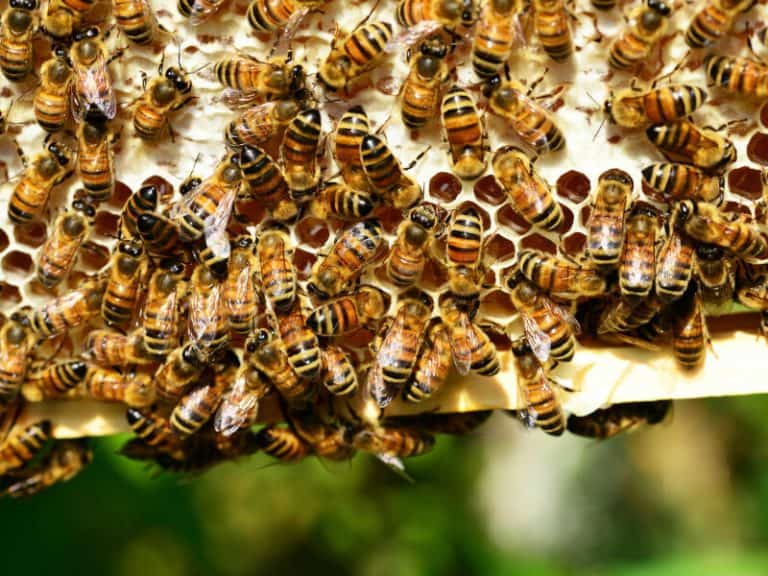
Ensuring the health and vitality of bee drones is a critical component of successful apiary management. Healthy drones contribute to strong colony reproduction and overall hive stability. Vigilant monitoring, pest control, and proper nutrition are essential practices to maintain optimal drone development and prevent potential health issues that could compromise the colony’s success.Maintaining drone health involves systematic observation and timely intervention to identify early signs of distress or disease.
Implementing regular inspection routines allows beekeepers to detect abnormalities such as deformities, discoloration, or behavioral changes. Addressing these issues promptly helps prevent the spread of pests or diseases that could threaten the entire hive.
Monitoring Drone Health and Identifying Common Issues
Understanding the typical signs of drone health and recognizing common problems is vital for maintaining a thriving apiary. Drones should exhibit robust movement, a uniform appearance, and active flight behavior. Observations should focus on physical integrity, such as intact wings and legs, and the absence of deformities or discoloration, which may indicate health concerns.Regularly inspecting the brood area and drone congregation zones provides insights into their overall condition.
Beekeepers should watch for signs such as lethargy, abnormal size, or malformations, which can signal nutritional deficiencies or disease presence. Early detection allows for targeted treatment and reduces the risk of colony-wide issues.
Pest and Disease Control Guidelines
Effective pest and disease management is foundational to maintaining drone health. Pests such as Varroa mites pose significant threats by weakening drones and transmitting viruses. Diseases like Nosema or fungal infections can also impair drone development, leading to decreased reproductive success.Controlling pests involves a combination of mechanical, biological, and chemical strategies. Regularly applying approved miticides or organic treatments, such as formic acid or oxalic acid, can reduce mite populations.
Mechanical removal of infested bees and maintaining proper hive hygiene helps limit disease spread.Monitoring pest levels through standardized counting methods, such as sugar rolls or alcohol washes for Varroa mites, guides intervention timing. Quarantining new colonies and practicing drone sanitation further reduces pathogen transmission risks. Always adhere to local regulations and best practices when applying treatments.
Ensuring Proper Nutrition and Hydration
Adequate nutrition and hydration are fundamental to healthy drone development. Drones rely on a balanced intake of pollen and nectar to meet their energy and protein requirements. Nutritional deficiencies can lead to deformities, reduced lifespan, and lowered reproductive capacity.Providing access to abundant, diverse floral resources ensures drones receive essential nutrients. Supplementing the hive with protein patties or pollen substitutes during dearth periods can enhance drone health.
Additionally, maintaining a clean water source nearby encourages hydration, which is vital for metabolic processes and overall vitality.Proper nutritional management also involves avoiding overharvesting or depletion of natural forage sources, which can cause nutritional stress. Observing drone activity and physical condition offers clues about their nutritional status, prompting timely dietary interventions to support their growth and longevity.
Harvesting and Utilizing Bee Drones
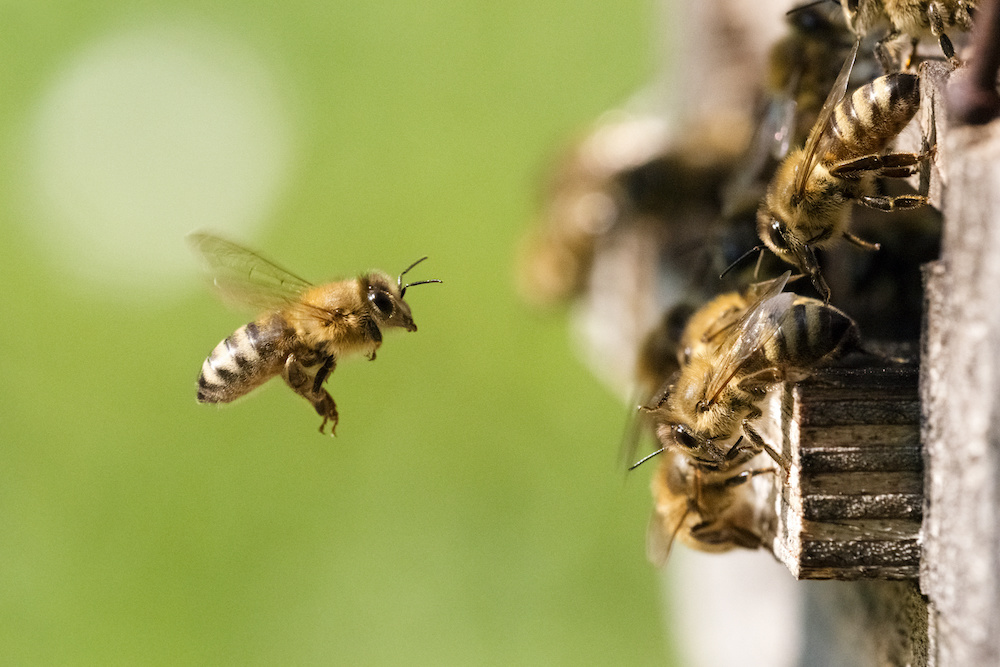
Effective management of bee drones involves not only their careful harvesting but also strategic utilization within apiary breeding programs. When conducted ethically, drone harvesting supports healthy hive dynamics and enhances breeding efficiency. Proper handling ensures the safety of the hive and maintains the integrity of the bee colony, fostering sustainable apiculture practices.
Utilizing drone bees optimally can significantly improve queen mating success and overall hive vitality. Drones play a crucial role in colony reproduction, and their strategic deployment in breeding programs can accelerate genetic improvement and ensure robust hive health. Facilitating natural mating processes and leveraging drones for selective breeding are essential components of advanced apiary management.
Ethical Harvesting of Bee Drones
Harvesting drone bees without damaging the hive requires a careful approach that respects the colony’s structure and reproductive needs. The process involves identifying drone combs and extracting drones at appropriate stages to prevent disruption of the colony’s natural functions. Ethical harvesting supports the health and productivity of the hive while providing valuable genetic material for breeding programs.
Steps for ethical drone harvesting include:
- Identify drone combs within the hive, typically located in drone zones or frames with larger cell sizes.
- Remove drone combs during peak drone rearing periods, which usually occur in late spring to early summer when drone production is highest.
- Use gentle methods such as brushing or using a hive tool to detach frames, avoiding abrupt movements that could harm worker bees or the queen.
- Handle drone combs with care, ensuring minimal disturbance to the remaining hive structure and resident bees.
- Return or dispose of drone comb appropriately after harvesting, ensuring the colony’s reproductive capacity remains intact.
Following these steps helps maintain hive stability and ensures that drone collection is conducted in a manner that aligns with ethical beekeeping standards.
Utilizing Drones in Apiary Breeding Programs
In apiary breeding programs, drone bees serve as vital genetic carriers, enabling selective improvement of desirable traits within the hive. Drones can be harnessed to introduce specific qualities such as disease resistance, temperament, or honey production efficiency into future generations. Proper utilization involves strategic breeding practices that maximize genetic diversity and colony health.
Key strategies for utilizing drones include:
- Establishing drone-producing colonies with desirable traits to serve as parent sources for breeding.
- Collecting drone semen via natural mating flights or artificial insemination techniques, depending on the program’s scope and resources.
- Maintaining a genetic database of drone lines to track desirable traits and facilitate informed breeding decisions.
- Introducing selected drones into queen mating areas through controlled mating stations or drone congregation areas to ensure controlled genetic exchange.
- Documenting breeding outcomes and monitoring hive performance to evaluate the success of drone utilization strategies.
Facilitating Queen Mating Flights with Drones
Queen mating flights are essential for successful reproduction and genetic diversity within the hive. Drones play a pivotal role during these flights, competing to fertilize the queen’s eggs. Creating optimal conditions for drone participation enhances mating success and ensures the health of future colonies.
To facilitate this process:
- Maintain healthy drone populations by providing ample drone combs and ensuring favorable environmental conditions.
- Establish drone congregation areas (DCAs) that are accessible to mated queens, typically located at specific heights and open spaces that encourage drone and queen interactions.
- Time queen mating flights during warm, calm days when drone activity is at its peak, usually late spring through early summer.
- Manage drone density in the vicinity of the DCA to prevent overcrowding and promote effective mating opportunities.
- Monitor drone and queen activity to determine optimal timing, ensuring successful fertilization and genetic diversity.
Creating conducive environments for drone participation during queen mating flights enhances reproductive success and genetic health of bee colonies.
Troubleshooting Common Challenges
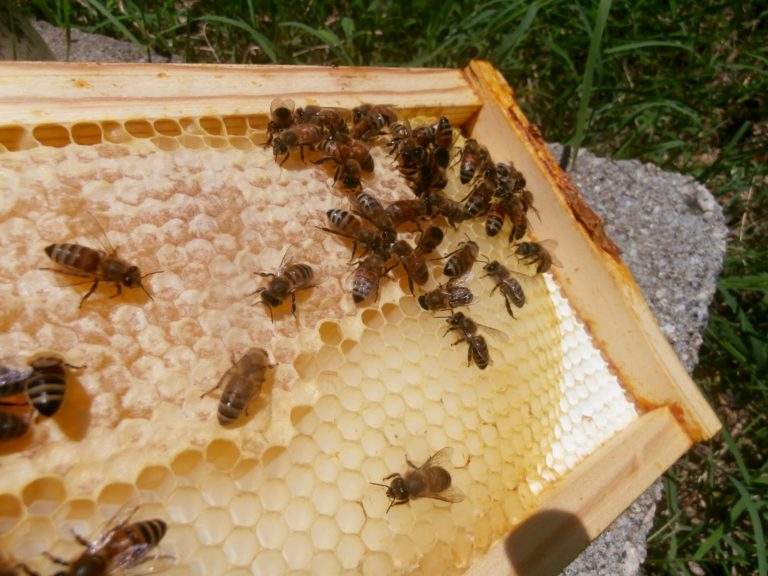
Effective beekeeping involves addressing a variety of challenges that can impact the health and productivity of bee colonies, particularly concerning drone populations and overall hive stability. Recognizing and promptly resolving issues such as low drone numbers, queenlessness, parasitism, and developmental abnormalities are crucial for maintaining a robust and sustainable hive. This section provides practical strategies to identify and overcome these common difficulties, ensuring the success of your drone rearing efforts and hive management practices.
By understanding the underlying causes of these challenges and implementing targeted solutions, beekeepers can foster healthier colonies, optimize drone production, and improve the overall vitality of their hives. The following insights offer guidance on diagnosing issues and applying effective interventions to support thriving bee populations.
Addressing Low Drone Populations and Queenless Colonies
Low drone populations or queenless colonies can significantly hinder the reproductive cycle and hive stability. It is essential to identify early signs of these issues and apply appropriate remedies to restore colony balance and reproductive capacity.
Colony assessments should include observing drone presence during peak seasons, checking for signs of queenlessness such as the absence of eggs or larvae, and monitoring hive behavior for disorientation or aggression. Solutions involve:
- Requeening or introducing a new queen: This helps restore reproductive functions in queenless colonies, promoting drone production and colony growth.
- Stimulating drone rearing: Providing access to drone combs or increasing hive space for drone development can boost drone populations.
- Ensuring sufficient food resources: Adequate nectar and pollen supply supports overall colony health, indirectly promoting drone rearing.
Managing Drone Parasitism and Developmental Abnormalities
Drone parasitism, often caused by Varroa mites or other pests, can lead to developmental issues and weaken colony resilience. Abnormal drone development, such as deformities or underdeveloped drones, signals potential health problems requiring intervention.
It’s vital to regularly inspect drone combs for signs of parasitism or deformities. Strategies to manage these challenges include:
- Implementing Integrated Pest Management (IPM): Regularly monitor mite levels using standardized methods like alcohol washes or sticky boards, and apply appropriate treatments to control infestations effectively.
- Removing heavily infested drone combs: Replacing or sterilizing drone combs prevents the spread of parasites and promotes healthier drone development.
- Enhancing hive hygiene: Keeping hive entrances clean and maintaining proper ventilation reduces pest and disease pressures that contribute to developmental issues.
Adjusting Hive Management Practices for Improved Drone Production
Optimizing hive management practices is essential for sustaining healthy drone populations, especially when facing challenges. Proper adjustments can significantly influence drone rearing success and overall colony vitality.
Key practices include:
- Providing dedicated drone comb frames: Placing these in strategic hive locations encourages drone development and simplifies monitoring.
- Balancing brood frame distribution: Ensuring adequate space for drone brood prevents overcrowding and reduces competition, fostering healthy drone development.
- Monitoring environmental conditions: Maintaining optimal temperature and humidity within the hive supports drone growth and reduces developmental abnormalities.
- Timely hive inspections: Regularly assessing hive health allows for early detection of issues and prompt management interventions, ultimately promoting stable drone populations.
Consistent hive management and proactive health monitoring are vital strategies for overcoming challenges related to drone populations and colony health. Implementing these practices will enhance the resilience and productivity of your apiary, supporting sustainable beekeeping operations.
Epilogue
In conclusion, effectively raising bee drones involves a combination of understanding their biology, creating optimal conditions, and implementing sound management practices. By doing so, beekeepers can ensure healthy drone populations that support robust queen mating and colony health. Embracing these techniques not only benefits individual hives but also contributes to the broader goals of sustainable beekeeping and environmental preservation, making the journey both rewarding and impactful.