Understanding how to treat bee diseases is essential for maintaining healthy and productive honeybee colonies. Proper management and timely intervention can prevent significant losses and ensure the sustainability of apiculture endeavors.
This guide provides comprehensive insights into identifying, preventing, and treating common bee diseases, along with natural remedies and best practices for hive management. By equipping beekeepers with knowledge and practical steps, it becomes easier to safeguard bee health and promote robust colonies.
Understanding Bee Diseases and Their Impact
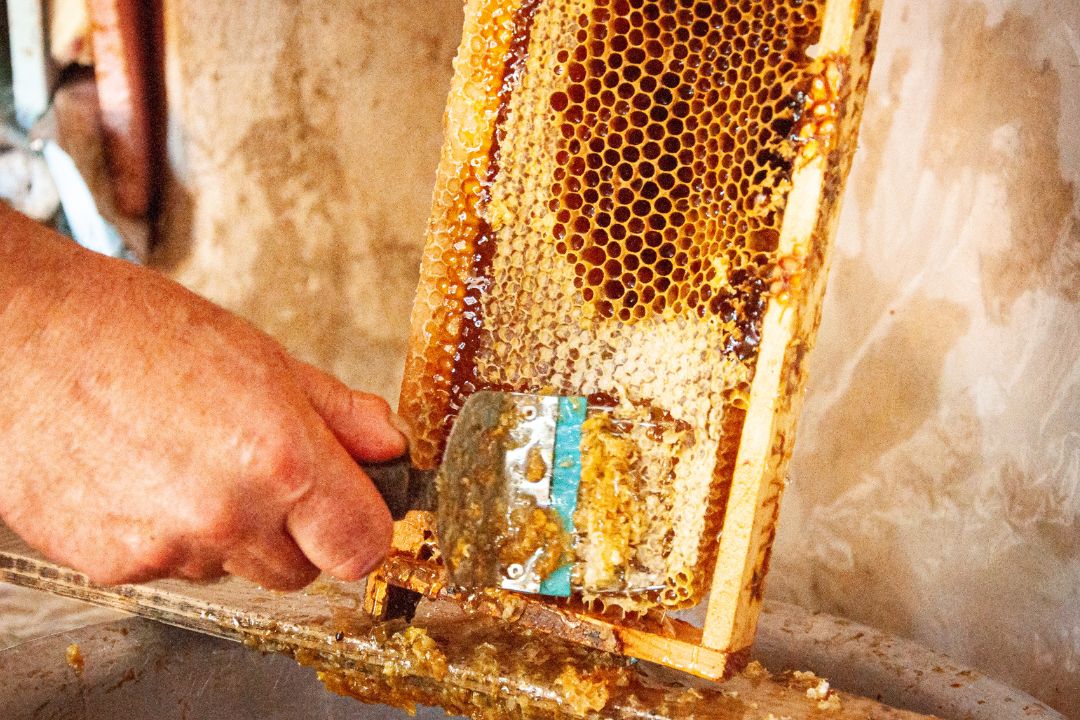
Honeybees face a variety of diseases that can significantly impact the health and productivity of colonies. Recognizing these diseases early is crucial for effective management and prevention of colony losses. This section provides an overview of common bee diseases, their symptoms, and the specific stages of bees affected, enabling beekeepers to identify issues promptly and take appropriate actions.
Bee diseases can spread rapidly within colonies, often leading to weakened bee populations, reduced honey production, and, in severe cases, colony collapse. An understanding of disease symptoms and their progression across different bee stages—larvae, pupae, and adult bees—is essential for timely intervention and maintaining healthy apiaries.
Common Bee Diseases, Symptoms, and Affected Stages
| Disease Name | Symptoms | Affected Bee Stages |
|---|---|---|
| American Foulbrood (AFB) |
|
Larvae, Pupae |
| European Foulbrood (EFB) |
|
Larvae |
| Chalkbrood |
|
Larvae, Pupae |
| Nosema (Nosema apis and Nosema ceranae) |
|
Adult Bees |
| Varroa Mite Infestation |
|
Adult Bees, Brood |
Note: Early detection of these symptoms facilitates effective management strategies and helps prevent the spread of disease within and between colonies. Regular hive inspections and monitoring are essential components of disease control and colony health maintenance.
Identifying Causes and Risk Factors for Bee Diseases
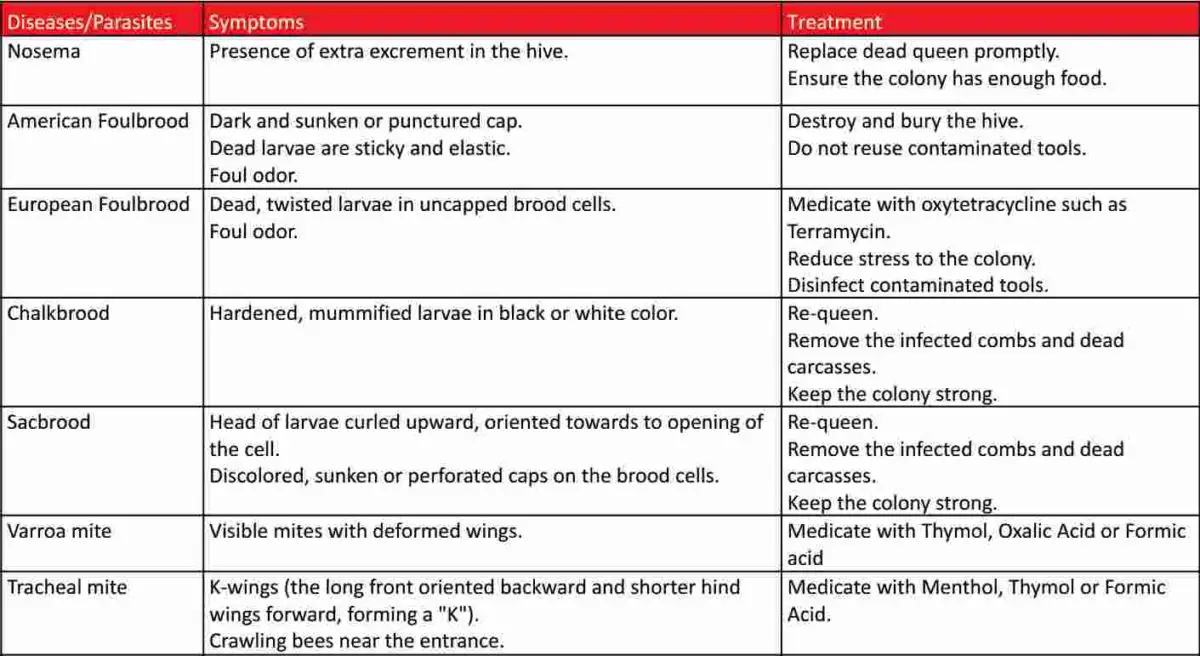
Understanding the various causes and risk factors that contribute to bee diseases is essential for effective prevention and management. Multiple environmental, biological, and hive management factors can create conditions conducive to disease development, impacting overall bee health and colony productivity. Recognizing these factors allows beekeepers to implement targeted strategies to minimize risks and promote a healthy hive environment.
Several triggers and influences play a role in the onset and progression of bee diseases. These factors often interact, exacerbating the overall threat to bee health. By examining these contributors, beekeepers can better identify early warning signs and adopt proactive measures to safeguard their colonies.
Environmental Factors Contributing to Bee Diseases
The environment surrounding a beehive significantly influences disease susceptibility. Changes in climate, pollution, and landscape can stress bee populations and facilitate pathogen proliferation.
- Pesticide Exposure: The application of pesticides, especially neonicotinoids, has been linked to weakened bee immune systems and increased vulnerability to diseases. Bees may encounter pesticides through foraging or drift, which can impair their health and spread pathogens within the colony.
- Poor Ventilation and Humidity: Insufficient airflow within the hive can lead to moisture buildup, creating an ideal environment for fungal and bacterial growth. High humidity levels promote the development of diseases such as Chalkbrood and Nosema.
- Climate Extremes: Rapid temperature fluctuations or extended cold periods can stress bees, reduce their ability to fend off infections, and increase susceptibility to diseases like American foulbrood.
- Landscape and Foraging Resources: Limited floral diversity and forage availability can weaken bee nutrition, lowering their immune response and making them more prone to infections.
Biological Factors and Pathogen Exposure
Biological interactions within the hive, particularly involving pathogens and parasites, are primary causes of bee diseases. These biological factors often act synergistically, intensifying disease outbreaks.
- Pathogens and Parasites: Microorganisms such as bacteria (e.g., Paenibacillus larvae causing American foulbrood), fungi (e.g., Nosema spp.), viruses, and parasitic mites like Varroa destructor directly compromise bee health. Parasites facilitate pathogen transmission and weaken bee immunity.
- Pathogen Load and Coinfections: High concentrations of specific pathogens or multiple infections can overwhelm bee defenses, leading to rapid disease progression and colony decline.
- Genetic Susceptibility: Variability in bee genetics influences resistance, with some strains exhibiting higher tolerance to certain pathogens, whereas others are more vulnerable.
Hive Management Practices and Their Impact
Hive management strategies play a crucial role in either mitigating or exacerbating disease risks. Proper management reduces stressors and limits pathogen spread, while poor practices can create disease hotspots.
- Hive Hygiene and Sanitation: Regular cleaning of hive equipment and removal of debris prevent the buildup of pathogens and reduce infection reservoirs.
- Colony Density and Manipulation: Overcrowding or frequent colony manipulations can stress bees and facilitate pathogen transmission. Adequate spacing and careful handling are vital.
- Use of Antibiotics and Chemicals: While necessary in some cases, improper or overuse of antibiotics can lead to resistant strains and disturb the hive’s natural microbiome, potentially increasing disease risks.
- Monitoring and Early Detection: Routine inspection for signs of disease and pest infestations allow for timely interventions, curbing outbreaks before they escalate.
Comparison of Disease Triggers and Their Influence on Bee Health
Different disease triggers can have varying impacts on bee health, often depending on the interaction between environmental conditions, biological agents, and management practices.
Pesticides primarily weaken bees’ immune responses, making them more vulnerable to infections. Their impact is often compounded when combined with poor nutrition or pathogen exposure.
Pathogens and parasites directly damage bee tissues and impair vital functions. For example, Varroa mites facilitate virus transmission, intensifying disease severity.
Environmental stressors, such as temperature extremes or poor ventilation, create stressful conditions that suppress immunity, allowing latent pathogens to become active.
In many cases, these triggers do not operate in isolation. Instead, they interact, creating a complex web of factors that influence overall bee health. For instance, pesticide exposure combined with mite infestation can lead to more severe disease outbreaks than either factor alone.
Preventative Measures and Hive Management Strategies
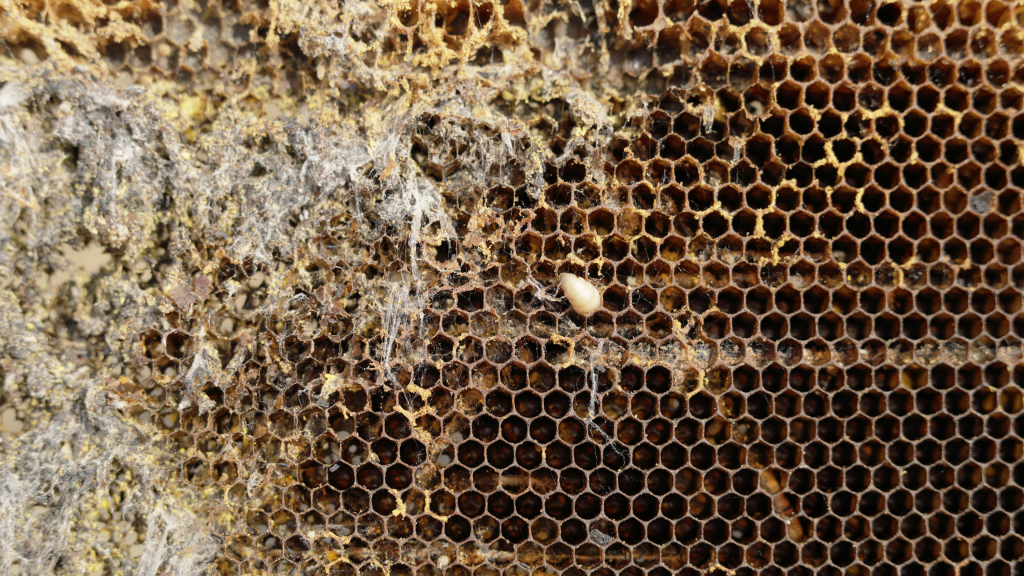
Ensuring the health and vitality of bee colonies requires diligent preventative measures and effective hive management strategies. Proper implementation of these practices minimizes the risk of disease development, promotes strong colony growth, and sustains productive beekeeping operations. Consistent attention to maintenance, nutrition, and environmental conditions forms the foundation of disease prevention in apiaries.
Adopting systematic hive management strategies involves routine inspections, sanitation protocols, and environmental controls that collectively reduce the likelihood of pathogen proliferation. These measures should be tailored to the specific needs of the bee population and local environmental factors, enabling beekeepers to detect early signs of health issues and respond proactively.
Step-by-step Procedures for Maintaining Healthy Colonies
Maintaining healthy bee colonies requires a structured approach that encompasses regular monitoring, sanitation, and timely interventions. The following procedures serve as essential guidelines for beekeepers aiming to prevent disease outbreaks:
- Establish Routine Hive Inspections: Conduct weekly or bi-weekly inspections during active seasons to assess colony condition, check for signs of pests, diseases, or abnormalities. Use a standardized inspection checklist to ensure consistency.
- Maintain Hive Cleanliness: Remove debris, dead bees, and unused combs. Replace broken or contaminated frames promptly to prevent potential pathogen reservoirs.
- Sanitize Equipment: Clean and sterilize hive tools, protective clothing, and hive components regularly using appropriate solutions such as hot water, vinegar, or commercial disinfectants to eliminate disease agents.
- Implement Proper Hive Placement and Ventilation: Position hives in well-drained, sunny locations with adequate airflow. Proper ventilation reduces humidity and discourages fungal growth and other diseases.
- Manage Hive Density and Space: Prevent overcrowding by providing sufficient space through hive expansions or splitting colonies to reduce stress and disease transmission.
Methods for Minimizing Disease Risk
Effective management involves optimizing environmental conditions and colony health through nutrition, ventilation, and consistent monitoring. These methods serve as critical components in disease prevention:
- Providing Proper Nutrition: Ensure bees have access to diverse and high-quality forage sources. Supplement with pollen patties or sugar feeds during dearth periods to enhance immune responses and reduce stress-induced susceptibility.
- Enhancing Hive Ventilation: Use screened bottom boards, ventilated covers, and strategic hive orientation to facilitate airflow. Proper ventilation reduces moisture accumulation, which can inhibit pathogen development, especially fungal agents like Nosema.
- Regular Colony Monitoring: Employ disease detection techniques such as visual inspections for abnormal brood patterns, mites, or disease symptoms. Utilize diagnostic tools like sticky boards for mite counts or laboratory testing when necessary.
- Implementing Biosecurity Measures: Limit hive access to essential personnel, disinfect footwear and equipment, and avoid introducing new bees from unreliable sources to prevent pathogen introduction.
Recommended Practices vs. Common Pitfalls in Disease Prevention
To assist beekeepers in adopting effective strategies, the following table Artikels recommended practices alongside common pitfalls that compromise colony health:
| Recommended Practices | Common Pitfalls |
|---|---|
| Regular hive inspections with detailed record-keeping | Irregular inspections, neglecting early signs of disease |
| Consistent hive sanitation and equipment sterilization | Using contaminated tools or neglecting sanitation protocols |
| Providing balanced nutrition and supplemental feeding when needed | Neglecting nutritional needs, especially during dearth periods |
| Ensuring proper hive ventilation and optimal placement | Closed or poorly ventilated hives, placement in damp or shaded areas |
| Monitoring for pests and diseases through visual and diagnostic methods | Overlooking early symptoms or delaying testing and treatment |
| Implementing biosecurity measures to prevent pathogen introduction | Allowing unregulated hive access or sharing equipment without disinfection |
Treatment Protocols for Specific Bee Diseases
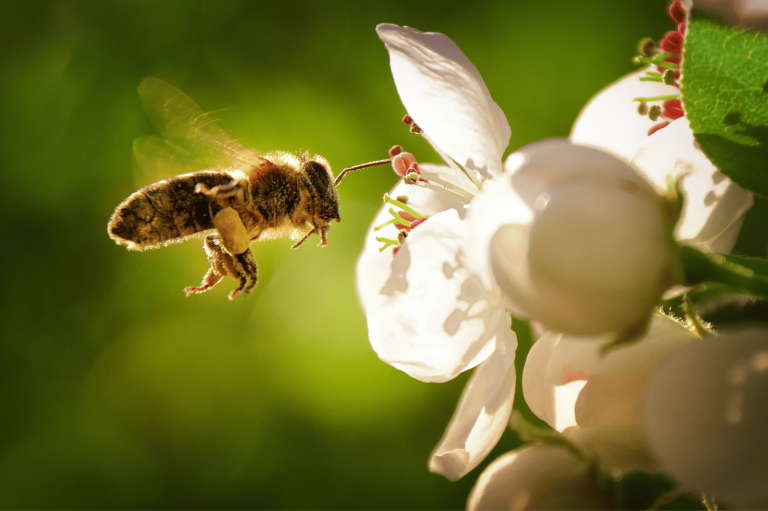
Effective management and treatment of bee diseases are crucial for maintaining healthy colonies and ensuring sustained honey production. Each disease presents unique challenges and requires tailored treatment strategies to eradicate pathogens and restore colony health. This section provides detailed treatment protocols for common bee diseases, emphasizing proper medication administration, dosage, and timing to optimize outcomes.
Appropriate treatment not only involves selecting the correct medication but also implementing precise application methods and schedules. Correct dosing ensures that pathogens are effectively eliminated without harming the bees or the hive environment. Adherence to recommended timing and frequency of treatments enhances the likelihood of successful disease control and prevents recurrence.
American Foulbrood (AFB)
American Foulbrood is a highly contagious bacterial disease caused by Paenibacillus larvae. It affects bee larvae, leading to decay and colony decline if untreated. The primary treatment involves the use of antibiotics, typically oxytetracycline, administered with strict adherence to dosage and timing protocols to prevent resistance and ensure efficacy.
- Preparation: Obtain approved veterinary-grade oxytetracycline powder or strips suitable for bee treatment.
- Administering medication: Dilute the prescribed dose into a sugar syrup or directly apply as per manufacturer instructions. Ensure uniform distribution within the hive.
- Dosage: Usually, 1 g of oxytetracycline per hive per treatment, but always follow the specific product label and veterinarian guidance.
- Timing: Apply treatment when brood rearing is active, typically in early spring or after honey harvest, to maximize effectiveness.
- Frequency: A single treatment is often sufficient; however, a second treatment may be required after 7-10 days if instructed by a veterinarian.
Important: Avoid overuse of antibiotics to prevent resistance development. Follow all local regulations regarding antibiotic use in beekeeping.
European Foulbrood (EFB)
European Foulbrood, caused by Melissococcus plutonius, affects larvae but is less aggressive than AFB. Treatment involves antibiotic administration, with oxytetracycline being the most common choice. Proper application and timing are crucial to control the disease effectively.
- Preparation: Use approved veterinary antibiotics, ensuring they are intended for EFB treatment.
- Application method: Incorporate the medication into sugar syrup or dust it directly onto the brood frames, following product instructions.
- Dosage: Typically, 1 g of oxytetracycline per hive, adjusted according to hive size and severity of infection.
- Timing: Treat as soon as symptoms are observed, particularly during active brood rearing periods.
- Repeat treatments: Usually, one treatment suffices, but if symptoms persist, a second application after 7 days may be necessary.
Chalkbrood
Chalkbrood is a fungal disease caused by Ascosphaera apis, which infects bee larvae, turning them into chalky, mummified remains. Unlike bacterial diseases, chemical treatment options are limited. Management focuses on hive hygiene, environmental control, and fostering strong colonies.
However, in severe cases, some beekeepers resort to using natural remedies or biological controls, such as introducing beneficial fungi or applying thymol-based treatments. Maintaining optimal hive ventilation and avoiding excessive moisture can significantly reduce chalkbrood incidence.
- Preventative measures: Regular hive inspections, removing infected combs, and maintaining dry, well-ventilated hives.
- Chemical treatments: Use only as per approved guidelines, such as thymol or formic acid, and strictly follow manufacturer instructions for dosage and timing.
- Application timing: Treat early in the season when initial symptoms appear, and avoid disrupting brood rearing cycles excessively.
Note: As chalkbrood is fungal, chemical treatments should be used cautiously, prioritizing hive sanitation and environmental management to control outbreaks.
Natural and Organic Disease Remedies
Exploring natural and organic treatments for bee diseases offers beekeepers an environmentally friendly and sustainable approach to maintaining hive health. These remedies leverage the healing properties of herbs, probiotics, and other natural agents to combat diseases without relying on synthetic chemicals, thereby supporting the overall well-being of bees and preserving the integrity of the hive ecosystem.
Implementing alternative methods requires understanding the properties of various natural substances, their application techniques, and their effectiveness in addressing specific bee ailments. Such approaches can serve as preventive measures or support treatments, enhancing the resilience of bee colonies against common diseases.
Herbal Treatments and Plant-Based Remedies
Herbal therapies are among the most traditional and widely used natural remedies for bee health. Certain herbs possess antimicrobial, anti-inflammatory, and immune-boosting properties that can help mitigate disease symptoms and strengthen bees’ defenses. Preparing herbal treatments typically involves infusing or decocting herbs to create teas or tinctures, which can be administered through feeding or hive applications.
For example, herbs like thyme, eucalyptus, and lavender are valued for their antiseptic and respiratory benefits for bees.
Herbal remedies are often used as teas or syrups, administered directly to the bees or added to their feed. Regular use can help control bacterial infections, fungal growth, and parasitic infestations. Ensuring organic cultivation of these herbs is essential to avoid introducing harmful chemicals into the hive environment.
Probiotics and Microbial Supplements
Probiotics consist of beneficial microorganisms that support the natural gut flora of bees, enhancing their immune response and resistance to diseases. These natural supplements are particularly effective in combating gut-related infections such as Nosema. They can be incorporated into bee feed in the form of powders or liquids, often during routine hive management practices to promote a healthy microbial balance.
Research shows that probiotic use can improve bee vitality, reduce pathogen load, and support overall hive health, especially during stress periods like overwintering.
By introducing specific strains of bacteria or yeasts, beekeepers can restore or maintain the natural microbial environment within the hive, which is crucial for disease resistance and digestion efficiency. Selecting high-quality, organic probiotic products ensures the safety and effectiveness of this approach.
Natural Oils and Extracts
Essential oils and plant extracts have proven to be potent natural remedies, often used for their antimicrobial and antiparasitic properties. Examples include thymol, menthol, and neem oil, which are used in controlled doses to target specific pathogens or pests without harming the bees.
Consistent, proper application of natural oils can control Varroa mites and fungal infections while maintaining hive safety.
Preparation involves diluting essential oils in carrier substances such as sugar syrup or wax foundation, allowing for even distribution within the hive. Careful attention to dosage and timing reduces the risk of bee irritation or toxicity, making these natural remedies a viable alternative to chemical treatments.
Incorporating these natural and organic remedies into regular hive management can improve resilience against diseases, reduce chemical residues, and promote healthier bee populations. Combining herbal, microbial, and essential oil treatments offers a comprehensive strategy aligned with sustainable beekeeping practices.
Monitoring and Record Keeping for Disease Management
Effective management of bee diseases hinges on diligent monitoring and meticulous record keeping. Regular hive inspections enable beekeepers to detect early signs of health issues, track disease progression, and evaluate the effectiveness of treatments. Systematic documentation provides valuable insights that inform future management strategies, helping to maintain healthy colonies and prevent the spread of illnesses.
Consistent and organized record keeping facilitates the identification of patterns related to disease outbreaks, environmental influences, and the success of various interventions. Utilizing structured logs ensures that all relevant data is captured accurately and can be reviewed easily. This proactive approach enhances overall hive health and supports sustainable apiculture practices.
Importance of Regular Hive Inspections and Disease Tracking
Routine hive inspections are essential for early detection of bee diseases, often before symptoms become severe or symptomatic for the bees. These inspections should be scheduled at regular intervals—typically every 7 to 10 days during active seasons—and include visual assessments of bee behavior, hive conditions, and signs of illness.
Tracking disease progression through detailed records allows beekeepers to recognize recurring issues, evaluate the effectiveness of treatments, and adjust management strategies accordingly. Maintaining consistent inspection routines and comprehensive logs minimizes the risk of disease spreading within and between colonies, safeguarding overall apiary health.
Templates for Keeping Detailed Hive Health and Treatment Logs
Structured record templates streamline the documentation process, ensuring all pertinent information is captured systematically. These logs should include sections for general hive information, observation details, intervention records, and follow-up notes. Using standardized templates enhances clarity and facilitates data analysis over time.
Example categories include hive identification, inspection date, observed symptoms, interventions applied, and outcomes observed.
Sample Data Fields in Hive Disease Monitoring Logs
To promote thorough and consistent data collection, the following data fields are recommended for inclusion in hive health logs:
| Field | Description | Example |
|---|---|---|
| Date of Inspection | The specific date when the hive was examined. | 2024-04-15 |
| Hive Identification | Unique identifier or location for the hive. | Hive A – Backyard Apiary |
| Observed Symptoms | Signs of disease or health issues noted during inspection. | Deformed wings, sluggish bees, visible mites |
| Interventions | Actions taken to address health issues, such as treatments or adjustments. | Applied oxalic acid vaporization, cleaned hive |
| Results/Follow-up | Outcomes of interventions and future monitoring plans. | Signs of improvement; plan for next inspection in 7 days |
Maintaining comprehensive records with these data fields enables beekeepers to analyze trends, anticipate potential issues, and refine their management practices over time. Digital tools or printed logs can be used to streamline this process, ensuring data integrity and accessibility.
When to Seek Professional Veterinary Assistance
A critical aspect of maintaining a healthy hive involves recognizing when expert intervention is necessary. While many bee health issues can be managed through preventive measures and proper hive management, some signs indicate that professional veterinary assistance is essential to accurately diagnose and treat complex or severe conditions. Promptly involving a qualified veterinarian can prevent the spread of disease, reduce colony losses, and ensure the ongoing productivity of the apiary.Understanding the signs that warrant seeking professional help is vital for beekeepers aiming to uphold the health and vitality of their colonies.
Certain symptoms may be subtle at first but can quickly escalate into serious health threats if not addressed by experts with specialized knowledge in apiculture and bee pathology.
Signs Indicating the Need for Expert Diagnosis and Treatment
Recognizing specific symptoms that suggest the presence of serious or complex diseases is crucial in determining when to consult a veterinary professional. These signs often include:
- Unusual Colony Behavior: Significant deviations from normal activity, such as worker bees disoriented, aggressive, or disoriented movements, particularly if they persist over several days.
- High Bee Mortality: Sudden and unexplained increases in bee deaths within the hive, especially if the mortality affects all age groups or occurs rapidly.
- Visible Physical Deformities or Mucus: Presence of deformed wings, discolored or abnormal brood patterns, or excessive mucus, which may indicate diseases like deformed wing virus or foulbrood.
- Persistent Pests or Parasites: Infestations of Varroa mites, tracheal mites, or small hive beetles that are resistant to treatment or are accompanied by symptoms like bee trembling or weakened colonies.
- Unusual Odors: Foul or rancid smells emanating from the hive, which can signal bacterial or fungal infections requiring specialist assessment.
- Unresponsive to Standard Treatments: When symptoms do not improve after applying routine preventative or treatment measures, a veterinary diagnosis becomes necessary.
Guidelines for Collaborating with Veterinary Professionals
Effective collaboration with veterinary specialists in apiculture enhances disease management and supports the long-term health of bee colonies. Establishing a professional relationship involves clear communication, shared understanding of symptoms, and adherence to recommended protocols.The following guidelines facilitate productive cooperation:
- Initial Assessment and Documentation: Provide the veterinarian with detailed information about observed symptoms, including the onset, duration, and any environmental factors that might influence bee health. Photographs and samples of affected brood or bees can aid diagnosis.
- Sampling and Testing: Follow the veterinarian’s instructions for collecting bee samples, brood combs, or hive debris. Proper sampling techniques help ensure accurate laboratory analysis.
- Adherence to Treatment Protocols: Implement prescribed treatments precisely, including dosages, application methods, and duration. Keep detailed records of all interventions for future reference.
- Monitoring and Follow-Up: Maintain ongoing observation of the hive post-treatment, noting any changes in symptoms or behavior. Schedule follow-up consultations as recommended.
- Record-Keeping and Reporting: Document all interactions, diagnostics, and treatments. Sharing this information with the veterinarian can inform future health management strategies.
Procedures for Contacting Veterinary Specialists
Establishing an effective communication process ensures prompt and efficient veterinary assistance when needed. The following steps Artikel a systematic approach:
- Identify Qualified Veterinarians: Seek out veterinary professionals with expertise in apiculture, bee diseases, or entomology through local veterinary associations, apiculture clubs, or industry networks.
- Prepare Detailed Information: Compile a comprehensive description of symptoms, colony history, recent treatments, environmental conditions, and any relevant photographs or samples.
- Initiate Contact: Reach out via phone, email, or through a dedicated online platform, providing concise yet thorough information to facilitate initial assessment.
- Schedule an On-Site Evaluation or Remote Consultation: Depending on the severity and location, coordinate for a site visit or remote diagnosis if possible. Be prepared to provide access to the hive and samples.
- Follow Veterinary Recommendations: Implement prescribed treatments accurately and communicate any concerns or observations during the process.
- Maintain Communication: Keep the veterinarian updated on the hive’s progress and seek further advice if symptoms persist or worsen.
Prompt recognition of disease symptoms and timely engagement with qualified veterinary professionals are essential components of effective bee health management. By adhering to these guidelines, beekeepers can ensure that their colonies receive the expert care necessary to recover from diseases and maintain a thriving apiary.
Last Point
In conclusion, effectively managing bee diseases requires a combination of vigilant monitoring, appropriate treatment protocols, and preventive strategies. Staying informed and proactive helps preserve bee populations, ensuring their vital role in pollination and ecological balance. Embracing these practices fosters healthier colonies and a more sustainable beekeeping experience.