Discover the essential steps to create a bee-friendly garden that supports pollinators and enhances local biodiversity. Understanding the vital role bees play in maintaining healthy ecosystems underscores the importance of cultivating environments that attract and sustain these invaluable insects.
This guide offers practical insights into selecting the right plants, designing safe and inviting habitats, and ensuring the well-being of bees through water sources and chemical-free practices—empowering you to foster a vibrant and sustainable garden space.
Understanding the Importance of Bees in Gardens
Bees are among the most essential pollinators in ecosystems worldwide, playing a critical role in maintaining biodiversity and supporting healthy, productive gardens. Their presence not only benefits flowering plants but also sustains the broader ecological balance, ensuring the vitality of many species, including humans.
Having a bee-friendly garden contributes significantly to local biodiversity by providing essential habitats and food sources for various bee species. These gardens serve as vital refuges amidst increasing urbanization and habitat loss, supporting the survival of bees and enhancing overall ecosystem resilience.
The Role of Bees in Pollination and Ecosystem Health
Bees facilitate the transfer of pollen from the male parts of flowers to the female parts, enabling plants to reproduce. This process, known as pollination, is fundamental to the production of fruits, seeds, and new plant growth. Bees are responsible for pollinating approximately 75% of flowering plants and over 35% of global food crops, underscoring their importance in both natural and agricultural systems.
“Pollination by bees directly affects the availability, quality, and nutritional value of many fruits and vegetables essential to human diets.”
Beyond their role in agriculture, bees support a vast array of wild plants, contributing to ecosystem stability and resilience. Healthy bee populations help maintain plant diversity, which in turn sustains diverse animal habitats, prevents soil erosion, and promotes carbon sequestration.
Statistics and Facts on Bee Populations and Their Significance
Recent studies indicate that bee populations worldwide are experiencing significant declines, with some species facing the threat of extinction. Factors contributing to these declines include habitat destruction, pesticide use, climate change, and disease. According to the Food and Agriculture Organization of the United Nations, over 20,000 bee species are found worldwide, but around 16% are threatened or declining.
For example, in North America, the population of native wild bees has decreased by approximately 50% over the past few decades, posing risks to both natural ecosystems and agricultural productivity. The loss of bees could lead to a reduction in crop yields for a variety of fruits, nuts, and vegetables, emphasizing the need for conservation efforts and the creation of bee-friendly habitats.
Selecting Bee-Friendly Plants and Flowers
Creating a garden that attracts and sustains bee populations begins with choosing the right plants and flowers. Native flora, in particular, plays a crucial role in supporting local bee species by providing familiar nectar and pollen sources. Selecting the appropriate plant varieties based on regional climate and soil conditions ensures that your garden remains vibrant and productive throughout the year, fostering a thriving environment for pollinators.
Incorporating a diverse array of flowering plants that bloom at different times guarantees continuous food availability for bees, contributing to their health and longevity. When selecting plants, consider their nectar and pollen offerings, growth habits, and compatibility with your garden’s environmental conditions. This thoughtful approach encourages a balanced ecosystem where bees can flourish naturally.
Native Flowers and Plants That Attract Bees
Native plants are inherently adapted to local soil and climate conditions, making them more resilient and easier to maintain. They also typically provide better nutrition for native bee species. Here is a selection of native flowers and plants known for their bee-attracting qualities:
- Purple Coneflower (Echinacea purpurea): A hardy perennial with vibrant purple petals and a central cone that produces abundant nectar, attracting numerous bee species during its mid-summer bloom.
- Wild Bergamot (Monarda fistulosa): Recognizable by its fragrant, lavender-colored flowers, it blooms from late spring to early fall, offering both nectar and pollen.
- Goldenrod (Solidago spp.): Blooming in late summer to fall, goldenrod provides vital nectar resources preparing bees for winter hibernation.
- Black-eyed Susan (Rudbeckia hirta): With its bright yellow flowers, it blooms from summer to early fall, serving as a rich nectar source.
- Milkweed (Asclepias spp.): Essential for monarchs and beneficial for native bees, it blooms from late spring through summer, offering both pollen and nectar.
- Bluebells (Virginia spp.): Early spring bloomers that provide an initial nectar source after winter, supporting emerging bee colonies.
Comparative Table of Plant Types, Bloom Times, and Nectar/Pollen Offerings
To optimize your garden for year-round bee activity, understanding the bloom periods and resources provided by different plants is essential. The table below summarizes key characteristics of common bee-friendly plants:
| Plant Type | Bloom Time | Nectar Production | Pollen Availability | Additional Notes |
|---|---|---|---|---|
| Purple Coneflower | Mid-summer | High | Moderate | Supports a wide range of bee species; drought tolerant |
| Wild Bergamot | Late Spring–Fall | Moderate to High | High | Attracts hummingbirds as well as bees |
| Goldenrod | Late Summer–Fall | High | Low to Moderate | Important late-season nectar source |
| Black-eyed Susan | Summer–Early Fall | Moderate | Moderate | Easy to grow; attracts native bees |
| Milkweed | Late Spring–Summer | Moderate | High | Supports monarchs and native bees alike |
| Bluebells | Early Spring | Low to Moderate | High | Provides early season nectar for emerging colonies |
Choosing Plants Based on Climate and Soil Conditions
Successful bee-friendly gardening hinges on selecting plants suited to your region’s climate and soil type. Understanding these factors ensures plant vitality and longevity, which in turn sustains bee populations. For instance, in arid regions with well-drained soils, drought-tolerant natives such as lavender or sage are ideal. Conversely, in moist, temperate climates, plants like bee balm and goldenrod thrive with minimal additional care.
Assess your garden’s soil pH, drainage capacity, and sun exposure before selecting species. Incorporating organic matter or soil amendments can enhance plant health and support robust flowering. Consulting local native plant guides or nurseries can provide tailored recommendations, ensuring your garden remains a resilient and attractive habitat for bees year-round.
Seasonal Flowering Plants to Ensure Year-Round Bee Activity
Maintaining continuous bee activity requires a strategic selection of plants that bloom throughout the seasons. Early bloomers provide vital resources in spring when native bee populations are emerging, while late-season plants sustain bees preparing for winter dormancy. Incorporating a mix of annuals and perennials ensures diversity and resilience in your garden’s flowering schedule.
Spring: Bluebells, crocuses, and early asters support emerging bee colonies.
Summer: Coneflowers, bee balm, and sunflowers offer abundant nectar and pollen.
Autumn: Goldenrod, asters, and sedums provide critical late-season sustenance.
Examples of seasonal plants include crocuses and violet in early spring, lavender and butterfly bush in summer, and goldenrod and sedum in fall. Such diversity encourages a healthy, thriving bee population that can sustain pollination efforts across the entire growing season.
Designing Your Bee-Friendly Garden Layout
Creating an effective layout for your bee-friendly garden is essential to support the health, safety, and thriving of local bee populations. Thoughtful arrangement of plants, habitats, and water sources ensures that bees can access nourishment while also having safe nesting sites. A well-designed garden not only benefits pollinators but also enhances the overall ecology and beauty of your outdoor space.
Strategic planning involves understanding bee behavior and habitat needs, allowing you to create a harmonious environment that encourages bees to flourish. By considering spatial organization, habitat diversity, and natural features, you can develop a layout that promotes sustainability and resilience in your garden ecosystem.
Arranging Plants for Optimal Bee Access and Safety
The placement of flowering plants within your garden greatly influences bee activity. To maximize their foraging efficiency and safety, plants should be organized in clusters or blocks based on species and bloom times, creating continuous nectar and pollen sources throughout the seasons.
- Group similar flowering plants together to facilitate easier foraging and reduce bee disorientation.
- Position the most abundant and nectar-rich plants at accessible heights and locations that are sheltered from strong winds or excessive sun, ensuring bees can land safely and efficiently collect resources.
- Arrange flowering zones to face south or southeast to maximize sunlight exposure, which encourages early blooms and active foraging periods.
- Maintain pathways between planting zones to prevent trampling and allow bees unobstructed access, while also considering safety for human visitors.
Additionally, planting a diverse array of species with overlapping bloom periods ensures bees have access to food sources throughout the year, reducing competition and encouraging a stable pollinator presence.
Creating Diverse Habitats Within the Garden
Supporting bee populations requires more than just flowering plants; providing varied habitats caters to different bee species’ nesting and shelter needs. Incorporating a mix of habitat types fosters a resilient and sustainable bee-friendly environment.
Natural habitats such as logs, bare ground, and undisturbed patches are vital nesting sites for native bees, especially ground nesters and cavity dwellers.
Designing a diverse habitat layout involves integrating various natural features:
| Habitat Zone | Description | Design Recommendations |
|---|---|---|
| Flowering Zones | Areas dedicated to a variety of nectar and pollen-rich plants | Use layered planting with shrubs, perennials, and annuals; stagger bloom times; include native species |
| Nesting Sites | Locations for bees to establish nests, including ground, cavity, and shelter sites | Incorporate bare patches of soil, hollow stems, and logs with soft, decayed wood; avoid pesticides in these areas |
| Water Sources | Essential for hydration and cooling, attracting bees to your garden | Provide shallow, stable water sources such as birdbaths with pebbles or sponge inserts, ensuring safe landing spots |
Incorporating natural features like logs and bare ground not only offers nesting opportunities but also enhances the garden’s ecological complexity. Logs should be partially buried or elevated, with rough bark and soft decay, to attract solitary bees. Bare ground patches should be undisturbed and free from weed suppression chemicals to serve as nesting sites for ground-nesting species. These habitats mimic natural environments, encouraging a diverse bee community.
Providing Water and Shelter for Bees
Creating a supportive environment for bees involves more than just planting the right flora. Ensuring access to clean water and suitable shelter greatly enhances their ability to thrive in your garden. Bees, especially in urban or drought-prone areas, depend on readily available water sources and safe nesting habitats to sustain their populations and promote pollination activity.Providing water and shelter for bees involves carefully establishing shallow water sources with accessible landing spots and offering natural shelter options that mimic their natural nesting environments.
Properly designed and maintained, these features can significantly improve the resilience and productivity of your bee-friendly garden.
Setting Up Shallow Water Sources with Landing Spots
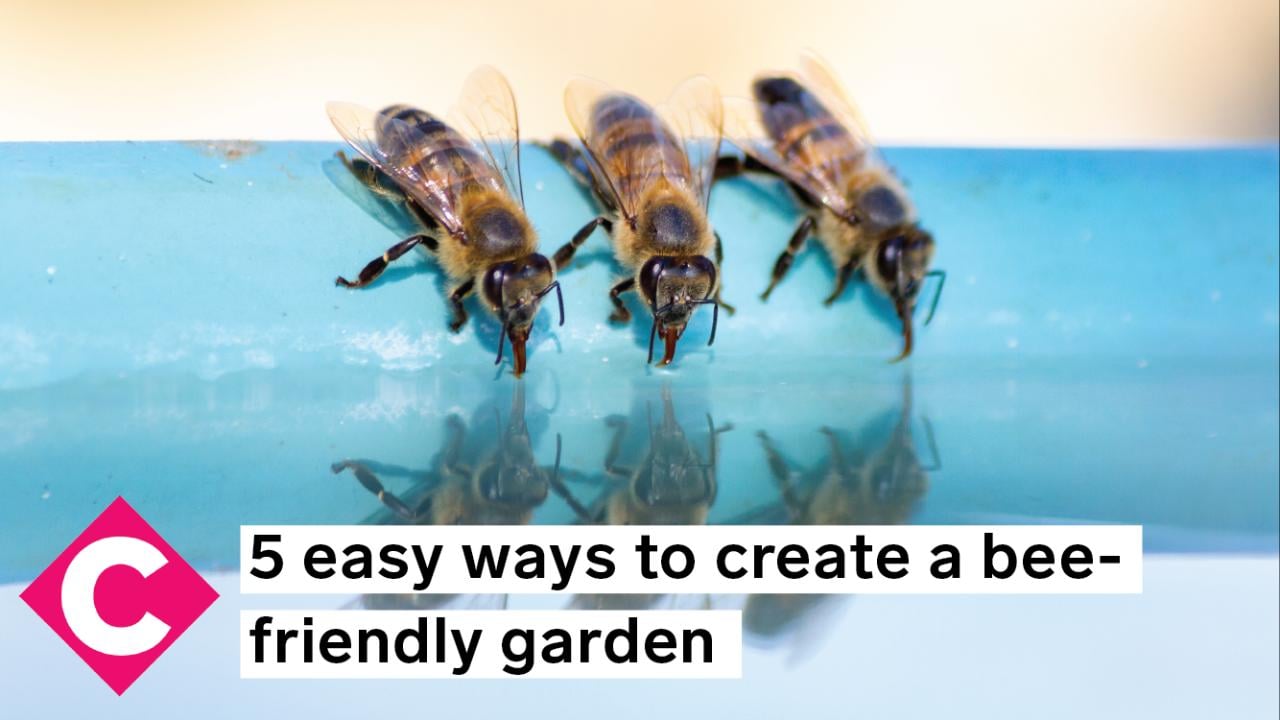
Bees need accessible water in gardens to stay hydrated, particularly during hot or dry periods. Creating shallow water sources ensures safety and ease of access, preventing drowning and encouraging bees to visit regularly.To set up effective water sources:
- Choose shallow containers or trays that are no more than 2-3 centimeters deep to prevent accidental drownings.
- Place flat stones, pebbles, or small logs within the water to serve as landing spots, giving bees a stable surface to rest upon while drinking.
- Arrange the water source in a sunny location but protected from strong winds and predators.
- Maintain the water regularly by changing it every few days to prevent stagnation and mosquito breeding.
Adding a few drops of natural or organic sweetening agents, such as a small amount of sugar water, can attract bees to the water source, especially during periods of low natural nectar flow.
Natural Shelter Options for Bees
Providing natural shelter helps support bee nesting and resting behaviors, particularly for solitary bee species. These shelters can be integrated into the garden landscape to offer safe retreat sites away from disturbances and predators.Natural shelter options include:
- Bee hotels constructed from wood blocks, bamboo canes, or other natural materials filled with holes of varying diameters to accommodate different bee species.
- Hollow stems of plants like reeds, grasses, or certain perennials left standing in undisturbed areas to serve as nesting sites.
- Undisturbed patches of bare soil or mulch where ground-nesting bees can burrow safely without interference.
These habitats not only support bee populations but also promote biodiversity within your garden ecosystem.
Materials Suitable for Building Bee Habitats
Using appropriate materials ensures the durability and attractiveness of bee habitats. The selection of materials should prioritize natural, non-toxic, and environmentally friendly options.Recommended materials include:
| Material | Purpose | Notes |
|---|---|---|
| Undrilled Wooden Blocks | Hollow tunnels for cavity-nesting bees | Use untreated wood to avoid chemical contamination |
| Bamboo Canes | Hollow tubes for solitary bees | Cut to lengths of 10-15 cm with diameters of 3-10 mm |
| Hollow Plant Stems | Natural nesting sites | Leave stems intact and secure upright in sheltered locations |
| Sand and Soil | Ground-nesting bees | Maintain undisturbed patches for nesting |
| Organic Mulch | Protects soil nests and provides cover | Keep mulch layers moderate and undisturbed |
Ensuring the materials are natural and free from chemicals is crucial for the health of the bees and the overall garden environment.
Maintaining undisturbed areas and natural habitats is essential for supporting healthy bee populations and promoting sustainable pollination cycles in your garden.
Avoiding Harmful Chemicals and Pesticides
Protecting bees from harmful chemicals and pesticides is a fundamental aspect of creating a truly bee-friendly garden. While controlling pests and diseases is necessary for healthy plants, it is equally important to choose methods that do not jeopardize bee health. Adopting organic and sustainable pest management practices ensures that your garden remains safe for these vital pollinators, fostering a thriving ecosystem.
Using chemical treatments, such as synthetic insecticides, herbicides, and fungicides, can have detrimental effects on bees, impairing their immune systems, disorienting their navigation, and reducing overall populations. Mitigating these risks involves selecting bee-safe alternatives, understanding the impacts of pesticides, and implementing practices that prioritize ecological balance and bee wellness.
Methods for Organic Pest Control that Do Not Harm Bees
Implementing biological and natural pest management strategies is key to maintaining a healthy garden without endangering bees. These methods focus on preventing pest infestations and managing existing issues through environmentally friendly practices:
- Companion planting: Planting certain species together, such as marigolds with tomatoes, naturally repels pests and reduces the need for chemical interventions.
- Manual removal: Handpicking pests like caterpillars or beetles minimizes chemical use and directly addresses pests without harming beneficial insects.
- Biological controls: Introducing natural predators like ladybugs or predatory nematodes can effectively control aphids and soil pests, maintaining the ecological balance.
- Neem oil and insecticidal soaps: These organic solutions are effective against soft-bodied pests and have minimal impact on bees when applied during times of low bee activity, such as early morning or late evening.
- Encouraging natural resistance: Selecting pest-resistant plant varieties reduces the need for interventions, supporting a resilient garden ecosystem.
Comparison of Natural and Chemical Treatments
A clear understanding of the differences between natural and chemical treatments helps gardeners make informed decisions about pest management:
| Aspect | Natural Treatments | Chemical Treatments |
|---|---|---|
| Environmental Impact | Minimal, biodegradable, supports biodiversity | Potentially persistent pollutants, harm to non-target species |
| Safety for Bees | Generally safe when used correctly, especially with timing considerations | High risk of toxicity and colony disruption |
| Effectiveness | Effective against specific pests when combined with good garden practices | Rapid action but may require repeated applications |
| Application Timing | Applied during low bee activity periods; integrated into overall pest management | Often applied without regard to pollinator activity, increasing risks |
Selecting Bee-Safe Products and Practices
Making informed choices about pest control products involves understanding their ingredients, application methods, and timing. Always opt for products labeled as bee-safe or organic, and follow the manufacturer’s instructions meticulously. When using sprays, applying during early morning or late evening when bees are less active significantly reduces exposure. Additionally, prioritizing cultural practices such as crop rotation, proper plant spacing, and maintaining garden hygiene can prevent pest outbreaks, decreasing the need for chemical interventions.
Regular monitoring of plant health and pest presence allows timely, targeted action, minimizing unnecessary chemical use and safeguarding bee populations.
Impacts of Pesticides on Bee Health and Risk Mitigation Strategies
Pesticides pose serious threats to bee health by impairing their foraging ability, reducing reproductive success, and weakening immune responses. Sublethal exposures can cause disorientation, decreased feeding, and impaired navigation, leading to colony declines over time. To mitigate these risks, gardeners should adopt integrated pest management (IPM) approaches that emphasize prevention, biological controls, and selective treatments only when absolutely necessary. Using targeted applications, adhering to safety intervals, and choosing products with minimal bee toxicity are essential steps.
Educating oneself about the specific effects of pesticides, such as neonicotinoids and pyrethroids, further supports efforts to protect these crucial pollinators and ensure a balanced, healthy garden environment.
Planting and Maintenance Tips for a Bee-Friendly Garden
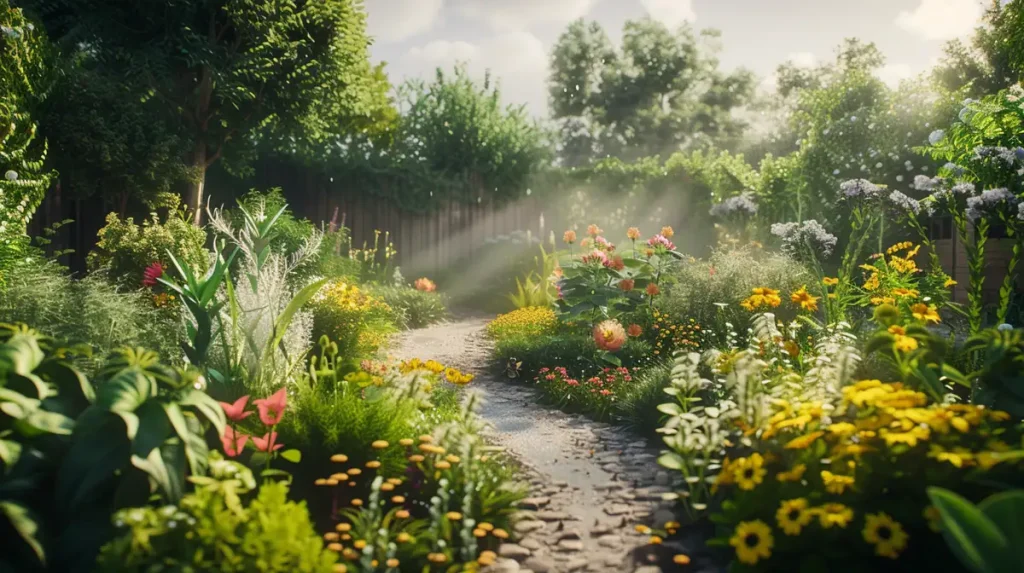
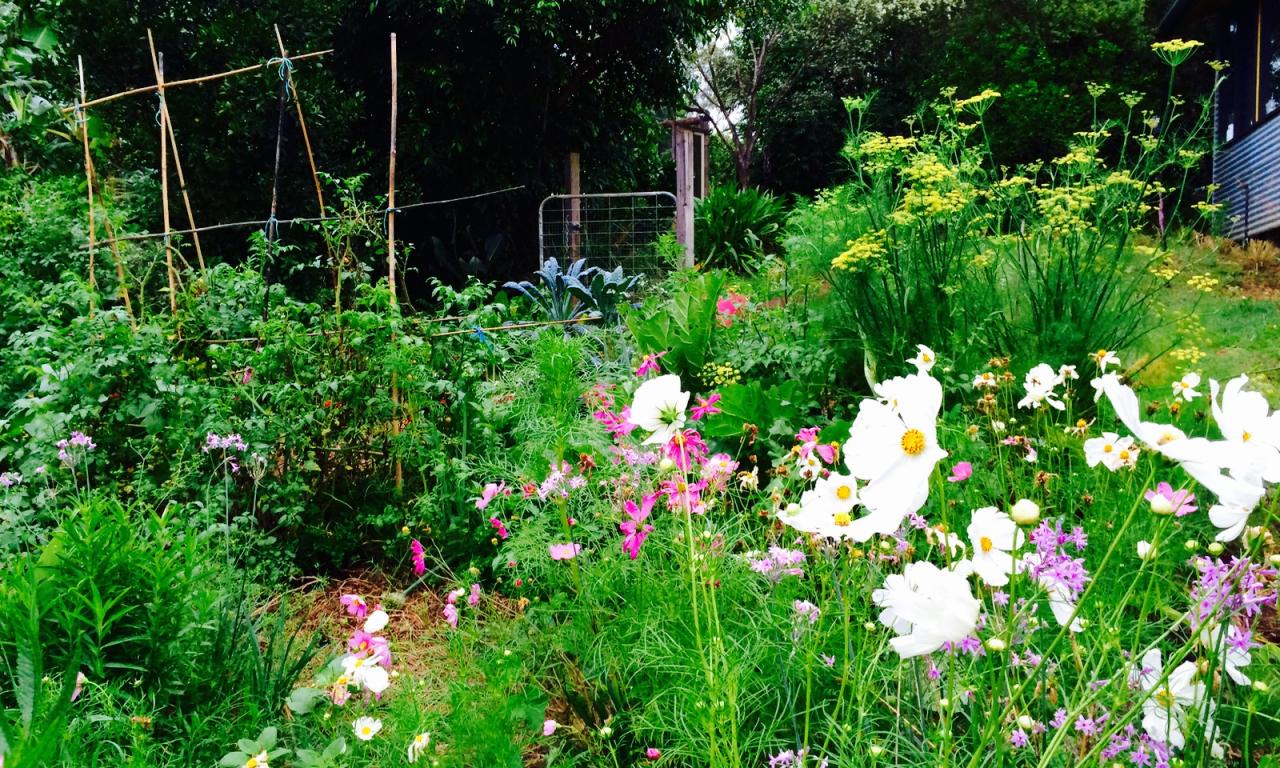
Creating a thriving bee-friendly garden requires thoughtful planting strategies and diligent maintenance practices. These efforts ensure continuous flowering, habitat stability, and healthy bee populations. By adopting targeted techniques, gardeners can support bees throughout their active seasons, fostering a vibrant and sustainable ecosystem within their outdoor spaces.Planting techniques that encourage bee visitation are fundamental to a successful bee-friendly garden. Selecting a diverse array of native, nectar-rich plants that bloom at different times of the year guarantees a steady food source for bees.
Incorporating plants with varied flower shapes accommodates a wide range of bee species, from tiny solitary bees to larger bumblebees. When planting, it is beneficial to cluster similar flowers together in groups rather than scattering them individually; this visual cue makes it easier for bees to locate abundant food sources efficiently. Using organic soil amendments and avoiding invasive species help maintain a healthy soil environment and prevent competition with native plants.
Additionally, planting in sunlit areas increases flower visibility and encourages bee activity.Regular maintenance procedures are crucial to sustain the flowering cycles and habitat quality of a bee-friendly garden. Deadheading spent blooms promotes the reblooming of many native flowers, extending the flowering period and thus providing continuous forage. Mulching around plants conserves soil moisture, suppresses weeds that compete for resources, and insulates roots against temperature fluctuations.
Implementing organic gardening practices minimizes chemical use, which can be harmful to bees. Periodic pruning of shrubs and perennials helps maintain plant health and encourages new growth. Moreover, leaving some areas undisturbed as natural habitats, such as patches of bare soil for ground-nesting bees, enhances the garden’s ecological value.Seasonal garden tasks play a vital role in supporting bees throughout the year.
In early spring, preparing beds by removing winter debris and planting early-flowering species like crocuses and snowdrops provides an initial food source for emerging bees. During summer, regular watering during dry spells ensures plants remain healthy and bloom profusely. Fall tasks include planting late-season flowers like asters and goldenrod to sustain bees before winter. In winter, maintaining shelter options such as bee hotels and leaving seed heads for resting bees offers essential refuge.
These seasonal adjustments help create a dynamic environment that aligns with bees’ natural activity patterns.Monitoring bee populations and garden health is an essential aspect of maintaining a productive bee-friendly space. Regular observation of flowering plants and bee activity helps identify which species are thriving and which may need additional support. Implementing simple surveys, such as counting bee visits during peak bloom times, provides insight into the garden’s attractiveness.
Additionally, inspecting bee hotels for occupancy and signs of disease can prevent health issues. Soil testing and plant health assessments ensure that environmental conditions remain optimal for native flora and pollinators. Using photographic records and keeping detailed notes can help track changes over time, enabling adaptive management strategies to enhance the garden’s ecosystem health and resilience.
Educating and Engaging the Community
Creating awareness and fostering active participation within the local community are essential components of successful bee conservation efforts. By empowering residents, schools, and local organizations, we can cultivate a collective commitment to protecting bees and promoting biodiversity. Community engagement not only amplifies the impact but also builds a sustainable culture of environmental stewardship that benefits both pollinators and human populations.Engaging local communities in bee conservation involves a multifaceted approach that includes education, collaboration, and shared initiatives.
When residents understand the vital role bees play in ecosystem health and food security, they are more likely to adopt bee-friendly practices and support conservation projects. Organizing community-based activities can serve as powerful platforms for spreading awareness, fostering a sense of ownership, and inspiring action among diverse groups, from families to local businesses.
Promoting Bee Conservation Awareness Locally
Raising awareness about the importance of bees requires targeted communication strategies that resonate with the community’s values and interests. Distributing informational materials such as flyers, newsletters, and social media posts can highlight the ecological and economic benefits of bees, emphasizing how individual actions contribute to larger environmental goals. Public displays, such as bee-themed art installations or educational exhibits at community centers, can attract attention and generate curiosity.Partnerships with local media outlets—radio stations, newspapers, and online platforms—can extend the reach of conservation messages.
Hosting local events, such as bee festivals or open days at community gardens, provides opportunities for residents to learn directly from experts, observe bees in action, and engage in hands-on activities. These events help demystify bees, dispel misconceptions, and create a positive association with bee-friendly practices.
Organizing Workshops and Community Events
Workshops tailored to different age groups and skill levels can empower community members to create and maintain bee-friendly spaces. Topics might include planting native flowers, building bee hotels, and understanding bee behavior. Hands-on sessions foster a sense of achievement and confidence, encouraging participants to implement what they have learned in their own gardens or communal spaces.Community events, such as planting days or bee-themed craft fairs, foster social cohesion and shared purpose.
Collaborating with local environmental organizations, horticultural societies, and schools can expand the scope and impact of these initiatives. Documenting and celebrating successful projects through local media or social networks can motivate others to participate and sustain ongoing efforts.
Collaborative Garden Projects with Neighbors and Schools
Joint garden initiatives serve as practical platforms for experiential learning and community building. Establishing shared gardens or pollinator corridors in neighborhoods and schoolyards promotes biodiversity while providing educational opportunities. These projects encourage collaboration across different age groups and backgrounds, fostering a collective sense of responsibility toward pollinator health.Involving schools in garden projects offers a valuable experiential learning environment where students can observe pollinators firsthand and develop an appreciation for ecological balance.
Curricula can integrate garden-based activities, such as planting native flowers, monitoring bee populations, and conducting simple experiments. Engaging students as young conservation ambassadors inspires lifelong environmentally conscious behavior and spreads awareness within their families and communities.
Strategies for Inspiring Broader Adoption of Bee-Friendly Practices
Motivating others to embrace bee-friendly habits involves demonstrating tangible benefits and sharing success stories that resonate on a personal level. Recognizing and celebrating community members who implement bee conservation measures encourages peer influence and creates positive reinforcement.Providing practical resources, such as guides, planting lists, and maintenance tips, lowers barriers to action. Establishing community recognition programs or awards for exemplary bee-friendly gardens can serve as incentives.
Additionally, leveraging local media and social platforms to showcase thriving bee-friendly spaces and stories of positive impact can inspire wider participation. Creating a network or forum where community members can share experiences, ask questions, and offer support fosters a collaborative environment dedicated to ongoing bee conservation efforts.
Final Thoughts

Creating a bee-friendly garden not only benefits pollinator populations but also enriches your outdoor space with seasonal blooms and natural habitats. By implementing thoughtful planting, habitat design, and community engagement, you contribute to the preservation of vital ecosystems while enjoying a beautiful, thriving garden.