Proper ventilation is essential for maintaining a healthy and productive beehive. It ensures that bees have adequate airflow to regulate temperature and humidity, which are critical for their well-being. Understanding the techniques and best practices for ventilating a hive can significantly reduce issues related to moisture buildup, mold, and overheating, ultimately supporting the longevity and vitality of your bee colony.
This guide explores various strategies to effectively ventilate a beehive across different climates and seasons. From identifying signs of poor airflow to designing custom ventilation systems, you’ll gain the knowledge needed to create a balanced environment that promotes bee health and productivity year-round.
Understanding the Importance of Ventilating a Beehive

Proper ventilation is a vital aspect of hive management that significantly influences the health, productivity, and longevity of a bee colony. Ensuring adequate airflow within the hive creates a balanced environment that supports bee activity and reduces the risk of harmful conditions developing.
Inadequate ventilation can lead to a range of issues, including moisture accumulation, mold growth, and the proliferation of pathogens. These problems can weaken the colony, impair brood development, and increase susceptibility to diseases such as Nosema or American foulbrood. Furthermore, the climate and seasonal changes profoundly impact the hive’s ventilation needs, requiring beekeepers to adapt their strategies to maintain optimal conditions throughout the year.
The Role of Proper Ventilation in Hive Health and Productivity
Effective ventilation facilitates the exchange of gases within the hive, allowing carbon dioxide to escape and fresh air to enter. This process maintains a stable internal temperature and humidity level, which are crucial for brood development and overall colony vitality. Bees generate heat through metabolic activity, especially during colder months, and without sufficient airflow, excess heat can cause overheating or condensation problems.
Ventilation also helps in controlling humidity levels, preventing excessive moisture which can lead to the formation of mold, fungi, and bacteria. These pathogens compromise bee health and can result in colony losses. Additionally, proper airflow reduces the buildup of harmful gasses and pests, creating a cleaner and safer environment for the bees to thrive and produce honey efficiently.
Consequences of Inadequate Airflow
When airflow within a hive is restricted, moisture tends to condense on the interior surfaces, especially during temperature fluctuations. This moisture accumulation creates a damp environment that favors mold growth and promotes the development of fungal spores harmful to bees. Persistent humidity can also cause brood diseases and weaken the bees’ immune system, making the colony more vulnerable to pests and illnesses.
Inadequate ventilation can also result in the buildup of carbon dioxide and other waste gases produced by bees. High concentrations of these gases can impair bee respiration and reduce overall activity. Furthermore, poor airflow may lead to heat stress during hot weather, causing bees to cluster excessively or abandon brood, which negatively impacts honey production and colony sustainability.
Proper hive ventilation is essential for maintaining a balanced microclimate. It ensures moisture control, temperature regulation, and reduces disease risks, ultimately supporting a healthy, productive hive.
Natural Ventilation Needs in Different Climates and Seasons
The ventilation requirements of a beehive vary significantly depending on geographic location, climate, and seasonal conditions. In temperate zones, bees experience distinct seasons with cold winters and warm summers, necessitating different ventilation strategies to adapt to temperature fluctuations.
During cold seasons, the goal is to prevent excessive moisture buildup while conserving heat. Beekeepers often reduce ventilation openings to retain warmth but ensure some airflow to manage humidity. In contrast, during hot and humid summers, increased ventilation helps dissipate heat and humidity, preventing overheating and condensation. In regions with high rainfall, additional measures may include installing adjustable vents or screened bottom boards to facilitate moisture escape while limiting water ingress.
In tropical climates, where temperatures are consistently high and humidity is elevated year-round, maintaining steady airflow is crucial to prevent overheating and mold formation. Beekeepers may utilize vents positioned to promote cross-flow ventilation or incorporate shade structures to shield the hive from direct sun, enhancing natural cooling processes.
Ultimately, understanding the specific climate and seasonal demands enables beekeepers to tailor their ventilation approaches accordingly, ensuring the hive remains a healthy environment throughout the year.
Identifying Signs That a Beehive Needs Ventilation Improvement
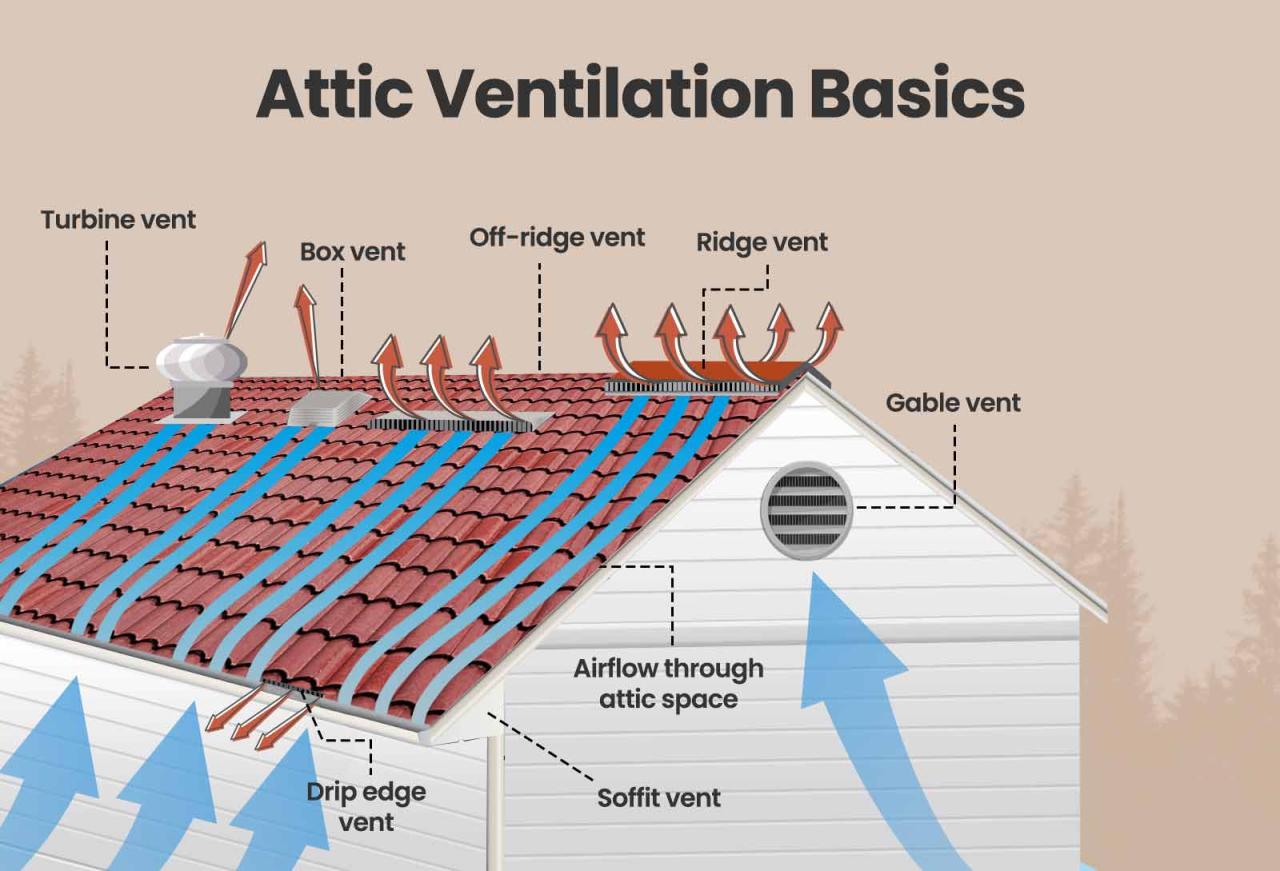
Effective hive ventilation is essential for maintaining optimal conditions for bee health and productivity. Recognizing early signs that indicate ventilation issues allows beekeepers to intervene proactively, preventing potentially harmful environments within the hive. Monitoring various physical and behavioral indicators ensures the hive remains a safe and thriving space for the colony.
Bees are highly sensitive to their environment, and deviations from ideal airflow can manifest through observable signs. Regular inspection, combined with an understanding of temperature and humidity dynamics, helps in identifying these signs promptly. Addressing ventilation problems early can reduce the risk of diseases, improve honey production, and support overall hive vitality.
Monitoring Hive Temperature and Humidity Levels
Maintaining appropriate temperature and humidity levels within the hive is crucial for bee health. Consistent monitoring using reliable tools such as hive thermometers and hygrometers enables beekeepers to assess airflow adequacy. Temperature fluctuations or persistent high humidity often indicate inadequate ventilation, leading to condensation and moisture buildup inside the hive.
Optimal hive temperature typically ranges between 32°C and 35°C (90°F to 95°F), especially during active brood rearing periods. Humidity levels should be maintained around 50-60%, facilitating proper respiration and honey ripening. Sudden increases in humidity or temperature spikes beyond the normal range suggest that airflow may be restricted, necessitating further inspection or ventilation adjustments.
Visual Indicators of Poor Airflow
Visual cues provide immediate insight into ventilation conditions within the hive. Observing these signs during routine inspections can help identify ventilation deficiencies before they adversely affect the colony.
- Condensation accumulation: Dew or water droplets forming on the hive interior, especially on the roof or walls, indicate excess moisture and poor airflow. This moisture can promote mold growth and brood diseases.
- Foul odors: Unpleasant smells, such as mustiness or sourness, often point to moisture buildup and fungal activity caused by inadequate ventilation.
- Unusual bee behavior: Bees may display distress signs, such as difficulty flying, clustering near hive entrances, or increased fanning behaviors, which are efforts to regulate internal conditions.
- Visible mold or mildew: Growth on hive components suggests high humidity levels not being adequately ventilated.
- Bee congestion near ventilation points: Clustering around entrance holes or vents may be a sign that airflow is insufficient or blocked.
Regular Hive Inspection Checklist for Ventilation Issues
Implementing a systematic inspection routine helps in early detection and correction of ventilation problems. The checklist below guides beekeepers to focus on critical signs during each inspection session.
- Check for condensation: Look for water droplets or moisture on the inner hive walls and cover.
- Assess odors: Smell inside and around the hive for unusual or foul odors indicating moisture or fungal growth.
- Observe bee behavior: Note if bees are fanning excessively or clustering near vents or entrances.
- Inspect hive components: Examine the interior for mold, mildew, or dampness, especially in hidden or less accessible areas.
- Monitor temperature and humidity: Record readings using appropriate instruments and compare them to ideal ranges.
- Evaluate hive placement: Ensure the hive is positioned to allow adequate airflow, avoiding obstructions like dense foliage or neighboring structures.
- Check ventilation openings: Confirm that vents, mesh screens, or entrance sizes are unobstructed and appropriately sized for the colony’s size and climate conditions.
Consistent, attentive inspections combined with environmental monitoring are key to maintaining proper hive ventilation. Early detection of signs allows timely corrective actions, safeguarding colony health and productivity.
Techniques and Strategies for Ventilating a Beehive

Implementing effective ventilation techniques is essential for maintaining a healthy and productive beehive. Different methods can be employed to optimize airflow, reduce moisture buildup, and prevent overheating, all while minimizing disturbance to the hive. This section explores various ventilation strategies, compares their advantages and disadvantages, and provides step-by-step guidance for installation and modification.
Screened Bottom Boards
Screened bottom boards are a popular and straightforward method to enhance airflow within a hive. They consist of a mesh screen at the bottom of the hive, allowing air to circulate freely beneath the frames. This design helps to remove excess moisture and facilitates natural ventilation by enabling upward airflow.
| Advantages | Disadvantages |
|---|---|
| Improves moisture control and air circulation | Potentially allows entry of pests if not properly managed |
| Easy to install and maintain | May require additional sealing during wet weather |
| Helps reduce condensation inside the hive | Can be less effective in extremely humid climates without supplementary ventilation |
To install a screened bottom board, remove the existing solid bottom, measure and cut the mesh screen to fit the entire base perimeter, and secure it tightly. Ensure that the screen is elevated slightly from the ground, possibly using spacers, to allow free airflow underneath. Regularly inspect for debris or pests that may accumulate beneath the mesh.
Ventilation Holes in the Hive Supers or Roof
Introducing ventilation holes directly into the hive structure offers a flexible way to regulate airflow. These can be drilled in specific locations, such as the upper sides or roof, to promote natural convection currents within the hive.
Properly placed ventilation holes help balance temperature and humidity, reducing the risk of mold and overheating during hot weather.
When creating ventilation holes, it is important to consider their size, location, and the hive’s overall design. Small, strategically positioned holes near the upper sides or in the roof facilitate air intake and exhaust, enhancing airflow without significant disturbance to the bees.
- Identify areas on the hive that are less likely to disrupt bee activity, typically the upper sides or rear panels.
- Using a drill with a hole saw bit, create holes approximately 1/4 inch in diameter, spaced evenly to avoid creating drafts or cold spots.
- Ensure that the holes are smooth-edged to prevent damage to the bees or hive components.
- Install mesh or screening over the holes to prevent entry of pests or debris if needed.
Adjustable Vents
Adjustable vents provide a customizable method of controlling airflow, particularly useful in regions with fluctuating weather conditions. These vents can be opened or closed as needed to maintain optimal internal hive conditions.
| Advantages | Disadvantages |
|---|---|
| Allows precise control of airflow and humidity | Requires regular monitoring and adjustment |
| Can be adapted to different weather conditions | May add complexity to hive design and construction |
| Reduces risk of overheating in summer and moisture buildup in winter | Potential for incorrect adjustment leading to drafts or insufficient ventilation |
To implement adjustable vents, install small, sealed openings near the top or sides of the hive, fitted with sliding panels or flaps made of wood or plastic. Use simple louver designs or adjustable covers that can be moved to regulate airflow. Regularly check internal hive conditions and adjust the vents accordingly to ensure the bees are comfortable and the environment remains balanced.
Modifying Existing Hives for Improved Airflow
Existing hives can often be modified to enhance ventilation without causing significant disruption to the bees. Minor adjustments such as enlarging existing holes, adding screens, or installing removable top vents can greatly improve airflow.
- Enlarge or create additional ventilation openings in the hive sides or roof using a drill or saw, taking care not to weaken the structure.
- Install removable or adjustable covers over ventilation openings to provide flexibility based on seasonal needs.
- Use screened inserts or mesh panels to cover ventilation areas, which can be removed or adjusted as needed.
- Ensure modifications do not damage the hive’s integrity or disturb the bees more than necessary. Performing adjustments during times of low activity, such as early spring or late fall, minimizes disturbance.
Careful modifications can maintain hive stability while improving airflow, which is critical for preventing issues like mold, condensation, and overheating during peak season.
Seasonal Adjustments for Hive Ventilation
Proper ventilation is essential throughout the year to ensure the health and productivity of the bee colony. As seasons change, so do the environmental conditions, requiring beekeepers to adapt their ventilation strategies accordingly. Adjusting ventilation appropriately during winter, spring, summer, and fall helps prevent issues such as overheating, moisture buildup, and cold stress, thereby promoting a thriving hive year-round.Effective seasonal adjustments involve modifying airflow, insulation, and supplemental aids to match external temperatures and humidity levels.
These tailored strategies help maintain optimal internal hive conditions, supporting bee activity, brood development, and honey production. Implementing the right practices for each season ensures that the hive remains healthy, resilient, and productive regardless of external weather fluctuations.
Winter Ventilation Modifications
Winter poses unique challenges for hive ventilation, primarily focusing on retaining warmth while preventing moisture accumulation, which can lead to mold and cold stress. During cold months, the goal is to strike a balance between adequate airflow to reduce condensation and conserving heat within the hive.In cold weather, beekeepers should:
- Reduce entrance sizes to limit cold drafts but prevent airflow obstruction.
- Maintain a small, controlled amount of ventilation to allow moisture to escape, preventing condensation on the hive interior.
- Use insulation materials around the hive, such as foam boards or straw, to conserve heat while maintaining enough ventilation to manage humidity.
- Ensure the top ventilation openings are clear and unobstructed, facilitating moisture escape without excessive cold air ingress.
Moisture control is critical in winter; excess humidity can cause condensation, leading to cold stress and mold within the hive.
Spring Ventilation Strategies
As temperatures rise and bees become more active, spring ventilation focuses on supporting brood rearing, reducing moisture, and preventing overheating. Spring often involves fluctuating weather patterns, requiring adaptable ventilation practices.Key techniques include:
- Gradually increasing ventilation by opening upper entrances or ventilation ports as temperatures climb.
- Providing fresh air to dilute humidity from increased bee activity and nectar processing.
- Monitoring hive temperature and humidity closely to adjust airflow accordingly.
- Removing excess insulation or cover materials that may trap moisture or heat as the season transitions.
Summer Ventilation Approaches
Summer conditions tend to be warmer and more humid, necessitating strategies to prevent overheating and promote airflow. Excess heat can stress bees, reduce brood viability, and impact honey production.To mitigate these issues:
- Increase ventilation openings, such as adding screened bottom boards or upper escapes, to facilitate effective airflow.
- Use shade covers or position hives in shaded areas to reduce direct sunlight exposure.
- Install supplemental aids like fans or evaporative cooling systems in regions experiencing extreme heat or during heatwaves.
- Ensure that entrances and ventilation ports are unobstructed to promote continuous airflow.
In hot weather, the primary goal is to facilitate heat dissipation while preventing dehydration and stress within the hive.
Fall Ventilation Adjustments
During fall, cooling temperatures and increased moisture from falling leaves and dew require careful management of ventilation to prepare the hive for winter. Proper fall adjustments prevent humidity buildup and promote a healthy transition into the colder months.Recommended practices include:
- Gradually reducing ventilation to retain warmth while allowing excess moisture to escape.
- Ensuring that entrance sizes are decreased to prevent cold drafts but still allow moisture to vent.
- Cleaning and inspecting ventilation openings to remove debris or blockages.
- Monitoring hive interior humidity to prevent condensation, especially in areas with high moisture content.
Seasonal Checklist for Ventilation Maintenance and Modifications
To streamline seasonal adjustments, beekeepers should follow a comprehensive checklist that guides maintenance and modifications throughout the year:
- Inspect hive entrances, screens, and vents for obstructions or damage before seasonal changes.
- Adjust entrance sizes and ventilation openings based on external temperature and humidity conditions.
- Apply or remove insulation and covers as needed to maintain optimal internal hive climate.
- Consider installing supplemental ventilation aids during extreme temperature conditions, such as fans for heat or additional insulation for cold.
- Monitor internal hive temperature and humidity regularly, especially during transition periods, and adjust ventilation accordingly.
- Clean and maintain all ventilation components to ensure unobstructed airflow at all times.
- Document seasonal adjustments and hive responses to refine practices over time.
Use of Supplemental Ventilation Aids in Extreme Conditions
In regions experiencing extreme temperatures or unusual weather patterns, supplemental aids can be invaluable to maintain hive health. These tools help manage airflow more precisely and can be particularly beneficial during heatwaves or cold snaps.Common aids include:
- Fans: Small, low-voltage fans can be used to increase airflow during extreme heat, helping to dissipate excess heat without causing drafts that might chill the colony.
- Evaporative Systems: In very dry climates, evaporative cooling pads or misters can lower ambient temperatures inside or around the hive, reducing heat stress.
- Shade Covers and Ventilation Screens: These can be adjusted seasonally to block intense sunlight or promote airflow, balancing temperature regulation with protection from the elements.
- Humidity Control Devices: Devices that regulate moisture levels, such as desiccants or dehumidifiers, can prevent excessive humidity caused by high external moisture levels.
Implementing supplemental ventilation aids requires careful monitoring to ensure they enhance hive health without introducing new stresses, especially in extreme conditions.
Final Wrap-Up
Incorporating proper ventilation into your hive management not only prevents common problems but also enhances the overall health and productivity of your bees. By regularly monitoring airflow and making seasonal adjustments, you can ensure a thriving hive capable of withstanding environmental challenges. Implementing these practices will lead to stronger colonies and more successful beekeeping endeavors.