Understanding how to label honey jars effectively is essential for both producers and consumers. Proper labeling not only ensures compliance with regional regulations but also enhances product appeal and trustworthiness. Whether you’re new to honey packaging or looking to refine your labeling practices, mastering this skill can significantly impact your brand’s success and customer satisfaction.
This guide covers the importance of accurate labels, key elements to include, design principles, best practices for application, regulatory considerations, and innovative trends. By following these comprehensive insights, you can create labels that are informative, attractive, and compliant with industry standards, thereby elevating your honey products in the marketplace.
Importance of Proper Honey Jar Labeling
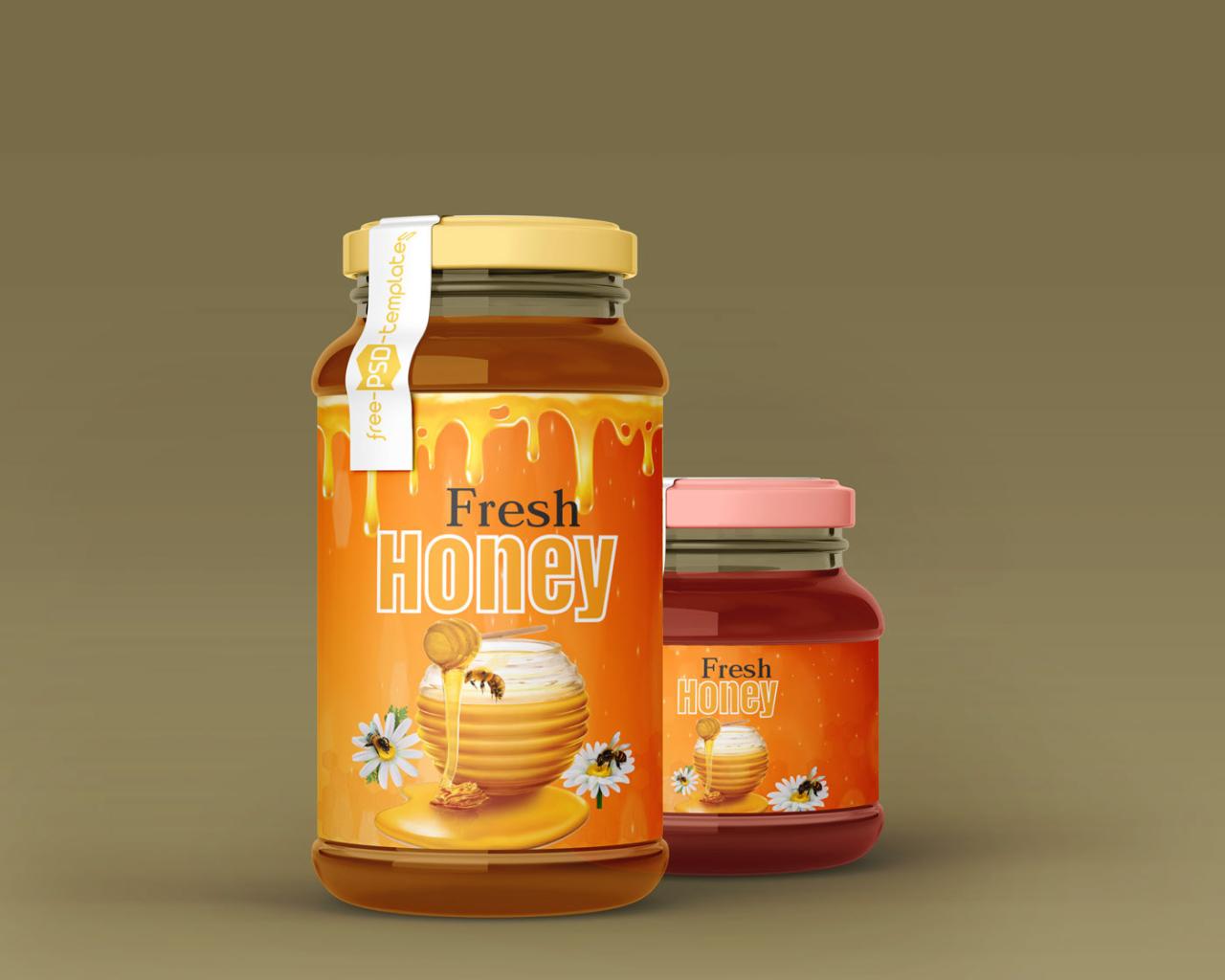
Accurate and clear labeling of honey jars plays a crucial role in ensuring transparency, safety, and trust between producers and consumers. Proper labels serve not only as a means of communication but also as a legal requirement that safeguards both parties and maintains industry standards. In the competitive market of honey products, well-designed labels can distinguish quality, provide essential information, and comply with regional regulations, ultimately supporting consumer confidence and fair trade practices.
Effective honey jar labeling involves more than just aesthetics; it encompasses adherence to regional legal standards which vary across countries and markets. These standards specify the mandatory information that must appear on labels, such as origin, ingredients, and weight, while also outlining optional features that enhance product appeal or provide additional details. Understanding these distinctions ensures producers can meet regulatory expectations while offering consumers comprehensive and trustworthy product information.
Mandatory Label Components Versus Optional Features
In the context of honey labeling, it is vital to recognize the elements that are legally required by regulations in different regions, as well as supplementary information that can be included at the manufacturer’s discretion. This distinction helps maintain compliance and improve consumer experience.
| Mandatory Components | Optional Features | Additional Information | Comments |
|---|---|---|---|
| Product Name: Clearly states the product as “Honey” or specific type (e.g., Acacia Honey). | Brand Name: The manufacturer’s or brand’s identity. | Batch Number: For traceability and quality control. | Mandatory for legal traceability and consumer information. |
| Net Weight/Volume: The quantity of honey contained in the jar. | Origin Information: Specific geographic source or floral origin. | Harvest Date: When the honey was collected. | Often optional but recommended for transparency. |
| Ingredients List: In honey products, usually just “Pure Honey,” unless blended. | Certification Logos: Organic, Fair Trade, etc. | Storage Instructions: How to store honey for best preservation. | Mandatory where applicable, optional for marketing purposes. |
| Producer or Distributor Details: Name and address. | Barcode or QR Code: For inventory and digital information access. | Nutrition Facts: Nutritional information, required in some regions like the US. | Required in some markets; optional but useful for consumers. |
Adherence to these label components is essential for compliance with regional laws such as the European Union’s Honey Directive, the US Food and Drug Administration (FDA) regulations, and other national standards. These frameworks aim to prevent misleading claims, ensure product authenticity, and promote consumer safety through defined labeling requirements. Proper labeling practices not only fulfill legal obligations but also foster consumer trust and support sustainable industry growth.
Essential Elements to Include on Honey Jar Labels
Creating an effective honey jar label involves more than just aesthetic appeal; it requires the inclusion of vital information that communicates the product’s authenticity, quality, and safety to consumers. A well-designed label not only enhances the product’s visual appeal but also ensures compliance with regulatory standards and builds consumer trust.
In this section, we will explore the key elements that must be incorporated into honey jar labels, emphasizing both the necessary information and the best practices for layout design to produce a clear, appealing, and informative label.
Key Label Components and Their Significance
To ensure that your honey jar labels meet industry standards and effectively inform consumers, include the following essential elements:
| Label Element | Description |
|---|---|
| Product Name | Indicates the product type, typically labeled as “Pure Honey,” “Wildflower Honey,” or specific floral varieties. Clear naming helps consumers identify the product quickly and distinguishes it from other products. |
| Net Weight | Displays the weight or volume of honey contained in the jar, such as “500g” or “16 oz.” This information is crucial for legal compliance and consumer transparency. |
| Origin of Honey | Specifies the geographical source, like “Produced in New Zealand” or “From the Mediterranean region.” Origin information assures consumers of authenticity and traceability. |
| Expiration or Best Before Date | Indicates the date by which the honey should be consumed to ensure optimal quality. Honey’s natural properties give it a long shelf life, but labeling an expiry date helps maintain consumer confidence and safety. |
| Additional Elements | Optional but beneficial details such as batch number, production date, nutritional facts, and certifications (organic, fair trade, etc.). These elements enhance transparency and product credibility. |
Designing a label that integrates these elements effectively involves balancing clarity with visual appeal. Use legible fonts, appropriate font sizes, and a clean layout to ensure all information is easily accessible. Incorporate visual hierarchy by highlighting the most critical information—such as the product name and weight—using larger or bolder fonts. Employ color schemes that evoke natural and premium qualities, such as earthy tones or gold accents, to attract consumer attention while maintaining professionalism.
Example Label Layout Using HTML Table
Below is a sample label template structured with HTML table tags, incorporating the four primary components for clarity and visual organization. This example can serve as a foundation for customizing your own honey jar labels:
<table border="0" cellpadding="10" cellspacing="0" style="width:100%; font-family:Arial, sans-serif; border-collapse:collapse;">
  <tr style="background-color:#f8f8f8;">
    <th colspan="2" style="text-align:center; font-size:24px; padding:10px; color:#8B4513;">Pure Wildflower Honey</th>
  </tr>
  <tr>
    <td style="font-weight:bold; font-size:16px; width:50%;">Net Weight</td>
    <td style="font-size:16px;">500g (17.6 oz)</td>
  </tr>
  <tr style="background-color:#f0f0f0;">
    <td style="font-weight:bold; font-size:16px; width:50%;">Origin</td>
    <td style="font-size:16px;">Produced in New Zealand</td>
  </tr>
  <tr>
    <td style="font-weight:bold; font-size:16px; width:50%;">Expiration Date</td>
    <td style="font-size:16px;">Best Before: 12/2025</td>
  </tr>
This template divides key information into visually distinct sections, making it easy for consumers to quickly find critical details. Utilizing different background colors for rows enhances readability and draws attention to important elements like origin and weight. Adjust the styling, font sizes, and colors to match your branding and packaging design for a polished, professional appearance.
Designing Effective Honey Jar Labels
Creating visually appealing and functional honey jar labels is essential for attracting consumers and conveying the quality of the product. Effective label design combines aesthetic elements with practical considerations to ensure that the label not only looks attractive but also communicates essential information clearly. A well-designed label enhances brand recognition, fosters consumer trust, and complies with legal and safety standards.
Designing a honey jar label involves balancing creativity with functionality. It requires an understanding of fundamental design principles, material choices for durability, and a structured process that ensures consistency and professionalism from concept to final print. Paying attention to these aspects will result in labels that stand out on the shelf and accurately represent the honey’s qualities.
Color Schemes, Typography, and Imagery
Color schemes play a pivotal role in setting the tone and attracting attention. For honey labels, warm hues such as golden yellows, amber, and earthy browns evoke the natural sweetness and purity of honey. Complementary colors like soft greens or deep browns can enhance the aesthetic appeal while maintaining a natural look. Consistent color palettes reinforce brand identity and help distinguish products in a competitive market.
Typography choices should prioritize readability and complement the overall design theme. Elegant, serif fonts may convey a sense of tradition and premium quality, while clean, sans-serif fonts lend a modern and minimalist appearance. It is advisable to use a limited number of font styles—typically one for headings and another for body text—to maintain clarity and a cohesive look.
Imagery and graphic elements should reflect the natural origin of honey. Illustrations of honeycombs, bees, or flowers can create a visual narrative that emphasizes purity and craftsmanship. High-quality, detailed images or hand-drawn illustrations can evoke authenticity and artisanal appeal, resonating with consumers seeking natural products.
Material Selection and Finishes for Durability and Appeal
The choice of materials for honey jar labels significantly impacts their durability and visual appeal. Labels are exposed to moisture, handling, and sometimes refrigeration, making it essential to select materials that withstand these conditions. Waterproof, oil-resistant papers or films are ideal for maintaining label integrity over time.
Finishes such as matte, gloss, or soft-touch coatings can enhance the tactile experience and overall aesthetic. Gloss finishes provide a vibrant, eye-catching look, ideal for highlighting colorful imagery and text, while matte finishes lend an elegant, subdued appearance that emphasizes sophistication. Soft-touch coatings add a luxurious feel, appealing to premium honey brands.
Label Design Process from Concept to Final Print
An organized approach to designing honey labels ensures consistency and professionalism. The process begins with conceptualizing the overall theme, aligning design ideas with brand identity and target market preferences. Sketching initial concepts and selecting color schemes, fonts, and imagery help in visualizing the final product.
Next, digital design software such as Adobe Illustrator or Photoshop can be used to create detailed layouts. During this phase, it is crucial to incorporate all essential elements—product name, ingredients, weight, branding logos, and legal information—in a balanced and aesthetically pleasing manner. Organizing the layout with clear hierarchy ensures that vital information is easily accessible and recognizable.
Reviewing and refining the design involves multiple iterations, paying close attention to readability, color harmony, and overall visual impact. Once the design is finalized, selecting the appropriate materials and finishes is essential. Collaborating with professional printers ensures that the specifications are met, and the final product accurately reflects the intended design and quality standards. Conducting test prints can help identify any adjustments needed before mass production, ensuring consistency and high-quality results.
Labeling Procedures and Best Practices
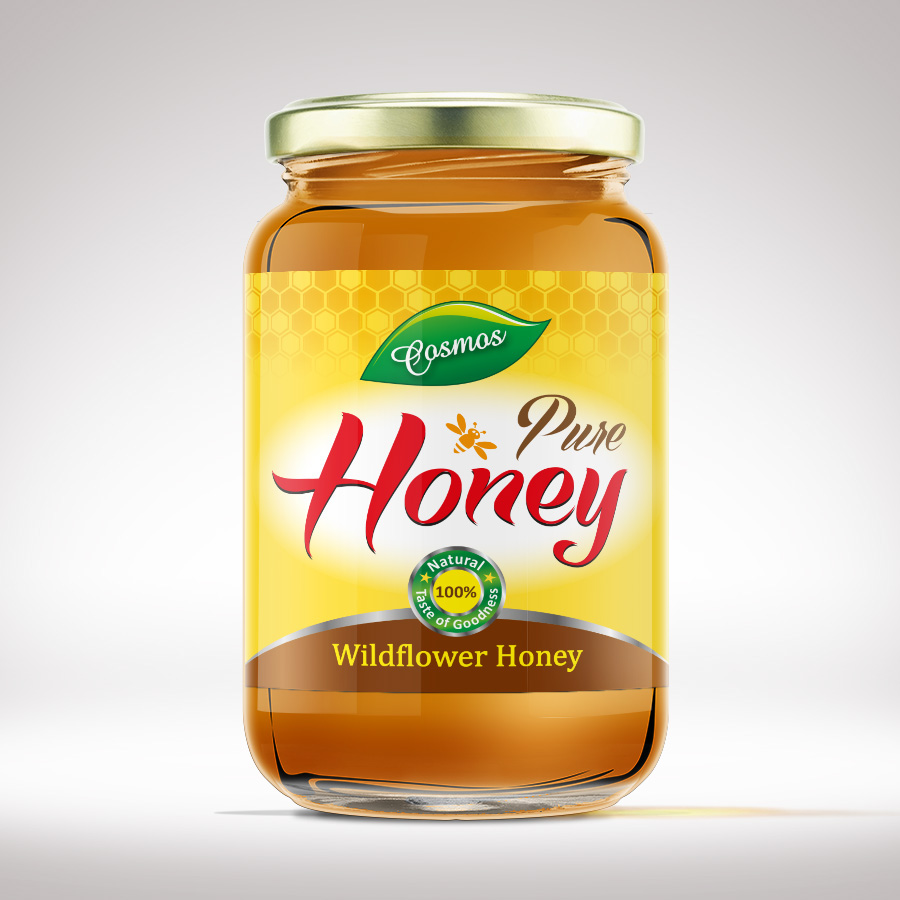
Proper labeling of honey jars is a critical step in ensuring product quality, brand consistency, and consumer trust. An organized and systematic approach to labeling not only enhances the visual appeal of the product but also guarantees that all necessary information is accurately conveyed to consumers. Implementing effective procedures and best practices in labeling can significantly reduce errors, improve efficiency, and uphold regulatory standards in honey production.A well-defined labeling process involves careful preparation, precise application, and thorough quality checks.
These practices help maintain a professional appearance and ensure compliance with labeling regulations. Whether operating a small artisanal honey business or managing a large-scale production, adhering to these procedures is essential for achieving consistent and attractive product presentation.
Step-by-step Guide for Applying Labels Neatly and Securely
Ensuring that each honey jar is labeled accurately and securely requires a clear, methodical approach. The following step-by-step guide provides practical instructions for achieving neat and durable labels:
- Prepare the workspace by cleaning and organizing all labeling tools and materials. This minimizes contamination and ensures efficiency.
- Align the honey jars on a stable, flat surface in a single row to facilitate consistent labeling.
- Apply the label starting from one edge, ensuring it is straight and centered. Use your fingers or a tool, such as a squeegee, to smooth out air bubbles and wrinkles as you go.
- Press firmly along the edges to ensure the label adheres securely to the jar surface, paying particular attention to corners and edges.
- Inspect each jar for alignment and adhesion quality, correcting any misplacements immediately before moving to the next jar.
“Consistent pressure and smooth application are key to achieving professional-looking labels that do not peel or bubble over time.”
Tools and Techniques for Efficient Labeling in a Production Setting
Efficiency in labeling during large-scale honey production necessitates the use of appropriate tools and optimized techniques. Employing the right equipment can drastically decrease labor time and increase accuracy.
- Label dispensers: Automated or semi-automated label dispensers can streamline the process by automatically peeling and applying labels, ensuring consistency and speed.
- Alignment guides: Using templates or guides helps maintain uniform placement across multiple jars, reducing errors and rework.
- Roller or squeegee: A small, handheld roller can be used to press down labels evenly, removing air pockets and ensuring full adhesion.
- Temperature control: Applying labels at a controlled room temperature prevents issues like warping or poor adhesion, especially in environments with fluctuating temperatures.
Implementing these tools, accompanied by trained personnel familiar with their operation, enhances productivity and maintains high standards of label quality. Regular maintenance and calibration of equipment are vital to sustain efficient operations and prevent malfunctions that could compromise label application.
Quality Control Checklist to Ensure Labels Meet Standards Before Distribution
A comprehensive quality control process is essential to verify that all labels are correctly applied and meet regulatory and branding standards prior to distribution. Establishing a checklist helps identify and rectify potential issues early, preventing costly recalls or brand damage.
| Quality Control Item | Checkpoints |
|---|---|
| Label Positioning | Ensure labels are centered, aligned, and consistently placed on all jars. |
| Adhesion Quality | Inspect for proper adhesion without peeling, bubbling, or warping. |
| Completeness of Information | Verify all mandatory elements (product name, net weight, origin, expiry date, barcode) are present and legible. |
| Label Integrity | Check for tears, wrinkles, or damage to labels that could compromise readability or aesthetics. |
| Durability | Ensure labels withstand handling, transportation, and storage conditions without deteriorating. |
| Cleanliness | Confirm jars are free of dust, fingerprints, or any residues that could interfere with label adhesion or appearance. |
Implementing this checklist as part of routine quality inspections will help maintain high standards, foster consumer confidence, and comply with regulatory standards. Regular staff training on quality control procedures further enhances the consistency and professionalism of your honey labeling process.
Regulatory and Compliance Considerations
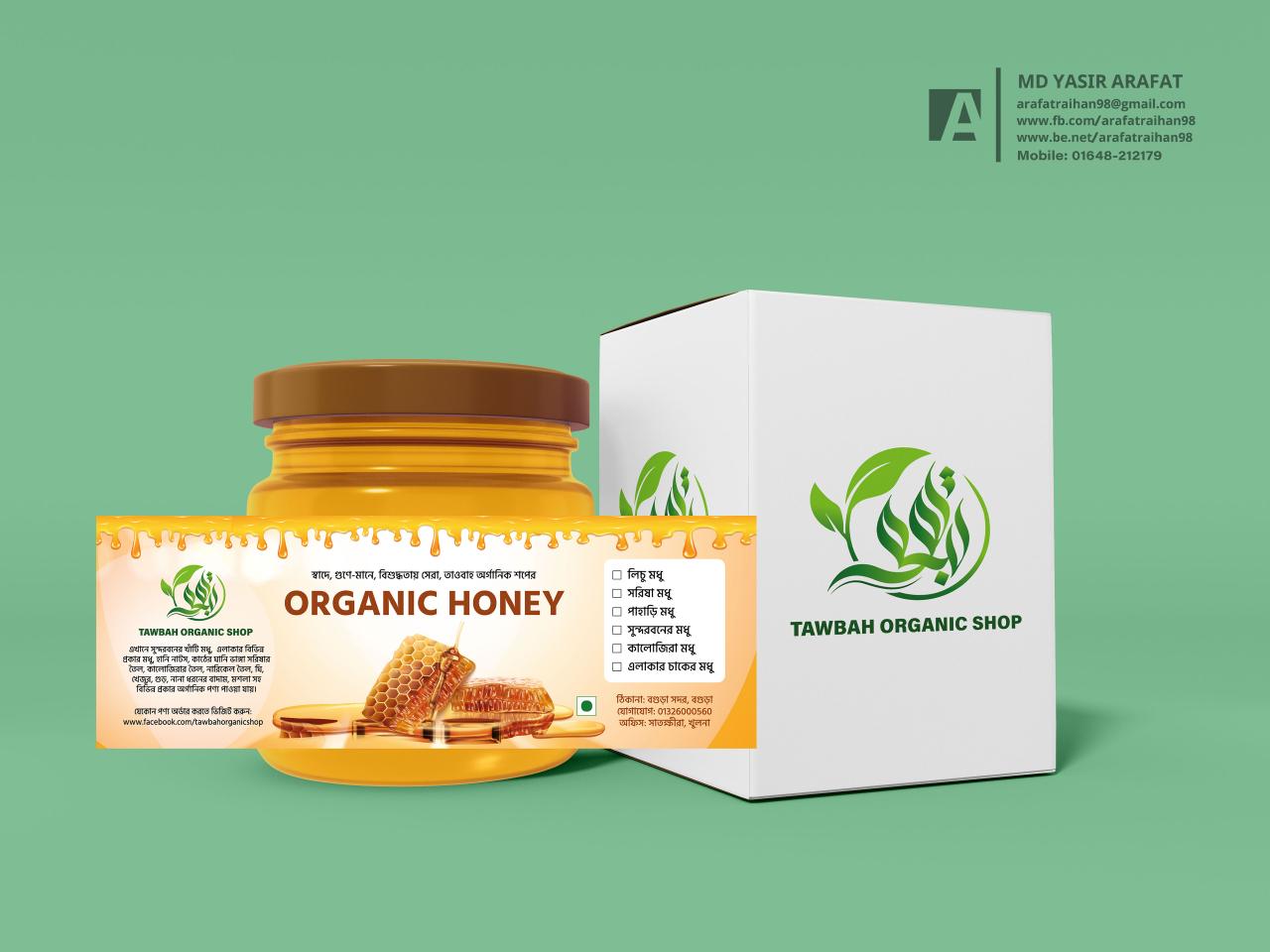
Ensuring compliance with regional and international honey labeling laws is a fundamental aspect of producing and marketing honey products responsibly. Proper adherence not only helps to avoid legal issues but also builds consumer trust and reinforces the credibility of the product. Navigating the complex landscape of regulations requires a thorough understanding of the specific requirements applicable in various jurisdictions, especially for exporters and importers operating across borders.Regulatory frameworks governing honey labeling typically encompass guidelines on ingredient declarations, allergen warnings, certification marks, and claims regarding purity or origin.
It is essential for honey producers and packagers to stay updated with these regulations to ensure their labels are accurate, truthful, and compliant. Non-compliance can result in product recalls, fines, or damage to brand reputation, making it imperative to integrate compliance checks into the labeling process.
Regional and International Honey Labeling Laws
Harmonizing labeling practices with regional and international standards is crucial for market access and consumer safety. Different countries have specific requirements that must be met, such as the European Union’s Food Information to Consumers (FIC) Regulation, which mandates clear ingredient listing, allergen information, and country of origin labels. In the United States, the Food and Drug Administration (FDA) enforces labeling standards that require truthful representation of the product, including declarations about additives or processing methods.For international trade, standards established by organizations such as the Codex Alimentarius Commission provide guidelines aimed at ensuring consumer protection and fair trade practices.
These standards cover definitions of honey, compositional criteria, and labeling requirements. Producers must verify that their labels comply with the destination country’s laws, which often involves consulting local regulatory agencies or legal experts familiar with food labeling laws.
Common Regulations Regarding Label Content
The core regulations associated with honey labeling focus on transparency and consumer safety. Key aspects include:
- Ingredient Declarations: Honey labels must accurately identify the product, including any additives, preservatives, or blends. If the honey is mixed with other sweeteners or flavorings, these must be clearly listed with specific percentages where required.
- Allergen Warnings: Although honey is generally considered safe, some regions require warnings if pollen or other allergens are present, especially if cross-contamination might occur during processing.
- Certification Marks and Quality Claims: Labels should only display certification marks (e.g., organic, fair trade) if validated by recognized certifying bodies. False or misleading claims are prohibited and subject to penalties.
It is vital to ensure that all claims regarding purity, origin, or health benefits are substantiated to comply with advertising standards and prevent accusations of deceptive marketing.
Resources and Authorities for Regulatory Updates and Compliance Verification
Staying informed about evolving regulations is a continuous process that involves consulting authoritative sources. Reliable resources include:
- Government Agencies: National food safety authorities such as the FDA (USA), EFSA (European Union), or the Food Safety and Standards Authority of India (FSSAI) regularly publish updates, guidelines, and compliance checklists.
- International Organizations: The Codex Alimentarius Commission issues standards and guidelines for honey that serve as a global reference point for trade and safety standards.
- Industry Associations: Organizations such as the International Honey Commission or national beekeeping associations often provide resources, training, and updates on best practices and legal requirements.
- Legal and Regulatory Consultants: Engaging with legal experts specializing in food law ensures that labeling practices align with current laws and can adapt swiftly to regulatory changes.
Regularly reviewing updates from these sources and maintaining documentation of compliance efforts are vital strategies in managing regulatory risks and ensuring ongoing adherence to labeling standards.
Innovative Labeling Techniques and Trends
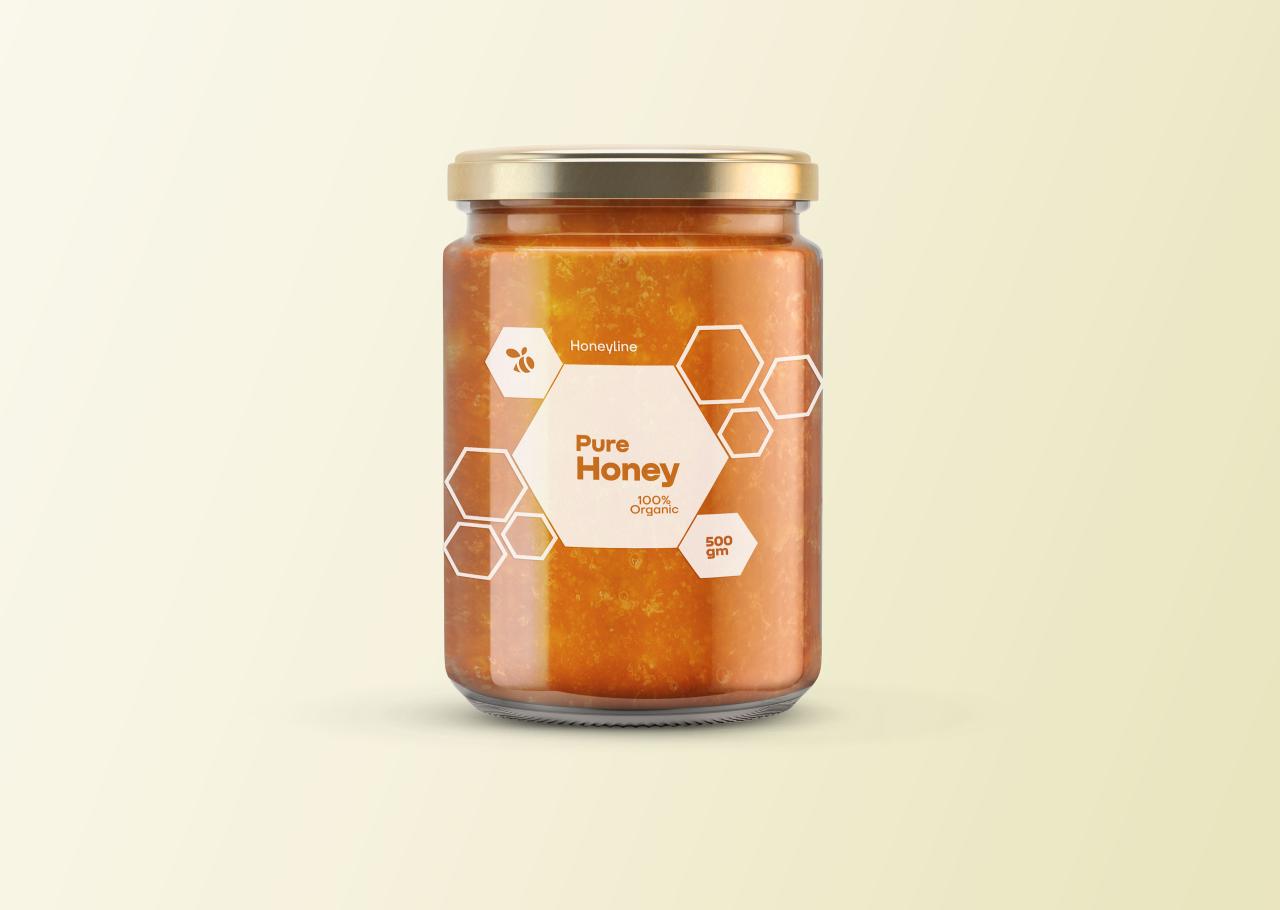
The landscape of honey jar labeling is continually evolving, driven by technological advancements, environmental considerations, and changing consumer preferences. Embracing innovative labeling techniques not only enhances the aesthetic appeal of honey jars but also boosts brand recognition, durability, and sustainability. Staying abreast of current trends and methods enables honey producers to differentiate their products in a competitive market and meet modern expectations for quality and environmental responsibility.Advancements in labeling materials and design methodologies have led to the development of cutting-edge solutions that cater to both functional and aesthetic needs.
By integrating innovative techniques, honey brands can create compelling packaging that appeals to eco-conscious consumers while ensuring compliance with industry standards.
Waterproof Labels and Biodegradable Materials
Incorporating durable and eco-friendly materials into honey jar labels is increasingly important in today’s environmentally conscious marketplace. Waterproof labels are designed to withstand exposure to moisture, handling, and refrigeration, maintaining their clarity and adhesion over time. These labels utilize specialized adhesives and laminates that resist water, oils, and other liquids, ensuring the label remains intact during transportation and storage.Biodegradable materials for honey jar labels offer an environmentally sustainable alternative to traditional plastics.
These labels are made from plant-based or compostable materials that decompose naturally without leaving harmful residues. Using biodegradable labels aligns with eco-friendly branding strategies and appeals to consumers who prioritize sustainability. For instance, labels crafted from recycled paper with eco-friendly inks can be both aesthetically pleasing and environmentally responsible.
Current Design Trends Influencing Honey Jar Labeling Aesthetics
Design trends in honey jar labeling are heavily influenced by a desire for authenticity, minimalism, and storytelling. Modern consumers gravitate toward labels that communicate transparency, quality, and natural origins. As a result, color palettes tend to favor earthy tones such as honey gold, rich amber, and natural greens, often complemented by textured backgrounds that evoke the raw, organic nature of honey.Typography plays a vital role, with hand-lettered fonts, rustic styles, and simplified typefaces gaining popularity for conveying authenticity.
Incorporating imagery such as bees, honeycombs, or floral motifs enhances visual storytelling. Embossing and foil stamping are also trending techniques that add tactile elements and a premium feel to the label.Contemporary innovations include the use of holographic and metallic finishes for eye-catching effects, especially in premium honey products. These finishes reflect light and create a luxurious appearance, drawing consumer attention on store shelves.
Furthermore, incorporating transparent or semi-transparent labels allows the product’s color and texture to shine through, emphasizing purity and natural quality.
Examples of Modern Labeling Innovations
Many honey brands are now adopting multi-dimensional labels that combine visual appeal with functional benefits. For example, a boutique honey producer might use a biodegradable, water-resistant label featuring embossed bee imagery and metallic gold accents to communicate luxury and sustainability simultaneously. Such labels not only withstand refrigeration and handling but also create a memorable tactile experience for consumers.Another innovative approach involves the use of custom-shaped labels that fit the contours of unique jar shapes, making the product stand out on shelves.
These labels might resemble honey droplets or hexagonal honeycomb patterns, emphasizing the product’s natural origin and craftsmanship.Some brands are experimenting with augmented reality (AR) labels, where scanning the label with a smartphone reveals interactive content such as the honey’s origin story, beekeeper information, or recipes. This integration of digital technology enriches the consumer experience and fosters brand loyalty.In summary, embracing modern labeling techniques such as waterproof, biodegradable materials, innovative finishes, and custom shapes, alongside current aesthetic trends like minimalism, authenticity, and interactivity, empowers honey producers to elevate their packaging and meet the evolving demands of today’s consumers.
Final Review
In conclusion, crafting effective honey jar labels is a vital step in product presentation and legal adherence. By incorporating essential elements, applying thoughtful design, and staying informed about regulations, you can produce labels that not only attract customers but also uphold quality standards. Embracing innovative labeling techniques further positions your products at the forefront of market trends, ensuring long-term success and recognition.