Understanding how to mark a queen bee is a vital aspect of effective hive management. Proper marking not only facilitates easy identification during inspections but also contributes to monitoring the queen’s health and behavior over time. Both historical techniques and modern advancements have enhanced the ease and safety of this practice, ensuring beekeepers can maintain healthy and productive hives with confidence.
This guide explores the essential steps involved in selecting suitable methods, handling the queen gently, applying markings accurately, and conducting thorough post-marking assessments. With careful preparation and technique, beekeepers can improve hive organization while safeguarding the well-being of their queen and colony.
Introduction to marking a queen bee
Marking a queen bee is a crucial practice in effective hive management, allowing beekeepers to easily identify and monitor the health and activity of their queen within the hive. This simple yet vital step significantly enhances the efficiency of hive inspections and overall hive health tracking. By consistently marking the queen, beekeepers can quickly locate her during routine checks, minimizing hive disturbance and reducing stress on the colony.
Historically, beekeepers have used various methods to distinguish their queens, ranging from simple paint markings to more sophisticated identification techniques. In modern apiculture, the practice has evolved into standardized procedures using specific colors, symbols, and tools designed to ensure durability and clarity. The tradition of marking queens dates back centuries, with early beekeepers recognizing the importance of easy identification for better colony management and productivity enhancement.
Historical and modern practices in queen marking
The tradition of marking queen bees originated in the early days of controlled beekeeping, where visual identification was essential for managing multiple colonies. Early beekeepers would often use a dab of colored paint or wax to distinguish queens from workers and drones. As the understanding of bee behavior and hive dynamics advanced, so did the techniques, leading to the development of more systematic approaches.
Modern queen marking practices incorporate durable, non-toxic paints specifically designed for use on bees. These paints are formulated to withstand hive conditions, including humidity, propolis, and the physical activity of the bee. The application process is typically quick, involving gentle handling to avoid harming the queen. The color codes used in modern beekeeping are standardized according to the International Apicultural Commission, with specific colors representing the year of the queen’s emergence, making age tracking straightforward.
In addition to paint markings, some beekeepers utilize permanent markers, small tags, or even microchip implants for more advanced identification. However, paint remains the most common method due to its simplicity, cost-effectiveness, and reliability. Proper marking techniques and materials are essential to ensure the queen’s safety and the longevity of the marking, ultimately supporting more effective hive management and research efforts.
Selecting the appropriate marking method
Choosing the optimal technique to mark a queen bee is a crucial step that directly influences the ease of identification and the overall health of the hive. The selection process depends on several factors, including hive conditions, the environment, and the beekeeper’s experience level. By understanding the various marking methods available, beekeepers can make informed decisions that enhance their hive management practices and reduce the potential stress on the queen.
Different marking techniques offer unique benefits and pose certain challenges. The decision to adopt a specific method should consider durability, visibility, ease of application, and the safety of the queen bee. Comparing these techniques allows beekeepers to select an approach that best fits their operational needs and skill set, ensuring that the queen remains identifiable without compromising her well-being.
Comparison of marking techniques: paint, dot stickers, and numbered tags
Below is a detailed comparison of three common queen marking methods, highlighting their options, advantages, and disadvantages to assist beekeepers in choosing the most suitable approach for their hive conditions.
| Method | Options | Advantages | Disadvantages |
|---|---|---|---|
| Paint | Using specialized queen bee marking paint, often available in fluorescent or non-fluorescent varieties, applied with a fine brush or applicator. |
|
|
| Dot Stickers | Pre-cut adhesive dot stickers in various colors and sizes, often with numbering options for quick identification. |
|
|
| Numbered Tags | Small, lightweight tags with printed or engraved numbers, typically secured with a fine wire or clip. |
|
|
When selecting a marking method, beekeepers should consider several best practices. For hive environments with high humidity or frequent hive inspections, durable options like numbered tags or paint are preferable. For beekeepers with limited experience, stickers provide a straightforward solution, provided they are monitored regularly for adhesion. Additionally, the size of the hive, the number of queens being marked, and the beekeeper’s familiarity with each technique influence the optimal choice.
Ensuring minimal stress to the queen during application, along with considering long-term visibility and durability, is essential for maintaining healthy and productive hives.
Techniques for capturing and handling the queen
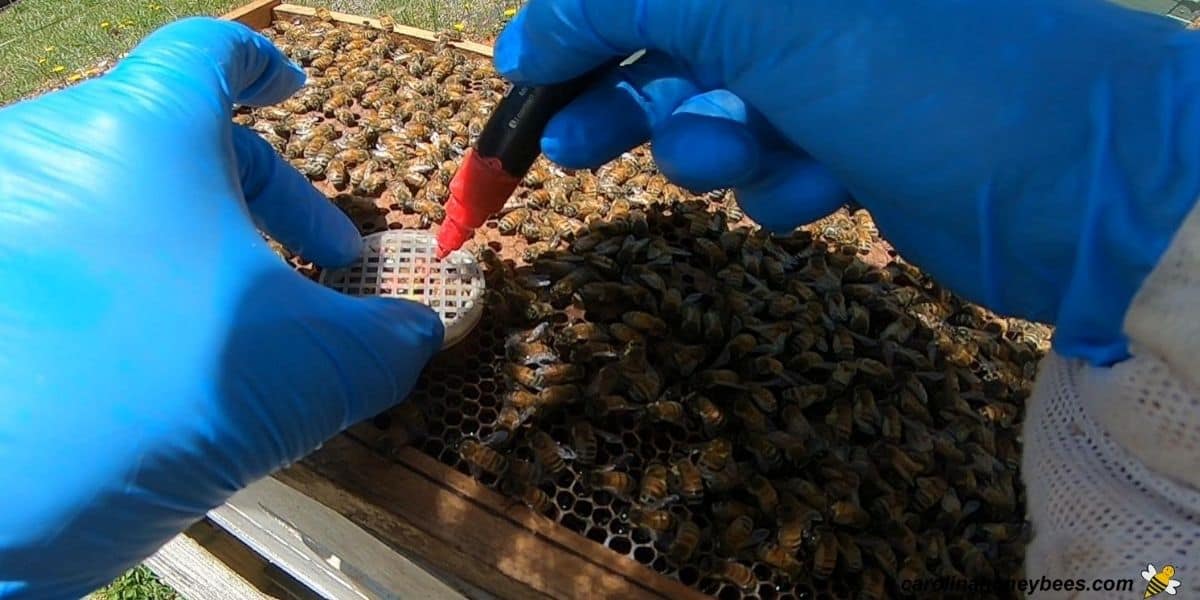
Handling a queen bee carefully and efficiently is essential for both the safety of the queen and the health of the hive. Proper handling minimizes stress and reduces the risk of injury to the queen or disturbance to the colony. Skilled techniques involve gentle movements, appropriate tools, and a calm approach, ensuring that the queen is managed with respect and precision.Effective queen handling requires a clear understanding of the bee’s behavior and the use of specialized tools designed for safe manipulation.
This process involves organized steps for removing the queen from her hive and securing her securely for marking or transfer, all while maintaining the overall stability of the colony. Using the correct techniques ensures the safety of the bee and the beekeeper, promoting overall hive health.
Safe removal of the queen bee
The safe removal of the queen is a critical phase in hive management and marking activities. It involves a series of methodical steps that help minimize stress and prevent injury. First, prepare your workspace by gathering all necessary tools, ensuring they are clean and in good condition. Next, gently approach the hive, avoiding sudden movements that could alarm the bees.Identify the queen among the worker bees, usually by her larger size, elongated abdomen, and distinctive markings that differentiate her from other bees.
Using a soft brush or a queen clip, carefully coax the queen onto a comfortable surface or secure her directly within the clip. When removing her, support her body gently, avoiding excessive pressure that could damage her delicate exoskeleton. Once the queen is secured, move her slowly and deliberately to a designated area for marking or inspection.
Tools for handling and capturing the queen
Proper tools are integral to safe and effective queen handling. Each tool has a specific purpose and should be used with care to avoid harming the queen or disturbing the hive excessively. Common tools include queen clips, forceps, and brushes, which facilitate secure capture and gentle manipulation.
- Queen clips: These are specially designed devices that gently grip the queen’s thorax without causing injury. They are easy to apply and release, allowing for quick handling. Ensure the clip is snug but not too tight, and always handle the clip by its designated handles to avoid pinching the bee.
- Forceps: Fine-tipped forceps allow for precise grasping of the queen, especially when she is small or moving actively. They should be used with a light touch to prevent crushing her fragile body. Always hold forceps at the tips and avoid squeezing tightly.
- Brushes: Soft, fine brushes are used to gently nudge or sweep the queen onto a surface or into a clip. The brush should have soft bristles to prevent damage. When maneuvering the queen with a brush, keep movements slow and controlled to avoid startling her or dislodging her wings.
Using proper tools and gentle handling techniques ensures the health and safety of the queen, leading to successful marking and minimal disruption within the hive.
Applying the Mark
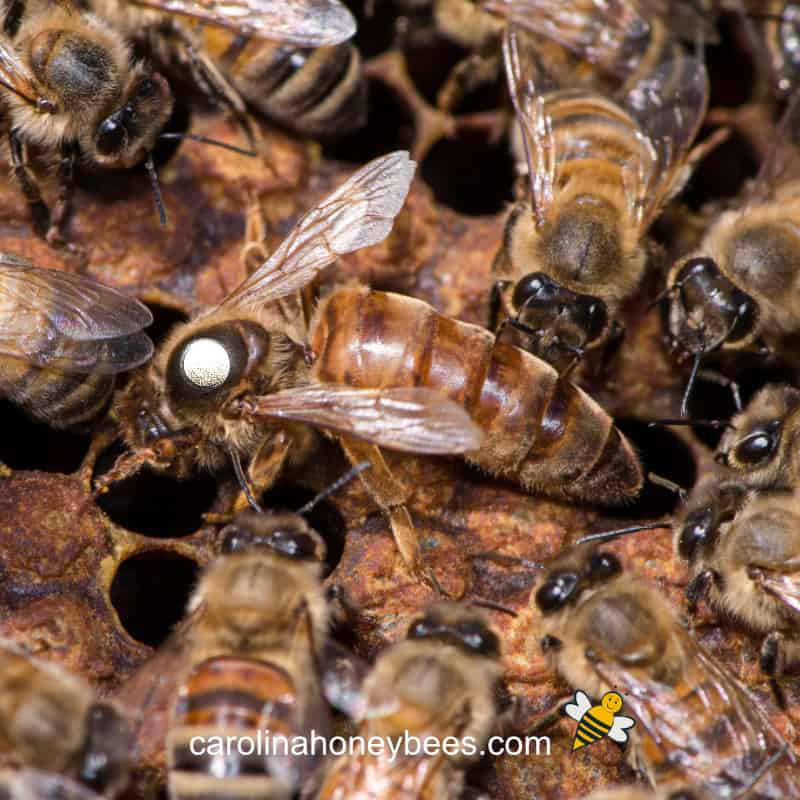
Once the queen bee has been carefully captured and prepared for marking, the next crucial step is the precise application of the mark. This process ensures that the marking is effective for identification purposes while minimizing stress or harm to the queen. Proper application techniques contribute significantly to the longevity of the mark and the overall health of the hive.
Applying the mark requires attention to detail, a steady hand, and an understanding of the queen’s anatomy. Whether using paint, stickers, or other marking tools, the goal is to position the mark accurately on the thorax in a way that remains visible yet does not impede the queen’s movement or health. The choice of method and placement can influence the durability of the mark and ease of identification during hive inspections.
Precise Positioning on the Queen
Accurate placement of the mark is essential to maintain the queen’s well-being and visibility. The most common area for marking is the dorsal side of the thorax, slightly behind the head, where the mark can be easily seen during hive inspections without obscuring vital features or restricting movement. The mark should be centered and applied in a way that avoids covering vital segments like the head or wing bases.
To prevent accidental injury, it is recommended to restrain the queen gently but securely, ensuring she remains calm throughout the process. When applying paint, use fine-tipped brushes or markers for precision, and when using stickers, carefully peel and place the sticker without trapping air bubbles or causing adhesive to seep onto sensitive areas. Consistency in positioning helps in quick recognition during subsequent hive checks.
Selecting the Correct Color Coding
Color coding is an effective system for tracking queens based on age, season, or specific research parameters. Selecting the appropriate color involves understanding the significance of each hue and its visibility within the hive environment. Seasonal variations, for example, often dictate different color schemes to distinguish queens introduced or marked at various times of the year.
Typically, beekeepers and researchers follow established color codes to standardize marking practices. For example, the Federation of Apicultural Societies recommends specific colors for different years or seasons—white for queens marked in spring, yellow for summer, red for fall, and green for winter. Using high-quality, non-toxic, and durable paints ensures that the color remains vibrant and legible over time.
Choose colors that contrast well with the queen’s thorax to maximize visibility. Always consider the hive’s lighting conditions and the background environment to select the most effective hue for identification.
Additionally, using different colors for different years or purposes can facilitate tracking the queen’s age, breeding history, or experimental variables, thereby streamlining hive management and research efforts.
Drying Time and Post-marking Safety
After applying the mark, allowing sufficient drying time is critical to prevent smudging or transfer of paint or stickers onto bees or hive components. Typically, a minimum of 10-15 minutes is recommended, but it can vary depending on the type of paint or adhesive used. Ensuring the mark is fully dry before returning the queen to the hive minimizes the risk of contamination or internal damage.
During the drying period, it is important to handle the queen gently and keep her in a secure, ventilated container to avoid accidental injury or stress. Once the mark is dry, a quick inspection should verify that the queen’s movement is unhindered and that the mark remains securely in place.
Post-marking, observe the queen for any signs of distress or injury. The marked queen should be reintroduced carefully into the hive, ensuring minimal disturbance. Monitoring her behavior over the following days can help identify any adverse effects, allowing for prompt intervention if necessary. Proper handling and patience during this process are key to maintaining hive health and ensuring successful marking endeavors.
Post-marking assessment and hive inspection
After successfully marking a queen bee, it is essential to conduct a thorough post-marking assessment and hive inspection. This process ensures the queen’s health remains optimal, confirms the visibility and integrity of the mark, and evaluates the overall condition of the hive. Regular inspections help detect any issues early and promote a thriving, well-managed colony.Proper post-marking evaluation involves observing the queen’s behavior, checking for signs of health or distress, and ensuring the mark remains legible and intact.
These steps are vital in maintaining confidence that the marking process has not adversely affected the queen or the hive dynamics. Additionally, routine inspections provide an opportunity to monitor workforce activity, hive conditions, and to plan future management practices.
Verifying the queen’s health and proper marking after release
Ensuring the queen is healthy and correctly marked after her release is a critical step in hive management. The first indication of her well-being is her normal behavior within the hive—she should be actively moving, laying eggs, and maintaining her central role without signs of distress such as lethargy or disorientation.A visual confirmation of the mark’s visibility and clarity is necessary.
The mark should be well-defined, free of smudges or peeling, and not interfere with her mobility. Using a gentle, minimally invasive approach, carefully observe her position on the comb, noting her activity level and ensuring she is not injured or impeded by the mark.
“A healthy queen exhibits confident movement, consistent egg-laying, and an absence of physical injuries or abnormalities.”
Observing the queen’s behavior and marking visibility
After release, systematic observation of the queen’s behavior provides insights into her adaptation and well-being post-marking. Monitor her movement within the brood nest, her interactions with worker bees, and her overall activity level over several days. A queen exhibiting normal behavior is usually a sign of successful handling and marking.Checking the visibility of the mark involves inspecting her on the comb, preferably during routine hive inspections.
The mark should be easily identifiable without causing disturbance or stress. In cases where the mark is partially obscured or fading, consider re-marking during a planned hive inspection, ensuring minimal disruption to the colony.To enhance visibility, some beekeepers prefer using high-contrast colors such as white or yellow, which are easily seen against the dark coloration of the queen. Consistently recording observations and marking integrity helps in long-term tracking and colony management.
Routine hive inspection checklist following marking
Implementing a structured checklist during routine hive inspections after marking ensures comprehensive assessment and early detection of potential issues. This organized approach promotes colony health and effective queen management.
- Verify queen presence and activity: Confirm the queen’s location, assess her activity level, and observe her egg-laying pattern.
- Assess marking visibility: Ensure the mark remains clear, intact, and easily distinguishable from a distance.
- Examine brood pattern: Check for uniformity, cleanliness, and signs of disease or parasitism.
- Inspect hive conditions: Assess hive temperature, humidity, and cleanliness to prevent issues that could affect queen health.
- Evaluate worker bee behavior: Observe worker activity, noting any signs of stress or unusual activity that may indicate problems.
- Check for signs of queen replacement or supersedure: Look for new queen cells or queen-like behaviors indicating potential replacement.
- Record observations: Document the queen’s condition, mark status, and any anomalies for ongoing monitoring.
- Plan follow-up inspections: Schedule subsequent checks based on current findings, ensuring continuous colony health oversight.
Maintaining vigilance during these inspections helps sustain a healthy hive and prolongs the effectiveness of the queen’s marking, ultimately contributing to a productive and resilient bee colony.
Troubleshooting Common Issues in Queen Bee Marking
Properly marking a queen bee is essential for easy identification and management within the hive. However, during the process, several issues can arise that may hinder the effectiveness of the mark or cause unintended harm to the queen. Understanding these common problems and their solutions ensures successful marking and maintains the health of the hive.Even with careful preparation and technique, issues such as blemished marks, accidental injury to the queen, or the mark becoming detached over time can occur.
Addressing these problems promptly and effectively minimizes disruption to the hive and ensures that the queen remains identifiable and healthy.
Blemished or Uneven Marks
While applying the mark, factors such as inconsistent paint application, exposure to moisture, or debris on the queen’s thorax can lead to blemished or uneven markings. These imperfections may compromise visibility or cause the mark to appear unprofessional, potentially leading to misidentification.To mitigate this issue, ensure the marking surface is clean and dry before application. Use a steady hand and appropriate tools, such as fine-tipped applicators or brushes, to achieve clean, even lines.
If a blemish occurs, gently clean the area using a soft brush or a small amount of rubbing alcohol on a cotton swab, and reapply the mark if necessary once the area is dry.
Accidental Injury to the Queen
Injuries can occur if the queen is handled too roughly or if excessive pressure is applied during capture or marking. This can result in wing damage, leg injury, or stress that may reduce her lifespan or impair her ability to lay eggs effectively.To prevent injury, handle the queen with care, using gentle pinches or soft forceps designed for small insects.
Limit the handling time, and avoid squeezing or pressing directly on sensitive areas. Observing the queen closely during marking allows for timely detection and mitigation of potential harm.
Mark Detachment or Fading
Over time, the paint or marker used to identify the queen may peel, fade, or detach due to hive conditions such as moisture, temperature fluctuations, or physical contact with hive elements.Using high-quality, hive-safe marking materials specifically formulated for bee marking can reduce this problem. Applying the mark in thin, even layers and allowing sufficient drying time ensures better adhesion. If the mark becomes detached or faded, re-marking the queen may be necessary, but only after confirming the queen’s health and after ensuring that re-marking does not stress her unnecessarily.
Re-marking or Replacing a Damaged Mark
When a mark is compromised, timely and careful re-marking safeguards the queen’s identification capabilities. It is essential to assess whether the queen is still healthy and active before proceeding with re-marking.To re-mark, gently capture the queen, and if the existing mark is partially intact but damaged, gently remove the remnants using a soft brush or a small amount of alcohol.
Ensure the queen is dry and free of any residual adhesive or paint. Apply a new, clearly visible mark, ensuring it covers the previous one without overlapping excessively. If the queen’s current mark is severely damaged or if the mark removal process risks harming her, consider temporarily caging her and re-marking when she is calm and relaxed.
In all cases, patience, gentle handling, and proper hygiene are vital in minimizing stress and injury to the queen during troubleshooting.
Tips for Effective Queen Marking
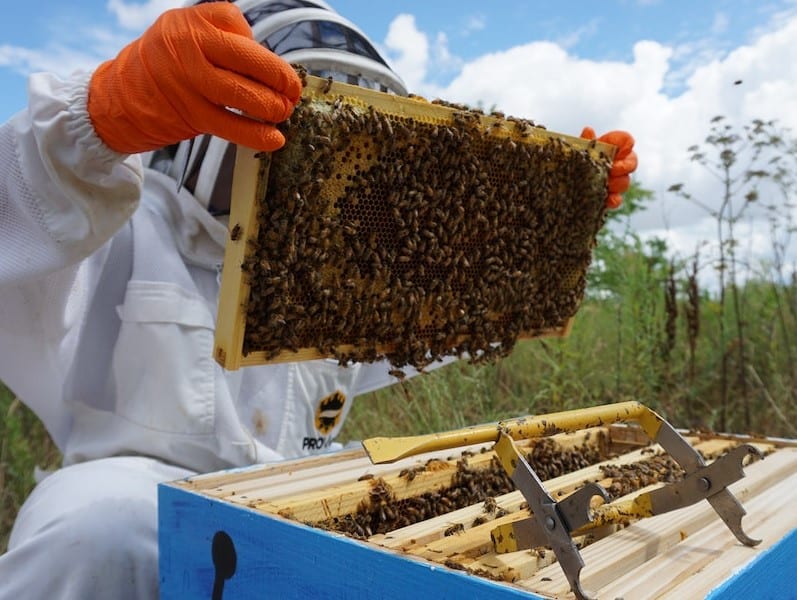
Marking a queen bee is a delicate process that requires precision, patience, and care to ensure the health and well-being of the queen, the hive, and the beekeeper. Properly executed, it facilitates easier identification during hive inspections and enhances management practices. Implementing effective strategies minimizes stress on the queen and ensures the longevity of her productivity within the hive.To optimize the marking process, beekeepers should adopt techniques that reduce stress during handling, apply consistent marking methods, and prioritize hive health.
These practices not only make the process more efficient but also contribute to maintaining a healthy colony and a thriving queen.
Methods to Reduce Stress During Handling
Handling a queen bee delicately is vital to prevent injury or undue stress which could affect her performance or the hive’s health. Several approaches can help achieve this:
- Use gentle, slow movements when approaching and capturing the queen to avoid startling her or causing her to fly away.
- Employ specialized tools such as queen clips or queen cages that provide a secure yet non-invasive grip, minimizing contact with her wings and body.
- Limit the duration of handling sessions to prevent excessive disturbance; a quick, confident approach reduces stress for both the queen and the handler.
- Maintain a calm environment by working quietly and avoiding sudden movements or loud noises within the apiary.
- Ensure your hands are clean and free of residues that may transfer to the queen, which can cause unnecessary irritation or contamination.
Best Practices for Consistent Marker Application
Applying markings consistently enhances visibility and facilitates quick identification during hive inspections. Adhering to best practices guarantees uniformity while safeguarding the queen’s health:
- Choose high-quality, non-toxic, and quick-drying marking pens designed specifically for bee marking, ensuring that the marking does not interfere with her movement or health.
- Before application, gently immobilize the queen using a queen clip or by carefully placing her on a flat, stable surface to prevent injury during marking.
- Apply the mark on the dorsal (top) side of the thorax, avoiding the wings, legs, or abdomen to prevent impairing her mobility or flight.
- Use a steady hand and consistent pressure to produce an even, clearly visible mark that lasts over time but does not cause harm.
- Allow the mark to dry completely before returning the queen to the hive to avoid smudging or transfer to hive members.
Maintaining Hive Health and Queen Wellbeing During Marking
The overarching priority in queen marking is the health of the hive and the queen herself. Proper care during and after the process ensures colony stability and queen longevity:
- Perform the marking during a time when the hive is less active, such as early morning or after inspection, to reduce disturbance to foragers and workers.
- Limit handling time and avoid unnecessary manipulation to reduce stress and prevent injury.
- Always handle the queen with clean, dry hands or tools to prevent introducing pathogens or contaminants into the hive.
- Monitor the queen closely after marking for signs of stress, injury, or behavioral changes, and be prepared to assist or intervene if needed.
- Ensure the hive remains in a stable environment with adequate ventilation, nutrition, and minimal disturbance to promote overall health and resilience.
Effective queen marking combines gentle handling, consistent application, and attentive hive management to ensure the health and productivity of the colony.
Last Word
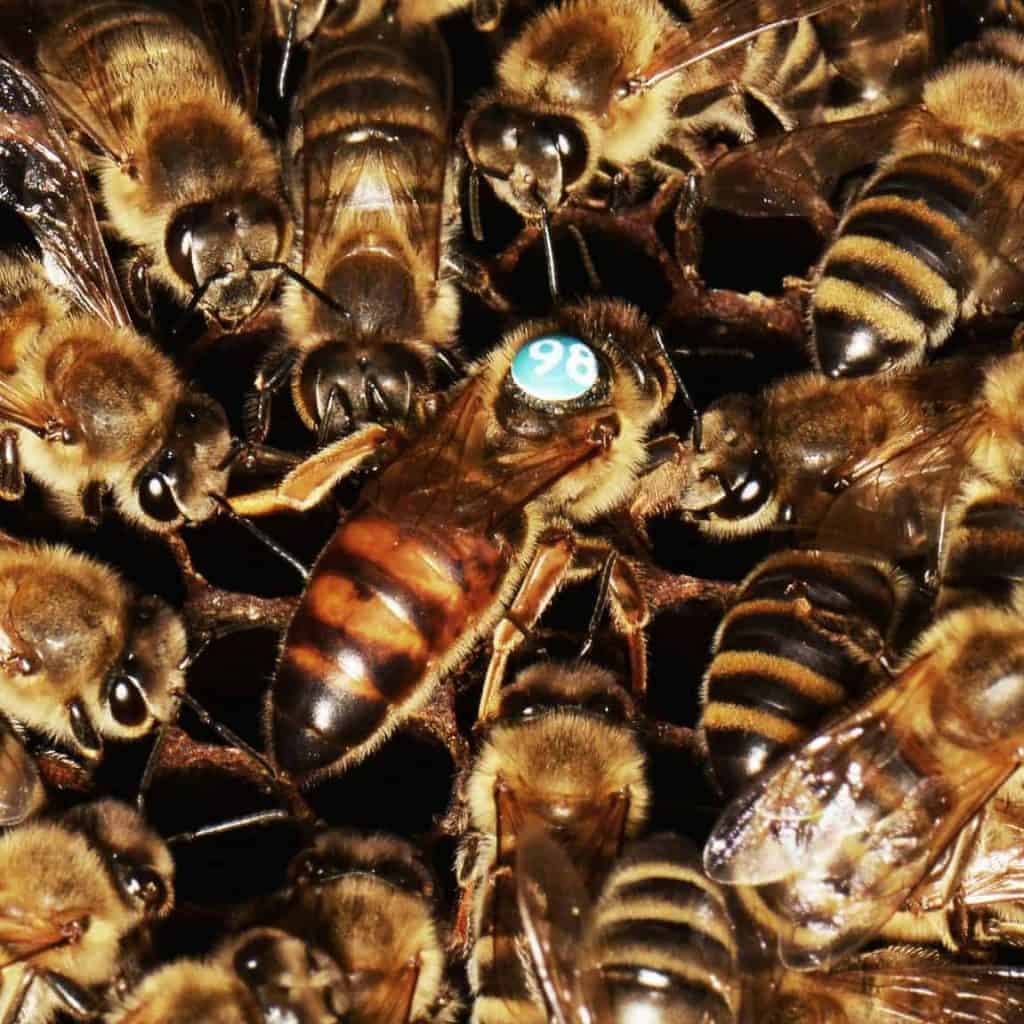
In summary, mastering the art of marking a queen bee enhances hive management by making queen identification straightforward and efficient. By following best practices, utilizing appropriate tools, and prioritizing the health of the queen, beekeepers can ensure their colonies remain strong and well-maintained. Consistent application of these techniques will lead to more successful and enjoyable beekeeping experiences.