Joining a beekeeping association is an excellent step toward enhancing your apiculture journey, whether you are a novice or an experienced beekeeper. These organizations offer valuable resources, expert guidance, and a supportive community dedicated to the promotion and responsible practice of beekeeping. Engaging with such associations not only provides access to workshops and mentorship programs but also fosters opportunities for networking and professional growth.
Understanding the process of how to join a beekeeping association involves exploring local options, meeting membership requirements, and actively participating in community activities. This guide aims to illuminate each step, providing clarity and confidence as you become part of a vibrant beekeeping community committed to sustainable and ethical practices.
Overview of Beekeeping Associations
Beekeeping associations serve as vital communities for both novice and experienced beekeepers, fostering education, collaboration, and the sharing of resources. By joining these organizations, members gain access to a wealth of knowledge and support tailored specifically to the art and science of beekeeping. These associations play an essential role in promoting sustainable honey production, pollination practices, and advancing research related to apiculture.
Typically, beekeeping associations organize a range of activities designed to enhance members’ skills and deepen their understanding of bee health and hive management. They often provide educational workshops, hands-on training sessions, and seminars led by industry experts. Additionally, members benefit from access to specialized resources such as technical guides, research publications, and discounts on beekeeping equipment. Through these initiatives, associations support both beginners embarking on their beekeeping journey and seasoned practitioners seeking to refine their techniques or stay updated with the latest developments in the field.
Purpose and Benefits of Joining a Beekeeping Association
Joining a beekeeping association offers numerous advantages that contribute to the growth and success of members’ beekeeping endeavors. Key benefits include access to expert advice, mentorship opportunities, and participation in community events. These associations often serve as a platform for members to exchange experiences, troubleshoot hive issues collaboratively, and stay informed about emerging trends in apiculture.
Membership in a beekeeping association can significantly improve hive management skills, leading to healthier colonies and increased honey yields. It also fosters a sense of community among beekeepers, reducing isolation and encouraging continuous learning.
Furthermore, associations often advocate for sustainable and environmentally responsible beekeeping practices, influencing local policies and raising public awareness about the importance of bees for ecological balance. They organize field days, honey tastings, and bee identification workshops which are invaluable for both educational purposes and community engagement.
Activities and Resources Offered by Beekeeping Associations
Beekeeping associations are dynamic organizations that provide a variety of activities and resources aimed at supporting their members. These activities are designed to enhance practical skills, promote knowledge sharing, and foster community bonds among beekeepers.
Typical offerings include:
- Educational workshops covering topics such as hive construction, pest management, and seasonal hive care
- Field days where members can observe live demonstrations of hive inspections and bee handling techniques
- Access to a library of publications, technical manuals, and research papers on apiculture
- Mentorship programs pairing novice beekeepers with experienced mentors for personalized guidance
- Supply discounts on essential beekeeping equipment like protective gear, smokers, and hive components
- Participation in local and regional honey shows and competitions, promoting quality standards and community recognition
- Online forums and newsletters that keep members informed about upcoming events, recent research, and hive management tips
These activities not only enhance practical knowledge but also foster a supportive environment where beekeepers can share challenges and successes, ultimately contributing to healthier bee populations and more successful apiculture practices.
Finding Local Beekeeping Associations
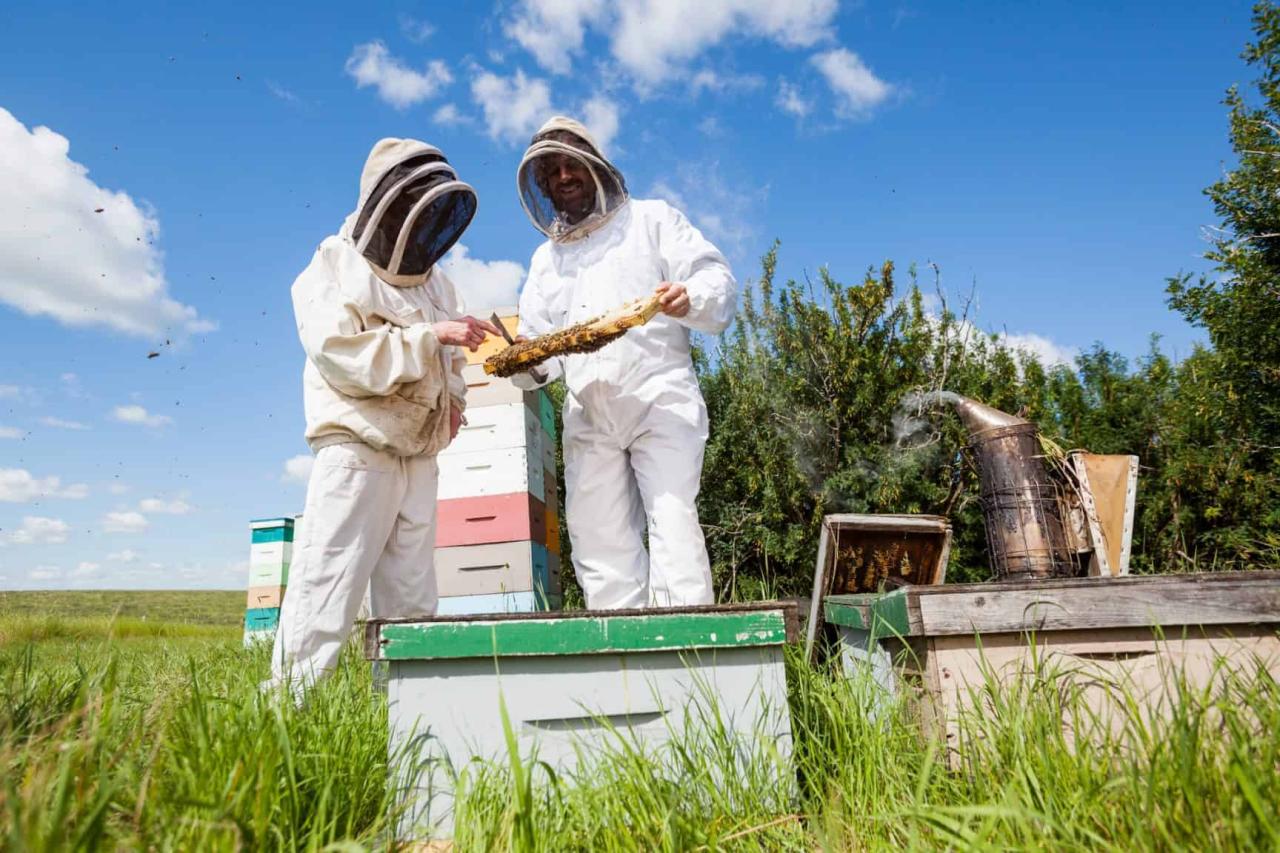
Connecting with local beekeeping associations is a vital step for aspiring and experienced beekeepers alike. These organizations offer invaluable resources, support, networking opportunities, and educational programs that can significantly enhance your beekeeping journey. Locating the right association in your area ensures you gain access to credible information, mentorship, and community engagement.
There are several effective methods to discover beekeeping associations within your region. Utilizing online resources, engaging with local agricultural or horticultural centers, and participating in community events are practical approaches that can lead you to reputable groups committed to promoting healthy beekeeping practices and conservation efforts.
Methods to Locate Beekeeping Associations
Finding associations requires a strategic approach that combines digital searches and local outreach. Here are key methods to identify beekeeping groups nearby:
- Online Directories and Websites: Use dedicated beekeeping directories such as the American Beekeeping Federation (ABF) or the Bee Source website, which list regional associations along with contact details. Many associations maintain their own websites with information on membership, activities, and upcoming meetings.
- Search Engine Queries: Conduct targeted searches using s like “beekeeping associations in [your area]” or “local beekeeping clubs near me.” This often reveals community pages, social media groups, or event listings related to beekeeping.
- Social Media Platforms: Platforms like Facebook, Meetup, or LinkedIn host numerous beekeeping groups and pages where members share experiences, advertise meetings, and provide guidance for newcomers. Joining these groups can lead to direct contact with local associations.
- Local Agricultural or Horticultural Centers: Visit nearby agricultural extensions, botanical gardens, or farm supply stores. These establishments frequently collaborate with or are aware of local beekeeping organizations and can provide contact information.
- Community Events and Farmers Markets: Attend local agricultural fairs, farmers markets, or environmental awareness events. Beekeepers often participate in these settings, providing an opportunity to network and gather information about associations.
Steps to Identify Reputable Associations
After gathering potential associations, evaluating their credibility and activity levels is essential to ensure your involvement is beneficial. Consider the following steps:
- Review Official Websites and Publications: Examine the association’s website for transparency, membership details, recent event updates, and educational programs. A well-maintained site indicates active organization and dedication.
- Check Membership and Certification Offerings: Reputable associations often provide certification programs, workshops, and ongoing educational resources. Confirm their offerings align with your learning goals.
- Assess Community Engagement: Look for evidence of regular meetings, field days, or community outreach activities. Active associations tend to host frequent events and have a robust online presence.
- Gather Testimonials and References: Reach out to current members for firsthand insights into the association’s supportiveness, professionalism, and overall environment. Positive feedback reflects credibility and a welcoming atmosphere.
- Verify Affiliation with Recognized Bodies: Associations affiliated with national or regional beekeeping organizations often adhere to established standards, ensuring quality and credibility.
“A reputable beekeeping association not only provides resources but also fosters a community committed to sustainable and informed beekeeping practices.”
Through diligent research and engagement, beginners can identify associations that offer meaningful support and contribute positively to their beekeeping endeavors. Connecting with well-established groups enhances learning, safety, and the collective effort to protect and preserve pollinators.
Membership Requirements and Process
Joining a beekeeping association offers valuable benefits, including access to resources, educational opportunities, and a community of like-minded enthusiasts. To become a member, applicants must meet certain eligibility criteria and follow a structured application process. Understanding these requirements ensures a smooth transition into the association and fosters a productive beekeeping experience.Eligibility for membership typically includes a genuine interest in beekeeping, a commitment to responsible hive management, and adherence to safety and ethical standards established by the association.
Many associations prioritize applicants who are at least 18 years of age, although some may accept younger individuals with parental consent. A clean record regarding hive health and pest management practices is often required, along with a willingness to participate in association activities and abide by its code of conduct. Certain associations may also request proof of knowledge, such as completion of introductory beekeeping courses or references from experienced beekeepers.The application process involves several key steps designed to verify eligibility and facilitate member onboarding.
Applicants are usually required to fill out a membership form, which gathers personal information, beekeeping experience, and consent to abide by the association’s rules. Supporting documentation such as proof of identity, beekeeping qualifications, or a letter of recommendation may be necessary. Once submitted, applications are reviewed by the association’s membership committee, which may conduct a brief interview or site visit to assess suitability.
Upon approval, new members typically pay an initial membership fee and receive orientation materials to familiarize them with association policies and resources.
Membership Types, Fees, and Renewal Procedures
Understanding the different categories of membership, associated costs, and renewal processes helps prospective members choose the option that best fits their needs and commitments. Associations often offer various membership tiers to accommodate hobbyists, professionals, and youth members.
| Membership Type | Fees (Annual) | Benefits | Renewal Process |
|---|---|---|---|
| Individual Membership | $50 – $100 | Access to events, newsletters, and workshops; voting rights | Renewed via online portal or in-person payment; typically before the start of the new membership year |
| Family Membership | $80 – $150 | Includes multiple family members; extended access to resources and events | Requires renewal form submission; may include a discounted fee for additional family members |
| Junior or Youth Membership | $20 – $50 | Educational programs and youth activities; mentorship opportunities | Annual renewal with parental consent; often includes participation in youth-focused events |
| Professional Membership | $150 – $300 | Advanced resources, research opportunities, industry networking | Renewal through application review and payment; often requires evidence of professional involvement |
The renewal procedures typically involve submitting a renewal form and paying the annual fee within a designated period, usually a few months before the current membership expires. Some associations may offer automatic renewal options or discounts for early renewal, encouraging continued engagement and participation in association activities.
Preparing for Membership
Joining a beekeeping association is a significant step that enhances your knowledge, skills, and network within the apicultural community. Proper preparation ensures that new members are well-equipped to contribute positively and adhere to the organization’s standards and expectations. This stage involves orientation, understanding participation requirements, and familiarizing oneself with essential materials and the association’s governing documents.An effective preparation process fosters a smooth transition into active membership, promotes responsible beekeeping practices, and helps new members integrate seamlessly into the association’s activities and culture.
New Member Orientation and Participation Expectations
Orientation sessions serve as foundational introductions for new members, providing vital information about the association’s mission, goals, and operational procedures. During these sessions, new members learn about the variety of activities they can participate in, including apiary visits, workshops, community outreach, and educational programs. Clarifying participation expectations ensures members understand their responsibilities, such as attending meetings regularly, contributing to group projects, and adhering to safety protocols.Participation in association events not only enhances learning but also fosters camaraderie among beekeepers.
New members are encouraged to engage actively, share their experiences, and seek guidance from seasoned members. Many associations utilize mentorship programs, pairing newcomers with experienced beekeepers to support skill development and confidence-building.
Checklist of Materials and Knowledge Needed Before Joining
Preparation begins with gathering essential materials and acquiring foundational knowledge relevant to beekeeping and association participation. A comprehensive checklist helps ensure that new members are ready to integrate effectively:
- Personal protective equipment (PPE): including beekeeping suit, veil, gloves, and boots to ensure safe handling of bees.
- Basic beekeeping tools: hive tool, smoker, bee brush, and frame grip.
- Knowledge of local regulations and laws pertaining to beekeeping, including registration requirements and hive placement restrictions.
- Understanding of honeybee biology, colony structure, and seasonal management practices.
- Initial experience or familiarity with hive setup, inspection procedures, and disease prevention measures.
- Membership fee payment and completed application forms, as required by the association.
It is advisable for prospective members to review introductory manuals or attend beginner courses offered by local beekeeping organizations before joining. This foundational knowledge not only enhances safety but also ensures they can actively contribute and derive maximum benefit from association activities.
Understanding Association Bylaws and Code of Conduct
Familiarity with the association’s bylaws and code of conduct is crucial for maintaining a harmonious and productive environment. Bylaws Artikel the governance structure, voting procedures, membership rights, and responsibilities, serving as the legal framework guiding the organization’s operations.The code of conduct establishes behavioral expectations, emphasizing integrity, safety, respect, and collaboration among members. It promotes ethical beekeeping practices, environmental responsibility, and community engagement.
New members should carefully review these documents during their orientation to ensure compliance and alignment with the association’s values.A clear understanding of these governing documents minimizes conflicts, fosters transparency, and encourages active and responsible participation. Many associations provide printed or digital copies of bylaws and codes of conduct, and some host dedicated sessions explaining key provisions to new members. Recognizing the importance of these policies reinforces a member’s commitment to the collective success and sustainability of the beekeeping community.
Benefits and Responsibilities of Association Membership
Joining a beekeeping association offers numerous advantages that can significantly enhance your beekeeping journey. However, it also entails certain responsibilities to ensure the integrity and success of the community. Understanding both aspects helps prospective members make informed decisions and commit to the shared goals of sustainable and ethical beekeeping practices.Participating in an association provides access to valuable resources, expert guidance, and opportunities for personal and professional growth.
At the same time, members are expected to uphold standards that promote responsible beekeeping, foster community support, and protect bee populations. This balance of benefits and commitments ensures a thriving, collaborative environment for all members.
Member Benefits
The advantages of association membership extend across educational, practical, and social dimensions. These benefits are pivotal for both novice and experienced beekeepers seeking to expand their knowledge and improve their apiary practices.
Members enjoy:
- Access to specialized workshops and training sessions led by experienced beekeepers and industry experts, covering topics from hive management to disease prevention.
- Mentorship programs that connect newcomers with seasoned professionals, facilitating personalized guidance and skill development.
- Resources such as equipment, reference materials, and shared tools that reduce costs and improve operational efficiency.
- Participation in community events, bee yard visits, and apiary tours that foster networking and shared learning experiences.
- Opportunities to showcase products at local fairs, participate in honey competitions, and promote sustainable beekeeping practices within the community.
- Access to updated research, regulatory information, and advocacy efforts aimed at protecting bees and supporting the beekeeping industry.
Member Responsibilities
Engaging as a responsible member involves commitments that maintain the integrity and effectiveness of the association. These responsibilities help ensure a positive environment that respects ethical standards and promotes collective growth.
Key responsibilities include:
- Regular attendance at association meetings, workshops, and events to stay informed and actively participate in community initiatives.
- Adherence to ethical beekeeping practices, including humane treatment of bees, proper hive management, and responsible use of medications and chemicals.
- Contributing to the sharing of knowledge, experiences, and resources to support fellow members and uphold the association’s standards.
- Compliance with local regulations and policies related to apiary management, pesticide use, and honey production.
- Participation in conservation efforts and educational outreach to promote awareness about the importance of bees and sustainable practices.
- Maintaining transparency and honesty in all dealings within the association, including reporting disease outbreaks or hive issues promptly.
“Membership in a beekeeping association is a partnership rooted in shared responsibility, ethical conduct, and a commitment to the health of bee populations and the environment.”
Engaging with the Beekeeping Community
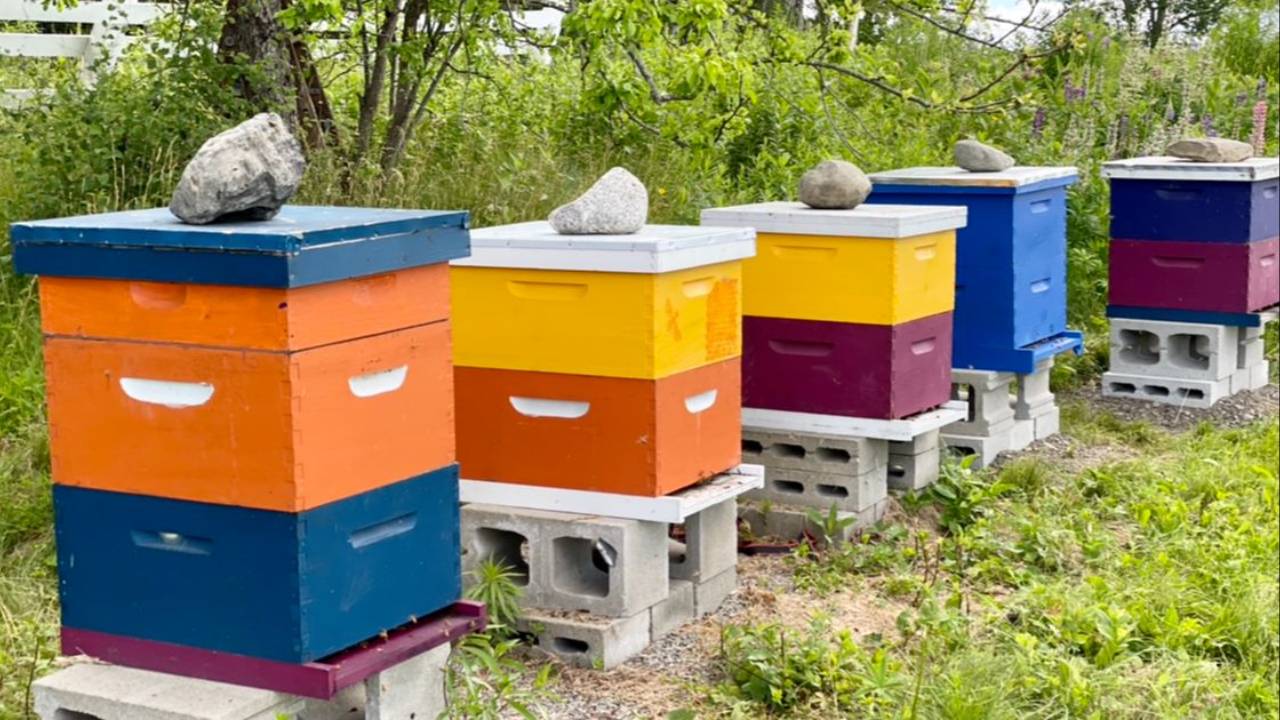
Joining a beekeeping association offers more than just access to resources and expertise; it provides a vibrant platform to actively participate in the community of fellow beekeepers. Engaging deeply with the association enhances learning, fosters friendships, and contributes to the growth of sustainable beekeeping practices. Participation involves not only attending events but also taking on roles that influence the community and support shared goals.Active engagement enables members to stay updated on the latest developments in beekeeping, share experiences, and exchange valuable insights.
It also creates opportunities to collaborate on projects such as local pollinator preservation initiatives or honey quality improvement programs. Such involvement not only enriches personal knowledge but also advances the collective efforts of the beekeeping community.
Participating in Association Events and Forums
Participation in association events and forums is fundamental to building meaningful connections and staying informed about current trends and challenges in beekeeping. These gatherings may include workshops, field days, seminars, and seasonal meetings, providing opportunities for hands-on learning and direct interaction with experts.Members are encouraged to actively participate by volunteering for event organization, engaging in discussions, and sharing their experiences.
Online forums and social media groups facilitated by the association serve as ongoing platforms for exchanging questions, advice, and success stories, fostering a supportive environment that extends beyond physical meetings.
Volunteering and Leadership Opportunities
Volunteering within the association allows members to contribute their skills and time toward community initiatives and event management. Taking on leadership roles such as committee chair, event coordinator, or education ambassador enables members to influence the association’s direction and promote sustainable beekeeping practices.Engagement in leadership fosters a sense of responsibility and community ownership while developing valuable skills such as organization, communication, and strategic planning.
These roles often involve mentoring new members, organizing training sessions, and representing the association at regional or national levels, thereby elevating the profile of local beekeepers and their work.
Networking and Collaboration with Beekeepers
Building a strong network with fellow beekeepers is pivotal for sharing resources, knowledge, and support. Formal and informal networking opportunities include mentorship programs, collaborative research projects, and joint ventures such as honey marketing or apiary tours.Associations often facilitate mentorship pairings where experienced beekeepers guide newcomers through challenges, fostering continuity and the transfer of practical knowledge. Collaborative efforts with other members can lead to innovative practices, collective purchasing of supplies to reduce costs, or co-hosting educational events, thereby strengthening the entire beekeeping community.
Troubleshooting Common Challenges in Joining
Joining a beekeeping association can sometimes present obstacles that may seem challenging initially. Understanding these common hurdles and knowing effective ways to address them can significantly improve your chances of becoming an active member of the beekeeping community. While the process is designed to be welcoming and inclusive, prospective members often encounter issues related to eligibility, fees, or confidence. Recognizing these challenges early and applying practical solutions can pave the way toward successful membership and ongoing engagement.Addressing these challenges involves a combination of clear information, proactive communication, and perseverance.
Many organizations are eager to support new beekeepers and offer guidance to overcome potential barriers. The following sections detail prevalent issues faced during membership application and propose strategies to resolve them effectively.
Challenges Related to Membership Fees and Eligibility
Financial constraints and eligibility criteria are common concerns that hinder prospective members from joining beekeeping associations. Some associations require specific qualifications, such as a minimum number of hive inspections or beekeeper experience, which can be intimidating for beginners. Additionally, membership fees may appear prohibitive, especially for hobbyist or novice beekeepers, or those in regions with limited financial resources.To navigate these issues, it is essential to:
- Seek detailed information about membership tiers and fee structures. Many associations offer discounted rates for students, seniors, or beginner members, reducing financial barriers.
- Communicate directly with association representatives to clarify eligibility criteria. They often provide guidance or alternative pathways for newcomers or those with limited experience.
- Explore community grants, sponsorships, or local government programs that support aspiring beekeepers. Such initiatives can sometimes offset membership fees or provide financial assistance.
Example: A new beekeeper in a rural area faced challenges due to the association’s requirement of two years of experience. The organization offered a beginner’s trial membership, allowing the individual to participate and learn while fulfilling initial criteria gradually.
Overcoming Hesitations and Uncertainties about Joining
Many individuals experience doubts or hesitations about becoming part of a beekeeping association, often stemming from uncertainty about their skills, commitment level, or the perceived complexity of beekeeping. Such hesitations can delay or prevent new beekeepers from taking the first step.To address these concerns effectively:
- Participate in introductory workshops or open days hosted by the association. These events provide firsthand experience and a low-pressure environment to learn more about beekeeping activities.
- Connect with existing members through social media groups or community events to gain insights and reassurance about the benefits of membership.
- Remember that associations are designed to support members at all experience levels. Most organizations welcome beginners, emphasizing education and community support over advanced expertise.
- Set small, manageable goals to gradually build confidence, such as attending a single workshop or volunteering for a local hive inspection.
Example: A prospective member was hesitant due to fears of not being able to manage a hive. After attending a beginner’s seminar and speaking with seasoned beekeepers, they gained the confidence to join the association and start their own beekeeping journey.
Strategies for Effective Troubleshooting
Proactive problem-solving is key to overcoming membership hurdles. Engaging directly with association administrators, seeking peer advice, and utilizing available resources can streamline the process.
“Open communication and a willingness to ask questions are vital in overcoming barriers to beekeeping association membership.”
It is also beneficial to stay informed about upcoming events, financial aid options, and beginner programs. Keeping a positive attitude and demonstrating genuine interest can open doors and foster long-term engagement within the beekeeping community.
Last Point
In conclusion, becoming a member of a beekeeping association offers numerous benefits that support your development as a responsible beekeeper while connecting you with like-minded individuals. By following the Artikeld steps and engaging actively within the community, you can enrich your knowledge, contribute to local initiatives, and enjoy the many rewards that come with being part of a dedicated beekeeping organization.
Embrace this opportunity to grow both personally and professionally in the art of beekeeping.