Embarking on the journey to become a certified beekeeper is both an exciting and rewarding endeavor that opens doors to sustainable agriculture and environmental stewardship. Achieving certification not only validates your skills and knowledge but also enhances your credibility within the beekeeping community and industry. This comprehensive guide provides essential insights into the steps, educational requirements, practical experiences, and resources needed to attain certification and thrive as a professional beekeeper.
From understanding certification options and enrolling in specialized training programs to gaining hands-on experience and preparing for assessments, this overview offers a clear pathway for aspiring beekeepers. Whether you are a beginner or seeking advanced credentials, the Artikeld procedures and resources aim to support your successful certification journey and foster a lifelong commitment to healthy hive management and apiculture excellence.
Overview of Beekeeping Certification
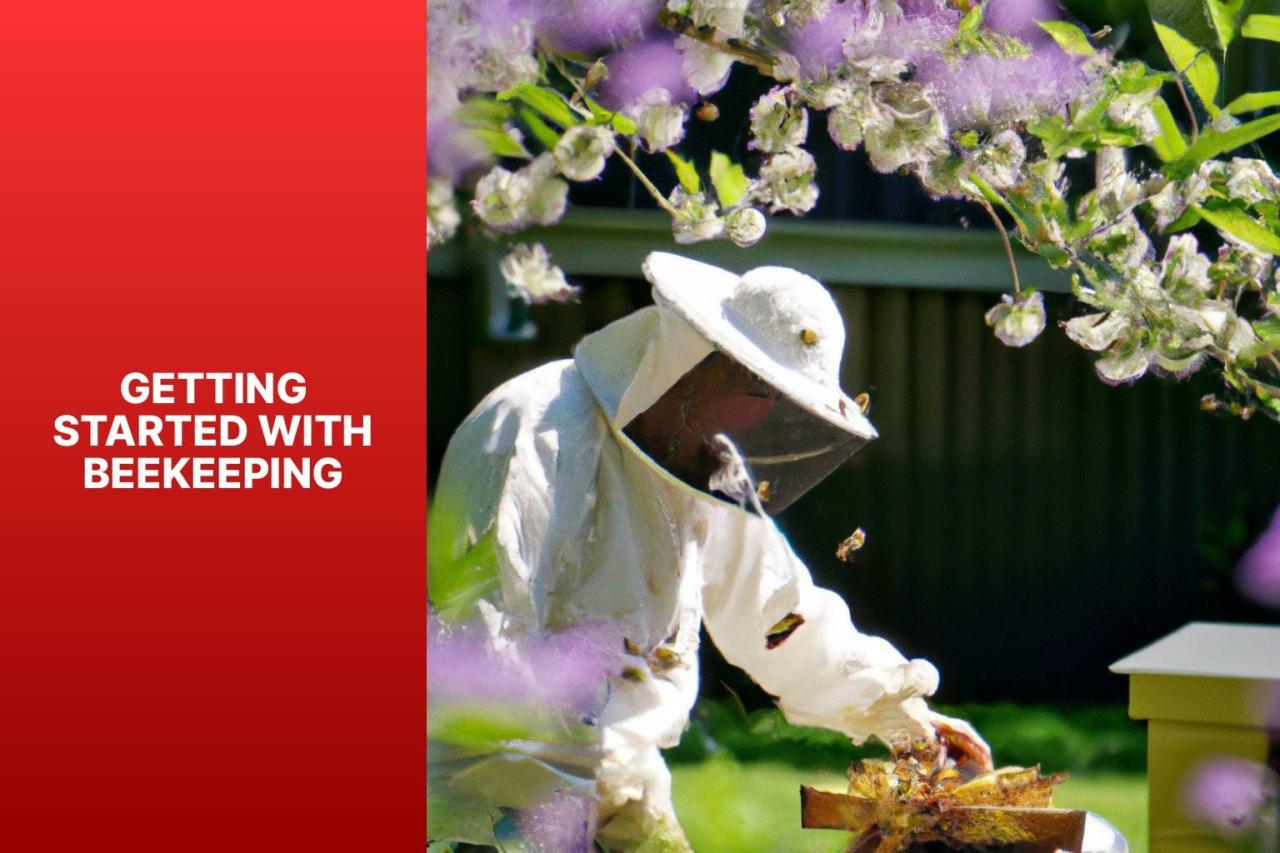
Becoming a certified beekeeper signifies a commitment to responsible and knowledgeable apiculture practices. Certification not only enhances credibility within the beekeeping community but also opens doors to advanced opportunities, such as selling hive products, participating in research, or engaging with regulatory bodies. It serves as an acknowledgment of one’s proficiency in managing bee colonies, understanding hive health, and adhering to safety standards.
Acquiring certification typically involves meeting specific prerequisites, including foundational knowledge of bee biology, hive management, and health regulations. Candidates often need to demonstrate practical experience, pass written examinations, and sometimes complete hands-on assessments. The certification process varies across programs but generally aims to ensure that beekeepers possess the essential skills and understanding necessary for sustainable and ethical beekeeping.
Certification Program Types and Comparison
Various certification programs exist at national and local levels, each with unique requirements, focus areas, and recognition. The following table provides a comparative overview of prominent programs available in different regions:
| Program Name | Region | Prerequisites | Assessment Components | Recognition Level | Cost |
|---|---|---|---|---|---|
| National Beekeeping Certification (NBC) | United States | Basic knowledge, practical experience | Written exam, practical evaluation | Nationally recognized | $200 – $400 |
| British Beekeepers Association (BBKA) Certification | United Kingdom | Introduction course completion or equivalent | Theoretical exam, practical assessment | UK-wide recognition | £150 – £300 |
| Canadian Certified Beekeeper Program | Canada | Minimum one year of beekeeping experience | Written test, hive inspection demonstration | National recognition | CAD 250 – CAD 500 |
| Local State Beekeeping Certification | Various US States | Varies by state; often includes beginner courses | Written exam, sometimes practical component | State or regional recognition | Typically under $200 |
While all these programs aim to promote responsible beekeeping, their recognition levels and prerequisites differ. Choosing the appropriate certification depends on the beekeeper’s goals, regional regulations, and available resources.
Steps in the Certification Process
The journey to becoming a certified beekeeper generally follows a series of structured steps designed to ensure comprehensive understanding and practical competence. These steps include:
- Research and Selection of Program: Identifying the most suitable certification program based on regional availability, personal goals, and requirements.
- Educational Preparation: Enrolling in introductory courses, workshops, or online modules to build foundational knowledge about bee biology, hive management, and safety practices.
- Practical Experience: Gaining hands-on experience through apiary work, mentorship, or volunteering with established beekeepers to develop practical skills.
- Application Submission: Completing the necessary forms, providing proof of experience or coursework, and paying applicable fees.
- Examination and Assessment: Participating in written tests and practical evaluations designed to assess theoretical knowledge and applied skills.
- Certification Awarding: Upon successful completion of assessments, receiving official certification that recognizes the individual’s competency and readiness for responsible beekeeping.
Many programs also recommend ongoing education and renewal processes to stay updated with best practices, emerging research, and evolving regulations. Achieving certification is not merely a one-time event but an ongoing commitment to excellence in beekeeping.
Educational Requirements and Training Programs
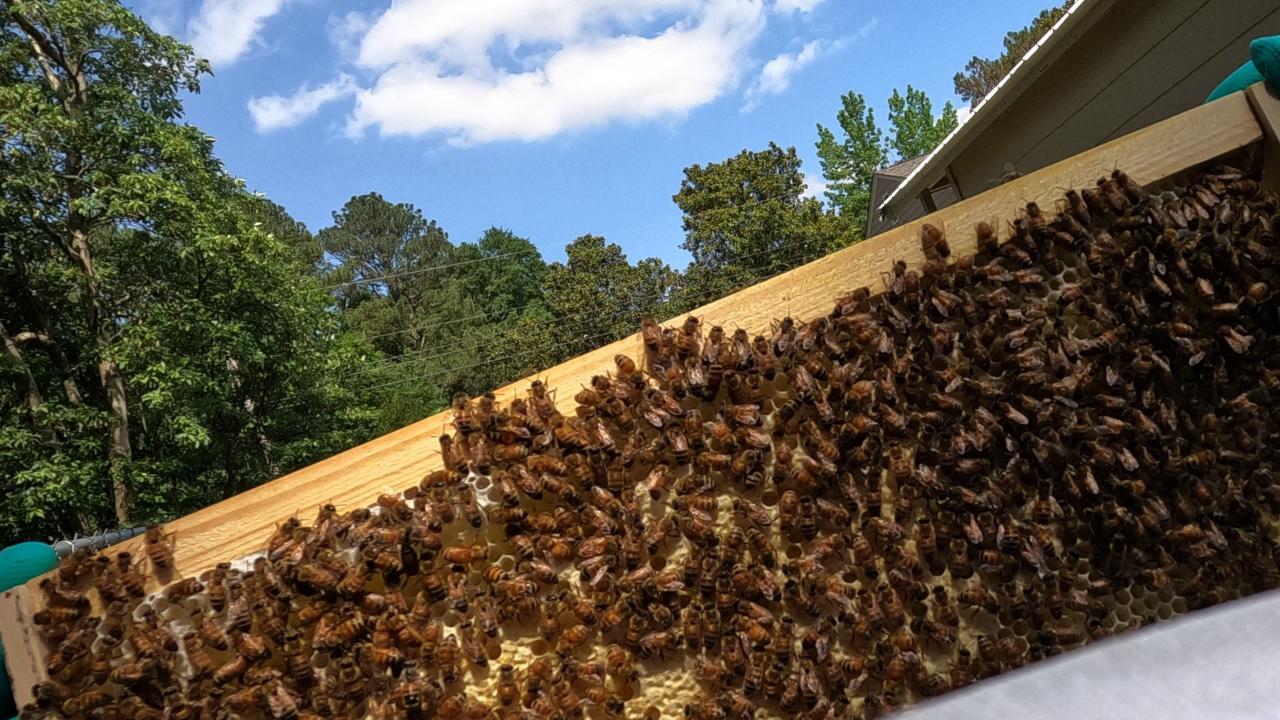
Becoming a certified beekeeper involves acquiring comprehensive knowledge and practical skills through structured educational programs. These courses are designed to equip aspiring beekeepers with the essential theoretical understanding and hands-on experience needed to manage honeybee colonies responsibly and effectively. Whether pursuing formal certification or seeking to deepen personal knowledge, selecting the right training program is a critical step in the journey towards becoming a proficient beekeeper.
Training programs for beekeeping vary in scope, format, and accreditation standards. They often encompass both classroom instruction and practical workshops, ensuring that participants gain a balanced understanding of bee biology, hive management, disease control, and safety practices. These programs are offered by a range of institutions, including agricultural universities, beekeeping associations, online platforms, and local workshops. Choosing an accredited and reputable course enhances credibility and provides access to valuable resources, mentorship, and community support.
Courses and Training Programs
Below is a detailed overview of typical beekeeping courses, highlighting their features to help prospective beekeepers make informed decisions about their education pathway.
| Institution/Platform | Course Features | Duration | Cost | Accreditation Status |
|---|---|---|---|---|
| University of California Cooperative Extension (UCCE) | Comprehensive classroom and apiary sessions covering bee biology, hive management, pest control, and honey harvesting | 6 weekends (3 months total) | $300-$500 | Accredited by UC System, recognized locally |
| American Beekeeping Federation (ABF) Workshops | Practical hive management, disease diagnostics, and safety protocols | Weekend workshops, 1-2 days each | $100-$250 per workshop | Recognition by ABF, industry-standard |
| Online Beekeeping Courses (e.g., The Honeybee Conservancy, Coursera) | Modules on bee biology, hive setup, seasonal management, pest control, and legal considerations | Self-paced, typically 4-8 weeks | $50-$200 | Varies; many are non-accredited but provide certification of completion |
| Local Cooperative Extension Workshops | Hands-on hive inspections, queen rearing, and troubleshooting | Weekend or weekday sessions, 1-3 days | Usually free or nominal fee | Non-accredited but highly practical |
| Apicultural Institutes (e.g., Kentucky State University) | Intensive courses including advanced hive technologies, research methods, and disease management | Several weeks, up to 8 weeks | $600-$1,200 | Accredited, often recognized for industry certification |
Most courses cover a blend of theoretical knowledge and practical skills essential for effective hive management. Theoretical components often include bee anatomy, lifecycle, and behavior, while practical skills focus on hive inspection, honey extraction, pest and disease control, and winterization strategies. Successful completion of these courses encourages confidence and competence, laying a solid foundation for certification and effective beekeeping practice.
Practical Beekeeping Experience
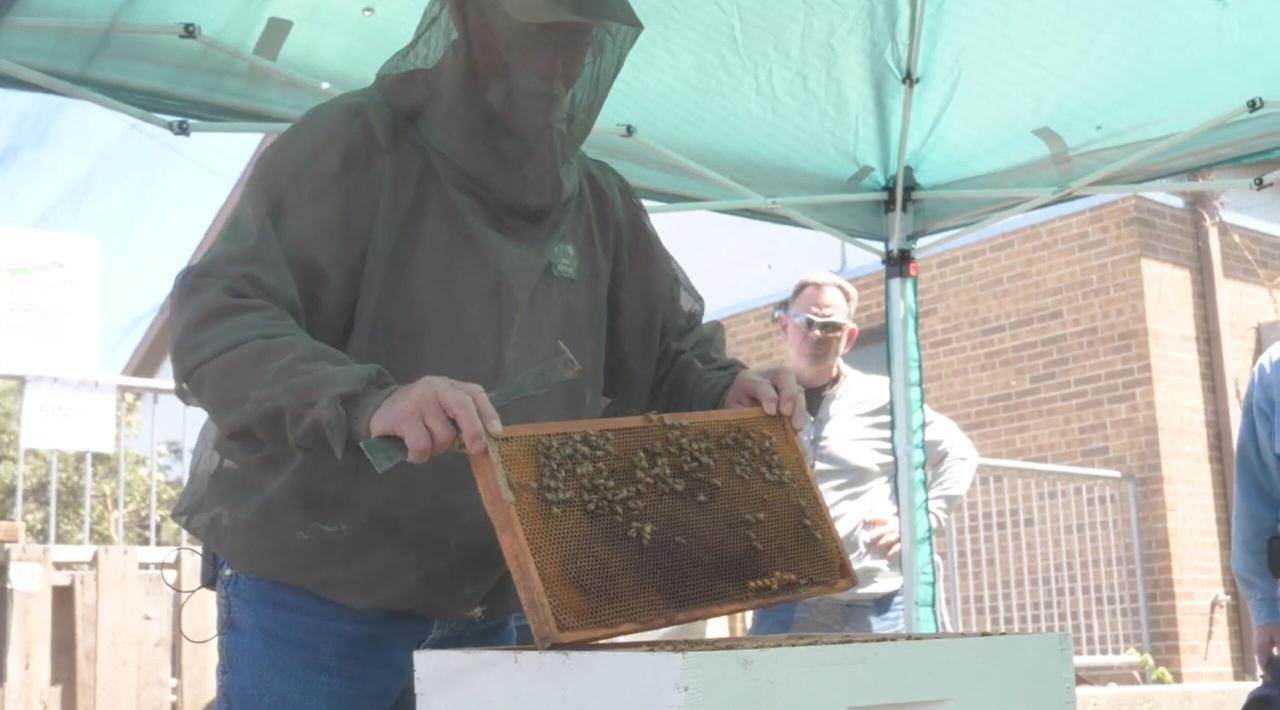
Gaining practical experience is a vital component in becoming a certified beekeeper. It allows aspiring beekeepers to develop essential skills in hive management, colony health maintenance, and honey harvesting, ensuring they are well-prepared to run successful beekeeping operations. Hands-on practice not only reinforces theoretical knowledge but also builds confidence and competence in managing real-world apiary scenarios.
This section provides a comprehensive guide on how to acquire practical beekeeping experience effectively, including setting up a beginner hive, maintaining healthy colonies, harvesting honey, and documenting activities to meet certification standards.
Setting Up a Beginner Hive
Establishing a suitable hive is the foundational step for gaining practical experience. Proper setup ensures the health and productivity of the bee colonies, providing a safe environment for bees to thrive while allowing the beekeeper to learn essential management techniques.
- Equipment Needed: A basic beginner hive typically includes a hive stand, hive body (brood box), honey supers, frames with foundation, an entrance reducer, a smoker, a hive tool, and protective gear such as a veil, gloves, and suit. These tools facilitate hive inspection and maintenance while ensuring safety.
- Choosing the Location: Select a site with good sunlight, shelter from strong winds, and proximity to flowering plants. Accessibility for regular inspections is also important.
- Installing the Bees: Purchase packaged bees or a nucleus colony from a reputable supplier. Carefully install the bees and queen into the hive following supplier instructions, ensuring proper placement of frames and adequate ventilation.
Maintaining Healthy Colonies and Hive Management
Ongoing maintenance is crucial for the health and productivity of bee colonies. It involves regular inspections, disease prevention, pest control, and ensuring adequate forage and water sources. Effective hive management promotes strong, disease-free colonies capable of producing honey and sustaining the beekeeper’s operations.
Key practices include:
- Inspecting hives every 7-10 days during active seasons to monitor bee activity, brood development, and signs of pests or diseases such as Varroa mites or American foulbrood.
- Replacing damaged or old combs and ensuring adequate ventilation to prevent moisture buildup and hive congestion.
- Managing pests through integrated pest management strategies, including drone comb removal, mite treatments, and maintaining hive cleanliness.
- Providing supplemental feeding, such as sugar syrup or pollen substitutes, during nectar dearths to support colony health.
Honey Harvesting and Record Documentation
Harvesting honey and maintaining thorough records are integral parts of practical beekeeping that contribute to certification requirements. Proper techniques ensure the quality of honey and the health of the colony, while detailed documentation demonstrates competence and adherence to best practices.
- Honey Harvesting Procedures: Use a bee brush or fume board to gently remove bees from honey frames. Remove the honey-filled frames carefully, avoiding damage. Extract honey using a centrifugal extractor, filter, and store in sanitized containers. Ensure that honey is harvested at the correct moisture content, typically below 18%, for quality preservation.
- Maintaining Records: Keep detailed logs of hive inspections, treatments administered, honey yields, and colony behavior observations. These records should include dates, actions taken, and any issues encountered, providing valuable data for ongoing management and certification review.
- Documentation Methods: Use digital apps or traditional notebooks to record activities. Photographic documentation of hive conditions, disease symptoms, and harvests can also be valuable. Proper record-keeping demonstrates a systematic approach and professional competence, essential for certification processes.
Certification Exam and Assessment
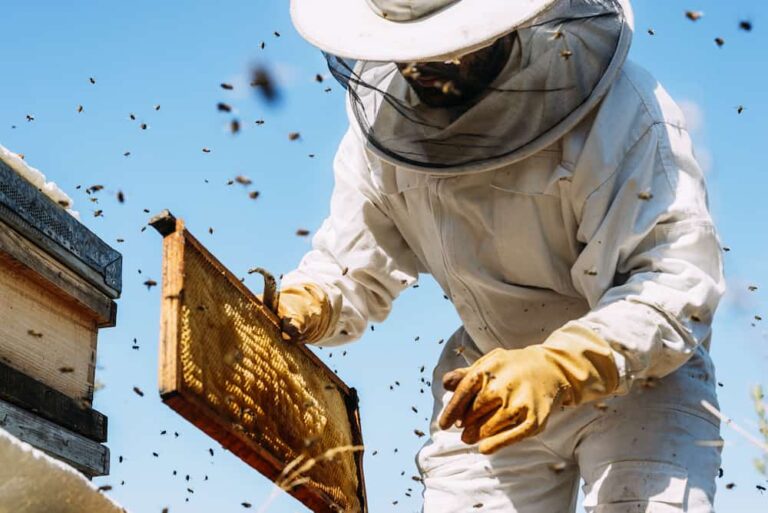
Achieving certification as a beekeeper involves successfully completing a comprehensive exam that evaluates both theoretical knowledge and practical skills. This assessment ensures that candidates possess the necessary expertise to manage bee colonies responsibly, safely, and effectively. The exam serves as a critical step in affirming one’s readiness to uphold industry standards and promote sustainable beekeeping practices.
The certification process typically includes a structured registration and preparation phase, followed by rigorous evaluation components. Understanding the format and content of the exam helps candidates to prepare thoroughly and confidently demonstrate their competence in various aspects of beekeeping. The exam not only tests theoretical understanding but also assesses practical capabilities essential for successful beekeeping.
Structure and Content of the Certification Exam
The certification exam generally comprises two main components: a written theoretical assessment and a practical evaluation. The theoretical portion aims to gauge the candidate’s knowledge of bee biology, hive management, disease control, safety procedures, and environmental considerations. The practical assessment evaluates hands-on skills such as hive inspection, honey extraction, pest management, and emergency response techniques.
The exam structure may vary depending on the certifying organization but typically includes multiple-choice questions, short answer sections, and practical demonstrations. Candidates may be required to identify bee diseases, assemble and inspect hive components, and demonstrate safe handling of bees and equipment. The evaluation criteria emphasize accuracy, safety awareness, and adherence to best practices.
Registration and Preparation Procedures
Registering for the certification exam involves submitting an application through the certifying body, often accompanied by proof of completed training programs and practical experience. Candidates should review specific eligibility requirements, which may include minimum hours of practical work and educational coursework. Early registration ensures adequate time for preparation and access to preparatory resources.
Preparing for the exam involves reviewing educational materials, participating in mock assessments, and gaining hands-on experience under supervision. Many organizations offer preparatory workshops, study guides, and practice tests that simulate exam conditions. Consistent study and practical exercises increase confidence and proficiency across all evaluated domains.
Topics Covered in Theoretical and Practical Evaluations
The exam assesses a broad spectrum of topics essential to competent beekeeping. Theoretical topics include bee biology, hive construction, seasonal management, disease identification and treatment, pollination ecology, and legal regulations. Practical evaluations focus on skills such as hive inspection, disease diagnosis, honey harvesting, pest control, and emergency procedures.
It is important for candidates to demonstrate an understanding of integrated pest management strategies, the use of protective gear, and environmental considerations when handling bees. The practical component emphasizes proficiency in safe hive handling, accurate monitoring, and responsive intervention to common issues like varroa mite infestation or hive absconding.
Sample Exam Content and Evaluation Criteria
Sample Multiple-Choice Question:
Which of the following is the primary function of propolis within a beehive?
- A) To serve as a food source for bees
- B) To reinforce hive structure and seal gaps
- C) To attract mates during the breeding season
- D) To provide insulation against cold temperatures
Correct Answer: B) To reinforce hive structure and seal gaps
Practical Evaluation Criteria:
- Correct identification and diagnosis of common bee diseases such as American Foulbrood and Varroa mite infestation
- Proper use of protective equipment and safe handling techniques during hive inspection
- Accurate measurement of hive parameters such as honey yield, brood pattern, and hive weight
- Effective application of pest management treatments according to best practices
Successful candidates are evaluated based on accuracy, safety awareness, and their ability to apply knowledge practically. Achieving a passing score indicates a comprehensive understanding of beekeeping fundamentals and readiness to manage colonies effectively and responsibly.
Additional Resources and Support
Embarking on the journey to become a certified beekeeper benefits greatly from access to comprehensive resources, active communities, and mentorship opportunities. These supports help aspiring beekeepers stay informed, connected, and guided through the complexities of beekeeping practices and certification requirements. Leveraging the right organizations and learning platforms can significantly enhance knowledge, confidence, and skill development in this rewarding field.
Utilizing a variety of support avenues ensures continuous learning and adapts to evolving industry standards. Engaging with established associations, online forums, and expert networks provides valuable insights, updates on best practices, and practical advice. Additionally, mentorship and apprenticeship opportunities offer hands-on experience, fostering confidence and competence in managing bee colonies effectively.
Organizations, Associations, and Online Communities
Joining reputable organizations and online communities creates a vital support network for aspiring beekeepers. These groups offer educational resources, industry updates, and platforms for discussion and problem-solving. Members often gain access to workshops, webinars, and local events that deepen practical knowledge and foster peer connections.
- The American Beekeeping Federation (ABF): A national organization providing resources, advocacy, and certification support for beekeepers across the United States.
- British Beekeepers Association (BBKA): Offers training programs, publications, and a vibrant community for beekeepers in the UK.
- BeeSource: An online forum where beekeepers worldwide share experiences, ask questions, and exchange knowledge.
- Local Beekeeping Clubs and Societies: Regional groups that facilitate in-person meetings, mentorship, and hands-on workshops tailored to local climate and flora.
Participating in these organizations and communities helps aspiring beekeepers stay connected, motivated, and informed about the latest industry standards and innovations.
Methods to Stay Updated on Certification Standards and Industry Best Practices
Staying current with certification standards and evolving beekeeping practices is crucial for maintaining expertise and compliance. Regularly consulting authoritative sources ensures that beekeepers adhere to best practices and industry regulations.
- Subscribe to newsletters and publications from recognized organizations such as the ABF or BBKA, which regularly publish updates on standards, research, and best practices.
- Attend industry conferences, workshops, and seminars that focus on certification requirements and contemporary beekeeping techniques. These events often feature presentations from industry experts and certification bodies.
- Participate in online courses and webinars offered by reputable institutions, which provide up-to-date training modules aligned with certification standards.
- Engage with industry forums and social media groups dedicated to beekeeping, where practitioners share recent developments, legislative changes, and innovative practices.
Maintaining an active learning approach ensures that beekeepers remain compliant with certification requirements and incorporate cutting-edge techniques to promote healthy and productive colonies.
Recommended Reading Materials, Manuals, and Reference Guides
Access to well-regarded literature and practical manuals enhances knowledge and provides a reliable reference throughout the beekeeping journey. The following table lists essential reading materials that cover fundamental to advanced topics in beekeeping:
| Title | Author/Publisher | Description |
|---|---|---|
| The Beekeeper’s Bible | Richard A. Jones and Sharon Sweeney-Lynch | A comprehensive guide combining history, biology, and practical beekeeping techniques, suitable for beginners and experienced beekeepers alike. |
| Beekeeping For Dummies | Howland Blackiston | An accessible manual that covers all aspects of beekeeping, including hive management, bee health, and equipment. |
| The Hive and the Honey Bee | Jay W. Evans | A detailed textbook focusing on bee biology, hive management, and the science behind effective beekeeping practices. |
| Natural Beekeeping | Ross Conrad | Emphasizes sustainable and chemical-free beekeeping methods, ideal for those interested in organic practices. |
| National Bee Manual | British Beekeepers Association | A practical manual offering step-by-step guidance aligned with UK certification standards, used widely by beekeeping trainers. |
These resources serve as foundational tools for learning, reference, and ongoing education, supporting the development of a competent and knowledgeable beekeeper.
Mentorship and Apprenticeship Opportunities
Gaining practical experience through mentorship and apprenticeship programs accelerates the learning process and builds confidence in managing bee colonies. Connecting with experienced beekeepers provides insights that are often not available through manuals alone.
- Reach out to local beekeeping clubs and societies, which typically facilitate mentorship arrangements where seasoned beekeepers guide novices through hands-on activities.
- Participate in apiary visits or volunteer at community apiaries, offering opportunities to learn directly from experienced practitioners.
- Engage with online mentorship programs coordinated by national organizations, which often match beginners with certified beekeepers based on location and interests.
- Attend apprenticeship programs offered by commercial apiaries or educational institutions that provide structured training and supervised hive management.
Developing a relationship with a mentor or participating in an apprenticeship enhances practical skills, provides real-world insight, and fosters confidence essential for certification and independent beekeeping success.
Closing Summary
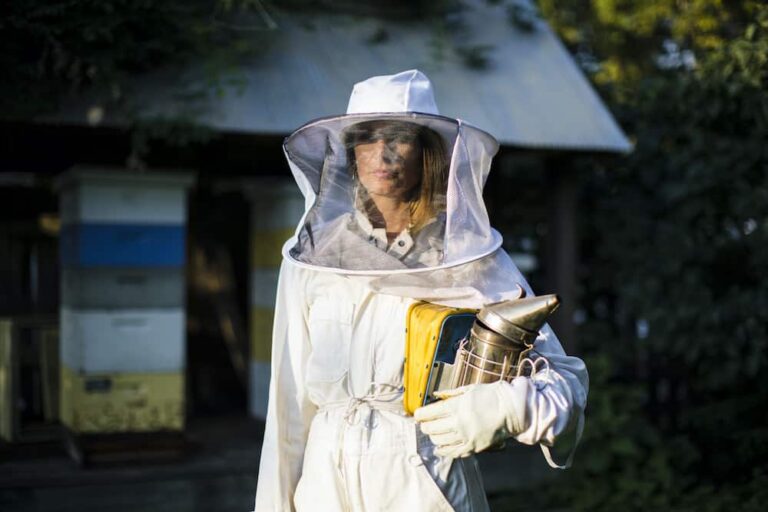
In conclusion, becoming a certified beekeeper involves a structured blend of education, practical experience, and assessment, all designed to ensure competence and dedication in apiculture. By leveraging available resources, engaging with industry organizations, and continuously enhancing your skills, you can confidently advance in your beekeeping career. This certification not only signifies your expertise but also contributes positively to sustainable beekeeping practices and environmental health.