Learning how to teach beekeeping opens the door to inspiring a new generation of passionate apiarists and conservationists. Whether instructing beginners or seasoned enthusiasts, effective education requires a thoughtful blend of foundational principles, engaging methodologies, and practical demonstrations. By harnessing innovative teaching techniques and tailored resources, educators can foster a deep understanding of bee biology, hive management, and sustainable practices.
This guide provides a comprehensive overview of designing impactful beekeeping courses, integrating hands-on training, educational materials, and assessment strategies. Emphasizing safety, ethics, and active participation, it aims to equip instructors with the tools necessary to cultivate knowledgeable and responsible beekeepers, ensuring the continued vitality of these vital pollinators.
Overview of Beekeeping Education

Effective beekeeping education forms the foundation for cultivating skilled apiarists who can responsibly manage bee colonies, promote hive health, and contribute to ecological sustainability. Whether addressing beginners or advanced learners, a strategic approach to teaching ensures that each participant gains practical knowledge alongside theoretical understanding. Developing a comprehensive curriculum involves careful planning, content organization, and the integration of diverse teaching methods to accommodate various learning preferences.
By exploring the core principles of beekeeping instruction and implementing structured development strategies, educators can foster confidence and competence in their students. Engaging learning environments that combine hands-on activities with scientific explanations enable learners to grasp complex concepts and apply them effectively in real-world contexts.
Fundamental Principles of Teaching Beekeeping
Teaching beekeeping requires a balance between technical knowledge, practical skills, and ecological awareness. The fundamental principles include:
- Progressive Learning: Introducing concepts gradually, starting with basic hive management before advancing to complex topics like disease treatment or queen rearing.
- Hands-On Experience: Ensuring learners gain direct practical exposure through hive inspections, manipulations, and maintenance activities.
- Science-Based Approach: Incorporating biology, entomology, and environmental science to deepen understanding of bee behavior and hive ecology.
- Safety and Responsibility: Emphasizing protective gear, safe handling practices, and ethical treatment of bees.
- Adaptability: Customizing instruction to suit different learning styles and local environmental conditions.
Developing a Comprehensive Beekeeping Curriculum
Creating an effective curriculum involves a systematic process that ensures all essential topics are covered while maintaining learner engagement. The following step-by-step guide Artikels this process:
- Define Learning Objectives: Establish clear, measurable goals for each course level, such as understanding hive components or performing mite inspections.
- Assess Audience Needs: Determine the prior knowledge, skill levels, and interests of your target learners to tailor content appropriately.
- Structure Content Modules: Organize topics into logical modules, starting from introductory concepts and progressing toward advanced techniques. Typical modules include hive management, bee biology, disease control, honey harvesting, and environmental impact.
- Incorporate Practical Components: Integrate demonstrations, field visits, and hands-on activities within each module to reinforce theoretical knowledge with real-world practice.
- Create Supporting Materials: Develop visual aids, manuals, videos, and quizzes to enhance understanding and retention.
- Implement Assessment Strategies: Use practical assessments, written tests, and peer evaluations to monitor progress and adjust teaching methods accordingly.
- Schedule Flexibly: Allow for seasonal considerations and local apiary conditions, ensuring learners can participate in timely practical activities.
- Gather Feedback: Regularly solicit input from participants to refine curriculum content, delivery methods, and resource materials.
Engaging Different Learning Styles in Beekeeping Classes
Recognizing the diversity in learning preferences is crucial for effective instruction. Beekeeping education should incorporate methods that cater to visual, auditory, kinesthetic, and reading/writing learners to maximize engagement and retention.
Visual learners benefit from diagrams, videos, and live demonstrations that illustrate hive structures, bee behavior, and equipment setup. Auditory learners engage best through discussions, lectures, and audio recordings that explain complex concepts and share experiences. Kinesthetic learners require hands-on activities, such as hive inspections, manipulations, and equipment handling, to develop practical skills. Reading/writing learners prefer detailed manuals, articles, and note-taking opportunities that deepen understanding through written material.
To optimize learning outcomes, integrate a combination of visual aids, interactive sessions, practical exercises, and written resources, ensuring that each learning style is addressed comprehensively.
Utilizing diverse teaching tools, such as group projects, field trips to apiaries, multimedia presentations, and reflective journaling, creates a dynamic learning environment that supports all students. Regular feedback and adaptation of teaching strategies ensure that learners remain motivated and effectively develop their beekeeping competencies.
Designing a Beekeeping Course or Workshop

Creating an effective beekeeping course involves careful planning and structuring to ensure learners acquire practical skills and theoretical knowledge progressively. The goal is to build confidence in beginners, equipping them with the foundational understanding necessary to manage hives responsibly and sustainably. A well-designed course balances classroom learning with hands-on experiences, fostering engagement and retention.
Strategic course design encompasses identifying essential topics, sequencing lessons logically, and developing supporting materials that cater to diverse learning styles. The inclusion of visual aids such as diagrams, charts, and lifecycle illustrations enhances comprehension, particularly for complex concepts like hive components and bee development stages. This structured approach ensures a comprehensive learning pathway that guides novices from basic bee biology to hive management practices effectively.
Structuring a Beginner Beekeeping Course
The developmental framework of a beginner beekeeping course should follow a logical progression, starting from fundamental concepts and gradually advancing to more technical aspects. This structure facilitates comprehension and skill acquisition, ensuring learners are well-prepared to handle real-world beekeeping tasks upon course completion.
- Introduction to Beekeeping Principles: Basic understanding of what beekeeping entails, including its importance for pollination and honey production.
- Bee Biology and Lifecycle: Insights into bee anatomy, roles within the hive, and the natural development cycle of bees.
- Hive Components and Equipment: Overview of hive parts, tools, and protective gear necessary for safe and effective management.
- Hive Management and Maintenance: Techniques for inspecting hives, managing pests, feeding bees, and ensuring colony health.
- Seasonal Management Practices: Adjustments and activities appropriate for different times of the year to optimize hive productivity.
- Harvesting and Processing: Methods for honey extraction, wax collection, and other hive products, along with sustainable practices.
Each session in the course should incorporate both theoretical knowledge and practical exercises to reinforce learning. The sequencing allows learners to build upon prior knowledge, ensuring foundational concepts support the understanding of more complex management practices.
Developing a Detailed Lesson Plan with Learning Objectives
Constructing a lesson plan involves defining specific learning objectives for each session, enabling instructors to evaluate progress and learners’ grasp of material effectively. Clear objectives guide content delivery and ensure that each lesson contributes meaningfully to the overall course goals.
- Session: Introduction to Beekeeping
Learning Objectives:
- Describe the significance of beekeeping in agriculture and ecosystem services.
- Identify the basic equipment and safety gear used in beekeeping.
- Explain the ethical considerations and responsibilities associated with hive management.
- Session: Bee Anatomy and Lifecycle
Learning Objectives:
- Illustrate the anatomy of a honey bee and its functions.
- Artikel the different roles within a hive, including queen, worker, and drone bees.
- Detail the stages of bee development from egg to adult.
- Session: Hive Components and Equipment
Learning Objectives:
- Identify and describe the main parts of a beehive, including frames, foundation, and entrance.
- Demonstrate how to set up and inspect hive equipment effectively.
- List safety precautions when working with hive components.
- Session: Hive Inspection and Disease Management
Learning Objectives:
- Perform routine hive inspections to assess colony health.
- Recognize signs of common hive pests and diseases.
- Apply appropriate treatments and management strategies for hive health.
- Session: Harvesting Honey and Hive Products
Learning Objectives:
- Detail the steps involved in honey extraction and processing.
- Explain the importance of sustainable harvesting practices.
- Discuss methods for wax recovery and other hive products processing.
Each lesson’s objectives should be accompanied by practical activities, such as hive inspections, equipment assembly, or hive health assessments, to translate knowledge into hands-on skills.
Creating Visual Aids and Learning Materials
Effective visual aids are essential for conveying complex information like hive structure and bee lifecycle stages. They enhance understanding, retention, and engagement among learners.
| Hive Components | Description | Illustration Details |
|---|---|---|
| Outer Cover | Protects the hive from weather and maintains internal temperature. | Shingled roof with drainage slope, usually made of wood or plastic, sitting atop the hive body. |
| Hive Body (Super) | The main space where bees build comb and store honey. | Rectangular box with removable frames inside, typically made of wood or plastic. |
| Frames | Structures within the hive body that support comb building. | Wooden or plastic frames with a foundation sheet, designed to be removable for inspection and honey harvest. |
| Foundation | Wax or plastic sheet that guides bees in comb construction. | Thin sheet with hexagonal pattern, providing a foundation for bees to build comb upon. |
| Inner Cover | Provides ventilation and access for inspections. | Flat or slightly domed board with entrance holes, placed beneath the outer cover. |
| Bottom Board | Supports the hive and facilitates cleaning and ventilation. | Rectangular base with a screened or solid bottom to allow debris to fall out. |
Lifecycle diagrams can visually depict stages such as egg, larva, pupa, and adult, illustrating the timing and progression of bee development. Clear labeling and color coding enhance the diagram’s educational value, helping learners visualize the complex process of bee growth and hive dynamics.
Visual aids should be simple, accurate, and visually engaging to maximize their educational impact and accommodate diverse learning preferences.
Practical Demonstrations and Hands-On Training
Engaging learners through practical demonstrations and hands-on training is essential in beekeeping education. These methods allow participants to develop real-world skills, build confidence, and understand the intricacies of hive management. Structured, supervised activities ensure safety while fostering experiential learning, which is invaluable in mastering beekeeping techniques effectively.
Implementing practical training involves careful planning and adherence to safety protocols. Demonstrations should simulate real hive conditions and procedures, enabling learners to observe and practice essential tasks such as hive inspection, pest management, and honey harvesting. Providing clear, step-by-step guidance during these activities enhances comprehension and retention, making practical training a cornerstone of comprehensive beekeeping education.
Setting Up a Beekeeping Demonstration Hive
Establishing a demonstration hive involves selecting an appropriate location, assembling the hive components correctly, and preparing the environment to mimic typical apiary conditions. The demonstration hive should be accessible for learners to observe and participate without disturbance, with safety barriers or screens in place to prevent accidental contact with bees.
- Choose a suitable site: Select a calm, sheltered area with good sunlight and airflow, away from heavy foot traffic.
- Assemble hive components: Ensure the hive includes frames, foundation, brood boxes, honey supers, and ventilation equipment, arranged in correct order.
- Introduce bees: Use a nuc or packaged bees to populate the hive, monitoring initial acclimatization.
- Install observation windows: Incorporate transparent panels or observation screens to allow learners to view internal activities safely.
- Set up safety measures: Equip the area with protective gear stations, signage, and emergency procedures.
Teaching Hive Inspection Techniques Safely and Effectively
Hive inspection is fundamental in beekeeping, requiring proper technique and safety measures. Training should emphasize gentle handling, recognition of hive health indicators, and adherence to protective protocols to prevent stings and hive disturbance, which could stress the bees.
- Preparation: Wear appropriate protective clothing, including veil, gloves, and suit. Prepare tools such as hive tools, smoker, and bee brush.
- Approach the hive calmly: Move slowly to avoid frightening the bees and use smoke to calm the colony before opening.
- Remove and inspect frames: Carefully lift frames, supporting their weight, and examine the brood, honey stores, and bee activity.
- Assess hive condition: Look for signs of disease, pests, or queen presence, and record observations for future reference.
- Close the hive: Return frames gently, ensure no gaps or damage, and reapply the lid securely.
Teaching these techniques involves demonstration, practice, and feedback, enabling learners to build confidence and competence in hive management.
Step-by-Step Guides for Hive Harvesting, Pest Management, and Hive Maintenance
Structured guides with visual aids facilitate understanding of key beekeeping activities such as honey harvesting, pest control, and hive upkeep. These processes are crucial for maintaining healthy colonies and maximizing honey production.
Hive Harvesting
| Step | Description |
|---|---|
| 1. Prepare Equipment | Gather honey extractors, knives, strainers, and containers. Wear protective clothing to prevent stings. |
| 2. Select Frames for Harvesting | Identify fully capped honey frames that indicate readiness for extraction. |
| 3. Remove Frames | Carefully lift frames from the hive using hive tools, supporting their weight to avoid damaging combs. |
| 4. Extract Honey | Place frames in the extractor, spin to release honey, and filter to remove wax and debris. |
| 5. Store Honey | Pour honey into sterilized containers, label, and store in a cool, dry place. |
Pest Management
| Step | Description |
|---|---|
| 1. Identify Pests | Regularly inspect colonies for Varroa mites, wax moths, small hive beetles, and other pests. |
| 2. Use Monitoring Tools | Employ sticky boards, sugar shakes, or alcohol washes to quantify pest levels. |
| 3. Implement Control Measures | Apply approved treatments such as mite strips, organic acids, or biological controls following manufacturer instructions. |
| 4. Maintain Hygiene | Remove debris, damaged equipment, and practice hive sanitation to reduce pest habitats. |
| 5. Record and Monitor | Keep detailed logs of pest levels and treatments to assess effectiveness over time. |
Hive Maintenance
| Step | Description |
|---|---|
| 1. Regular Inspections | Schedule monthly checks to monitor hive health, brood pattern, and food stores. |
| 2. Replace or Repair Components | Fix damaged boxes, frames, or equipment promptly to prevent pest entry and hive stress. |
| 3. Manage Swarm Cells | During inspections, remove or manage queen cells to control swarming tendencies. |
| 4. Ensure Ventilation and Cleanliness | Keep the hive well-ventilated and free of debris to promote healthy conditions. |
| 5. Prepare for Seasonal Changes | Adjust hive management practices according to seasonal needs, such as feeding or insulation. |
Educational Resources and Materials

Effective beekeeping education relies heavily on a diverse array of resources and materials that cater to different learning styles. Providing learners with access to comprehensive books, engaging videos, and reliable online platforms enriches their understanding and fosters confidence in managing bee colonies. Well-designed instructional materials serve as valuable references that support both theoretical knowledge and practical skills, ensuring a well-rounded educational experience.
Incorporating varied educational resources enhances the learning process by accommodating individual preferences and facilitating continuous reference. Visual aids, interactive content, and clearly organized materials contribute significantly to mastering complex concepts such as bee anatomy and colony behavior, ultimately empowering aspiring beekeepers with the knowledge necessary for successful beekeeping endeavors.
Essential Books, Videos, and Online Resources
To build a solid foundation in beekeeping, educators should curate a list of reputable and comprehensive sources that cover fundamental and advanced topics. These resources should be accessible and regularly updated to reflect current practices and scientific findings.
- Books: Classic texts such as “The Beekeeper’s Bible” by Richard A. Jones and Sharon Sweeney-Lynch offer extensive insights into beekeeping history, biology, and management techniques. “Beekeeping for Dummies” by Howland Blackiston provides straightforward guidance suitable for beginners. “Honey Bee Democracy” by Thomas D. Seeley explores colony decision-making processes.
- Videos: Educational channels like the “University of Montana’s Beekeeping Series” and “The Bee Guru” on YouTube deliver visual demonstrations on hive management, swarm control, and honey extraction. Documentaries like “More Than Honey” deepen understanding of bee behavior and environmental challenges.
- Online Resources: Websites such as the American Beekeeping Federation (abfnet.org) and Bee Informed Partnership (beeinformed.org) provide research articles, best practices, and industry updates. Online forums like Beesource.com enable community interaction and experience sharing among beekeepers worldwide.
Creating Informative Handouts and Digital Content
Effective educational materials should be concise, visually appealing, and easy to navigate, serving as quick reference guides during practical activities or study sessions. Handouts and digital content can be tailored for different audiences, from novice beekeepers to advanced practitioners.
When creating handouts, utilize structured layouts with clear headers, bullet points, and illustrative images to enhance comprehension. Embedding HTML tables allows for organized presentation of complex data such as hive components or seasonal management schedules. For example, a table summarizing the functions of various hive parts can facilitate quick identification and understanding.
Hive Part Function Queen Cell Contains the developing queen larva, essential for colony reproduction Worker Bee Performs foraging, hive cleaning, brood care, and hive defense Brood Frame Houses the developing larvae and pupae; critical for colony growth Supers Additional honey storage units above the brood chamber
Digital content creation should incorporate embedded multimedia elements such as videos and interactive diagrams. Well-designed infographics summarizing colony life cycles or seasonal hive management steps enhance engagement and understanding.
Visual Aids and Charts for Enhanced Learning
Visual aids play a pivotal role in clarifying complex concepts related to bee anatomy and colony dynamics. Accurate and detailed illustrations or diagrams can significantly improve comprehension for visual learners.
- Bee Anatomy Charts: Color-coded diagrams that label key parts such as the thorax, abdomen, wings, and stinger help learners identify and understand bee physiology. Highlighting sensory organs like antennae and compound eyes provides insight into bee behavior and communication.
- Colony Dynamics Charts: Flowcharts depicting the roles of different bee castes, reproductive cycles, and hive activities offer a visual overview of colony organization. Bar graphs illustrating seasonal honey production or colony population changes support data-driven understanding.
- Hive Structure Illustrations: Cross-sectional views of a hive showcase the arrangement of frames, brood areas, honey stores, and ventilation systems. These visuals assist learners in visualizing proper hive setup and management practices.
Using high-quality, detailed visual aids in presentations and training materials ensures complex ideas are more accessible and memorable. Incorporating infographics and interactive diagrams into digital modules can also foster active learning and retention of critical concepts related to beekeeping management and bee biology.
Teaching Techniques and Engagement Strategies
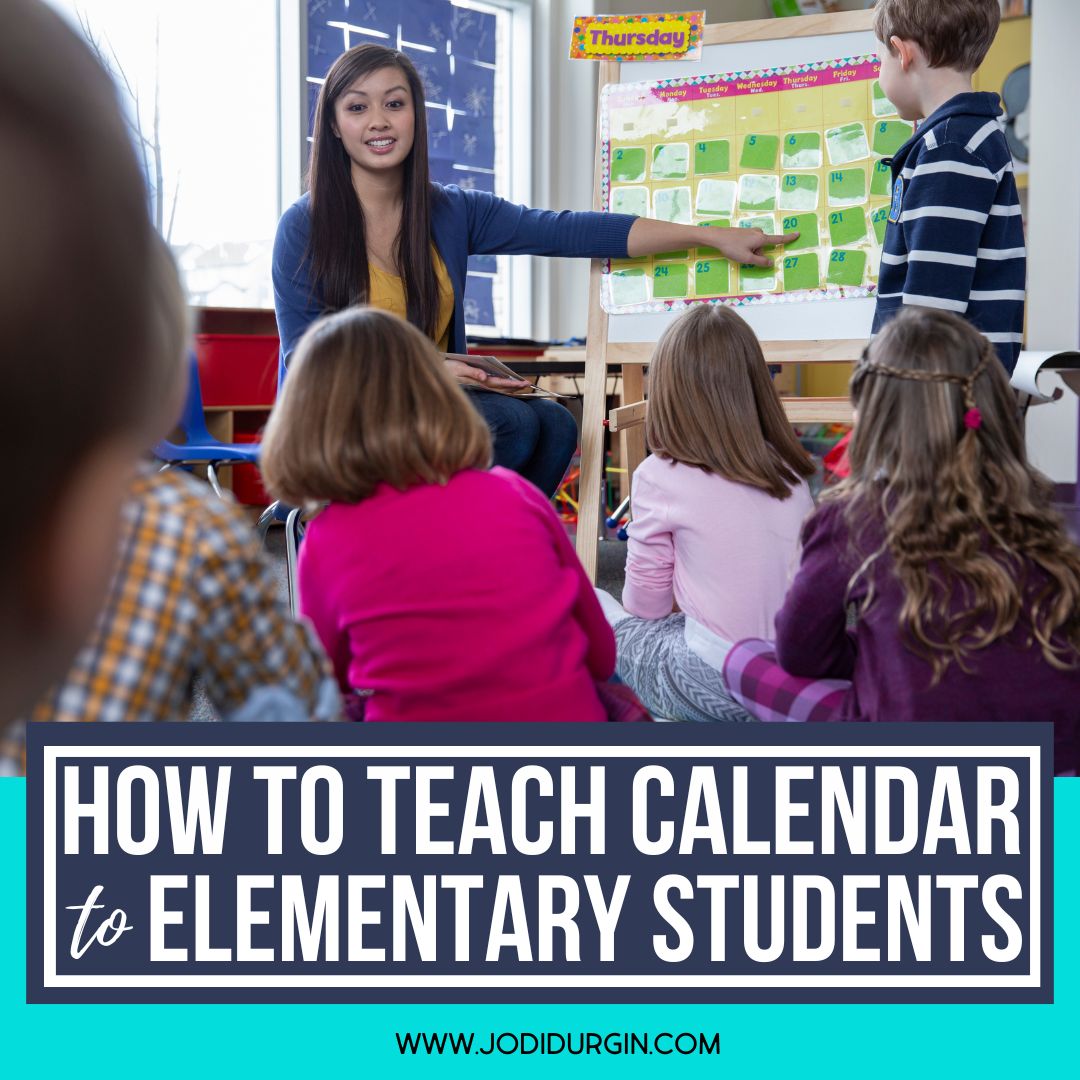
Effective beekeeping education hinges on the ability to foster active participation and maintain learner engagement throughout the instructional process. Employing diverse teaching techniques and innovative engagement strategies ensures that students not only acquire theoretical knowledge but also develop practical skills with confidence. Creating an interactive learning environment encourages curiosity, enhances retention, and prepares students for real-world beekeeping challenges.
Implementing a variety of approaches to stimulate student involvement and address their questions and misconceptions is essential for successful instruction. Structured group activities, scenario-based exercises, and dynamic discussions help solidify understanding and promote collaborative learning. Leveraging these strategies results in a more meaningful and memorable educational experience, equipping aspiring beekeepers with both knowledge and practical competence.
Encouraging Active Participation and Interactive Learning
Active engagement can be fostered through diverse methods designed to involve students directly in the learning process. Hands-on demonstrations, peer-led discussions, and problem-solving exercises create opportunities for learners to apply concepts in real-time. Utilizing technology, such as interactive quizzes or virtual simulations, can also enhance participation, especially in environments with mixed learning preferences.
“Hands-on activities and peer collaboration form the cornerstone of effective beekeeping education, transforming passive listeners into active learners.”
Incorporating reflective questioning and encouraging students to share their experiences or pose questions promotes critical thinking and personalized learning. For example, during hive inspections, instructors might ask students to identify symptoms of common hive diseases or suggest appropriate interventions, prompting active analysis and discussion.
Addressing Common Questions and Misconceptions
Beekeeping students frequently encounter misconceptions related to hive management, bee behavior, and safety procedures. Clarifying these misconceptions requires patience and structured communication. Providing evidence-based explanations and practical demonstrations helps dispel myths and reinforce correct practices.
- Establish an open forum where students feel comfortable voicing uncertainties, ensuring misconceptions are identified and corrected promptly.
- Use visual aids like charts, diagrams, and live demonstrations to illustrate concepts clearly and counteract misunderstandings.
- Share real-life examples or case studies that highlight the consequences of incorrect practices, thereby emphasizing the importance of proper techniques.
Consistently reinforcing accurate information and addressing questions thoroughly fosters a supportive learning environment where misconceptions are openly challenged and corrected.
Organizing Group Activities and Simulations
Structured group activities and scenario-based exercises simulate authentic beekeeping situations, providing experiential learning opportunities that reinforce theoretical knowledge. These activities promote teamwork, critical thinking, and problem-solving skills, essential qualities for effective beekeepers.
| Activity Type | Description | Educational Benefits |
|---|---|---|
| Hive Inspection Simulations | Students perform mock hive inspections, identifying potential issues such as disease signs, hive pests, or structural damages. | Enhances observational skills, decision-making, and understanding of hive dynamics. |
| Disease Diagnosis Role-Play | Groups analyze simulated samples or images of bee diseases, discussing diagnosis and treatment options. | Develops diagnostic reasoning and familiarity with disease management protocols. |
| Resource Management Exercises | Teams plan and allocate resources for a hypothetical season, considering equipment, bee stocks, and environmental factors. | Builds planning skills and understanding of the logistical aspects of beekeeping. |
These activities, when well-structured, provide practical experience in a controlled environment, preparing students for the complexities of real beekeeping operations while fostering collaboration and communication skills.
Assessing and Supporting Learner Progress
Effective assessment and ongoing support are vital components of successful beekeeping education. They ensure that learners not only acquire the necessary knowledge and skills but also develop confidence and competence to manage hives responsibly. By systematically evaluating learner progress, educators can identify areas requiring additional focus, tailor coaching approaches, and foster a positive learning environment that encourages continual improvement.Assessment tools serve as essential mechanisms to measure understanding and practical abilities during and after training sessions.
These tools provide structured ways to gather evidence of learner development, facilitate meaningful feedback, and guide future instruction. Supporting learners through constructive feedback and personalized coaching reinforces their learning journey, builds motivation, and addresses individual challenges effectively.Developing comprehensive checklists and evaluation forms allows educators to track progress over time, document specific competencies, and identify skill gaps. These evaluation instruments should be clear, objective, and adaptable to different training contexts, ensuring they accurately reflect the learner’s capabilities and growth trajectory.
Creating Assessment Tools
Assessment tools in beekeeping training encompass practical skill evaluations, written tests, and observational checklists. These tools should be designed to align with learning objectives, such as hive inspection techniques, honey extraction procedures, or pest management strategies. Practical assessments can involve learners demonstrating hive manipulations, while written assessments test their theoretical understanding of bee biology and hive management principles.Incorporating a variety of assessment formats enhances the accuracy and fairness of evaluations.
For example, a practical skills checklist can be used during hive inspections, noting proficiency in handling bees, identifying hive issues, and implementing safety protocols. Written quizzes or multiple-choice tests evaluate knowledge retention, with questions covering key concepts like pest identification or honey processing.Assessments should be administered periodically, with clear criteria for passing or mastery levels. This ensures learners receive timely feedback and opportunities to improve before progressing to more advanced topics.
Providing Constructive Feedback and Personalized Coaching
Constructive feedback is fundamental to reinforcing learning and encouraging skill refinement. It should be specific, balanced, and oriented towards improvement, emphasizing both strengths and areas for development. Effective feedback involves clear explanations of what was performed well and guidance on how to enhance specific skills or knowledge areas.Personalized coaching involves tailoring instruction to meet individual learner needs, acknowledging their prior experience, learning pace, and unique challenges.
This approach can include one-on-one mentoring, targeted demonstrations, or tailored resource recommendations. For instance, a novice beekeeper struggling with hive inspections might benefit from additional hands-on practice coupled with detailed, step-by-step guidance and visual aids.Encouraging reflective practice is also vital; learners should be prompted to assess their own performance, recognize successes, and identify areas for further improvement. This fosters self-awareness and promotes a proactive attitude toward skill development.
Developing Checklists and Evaluation Forms
Checklists and evaluation forms provide structured documentation of learner progress, enabling consistent tracking across training sessions. Well-designed forms should be straightforward, comprehensive, and adaptable to various competencies. They not only serve as assessment tools but also as communication tools among instructors, learners, and program coordinators.A typical checklist for practical beekeeping skills might include:
- Safely handling hive tools and protective gear
- Performing hive inspections accurately
- Identifying signs of hive health issues
- Managing pests and diseases effectively
- Extracting honey without contamination
- Implementing safety protocols during hive work
Evaluation forms can feature rating scales, such as “Beginner,” “Intermediate,” and “Advanced,” to gauge confidence levels and skill mastery. Additionally, space for qualitative comments helps instructors provide nuanced feedback and suggestions tailored to each learner’s progress.Sample evaluation form table:
| Skill Area | Assessment Criteria | Level Achieved | Comments |
|---|---|---|---|
| Hive Inspection | Identifies hive issues accurately and performs inspections methodically | ||
| Honey Extraction | Uses proper techniques, maintains hygiene, and prevents contamination | ||
| Pest Management | Recognizes pests/diseases and applies appropriate control measures | ||
| Safety Procedures | Adheres to safety protocols during hive handling and transportation |
Regularly updating and reviewing these forms ensures continuous improvement in both teaching methods and learner development, fostering a competent and confident beekeeping community.
Safety and Ethical Considerations in Teaching Beekeeping
Instructing new beekeepers involves not only imparting technical skills but also emphasizing the importance of safety and ethical practices. Ensuring that learners understand and adhere to safety protocols protects both the individual and the hive environment. Simultaneously, fostering an ethical approach to hive management promotes bee conservation and responsible stewardship of these vital pollinators. Integrating these principles into training programs builds a foundation of respect, responsibility, and safety that benefits both beekeepers and bees alike.
Addressing safety and ethics comprehensively within beekeeping education encourages responsible behavior, reduces risk of accidents, and cultivates an understanding of the broader ecological impact of beekeeping activities. This dual focus enhances the professionalism of future beekeepers and supports sustainable practices that contribute to the health of bee populations and their ecosystems.
Safety Protocols and Protective Equipment Demonstrations
Effective safety education begins with demonstrating the proper use of protective gear and establishing standard procedures to prevent injuries. It is critical for new beekeepers to recognize potential hazards and learn how to mitigate them through appropriate equipment and practices.
During training sessions, instructors should conduct hands-on demonstrations of essential protective gear, including:
- Beekeeping suits made of thick, breathable materials that prevent bee stings
- Veil or hood to protect the face and neck from stings
- Gloves designed for durability and dexterity, ensuring grip and sensitivity
- Proper footwear, such as boots that cover the ankles to prevent bee entry
In addition to equipment, learners should be instructed on safe handling techniques, such as:
- Approaching hives calmly and slowly to avoid disturbing the bees
- Using a hive tool carefully to pry apart hive components
- Properly fanning bees away using a smoker to calm their activity
- Maintaining a safe distance during hive inspections to reduce risk of stings or aggressive behavior
Safety is paramount; a well-trained beekeeper minimizes risks through proper equipment and calm, predictable movements around bees.
Ethical Practices for Hive Management and Bee Conservation
Embedding ethical considerations in beekeeping education involves emphasizing responsible hive management, promoting bee welfare, and contributing to ecological sustainability. Ethical beekeeping respects the natural behaviors of bees while ensuring healthy hive conditions and minimizing environmental impacts.
Key ethical practices include:
- Providing adequate space within hives to prevent overcrowding and stress
- Implementing integrated pest management strategies that reduce chemical use and support bee health
- Practicing sustainable harvesting techniques that allow bees to retain sufficient honey and pollen stores
- Ensuring proper hive placement to avoid disturbing neighboring ecosystems or causing nuisance to the public
Instructors should highlight the importance of bee conservation, including:
- Supporting local wild bee populations and native pollinators
- Participating in or promoting habitat restoration projects
- Educating the community about the ecological importance of bees
- Adhering to regulations and guidelines that protect bee health and biodiversity
Responsible beekeeping balances hive productivity with the broader goal of conserving bee populations and protecting ecological integrity.
Guidelines for Fostering Responsible Beekeeping Behavior
Creating a culture of responsibility within beekeeping training involves setting clear behavioral expectations and encouraging ongoing ethical reflection. Responsible behavior not only safeguards the health of individual hives but also contributes to the sustainability of bee populations and community relations.
Training programs should include:
- Emphasizing patience, observation, and respect for bees as living creatures
- Encouraging transparency and honesty in hive management practices
- Promoting continuous learning and adaptation based on new research and best practices
- Fostering a sense of stewardship that extends beyond individual hives to the broader environment
Furthermore, instructors can instill responsible attitudes by:
- Encouraging learners to document their hive management activities and reflect on ethical considerations
- Providing case studies illustrating the consequences of irresponsible practices
- Facilitating discussions on the societal and ecological impacts of beekeeping decisions
- Reinforcing the importance of community engagement and education in promoting sustainable beekeeping
Fostering responsible beekeeping behavior ensures the longevity of healthy colonies and the trust of the community, supporting a sustainable future for apiculture.
End of Discussion
In conclusion, mastering how to teach beekeeping not only enhances learners’ skills but also promotes ethical and sustainable practices within the beekeeping community. By applying structured curricula, engaging techniques, and supportive resources, educators can inspire confidence and foster a lifelong passion for caring for bees. Embracing these methods ensures the growth of well-informed beekeepers committed to preserving our vital ecosystems.