Understanding how to insulate a beehive is essential for ensuring the well-being and productivity of your bee colony. Proper insulation helps maintain a stable internal temperature, protects against harsh weather conditions, and promotes healthy hive development. Implementing effective insulation techniques can significantly enhance honey production and overall hive resilience.
This guide covers the importance of insulation, suitable materials and tools, step-by-step procedures, climate-specific methods, maintenance practices, advantages and disadvantages, and solutions to common challenges, providing comprehensive insights for beekeepers aiming to optimize hive conditions.
Understanding Beehive Insulation
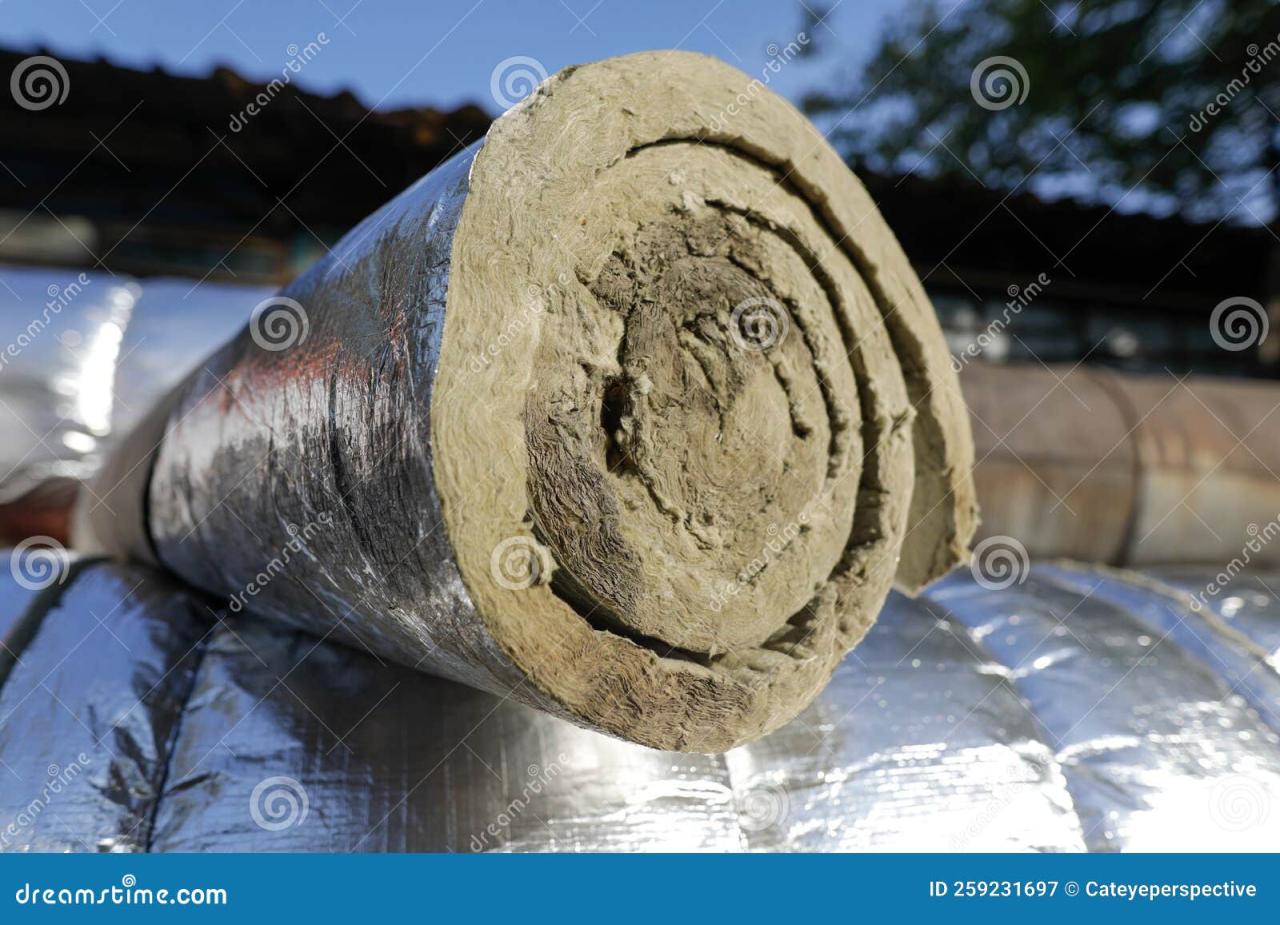
Proper insulation of a beehive plays a crucial role in maintaining optimal internal conditions for the health and productivity of the colony. It helps regulate temperature and humidity, shielding the bees from extreme weather fluctuations that can stress the hive. Effective insulation not only supports brood development but also enhances honey production by creating a stable environment conducive to bee activity throughout the year.
Various materials are used for hive insulation, each with specific properties that influence their effectiveness, durability, and suitability for different beekeeping contexts. The choice of insulation material can significantly impact the overall success of the hive management, especially in regions with harsh climates or seasonal temperature variations.
Materials Suitable for Hive Insulation
Selecting the appropriate insulation material is essential for ensuring durability, thermal efficiency, and compatibility with hive maintenance routines. Here are some of the most common options:
| Material | Properties | Advantages | Disadvantages |
|---|---|---|---|
| Polyurethane Foam | High thermal resistance, lightweight, moisture-resistant | Excellent insulation, easy to install, long-lasting | Potential chemical off-gassing, higher cost |
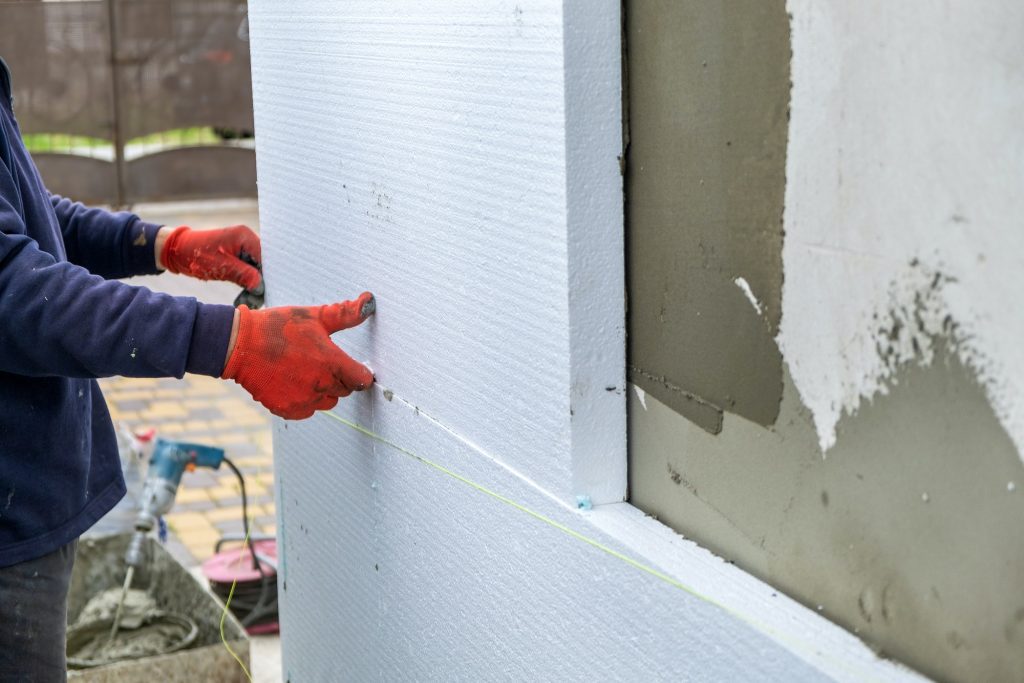
| Polystyrene (Styrofoam) | Good insulator, moisture-resistant, inexpensive | Cost-effective, easy to cut and shape, durable | Less environmentally friendly, can be brittle over time |
| Wool (Sheep’s Wool or Rock Wool) | Natural insulator, moisture-absorbing, breathable | Sustainable, excellent at regulating humidity, biodegradable | Can retain moisture if not properly maintained, less resistant to pests |
| Straw or Hay | Natural, insulating, biodegradable | Affordable, readily available, good thermal properties | Potential for mold, pests, and decay if not properly stored |
| Reflective Foil | Reflects heat, lightweight, moisture-resistant | Reduces heat gain or loss by radiation, easy to install | Less effective alone; often combined with other materials for optimal insulation |
Choosing the right material depends on environmental conditions, budget, and the desired longevity of the insulation. For example, in colder climates, materials with higher R-values such as polyurethane foam are preferred, whereas natural options like wool or straw may be suitable for sustainable beekeeping practices.
Comparison of Traditional and Modern Insulation Techniques
The evolution of beehive insulation techniques reflects advances in materials science and an increasing emphasis on sustainable practices. Traditional methods often relied on readily available natural materials and simple application methods, whereas modern techniques incorporate advanced insulation materials and design innovations to maximize efficiency and ease of use.
Traditional insulation techniques typically involved wrapping hives with natural fibers such as straw, hay, or burlap, or placing hives within insulated structures like sheds or insulated boxes. These methods were effective to a degree but often lacked uniformity and could be labor-intensive.
Modern insulation techniques leverage synthetic materials like expanded polystyrene or polyurethane foam, which offer superior thermal performance and easier installation. Innovations such as insulated hive covers, double-walled hives, and reflective insulation layers help maintain consistent internal temperatures with less maintenance. These methods also facilitate better control over humidity and reduce energy expenditure for hive heating or cooling.
Overall, the shift toward modern insulation techniques has improved hive resilience against climatic stresses, resulting in healthier colonies and increased honey yields. Beekeepers now benefit from materials that are not only more effective but also environmentally friendly and easier to handle, aligning with sustainable beekeeping practices.
Materials and Tools Needed for Insulating a Beehive
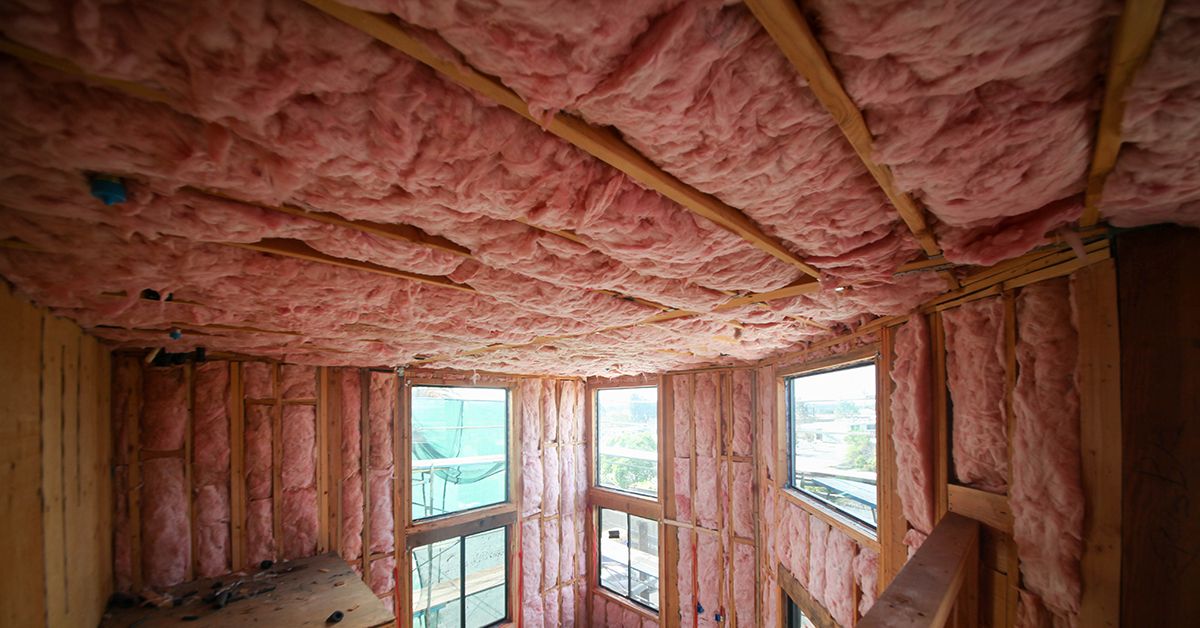
Effective insulation of a beehive is crucial for maintaining optimal internal temperatures, protecting the colony from harsh weather, and ensuring the health and productivity of the bees. Selecting appropriate materials and having the right tools available can significantly impact the quality and longevity of the insulation work.
In this section, we will explore the essential materials used for insulating beehives, compare their characteristics, and identify the necessary tools to carry out the insulation process efficiently and safely.
Insulation Materials for Beehives
Choosing suitable insulation materials involves considering factors such as cost, durability, environmental impact, and thermal performance. Below is a detailed comparison of commonly used materials:
| Material | Cost | Durability | Insulation Value (R-Value) |
|---|---|---|---|
| Foam Boards (Polystyrene or Polyisocyanurate) | Moderate | High; resistant to moisture and pests | 3.6 – 6.5 per inch |
| Tar Paper (Bitumen-saturated felt) | Low | Moderate; susceptible to tearing and weathering over time | Low; primarily used as a vapor barrier rather than primary insulation |
| Natural Fibers (Cotton, Wool, Hemp) | Variable; often moderate to high depending on source | High; biodegradable, eco-friendly, but may require treatment for pests and moisture | 2.2 – 4.0 per inch, depending on fiber density |
| Reflective Insulation (Aluminum Foil with Bubble Core) | Moderate | Moderate; suitable for radiant heat reflection but less effective alone for insulation | Variable; primarily reflects heat rather than insulating |
Each material provides different benefits. Foam boards are favored for their high insulation value and durability, making them suitable for long-term use. Natural fibers appeal to those seeking eco-friendly options, although they may require additional maintenance. Tar paper acts effectively as a vapor barrier, preventing moisture buildup inside the hive, which is vital for hive health. Reflective insulation can be combined with other materials to enhance thermal efficiency, especially in climates with significant temperature fluctuations.
Tools Required for Insulation Work
Proper tools facilitate precise, safe, and efficient insulation installation. Below is a list of essential tools along with their functions:
- Utility Knife or Insulation Knife: Used for cutting foam boards, natural fibers, and other rigid insulation materials to fit precisely within hive structures.
- Adhesive and Sealants: Specialized insulation adhesives or sealants ensure secure attachment of insulation materials and airtight sealing to prevent drafts and moisture ingress.
- Hive Tool: A versatile tool to pry apart hive components gently without causing damage, especially useful when fitting insulation panels around hive parts.
- Measuring Tape and Ruler: Critical for accurate measurement of hive dimensions to cut insulation materials precisely.
- Stapler or Fasteners: For securing insulation wraps or barriers, especially when using reflective or fabric-based insulations.
- Protective Gear: Gloves, safety glasses, and masks protect against dust, fibers, and adhesives during installation, ensuring safe working conditions.
Using the correct tools not only speeds up the insulation process but also ensures professional results that effectively protect the hive from environmental stressors while maintaining the integrity of the bee colony.
Step-by-Step Guide to Insulating a Beehive
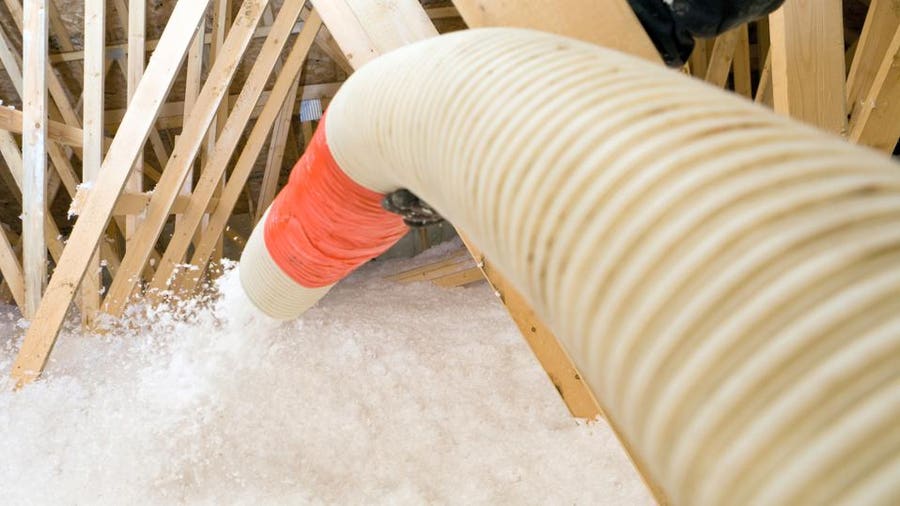
Proper insulation of a beehive is essential for maintaining optimal internal temperatures, especially during colder months. This guide provides a detailed process for preparing the hive, fitting insulation materials, and sealing gaps to create an airtight environment that benefits the health and productivity of the bee colony.
Implementing these steps carefully ensures that the hive remains protected from external temperature fluctuations, moisture intrusion, and drafts. A well-insulated hive helps bees conserve energy, promotes brood development, and enhances honey production, ultimately contributing to the overall vitality of the colony.
Preparing the Hive Before Insulation
Preparation involves thorough inspection and cleaning of the hive components to ensure a secure and clean surface for insulation. It is crucial to examine the hive for any existing damage, such as cracks or gaps, and address these issues beforehand. Disassemble the hive if necessary, and clean all parts to remove debris, wax buildup, or pests that could interfere with insulation adherence or hive health.
- Remove all bees, brood frames, and honey stores from the hive to facilitate unobstructed work and prevent harm to the colony.
- Inspect the hive body, roof, and entrances for structural integrity, sealing any cracks or gaps with bee-safe caulking or wood filler to prevent drafts and moisture ingress.
- Ensure the hive is dry and free of any residual moisture, which can compromise insulation effectiveness and promote mold growth.
- Allow the hive components to acclimate to the ambient temperature before proceeding with insulation to prevent condensation issues.
Cutting and Fitting Insulation Materials
Precision in cutting and fitting insulation materials is vital to maximize thermal efficiency and prevent gaps that can lead to heat loss. Use appropriate tools and materials designed for outdoor and beekeeping environments, such as foam board or reflective insulation.
- Measure the internal dimensions of each hive component—especially the walls, roof, and bottom board—to determine the exact size of insulation pieces needed.
- Cut insulation panels with a sharp utility knife or a fine-toothed saw, ensuring clean, straight edges for a snug fit.
- For thick insulation materials, consider making multiple smaller pieces that can be assembled inside the hive walls, allowing for easier handling and precise fitting.
- Position the insulation within the hive components, starting from the bottom and working upward, ensuring that all surfaces are covered uniformly without compressing the insulation material, which can reduce its effectiveness.
- Secure the insulation in place using non-toxic, weather-resistant adhesives or mechanical fasteners, avoiding materials that emit fumes harmful to bees.
Sealing Gaps and Ensuring Airtightness
Sealing all gaps around the hive is essential to prevent unwanted air exchange, which can stress the colony and compromise insulation performance. Proper sealing maintains a stable internal environment and reduces the risk of moisture buildup.
- Identify potential leakage points, including seams, entrances, and around the hive lid or roof.
- Apply a bee-safe, weatherproof sealant or caulk around all seams, joints, and entry points, ensuring a continuous barrier against drafts.
- Use foam strips or weatherstripping around the entrance and lid to further enhance airtightness and prevent cold drafts while allowing bees to enter and exit freely.
- Confirm that the lid fits snugly over the hive body, with no visible gaps, and seal the perimeter with appropriate materials as needed.
- Conduct a visual and tactile inspection to verify that all gaps are sealed and the hive is airtight, especially before the onset of cold weather.
“An airtight hive preserves internal temperature and humidity, creating an optimal environment for bees during harsh weather.”
Insulation Techniques for Different Climate Conditions
Effective beehive insulation requires adaptation to the specific climate where the hive is located. Different environments pose unique challenges to maintaining optimal internal temperatures, ensuring bee health, and maximizing honey production. Properly tailored insulation strategies help bees survive harsh weather, prevent stress, and promote a thriving hive year-round.
When selecting insulation methods, it is essential to consider temperature fluctuations, humidity levels, and wind exposure. Balancing insulation with adequate ventilation is crucial to prevent moisture buildup and maintain a healthy hive environment. The following guidelines Artikel how to customize insulation approaches for cold, temperate, and hot climates, along with specific configuration examples.
Insulation Strategies for Cold Climates
In regions with severe winters and low temperatures, the primary goal is to retain heat within the hive while preventing cold drafts. Insulation should be dense enough to minimize heat loss but not so airtight as to hinder ventilation. Maintaining a stable internal temperature facilitates bee activity and brood development during winter months.
- Use thick insulation materials such as polystyrene or mineral wool placed around the entire hive structure, especially on the sides and bottom.
- Include a moisture barrier or vapor wrap to prevent condensation buildup inside the hive, which can lead to mold and chilling of bees.
- Position the hive to face away from prevailing winds and ensure it is elevated off the ground to reduce cold conduction.
- Implement insulated covers or roof overlays with additional foam padding to prevent heat escape through the top.
Example configuration: A hive enclosed in a polystyrene box with a vented entrance, topped with an insulated cover, and wrapped in a breathable yet water-resistant barrier to prevent moisture ingress while allowing excess humidity to escape.
Insulation Strategies for Temperate Climates
In temperate regions with moderate seasonal variations, insulation should strike a balance between retaining heat during cooler months and preventing overheating during warmer periods. Flexibility in insulation design helps bees adapt throughout the year without excessive intervention.
- Use lightweight insulating materials such as foam sheets or reflective covers that can be easily added or removed based on seasonal needs.
- Install ventilated insulation panels that allow airflow while maintaining thermal protection, preventing humidity buildup.
- Position hives in sheltered areas with natural windbreaks, such as shrubs or fences, to reduce cold drafts without compromising ventilation.
- In winter, add external insulation layers, but during summer, remove or adjust these to prevent overheating.
Example configuration: A hive with a removable foam insulation jacket, combined with adjustable vents to regulate airflow, situated in a partially shaded spot to minimize temperature extremes.
Insulation Strategies for Hot Climates
In hot and humid environments, insulation aims to keep the hive cool and prevent heat stress. Overheating can cause bees to become agitated, reduce honey storage, and impair brood development. Proper insulation combined with effective ventilation is vital to maintain a stable, lower internal temperature.
- Use reflective or lighter-colored insulation materials on the exterior to reflect solar radiation and reduce heat absorption.
- Incorporate shading structures or hive covers with overhangs to block direct sun exposure.
- Ensure ample ventilation by installing screened or adjustable vents, allowing hot air to escape and fresh air to enter.
- Apply insulating materials within the hive walls but ensure they do not obstruct airflow or trap heat inside.
Example configuration: A hive with reflective insulation panels on the exterior, equipped with adjustable ventilation openings, placed under a shading canopy or partial roof overhang to protect from direct sunlight.
Maintaining balanced ventilation alongside insulation is crucial across all climates. Proper airflow prevents excess humidity, reduces the risk of mold and diseases, and ensures bees have a fresh, healthy environment. Insulation should enhance, not hinder, natural ventilation pathways, emphasizing the importance of strategic placement of vents, screens, and moisture barriers tailored to the specific climate conditions.
Best Practices for Maintaining Insulation Over Time
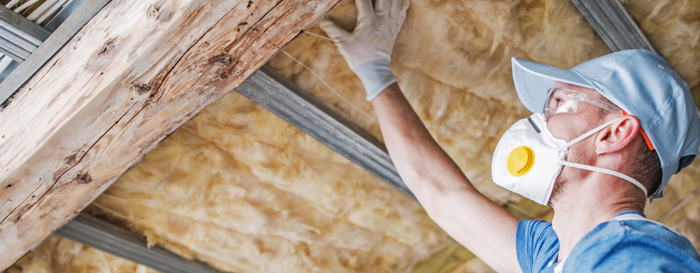
Maintaining the effectiveness of beehive insulation is crucial for ensuring the health and productivity of the colony. Over time, environmental factors and hive activity can cause insulation materials to degrade or become less effective. Regular upkeep and strategic adjustments are essential to sustain optimal insulation conditions, especially as seasons change and weather patterns shift.Ensuring that your hive remains properly insulated involves routine inspections and proactive maintenance.
Properly maintained insulation components can prevent issues such as heat loss during cold months or overheating during warmer periods, thereby supporting the bees’ natural thermoregulation. Adopting best practices in maintenance can also extend the lifespan of insulation materials, reducing long-term costs and efforts while promoting a stable environment for your hive.
Routine Insulation Checks
Regular inspections are fundamental to maintaining effective hive insulation. These checks should be scheduled at least monthly during active seasons and more frequently during extreme weather changes. During inspections, observe the integrity of insulation layers, sealing around hive entrances, and the condition of any insulating materials used.Pay attention to signs of wear such as tears in foam boards, gaps between insulation panels, or gaps around hive entrances that might allow drafts.
Moisture buildup or mold on insulation materials indicates potential problems that could compromise thermal efficiency. Documenting inspection results helps in tracking deterioration patterns and planning timely repairs.
Procedures for Repairing or Replacing Damaged Insulation Components
Prompt repair or replacement of compromised insulation components is vital for maintaining hive health. When damage is identified, carefully remove the affected insulation material, ensuring minimal disturbance to the bees. Clean the area of debris, mold, or moisture before installing new or repaired insulation.Use compatible materials to ensure seamless integration with existing insulation. For minor tears, sealing with weather-resistant tape or foam sealant can restore integrity.
For significant damage, replace entire sections with new high-quality insulation panels or wraps, considering the specific insulation material’s durability and compatibility. Always verify that repairs do not obstruct hive ventilation or access points.
Seasonal Adjustments to Insulation Strategies
Adapting insulation practices according to seasonal demands enhances hive resilience and comfort for the bees. During colder months, increase insulation thickness around hive walls, entrances, and the top cover to conserve heat. Materials such as foam boards or straw bales can be added safely to bolster thermal retention.In warmer seasons, reduce insulation where appropriate to avoid overheating, ensuring adequate airflow and ventilation.
Removing or loosening some insulation layers can help prevent excessive heat buildup. Anticipate weather events such as snow, heavy rain, or heatwaves, and adjust insulation configurations accordingly to mitigate their impact on hive temperature and humidity levels.Regularly reviewing seasonal insulation strategies and making timely adjustments promote a stable colony environment. This proactive approach not only supports bee health but also enhances honey production and overall hive sustainability.
Advantages and Disadvantages of Hive Insulation
Insulating a beehive offers numerous benefits that can significantly influence the health, productivity, and longevity of a bee colony. However, there are also potential drawbacks that beekeepers must consider to ensure optimal hive management. Understanding both sides enables beekeepers to make informed decisions about insulation practices suited to their specific climate and operational goals.
By evaluating the advantages and disadvantages of hive insulation, beekeepers can better balance the health of their colonies with practical concerns related to hive maintenance and environmental factors. This comprehensive overview highlights the key benefits and potential challenges associated with insulating beehives, along with a comparative perspective between insulated and uninsulated hives.
Benefits of Hive Insulation
Proper insulation contributes significantly to maintaining a stable internal hive environment, which is essential for bee health and productivity. The primary advantages include improved temperature regulation, increased honey yields, and enhanced colony resilience during adverse weather conditions.
- Temperature Regulation: Insulation helps keep the hive warm during cold months and cool during hot periods, reducing temperature fluctuations that can stress bees and disrupt their activities.
- Extended Foraging Season: By maintaining a more consistent internal environment, bees can start foraging earlier in spring and continue later into the fall, thereby increasing honey production.
- Reduced Energy Expenditure: Bees expend less energy thermoregulating, which allows them to allocate more resources toward brood rearing and honey accumulation.
- Enhanced Colony Health: Stable temperatures reduce the likelihood of diseases and pests that thrive in stressful or fluctuating environments.
Insulating hives creates a microclimate that mimics the bees’ natural environment, promoting overall colony vitality and productivity.
Potential Drawbacks of Hive Insulation
While insulation offers notable benefits, it also presents certain challenges that can impact hive management and long-term performance. Recognizing these issues helps beekeepers implement appropriate measures to mitigate risks.
- Moisture Accumulation: Insulation materials can trap moisture inside the hive, leading to increased humidity levels that promote mold growth and weaken bee health if not properly ventilated.
- Insulation Degradation: Over time, materials used for insulation may degrade or become damaged, reducing their effectiveness and requiring periodic maintenance or replacement.
- Cost and Labor: Installing and maintaining insulation can involve additional material costs and labor, which may be a consideration for small-scale or hobbyist beekeepers.
- Insulation Overheating: In warmer climates, excessive insulation without proper ventilation can cause overheating, stressing the colony and potentially leading to queen problems.
Comparison of Insulated versus Uninsulated Hives
Understanding the differences between insulated and uninsulated hives helps in selecting the most suitable approach based on environmental conditions and management objectives. The comparison below Artikels key aspects of each type:
| Feature | Insulated Hive | Uninsulated Hive |
|---|---|---|
| Temperature Stability | Provides improved regulation, reducing temperature fluctuations | More susceptible to external temperature swings |
| Honey Production | Potentially higher due to extended foraging and better brood development | Dependent on ambient conditions, possibly resulting in lower yields in cold or hot climates |
| Moisture Control | Requires proper ventilation; risk of moisture buildup if not managed | Less concern about moisture trapping but vulnerable to external humidity |
| Cost and Maintenance | Higher initial investment; periodic upkeep needed | Lower cost; minimal maintenance |
| Climate Suitability | Ideal for cold or variable climates | Suitable for mild or warm climates where temperature extremes are uncommon |
Common Challenges and Troubleshooting
Proper insulation of a beehive is essential for maintaining hive health and productivity, but beekeepers often encounter specific issues that can compromise the insulation’s effectiveness. Recognizing these common challenges and understanding how to troubleshoot them ensures the hive remains conducive to healthy bee activity and prevents potential damages over time.Inadequate insulation, moisture buildup, and hive behavior changes are among the typical issues faced.
Addressing these problems requires a combination of careful inspection, appropriate material selection, and adaptive management strategies. The following sections detail frequent challenges, their solutions, and preventive measures to sustain optimal hive conditions.
Common Issues Faced When Insulating Beehives
Insulating a beehive involves multiple considerations, and several issues may arise during or after the insulation process. Recognizing these problems early allows for timely intervention, preserving hive health and productivity.
- Condensation and Moisture Accumulation: Moisture can condense inside the hive, leading to mold growth and weakening of hive components. This issue is common in poorly ventilated or overly insulated hives where humidity is trapped.
- Mold Growth and Mildew: Excess moisture coupled with organic materials used in insulation can foster mold development, which poses health risks for bees and complicates hive maintenance.
- Overheating During Warm Periods: Excessive insulation without proper ventilation can cause the hive to overheat, stressing bees and impairing brood development.
- Hive Behavior Changes: Bees may exhibit increased agitation or absconding if insulation restricts airflow or alters hive temperature regulation.
- Structural Damage or Material Degradation: Inappropriate insulation materials may deteriorate over time or cause physical damage to hive components, especially in harsh climates.
Preventing Mold and Condensation Inside Insulated Hives
Moisture management within insulated hives is crucial for maintaining a healthy environment. Controlling humidity levels and ensuring proper ventilation helps prevent mold growth and condensation issues.
Implementing effective strategies reduces the risk of moisture-related problems. These include:
- Ensuring Adequate Ventilation: Incorporate vents at strategic positions to facilitate air circulation, particularly near the top of the hive. Proper ventilation allows excess moisture to escape without creating drafts that disturb the bees.
- Using Moisture-Absorbing Materials: Incorporate materials such as cedar shavings or specialized moisture absorbers within the hive to help regulate humidity levels, especially during damp seasons.
- Applying Vapor Barriers: Install vapor barriers or airtight seals on insulating materials to prevent internal moisture from penetrating and condensating inside the hive.
- Monitoring Hive Conditions Regularly: Use hygrometers or moisture meters to track humidity levels, enabling timely adjustments in ventilation or insulation if necessary.
- Controlling External Factors: Position hives in well-drained, sheltered locations to minimize exposure to excessive moisture from rain or dew, and avoid insulating hives in areas prone to standing water or poor drainage.
Modifying Insulation Approaches Based on Hive Behavior
The behavior of the hive provides valuable clues about the adequacy and appropriateness of the insulation. Adaptive management involves observing bee activity and adjusting insulation strategies accordingly.
Key behavioral indicators and corresponding modifications include:
- Increased Bee Aggression or Restlessness: If bees appear agitated or are frequently fanning, it may indicate overheating or poor airflow. Reduce insulation thickness or improve ventilation pathways to facilitate better temperature regulation.
- Absconding or Reduced Activity: A sudden decline in hive activity or bees leaving the hive suggests discomfort from insulation, such as excessive moisture or temperature extremes. Reassess insulation materials and consider adding breathable barriers or increasing airflow.
- Presence of Mold or Excessive Condensation: Visible mold spots or wet hive walls indicate high humidity levels. Enhance moisture control strategies, such as installing additional vents or switching to moisture-resistant insulation materials.
- Brood Malformations or Poor Development: If brood patterns become irregular or development is slow, it may be due to temperature fluctuations caused by improper insulation. Tighten insulation or add supplementary heating elements if necessary, especially during cold periods.
Keeping a detailed record of hive observations allows beekeepers to fine-tune insulation approaches, ensuring a balanced environment that supports healthy bee activity and hive longevity.
Conclusive Thoughts
In conclusion, mastering how to insulate a beehive is a valuable skill that can lead to healthier bees and increased honey yields. By selecting appropriate materials, applying suitable techniques, and maintaining the insulation over time, beekeepers can create a thriving environment regardless of seasonal changes. Proper insulation not only safeguards your hive but also contributes to successful and sustainable beekeeping practices.