Learning how to build a top bar hive opens the door to a more natural and sustainable approach to beekeeping. This method emphasizes minimal disturbance and promotes hive health, making it an appealing choice for both novice and experienced beekeepers. Constructing your own hive allows customization to suit your local environment and personal preferences, fostering a closer connection to your bees.
The process involves understanding the fundamental structure of a top bar hive, selecting appropriate materials, and carefully planning each step from design to assembly. With proper guidance and attention to detail, you can create a durable, functional hive that encourages healthy bee colonies and productive honey harvests.
Introduction to Top Bar Hives
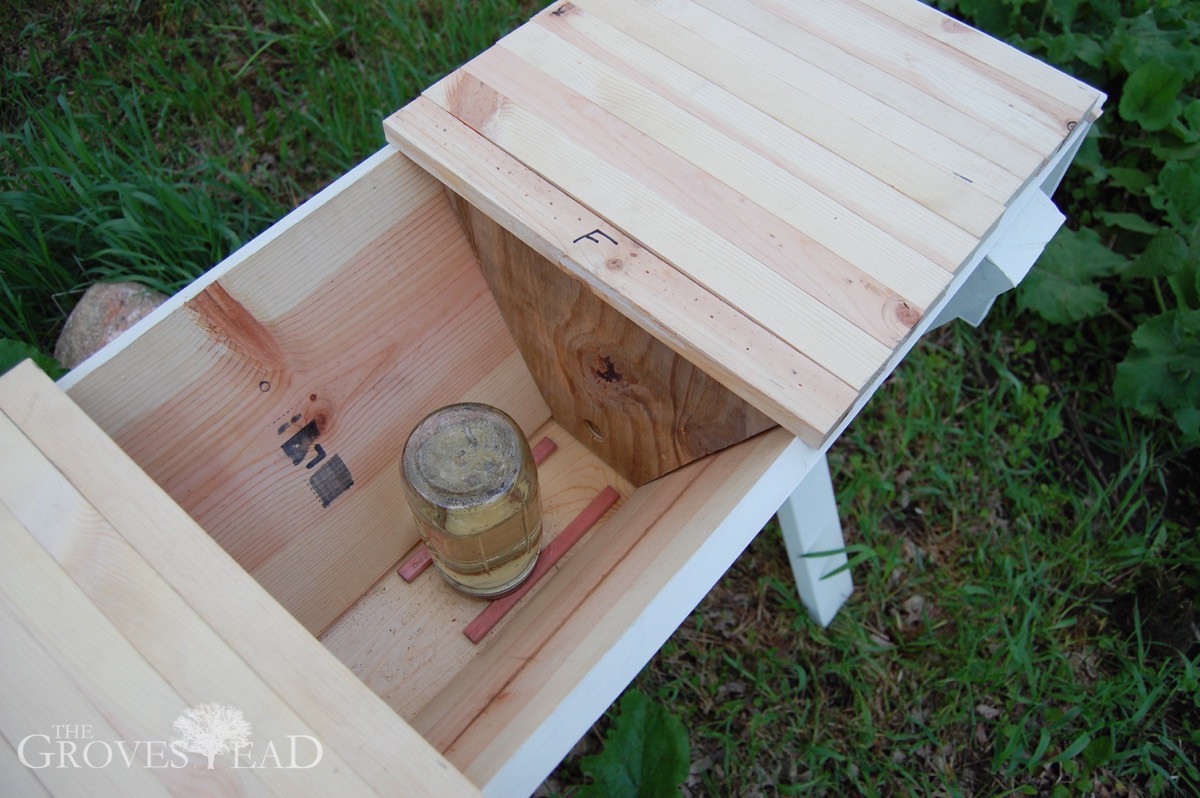
Top bar hives represent a sustainable and natural approach to beekeeping, emphasizing minimal intervention and encouraging bees to build their combs naturally. Unlike traditional Langstroth hives, top bar hives offer a unique structure that promotes healthier colonies and allows for easier hive management.
This method has gained popularity among both amateur and experienced beekeepers due to its simplicity, affordability, and alignment with bees’ natural behaviors. By focusing on the hive’s accessibility and the bees’ autonomy in comb building, top bar hives foster a more organic and low-stress environment for colonies to thrive.
Concept and Basic Structure of a Top Bar Hive
A top bar hive is a horizontal hive configuration that features a series of removable bars or frames on which bees construct their honeycomb. The design typically includes a long, rectangular box with an open top, allowing beekeepers to observe and manage the colony with minimal disturbance.
The primary components of a top bar hive consist of:
- Hive Body: Usually made from wood or sustainable materials, it forms the main structure, providing space for the bees to live and work.
- Top Bars: Horizontal bars placed across the width of the hive, on which bees build their combs. These are removable, enabling easy inspection and harvesting.
- Entrance: A small opening at one end of the hive for bees to enter and exit, often designed to minimize drafts and protect against pests.
- Roof: A protective cover, typically sloped, to shield the hive from weather elements while allowing proper ventilation.
- Base: The bottom part of the hive, often elevated for airflow and ease of access.
Unlike box-type hives, top bar hives lack frames and foundation, encouraging bees to build natural combs. This structure supports a more natural hive environment, fostering healthier bees and honey production.
Historical Background and Growing Popularity
Historically, top bar beekeeping has roots in traditional and indigenous practices, with various cultures utilizing similar hive designs for centuries. The concept gained modern recognition through the work of natural beekeepers seeking less invasive techniques and healthier colony management.
In recent decades, the sustainable and eco-friendly aspects of top bar hives have contributed to their rising popularity among advocates of organic and natural beekeeping. The design aligns well with principles of bee-centric management, minimizing chemical use and promoting conservation efforts.
Organizations and local beekeeping communities around the world have promoted top bar hive methods as an accessible entry point for beginners and a viable alternative for experienced beekeepers aiming to support bee health and biodiversity. Their adaptability to various climates and environments has further cemented their place as a favored choice for sustainable apiculture.
Planning and Preparation for Building a Top Bar Hive
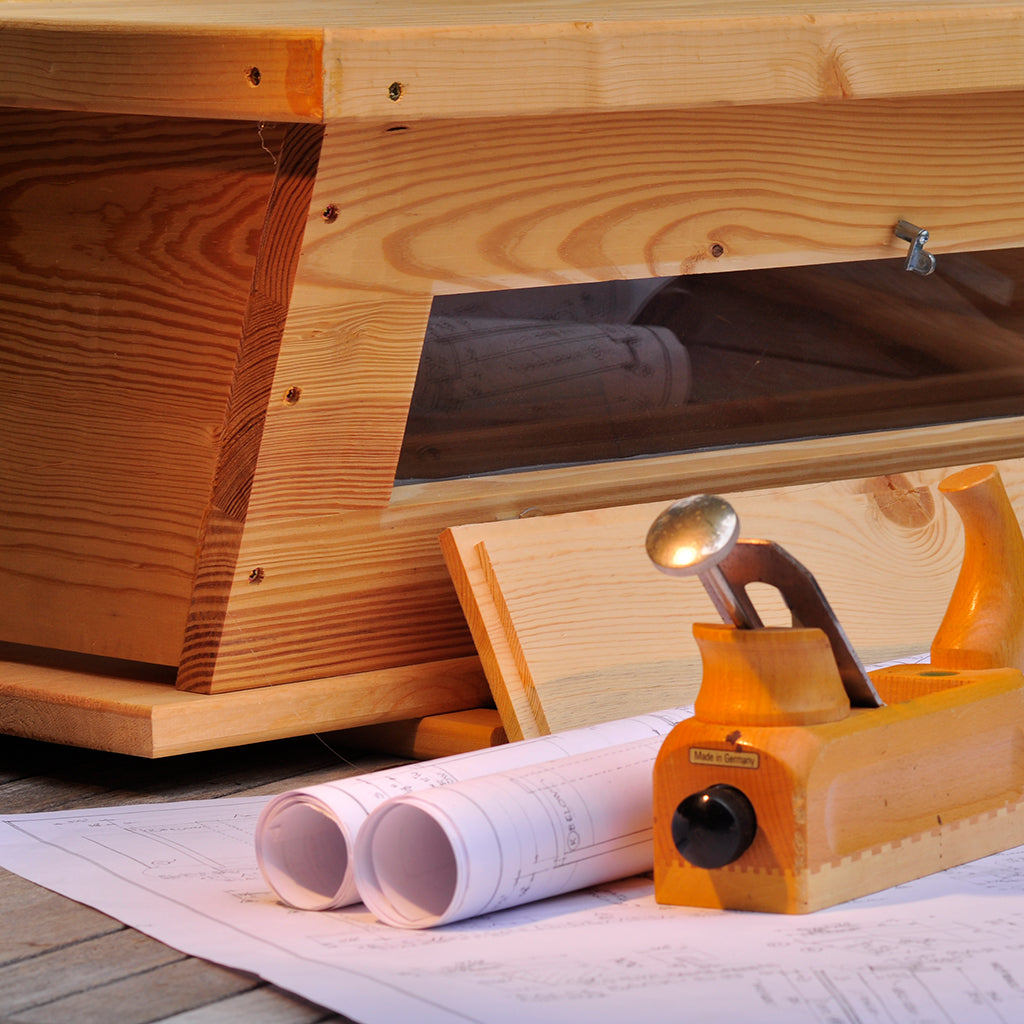
Effective planning and thorough preparation are vital steps in constructing a durable, functional, and well-suited top bar hive. Proper organization ensures that the hive design aligns with your beekeeping objectives, local environmental conditions, and available resources. By carefully considering materials, dimensions, and placement, you can create a hive that promotes healthy bee colonies and sustainable management practices.
In this section, we will explore the essential materials and tools needed, Artikel a detailed step-by-step guide for planning the hive dimensions and design, and discuss key considerations related to location, climate, and hive orientation that influence successful hive construction and placement.
Necessary Materials and Tools for Construction
Assembling a top bar hive requires a selection of quality materials and specific tools to ensure stability, longevity, and ease of use. The choice of materials directly impacts the hive’s durability and compatibility with the environment, while the tools streamline the building process and improve precision.
- Materials:
- Wood (preferably cedar, pine, or cypress) for the frame and top bars, due to their durability and natural resistance to decay
- Heavy-duty hammer or mallet
- Saw (hand saw or power saw) for cutting wood to desired dimensions
- Measuring tape or ruler for accurate measurements
- Square or framing square to ensure right angles and proper alignment
- Drill with various drill bits for creating holes and assembling components
- Wood screws, nails, or bolts suitable for outdoor use
- Non-toxic, weatherproof wood glue for added stability
- Sandpaper or a power sander for smoothing rough edges and surfaces
- Paint or natural oil finishes to protect the wood, if desired
Choosing the right materials, especially for the hive’s exterior, enhances its resistance to moisture, pests, and weathering. The tools selected should facilitate precise cuts and secure assembly, laying the foundation for a sturdy hive.
Planning the Hive Dimensions and Design
Correct planning of the hive’s dimensions and overall design is crucial for providing a comfortable environment for the bees and ensuring ease of management. The size of the hive influences bee space, airflow, and honey storage capacity, all of which impact colony health and productivity.
Begin by determining the desired hive capacity, considering the local bee population and honey production goals. A typical top bar hive length ranges from 24 to 36 inches, with each top bar approximately 18 inches long. The number of bars directly correlates with colony size and honey yield expectations.
Designing the hive involves creating a rectangular frame with a sloped roof or a flat top, depending on climate and personal preference. The width should accommodate the number of bees comfortably, generally about 16 inches, with a height of around 12 inches to balance space and accessibility. The spacing between top bars should be about ¾ inch, providing sufficient room for bees to work without excess space that could lead to comb attachment issues.
Tip: Ensure the hive dimensions maximize airflow and minimize excess moisture, which can cause mold or disease. For colder climates, a slightly insulated exterior can help maintain hive temperature during winter months.
Considerations for Location, Climate, and Hive Orientation
Choosing an optimal location and orientation for the top bar hive significantly influences its success and the health of the bee colony. Several environmental factors must be evaluated during planning to create a supportive habitat for bees.
Key considerations include:
- Sunlight Exposure: Position the hive to receive morning sunlight, which warms the hive early in the day and encourages bee activity. Avoid placement in full shade, which can lead to dampness and reduced activity.
- Protection from Wind and Elements: Locate the hive in a sheltered area shielded from strong winds, heavy rain, and direct snow. Natural barriers like shrubs or fences can provide additional protection.
- Drainage and Ground Level: Place the hive on a well-drained, elevated surface to prevent water accumulation and moisture-related issues. Avoid areas prone to flooding or excessive dampness.
- Accessibility and Foraging Resources: Ensure easy access for hive management while situating the hive near abundant forage sources such as flowering plants and trees. This proximity reduces bee flight distance and promotes colony health.
- Climate Considerations: Adapt hive design and placement based on regional climate. For example, in hot climates, provide shade during the hottest part of the day; in colder regions, prioritize insulation and wind protection to maintain hive temperature.
Proper orientation, typically with the entrance facing southeast or south, can improve airflow and temperature regulation. Regular assessment of environmental conditions throughout the year allows for adjustments that optimize hive performance and bee well-being.
Step-by-Step Construction of a Top Bar Hive
Building a top bar hive requires careful planning and precise execution to ensure a functional and durable structure that promotes healthy bee colonies. This section provides a detailed, step-by-step guide, focusing on the construction of the hive frame, the design of the top bars, and the assembly of the hive body, along with options for entrance and ventilation features essential for optimal hive performance.
Following these instructions will equip beekeepers with the knowledge to construct a top bar hive tailored to their needs, resulting in a sustainable and bee-friendly environment. Attention to detail during each step ensures the hive’s longevity and the well-being of its inhabitants.
Construction of the Hive Frame
The hive frame forms the core structure supporting the top bars and internal hive space. Precise measurements, quality materials, and sturdy assembly are crucial to creating a functional and safe environment for bees.
Begin by selecting untreated, durable wood such as cedar or pine, which resists rot and pests. The frame should be rectangular, typically measuring:
Width: 45 cm (17.7 inches)
Depth: 30 cm (11.8 inches)
Height: 20 cm (7.9 inches)
These dimensions are adaptable but should maintain a consistent size to accommodate top bars and facilitate hive management. Cut four side panels, two end panels, and a bottom panel according to these measurements. Use waterproof wood glue and finishing nails or screws for assembly, ensuring the joints are tightly secured to prevent gaps that could allow pests or drafts to enter.
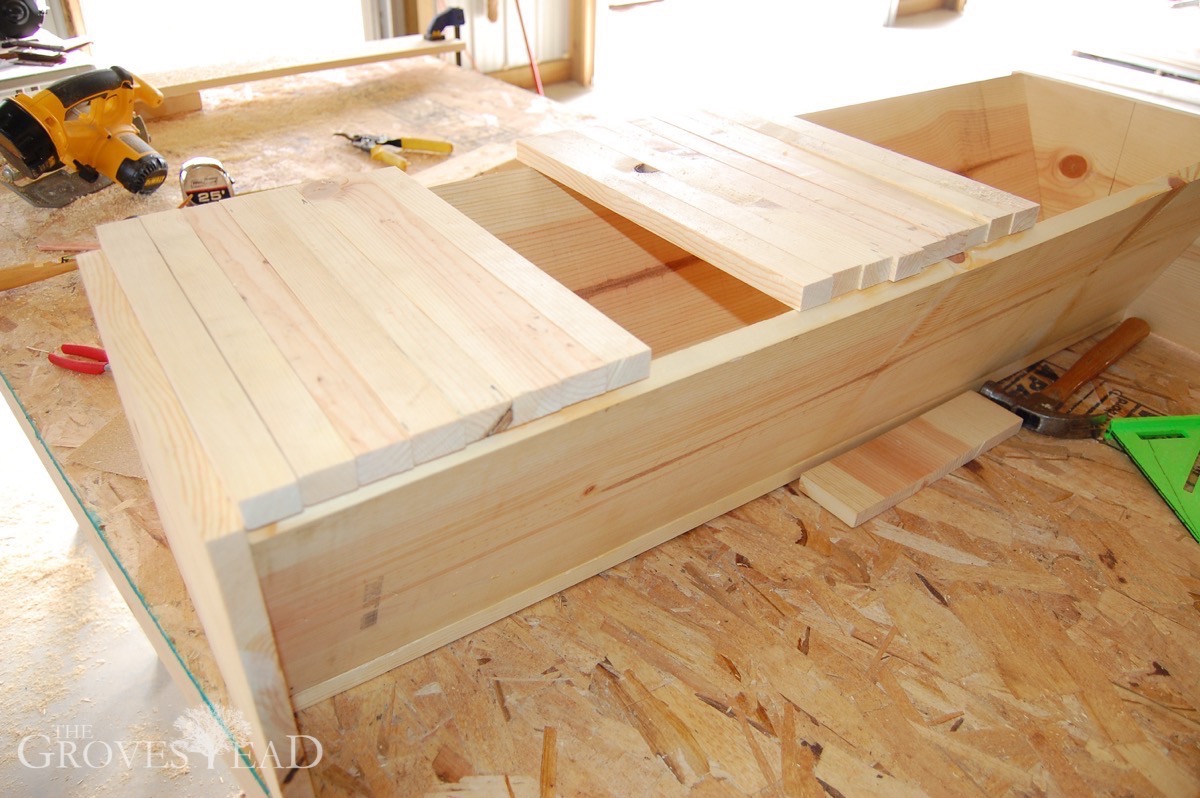
Assemble the frame by first attaching the side panels to the bottom panel, then fixing the end panels to create a rectangular box. Reinforce corners with corner blocks or additional bracing if necessary to enhance stability. Verify the square shape using a carpenter’s square and adjust as needed before the glue sets.
Optionally, install a removable lid or cover made from the same durable wood, with an overlapping edge to protect against rain and debris. Incorporate handles on the sides for ease of transportation and positioning.
Design and Construction of Top Bars
The top bars serve as the foundation for the bees’ comb-building activity and must be carefully designed to encourage natural building behavior while providing enough space for brood and honey storage. Material choice and precise spacing are critical factors in their construction.
Typically, top bars are made from lightweight yet sturdy wood such as cedar, pine, or cypress, with dimensions that facilitate easy handling and bee activity. The standard length corresponds to the hive width, around 45 cm (17.7 inches), with a width of 3-4 cm (1.2-1.6 inches), and a thickness of approximately 2 cm (0.8 inches).
Spacing between the top bars should be about 1.3 to 1.5 centimeters (0.5 to 0.6 inches) to allow bees to build natural comb without constriction, yet prevent cross-comb linking. To achieve uniform spacing, insert small spacers or use a jig during assembly. Each top bar should have a slight curve or a beveled edge at the top to avoid damaging bees during hive inspections and to promote easy attachment of comb.
Describe the construction process: cut individual bars to size, sand edges smoothly to prevent harm to bees, and drill small holes at each end for optional attachment of wax foundation or reinforcement wires. Add a small lip or groove at the bottom edge of each bar to help bees anchor their comb securely.
Assembly of the Hive Body and Entrance & Ventilation Options
Once the frame and top bars are prepared, assemble the hive body by fitting the top bars into the frame, ensuring smooth movement and proper spacing. The hive body should be slightly wider than the combined length of the top bars, typically around 50 cm (19.7 inches), to allow for easy addition or removal of bars.
Arrange the top bars within the frame, securing them if necessary with small nails or clips to prevent shifting during hive handling. The internal space should be uniform and free of debris, with enough clearance at the top for bees to move freely and for honey supers if used.
The hive entrance can be positioned at one end of the hive or on the side, depending on the design preference. An entrance hole of approximately 1.5 to 2.5 cm (0.6 to 1 inch) diameter provides sufficient airflow and easy access for bees. Incorporate a landing board or platform outside the entrance to facilitate safe entry and exit, especially during nectar flows.
Ventilation features are vital for maintaining air quality and reducing moisture buildup. Incorporate adjustable ventilation holes or slots near the top of the hive body, which can be covered or uncovered as needed. Using screened vents allows for airflow while minimizing pest entry. Consider including a removable ventilation cover or a simple mesh screen at the entrance to promote natural airflow and temperature regulation within the hive.
table captionHive Parts and Measurements/caption thead
/thead tbody
/tbody/table
Materials and Tools Selection
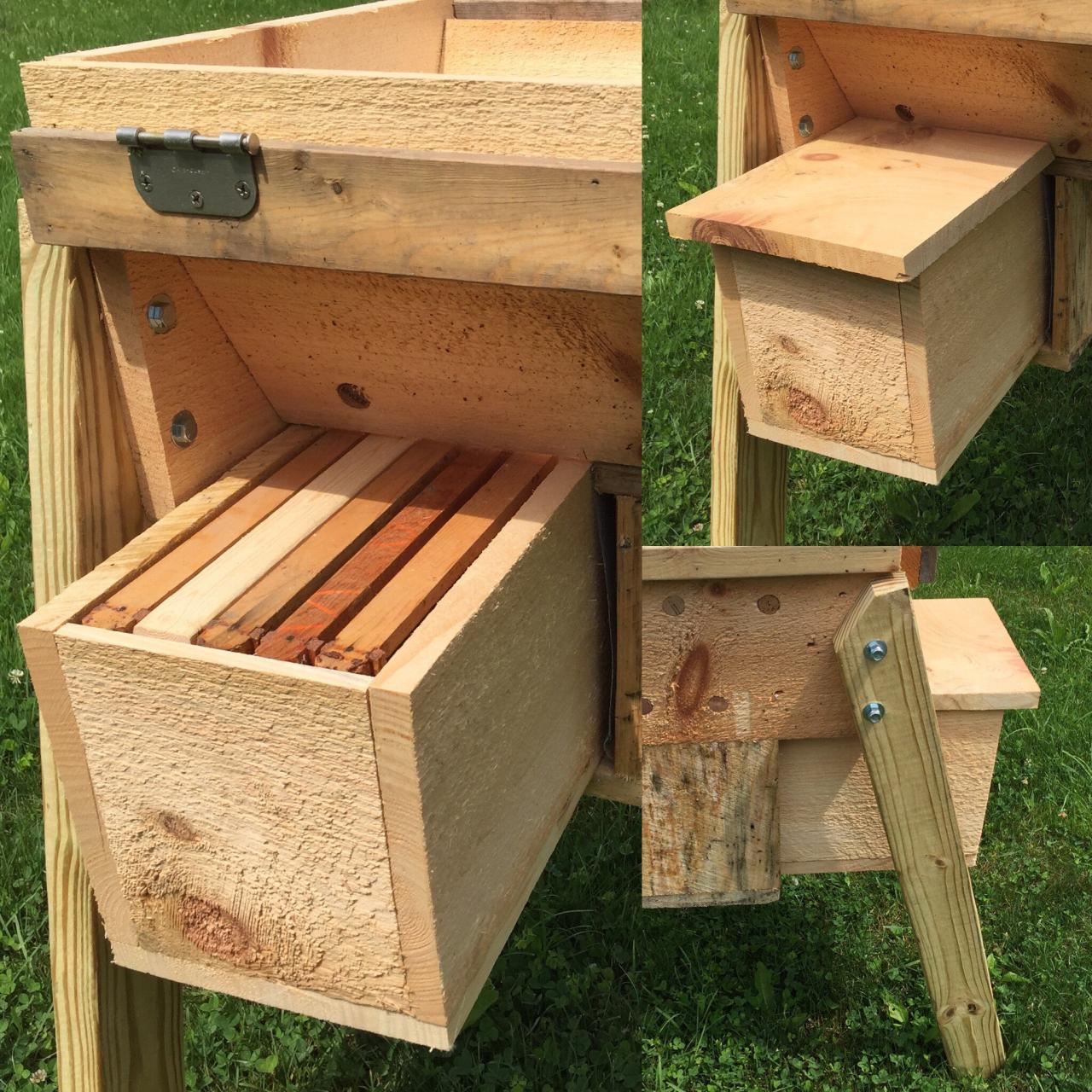
Choosing the appropriate materials and tools is a fundamental step in constructing a durable, functional, and bee-friendly top bar hive. The right selections not only ensure the longevity of the hive but also promote healthy hive development and ease of maintenance. This section provides guidance on selecting suitable materials, comparing different wood options, and identifying essential hand and power tools for the project.
Using high-quality, environmentally safe materials combined with well-chosen tools can significantly enhance the construction process, resulting in a resilient hive that supports productive and healthy bee colonies.
Bee-Friendly and Durable Materials for Hive Construction
When selecting materials for building a top bar hive, it is crucial to focus on those that are non-toxic, resistant to environmental elements, and safe for bees. The materials should also possess sufficient strength to support hive components and withstand weather conditions over time. Commonly used materials include various types of wood, hardware, and finishes that meet these criteria.
- Cedar: Naturally resistant to rot and pests, cedar is a popular choice due to its durability and pleasant aroma, which has natural insect-repelling properties. It is lightweight and easy to work with but can be more expensive than other woods.
- Pine: Widely available and cost-effective, pine is a softwood that can be sourced sustainably. It should be kiln-dried to reduce moisture and prevent warping. When properly sealed, pine is a reliable option.
- Redwood: Known for its natural resistance to decay, redwood is durable and aesthetically pleasing. Its limited availability and cost may be considerations for some builders.
- Reclaimed or Salvaged Wood: Environmentally friendly and cost-effective, reclaimed wood reduces waste and can be durable if properly treated. It is important to select pieces free from chemicals or treatments harmful to bees.
Ensure all materials used are free from chemical treatments, paints, or preservatives that could harm bees or contaminate honey.
Comparison of Different Types of Wood
Different wood types offer unique advantages and challenges. Understanding these aspects helps in making informed choices that balance cost, durability, safety, and environmental impact.
| Wood Type | Pros | Cons |
|---|---|---|
| Cedar | Highly resistant to rot and pests, lightweight, aromatic, natural insect-repellent properties | More expensive, may require sealing to prevent cracking |
| Pine | Affordable, easy to work with, readily available | Softwood prone to dents and warping if not properly treated |
| Redwood | Durable, resistant to decay, attractive appearance | Higher cost, limited supply in some regions |
| Reclaimed/Recycled Wood | Eco-friendly, cost-effective, adds historic character | Variable quality, potential for hidden damage or chemical treatments |
Essential Hand and Power Tools for Hive Construction
Having the right tools is vital for precise, safe, and efficient construction. The selection should include both manual tools for detailed work and power tools for larger, repetitive tasks. Proper use and maintenance of these tools improve safety and ensure quality craftsmanship.
- Measuring Tape and Square: Accurate measurements and right angles are essential for proper hive dimensions and assembly.
- Hand Saw and Circular Saw: For cutting wood to size, with the circular saw providing faster, cleaner cuts on larger pieces. Always wear eye protection and use blades suitable for wood cutting.
- Hammer and Nails or Screws: For assembling components securely. Use a nail gun for efficiency if available, but ensure proper handling to prevent accidents.
- Drill and Drill Bits: Essential for making precise holes for screws, nails, or dowels. Use safety glasses and appropriate bits for different materials.
- Sander or Sanding Block: To smooth edges and surfaces, reducing sharpness that could harm bees or hinder hive maintenance.
- Clamps: To hold pieces firmly during assembly, ensuring precise joins and avoiding movement that could lead to misalignment.
Prioritize safety by using protective equipment such as safety glasses, hearing protection, and dust masks during tool operation. Always follow manufacturer instructions for tool use and maintenance.
Assembling and Finishing the Hive
Once all components of the top bar hive have been accurately cut and prepared, the assembly phase ensures the structure is sturdy, durable, and safe for the bees. Proper finishing not only enhances the hive’s longevity but also provides a safe environment free from potential hazards such as splinters, sharp edges, or weather-related damage. This stage requires careful attention to detail to guarantee that every joint is secure and that the hive can withstand outdoor conditions over time.
In this section, we will explore effective methods for assembling the hive components securely and accurately, applying protective finishes suitable for outdoor use and bee safety, and sealing joints to ensure weatherproofing. These steps are crucial for creating a resilient hive that supports healthy bee colonies and requires minimal maintenance.
Securing and Accurate Assembly of Components
Attaining a secure and precise assembly involves the correct alignment of all parts and the use of appropriate fastening techniques. The goal is to create a solid framework that prevents movement or separation over time, which could compromise hive stability or bee safety. Proper assembly methods include:
- Aligning Components: Ensure all panels and bars are aligned according to measurements taken during the planning phase. Use clamps or temporary screws to hold parts in position before final fastening.
- Fastening Techniques: Use weather-resistant screws or nails, such as galvanized or stainless steel, to secure joints. Pre-drill holes to prevent wood splitting, especially in thinner sections.
- Calibration of Components: Double-check the spacing between bars to maintain consistent distances that allow bees to build comb naturally while facilitating easy inspection and honey extraction.
Accurate assembly is best achieved by working on a flat, stable surface and employing measuring tools like a square, ruler, and level at each step, thereby ensuring the hive’s structural integrity.
Applying Protective Finishes and Bee-Safe Paints
Protective finishes extend the lifespan of the hive by shielding it from moisture, UV rays, and pests, without posing risks to the bees. When selecting finishes, prioritize products that are non-toxic and designed specifically for outdoor wooden structures in contact with bees. Applying the right finish involves:
- Selection of Finishes: Use exterior-grade, water-based paints or sealers that are free from harmful solvents and heavy metals. Organic or natural oils like linseed or tung oil are also excellent options for eco-friendly protection.
- Preparation of Surface: Sand all surfaces smoothly to remove splinters or rough patches, which could harm bees or interfere with hive assembly.
- Application Process: Apply the finish evenly using brushes or rollers, following manufacturer instructions. Multiple thin coats are preferable to a single thick layer, allowing adequate drying time between coats.
Always ensure that the finishes are fully cured before exposing the hive to outdoor conditions, and avoid applying paints or sealants during extremely humid or rainy weather.
Sealing Joints and Ensuring Weatherproofing
Weatherproofing is vital to prevent water ingress and protect the hive from environmental elements such as rain, wind, and snow. Proper sealing of joints and edges maintains a dry interior and helps prevent wood rot and pest intrusion. Techniques for sealing joints include:
| Step | Description |
|---|---|
| Apply Waterproof Caulk | Use high-quality, outdoor-rated silicone or polyurethane caulk to seal all joints where panels meet. Squeeze a bead of caulk along the joint, smoothing it with a caulking tool or finger to ensure complete coverage and adhesion. |
| Use Weatherproof Tape | For additional sealing, especially around overlaps or edges, apply weatherproof tape designed for outdoor use. Press firmly to eliminate air pockets and ensure a tight seal. |
| Install Flashing or Edge Protectors | Attach metal or plastic flashing along horizontal edges or over joints prone to water runoff to divert moisture away from seams. |
| Check and Maintain Seals | Regularly inspect joints for cracks or deterioration, reapplying caulk or tape as needed to maintain weatherproofing over time. |
“Proper sealing and weatherproofing extend the lifespan of your hive, ensuring a healthy environment for your bees and reducing maintenance efforts.”
Incorporating these assembly and finishing techniques results in a durable, safe, and weather-resistant top bar hive, ready to support thriving bee colonies through the seasons with minimal intervention.
Installing and Managing the Top Bar Hive
Effective installation and ongoing management of a top bar hive are crucial steps that influence the health, productivity, and longevity of a bee colony. Proper site selection, secure installation, and diligent maintenance ensure a thriving hive environment that supports natural bee behaviors and simplifies hive management tasks.
Implementing best practices in these areas not only promotes colony vitality but also enhances honey production and facilitates easier inspections. This section elaborates on choosing the right location, securely installing the hive, establishing a strong colony, and maintaining it through regular inspections and honey harvesting procedures.
Selecting a Site and Installing the Hive Securely
Choosing an optimal site for the top bar hive is fundamental to its success. The site should provide protection from harsh weather, minimize disturbance, and ensure easy access for management activities. Proper installation techniques further safeguard the hive from environmental hazards and potential predators.
When selecting a site, consider factors such as sunlight exposure, wind protection, drainage, and accessibility. A location that receives morning sunlight and afternoon shade helps regulate hive temperature, while well-drained ground prevents water accumulation, which could damage the hive or promote mold growth. Additionally, placing the hive in a quiet area reduces stress on the colony caused by human or animal disturbances.
Initial Hive Setup and Introducing Bees
Once the hive is securely installed, the initial setup involves creating a welcoming environment for the newly introduced bees. This includes establishing the correct internal conditions and ensuring the colony has ample space to grow. Introducing bees can be achieved through the use of nucleus colonies, packaged bees, or transferred frames from an existing hive.
It is important to acclimate the bees gradually and provide them with access to food sources initially, such as sugar syrup, until they establish foraging routines. Properly orienting the hive entrance and ensuring ventilation helps reduce stress and encourages successful colony establishment.
Inspecting, Maintaining, and Harvesting Honey
Regular inspection and maintenance are vital for monitoring colony health, preventing pests, and optimizing honey harvests. Establishing a checklist ensures systematic and thorough hive management, promoting the longevity of the bees and productivity of the hive.
Sample Checklists for Hive Inspection and Maintenance:
| Inspection Checklist | Frequency | Key Points |
|---|---|---|
| Hive exterior check for damage or signs of pests | Weekly during active season | Look for broken or damaged hive components, signs of predators, or entry points |
| Internal inspection for brood health and honey stores | Every 2-3 weeks | Examine brood pattern, presence of pests like Varroa mites, and honey reserves |
| Monitoring for pests and diseases | Monthly | Check for mites, foulbrood, or other health issues; prompt treatment if necessary |
| Honey harvest readiness assessment | When honey cells are capped | Evaluate honey ripeness and hive capacity before harvesting |
Honey harvesting should be performed carefully to avoid stressing the colony. Using a hive tool, gently remove the top bars with capped honey, and use a honey extractor or manual methods to collect honey while leaving enough for the bees’ survival. Post-harvest, ensure the hive remains clean and well-maintained to support ongoing colony health.
Troubleshooting Common Construction and Management Issues
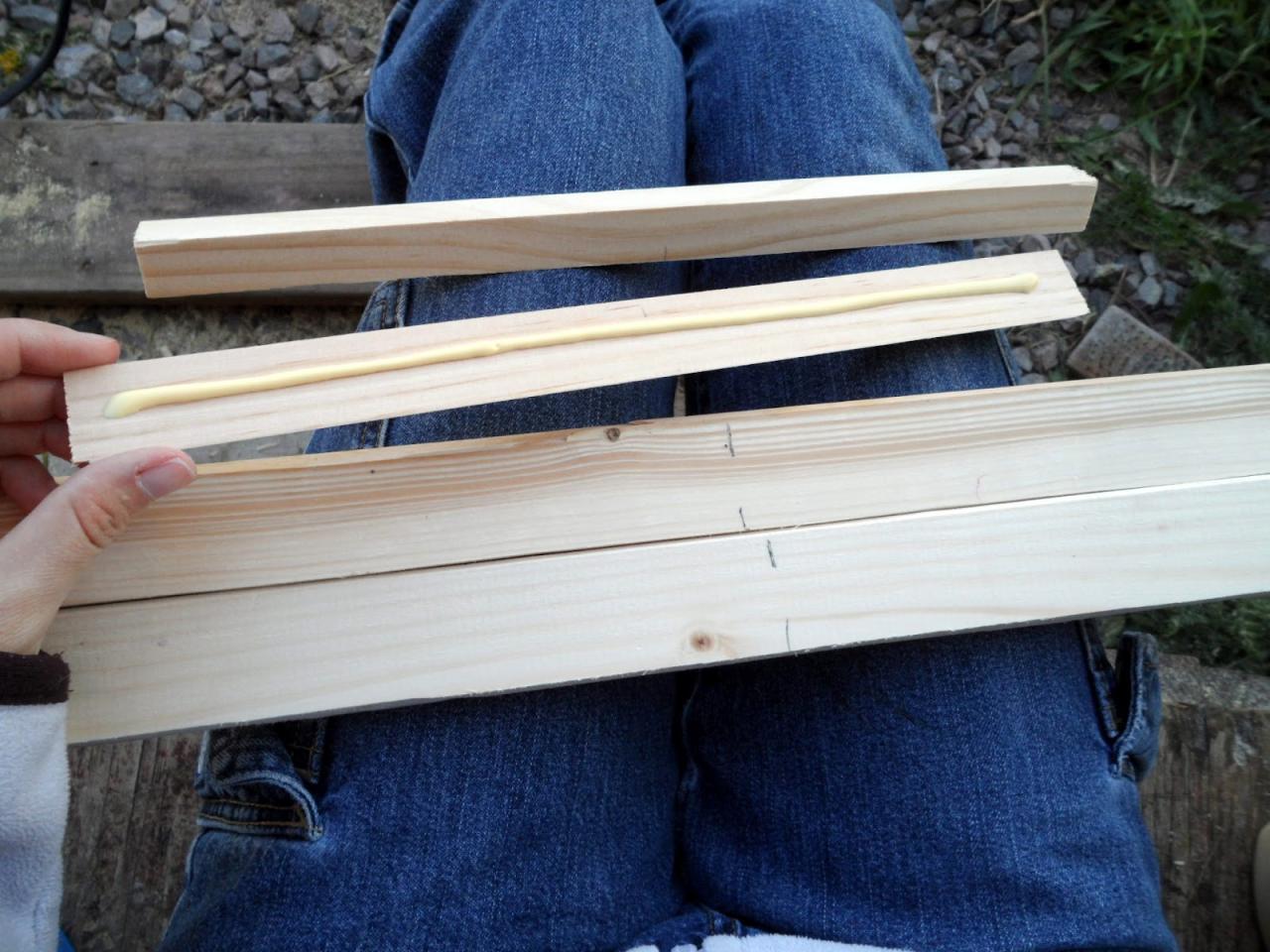
Building and maintaining a top bar hive can present various challenges, particularly for novice beekeepers. Identifying and resolving these issues promptly ensures the health of the colony and the longevity of the hive. By understanding typical construction problems and management pitfalls, beekeepers can implement proactive strategies to foster a thriving apiary environment and address pests, diseases, and structural concerns effectively.Construction phases often encounter issues such as misaligned parts, improper measurements, or material defects.
These problems can compromise the hive’s stability, insulation, or ease of access. For example, warped wood or uneven joints may cause structural instability, leading to potential collapse or difficulty in hive management. To mitigate these issues, precise measurements, quality materials, and careful assembly are essential. Regular inspections during construction help identify misalignments early, allowing for correction before the hive is inhabited.In managing an active hive, pests and diseases pose ongoing threats.
Common challenges include varroa mites, wax moths, small hive beetles, and fungal infections such as chalkbrood. Structural challenges, like gaps or cracks, can allow pest entry or air leakage, impacting hive warmth and humidity control. Effective resolution involves implementing integrated pest management strategies, such as regular mite counts, physical removal of wax moths, and maintaining a clean, well-ventilated hive. Structural integrity should be maintained through routine inspections, sealing cracks, and ensuring the hive remains sturdy and weatherproof.Long-term hive health and productivity depend on consistent maintenance routines.
These routines include periodic inspections for signs of pests or disease, cleaning and replacing worn components, and monitoring hive conditions like temperature and humidity. Adopting a regular schedule—such as inspecting every 7 to 14 days during active seasons—helps catch issues early and prevents severe problems. Additionally, providing supplemental feeding during dearth periods and ensuring proper ventilation support colony vitality. Establishing a maintenance routine rooted in observation and responsiveness fosters a resilient hive capable of producing healthy bees and honey over successive seasons.
Addressing Structural Challenges During Construction
Constructing a top bar hive with precision minimizes future structural problems. If misalignment or weak joints are identified, reinforce the connections with appropriate fasteners, such as stainless steel screws, and use wood glue for added stability. Warped panels or uneven bars should be replaced or carefully planed to ensure smooth, level surfaces. Ensuring the hive base is level and sturdy prevents tilting that could disturb the colony or cause honey stores to shift.
Pest and Disease Management Strategies
Implementing an integrated pest management approach is critical to maintaining hive health. Regularly inspecting for signs of pests like varroa mites involves using sticky boards or alcohol washes, which provide quantitative data to inform treatment decisions. Biological controls, such as introducing mite-resistant bee strains, and non-chemical methods, like drone comb removal, can significantly reduce pest populations. For fungal issues, maintaining proper humidity and airflow within the hive environment discourages mold growth.
Applying approved organic treatments or hive supplements can assist in disease control without harming bees.
Maintaining Long-term Hive Health
Routine management practices include cleaning hive components, replacing damaged bars or frames, and monitoring for signs of stress or decline in bee activity. Establishing a comprehensive record-keeping system helps track hive conditions, treatment applications, and colony performance over time. Seasonal management, such as requeening or providing supplemental nutrition, supports the health and productivity of the colony. Educating oneself about early signs of problems enables prompt intervention, ensuring the hive remains resilient and productive for years to come.
Last Word
In conclusion, building a top bar hive is a rewarding project that combines craftsmanship with sustainable beekeeping practices. By following a structured plan and paying attention to detail, you can create a welcoming environment for your bees that supports their well-being and productivity. Whether for hobby or small-scale commercial purposes, this method offers a flexible and eco-friendly alternative to traditional hive designs.