Participating in beekeeping workshops is an excellent way to deepen your understanding of hive management, improve practical skills, and connect with fellow enthusiasts and experts. These workshops offer invaluable hands-on experience and foster a community of learning for both beginners and seasoned beekeepers alike.
By exploring various types of workshops, preparing adequately, and engaging actively during sessions, attendees can maximize their learning outcomes. Whether attending locally or online, understanding how to choose the right workshop and follow-up activities ensures a rewarding beekeeping journey.
Understanding the Importance of Beekeeping Workshops
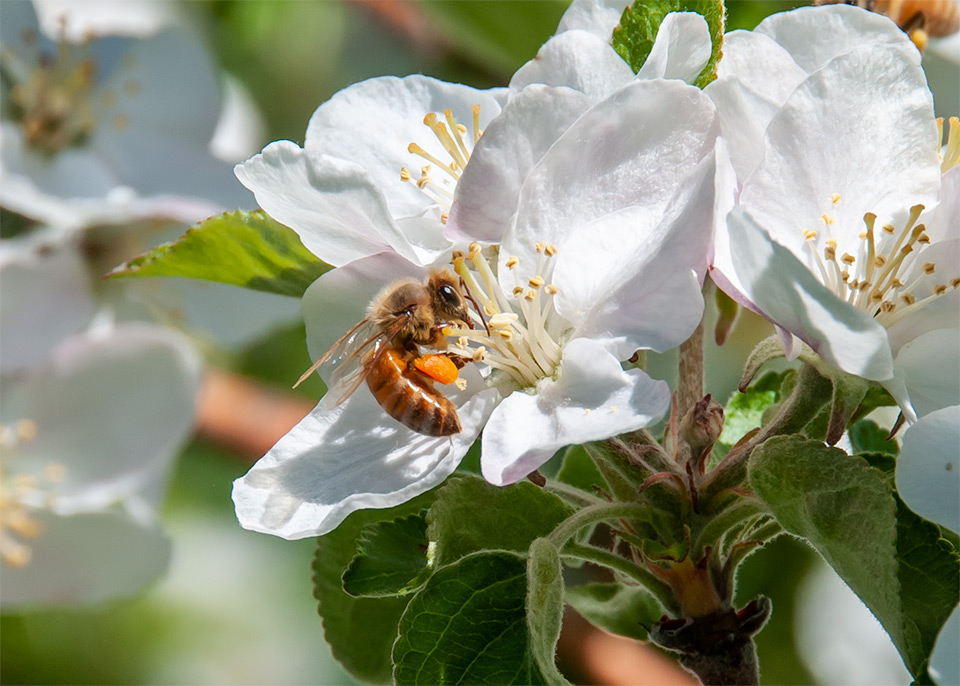
Beekeeping workshops serve as essential platforms for both novice and seasoned beekeepers to deepen their understanding of hive management, bee health, and sustainable practices. These educational sessions provide hands-on experience and valuable insights that are difficult to acquire through self-study alone. Participating in such workshops not only enhances technical skills but also fosters a sense of community among beekeeping enthusiasts, creating opportunities for collaboration and knowledge sharing.
Engaging in beekeeping workshops enables participants to stay updated with the latest techniques, tools, and research developments in apiculture. For beginners, these workshops demystify the complexities of bee biology, hive maintenance, and safety protocols, paving the way for successful and responsible beekeeping. For experienced keepers, workshops offer a chance to refine their skills, learn about innovative practices, and exchange experiences with peers, contributing to the overall health and productivity of their apiaries.
Comparison of Different Beekeeping Workshop Types
Various types of beekeeping workshops cater to different skill levels, interests, and objectives. Understanding the distinctions among these options helps prospective attendees choose the most suitable format for their learning needs.
| Workshop Type | Duration | Target Audience | Description |
|---|---|---|---|
| Introductory Workshops | 1 day or weekend | Beginners and hobbyists | Focuses on basic concepts of beekeeping, hive setup, bee biology, and safety measures. Ideal for those new to apiculture or considering starting a hive. |
| Hands-On Practical Sessions | Multiple days | Beginners to intermediate beekeepers | Emphasizes practical hive management skills, such as hive inspection, pest management, honey harvesting, and equipment handling, often including outdoor activities. |
| Advanced Workshops | 1-2 days | Experienced beekeepers and professionals | Focuses on topics like disease diagnosis, queen rearing, breeding, and research developments. Suitable for those seeking to improve productivity and sustainability. |
| Specialized Seminars | Variable (half-day to full day) | All levels with specific interests | Centered on niche topics such as organic beekeeping, bee conservation, or innovative hive designs, providing in-depth knowledge for targeted skills enhancement. |
“Attending diverse workshop formats allows beekeepers to tailor their learning journey, from foundational knowledge to specialized expertise, fostering continuous growth and community engagement.”
Finding Suitable Beekeeping Workshops
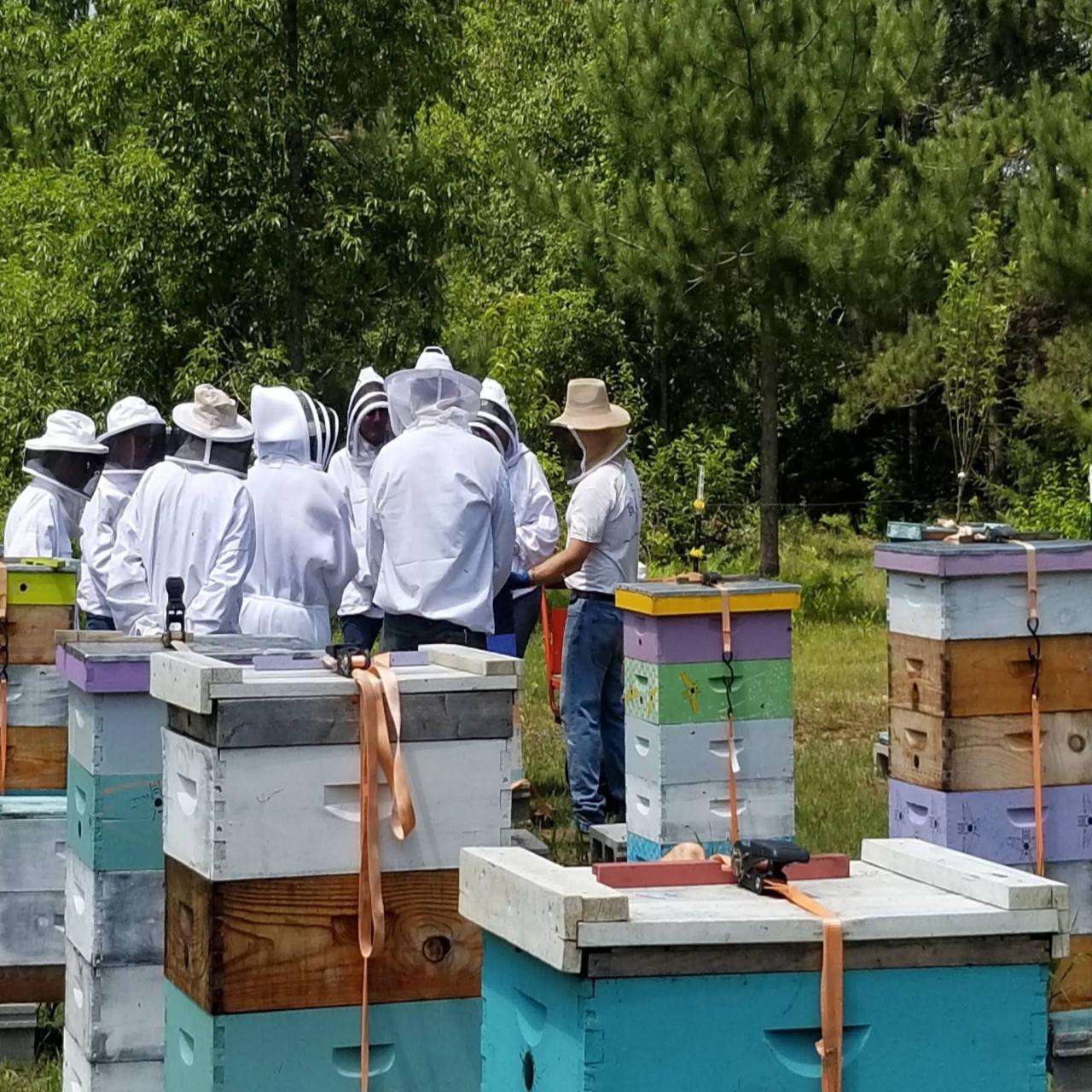
Locating the right beekeeping workshop is a crucial step toward enhancing your apiculture skills and gaining practical experience. With numerous options available both locally and through online platforms, identifying workshops that align with your knowledge level, interests, and schedule ensures a productive and enriching learning experience.
Effective methods for searching encompass utilizing targeted s on search engines, exploring specialized platforms dedicated to agricultural and hobbyist education, and tapping into community networks. Choosing credible workshops requires evaluating the expertise of instructors, reviewing participant feedback, and considering the workshop’s reputation to ensure valuable and accurate instruction.
Searching for Beekeeping Workshops Using Specific s and Platforms
When seeking beekeeping workshops, employing precise s enhances the relevance of search results. Using terms like “local beekeeping classes,” “beginner beekeeping workshops,” “beekeeper training courses,” or “online apiculture seminars” helps narrow down options. Incorporating location-specific s such as “beekeeping workshops in [Your City]” or “beekeeping courses near me” directs searches toward nearby opportunities.
Platforms that facilitate the discovery of workshops include dedicated education directories, community bulletin boards, agricultural extension service websites, and social media groups focused on beekeeping. Major online platforms like Eventbrite, Meetup, and Facebook Events often list upcoming workshops with detailed descriptions and registration options. Additionally, websites of local agricultural colleges or beekeeping associations typically advertise scheduled training sessions and workshops.
Strategies for Evaluating Workshop Credibility and Participant Feedback
Assessing the credibility of a beekeeping workshop involves examining the qualifications of the instructors, such as their practical experience, certifications, and reputation within the apiculture community. A workshop led by a seasoned beekeeper with recognized credentials is likely to provide high-quality instruction.
Participant reviews and testimonials are valuable indicators of a workshop’s effectiveness and relevance. Reading feedback on social media, review platforms, or dedicated forums can reveal insights into the workshop’s content, organization, and overall value. Look for reviews that mention specific skills gained, clarity of instruction, and logistical aspects like scheduling and facilities.
To systematically evaluate options, consider creating a comparison chart or checklist that includes instructor credentials, workshop topics, participant ratings, and logistical details. This approach ensures a comprehensive assessment, aiding in selecting the most suitable and reputable workshops.
Responsive HTML Table of Search Sources, Selection Criteria, and Registration Tips
| Search Source | Criteria for Selection | Registration Tips |
|---|---|---|
| Google Search | Use specific s; filter results by date and location; review website credibility. | Verify workshop dates, fees, and instructor credentials; register early to secure a spot. |
| Event Platforms (Eventbrite, Meetup) | Check participant reviews; assess organizer reputation; look at detailed workshop descriptions. | Read the FAQ; note cancellation and refund policies; complete registration through the platform. |
| Local Agricultural Extension Websites | Focus on programs endorsed by recognized agricultural bodies; examine course Artikels. | Follow registration instructions provided; contact organizers for clarifications. |
| Social Media Groups (Facebook, Beekeeping Forums) | Evaluate feedback from community members; assess the activity level of the group. | Join relevant groups; participate in discussions; register via provided links or contact organizers directly. |
| Community Centers and Local Clubs | Ensure workshops are aligned with your experience level; verify credentials of instructors. | Visit or call centers; ask about upcoming sessions; complete registration forms or online sign-up. |
Preparing for a Beekeeping Workshop
Attending a beekeeping workshop requires careful preparation to ensure that participants can derive maximum benefit from the experience. Proper planning involves understanding the essential materials, equipment, and questions to bring, as well as any prerequisites needed to confidently engage in the activities. Additionally, familiarizing oneself with the registration process helps streamline participation and confirms attendance. Adequate preparation not only enhances learning but also fosters confidence when working with bees and related equipment.Preparation for a beekeeping workshop involves gathering the necessary tools and materials that facilitate hands-on learning and safety.
It also entails verifying prior knowledge or experience levels to select appropriate workshops. Clarifying the registration procedures ensures a smooth enrollment process, allowing participants to focus on acquiring valuable skills during the event.
Essential Materials, Equipment, and Questions
To maximize learning during a beekeeping workshop, participants should come equipped with specific materials and equipment that are commonly used in beekeeping practices. These items are fundamental for participating in practical activities, ensuring safety, and understanding real-world beekeeping scenarios.Participants should bring:
- Bee Suit or Protective Clothing: A full-body suit or veil and gloves to prevent stings and ensure safety during hive inspections.
- Hive Tools: Items such as a hive scraper, hive tool, and hive smoker to manipulate and manage hives properly.
- Hive Management Notebook: For taking notes on techniques, observations, and instructions provided during the workshop.
- Questions List: Prepared questions about hive maintenance, bee health, seasonal management, and pest control to clarify uncertainties and deepen understanding.
- Personal Items: Water, comfortable footwear, and weather-appropriate clothing, especially if the workshop is outdoors.
Understanding common challenges or specific issues faced in one’s own apiary can help formulate targeted questions that maximize the benefit of expert advice and peer discussions.
Prerequisites and Prior Knowledge
Certain beekeeping workshops are designed for individuals with varying levels of experience, from absolute beginners to advanced practitioners. Recognizing the prerequisites ensures that participants select sessions aligned with their skill level, allowing them to engage fully and avoid frustration.Workshops aimed at beginners typically require no prior knowledge and focus on basic concepts, safety protocols, and introductory hive management. Conversely, advanced workshops may assume familiarity with bee biology, hive construction, and disease management.
Prior attendance at beginner workshops or self-study in fundamental beekeeping principles can be advantageous for participating in more complex sessions.Participants should review workshop descriptions thoroughly to identify any recommended prerequisites or experience levels. For instance, a workshop focused on queen rearing or integrated pest management may expect attendees to have prior practical experience or completed introductory courses.
Procedural Steps for Registration, Payment, and Confirmation
Securing a spot in a beekeeping workshop involves a systematic process to ensure smooth enrollment and attendance. Following these steps helps participants confirm their participation and prepare accordingly.
- Research Workshops: Review available sessions, dates, locations, and instructor credentials to choose the most suitable workshop.
- Complete Registration Form: Fill out the registration form provided by the organizing body, either online or in person, ensuring all required information is accurate.
- Make Payment: Submit the registration fee through the designated payment methods, such as credit card, bank transfer, or payment via a secure online platform.
- Receive Confirmation: Confirm receipt of registration and payment; this is often done via email or a confirmation number. Keep records of these confirmations for future reference.
- Prepare Documentation: Ensure any necessary documentation, such as proof of payment or identification, is ready for check-in at the workshop.
Adhering to these steps guarantees a seamless registration process, allowing participants to focus on gaining valuable beekeeping skills during the event.
Engaging During the Workshop
Participating actively during a beekeeping workshop not only enhances learning but also builds confidence and fosters connections with fellow enthusiasts and experts. Effective engagement involves attentive participation, proactive communication, and adherence to safety practices. By immersing oneself fully in the experience, attendees can maximize the benefits of the workshop and deepen their understanding of beekeeping techniques and safety protocols.Engagement during the workshop is crucial for gaining practical skills and clarifying any uncertainties.
It involves a combination of attentive note-taking, asking insightful questions, and engaging in hands-on activities. Additionally, building rapport and collaborating with other participants fosters a supportive learning environment, while strict adherence to safety measures ensures a secure and productive experience for everyone involved.
Note-Taking and Asking Questions
Effective note-taking allows participants to retain detailed information and reference it later for practical application. Attendees should focus on key concepts such as hive management, bee behavior, and equipment handling, ensuring they capture actionable tips and safety instructions. Using a structured note format—such as bullet points, diagrams, or symbols—can facilitate quick review and reinforce learning.Asking questions is vital for clarifying complex topics or obtaining expert insights.
When questions arise, participants should raise their hands politely, wait for appropriate moments, and frame their inquiries clearly and concisely. Thoughtful questions demonstrate engagement and curiosity, which not only benefit the individual but also enrich the collective learning experience by prompting discussions that might address common challenges or misconceptions.
Hands-On Practice and Collaboration
Practical, hands-on activities are the core of beekeeping workshops, allowing attendees to apply theoretical knowledge in a real-world context. Engaging actively in hive inspections, equipment setup, and bee handling under supervision helps build confidence and skills. Participants should follow instructions carefully, observe techniques demonstrated by instructors, and seek feedback to improve their proficiency.Collaborating with fellow attendees enhances the learning process through shared experiences and mutual support.
Engaging in group discussions, exchanging contact information, and sharing personal insights foster a community atmosphere conducive to ongoing learning. Attendees can learn from diverse perspectives, troubleshoot common issues collectively, and develop friendships that support long-term beekeeping endeavors.
Safety Protocols and Equipment Handling
Safety is paramount in beekeeping workshops due to the nature of working with live insects and potentially hazardous equipment. Participants should familiarize themselves with safety guidelines, such as wearing appropriate protective gear—such as veils, gloves, and suits—and understanding how to properly handle hive tools and smoker devices.Best practices include inspecting equipment for damage before use, handling bees gently to prevent stings or injuries, and maintaining awareness of hive behavior to avoid aggressive responses.
Adhering to safety protocols not only protects individuals but also ensures that the entire group can participate confidently. Consistent safety compliance reduces accidents and creates a professional environment where learning can occur without undue risk.
Post-Workshop Activities
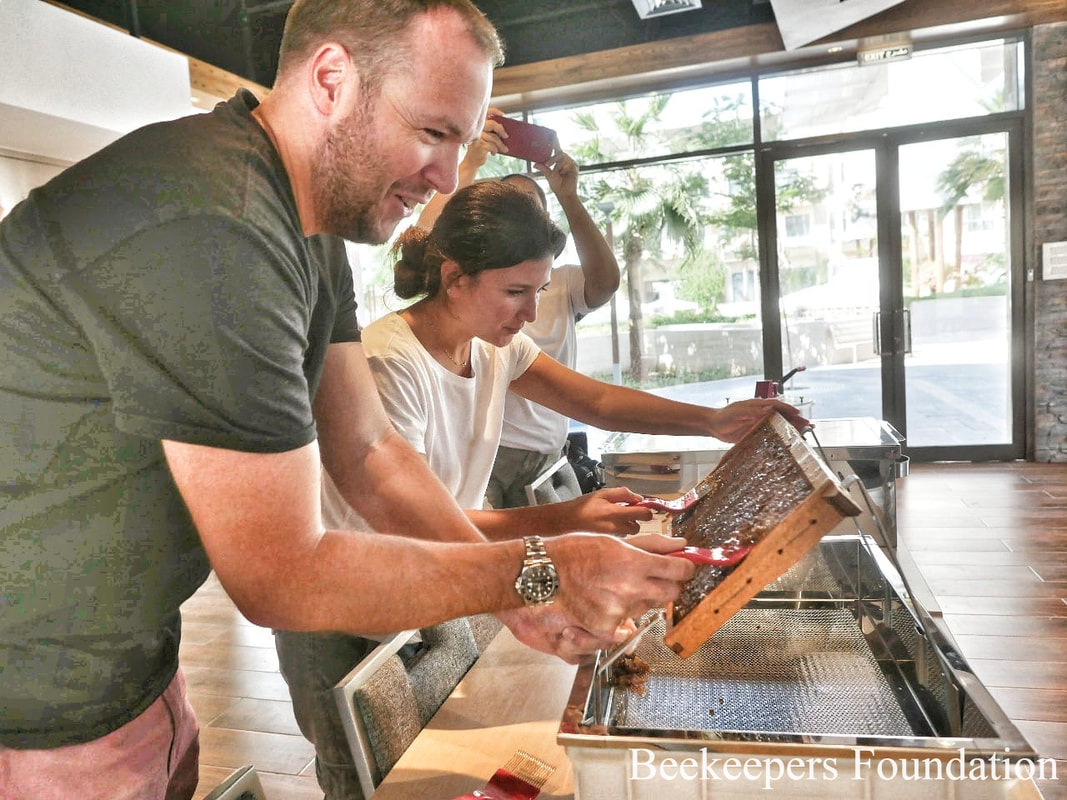
After participating in a beekeeping workshop, the next vital step involves effectively applying the acquired knowledge and skills to real-world beekeeping practices. Engaging in post-workshop activities ensures that the learning experience translates into successful and sustainable beekeeping endeavors. It also fosters ongoing development through community engagement and continuous learning. Implementing these activities can significantly enhance your proficiency and confidence as a responsible beekeeper.To maximize the benefits of your workshop, it is essential to adopt practical methods for integrating new techniques into your apiary management.
Maintaining connections with organizers and fellow participants can provide valuable support, advice, and motivation. Additionally, creating structured documentation helps track progress, identify areas for improvement, and plan future actions to achieve your beekeeping goals.
Implementing Learned Skills in Beekeeping Practices
Effective application of workshop knowledge requires deliberate and consistent efforts. Begin by reviewing your notes and any instructional materials provided during the session. Next, set specific, measurable goals such as establishing a new hive, implementing integrated pest management techniques, or enhancing honey extraction methods. Practical application involves scheduling regular hive inspections, monitoring bee health, and adjusting management practices based on observed outcomes.It is also beneficial to document each step taken and outcomes observed, which can serve as a reference for future improvements.
For example, if you learned a new method for controlling varroa mites, applying this technique consistently over several weeks and recording mite counts can help evaluate its effectiveness. Participating in local beekeeping communities or online forums allows for sharing experiences, troubleshooting challenges, and gaining additional insights from seasoned practitioners.
Staying Connected with Ors and Participants via Online Groups or Forums
Building a network of fellow beekeepers is crucial for ongoing learning and support. Online groups and forums dedicated to beekeeping offer platforms to exchange information, ask questions, and share successes and setbacks. These digital communities enable access to a wide range of resources, expert advice, and updated research findings, which can significantly enhance practical knowledge.Joining platforms such as industry-specific Facebook groups, Reddit communities, or dedicated beekeeping forums allows you to stay informed about upcoming events, workshops, or local meetups.
Regular participation can foster mentorship opportunities, collaborative projects, and peer reviews that improve your skills and confidence. For example, sharing photos of hive setups or pest issues can attract valuable feedback from experienced beekeepers worldwide.
Creating a Summary Report or Checklist
Maintaining organized documentation of your new techniques, equipment updates, and next steps is vital for continuous improvement. Developing a summary report or checklist in a table format provides clarity and facilitates tracking progress over time. This approach helps identify which practices are yielding positive results and highlights areas needing further attention.Consider constructing a table with columns such as “Technique/Task,” “Date Implemented,” “Results,” and “Next Steps.” For instance, after attending a workshop on queen rearing, your table might include entries like “Grafting Technique,” “April 15, 2024,” “Successful larvae development,” and “Experiment with different grafting tools.” Regularly updating this document ensures a structured approach to applying knowledge, making adjustments as needed, and planning future activities effectively.
Implementing and tracking new beekeeping techniques ensures continuous improvement and sustainable apiary management.
Ending Remarks
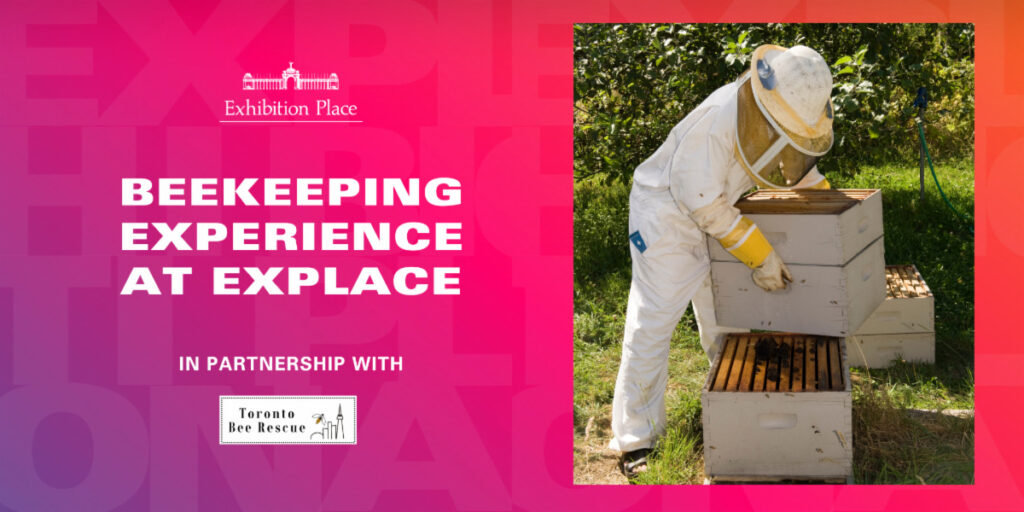
In summary, attending beekeeping workshops is a vital step toward becoming a confident and knowledgeable beekeeper. With proper preparation and active participation, you can acquire new skills, build lasting connections, and successfully apply your newfound knowledge to real-world beekeeping practices, enhancing your overall experience.