Discovering how to brand honey products is essential for establishing a memorable and trustworthy market presence. A well-crafted brand not only captures consumer attention but also builds loyalty through consistent storytelling and visual identity.
This comprehensive guide explores the fundamental elements of honey branding, from designing appealing packaging and creating authentic brand stories to positioning products effectively and maintaining legal and ethical standards. By integrating these strategies, honey producers can differentiate their offerings and connect meaningfully with their target audiences.
Foundations of Honey Product Branding
Establishing a compelling brand identity is crucial for honey products to differentiate them in a competitive marketplace and to foster consumer loyalty. Effective branding influences perception, builds trust, and communicates the unique qualities of your honey, whether it’s organic, local, or infused with flavors. A strong brand not only attracts customers but also elevates the perceived value of your product, enabling premium pricing and expanding market reach.
Key elements such as logo design, packaging, and storytelling form the foundation of a recognizable and trustworthy honey brand. When these elements are thoughtfully developed and consistently applied, they create an emotional connection with consumers, evoke authenticity, and reinforce product quality. Focusing on these core components ensures your honey brand stands out and resonates with your target audience.
Essential Elements for a Strong Honey Brand Identity
Building a memorable and trustworthy honey brand involves carefully crafting several core elements that communicate the essence of your product and appeal to consumer preferences. Each element plays a vital role in shaping perceptions and reinforcing brand values.
| Element | Purpose | Best Practices | Examples |
|---|---|---|---|
| Logo | To create a visual symbol that instantly identifies the brand and conveys core values such as purity, naturalness, or tradition. | Design a simple, memorable logo that reflects honey’s natural qualities; use warm color palettes like amber or gold; ensure scalability across various media. | The classic bee icon of the “Manuka Health” brand; an elegant, minimalistic honey jar logo with a stylized bee and organic fonts. |
| Packaging | To protect the product, communicate quality, and attract consumers through appealing visuals and informative labels. | Use eco-friendly materials that highlight sustainability; incorporate clear product information, including origin, purity, and certifications; employ attractive, consistent color schemes. | Glass jars with embossed labels highlighting local sourcing; biodegradable squeeze bottles with clear, easy-to-read labels for easy dispensing. |
| Brand Story | To connect emotionally with consumers, communicate the product’s origin, values, and unique qualities, fostering loyalty. | Share authentic stories about beekeepers, sustainable practices, or regional traditions; use narrative formats that evoke trust and transparency. | A brand story emphasizing the heritage of local beekeeping communities and a commitment to environmental conservation, told through website content and packaging. |
Key Branding Principles
Implementing effective branding principles ensures consistency, clarity, and differentiation in the honey market. These principles serve as guiding standards for developing and maintaining a strong brand presence.
Consistency is key: Maintain uniformity across all branding elements, from packaging to advertising, to build recognition and trust.
Authenticity matters: Convey genuine stories and transparent practices to resonate with consumers seeking natural and trustworthy products.
Visual appeal: Use attractive designs and color schemes that reflect honey’s warm, natural qualities to draw consumer attention.
Differentiation: Clearly communicate what sets your honey apart, whether it’s organic certification, unique floral sources, or traditional harvesting methods.
Branding Principles Organized in a Comprehensive Table
| Element | Purpose | Best Practices | Examples |
|---|---|---|---|
| Visual Identity | Create immediate recognition and evoke appropriate emotions. | Consistent use of colors, fonts, and imagery that reflect honey’s natural appeal; develop a memorable logo. | Bright, warm amber color schemes with stylized bee imagery used across labels, website, and promotional materials. |
| Messaging | Communicate brand values, product benefits, and unique selling propositions effectively. | Use clear, honest language; highlight key attributes like purity, local sourcing, or health benefits. | Taglines such as “Pure Nature’s Sweetness” or “From Our Apiary to Yours” reinforce authenticity and quality. |
| Market Positioning | Define the target audience and position the honey product accordingly. | Identify niche markets such as organic consumers, health-conscious buyers, or gourmet food enthusiasts. | Positioning as “Premium Organic Honey” targeting health-conscious consumers willing to pay a higher price for quality and sustainability. |
| Brand Experience | Create positive, memorable interactions that foster loyalty. | Offer educational content, excellent customer service, and engaging storytelling. | Interactive tastings, beekeeping farm visits, and detailed product stories on packaging and website enhance consumer engagement. |
Designing Packaging for Honey Products

Effective packaging design serves as a vital touchpoint for honey brands, combining functionality, aesthetics, and sustainability. Well-designed packaging not only protects the product but also communicates the brand’s story and values, creating a memorable experience for consumers. Crafting packaging that is attractive, practical, and eco-friendly enhances brand recognition and appeals to the growing market of environmentally conscious buyers.
Developing packaging for honey products involves a strategic approach that balances visual appeal with environmental responsibility. It requires thoughtful selection of colors, imagery, and materials that resonate with target customers while emphasizing the natural and pure qualities associated with honey. This process helps differentiate products in a competitive marketplace while reinforcing the brand’s commitment to sustainability and quality.
Steps to Develop Attractive, Functional, and Eco-Friendly Packaging
- Identify Brand Values and Target Audience: Clarify what the brand stands for and understand the preferences and expectations of the target demographic. For instance, organic or artisanal honey may appeal to health-conscious consumers looking for eco-friendly options.
- Design for Functionality: Ensure the packaging is easy to use, resealable if necessary, and durable enough to protect the honey during transportation and storage. Consider features like leak-proof lids and ergonomic shapes for convenience.
- Choose Sustainable and Eco-Friendly Materials: Select biodegradable, recyclable, or compostable materials such as glass, recycled plastics, or cardboard that align with environmental values. Incorporate minimal packaging to reduce waste.
- Develop Visual Elements: Create designs that reflect purity and naturalness, using imagery like honeycombs, bees, or flowers. The branding should be consistent across packaging components for a cohesive look.
- Prototype and Test: Produce sample packaging to evaluate its visual impact, usability, and sustainability claims. Gather feedback from focus groups or early consumers to refine the design.
- Implement and Monitor: Launch the packaging, monitor customer responses, and make adjustments as needed to enhance appeal and functionality while maintaining eco-efficiency.
Methods for Choosing Colors, Imagery, and Materials
The selection of colors, imagery, and materials plays a critical role in attracting the target audience and differentiating honey products from competitors. These visual and tactile elements should evoke the natural, pure, and artisanal qualities associated with honey, appealing to consumers’ senses and values.
Colors: Use warm, earthy tones like amber, gold, and soft browns to symbolize honey’s richness and natural origin. Bright accents such as green or turquoise can suggest freshness and eco-friendliness. Color psychology influences perception, so selecting harmonious palettes that evoke trust and quality is essential.
Imagery: Incorporate illustrations or photographs of honeycombs, bees, flowers, and lush landscapes to reinforce authenticity and naturalness. Minimalistic designs with organic motifs tend to appeal to modern consumers seeking simplicity and purity.
Materials: Opt for materials that reflect sustainability and quality. Glass jars convey premium quality and are reusable, aligning with eco-conscious consumers. Recycled or biodegradable plastics, kraft paper wraps, and cardboard boxes also support environmental goals. Texture and tactile features, like embossed patterns or matte finishes, enhance perceived value and engagement.
Innovative Packaging Ideas for Honey Jars, Labels, and Wraps
To stand out in a competitive market, consider the following innovative packaging concepts that combine aesthetics, functionality, and sustainability:
- Reusable glass jars with decorative ceramic or wooden lids that double as keepsakes or kitchen decor.
- Labels made from plant-based, biodegradable materials printed with soy or vegetable inks for an eco-friendly touch.
- Wrap-around paper bands with embossed textures and metallic accents to add elegance and tactile interest.
- Miniature honey gift sets with unique, eco-friendly packaging like woven baskets or fabric pouches.
- Honey bottles with ergonomic, contour-shaped bodies that are easy to grip and pour, made from recycled plastics or glass.
- Labels featuring QR codes that link to the story of the honey’s origin, fostering transparency and consumer engagement.
- Innovative sealing methods such as wax seals or biodegradable cork stoppers that enhance the premium feel and maintain freshness.
- Use of transparent, biodegradable wraps that highlight the honey’s color and clarity, with minimal branding to emphasize natural quality.
Crafting a Unique Brand Story and Message
Developing an authentic and compelling brand story is a vital step in establishing a strong identity for honey products. A well-crafted narrative not only captures the essence of the product but also fosters an emotional connection with consumers, differentiating the brand in a competitive marketplace. Coupled with a clear and persuasive brand message, this approach can effectively communicate the core qualities of honey, such as purity, local sourcing, and health benefits, to resonate deeply with target audiences.
Creating an impactful brand story and message involves understanding the unique attributes of your honey, the values of your brand, and the preferences of your consumers. This process requires a thoughtful combination of storytelling techniques and strategic messaging strategies that highlight the distinguishing features of your honey products, fostering trust, loyalty, and consumer engagement.
Developing an Authentic Brand Story
To craft an authentic brand story that resonates with consumers, it is essential to delve into the origins and journey of your honey product. This includes highlighting the location of sourcing, the traditional or sustainable methods employed in harvesting, and the personal commitment of the brand founders. An authentic story builds credibility and connects consumers emotionally to the product, making it memorable and trustworthy.
Steps to develop your brand story include:
- Identify the unique origin of your honey, such as local beekeeping farms or specific floral sources that contribute to distinct flavors.
- Highlight the traditional, sustainable, or eco-friendly practices used in production, emphasizing the care taken to maintain quality and environmental responsibility.
- Share the personal journey or mission behind the brand, including founders’ motivations and dedication to purity and health.
- Incorporate customer testimonials or stories that showcase the positive impact of your honey on health and well-being.
“An authentic brand story should evoke emotion, demonstrate transparency, and reflect the core values that make your honey unique. It serves as the foundation for building trust and fostering long-term consumer relationships.”
Developing a Compelling Brand Message
A clear and compelling brand message succinctly communicates the essence of your honey, emphasizing the qualities that appeal most to your target consumers. Whether focusing on purity, local sourcing, or health benefits, your message should resonate with consumers’ values and aspirations, encouraging brand loyalty and differentiation.
Key tips for developing an effective brand message include:
- Focus on the purity of your honey by highlighting natural, chemical-free harvesting methods and organic certification if applicable.
- Emphasize local sourcing to appeal to consumers who value supporting local farmers and reducing environmental impact.
- Highlight health benefits, such as antioxidant properties, allergy relief, or natural energy boosts, supported by scientific research or testimonials.
- Use language that is honest, transparent, and relatable, avoiding exaggerated claims that could undermine credibility.
“Your brand message should serve as a concise reflection of your honey’s most compelling qualities, crafted to inspire trust and connect with consumers on a personal level. It must align with the underlying story and evoke an emotional response.”
Positioning Honey Products in the Market
Effectively positioning honey products within the marketplace is crucial for differentiating your brand and capturing the attention of your target audience. It involves identifying the specific segments of consumers most likely to value your product and tailoring your branding strategies to meet their preferences and expectations. A well-crafted positioning approach not only enhances brand visibility but also establishes a strong market presence that resonates with consumers’ values and lifestyles.
Understanding the nuances between premium, organic, and mass-market honey branding approaches enables producers to develop targeted strategies that optimize appeal and sales. Each approach caters to distinct consumer needs and perceptions, influencing packaging, messaging, distribution, and pricing. Carefully analyzing and choosing the appropriate market positioning ensures your honey product can stand out amid fierce competition and align with your overall branding objectives.
Identifying Target Markets and Niche Segments
Successful market positioning begins with a clear identification of target markets and niche segments. Conducting thorough market research helps to understand consumer behaviors, preferences, and purchasing motivations. For honey products, potential target markets include health-conscious individuals seeking organic options, gourmet food enthusiasts interested in premium qualities, environmentally conscious consumers prioritizing sustainably produced honey, and price-sensitive shoppers in mass-market segments.
Segmentation can be achieved through demographic, geographic, psychographic, and behavioral analyses. Demographically, age, income level, and education influence purchasing choices; geographically, urban versus rural markets can differ significantly; psychographically, lifestyle and values play critical roles; and behavioral factors involve purchase frequency and brand loyalty. Identifying underserved or emerging segments allows brands to tailor their offerings and marketing messages effectively.
Comparison of Premium, Organic, and Mass-Market Honey Branding Approaches
Different branding strategies serve varied consumer expectations, and understanding these differences ensures effective market positioning. The following comparison highlights key aspects of each approach:
| Market Segment | Brand Focus | Key Appeal | Distribution Channels |
|---|---|---|---|
| Premium Honey | Quality, Rarity, Craftsmanship | Superior flavor, exclusive sourcing, artisanal production | Specialty stores, gourmet shops, online boutique stores |
| Organic Honey | Natural, Organic Certification, Sustainability | Health benefits, eco-friendly practices, chemical-free production | Health food stores, organic markets, online platforms with certifications |
| Mass-Market Honey | Accessibility, Affordability, Consistency | Brand recognition, value for money, wide availability | Supermarkets, convenience stores, large retail chains |
Understanding the distinct focus and appeal of each market segment allows brands to craft targeted messaging and select appropriate distribution channels that align with consumer expectations and purchasing habits.
Utilizing Visual Branding Elements
Effective visual branding plays a vital role in establishing a memorable and trustworthy honey product. By designing impactful labels, logos, and packaging visuals, brands can communicate their core values and connect with consumers on an emotional level. Visual branding not only enhances recognition but also differentiates honey products in a competitive marketplace, fostering consumer loyalty and conveying quality.
Incorporating consistent and compelling visual elements helps to craft a cohesive brand identity. The strategic use of imagery, typography, color schemes, and design principles ensures that each visual component aligns with the brand’s story and market positioning. This consistency across all packaging and branding materials enhances recall and reinforces the perceived value of the honey product.
Designing Impactful Labels, Logos, and Packaging Visuals
The visual elements on honey product packaging serve as a primary touchpoint with consumers, making their design crucial for brand perception. Labels should be clear, attractive, and reflective of the product’s natural and authentic qualities. Logos must be simple, memorable, and scalable to ensure versatility across various formats. Packaging visuals should communicate purity, naturalness, and trustworthiness, often through imagery and color choices that evoke feelings of warmth and sweetness.
When creating these visuals, it is essential to maintain clarity and avoid clutter. Use high-quality graphics, and ensure that the label layout guides the consumer’s eye towards key information such as the brand name, product type, and quality certifications. A well-designed label not only attracts attention but also conveys professionalism and care in product presentation.
Guidelines for Incorporating Imagery and Typography
Imagery and typography are central to reinforcing brand identity and recognition. Carefully selected imagery should resonate with the brand’s values, such as fields of blooming flowers or bees in action, emphasizing natural origins and craftsmanship. Bright, warm images evoke the warmth and sweetness of honey, creating an emotional connection with consumers. Typography should reflect the brand’s personality—whether rustic and organic or modern and sophisticated—through font choices and styles.
Consistency in typography across all branding materials helps establish a cohesive look. Use legible fonts that complement the overall design aesthetic, and consider using handwritten or script fonts to evoke artisanal qualities. Combining imagery and typography thoughtfully enhances visual harmony and ensures that the brand message is communicated effectively at a glance.
Visual Branding Techniques
Implementing effective visual branding techniques enhances recognition and builds a strong brand presence in the marketplace. Consider the following approaches:
- Color Psychology: Use colors that evoke naturalness, purity, and warmth. For honey, golden yellows, amber, and earthy tones are often effective. Blue can signal trustworthiness, while green emphasizes eco-friendliness and sustainability.
- Typography Styles: Choose fonts that align with the brand character. Rustic serif fonts convey tradition and authenticity, whereas clean sans-serif fonts suggest modernity and clarity. Handwritten fonts can reinforce artisanal qualities.
- Imagery Choices: Incorporate visuals of bees, honeycombs, flowers, and pastoral landscapes to highlight natural origins. High-resolution images that showcase the product’s texture and color can also attract consumer attention.
- Design Consistency: Maintain uniformity in colors, typography, and imagery across all packaging and promotional materials to strengthen brand recognition and foster trust.
- Use of Labels and Seal Designs: Incorporate decorative elements like borders, seals, or badges that highlight certifications (e.g., organic, fair trade) and reinforce quality.
By applying these techniques thoughtfully, honey brands can create visually appealing and memorable packaging that resonates with target consumers and effectively communicates the brand’s core values and story.
Developing a Brand Voice and Communication Strategy
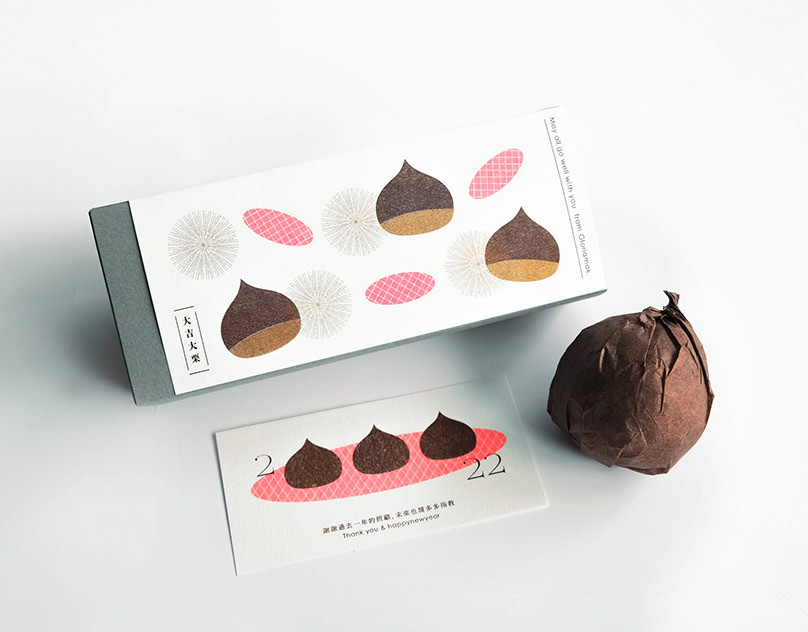
Creating a consistent and authentic brand voice is essential for establishing trust and recognition in the honey product market. A well-defined communication strategy ensures that all messaging resonates with target consumers, reinforces brand identity, and builds lasting relationships. This process involves understanding your brand’s core values, target audience, and the tone that best reflects your product’s unique qualities, enabling you to communicate effectively across various marketing channels.An effective brand voice serves as the foundation for engaging storytelling, compelling content, and memorable interactions with consumers.
By maintaining consistency in tone, style, and messaging, your brand can stand out amidst competitors, foster loyalty, and encourage positive word-of-mouth. A cohesive communication strategy also facilitates clear, impactful messaging that guides consumer perceptions and influences purchasing decisions.
Creating a Consistent Brand Voice Across Marketing Channels
Establishing a uniform brand voice requires deliberate planning and ongoing management to ensure messaging aligns with your brand’s identity. The process begins with defining your brand’s personality—whether it is friendly and approachable, premium and authoritative, or natural and organic. Once that personality is clear, it is vital to translate it into specific language, tone, and style guidelines that can be applied across all platforms.Consistency can be achieved through the development of a comprehensive brand voice manual that includes key elements such as preferred vocabulary, tone modifiers, and examples of messaging styles.
Regular training for your marketing team and content creators helps reinforce these standards. Additionally, utilizing content calendars and templates can streamline the process, ensuring that every social media post, website update, and packaging element reflects your brand voice uniformly.
Engaging Storytelling Through Social Media, Website Content, and Packaging
Storytelling is a powerful tool to connect consumers emotionally with your honey brand. It involves sharing genuine stories about the origins of your honey, the beekeepers’ dedication, sustainable practices, or community involvement. Such narratives humanize your brand and foster loyalty by creating a sense of authenticity and transparency.On social media platforms, storytelling can take the form of brief anecdotes, customer testimonials, behind-the-scenes glimpses, or live videos showcasing the honey production process.
Your website content can feature detailed stories about your brand history, mission, and values, complemented by high-quality photos and videos. Packaging design can also incorporate storytelling elements, such as labels that narrate the honey’s unique floral source or environmental benefits, creating an immediate emotional connection at the point of sale.
Guidelines for Tone, Style, and Messaging Consistency
Maintaining uniformity in tone, style, and messaging is crucial for reinforcing your brand identity and ensuring clarity. The following guidelines offer a structured approach:
“Consistency in voice and messaging fosters trust and recognition, transforming casual consumers into loyal advocates.”
- Tone: Determine whether your brand voice is warm and friendly, professional and authoritative, or eco-conscious and educational. Ensure this tone remains steady across all channels.
- Language Style: Use simple, clear language that aligns with your target audience’s preferences. For premium honey, adopt elegant and sophisticated wording; for organic or local honey, emphasize natural and community-focused language.
- Message Themes: Focus on key values such as purity, sustainability, heritage, or health benefits. Reinforce these themes consistently to build a cohesive narrative.
- Visual and Verbal Alignment: Match your messaging tone with visual elements—e.g., a rustic, natural style for organic honey, or sleek, modern designs for premium brands.
- Content Frequency and Style: Maintain a regular posting schedule with a consistent stylistic approach, whether through humor, storytelling, or informative content, to reinforce brand identity.
Ensuring these elements are adhered to across all marketing channels helps create a unified, recognizable presence that builds consumer confidence and loyalty over time.
Legal and Ethical Considerations in Honey Branding
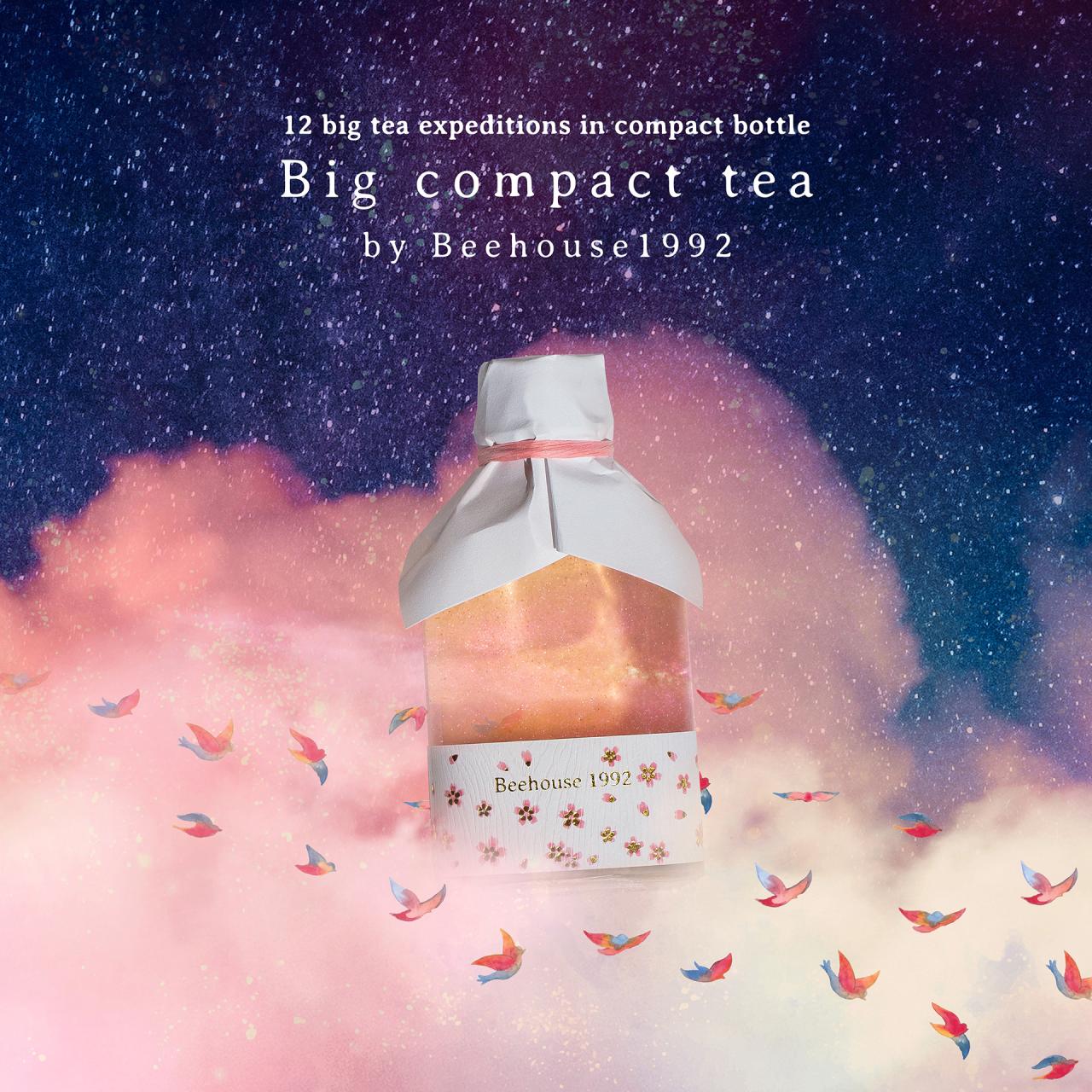
Ensuring that honey products are marketed and labeled in compliance with relevant laws and standards is fundamental for establishing credibility and consumer trust. Equally important are ethical branding practices that emphasize transparency, sustainability, and integrity, fostering long-term relationships with consumers and stakeholders in the honey industry. Addressing both legal requirements and ethical principles helps brands build a reputable presence in a competitive marketplace while respecting consumer rights and environmental responsibilities.Legal and ethical considerations should be integrated into every stage of honey product branding.
Proper adherence to food labeling laws not only avoids legal penalties but also ensures consumers receive accurate information about the product they purchase. Ethical branding, on the other hand, involves honest communication, sustainable sourcing, and social responsibility that reflect the brand’s core values and commitment to consumers and the environment.
Steps to Ensure Compliance with Food Labeling Laws and Organic Certification Standards
Compliance with food labeling laws and organic certification standards involves a series of systematic steps to verify that all product information is accurate, truthful, and meets regulatory requirements. These steps help prevent legal issues and reinforce consumer confidence in the honey brand.
- Understand Regulatory Requirements: Familiarize with the food labeling regulations of the target market, such as the Food and Drug Administration (FDA) in the United States or the European Food Safety Authority (EFSA) in Europe. These laws specify mandatory label components, including ingredients, net weight, producer information, and allergen declarations.
- Accurate Product Labeling: Ensure all claims about honey, such as “raw,” “natural,” or “organic,” are substantiated by verifiable standards. Avoid misleading terms that could deceive consumers or violate regulations.
- Implement Proper Certification Processes: Obtain necessary certifications, such as organic certification from accredited bodies like USDA Organic or EU Organic, by adhering to their strict standards regarding sourcing, processing, and handling honey.
- Maintain Documentation and Traceability: Keep detailed records of sourcing, processing, and certification documentation to verify compliance in case of inspections or audits.
- Regular Compliance Audits: Conduct periodic reviews of labels and practices to ensure ongoing adherence to legal standards and certification requirements.
Ethical Branding Practices Emphasizing Transparency and Sustainability
Ethical branding transcends legal compliance by fostering an honest and responsible relationship with consumers and the environment. Transparency and sustainability are core pillars of ethical honey branding, ensuring that all claims are truthful and that practices support ecological balance and social responsibility.
- Honest Communication: Clearly disclose product attributes, sourcing locations, and production methods. Avoid exaggerated or false claims about the purity, health benefits, or origin of honey.
- Sustainable Sourcing: Source honey from beekeepers who implement environmentally friendly practices, such as minimal chemical use, habitat preservation, and support for bee health. Promote fair trade principles to ensure beekeeper livelihoods are protected.
- Environmental Responsibility: Reduce packaging waste, utilize eco-friendly materials, and implement energy-efficient processing methods. Communicate these initiatives transparently to consumers.
- Community Engagement: Support local communities and beekeepers through fair pricing, training, and educational initiatives, demonstrating a commitment to social sustainability.
- Authentic Storytelling: Share genuine narratives about the source, production process, and community involvement, enhancing consumer trust and brand authenticity.
Compliance Checklist and Ethical Guidelines
Below is a comprehensive summary presented in a responsive HTML table, delineating key aspects, requirements, and best practices essential for legal and ethical honey branding.
| Aspect | Requirement | Best Practice |
|---|---|---|
| Label Accuracy | All claims must be truthful, clear, and verifiable. | Use certified testing results and transparent sourcing information to substantiate labels. |
| Ingredient Declaration | List all ingredients and additives accurately. | Include allergen information and avoid misleading descriptors like “pure” unless verified. |
| Organic Certification | Meet standards set by recognized certifying bodies. | Maintain detailed records of sourcing and processing to pass audits. |
| Sustainable Practices | Implement eco-friendly sourcing and packaging. | Use biodegradable packaging and support local ecological initiatives. |
| Transparency | Provide truthful information about production and sourcing. | Share behind-the-scenes stories, certifications, and community involvement openly. |
| Environmental Responsibility | Reduce environmental impact across all operations. | Adopt energy-efficient processes and minimize packaging waste. |
Respecting legal standards and adhering to ethical principles are crucial in establishing a reputable honey brand. Integrating these considerations into your branding strategy not only ensures compliance but also builds consumer trust, loyalty, and a positive reputation in the marketplace.
Strategies for Promoting Honey Products

Effective marketing strategies are essential to elevate honey products in a competitive marketplace. By leveraging various channels and storytelling techniques, brands can build a loyal customer base and expand their reach. Promotional efforts that combine traditional and digital marketing approaches maximize visibility and consumer engagement, ultimately driving sales and brand recognition.Promoting honey products successfully involves a blend of community engagement, digital presence, and collaborations.
Utilizing storytelling enhances emotional connection, fostering trust and loyalty among consumers. Tailored promotional strategies help differentiate honey brands, emphasize their unique qualities, and establish a strong market presence.
Utilizing Events, Online Platforms, and Collaborations
Organizing and participating in events, harnessing the power of online platforms, and forming strategic collaborations serve as proven methods to market honey effectively. These approaches enhance brand awareness, create authentic consumer experiences, and open avenues for growth.Events such as local farmers’ markets, honey festivals, and health fairs offer direct engagement with consumers. These occasions allow brands to showcase the purity, quality, and origin stories of their honey, while providing tactile experiences that foster trust.
Participating in or sponsoring community events also positions the brand as an active and responsible community member.Online platforms, including social media, e-commerce websites, and digital marketplaces, are indispensable tools for reaching a broader audience. Regularly updating social media channels with engaging content—such as recipes, benefits of honey, behind-the-scenes glimpses, and customer testimonials—helps maintain consumer interest. Implementing targeted advertising campaigns on platforms like Facebook, Instagram, and Google Ads can increase visibility among specific demographics and geographic locations.Collaborations with influencers, chefs, and health professionals amplify brand credibility and extend reach.
Partnering with food bloggers or wellness coaches to showcase honey recipes or health benefits can sway consumer perceptions positively. Additionally, working with eco-friendly and health-conscious brands to co-promote products aligns the honey brand with broader lifestyle values.
Methods to Leverage Storytelling and Branding for Customer Loyalty
Storytelling and consistent branding are powerful tools to deepen customer loyalty and differentiate honey products. Narratives about the origins of the honey, the dedication of beekeepers, and sustainable practices resonate emotionally with consumers. When consumers connect with a brand story, they are more likely to develop trust and become repeat buyers.Creating compelling stories around the craftsmanship, heritage, and local sourcing of honey emphasizes authenticity and transparency.
Sharing customer experiences, testimonials, and success stories through digital channels fosters community and encourages word-of-mouth promotion.Consistent branding includes maintaining a recognizable logo, color palette, and messaging tone across all promotional materials. This visual and verbal consistency reinforces brand identity and facilitates recall. For example, using warm, earthy tones and nature-inspired imagery can evoke purity and naturalness, aligning with consumers’ expectations for honey products.Offering loyalty programs, such as discounts for repeat purchases or referral incentives, combined with storytelling elements, keeps customers engaged and encourages ongoing support.
Regularly updating consumers on the brand’s mission, progress in sustainability, or community initiatives sustains a sense of shared purpose.
Promotional Ideas and Channels
To maximize reach and impact, a diversified promotional approach should incorporate multiple channels and innovative ideas. Here are some effective avenues for honey product promotion:
- Social Media Campaigns: Launch targeted content highlighting honey’s health benefits, recipes, and behind-the-scenes stories. Use hashtags to increase visibility and encourage user-generated content.
- Farmer’s Markets and Local Events: Set up attractive booths showcasing honey varieties, offering tastings, and engaging directly with consumers to build trust and brand loyalty.
- Influencer Collaborations: Partner with foodies, wellness influencers, and eco-conscious personalities to review products, create recipes, or share personal stories involving honey.
- Content Marketing: Maintain a blog or newsletter with educational content on honey benefits, sustainable practices, and recipes to keep consumers engaged and informed.
- Partnerships with Retailers and Gourmet Stores: Secure shelf space in specialty stores and supermarkets, accompanied by in-store tastings and promotional displays to attract new customers.
- Online Marketplaces and E-Commerce: Develop a user-friendly website that emphasizes branding, offers online sales, and provides detailed product descriptions and stories.
- Educational Workshops and Tasting Events: Organize seminars or tastings to educate consumers about honey varieties and quality, deepening their appreciation and loyalty.
- Customer Loyalty Programs: Implement points systems, discounts, or exclusive offers for repeat buyers, reinforcing ongoing engagement and brand affinity.
Incorporating these promotional strategies ensures a comprehensive approach that enhances brand visibility, fosters consumer trust, and supports sustainable growth of honey products in the marketplace.
Last Word
In conclusion, mastering how to brand honey products involves a strategic blend of visual branding, authentic storytelling, market positioning, and ethical practices. Implementing these elements will help your honey brand stand out, foster customer trust, and achieve long-term success in a competitive marketplace.