Learning how to construct a Langstroth hive offers a valuable opportunity to engage in sustainable beekeeping practices. This comprehensive guide provides clear instructions and essential insights into building a functional and durable hive, designed to support healthy bee colonies and facilitate efficient management.
The process encompasses understanding the hive’s main components, selecting appropriate materials, and following a carefully planned construction sequence. Whether you are a novice or experienced beekeeper, mastering this construction ensures your hive will serve as a reliable home for your bees for years to come.
Introduction to constructing a Langstroth hive
The Langstroth hive stands as a cornerstone in modern beekeeping, recognized worldwide for its innovative design that promotes healthy hive management and honey production. Developed in the mid-19th century by Reverend Lorenzo Langstroth, this hive revolutionized apiculture by introducing the concept of movable frames, which facilitate easy inspection, harvesting, and hive maintenance without disturbing the bees excessively. Its historical significance lies in its contribution to sustainable beekeeping practices, enabling beekeepers to monitor and manage colonies more effectively while preserving the integrity of the hive.
The primary purpose of a Langstroth hive is to provide a structured environment that mimics the natural nesting habits of honeybees while allowing for efficient honey collection and colony health management. The hive is composed of modular parts that can be assembled and expanded as the colony grows. This design not only simplifies hive management but also enhances hive productivity and minimizes stress on the bees, which is essential in maintaining vigorous colonies and ensuring high honey yields.
Main Components and Overall Structure of a Typical Hive
A standard Langstroth hive features several key components working together to create an optimal environment for bees. The main parts include the deep brood box, medium or shallow supers, removable frames, foundation sheets, inner cover, and outer cover. These elements are designed to be stackable, enabling easy access and expansion as the colony develops.
The deep brood box serves as the primary space for the queen to lay eggs and for the brood to develop. Superimposed on this are the honey supers, which are used to store honey that the bees produce and gather. The frames within each box are the fundamental units that hold the bees’ combs, providing space for brood rearing and honey storage.
The removable frames facilitate inspection, honey harvesting, and hive maintenance without major disruption to the colony. The outer cover protects the hive from environmental elements, while the inner cover provides insulation and ventilation.
Materials Needed for Construction
Constructing a Langstroth hive requires specific materials that ensure durability, safety, and ease of handling. The selection of materials impacts the hive’s longevity and the health of the bee colony. Quality craftsmanship and appropriate materials are vital for creating a functional and sustainable hive.
Essential materials include:
- Wood: Typically, softwoods such as pine, cedar, or spruce are used due to their availability, workability, and natural insulating properties. Cedar is particularly valued for its resistance to rot and pests.
- Foundation sheets: Made from wax or plastic, these provide the base for the bees to build their combs, ensuring straight and well-structured combs for efficient honey production and brood rearing.
- Glass or plastic: Used for observation hives or specific components where visibility is necessary, but less common in traditional Langstroth hive construction.
- Metal hardware: Nails, screws, and handles made from stainless steel or galvanized metal ensure strength, durability, and corrosion resistance.
- Sealants and paints: Non-toxic, bee-safe paints or sealants can be applied to the wood to protect against weathering without harming the bees.
Choosing the right materials and understanding their properties are crucial steps that influence the hive’s performance and lifespan, ensuring a thriving environment for honeybees.
Planning and designing the hive
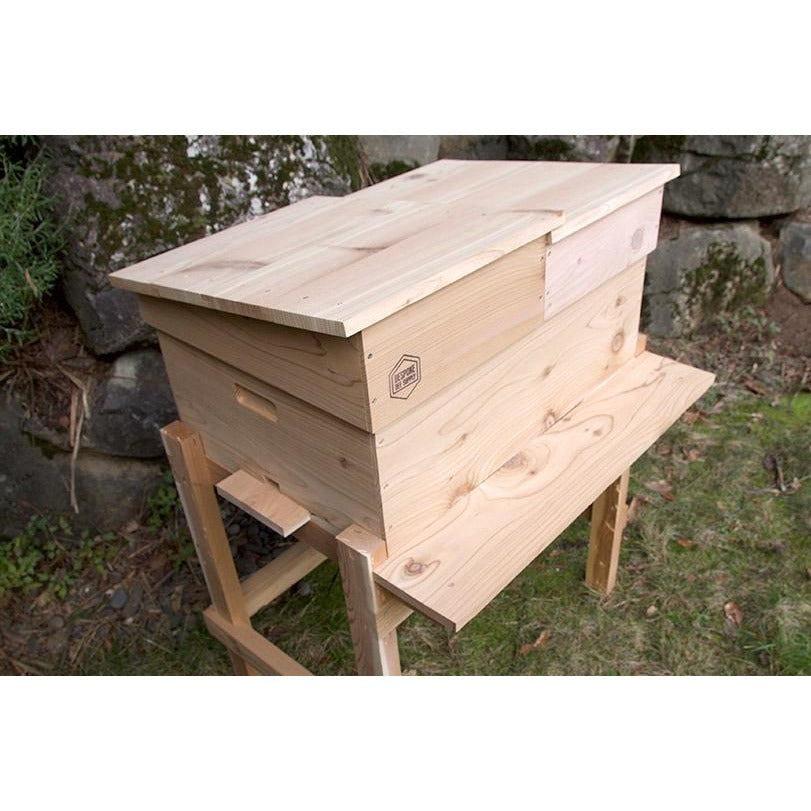
Effective planning and thoughtful design are fundamental to establishing a productive and sustainable beekeeping operation. When constructing a Langstroth hive, careful consideration of measurements, layout, and component organization ensures the hive meets the needs of the bee population and facilitates smooth management practices. A well-designed hive not only promotes healthy colony development but also simplifies routine inspections, harvesting, and maintenance.
In this section, we focus on determining appropriate dimensions suitable for various bee populations, creating a detailed layout diagram of the hive structure with clearly labeled parts, and organizing a systematic step-by-step plan for building each component. This comprehensive approach ensures that the hive is tailored to your specific apicultural goals and local environmental conditions, providing an optimal environment for your bees to thrive.
Measuring and dimensions suitable for different bee populations
Choosing the correct measurements for a Langstroth hive depends largely on the size of your bee colony and your intended management style. Standard hive dimensions are designed to accommodate a healthy colony, with variations to suit different populations, from small nucs to large, vigorous colonies. Proper sizing allows for adequate space for brood rearing, honey storage, and ease of manipulation without overcrowding or excessive space that can lead to heat loss or difficulty in maintenance.
For a typical moderate-sized colony, the following dimensions are recommended:
| Component | Dimensions (in inches) | Purpose |
|---|---|---|
| Brood Box | 16 x 20 x 9 | Provides ample space for brood rearing and pollen storage |
| Super (Honey Box) | 16 x 20 x 6 | Designated for honey storage; can be stacked as necessary |
| Inner Cover | 16 x 20 x 1 | Insulates the hive and allows moisture escape |
| Outer Cover | 20 x 20 x 2 | Protects the hive from weather elements |
Note: For smaller colonies, such as nucs, the brood box may be reduced to approximately 12 x 12 inches, while larger colonies may require wider or taller boxes to support increased brood and honey storage.
Creating a layout diagram of the hive structure with labeled parts
Visualizing the hive layout is crucial for understanding how each component fits together and functions within the overall structure. A comprehensive diagram clarifies the spatial relationships between parts and aids in accurate construction. The diagram should clearly label the following essential components:
- Bottom Board: The foundation that supports the entire hive and allows ventilation and debris removal.
- Brood Box(s): The primary compartment where the queen lays eggs; may be stacked vertically for larger colonies.
- Super(s): Additional boxes placed above the brood chamber for honey storage.
- Inner Cover: Positioned atop the uppermost super, facilitating ventilation and insulation.
- Outer Cover: The protective roof that shields the hive from weather.
- Entrance Reducer: A removable component to control hive entry and exit, especially during cold months or for small colonies.
Creating an accurate layout diagram involves drawing a scaled plan with all these parts, indicating how they stack and connect. Labels should be clear and precise, highlighting dimensions and specific features such as ventilation slots or handle placements. This diagram serves as a blueprint for constructing each component systematically.
Organizing a step-by-step plan for building each component
Developing a detailed construction plan ensures consistency, efficiency, and quality in building your Langstroth hive. The process involves breaking down each component into manageable steps, from material preparation to assembly. An organized plan minimizes errors and streamlines the building process.
- Material selection and preparation: Choose high-quality, durable woods such as cedar or pine, ensuring they are free from warping, knots, and chemical treatments that could harm bees. Cut all parts to specified dimensions following your layout diagram.
- Building the bottom board: Assemble a flat, sturdy base with screened ventilation if desired, and attach a landing platform or entrance slot. Reinforce corners for stability.
- Constructing the brood box: Use precise measurements to cut side, end, and bottom panels. Assemble using nails or screws, ensuring airtight joints to retain heat and humidity.
- Creating supers and inner covers: Follow similar measurements, with added features such as handles and ventilation slots. Ensure lids fit snugly to prevent drafts.
- Assembling the outer cover: Build a weather-resistant roof with overhangs to protect the hive sides and entrances.
- Final assembly and finishing touches: Sand all surfaces, apply non-toxic sealants if necessary, and install any hardware such as handles, hinges, or entrance reducers.
Adhering to this step-by-step plan facilitates a coherent construction process, resulting in a sturdy, functional hive tailored to your beekeeping requirements.
Selecting and preparing materials
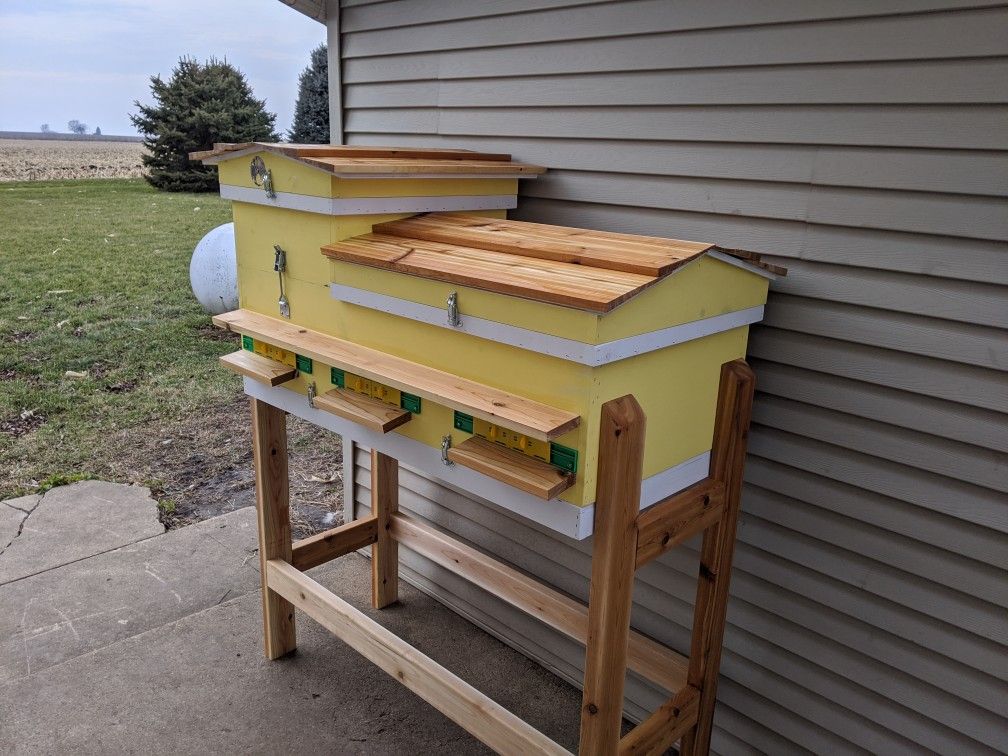
Constructing a durable and healthy Langstroth hive begins with the careful selection and preparation of materials. The quality of the materials directly influences the longevity of the hive and the well-being of the bee colony. Choosing the right types of wood and other components, along with applying appropriate treatments, ensures the hive remains resilient against environmental stresses while maintaining a safe environment for the bees.When selecting materials for hive construction, it is essential to prioritize natural, non-toxic, and durable options.
Wood, being the primary material, must be chosen with regard to its resilience to weather and pests, as well as its safety for bee health. Proper preparation, including treatments that do not compromise bees or the environment, extends the lifespan of the hive and minimizes maintenance needs. Additionally, sourcing materials locally or through sustainable practices reduces environmental impact and supports local economies.
Ideal types of wood and other materials for durability and bee health
The choice of wood significantly impacts the hive’s durability and the health of the bee colony. The ideal woods are those that naturally resist decay, pests, and moisture, reducing the need for chemical preservatives and ensuring a safe environment for bees.The most recommended types of wood include:
- Pine: Widely used due to its availability and affordability, especially untreated, as it is naturally resistant to pests when properly dried.
- Western Red Cedar: Known for its natural resistance to rot, decay, and pests. It is lightweight yet durable, making it excellent for hive components.
- Redwood: A durable option with natural preservative qualities, suitable for long-lasting hive parts.
- Fir and Spruce: Commonly used in regions where these woods are abundant; they offer decent durability when properly treated.
In addition to wood, other materials such as galvanized metal for hardware or foundation sheets and high-quality beeswax or propolis for lining can be incorporated to enhance hive longevity and bee health.
How to treat and preserve wood without harmful chemicals
Treating wood in a manner that avoids harmful chemicals is crucial for maintaining a healthy hive environment. Chemical preservatives can leach into the hive and adversely affect bees, so natural alternatives and preventive measures are preferred.Methods for natural preservation include:
- Solarization: Exposing wood to prolonged sunlight helps reduce moisture content and kills pests and fungi, naturally extending the wood’s lifespan.
- Oil treatments: Applying natural oils such as pure linseed oil or tung oil creates a protective barrier against moisture and pests without introducing toxic chemicals. Ensure the oils are 100% pure, food-grade, and free from additives.
- Beeswax or propolis coating: Applying a layer of beeswax or propolis on the exterior surfaces enhances water resistance and mimics natural hive conditions. These substances are non-toxic and beneficial for bee health.
- Proper drying and sealing: Ensuring wood is thoroughly dried before assembly minimizes the risk of mold and decay. Sealing with natural, breathable sealants prevents water infiltration while allowing moisture to escape.
It is important to regularly inspect and maintain the hive to address any issues early. Avoid using pressure-treated lumber or paints containing volatile organic compounds (VOCs), as these can be harmful to bees.
Sourcing quality materials locally or sustainably
Locally sourcing materials not only reduces transportation costs and environmental impact but also supports sustainable forest management practices. When sourcing wood and other hive components, prioritize suppliers who harvest responsibly and adhere to sustainable forestry standards.Strategies for sourcing quality materials include:
- Partnering with local sawmills or timber suppliers that practice sustainable harvesting, such as those certified by the Forest Stewardship Council (FSC).
- Utilizing reclaimed or salvage wood, which can be repurposed for hive construction, reducing waste and environmental footprint.
- Engaging with community-based timber projects or cooperative forestry initiatives that emphasize ecological balance and fair labor practices.
- Requesting detailed information on the treatment and origin of the wood to ensure it has been processed without harmful chemicals and conforms to organic or natural standards.
Additionally, exploring alternative sustainable materials, such as bamboo or recycled composite wood, can enhance the hive’s sustainability profile. Maintaining transparency with suppliers and opting for eco-friendly treatment options further aligns the construction process with environmentally responsible practices.
Constructing the Hive Body
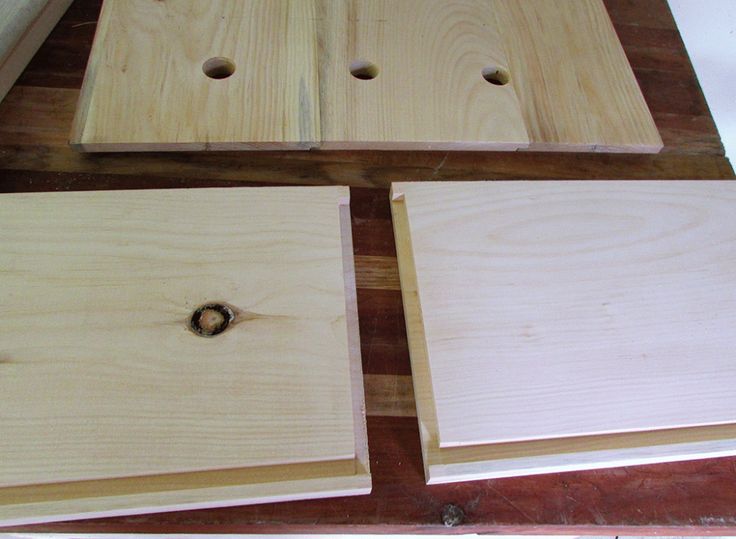
The construction of the hive body is a fundamental step in establishing a durable and efficient home for your bees. This process requires careful measurement, precise cutting, and sturdy assembly to ensure the hive can withstand environmental conditions and support healthy colony development. Properly constructed hive bodies facilitate easy management and inspection of the hive, contributing to the overall success of your beekeeping endeavors.
Attention to detail during this phase ensures stability, longevity, and the safety of the bees. Using quality materials and correct techniques will result in a hive that is both functional and resilient, providing a solid foundation for subsequent components such as frames and covers.
Cutting and Assembling Deep Hive Boxes
Accurate cutting and robust assembly of the deep hive boxes are essential to creating a secure environment for the hive’s brood and honey stores. Each box typically houses frames that support bees in building combs, and precise dimensions are critical for compatibility and ease of maintenance. The process involves measuring, cutting, assembling, and reinforcing the boxes to ensure they remain square and stable over time.
Begin by marking the dimensions on the chosen wood, commonly pine or cedar, which are both durable and lightweight. Use sharp saws, such as a table saw or hand saw, to make clean cuts. The standard dimensions for a deep hive box are approximately 16 inches in length, 16 inches in width, and 9 inches in height. These measurements provide ample space for brood and honey storage while maintaining manageable weight for handling.
| Material | Description |
|---|---|
| Pine or Cedar | Popular choices for hive boxes due to their durability and natural resistance to decay. |
| 1/2-inch thick plywood or solid wood panels | Used for the sides, ends, and bottom of the hive box, providing strength and stability. |
| Wood screws or nails | Fasteners to secure joints firmly in place. |
| Wood glue (optional) | Enhances joint stability and prevents air leaks. |
Reinforcing Joints and Ensuring Stability
Strong, well-constructed joints are vital to prevent the hive boxes from warping or coming apart under the weight of honey and bees. Reinforcing the joints ensures the longevity of the hive and maintains the structural integrity necessary for a healthy colony.
Use corner reinforcements such as butt joints with screws or dowel joints, which provide superior stability compared to simple nails. For added strength, apply
wood glue along the joints before screwing or nailing
to create a tight bond and seal out drafts and moisture.
Incorporate corner blocks or braces if additional reinforcement is desired, especially for larger or more exposed hives. Regular inspection of joints allows early detection of wear or loosening, which can be promptly repaired to maintain stability.
The assembly process should follow these steps:
- Align the side panels with the end panels, ensuring all edges are flush.
- Apply wood glue to the joints for added strength.
- Secure the panels with screws or nails, spacing fasteners approximately every 4 inches along the perimeter.
- Check for squareness using a carpenter’s square before fully tightening fasteners.
- Reinforce corners with additional bracing if necessary.
By paying close attention to these details, you help guarantee that your hive body remains stable and resilient, providing a safe environment for your bees to thrive.
Building the Frames and Foundation
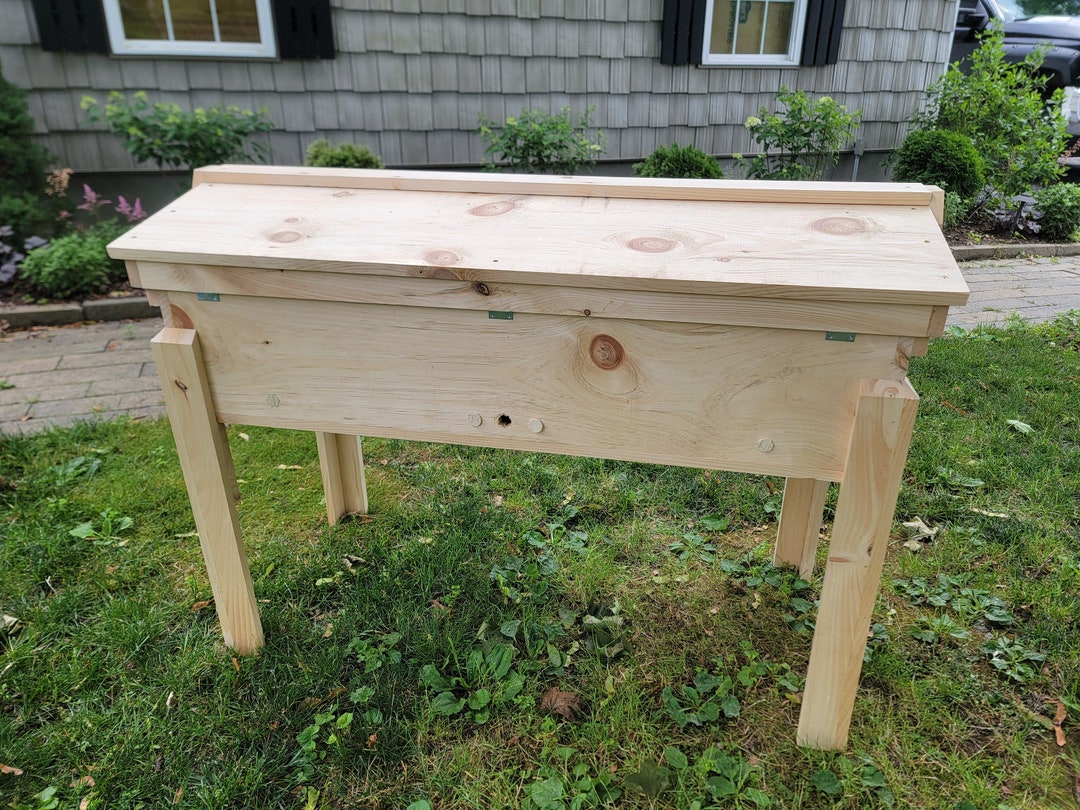
Constructing durable and properly aligned frames is essential for the functionality and longevity of a Langstroth hive. The frames serve as the foundation for bees to build comb, store honey, and rear brood. Proper installation of foundation wax or plastic foundation within these frames ensures efficient hive management and hive productivity. Careful attention to design, assembly, and spacing will promote healthy colony development and facilitate hive inspections.
In this segment, we will explore the detailed process of designing and assembling individual frames, installing foundation materials, and organizing methods to maintain correct spacing and alignment within the hive structure. Ensuring precision during these steps lays the groundwork for a thriving bee colony and simplifies hive maintenance tasks.
Design and Assembly of Individual Frames
Individual frames are the primary components within a Langstroth hive, providing a structured space for bees to build comb. The design of the frames should prioritize durability, ease of handling, and compatibility with the hive dimensions. Typically, frames consist of a top bar, two side bars, and a bottom bar, all made from sturdy, untreated wood such as pine or cedar.
The assembly process involves precise cutting, joining, and securing of these components to form a square or rectangular structure.
To assemble a frame:
- Cut the side bars and top and bottom bars to standardized dimensions, ensuring they fit snugly within the hive’s dimensions, commonly around 19 inches in length and 1 inch in width.
- Join the components using nails or screws, reinforced with corner blocks or brackets if necessary, to enhance stability and longevity.
- Sand all edges and surfaces to prevent splinters, making handling safer for both bees and beekeepers.
- Attach a frame spacer or jig during assembly to maintain uniformity across all frames.
Ensure that the assembled frame is sturdy yet lightweight, allowing easy insertion and removal without damaging the comb or disturbing the colony excessively.
Installing Foundation Wax or Plastic Foundation
The foundation provides a base for bees to draw out their comb efficiently. It can be made of wax or plastic and is available in various sizes to fit standard frames. Proper installation ensures that the foundation remains securely in place and maintains the correct orientation for the bees to build straight combs.
Follow these procedures for installation:
- Cut the foundation material slightly smaller than the inner dimensions of the frame to allow for expansion and proper fit.
- Lay the foundation flat on a clean, smooth surface. For wax foundation, gently heat the edges if necessary to soften and facilitate fitting into the frame.
- Position the foundation within the frame’s side grooves or ledges, ensuring it is centered and taut without sagging.
- Secure the foundation using nails, pins, or special foundation staples designed for this purpose. For plastic foundation, some beekeepers prefer using a thin layer of melted beeswax to encourage bees to accept the foundation readily.
It is crucial to avoid wrinkles or folds in the foundation, as these can cause irregular comb building and complicate hive inspections. Properly installed foundation should be flush against the frame’s surfaces, providing a smooth surface for the bees to construct their combs.
Organizing Methods to Ensure Proper Spacing and Alignment
Maintaining consistent spacing and alignment within the hive promotes healthy colony development and simplifies hive management. Proper organization ensures that bees can work efficiently, reduces the risk of comb collapse, and facilitates inspection and honey harvesting.
Strategies include:
- Using standardized frame dimensions and spacers during construction to ensure uniformity across all frames.
- Employing hive tools and guides to align frames vertically and horizontally within the box, preventing crooked or skewed placements.
- Inserting frame spacers or top bars with built-in spacing guides—typically 1/4 to 3/8 inch—to maintain uniform gaps between frames, ensuring bees have adequate space to work without overcrowding.
- Regularly checking the alignment during hive inspections and adjusting frames as necessary to prevent drift or misplacement that could disrupt colony activities.
Consistent spacing and precise alignment optimize the hive’s internal environment, facilitating natural comb building and reducing the likelihood of mites or other pests establishing in irregular spaces.
Assembling the Inner and Outer Covers
Constructing effective inner and outer covers for a Langstroth hive is crucial for maintaining optimal hive conditions. These covers serve to protect the hive from weather elements, regulate temperature and humidity, and ensure proper ventilation. Proper assembly not only enhances the durability of the hive but also facilitates ease of maintenance and inspection. The following guidelines and tips will assist in creating lightweight yet sturdy covers that perform reliably across various climates.
In assembling these covers, attention must be paid to materials, design, and construction techniques that balance strength with weight efficiency. Ensuring weatherproofing and ventilation involves thoughtful design features such as overhangs, sealing edges, and vent placement. Clear, descriptive diagrams can be invaluable to visualize the assembly process, highlighting critical aspects like joint connections, sealing gaps, and vent locations.
Construction Tips for Lightweight Yet Durable Covers
Achieving a balance between lightness and durability involves selecting appropriate materials and construction methods. Use high-quality, weather-resistant plywood or cedar lumber, which offers both strength and resistance to decay. Opt for a thickness that provides structural integrity without excessive weight; typically, 1/2 inch (12 mm) to 3/4 inch (19 mm) thickness is suitable for covers. Reinforce edges with edge banding or framing to prevent warping and add stability.
Incorporate lightweight materials such as foam insulation panels or weatherproof sealants to improve thermal regulation without adding significant weight. Utilize simple yet effective joining techniques, like biscuit joints or waterproof wood glue, combined with stainless steel screws or nails to secure parts firmly. When designing the covers, include overhangs of at least 1–2 inches (2.5–5 cm) to protect the hive from rainwater infiltration and minimize exposure to direct sunlight, which can cause warping over time.
Ensuring Weatherproofing and Ventilation
Weatherproofing is vital to shield the hive from moisture ingress, which can lead to mold, rot, or bee health issues. Seal all joints and edges with high-quality, outdoor-grade weatherproof sealant or paint designed for wood. Overhangs act as physical barriers that divert rainwater away from the hive’s top edges, significantly reducing the risk of water penetration. Installing a raised outer cover with a slight slope facilitates runoff and prevents pooling.
Ventilation is equally important to prevent moisture buildup and maintain proper airflow. Incorporate adjustable vents or screened openings on the outer cover, positioned to promote cross-ventilation while preventing entry of rain or pests. These vents should be covered with fine mesh screens to keep out insects and debris. In diagrammatic illustrations, depict vents as small rectangular openings with mesh covers, positioned symmetrically on opposite sides for effective airflow.
Include annotations showing how vents can be opened or closed depending on weather conditions, ensuring the hive’s internal environment remains stable.
Creating Diagrams or Illustrations of the Covers
Effective diagrams should clearly depict each component of the inner and outer covers, highlighting construction details and features. For the outer cover, illustrate the overall shape, overhang dimensions, vent placements, and sealing areas. Use labeled callouts to identify the materials, joints, and weatherproofing elements such as sealant lines and overlapping sections. Diagrams can be sectional views that reveal the thickness of materials, insulation layers, and vent integration.
The inner cover diagram should focus on the fit within the hive, showing the lip or flange that rests on the hive top, as well as any vent holes or insulation features. Including cross-sectional views helps visualize how the cover seals against the hive body and how ventilation spaces are maintained. Use contrasting colors or shading to emphasize waterproof areas versus ventilated sections, aiding in quick understanding of design intent.
Incorporating detailed sketches or CAD-style illustrations ensures clarity and precision in conveying assembly instructions and design considerations.
Creating and Installing Entrance Reducers and Ventilation
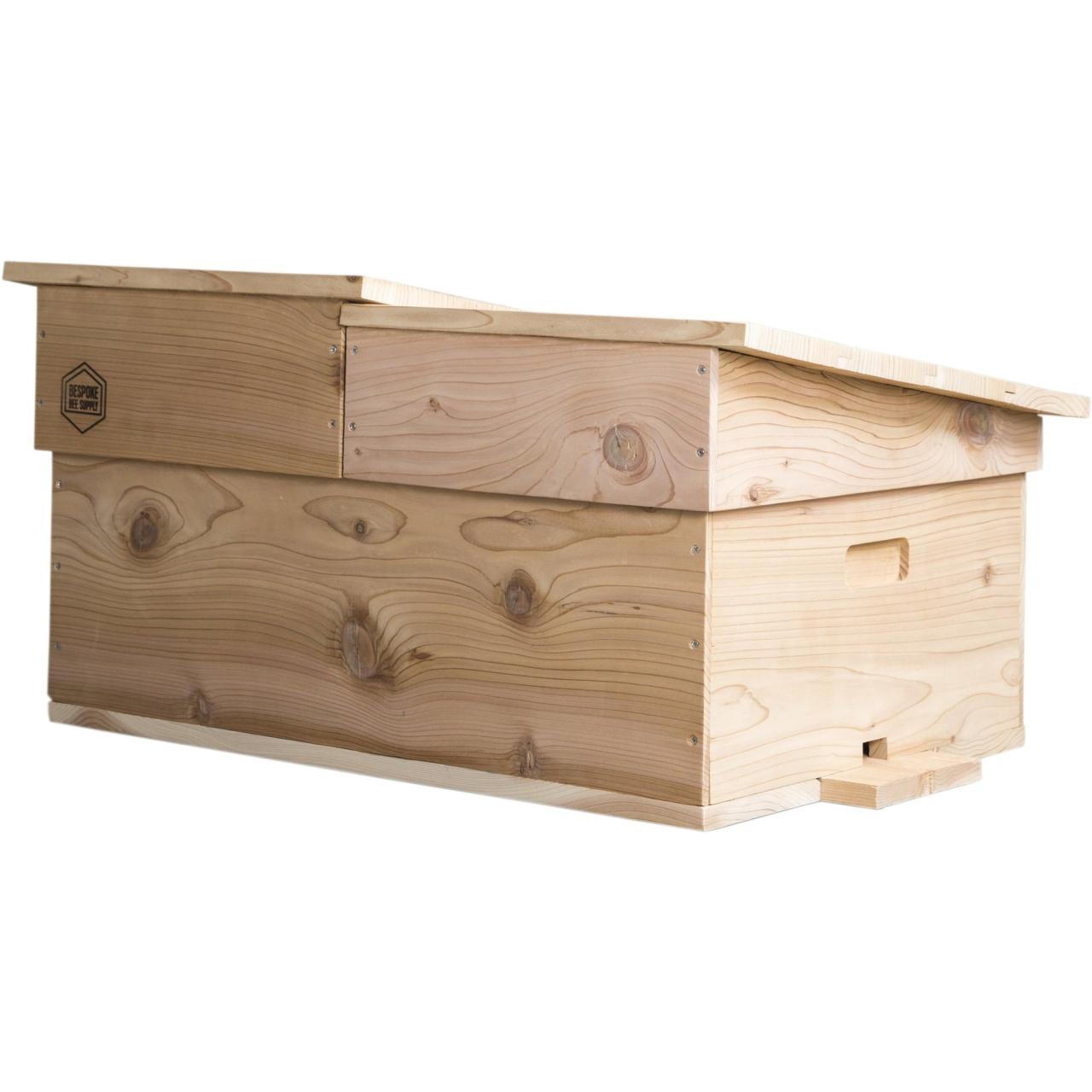
Effective hive management involves controlling access points and ensuring proper airflow to maintain a healthy environment for the colony. Entrance reducers and ventilation enhancements are essential components that can protect the hive from intruders, pests, and adverse weather conditions while promoting optimal internal climate regulation. Proper creation and installation of these elements will enhance hive longevity and productivity.
Designing and implementing entrance reducers and ventilation solutions requires careful consideration of material durability, hive size, local climate, and bee behavior. By tailoring these components to specific needs, beekeepers can safeguard their colonies against predators and weather fluctuations while ensuring sufficient airflow and humidity control within the hive.
Crafting Entrance Reducers for Hive Protection
Entrance reducers are simple yet crucial devices that restrict the hive’s entrance size, helping to deter pests such as mice and hive invaders, particularly during colder months. They also aid in managing bee traffic and reducing cold air drafts, which can affect brood development and honey storage.
- Materials Selection: Use durable, weather-resistant materials such as hardwood, cedar, or thick plastic to withstand outdoor conditions. Ensure the material is non-toxic and safe for bees.
- Design and Size: Construct reducers with adjustable openings or fixed sizes based on seasonal needs. Commonly, the entrance is reduced to a small opening of approximately 1 to 2 inches wide, depending on the colony size and climate conditions.
- Cutting and Shaping: Use a saw or knife to cut the material into a rectangular piece that fits snugly over the hive entrance. Include a cutout or slot for the entrance, ensuring smooth edges to prevent injury to bees and hive components.
- Additional Features: Consider adding a small landing board or perch to facilitate bee movement and prevent debris accumulation outside the entrance.
Once crafted, entrance reducers should be cleaned, inspected, and stored properly during off-season periods to prolong their usability and maintain hive hygiene.
Methods to Improve Airflow and Regulate Humidity
Optimizing airflow within the hive is vital for maintaining a balanced internal environment, reducing moisture buildup, and preventing mold or disease. Proper ventilation minimizes the risk of condensation, which can compromise bee health and honey quality.
- Use Ventilation Slots or Holes: Incorporate small, screened ventilation holes in the hive’s upper and lower sections to facilitate air exchange without allowing pests entry. These openings should be strategically placed to promote air circulation while minimizing drafts.
- Implement Top and Bottom Ventilation: Position screens or vents at the hive’s top and bottom to create a natural airflow pattern. Warm, moist air rises and escapes through the top, drawing in fresh air from the bottom.
- Adjust Ventilation Based on Seasons: Increase airflow during hot periods to prevent overheating, and reduce it during cold months to retain warmth. Use adjustable vents or shutters to control airflow dynamically.
- Monitor Humidity Levels: Use hygrometers or moisture meters inside the hive to track humidity. Maintain levels between 50-60% for optimal bee activity and brood development.
Proper ventilation balances airflow and humidity, essential for preventing condensation, controlling pests, and promoting healthy bee colonies.
Procedural Steps for Installing Entrance Reducers and Ventilation Components
Accurate installation of entrance reducers and ventilation features ensures they function effectively and do not interfere with hive accessibility or integrity. Follow these systematic steps for optimal results.
- Prepare the Hive: Ensure the hive is clean and free of debris. Remove any existing entrance components if applicable.
- Fit the Entrance Reducer: Place the crafted entrance reducer over the hive entrance, aligning it with the entry point. Use nails, screws, or durable adhesive to secure it firmly in place, ensuring there are no gaps where pests could enter.
- Check Alignment and Seal Gaps: Verify that the reducer fits snugly, sealing all edges to prevent drafts and intrusions. Use weatherproof sealants if necessary, especially in exposed environments.
- Install Ventilation Components: Attach screens, vents, or adjustable shutters at designated locations, ensuring they are securely fixed and open freely. Use appropriate fasteners that do not damage the hive structure.
- Adjust for Seasonal Needs: Configure the vents and reducers to adapt to current weather conditions. For example, close or partially close vents during cold weather and open them during hot periods.
- Inspect and Test: After installation, observe airflow and bee activity. Make adjustments as needed to optimize internal hive conditions without causing excessive drafts or moisture buildup.
Regular inspection and maintenance of these components are essential throughout the beekeeping season to ensure continued effectiveness and hive health.
Assembling the Complete Hive Structure
Assembling the complete Langstroth hive is a critical step that consolidates all prior preparations into a functional and accessible beekeeping system. This process requires attention to detail to ensure stability, proper alignment, and ease of inspection, which are essential for hive health and productivity. Proper assembly not only facilitates routine management but also enhances the longevity of the hive components, making the entire beekeeping operation more efficient and enjoyable.
Organizing the assembly process involves systematically connecting each part in the correct sequence while maintaining precise alignment. Careful handling during assembly ensures that the hive components fit snugly, without gaps or misalignments that could affect the hive’s integrity or allow pests and weather elements to intrude. Additionally, designing the assembly with future inspections and maintenance in mind helps beekeepers access critical areas effortlessly, promoting good hive management practices.
Sequence for Combining Hive Components
Proceeding in a logical order when assembling the hive components minimizes errors and simplifies the process. Begin by positioning the bottom board on a stable, level surface. Attach the entrance reducer and ventilation components to the bottom board if not already fixed. Next, place the assembled hive body or brood box on top of the bottom board, ensuring it is aligned correctly with the entrance and is level.
Follow by stacking the supers or honey boxes above the brood chamber, aligning them carefully to prevent shifting during use. Finish by installing the inner cover followed by the outer cover, ensuring all components are securely connected.
It is vital to check the fit of each component before proceeding to the next step. Confirm that each joint is tight but not overly forced, which could cause damage. When stacking, ensure the hive parts are aligned vertically to facilitate smooth movement of frames and ease of inspection. Using a carpenter’s level during assembly can greatly enhance the precision of placement, especially when working on uneven ground.
Tips for Proper Alignment and Accessibility
Achieving accurate alignment during assembly ensures the hive functions correctly and simplifies daily inspections. Before finalizing each connection, verify that the components are square and level. Use shims or adjustable feet if necessary to correct uneven surfaces, especially when installing on outdoor terrain. When placing frames, leave sufficient space between them to allow for easy removal and inspection, typically a quarter-inch gap.
Ensure that the entrance reducer and ventilation ports are positioned to provide optimal airflow and easy access for bees and beekeepers alike.
Ensuring proper alignment and ease of access during assembly reduces stress on the hive components and minimizes disturbances to the bees during routine inspections.
Assembly Steps and Key Considerations
| Assembly Step | Key Considerations |
|---|---|
| Attach the bottom board | Ensure it is level and securely fastened; verify the entrance aligns with the reducer. |
| Position the hive body/brood box | Place on the bottom board, confirming it is square, level, and fits snugly. |
| Stack supers or honey boxes | Align carefully to prevent shifting; maintain verticality for ease of frame access. |
| Install inner cover | Securely fit to prevent drafts, with ventilation provisions aligned correctly for airflow. |
| Place outer cover | Ensure it is centered and pressed down evenly to create a weatherproof seal. |
| Install entrance reducer and ventilation components | Attach in a manner that allows quick access and optimal airflow, while preventing pests. |
Thinking ahead during assembly—such as positioning handles and ensuring easy access points—can save significant time during routine inspections and hive management.
Final Inspection and Setup in Apiary
Completing the construction of a Langstroth hive marks a significant milestone in establishing a thriving beekeeping operation. Before introducing bees, it is essential to conduct a thorough inspection of the hive to ensure safety, stability, and readiness. Additionally, selecting an optimal apiary location and properly introducing bees are critical steps that influence hive success and colony health. This phase sets the foundation for a productive and sustainable beekeeping experience.
Meticulous attention to detail during the final inspection, strategic placement in the apiary, and careful introduction of bee colonies help prevent potential issues and promote strong, healthy colonies from the outset. Proper setup ensures that the hive functions efficiently and provides a safe environment for the bees to gather nectar, produce honey, and thrive over the seasons.
Final Inspection of the Constructed Hive
Before relocating the hive to its designated apiary site, a comprehensive inspection verifies the structural integrity, safety, and functionality of the hive components. This process helps identify any defects, potential hazards, or assembly issues that could compromise the colony’s well-being.
The inspection should include:
- Checking all joints and fasteners for tightness to prevent collapse or movement.
- Ensuring that the frames are correctly assembled, level, and securely fitted within the hive bodies.
- Inspecting the foundation and frames for any warping, cracks, or defects that could hinder bee activity.
- Verifying that the inner and outer covers fit snugly without gaps to prevent drafts and pest entry.
- Confirming that ventilation openings, such as screened lower entrances or ventilation holes, are unobstructed and properly positioned.
- Assessing the stability of the entire hive structure, ensuring it can withstand environmental factors like wind or accidental bumps.
Ensure all components are clean and free from sharp edges or protrusions that could harm the bees or handlers. A well-inspected hive provides a safe environment and reduces the risk of colony stress or disease introduction.
Choosing an Optimal Location and Orientation
The placement of the hive within the apiary is crucial for bee health, ease of management, and productivity. An ideal location minimizes exposure to harsh environmental elements while maximizing access to resources and safety from disturbances.
Key considerations include:
- Choosing a site with good sunlight exposure, preferably southeast or south-facing, to help warm the hive early in the day and promote bee activity.
- Ensuring the site is elevated or well-drained to prevent water accumulation and moisture buildup that could lead to mold or disease.
- Providing shelter from strong winds, which can cause temperature fluctuations and stress on the colony.
- Placing the hive away from high-traffic areas, pesticides, or potential predators, such as bears or skunks.
- Allowing for easy access for inspection, honey harvesting, and maintenance activities.
The orientation of the entrance should facilitate natural flight paths, typically facing away from prevailing winds and toward floral sources. Positioning the hive with the entrance facing southeast or south ensures morning sunlight warms the entrance, encouraging bees to emerge early and stay active throughout the day.
Methods for Introducing Bees into the Hive
Introducing a new colony to a freshly constructed hive requires careful handling to ensure a smooth transition and colony establishment. Proper introduction techniques help reduce stress and prevent abandonment or defensive behavior from the bees.
Effective methods include:
- Using a Package of Bees: Carefully transferring the package containing bees and the queen into the hive, ensuring the queen is alive and healthy. The queen is typically released onto a frame, and the worker bees gradually acclimate to the new environment.
- Installing Nucleus Colonies (Nucs): Transferring the existing frames with bees, brood, and resources into the new hive, maintaining as much of the colony’s structure as possible. This method provides a head start for colony development.
- Introducing the Queen: If the colony is queenless, installing a mated queen in a queen cage with a candy plug allows the worker bees to become familiar with her scent before release, reducing rejection risk.
Additional guidelines include:
- Maintaining a calm environment during transport and installation to prevent stressing the bees.
- Providing a feeding source, such as sugar syrup, temporarily to support colony establishment if natural nectar sources are scarce.
- Monitoring the hive closely during the first few days for signs of acceptance, such as queen activity, brood pattern, and normal bee behavior.
Introducing bees with patience and care increases the likelihood of successful colony establishment and sustainable hive development.
End of Discussion
In conclusion, constructing a Langstroth hive combines careful planning, precise craftsmanship, and an understanding of bee behavior. With the right materials and techniques, you can create a sturdy, efficient hive that promotes healthy bee populations and productive honey harvesting. Proper setup and inspection further ensure your apiary’s success and longevity.