Documenting the honey harvest process is a vital aspect of responsible beekeeping, ensuring that every step is recorded accurately to enhance hive management and improve future yields. Proper documentation not only provides valuable insights into production but also helps in tracking environmental conditions and hive health, empowering beekeepers to make informed decisions.
This comprehensive guide covers the essential components of honey harvest documentation, from preparation and recording extraction techniques to analyzing data and maintaining records securely. By following these structured methods, beekeepers can streamline their record-keeping practices and support sustainable hive management.
Overview of Honey Harvest Documentation
Maintaining thorough and accurate records of honey harvest activities is a vital aspect of effective beekeeping management. Proper documentation not only ensures traceability and accountability but also provides valuable insights into hive health, honey yield, and seasonal patterns. By systematically recording harvest details, beekeepers can make informed decisions, optimize production, and identify potential issues before they escalate.
Effective honey harvest documentation encompasses multiple components that work together to create a comprehensive record. These include details about the hive, timing of the harvest, quantities collected, processing methods, and storage conditions. Consistently capturing this information facilitates analysis over time and supports best practices within the apiary.
Key Components of Honey Harvest Documentation
Understanding the essential elements that constitute thorough honey harvest records is crucial for maintaining organized and useful documentation. These components serve as the foundation for recording and analyzing harvest activities effectively.
Each harvest record should include the following details:
| Component | Description |
|---|---|
| Date and Time of Harvest | Precise recording of when the honey was extracted helps in tracking seasonal patterns and hive activity cycles. Including the specific date and time provides context for other data points. |
| Hive Identification | Unique identification or naming of the hive or colony ensures accurate tracking across multiple hives, especially when managing a large apiary. |
| Quantity of Honey Harvested | Measuring and recording the total weight or volume of honey collected from each hive enables yield assessment and comparison over seasons. |
| Extraction Method | Documenting whether honey was extracted via centrifuge, crush and strain, or other techniques helps in evaluating efficiency and quality outcomes. |
| Processing and Filtering Details | Notes on filtration, heating, or other processing steps provide insight into product quality and adherence to standards. |
| Storage Conditions | Recording storage temperature, container type, and labeling ensures traceability and quality preservation. |
| Environmental Conditions | Noting ambient temperature, humidity, or other environmental factors at harvest time aids in understanding influences on honey yield and quality. |
| Notes and Observations | Additional remarks about hive condition, bee activity, or unusual occurrences during harvest can inform future management decisions. |
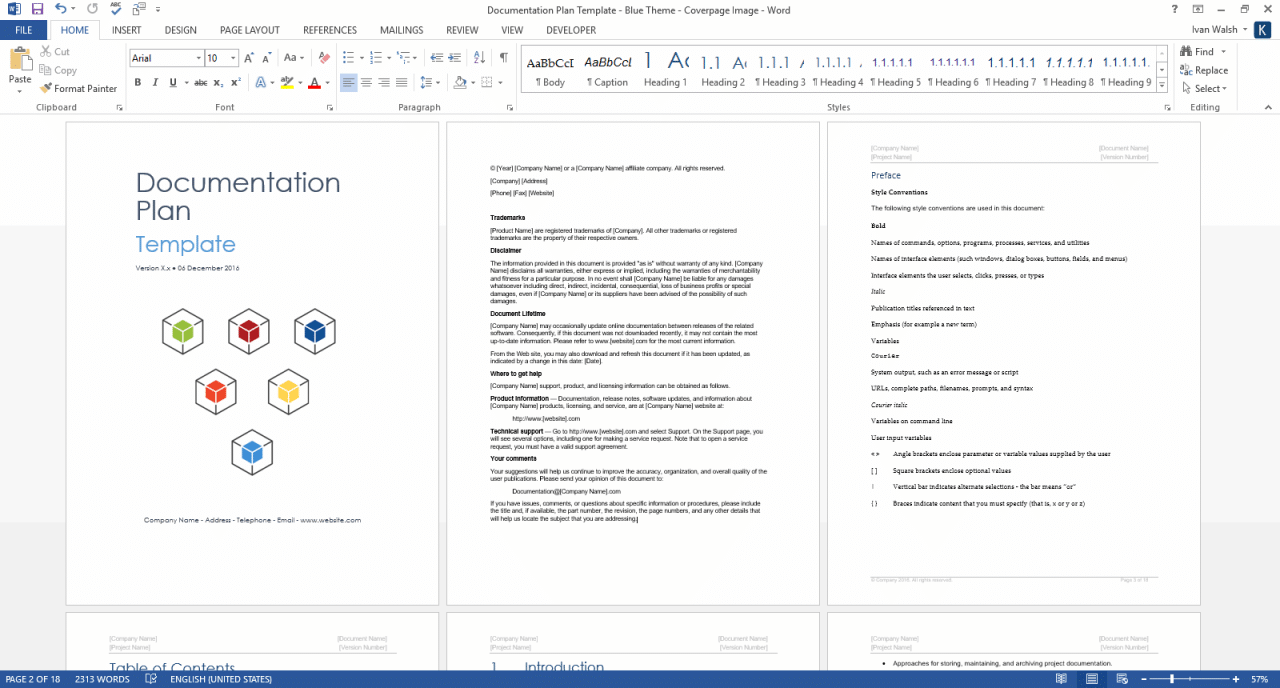
Implementing a standardized template for recording harvest activities ensures consistency and completeness across all entries, facilitating easier analysis and reporting.
By systematically capturing these components, beekeepers can build a reliable database of their honey harvest activities, enabling continuous improvement, compliance with regulations, and enhanced hive management practices.
Preparing for Honey Harvest Documentation

Effective documentation is essential to ensure a successful honey harvest, providing valuable insights into hive conditions, operational procedures, and yield outcomes. Proper preparation before the harvest begins lays the foundation for accurate record-keeping, compliance with best practices, and ease of data analysis afterward. Establishing organized systems and clear data collection points helps beekeepers monitor variables that influence honey quality and hive health.
Preparation involves selecting suitable tools and templates for recording information, setting up reliable record-keeping systems, and identifying key data points to observe. These steps facilitate systematic documentation, ensuring that all pertinent aspects of the honey harvest are captured efficiently and consistently. Proper preparation not only streamlines the harvesting process but also enhances the ability to analyze trends and improve future practices.
Setting Up Documentation Tools and Templates
Choosing the right tools and templates is crucial for consistent and comprehensive record-keeping. Beekeepers can opt for digital solutions, such as spreadsheet software or specialized apiculture management apps, which allow for easy data entry, storage, and analysis. Digital records enable quick updates, remote access, and integration with other farm management systems. For those preferring traditional methods, paper templates and notebooks are effective, especially in environments with limited digital infrastructure.
To maximize efficiency, it is advisable to develop standardized templates tailored to honey harvest documentation. These templates should include sections for recording hive identification, date and time of harvest, weather conditions, hive inspections, honey yield, and any notable observations. Having pre-designed forms ensures that all critical data points are consistently collected, reducing the risk of omissions.
Organizing Record-Keeping Systems
Establishing an organized record-keeping system involves selecting appropriate formats and storage methods that align with the beekeeper’s workflow. Digital systems can leverage cloud storage platforms, enabling multiple users to access and update records securely. These systems often include customizable fields for specific data points, automatic timestamping, and backup options to prevent data loss.
For paper-based systems, durable binders or notebooks should be used to house printed templates or handwritten notes. Implementing a clear filing system, such as chronological or hive-specific sections, facilitates quick retrieval of information. Beekeepers should also consider using color-coded labels or tabs to differentiate hives or specific data categories, streamlining the documentation process during busy harvest days.
Key Data Points to Track Before Starting the Harvest
Accurate documentation begins with identifying and recording essential data points that influence honey production and hive health. These data points provide context for the harvest and help in evaluating the success of the apiary management practices.
Important data to gather prior to harvesting includes:
- Hive Health Status: Document the overall condition of each hive, noting signs of disease, pest infestations, or any anomalies observed during previous inspections. This information can influence harvest timing and processing methods.
- Weather Conditions: Record temperature, humidity, wind speed, and recent rainfall. Weather impacts honey ripening, hive activity, and the ease of harvesting. For example, harvesting during dry, warm days minimizes moisture content in honey and reduces spoilage risks.
- Hive Inspections: Note the presence of capped honey frames, drone activity, brood patterns, and the availability of honey stores. These observations help determine the readiness of the hive for harvest and prevent overstressing the colonies.
- Previous Harvest Records: Review historical data on honey yields, harvest dates, and any challenges encountered. This information helps set realistic expectations and prepare for specific operational needs.
- Equipment Readiness: Ensure all tools, containers, and protective gear are prepared and sanitized. Proper organization prevents delays during harvest and maintains hygiene standards.
Maintaining comprehensive records of these data points before the honey harvest ensures that beekeepers can make informed decisions, optimize yield quality, and uphold hive health throughout the harvesting process.
Recording Honey Extraction Procedures
Accurate documentation of honey extraction procedures is essential for maintaining hive health records, evaluating production efficiency, and ensuring quality control. Keeping detailed records allows beekeepers to monitor trends over time, identify potential issues, and optimize their harvesting techniques for better yield and hive well-being.
This process involves systematically recording each step of the extraction process, from hive inspection to honey packaging. Proper documentation also facilitates compliance with local regulations and best practices within beekeeping and apiculture management.
Step-by-Step Documentation of Honey Extraction Process
It is vital to document each stage of honey extraction thoroughly to establish a clear record that can be referenced in future inspections or audits. The following steps Artikel how to effectively record the honey extraction process:
- Hive Inspection and Frame Selection: Record the date of inspection, hive ID, and the condition of the frames. Note whether the frames are fully capped, indicating readiness for harvesting.
- Frames Removal: Document the method used to remove frames from the hive, including any precautions taken to minimize disturbance to the bees. Note the number of frames removed and their condition.
- Uncapping of Honey Cells: Describe the technique used for uncapping, such as using an uncapping knife or fork, and whether electric or manual methods were employed. Record the extent of uncapping needed per frame.
- Honey Extraction Method: Detail the extraction process, whether it involves spinning using a manual or electric extractor, crushing, or other techniques. Record the duration and speed settings for spinner extraction if applicable.
- Honey Collection and Storage: Note how honey was collected from the extractor, filtered, and stored, including container types and storage conditions to prevent contamination and crystallization.
Designing a Honey Extraction Documentation Table
Structured data collection through tables enhances clarity and assists in data analysis. When documenting honey extraction, employing a standardized table with relevant columns ensures consistency and completeness of records. The recommended table layout includes the following columns:
| Date | Hive ID | Honey Yield (kg or liters) | Extraction Method | Equipment Used |
|---|---|---|---|---|
| 2024-04-15 | Hive A1 | 3.5 kg | Spinning (manual) | Two-frame electric extractor, uncapping knife |
| 2024-04-16 | Hive B2 | 2.8 kg | Crushing and straining | Crushing tank, fine mesh strainer |
When filling out this table, it is crucial to be specific about the extraction technique used. For example, in describing spinning, specify whether it was done manually or via an electric extractor, including the RPM or duration to provide context for yield variations. For uncapping, mention if an uncapping fork was heated or if a heated uncapping blade was used, as this can influence honey quality and extraction efficiency.
“Consistent and detailed documentation allows for accurate assessment of extraction techniques’ impact on honey yield and quality, facilitating continuous improvement in beekeeping practices.”
Documenting Honey Quality and Quantity

Proper documentation of honey quality and quantity is essential for maintaining transparency, ensuring product consistency, and meeting regulatory standards. Accurate recording provides valuable insights into harvest outcomes and helps identify areas for improvement in beekeeping practices. This process involves systematic measurement, evaluation, and organized data management to track honey characteristics comprehensively.Accurate documentation of honey metrics involves recording both quantitative data, such as weight and volume, and qualitative assessments, including moisture content, flavor notes, and potential contamination.
These records not only facilitate quality control but also support traceability and certification processes, which are vital for marketability and consumer trust.
Methods for Recording Honey Weight, Volume, and Quality Assessment Criteria
Effective documentation begins with selecting standardized measurement methods and criteria that are consistent across harvests. The following approaches are recommended:
- Honey Weight: Use a calibrated digital or mechanical scale to weigh honey samples or bulk honey immediately after extraction. Record the weight in grams (g) or kilograms (kg), depending on volume, to ensure precision. For smaller samples, grams are preferred; for larger quantities, kilograms provide clarity.
- Honey Volume: Measure honey volume using a graduated cylinder or volumetric container. Record the volume in milliliters (ml) or liters (l), considering the density of honey, which typically averages around 1.42 g/ml. This measurement is especially useful when blending or packaging honey for sale.
- Quality Assessment Criteria: Conduct sensory and laboratory evaluations, including moisture content analysis, flavor profiling, and contamination checks. Record the results meticulously, noting any deviations from standard quality parameters.
Standard measurement units facilitate data comparison over multiple harvests and ensure compliance with industry standards. For quality indicators, the following are commonly used:
- Moisture Content: expressed as a percentage (%), with ideal honey moisture below 18% to prevent fermentation.
- Flavor Notes: qualitative descriptions such as floral, fruity, or caramel, recorded through sensory evaluation.
- Contamination Checks: presence or absence of foreign substances, pests, or microbial activity, documented through visual inspection and laboratory tests.
Organizing Data in a Honey Harvest Documentation Table
Structured data organization enhances clarity and facilitates easy review of honey quality and quantity records. A comprehensive table should include specific columns that capture critical details of each honey sample:
| Sample ID | Weight (kg) | Volume (ml) | Moisture Content (%) | Flavor Notes | Contamination Checks |
|---|---|---|---|---|---|
| HNY001 | 5.2 | 3650 | 17.5 | Floral with hints of citrus | No visible foreign substances; microbial tests negative |
| HNY002 | 4.8 | 3400 | 18.2 | Fruity and mild | Small presence of suspended particles; contamination checked negative |
Consistent use of such tables allows beekeepers to track trends in honey quality and yield over different harvests, supporting quality assurance and decision-making processes. Recording detailed flavor notes and contamination status provides an invaluable record for ensuring that only high-quality honey reaches consumers and complies with safety standards.
Recording Environmental and Hive Conditions
Effective documentation of environmental and hive conditions during honey harvest is essential for understanding factors that influence honey quality and yield. These records help beekeepers identify patterns, optimize harvesting times, and implement necessary hive management practices to ensure healthy colonies and high-quality honey production. Accurate recording also provides valuable data for troubleshooting issues related to pests, diseases, or environmental stressors that may affect hive performance.Maintaining detailed records of environmental parameters and hive conditions allows beekeepers to correlate external and internal factors with honey harvest outcomes.
Such documentation should be systematic, organized, and easily accessible for analysis and decision-making. Using structured formats like tables or bullet points facilitates quick reference during harvesting activities, ensuring that observations are consistent and comprehensive.
Documenting Environmental Factors
The environment plays a significant role in honey production, influencing nectar availability, bee activity, and hive health. Key environmental factors to record include:
- Temperature: Record ambient temperature at the hive location during each inspection and harvest. Note fluctuations, as extreme heat or cold can impact bee activity and honey ripening.
- Humidity: Measure and log relative humidity levels, since high humidity can lead to fermentation in honey, while low humidity aids in honey drying and ripening.
- Flowering Stages: Note the phenological stage of dominant flowering plants in the area, as nectar flow varies with blooming periods. Record the start, peak, and end of flowering to anticipate honey flow intensities.
- Precipitation and Weather Events: Document rainfall, storms, or drought conditions, which directly affect nectar availability and bee foraging behavior.
These environmental parameters can be recorded daily or during each inspection, with data stored in a dedicated logbook or digital spreadsheet for ease of analysis. Noting these factors helps anticipate honey flow periods and plan harvesting activities to maximize yield and quality.
Organizing Hive Condition Records
Hive condition documentation involves noting internal hive status, bee activity levels, and potential pest or disease presence. Organized records enable timely interventions and better understanding of hive dynamics during the honey flow period.
- Hive Strength: Count the number of active frames and assess overall colony vigor. Record whether the hive has a strong, moderate, or weak population, based on bees present and brood status.
- Bee Activity: Observe and record the level of foraging activity, flight intensity, and area foraging patterns. High activity typically correlates with nectar flow and good honey production potential.
- Pest and Disease Presence: Note signs of pests such as Varroa mites, small hive beetles, or wax moths, as well as any evidence of diseases like foulbrood or sacbrood. Record infestation levels or symptoms observed during inspections.
It is advisable to organize this information in a table format with columns for date, hive ID, strength assessment, activity level, pest/disease presence, and notes. This structured approach allows for quick comparisons across hives and over time, facilitating targeted management actions.
Using Tables and Bullet Points for Efficient Documentation
Presenting environmental and hive condition data in tabular or bullet point formats enhances clarity and efficiency during the busy harvesting period. Tables provide a comprehensive overview at a glance, while bullet points allow for quick notes on specific observations.
| Parameter | Measurement/Observation | Notes |
|---|---|---|
| Temperature | 25°C (recorded at 10:00 AM) | Stable, no significant fluctuations |
| Humidity | 60% | Ideal for honey ripening |
| Flowering Stage | Peak bloom of clover and wildflowers | High nectar flow expected |
| Hive Strength | Strong (8 frames active) | Colony thriving, ready for harvest |
| Pest Presence | Minimal Varroa mites observed | Continue monitoring |
This format supports quick, efficient recording and easy reference, ensuring no critical details are overlooked during honey harvest activities.
Post-Harvest Storage and Handling Documentation
Proper documentation of honey storage and handling practices is essential for maintaining product quality, ensuring traceability, and complying with regulatory standards. Accurate records of storage conditions, processing steps, and labeling provide transparency and facilitate quality control throughout the honey supply chain. This section offers guidance on recording storage environments, documenting processing procedures, and creating comprehensive storage records that support best practices in honey management.Effective post-harvest documentation begins with detailed records of how honey is stored immediately after extraction and throughout its shelf life.
These records help identify potential issues such as contamination, spoilage, or product degradation. Documenting processing steps like filtering, bottling, and labeling ensures traceability and consistent product quality. Accurate records also serve as references during audits or quality assessments, assuring consumers and regulators of product integrity.
Recording Honey Storage Conditions
Ensuring honey retains its quality after harvest depends on precise documentation of storage conditions. Proper records include details about the storage containers, their labeling, and their designated locations within the storage facility. These practices help prevent cross-contamination, facilitate inventory management, and ensure compliance with safety standards.When recording storage conditions, consider the following procedures:
- Specify the type of containers used for storing honey, such as food-grade plastic drums, glass jars, or stainless steel tanks. Note the container material, volume, and any specific features like lids or seals.
- Document labeling details on each container, including batch numbers, harvest date, processing date, and expiration date if applicable. Clear, legible labels are crucial for traceability.
- Record the storage location within the facility, including storage room or shelf identification, to facilitate quick retrieval and inventory checks.
- Note environmental conditions such as temperature, humidity, and light exposure, which influence honey stability and quality over time.
Documenting Honey Processing Steps
Thorough documentation of processing steps ensures consistency and traceability in honey handling. This includes recording details of filtering, bottling, and labeling procedures, which are vital for quality assurance and compliance.The documentation process involves:
- Registering the filtering process, including the type of filter used, the date and time of filtering, and any treatments or additives applied. Note if the honey was heated or centrifuged during this step.
- Recording bottling procedures, specifying the equipment used, batch numbers assigned, and the date of bottling. This helps track individual batches for quality testing and recalls if necessary.
- Detailing labeling practices, including label design, content (such as nutritional information, origin, and expiry date), and application process. Ensuring labels comply with local food labeling regulations is important.
Sample Entries for Storage Documentation
Creating sample entries can standardize documentation and serve as templates for record-keeping. Here are illustrative examples of comprehensive storage records:
| Record Date | Container ID | Container Type | Batch Number | Harvest Date | Storage Location | Environmental Conditions | Notes |
|---|---|---|---|---|---|---|---|
| 2024-04-15 | HB-001 | Food-grade plastic drum | BN-20240415-01 | 2024-04-10 | Storage Room A, Shelf 3 | Temperature: 20°C; Humidity: 60%; Light: Low | Honey stored in sealed drum; no signs of spoilage |
| 2024-04-16 | HB-002 | Glass jar | BN-20240416-02 | 2024-04-11 | Storage Room B, Shelf 1 | Temperature: 19°C; Humidity: 55%; Light: Moderate | Label applied with batch info; awaiting testing |
In summary, meticulous recording of storage conditions, processing steps, and detailed sample entries support the integrity and traceability of honey post-harvest. Consistent documentation practices ensure high-quality honey, facilitate quality assurance processes, and promote transparency across all stages of honey handling.
Analyzing and Reporting Honey Harvest Data
Effective analysis and reporting of honey harvest data are crucial steps in understanding the productivity, quality, and environmental influences on honey production. Proper organization of collected data facilitates informed decision-making, helps identify trends over time, and supports transparency and accountability in hive management. By systematically analyzing harvest data, beekeepers can optimize practices, improve yields, and ensure high-quality honey production.Organizing raw data into comprehensive summaries and reports enables stakeholders to evaluate performance across different hive locations and seasons.
These reports serve as valuable tools for assessing progress, identifying issues, and planning future interventions. Visual representations such as tables and charts simplify complex information, making it easier to interpret and communicate findings effectively. Trends in honey yield, quality parameters, and environmental conditions can be detected through detailed analysis, guiding adaptive management strategies that enhance hive health and productivity.
Methods for Organizing and Summarizing Honey Harvest Data
The foundation of effective data analysis lies in meticulous organization. The following approaches help transform raw data into meaningful insights:
- Data Compilation: Assemble all recorded data points — including harvest dates, quantities, quality metrics, environmental conditions, and hive specifics — into centralized spreadsheets or database systems for easy access and manipulation.
- Data Categorization: Segment data based on parameters such as hive location, season, or specific hive attributes to facilitate targeted comparisons and analyses.
- Summary Tables: Create summary tables that condense detailed data into key indicators, such as total harvest weight per hive, average honey quality scores, and environmental factors per period.
Creating Comparative Tables for Different Hive Locations or Seasons
Comparative tables are invaluable for visualizing differences in honey harvests across various conditions and locations. They enable quick identification of patterns and anomalies to inform management decisions.
- Design of Comparison Tables: Structure tables with rows representing individual hives or seasons and columns detailing harvest weight, honey quality parameters, environmental factors, and other relevant data points.
- Example Table Structure:
| Hive/Season | Total Honey Yield (kg) | Average Honey Moisture (%) | Average Honey Color | Environmental Conditions |
|---|---|---|---|---|
| Hive A – Spring 2023 | 15.2 | 17.5 | Golden Amber | Moderate Temperature, Low Rainfall |
| Hive B – Summer 2023 | 18.7 | 16.8 | Deep Amber | High Temperature, Occasional Rain |
| Hive C – Fall 2023 | 13.4 | 18.1 | Light Amber | Cooler Climate, Dry Conditions |
Identifying Trends in Honey Yield, Quality, and Environmental Impact
Analyzing data over multiple seasons or locations reveals patterns that influence honey production and quality. Beekeepers can employ various methods to detect these trends:
- Time-Series Analysis: Plot harvest quantities and quality metrics over time to observe seasonal fluctuations, peak production periods, and potential declines.
- Statistical Analysis: Utilize statistical tools such as regression analysis or correlation coefficients to examine relationships between environmental factors and honey yield or quality.
- Graphical Visualization: Develop line graphs, bar charts, or scatter plots to visualize trends across seasons or hive locations, facilitating easier interpretation of complex data sets.
- Reporting Patterns: Summarize findings in narrative reports highlighting key observations, such as decreases in honey quality during high humidity periods or increased yields following nectar abundance in specific locations.
For example, a strong positive correlation may exist between ambient temperature and honey yield during summer months, indicating optimal conditions for nectar flow.
These analytical procedures allow beekeepers to make data-driven decisions, improve hive management strategies, and optimize honey production outcomes based on historical and real-time data insights.
Maintaining and Securing Documentation Records
Proper management of honey harvest documentation is essential to ensure data integrity, facilitate future planning, and comply with regulatory standards. Secure, organized records help beekeepers track their progress, analyze trends, and improve hive management practices over time. Whether managing digital files or physical logs, implementing best practices for record security and accessibility is crucial to safeguarding valuable data and supporting sustained beekeeping success.Effective documentation management involves establishing systematic organization, secure storage, regular backups, and clear labeling.
By maintaining meticulous records, beekeepers can quickly retrieve specific harvest data, track seasonal patterns, and verify quality and quantity metrics for each hive or apiary site.
Best Practices for Organizing Digital and Physical Records
A consistent approach to organizing honey harvest records enhances efficiency and reduces the risk of data loss or misplacement. For digital records, employ structured folder hierarchies that mirror your data categories, such as year, location, and hive number. Use descriptive filenames that include dates and key identifiers—for example, “2024_May_HoneyHarvest_APIARY1_Hive3.xlsx”—to facilitate quick retrieval.Physical records should be stored in clearly labeled binders, folders, or filing cabinets, with each section dedicated to specific periods, hives, or types of data.
Maintaining a master index or catalog that lists the contents of physical and digital archives enables rapid searching and referencing.
Methods for Backing Up Data and Ensuring Easy Access
Regularly backing up honey harvest data prevents loss due to technical failures, theft, or natural disasters. Digital backups can be stored on external hard drives, USB flash drives, or cloud storage services such as Google Drive, Dropbox, or specialized farm management platforms. Automate backups to occur at scheduled intervals to minimize manual effort and ensure consistency.To guarantee easy access, employ synchronization tools that update records across devices and locations.
Establish a version control system that logs changes over time, allowing you to revert to previous records if necessary. Maintain a detailed inventory of backup locations, dates, and contents to streamline recovery processes.
Labeling Systems for Quick Retrieval of Specific Harvest Records
Implementing an effective labeling system simplifies the identification and retrieval of records. Use descriptive labels that include key information such as the date, apiary location, hive number, and record type. For example, a label like “2024-05-15_APIARY2_Hive4_QualityQuantities.pdf” clearly indicates the content and context of the file.In physical files, utilize color-coded labels or tabs to differentiate between years or hive groups. Digital files can be organized into folders named by year and month, with subfolders for each hive or data category.
Maintaining a consistent naming convention across all records ensures uniformity and reduces confusion during searches.
Maintaining well-organized and secure documentation records not only preserves valuable data but also enhances operational efficiency and data-driven decision-making in honey harvesting. Effective backup strategies and clear labeling systems are vital components of a sustainable record-keeping approach.
Outcome Summary
In conclusion, thorough documentation of honey harvest activities plays a crucial role in successful beekeeping. It enables beekeepers to monitor trends, improve harvest efficiency, and ensure the quality of their honey products. Implementing organized record-keeping practices will ultimately contribute to healthier hives and more productive honey yields in the long run.