Feeding bees sugar water is a vital practice that can significantly support hive health during critical periods. Proper nourishment ensures that bee colonies remain strong and productive, especially when natural nectar sources are scarce. Understanding how to effectively prepare and administer sugar water can be the key to fostering a thriving hive throughout the year.
This guide provides comprehensive insights into the importance of sugar water feeding, step-by-step preparation methods, suitable equipment, various feeding techniques, and best practices to maximize benefits while minimizing risks. By following these expert recommendations, beekeepers can enhance their hive management and promote sustainable bee health.
Understanding the importance of feeding bees sugar water
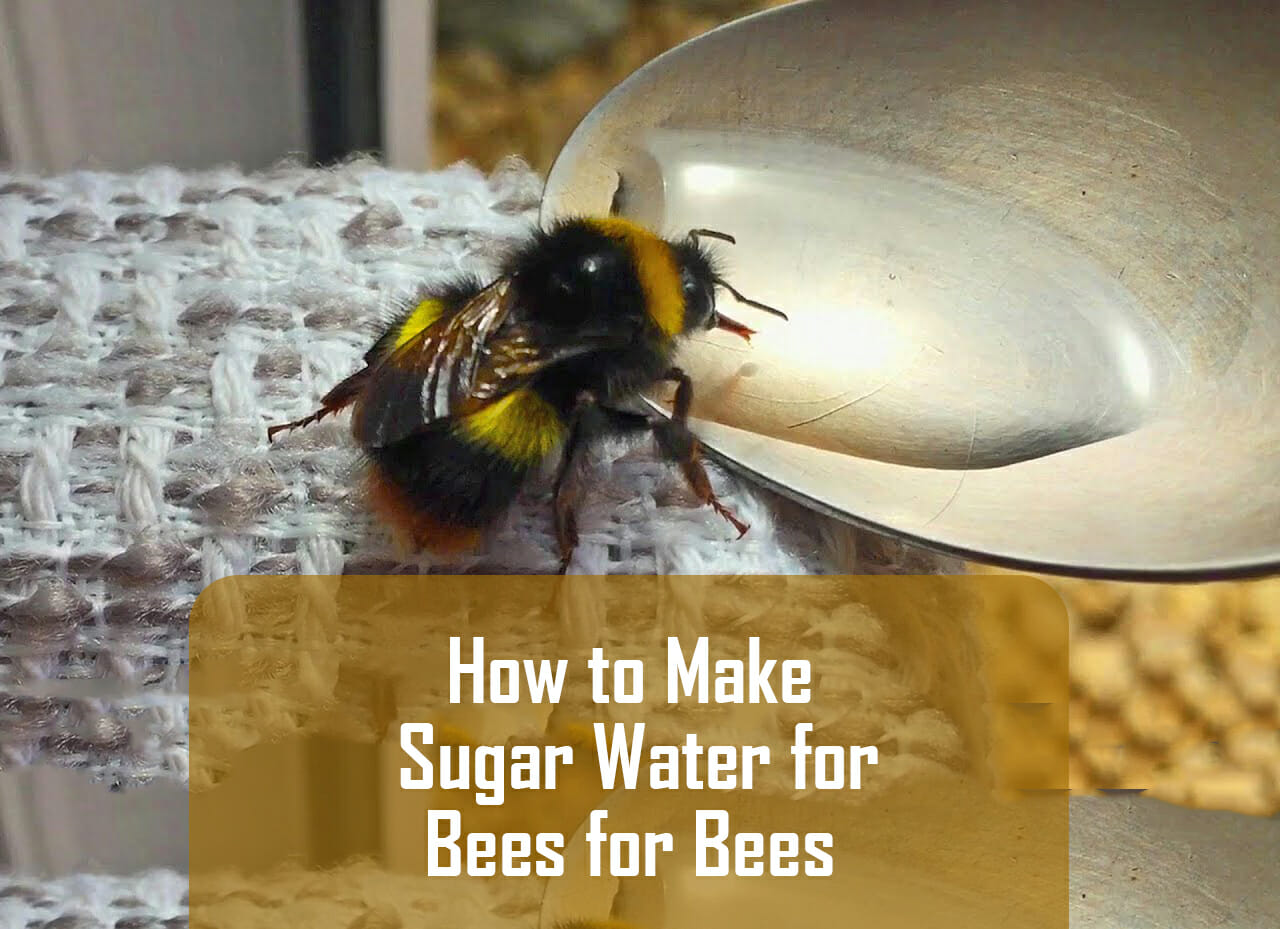
Feeding bees sugar water is a fundamental practice in apiculture that supports the health and vitality of bee colonies, especially during periods of resource scarcity. Recognizing when and why to provide this supplement can significantly impact hive success and sustainability.
Sugar water acts as a crucial energy source for bees, particularly in times when nectar is scarce or unavailable, such as early spring, late autumn, or during adverse weather conditions. It ensures that worker bees and the queen have sufficient nourishment to carry out their essential activities, including foraging, brood rearing, and hive maintenance.
Significance of sugar water as a supplemental energy source
In natural circumstances, bees primarily rely on nectar from flowering plants for their carbohydrate needs. However, during certain times of the year or in particular environments, nectar sources may be limited or absent. Providing sugar water becomes vital in these scenarios to prevent starvation, support colony development, and increase resilience against environmental stressors.
Furthermore, sugar water can help strengthen weak colonies or those recovering from disease, ensuring they have ample energy to rebuild their populations and defend against pests or other threats. It also facilitates hive management activities, such as splitting or expanding colonies, by providing immediate nourishment to the bees.
Benefits of providing sugar water to bee colonies in need
Offering sugar water yields several advantages that contribute to the overall health and productivity of bee colonies:
- Prevents starvation during periods of nectar dearth, especially in early spring and late fall.
Scenarios that necessitate feeding sugar water for hive health
Feeding sugar water becomes essential under specific circumstances where natural food sources are inadequate or unavailable, directly impacting hive health and survival:
- Early spring buildup: After winter, colonies need additional energy to stimulate brood rearing and colony expansion when natural nectar flows have not yet begun.
- Nectar dearth periods: During droughts, unseasonal weather, or after a poor flowering season, nectar sources diminish, requiring supplemental feeding to sustain the colony.
- Weak or stressed colonies: Bees recovering from disease, mite infestations, or other stressors benefit from supplemental feeding to regain strength and productivity.
- Hive management activities: During practices like re-queening, splitting, or introducing new colonies, sugar water provides immediate nutrition to support these interventions.
- Preparation for overwintering: Ensuring colonies have sufficient energy reserves before cold months helps improve overwinter survival rates.
By understanding these key scenarios and the vital role of sugar water, beekeepers can better support their colonies through strategic supplementation, promoting healthier, more resilient hives capable of thriving throughout the year.
Preparing Sugar Water for Bees

Creating the optimal sugar water solution is essential for supporting bee colonies, especially during periods of nectar scarcity or when supplementing their diet. Proper preparation ensures bees receive the necessary energy without adverse effects, fostering healthy hive development and productivity.
Effective preparation involves selecting appropriate sugar types, establishing correct concentration ratios, and employing safe boiling procedures to eliminate impurities. These steps are vital for maintaining bee health and ensuring the solution is easily accessible for foraging and feeding activities.
Step-by-Step Process for Creating Sugar Water Solutions
To produce a balanced and nutritious sugar water solution, follow these detailed steps:
- Choose the appropriate sugar type, preferably food-grade white granulated sugar, due to its purity and ease of digestion for bees.
- Determine the desired concentration ratio based on feeding needs, season, and hive conditions (e.g., 1:1 or 2:1 sugar-to-water ratio).
- Measure the required amounts of sugar and water precisely using a standard measuring cup or scale for accuracy.
- In a clean pot, heat the water until it reaches a gentle boil, ensuring it is hot enough to dissolve the sugar completely.
- Gradually add sugar to the boiling water while stirring constantly to prevent clumping and ensure full dissolution.
- Maintain boiling for a few minutes to sterilize the solution and eliminate potential contaminants, then remove from heat.
- Allow the sugar water to cool to a safe temperature before placing it in feeders, preventing harm to the bees and hive members.
It is crucial to use fresh, clean water and thoroughly dissolve the sugar to prevent fermentation or mold growth. Proper cooling and storage in a sterile container help preserve the solution’s quality until use.
Types of Sugar Suitable for Bees and Their Selection Rationale
The choice of sugar directly impacts bee health and the effectiveness of feeding. Only specific types of sugar are suitable for bee consumption:
- Food-grade White Granulated Sugar: The most recommended sugar due to its high purity, consistent composition, and ease of digestion. It is free from additives or impurities that could harm bees.
- Cane Sugar: Similar to white granulated sugar, it is derived from sugarcane and provides a reliable energy source.
- Beet Sugar: Extracted from sugar beets, it shares similar properties with cane sugar and is suitable for bee feeding.
Substituting with alternative sugars such as raw sugars, brown sugars, or artificial sweeteners is discouraged because they often contain impurities, molasses, or additives that can negatively affect bee health and fermentation rates.
The primary goal is to provide bees with a clean, easily digestible source of carbohydrates, making refined white sugar the ideal choice for sugar water mixtures.
Comparison Table of Different Sugar Concentrations and Their Effects on Bees
Understanding the impact of various sugar concentrations helps in selecting the appropriate solution for specific hive needs. The table below summarizes common ratios and their effects:
| Concentration Ratio | Description | Effects on Bees |
|---|---|---|
| 1:1 (equal parts sugar and water) | Commonly used during nectar dearth or for stimulating brood rearing. | Provides high energy levels; suitable for colony growth and quick energy boosts. However, excessive use may lead to fermentation if not stored properly. |
| 2:1 (two parts sugar, one part water) | Most typical for overwintering and support during low nectar flow periods. | Offers a concentrated energy source, promoting sustained feeding and storing of honey substitutes. Less prone to fermentation if prepared correctly. |
| 3:1 (three parts sugar, one part water) | Very concentrated, used mainly for emergency feeding or when bees need rapid energy reserves. | Provides maximum sugar content but can be difficult for bees to process and may cause osmotic stress if not managed carefully. |
| Pure Sugar Syrup (solid sugar, no water) | Not a solution but a solid form of sugar for candy or fondant feeding. | Useful for overwintering bees, providing long-lasting energy; requires specific feeders designed for solid feed. |
Choosing the appropriate concentration depends on hive conditions, seasonal needs, and the purpose of feeding. Maintaining optimal ratios ensures bees receive adequate nutrition without risking fermentation or other health issues.
Equipment needed to feed bees sugar water
Providing sugar water to bees requires specific equipment to ensure safety, hygiene, and efficiency. Selecting the appropriate tools and containers helps prevent contamination and makes the feeding process smoother for beekeepers and their colonies. Proper equipment maintenance is crucial for maintaining bee health and avoiding the spread of diseases.
Equipping oneself with the right tools ensures that feeding is conducted in a way that minimizes stress to the hive while maximizing the benefits of supplemental feeding during critical periods such as early spring or dearth seasons.
Essential tools and containers for safe and efficient feeding
Using suitable tools and containers is fundamental for preparing, delivering, and maintaining sugar water for bees. These items should be easy to handle, durable, and easy to sterilize to prevent bacterial growth or fungal contamination that could harm the hive.
Below is a detailed overview of commonly used equipment options, highlighting their features and advantages:
| Feeding Equipment Option | Features | Advantages |
|---|---|---|
| Bee Feeding Syrup Containers (Plastic Jars) | Leak-proof lids, wide mouth for easy filling, made of food-grade plastic | Durable, lightweight, easy to clean, and compatible with various hive types |
| Frame Feeders | Designed to fit inside hive frames, with access ports for bees | Reduces spillage, keeps syrup protected from contaminants, and allows continuous feeding |
| Top Feeders (Partition or Inner Cover Feeders) | Placed on top of the hive, with adjustable syrup levels and drainage | Convenient for quick refilling, reduces disturbance to bees, and minimizes robbing |
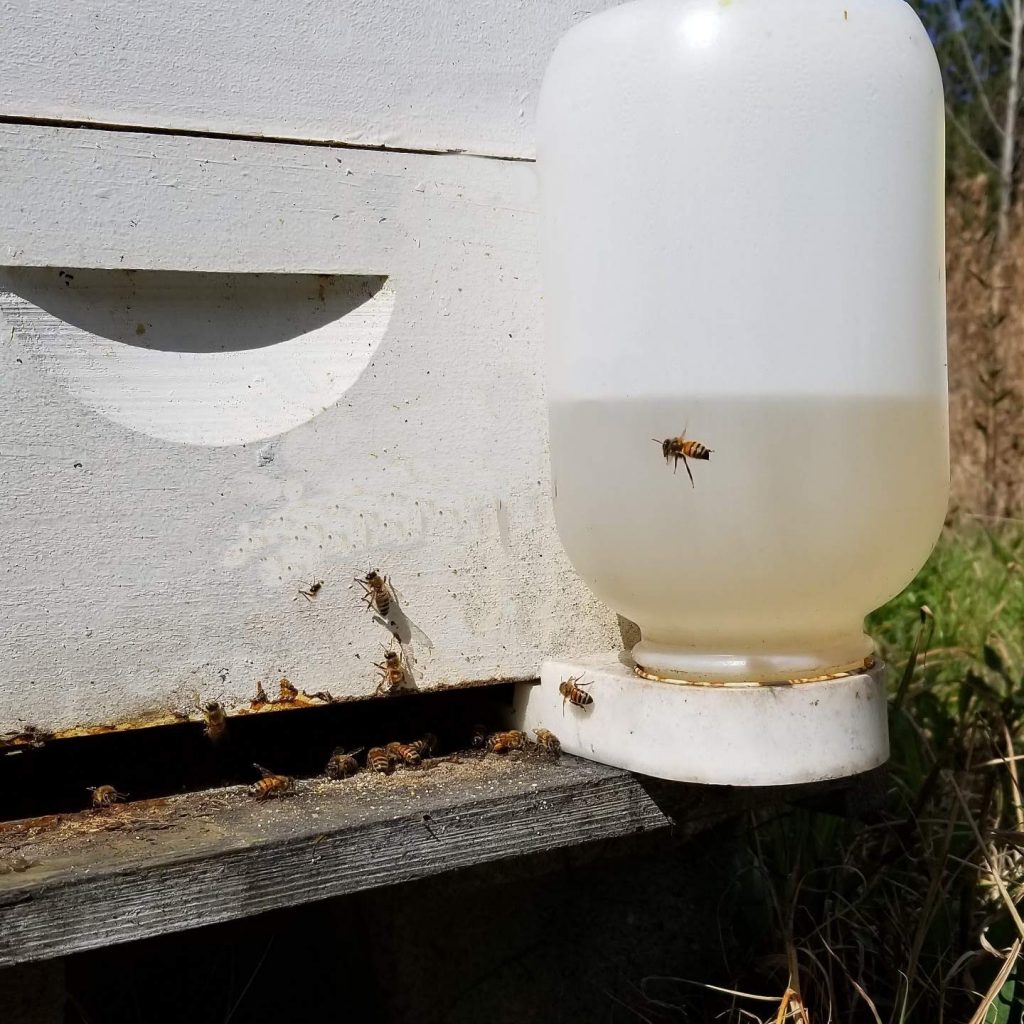
| Entrance Feeders | Attach outside the hive entrance, with large access openings | Easy to set up and refill, suitable for outdoor feeding, and minimizes hive disturbance |
| Dispensing Tools (Measuring Cups/Spoons) | Made of plastic or metal, marked for precise measurement | Ensures correct sugar-to-water ratio, reduces waste, and facilitates accurate mixing |
Best practices for sterilizing and maintaining feeding equipment
Maintaining clean and sterilized equipment is essential for preventing disease transmission among bee colonies. Residual sugars or contaminated tools can harbor bacteria, fungi, or viruses that compromise hive health. Implementing proper cleaning protocols ensures the longevity of your equipment and the safety of your bees.
Effective sterilization practices include the following key points:
- Always wash feeding containers with hot, soapy water immediately after use to remove sugar residues and debris.
- Disinfect equipment regularly using a solution of diluted bleach (1 part bleach to 10 parts water) or a commercial disinfectant approved for beekeeping tools.
- Rinse thoroughly with clean water to eliminate any chemical residues that could harm the bees.
- Allow equipment to dry completely before reuse to prevent mold growth and bacterial proliferation.
- Store sterilized equipment in a clean, dry environment away from dust and pests.
By adhering to these sterilization protocols, beekeepers can significantly reduce the risk of disease spread and ensure their colonies remain healthy and productive throughout the feeding period.
Methods of feeding sugar water to bees
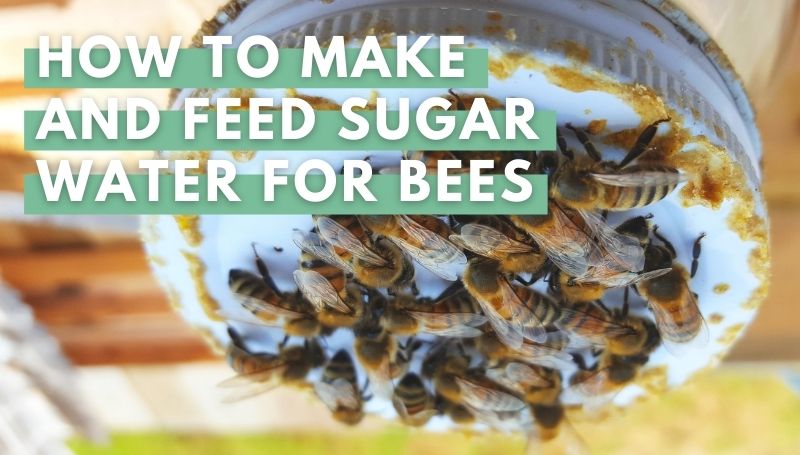
Feeding sugar water to bees is an essential practice to support their health and hive productivity, especially during periods of nectar scarcity or when colonies are expanding. Selecting the appropriate method of feeding can significantly influence the bees’ acceptance of the supplement, minimize hive disturbance, and ensure effective feeding. Various techniques exist, each with distinct advantages and considerations, allowing beekeepers to choose the most suitable approach based on hive design, colony size, and environmental conditions.
Understanding and properly implementing different feeding methods ensures that bees receive optimal nourishment with minimal stress. The following sections describe the most common feeding techniques—inside hive feeders, surface feeders, and top feeders—detailing their installation procedures and comparative benefits.
Inside Hive Feeders
Inside hive feeders are designed to be placed directly within the hive, providing a protected environment for the sugar water and reducing the risk of contamination or spillage. These feeders are especially useful during colder months or in environments where hive disturbance needs to be minimized.
- Prepare the hive by opening it carefully to access the brood chamber, ensuring the colony is stable and calm.
- Select an appropriate inside hive feeder, such as a division or frame feeder, which fits securely within the hive space.
- Remove a few frames to create space and place the feeder in the designated area, usually replacing an empty frame or section of foundation.
- Pour the prepared sugar water into the feeder, taking care not to overfill and cause spillage that can lead to mold or fermentation.
- Secure the feeder lid or cover to prevent bees from accessing the sugar water prematurely or debris from entering.
- Gently close the hive, ensuring the hive remains secure and that the bees can access the feeder without difficulty.
Inside hive feeders reduce exposure to external elements and predators, providing a consistent feed source. However, they can be more challenging to inspect or clean, requiring careful handling to avoid disturbing the colony.
Surface Feeders
Surface feeders are placed on top of the frames, directly accessible to the bees from above, making them simple to install and monitor. They are suitable for quick feeding needs and are often used during early spring or late fall.
- Open the hive carefully and remove the outer cover or inner cover, depending on the hive design.
- Place the surface feeder—such as a shallow dish, tray, or specialized feeder—on top of the inner cover or directly on the frames.
- Pour the sugar water into the feeder, ensuring it is not filled to overflowing to prevent spillage.
- Replace the hive cover securely, making sure the bees can access the sugar water through small entry points or holes if necessary.
- Monitor the feeder regularly, refilling as needed and cleaning to prevent mold or fermentation.
Surface feeders are easy to access for quick refills and inspections. However, they are more exposed to environmental elements, such as rain or debris, which can contaminate the sugar water or cause spoilage.
Top Feeders
Top feeders are placed on the top bars or inner cover of the hive, providing an efficient way to feed large quantities of sugar water, especially in larger colonies or during feeding campaigns.
- Remove the hive cover or inner cover carefully to access the hive interior.
- Position the top feeder, which often comes as a tray or jar with a lid that seals securely, on top of the frames or inner cover.
- Fill the feeder with prepared sugar water, avoiding overfilling to prevent spillage during hive cover replacement.
- Seal the feeder if it has a lid, ensuring that any ventilation holes or feeding ports are accessible to the bees.
- Replace the hive cover carefully, ensuring it is secure and that the bees can access the feed through designated entry points.
- Regularly check the feeder for refilling needs and cleanliness to maintain hive hygiene and prevent spoilage.
Top feeders are highly efficient for feeding large colonies and reduce the risk of contamination but may require more careful handling to prevent disturbing the bees during installation or refilling.
Comparison of Feeding Methods
| Feeding Method | Advantages | Disadvantages |
|---|---|---|
| Inside Hive Feeders | Protected from weather and pests, minimal evaporation, consistent feeding | |
| Surface Feeders | Easy to access for refilling and inspection, quick setup | |
| Top Feeders | High capacity, minimal hive disturbance, suitable for large colonies | |
| Inside Hive Feeders | Less exposure to external elements, reduces spillage and contamination | |
| Surface Feeders | Cost-effective, simple to install and remove | |
| Top Feeders | Efficient for large-scale feeding, reduces bee disturbance during refilling | |
| Considerations | Choose based on hive size, environmental conditions, and ease of access. Regular cleaning and monitoring are essential regardless of the method to prevent mold and ensure bee health. | |
Best practices for feeding bees sugar water
Feeding bees sugar water is a vital management practice, especially during periods when natural forage is scarce or when supporting hive health during seasonal transitions. Properly adhering to best practices ensures that bees receive adequate nourishment without causing stress or harm to the colony. Implementing effective feeding routines helps maintain hive strength, promotes healthy brood development, and sustains productivity throughout the year.
Applying recommended schedules, quantities, and monitoring techniques enables beekeepers to optimize feeding strategies. It also minimizes risks such as robbing behavior, contamination, and overfeeding, which can compromise hive health. Maintaining a balanced and attentive approach to sugar water feeding ensures the well-being of the colony and the success of apicultural endeavors.
Recommended schedules and quantities for different seasons
Seasons significantly influence the amount and frequency of sugar water feeding. Adjusting schedules according to seasonal needs helps bees stay healthy and productive. During early spring and late fall when natural nectar flow is limited, regular feeding supports colony buildup and sustains overwintering preparations.
In spring, provide sugar water when natural sources are still scarce, typically every 7-10 days, offering about 1:1 sugar-to-water ratio for brood rearing. During summer, feeding is usually unnecessary unless hive conditions warrant supplementary nutrition. In autumn, increase feeding frequency, offering about 2:1 sugar water to stockpile energy reserves for winter.
Quantities should be tailored based on hive size and colony strength. For small colonies, 1-2 liters per week may suffice, while larger colonies might require 4-8 liters. Always observe hive activity and adjust amounts accordingly to prevent overfeeding or underfeeding, which can lead to issues like robbing or insufficient nutrition.
Monitoring hive response and adjusting feeding accordingly
Effective beekeeping involves close observation of hive behavior, brood development, and overall activity in response to feeding efforts. Signs of adequate feeding include steady brood expansion, stable hive temperature, and consistent foraging activity around feeding sites. Conversely, a decline in activity or signs of stress indicate the need for adjustments.
Regular inspections should assess honey stores, brood health, and signs of robbing or contamination. If bees are not consuming the sugar water, reduce feeding frequency or check for spoilage and contamination. Conversely, if stored supplies diminish rapidly, consider increasing quantities or feeding more frequently during critical periods.
Flexibility and responsiveness are key. Use hive weight scales or periodic hive checks to gauge consumption. Employing a feeding schedule aligned with environmental and hive conditions optimizes health and reduces waste.
Tips to prevent robbing and contamination during feeding
Robbing behavior can intensify if feeders are accessible or attract other insects, compromising colony health. Contamination of sugar water can also lead to disease transmission or fermentation, which harms bees. Implementing specific tips reduces these risks and ensures safe, effective feeding.
Position feeders in sheltered, discreet locations away from hive entrances to minimize attracting robbers. Use entrance restrictors or robbing screens to protect colonies during feeding periods. Regularly clean feeders with hot water to remove residual sugar and prevent mold growth.
Utilize feeders with secure lids or covers to prevent spillage and contamination. Avoid overfilling feeders to reduce spillage and discourage ants and other pests. If contamination occurs, promptly replace the sugar water and sanitize feeders to maintain hive hygiene and prevent disease spread.
Common Challenges and Troubleshooting in Feeding Bees Sugar Water
Feeding bees sugar water is a vital practice for supporting colonies during periods of scarcity or stress. However, beekeepers often encounter certain challenges that can compromise bee health and the effectiveness of feeding efforts. Addressing these issues promptly and effectively ensures the wellbeing of the hive and the success of supplementary feeding programs.Understanding common problems such as mold growth, fermentation, spoilage, and signs of overfeeding or underfeeding helps beekeepers maintain optimal conditions.
Proper storage and handling of sugar water supplies are equally important to prevent contamination and preserve the nutritional quality of the feed. This section provides detailed insights into troubleshooting these challenges to support healthy, active bee colonies.
Mold Growth, Fermentation, and Spoilage
Proper management of sugar water involves preventing microbial growth and spoilage, which can pose health risks to bees and reduce feed efficiency. Several factors can contribute to mold development, fermentation, and spoilage, including the use of contaminated containers, improper storage conditions, or excessive feeding leading to stagnation.
- Mold growth: Typically appears as fuzzy, colorful patches (white, green, black, or blue) on the surface of the sugar water. Mold thrives in warm, damp environments and can produce mycotoxins harmful to bees.
- Fermentation: Caused by natural yeast or bacteria converting sugars into alcohol and carbon dioxide, often leading to a sour smell and bubbling in the solution. Fermentation occurs when the sugar water is exposed to warm temperatures for extended periods.
- Spoilage: General deterioration of the sugar water, resulting in a foul odor, discoloration, or separation of components. Spoiled feed can cause bees to abandon the feeder or ingest harmful substances.
To mitigate these issues:
- Use clean, sanitized containers for mixing and storing sugar water.
- Keep feeders in shaded, cool locations to slow microbial growth.
- Avoid overfeeding, which can lead to excess stagnant water.
- Regularly inspect feeders and replace spoiled or contaminated supplies promptly.
Signs of Overfeeding and Underfeeding
Monitoring the amount of sugar water consumed and observing bee behavior helps determine if the colony is receiving an appropriate feed level. Both overfeeding and underfeeding can negatively impact hive health, making it crucial to recognize early indicators.
- Overfeeding: Signs include excessive accumulation of sugar water in the hive, bees becoming overly reliant or sluggish, and the presence of wet or moldy comb areas. Overfeeding may lead to fermentation issues and can discourage natural foraging behavior.
- Underfeeding: Indications include increased bee activity around the feeder, rapid depletion of supplies, or signs of starvation such as weakened bees, sluggishness, or dead bees near the hive entrance. A lack of adequate nutrition can impair brood development and colony strength.
Beekeepers should:
- Adjust feeding quantities based on colony size and activity.
- Regularly monitor hive conditions and bee behavior.
- Ensure timely replenishment of sugar water to prevent starvation.
Safe Storage and Handling of Sugar Water Supplies
Maintaining the integrity of sugar water supplies from preparation to feeding is essential for bee health. Proper storage prevents contamination, spoilage, and fermentation, ensuring that bees receive safe and nutritious feed.
- Storage guidelines: Store prepared sugar water in airtight, food-grade containers placed in cool, shaded environments. Avoid exposure to direct sunlight and temperature fluctuations that accelerate spoilage.
- Handling procedures: Always wash hands and sterilize equipment before preparing or refilling feeders. Use clean utensils and avoid cross-contamination between different batches or supplies.
- Transport considerations: When transporting sugar water, ensure containers are securely sealed and kept upright to prevent spills and contamination during transit.
Regularly inspecting storage containers for signs of mold, leaks, or odors helps maintain high-quality feed. Proper handling reduces the risk of introducing pathogens or contaminants into the hive environment, supporting overall colony health and productivity.
Closing Notes
In conclusion, proper feeding of bees with sugar water is a crucial aspect of responsible hive management that supports colony vitality and resilience. By selecting appropriate methods, maintaining equipment hygiene, and monitoring hive responses, beekeepers can ensure their bees receive optimal care and nutrition. Implementing these practices contributes not only to the well-being of individual colonies but also to the broader goal of sustainable apiculture.