Understanding how to identify a queen bee is essential for effective hive management and maintaining a healthy colony. Recognizing her unique physical features and behavioral traits allows beekeepers to monitor hive health and ensure proper functioning of the hive. Accurate identification helps in making informed decisions regarding hive inspections, splits, or interventions, ultimately supporting thriving bee populations.
This guide provides detailed insights into the physical characteristics, behavioral signs, and techniques used to locate the queen bee. From visual cues to behavioral indicators, readers will gain comprehensive knowledge to confidently identify the queen within their hives under various conditions.
Overview of Queen Bee Identification
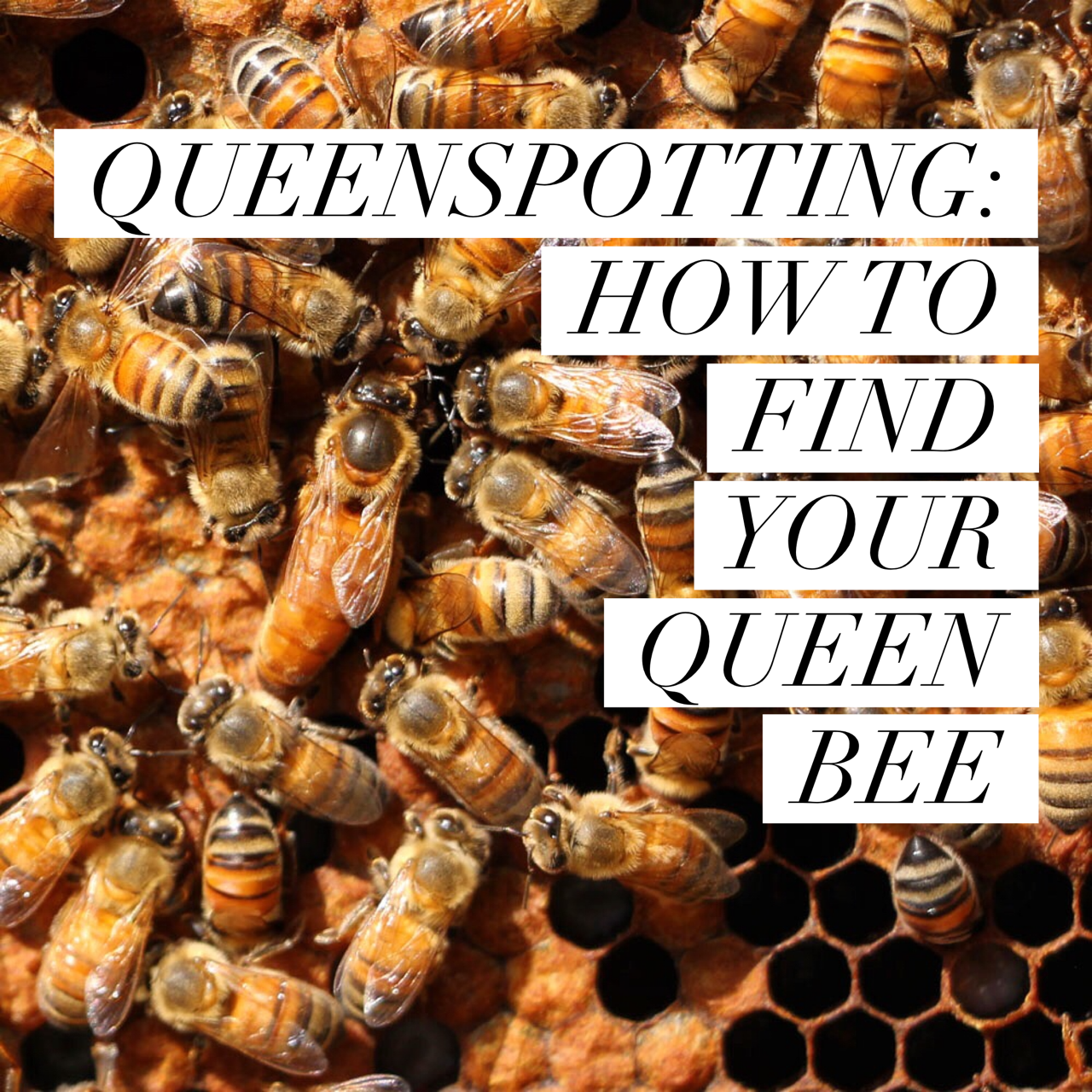
Recognizing the queen bee within a hive is a fundamental skill for beekeepers, as her presence and health directly influence hive productivity and stability. Unlike other bees, the queen possesses distinct physical and behavioral traits that set her apart, enabling her to fulfill her reproductive role effectively. Accurate identification involves observing specific physical characteristics, behavioral patterns, and contextual cues within the hive environment.
Understanding these unique traits not only facilitates effective hive management but also helps in diagnosing the overall health of the colony. The ability to distinguish a queen from worker bees and drones ensures timely interventions, supports breeding programs, and enhances hive sustainability. The following sections provide a detailed comparison of the physical and behavioral distinctions that make the queen bee identifiable amidst her hive mates.
Physical Characteristics Differentiating Queen Bees from Worker Bees and Drones
Physical traits are among the most straightforward indicators of a queen bee’s identity. These characteristics have evolved to optimize her reproductive capabilities and distinguish her from other hive members. Recognizing these features requires careful observation, especially in active hive conditions where multiple bees are present.
Queen bees are typically larger than worker bees and drones, with a more elongated body that facilitates her role as the primary reproductive individual. Her abdomen is notably longer and extends beyond her wings, often visibly tapering towards the tip. The wings of a queen are proportionally smaller relative to her body size, providing her with ample space for her extended abdomen.
Additionally, she often exhibits distinctive markings, such as spots or color variations, which are sometimes used for quick visual identification, though these markings are not universal.
Behavioral Traits Unique to Queen Bees within a Hive
Behavioral traits serve as crucial indicators of a queen bee’s identity. Queens are often seen moving purposefully within the hive, visiting various brood cells, and engaging in specific interactions with worker bees. One of her key behaviors is the sustained release of pheromones, which maintain colony cohesion and suppress the development of ovaries in worker bees.
During the reproductive season, the queen is the focal point of mating flights, where she mates with several drones in mid-air before returning to the hive. Within the hive, she is usually surrounded by a retinue of worker bees that tend to her needs, feed her, and occasionally groom her. The absence of such behaviors often indicates a queenless hive, highlighting the importance of behavioral cues in identification.
Comparative Table of Physical Traits: Queen Bees vs. Worker Bees and Drones
Visual comparison is an effective way to distinguish queen bees from other hive members. The following table summarizes key physical differences across size, abdomen shape, wing size, and markings, providing a quick reference for accurate identification.
| Feature | Queen Bee | Worker Bee | Drone |
|---|---|---|---|
| Size | Largest in the hive, typically 20-25 mm in length | Smaller, usually 12-15 mm in length | Similar to workers, around 15-20 mm in length, often slightly larger than workers |
| Abdomen Shape | Long and tapered, extending beyond the wings | Compact, rounded abdomen that does not extend beyond the wings | Bulky abdomen, rounded and sometimes with a blunt tip |
| Wing Size | Proportionally smaller compared to body size; wings do not reach the abdomen tip | Wings cover most of the thorax, proportionate to body size | Similar in proportion to workers; wings often span to the abdomen’s base |
| Markings | Typically no distinct markings; some queens may have colored dots for identification | No specific markings; uniform coloration | No markings; uniform coloration similar to workers, but larger size distinguishes them |
Accurate identification combines physical observation with behavioral cues, providing a comprehensive understanding of each hive member’s role. Recognizing these differences ensures effective hive management and supports the health and productivity of the colony.
Visual Cues and Physical Features

Identifying a queen bee based on physical characteristics is essential for beekeepers aiming to monitor hive health and organization. Unlike worker bees, queen bees exhibit distinct features that make them recognizable within the hive environment. Recognizing these physical cues enables efficient hive management, especially during inspections or queen replacement procedures.
By understanding the specific physical features of a queen bee, beekeepers can accurately locate her among worker bees and assess her presence across different hive frames. Consistent observation of these cues enhances hive monitoring, ensures the vitality of the colony, and supports effective hive interventions when necessary.
Physical Features of the Queen Bee
Queen bees possess several distinctive physical traits that set them apart from worker bees and drones. These features include size, shape, and wing dimensions, which serve as reliable indicators during hive inspections.
Attention to these features, combined with a structured checklist, can greatly improve the accuracy of queen identification, especially under varying hive conditions where the queen may be less conspicuous or partially hidden.
Observing the queen’s physical presence across different frames is vital for confirming her activity within the hive. A thorough understanding of these cues allows beekeepers to make informed decisions regarding colony health and management strategies.
Physical Features Checklist for Spotting a Queen Bee
Different hive conditions and seasonal changes can influence the queen’s visibility and physical prominence. The following checklist provides a comprehensive guide to identifying key physical features of a queen bee, aiding beekeepers in various scenarios:
- Thorax Size: The queen’s thorax is noticeably larger and more robust than that of worker bees, often appearing more rounded and prominent when viewed from above or the side.
- Abdomen Length: The queen’s abdomen extends significantly beyond her wings, often protruding past the tips of her wings, giving her a more elongated appearance.
- Wing Dimensions: The wings of a queen are relatively shorter in proportion to her body compared to workers, and they are firmly attached, with a wider base, indicating her reproductive role.
- Body Shape: Queens generally exhibit a more streamlined, elongated body shape with a smooth, tapering abdomen, unlike the more compact and rounded worker bees.
- Coloration: While generally similar in color to workers, some queens may appear slightly darker or more uniform in tone, depending on the hive’s bee strain.
Using this checklist during hive inspections helps in systematically differentiating queens from other bees, reducing the likelihood of misidentification. It’s beneficial to observe the queen in different frames, noting her physical features within various hive conditions such as crowded or sparse frames, or during different seasons when her size might vary slightly due to physiological factors.
Consistent recognition of the queen’s physical cues across multiple hive frames confirms her presence and activity, ensuring the colony’s reproductive health and stability.
Behavioral Indicators of a Queen Bee
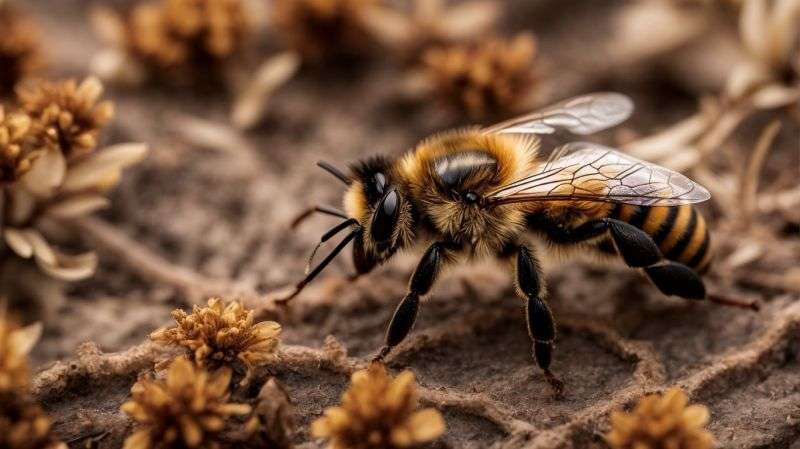
Observing the behavior of a queen bee within the hive provides invaluable insights into her presence and health. Unlike physical cues, behavioral indicators reveal her activity levels, interactions, and reproductive status, offering a dynamic perspective essential for effective hive management.
Monitoring these behaviors involves attentive observation of movement patterns, interaction with worker bees, and the signs of laying activity. Recognizing these cues enables beekeepers to confirm queen presence without invasive procedures, ensuring the colony’s stability and vitality.
Observation of Queen Activity and Movement Patterns
Understanding the movement dynamics of the queen bee is fundamental in identifying her within the hive. A healthy queen typically exhibits purposeful movement, often staying near the brood area or central parts of the hive. Her movement is more deliberate compared to worker bees, and she tends to avoid unnecessary wandering, focusing on her reproductive duties.
To observe her activity effectively, beekeepers should conduct regular inspections by gently opening the hive during suitable times of day, such as late morning when bees are active. Watching her traverse the combs can reveal her pattern—whether she moves quickly, pauses frequently, or interacts with worker bees.
Interactions with Worker Bees
The queen’s interactions with worker bees are characterized by specific behaviors that support her role and colony cohesion. She is often surrounded by a retinue of worker bees that tend to her, feed her, and groom her. These attendant bees are usually found close to her, forming a “retinue cluster.”
Observing this retinue is a reliable indicator of queen presence. Worker bees in the retinue are typically more active and attentive around her, frequently touching her with their antennae, feeding her with trophallaxis, and grooming her meticulously. Such behaviors highlight her central role within the hive’s social structure.
Signs of Queen Laying Activity
Detecting the queen’s reproductive activity is a crucial component of behavioral assessment. Her laying behavior results in specific signs within the comb that can be observed during hive inspections.
Key indicators include the presence of eggs, which are tiny, elongated, and laid in individual cells, often appearing in a consistent pattern along the brood frame. Additionally, the presence of larvae at various stages of development, along with sealed brood cells, confirms ongoing reproductive activity.
Over time, the pattern and density of eggs and larvae can provide insights into her laying rate and overall health. Consistent laying, with a well-distributed brood pattern, signifies a healthy queen actively contributing to colony growth.
Step-by-Step Procedure for Monitoring Hive Behavior
To reliably confirm the presence of a queen through behavioral indicators, follow this systematic approach:
- Choose the appropriate time for inspection: Conduct hive checks during mid-morning or early afternoon when bees are most active, ensuring minimal disturbance.
- Gently open the hive: Use a smoker to calm the bees and carefully remove the outer cover and inner frames, taking care to avoid harming the bees or disturbing the brood.
- Observe the brood area: Focus on the central frames where the queen is most likely to be found. Look for a cluster of worker bees surrounding a single, larger bee—the queen.
- Identify the queen: Look for her physical characteristics and unique markings, but also observe her activity—whether she is moving purposefully, and if she is tending to the brood.
- Check for retinue behavior: Notice if worker bees are surrounding and actively attending to a particular bee, indicating her role as the queen.
- Look for signs of laying: Scan the comb for eggs, larvae, and sealed brood cells, confirming her reproductive activity.
- Record observations: Keep detailed notes on her location, activity pattern, and brood status to track her health and behavior over time.
“Regular behavioral monitoring provides a non-invasive, reliable method to confirm queen presence and assess her wellbeing within the hive.”
Locating the Queen in the Hive
Finding the queen bee within a hive is a crucial skill for beekeepers, enabling effective hive management, health assessments, and breeding decisions. Properly locating the queen requires careful inspection, patience, and an understanding of her typical behavior and appearance. This process involves systematically opening hive frames and observing specific cues that distinguish the queen from worker bees and drones.
To accurately identify and locate the queen, beekeepers must approach hive inspections with safety and precision. The process entails opening the hive in a way that minimizes stress to the bees while allowing clear visibility of the internal frame structures. Recognizing the queen amid the crowded environment of worker bees can be challenging, especially in complex hives or during peak activity periods.
Employing various techniques based on hive conditions increases the likelihood of successful identification and ensures the health and productivity of the colony.
Procedures for Opening and Inspecting Hive Frames Safely
Conducting safe hive inspections is paramount to protect both the beekeeper and the bees. The process begins with preparing appropriate protective gear, including a bee suit, gloves, and veil. Gently smoke the hive entrance to calm the bees, making subsequent handling smoother and reducing agitation. When opening the hive:
- Use a hive tool to carefully pry open the outer cover, lifting it slowly to avoid crushing bees or causing undue disturbance.
- Remove the cover and set it aside on a clean, protected surface.
- Use the hive tool to gently lift and separate frames, handling them by the edges to avoid damaging the wax or disturbing the bees.
- Inspect each frame systematically, looking for signs of the queen, brood patterns, pollen, and honey stores.
- When finished, replace the frames carefully, ensuring they are correctly aligned to prevent damage or difficulty in future inspections.
- Close the hive in reverse order, ensuring the cover fits snugly to prevent drafts or pest entry.
Throughout, remain calm and deliberate, minimizing hive disturbance and avoiding rapid movements that could agitate the colony.
Tips for Spotting the Queen in Crowded or Complex Hive Environments
Locating the queen becomes more challenging in densely populated hives or when the colony is very active. The following tips aid beekeepers in such situations:
- Focus on the Brood Pattern: The queen tends to lay eggs in a consistent, unbroken pattern. Look for the queen near areas with fresh, open brood cells, typically in the central parts of frames.
- Observe Movement Patterns: The queen generally moves more deliberately than worker bees. She is often surrounded by a cluster of attendants that tend to her, which can serve as clues.
- Identify Queen Markings: If the queen is marked with a colored dot, use this visual cue to streamline identification. Be cautious not to disturb her during the process.
- Use the “Two-Peak” Method: Scan areas with high activity for larger bees, which could be the queen or her attendants. Focus on the largest moving bee that appears different from workers.
- Employ a “Split-Frame” Technique: Carefully remove sections of the frame to isolate clusters of bees, increasing the chances of spotting the queen in less crowded spaces.
- Patience and Repetition: Sometimes, multiple inspections are necessary. Returning to the hive after short intervals allows the bees to settle, making the queen easier to find.
Flowchart/Table Summarizing Techniques for Locating the Queen Based on Hive Conditions
Different hive conditions necessitate tailored approaches. The following table summarizes techniques suitable for varying scenarios:
| Hive Condition | Technique | Description |
|---|---|---|
| Open, Active Colony | Systematic Frame Inspection | Methodically examine each frame, focusing on areas with brood and larger bees; suitable for colonies with visible activity. |
| Crowded Hive with Dense Bee Population | Split-Frame Method | Remove portions of frames to reduce crowding, making it easier to locate the queen among clusters. |
| Hive with Marked Queen | Visual Search with Marking Cues | Scan for the specific color or marking, speeding up the identification process. |
| Quiet, Calm Hive | Deliberate Observation and Movement | Use gentle movements and patience to observe the queen’s behavior and pathway within the hive. |
| Hive with Multiple Queens (Supercedure or Swarm) | Identify Queen Signatures and Behavior | Look for unique signs such as fresh queen cells or signs of recent supersedure activity, then focus on areas indicating queen presence. |
“A methodical, calm approach combined with knowledge of the queen’s habits greatly enhances the success rate of locating her within the hive.”
Common Challenges in Identifying a Queen Bee
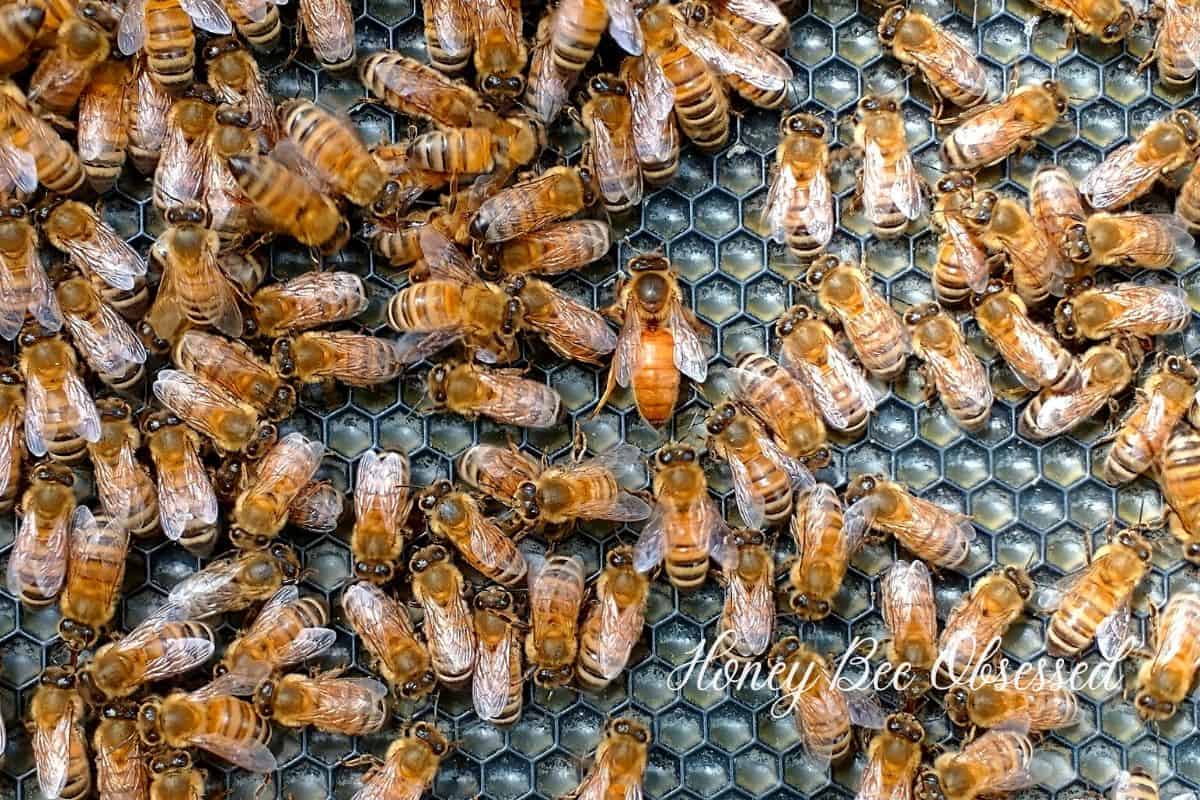
Identifying the queen bee within a hive can sometimes pose unexpected challenges, especially when her presence is not immediately obvious. Beekeepers and enthusiasts often encounter situations where the queen is hidden from view or temporarily absent due to various hive dynamics. Understanding these challenges and knowing how to interpret alternative signs of queen presence are essential skills for successful hive management and ensuring colony health.In many hive scenarios, visual confirmation of the queen may be hindered by hive design, the queen’s behavior, or her current activity.
For instance, in densely populated or highly active colonies, the queen may remain concealed within brood frames or be obscured by worker bees. Additionally, during certain times such as after swarming or during queen replacement processes, the queen might be absent from her usual location. Properly troubleshooting these situations requires familiarity with the behavioral and developmental indicators that suggest her presence, even when she cannot be directly observed.
Scenarios with Hidden or Absent Queens and Handling Strategies
The absence of a visible queen can create uncertainty about the colony’s status, but recognizing specific circumstances helps determine the appropriate response. For example, during the process of supersedure, the old queen may leave or be replaced, and the colony might temporarily appear queenless. Similarly, a queen may hide within dense comb areas or under brood frames, making her difficult to spot during routine inspections.
In cases of suspected queen loss, the colony may become agitated or display signs of queenlessness, such as increased worker cell activity or a rise in drone production.To address these scenarios:
- Carefully examine all brood frames, focusing on the central areas where the queen is most often found, and inspect for signs of recent egg-laying activity.
- If the queen remains elusive, look for the presence of queen cells, which indicate the colony’s intent to raise a new queen, often following queen loss or swarming.
- Observe worker bee behavior for signs of queen presence, such as focused tending, egg-laying in worker cells, or specific movement patterns signaling her dominance.
- In cases where the queen cannot be located, consider temporarily introducing a new queen if colony stability is at risk, after confirming the situation thoroughly.
Alternative Signs Indicating Queen Presence
When direct visual identification is hindered, several indirect cues can confirm the queen’s presence within the hive. Recognizing these signs is crucial for accurate hive assessment without unnecessary disturbance.Key indicators include:
- Egg presence: The most definitive sign of a live queen is the continuous laying of eggs in brood cells. Seeing eggs—especially in the absence of a queen—indicates she has been present recently.
- Brood pattern: A well-structured, evenly spaced brood pattern suggests ongoing queen activity. Irregular or patchy brood may warrant further inspection but does not necessarily imply her absence.
- Queen pheromones: Worker bees produce and circulate pheromones that signal queen presence. If worker bees are focused and not agitated, it often indicates she is nearby.
- Worker behavior: Increased grooming, tending, or specific worker positioning can suggest the presence of a queen, especially when workers are seen attending to a particular area of the hive.
- Queen cells: The presence of abundant queen cells, whether already capped or in larval stages, indicates active queen rearing, and her presence is implied through her influence on colony activities.
Troubleshooting Misidentification in Various Hive Setups
Misidentification of the queen can occur, especially in hives with complex layouts, multi-story setups, or densely populated frames. Accurate identification requires systematic inspection techniques and understanding hive-specific behaviors.Troubleshooting steps include:
- Verify the physical features of the queen against known characteristics, ensuring she is distinguished from large worker bees or other queens in supersedure or drone-laying scenarios.
- Check for signs of her recent activity, such as fresh eggs or recent brood patterns, to confirm her presence even if removed from view.
- In multi-story or modular hive setups, methodically inspect each section or box, paying particular attention to the middle and lower brood chambers where the queen is most often found.
- Consider environmental factors; for example, if the hive is crowded or heavily combed, the queen may hide or be obscured. Moving frames gently and systematically can reveal her hiding spot.
- If initial inspections are inconclusive, document findings and plan a follow-up inspection after a few days, as her location might change with hive activity or during queen replacement processes.
Tools and Equipment for Queen Bee Identification
Effective identification of the queen bee during hive inspection necessitates the use of specific tools and equipment designed to facilitate safe, efficient, and accurate observation. Employing the right tools not only enhances the clarity of visual cues but also ensures the safety of the beekeeper and minimizes hive disturbance. Proper selection and utilization of these tools are essential for both novice and experienced beekeepers aiming to identify the queen effectively.
The following equipment serves as a fundamental arsenal for queen bee identification, each with its particular purpose. Understanding how to properly use these tools will significantly improve the accuracy and efficiency of the process, ultimately contributing to healthier hive management and better colony oversight.
Essential Tools and Equipment
In order to conduct a thorough hive inspection focused on locating and identifying the queen bee, certain tools are considered indispensable. These tools assist in safely handling the hive components, inspecting frames, and observing individual bees with minimal disturbance.
| Tool or Equipment | Purpose |
|---|---|
| Hive Tool | A versatile instrument used to pry apart hive components, lift frames, and manipulate foundation or combs. It is essential for gently removing frames without damaging the comb or harming the bees. |
| Beekeeping Suit and Veil | Protective clothing designed to shield the beekeeper from bee stings during inspection. A full suit with a veil ensures safety while allowing clear visibility of the hive interior. |
| Beekeeping Gloves | Protects the hands from stings and allows better grip when handling frames or working within the hive. Gloves help maintain hygiene and prevent accidental damage. |
| Frame Grip or Handheld Frame Holders | Tools that assist in securely grasping and lifting frames, especially when inspecting for the queen or evaluating brood patterns. They facilitate controlled movements without disturbing the bees excessively. |
| Magnifying Glass or Hand Lens | Provides magnification to closely examine the queen’s physical features, such as the size of her abdomen and markings, which are crucial for accurate identification. |
| Bee Brush | A soft-bristled brush used to gently move bees away from the queen or to clear bees from frames during inspection. It minimizes stress and injury to the bees. |
| Lighting Source (e.g., Headlamp or Flashlight) | Ensures proper illumination within the hive, especially when inspecting darker cavities or during low-light conditions. Adequate lighting helps in spotting the queen and observing key features. |
Guidelines for Using Personal Protective Equipment and Tools
Proper handling and usage of protective gear and tools are vital for both safety and the successful identification of the queen bee. Beekeepers should always wear their protective suits and gloves when opening and inspecting hives to prevent stings and reduce hive disturbance.
Avoid sudden movements and use tools gently to prevent agitating the hive or harming the bees. When handling frames, grasp them firmly with frame grips or the hive tool, and use the bee brush carefully to move bees away from the area being inspected.
Magnifying glasses or hand lenses should be used at an appropriate distance to prevent squinting or overexposure to hive odors. Ensure lighting sources are adequate to clearly see the queen’s physical markers, especially in dimly lit hive environments.
By combining the proper tools with mindful handling techniques, beekeepers can efficiently and safely identify the queen bee, supporting effective hive management and colony health.
Final Wrap-Up
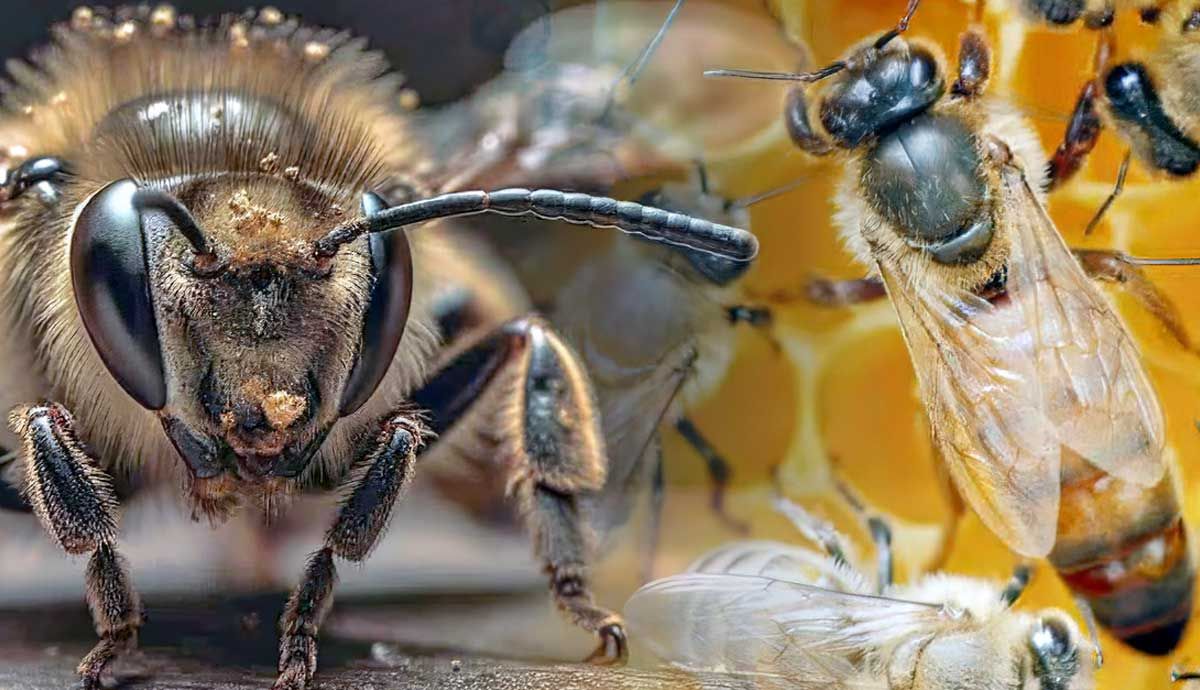
Mastering the skill of identifying the queen bee enhances not only hive management but also contributes to the overall health and productivity of the colony. Through careful observation and the right tools, beekeepers can confidently locate the queen and ensure their bees remain strong and well-managed. This knowledge forms the foundation for successful beekeeping practices and sustainable hive stewardship.