Understanding how to identify supersedure cells is essential in advancing medical diagnostics and tissue analysis. These specialized cells play a crucial role in tissue regeneration and cellular turnover, making their detection vital for comprehending various biological processes and disease progression.
By exploring their distinctive morphological features, molecular markers, and detection techniques, clinicians and researchers can accurately distinguish supersedure cells from other cell types. Mastery of these methods enhances diagnostic precision and opens new avenues for therapeutic interventions.
Understanding Supersedure Cells
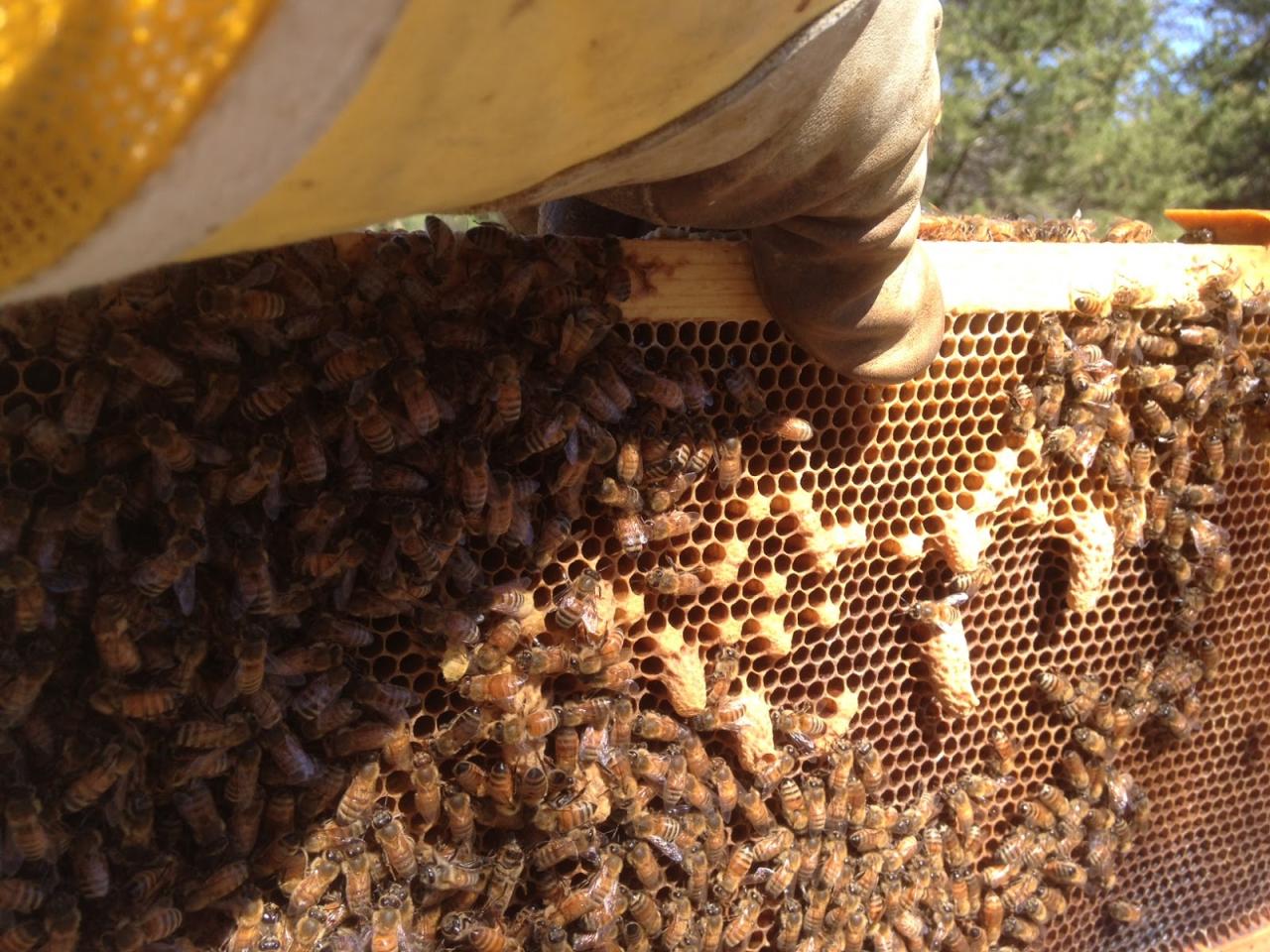
Supersedure cells are specialized cellular entities involved in the natural process of tissue renewal and regeneration. They play a pivotal role in maintaining tissue integrity by replacing older or damaged cells with new, functionally competent ones. Recognizing and understanding these cells is essential in various medical fields, especially in diagnostics related to regenerative medicine, oncology, and histopathology.
The identification of supersedure cells offers insights into the physiological state of tissues, their regenerative capacity, and potential pathological alterations. They are often distinguished from other cell types through unique morphological and molecular characteristics, which provide clues about cellular turnover rates and tissue health status.
Characteristics of Supersedure Cells
To differentiate supersedure cells from other cell populations, it is important to understand their defining features. These characteristics often encompass morphological traits, cellular behavior, and specific marker expression, which collectively aid in accurate identification and analysis.
Supersedure cells typically exhibit the following traits:
- Altered Morphology: These cells often display distinctive changes in shape and size compared to their progenitor or neighboring cells, such as increased nuclear-to-cytoplasmic ratio or irregular nuclear contours.
- Enhanced Regenerative Activity: They show signs of active proliferation, including mitotic figures and expression of proliferation markers like Ki-67 or PCNA, indicating their role in tissue renewal.
- Specific Molecular Markers: Supersedure cells may express unique surface proteins or intracellular markers distinguishable via immunohistochemistry, which are associated with their regenerative function.
- Localization Patterns: These cells are often found in zones of tissue turnover, such as the basal layers of epithelial tissues, or near sites of injury and repair.
- Distinctive Ultrastructural Features: Electron microscopy may reveal specific organelle arrangements or nuclear features, like increased endoplasmic reticulum or prominent nucleoli, indicative of their active state.
Recognizing these features allows pathologists and researchers to accurately identify supersedure cells, facilitating better understanding of tissue dynamics and the implications for disease conditions. Their identification not only aids in diagnostic precision but also informs therapeutic strategies aimed at tissue regeneration and repair.
Biological Features of Supersedure Cells
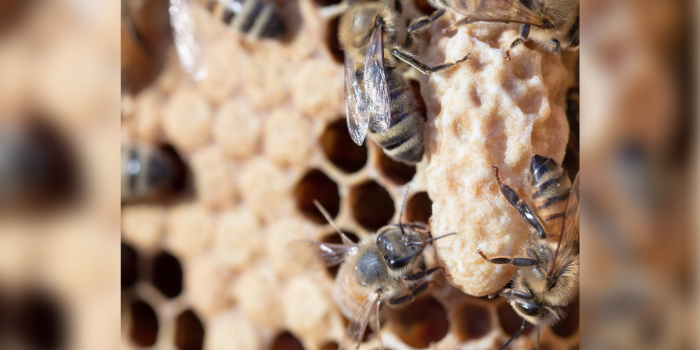
Understanding the biological features of supersedure cells is essential for accurate identification and differentiation from other cell types involved in tissue renewal or repair processes. These cells exhibit distinctive morphological and molecular characteristics that can be observed under microscopy and through molecular assays. Recognizing these features allows researchers and clinicians to better comprehend their role in tissue dynamics and their potential implications in health and disease.
Supersedure cells are specialized structures that emerge during the process of cellular renewal, often replacing older or damaged cells. They display unique morphological traits that set them apart from neighboring cells and other similar cell types. Additionally, their molecular marker expression provides critical insights into their identity, function, and lineage. Accurate identification involves a combination of morphological assessment and molecular profiling, which together establish a comprehensive understanding of their biological profile.
Morphological Features Observed Under Microscopy
Microscopic examination reveals several characteristic features of supersedure cells, which are pivotal for their identification. These features include distinctive shape, size, and structural components that reflect their specialized function in cellular turnover.
- Shape and Size: Supersedure cells typically exhibit a polygonal or cuboidal shape, with a size generally ranging from 20 to 50 micrometers, slightly larger than neighboring differentiated cells. Their size may vary depending on tissue type and physiological state.
- Nuclear Features: The nuclei of supersedure cells often appear prominent with conspicuous nucleoli. They may show increased nuclear-to-cytoplasm ratio, indicating active transcriptional activity.
- Cytoplasmic Features: Cytoplasm may appear basophilic under staining, with observable organelles such as prominent Golgi apparatus and endoplasmic reticulum, reflecting their active biosynthetic functions.
- Cellular Arrangement: These cells can be observed as clusters or rows aligned along tissue renewal zones, often situated adjacent to the older or damaged cells they replace.
- Membrane Characteristics: Under electron microscopy, supersedure cells display a well-defined plasma membrane with specialized surface projections, which may facilitate interactions with neighboring cells or extracellular matrix components.
Key Molecular Markers Associated with Supersedure Cells
Identifying supersedure cells at the molecular level involves analyzing specific markers that are indicative of their identity, functional state, and lineage. Below is a responsive table summarizing the most relevant molecular markers associated with supersedure cells.
| Marker Name | Expression Pattern | Significance |
|---|---|---|
| Keratin 14 (K14) | Highly expressed in basal and regenerative cells | Indicates progenitor or stem-like characteristics |
| p63 | Present in nuclei of supersedure cells and basal layer | Marker of proliferative potential and stemness |
| Ki-67 | Expressed during active cell proliferation | Used to assess proliferative status of supersedure cells |
| CK5/14 | Expressed in basal and supersedure cells | Indicates basal cell lineage |
| Involucrin | Expressed in differentiating cells | Marks transition towards differentiation |
| EGFR (Epidermal Growth Factor Receptor) | Upregulated in regenerative and supersedure cells | Associated with proliferative and repair functions |
Comparison with Similar Cell Types
Distinguishing supersedure cells from other similar cell types is crucial for precise identification. These cells share features with basal stem cells, transit-amplifying cells, and differentiated cells, but exhibit unique traits that facilitate their discrimination.
Supersedure cells versus basal stem cells: Supersedure cells typically display signs of active progression towards differentiation, such as early keratinization markers, whereas basal stem cells predominantly express undifferentiated markers like p63. Morphologically, supersedure cells are more differentiated than basal stem cells, with more prominent cytoplasmic features.
Supersedure cells versus transit-amplifying cells: Transit-amplifying cells are characterized by rapid proliferation and high Ki-67 expression, yet they maintain a less differentiated morphology compared to supersedure cells, which begin expressing differentiation markers and show structural specialization.
Supersedure cells versus fully differentiated cells: Fully differentiated cells lack proliferative markers such as Ki-67 and show advanced expression of differentiation markers like involucrin and loricrin, contrasting with the more proliferative and less terminally differentiated phenotype of supersedure cells.
Techniques for Detection
Accurate identification of supersedure cells is essential for understanding their role in tissue regeneration and disease progression. Employing a combination of laboratory methods allows for precise detection and characterization of these specialized cells. The following section Artikels essential steps and techniques used to isolate, prepare, and analyze samples for supersedure cell identification, providing a systematic approach to this complex task.
Effective detection integrates sample preparation with advanced analytical techniques such as staining protocols, flow cytometry, and immunohistochemistry. These methods offer specificity, sensitivity, and visual confirmation, crucial for distinguishing supersedure cells from other cell populations within tissue samples. The strategic use of reagents and staining protocols enhances the accuracy of identification, ensuring reliable data for research or clinical diagnostics.
Step-by-step Procedure for Isolating and Preparing Samples
Reliable detection begins with meticulous sample collection and preparation, ensuring the preservation of cellular features necessary for subsequent analysis. The following steps provide a comprehensive guide to isolating and preparing samples for supersedure cell identification:
- Sample Collection: Obtain tissue samples from appropriate sources, such as biopsy specimens or cultured cell populations, ensuring minimal mechanical disruption to maintain cellular integrity.
- Fixation: Fix tissues or cell suspensions using suitable fixatives like formalin or paraformaldehyde to preserve cellular morphology and antigenicity.
- Embedding and Sectioning: Embed fixed tissues in paraffin for sectioning or prepare cell smears on glass slides. Section tissues at 4-5 micrometers thickness using a microtome for histological analysis.
- Deparaffinization and Rehydration: For formalin-fixed paraffin-embedded (FFPE) tissues, remove paraffin with xylene and rehydrate through graded alcohols to water, preparing samples for staining procedures.
- Antigen Retrieval: Use heat-induced epitope retrieval techniques, such as citrate buffer boiling, to unmask antigens that may be cross-linked during fixation, enhancing antibody binding.
- Blocking: Incubate sections with blocking solutions to prevent non-specific antibody binding, improving specificity in subsequent detection steps.
- Application of Primary Reagents: Apply specific stains, antibodies, or dyes that target supersedure cell markers, followed by incubation under optimal conditions.
- Visualization and Analysis: Employ the appropriate detection system (e.g., chromogenic substrates or fluorescent tags), then examine samples under microscopes or flow cytometers to identify supersedure cells.
Laboratory Methods Flowchart for Supersedure Cell Detection
Implementing a structured workflow enhances consistency and reliability in supersedure cell detection. The following flowchart Artikels key laboratory methods, integrating staining, flow cytometry, and immunohistochemistry:
- Sample Preparation – Tissue fixation, embedding, sectioning, or cell suspension preparation.
- Method Selection – Determine the appropriate detection technique based on sample type and research objectives.
- Staining Protocols – Apply histological (e.g., Hematoxylin & Eosin) or specific immunostaining (e.g., immunohistochemistry).
- Flow Cytometry – Label cells with fluorescent antibodies targeting supersedure cell surface markers, then analyze using flow cytometry for quantitative assessment.
- Microscopic Analysis – Examine stained tissue sections under light or fluorescence microscopes for morphological and marker-specific identification.
- Data Interpretation – Integrate findings from multiple techniques to confirm supersedure cell presence and distribution.
Reagents and Stains Specific to Supersedure Cell Labeling
Selection of reagents and stains is critical for the specific labeling of supersedure cells. The following examples highlight commonly used markers and associated reagents:
| Reagent / Stain | Description and Usage |
|---|---|
| Ki-67 | A nuclear protein expressed in proliferating cells, useful for identifying actively dividing supersedure cells. Detected via immunohistochemistry using anti-Ki-67 antibodies. |
| p53 | Marker for cellular stress and DNA damage, often elevated in supersedure cells undergoing senescence or apoptosis, detected by specific antibodies. |
| BrdU (Bromodeoxyuridine) | A thymidine analog incorporated during DNA synthesis, labeling proliferative supersedure cells when administered prior to sample collection. |
| Cell Surface Markers (e.g., CD44, CD90) | Used in flow cytometry, these markers help distinguish supersedure cells from other populations based on surface protein expression, with fluorescently labeled antibodies. |
| Fluorochrome-Conjugated Antibodies | Reagents conjugated with dyes like FITC, PE, or APC targeting specific supersedure cell markers, enabling detection via flow cytometry or fluorescence microscopy. |
These reagents, combined with optimized staining protocols, facilitate precise identification and characterization of supersedure cells within complex tissue environments, supporting both research and diagnostic applications.
Imaging and Visualization

The accurate identification of supersedure cells relies heavily on advanced imaging and visualization techniques that reveal their morphological and cellular features in detail. Employing various microscopy modalities allows researchers to observe subtle structural changes, cellular interactions, and marker expression patterns, which are essential for confirming the presence and understanding the behavior of supersedure cells within tissues or colonies.
Different microscopy approaches offer unique advantages in visualizing supersedure cells. Fluorescence microscopy enables the detection of specific cellular components through labeled markers, while confocal microscopy provides high-resolution, three-dimensional images that facilitate detailed morphological analysis. Proper application and interpretation of these imaging modalities are crucial for distinguishing supersedure cells from surrounding cell populations and for gaining insights into their biological role and dynamics.
Protocols for Microscopy Techniques
Successful visualization of supersedure cells requires meticulous sample preparation and optimized imaging protocols. The following steps Artikel standard procedures for fluorescence and confocal microscopy:
- Sample Fixation: Fix tissues or cell cultures using paraformaldehyde (4%) in phosphate-buffered saline (PBS) to preserve cellular structures without compromising antigenicity. Incubate samples for 15-30 minutes at room temperature.
- Permeabilization and Blocking: Treat samples with 0.1-0.3% Triton X-100 to permeabilize cell membranes, followed by blocking with 5% bovine serum albumin (BSA) to reduce nonspecific binding of antibodies.
- Immunostaining: Incubate samples with primary antibodies targeting specific markers associated with supersedure cells (e.g., proliferation markers, pluripotency factors), followed by fluorescently labeled secondary antibodies. Optimize incubation times and antibody concentrations for maximum specificity.
- Mounting: Mount samples onto slides with antifade mounting medium that minimizes photobleaching during imaging.
- Imaging: Use a fluorescence or confocal microscope equipped with appropriate excitation and emission filters corresponding to the fluorescent dyes used. Adjust laser intensities and exposure times to optimize signal-to-noise ratios.
For live-cell imaging, employ compatible fluorescent dyes and maintain cells in environmentally controlled chambers to preserve cellular viability during observation.
Interpreting Visual Cues and Morphological Changes
Accurate interpretation of cellular images involves identifying key morphological features and visual cues indicative of supersedure cells. These features often include alterations in cell shape, nuclear morphology, and marker expression patterns, which can be distinguished with high-resolution imaging techniques.
Visual cues to consider encompass:
- Cellular hypertrophy or irregular cell shapes that differ from neighboring cells.
- Changes in nuclear size, shape, or chromatin organization detectable through nuclear stains or DAPI fluorescence.
- Distinct localization or intensity variations in specific markers, such as proliferation or differentiation indicators, suggesting a supersedure state.
- Altered cell-cell junctions or detachment from adjacent cells, indicating changes in adhesion properties.
- Presence of cytoplasmic granules or inclusions that may signify cellular stress or activation.
Morphological changes can be quantitatively analyzed using image processing software to measure parameters such as cell area, perimeter, and fluorescence intensity levels. Comparing these metrics across different samples or time points helps in confirming the identity of supersedure cells and understanding their role in tissue dynamics.
Visual Illustration of Supersedure Cells in Imaging Modalities
In fluorescence microscopy images, supersedure cells typically exhibit heightened or diminished fluorescence intensity for specific markers, reflecting changes in gene expression or protein levels. For example, a supersedure cell may show increased nuclear fluorescence for proliferation markers such as Ki-67, indicating active cell cycle engagement, or decreased expression of differentiation markers, suggesting a transition phase.
Confocal microscopy provides three-dimensional reconstructions, revealing the spatial organization of supersedure cells within tissue matrices. These images often display irregular cell shapes, nuclear and cytoplasmic alterations, or distinctive marker localization patterns, aiding in differentiating supersedure cells from surrounding populations.
Furthermore, differential interference contrast (DIC) images can highlight surface morphology and cell adherence changes, offering additional morphological context. By combining multiple imaging modalities, researchers can obtain comprehensive visual profiles that elucidate the structural and functional states of supersedure cells within their native environments.
Analytical Methods
Effective identification and characterization of supersedure cells require robust analytical techniques that provide detailed insights into their biological and morphological features. This section explores the primary quantitative methods employed, the essential steps for data visualization, and the critical role of controls and reproducibility to ensure reliable results in supersedure cell analysis.Understanding the analytical approaches is fundamental for researchers aiming to distinguish supersedure cells from other cell types convincingly.
These methods enable precise measurement of molecular and structural parameters, facilitating comprehensive cellular profiling and accurate interpretation of biological significance.
Comparison of Quantitative Methods
The evaluation of supersedure cells relies on multiple quantitative techniques, each offering unique advantages and insights. The following table compares gene expression analysis, protein profiling, and morphological assessment based on their principles, applications, and limitations:
| Method | Principle | Application | Advantages | Limitations |
|---|---|---|---|---|
| Gene Expression Analysis | Quantifies messenger RNA (mRNA) levels for specific genes associated with supersedure cell states. | Identifies molecular signatures, verifies cell lineage, and detects activation of specific pathways. | High sensitivity; allows detection of subtle molecular changes; suitable for high-throughput screening. | Requires high-quality RNA; may not reflect protein activity; potential for technical variability. |
| Protein Profiling | Analyzes protein abundance, modifications, and interactions using techniques like Western blotting, mass spectrometry, or immunoassays. | Provides functional insights; confirms gene expression data; detects post-translational modifications. | Direct measure of functional molecules; high specificity. | More resource-intensive; complex sample preparation; limited throughput compared to gene assays. |
| Morphological Assessment | Examines cellular features, such as shape, size, and structural markers, through microscopy and image analysis. | Distinguishes supersedure cells based on physical and structural traits; monitors cell transition states. | Visual confirmation; non-destructive; allows spatial context. | Subjective without quantitative image analysis; limited molecular detail; dependent on expert interpretation. |
Preparing Data Visualization Dashboards
Creating comprehensive dashboards enhances the interpretation of complex datasets obtained from supersedure cell analyses. These visualization tools facilitate rapid assessment of molecular and morphological parameters, allowing researchers to identify patterns, anomalies, and correlations effectively.To develop effective dashboards, it is important to integrate multiple data layers, such as gene expression levels, protein abundance, and morphological metrics, into a cohesive platform. Utilizing software like R Shiny, Tableau, or specialized bioinformatics tools enables the creation of interactive visualizations, including heatmaps, scatter plots, and multidimensional scaling plots.
These visualizations should be designed to highlight key differences between supersedure and normal cells, support statistical validation, and allow customization for different datasets.Key considerations include setting standardized axes, incorporating statistical significance indicators, and enabling filters to focus on specific gene sets or cellular features. Proper data normalization and scaling prior to visualization ensure comparability across experiments, facilitating meaningful biological interpretations.
Importance of Controls and Reproducibility
In the identification of supersedure cells, rigorous controls and reproducibility are indispensable for validating findings and minimizing errors. Controls establish baseline references, ensuring that observed differences genuinely reflect cellular states rather than technical artifacts or experimental variability.Positive controls, such as known supersedure or transitional cell populations, help confirm the sensitivity and specificity of analytical methods. Negative controls, including cells known to remain in a stable state, serve to identify background signals and nonspecific responses.
Technical replicates and independent biological samples further reinforce data reliability, enabling statistical validation and reducing the likelihood of false-positive or false-negative results.Reproducibility extends beyond technical consistency to encompass standardized protocols, consistent sample preparation, and uniform data processing procedures. Documenting all experimental conditions, reagent sources, and analysis parameters ensures that studies can be replicated and verified by other researchers. Emphasizing controls and reproducibility safeguards the integrity of supersedure cell identification, fostering confidence in the biological interpretations derived from these analyses.
Practical Applications
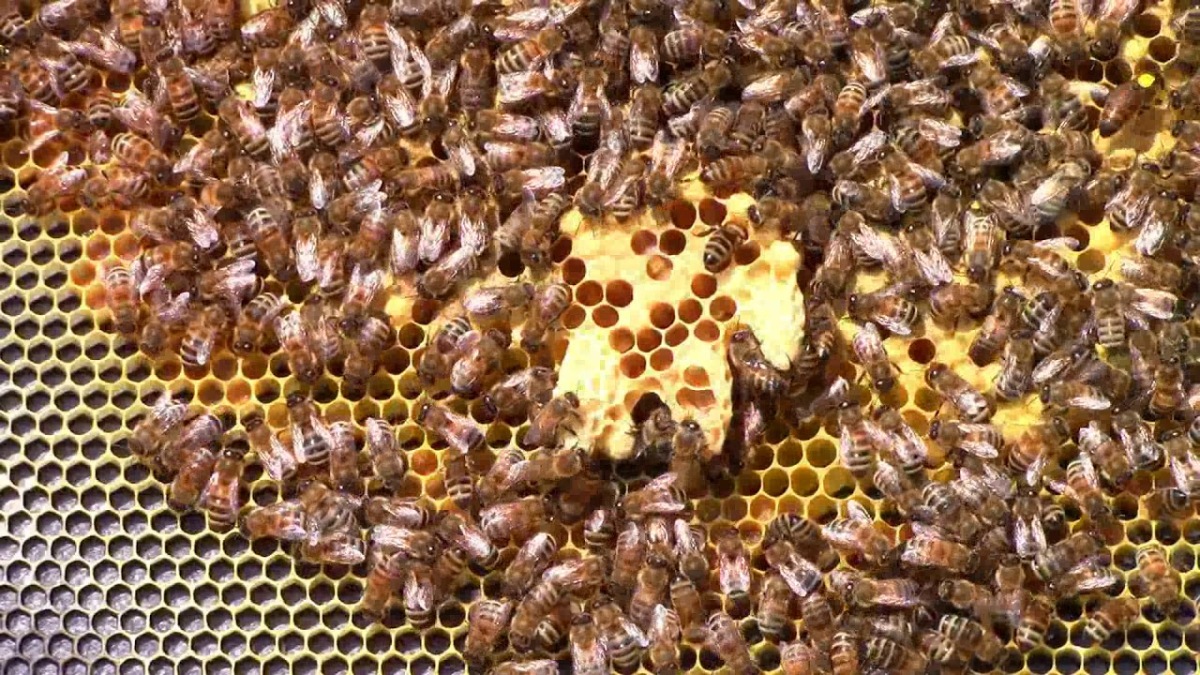
Understanding and accurately identifying supersedure cells has significant implications across clinical diagnostics, research, and therapeutic interventions. The ability to detect these cells influences decision-making processes, guides patient management, and enhances our comprehension of tissue dynamics. By examining real-world case studies and establishing protocols for continuous monitoring, practitioners can leverage supersedure cell detection to improve outcomes and deepen insights into tissue regeneration and disease progression.
Implementing practical applications of supersedure cell identification involves integrating advanced detection techniques into routine workflows, analyzing their impact on treatment strategies, and using their presence as biomarkers for various physiological and pathological states. These applications are crucial in both clinical settings—such as oncology, regenerative medicine, and infectious diseases—and research environments focused on cellular behavior and tissue remodeling.
Case Studies Demonstrating Impact on Diagnosis and Treatment
Case studies reveal how supersedure cell detection has directly influenced diagnosis and therapy, particularly in oncology and regenerative medicine. For instance, in certain types of skin and epithelial cancers, the presence of supersedure cells has been linked to tumor adaptation and resistance to conventional therapies. Identifying these cells enabled oncologists to adjust treatment plans, incorporating targeted therapies aimed at disrupting the supersedure process and preventing tumor relapse.
In regenerative medicine, cases involving tissue engineering or stem cell therapies have demonstrated that tracking supersedure cells helps evaluate the effectiveness of regenerative interventions. For example, in cartilage repair, the emergence of supersedure cells marked the transition from initial healing to tissue remodeling, guiding clinicians to optimize rehabilitation protocols and improve long-term outcomes.
Protocols for Ongoing Monitoring of Supersedure Cells
Consistent monitoring of supersedure cells is essential for both clinical prognosis and research validation. Established protocols involve a combination of non-invasive imaging, serial biopsies, and molecular analyses at predefined intervals. Advanced imaging techniques such as fluorescence or confocal microscopy allow visualization of supersedure cell morphology over time, while molecular markers provide quantitative insights into cellular states.
In research settings, standardized sampling intervals, coupled with high-throughput analysis methods like flow cytometry and single-cell sequencing, facilitate precise tracking of supersedure cell dynamics. These protocols ensure early detection of cellular changes, enabling timely intervention and contributing to a more comprehensive understanding of their role in tissue homeostasis or disease evolution.
Examples of How Supersedure Cell Detection Informs Tissue Regeneration and Disease Progression
The detection of supersedure cells plays a critical role in elucidating mechanisms underlying tissue regeneration. For example, in cardiac tissue post-myocardial infarction, the appearance of supersedure-like cells indicates active remodeling and scar formation, informing strategies to enhance regeneration or minimize fibrosis.
Similarly, in chronic inflammatory diseases such as psoriasis or inflammatory bowel disease, supersedure cells have been identified as markers of disease exacerbation or remission phases. Their presence correlates with inflammatory activity and tissue damage, guiding clinicians to adjust immunomodulatory therapies accordingly.
Furthermore, in cancer progression, the emergence of supersedure cells often signifies cellular adaptation to hostile environments, such as hypoxia or chemotherapy. Recognizing these cells allows for early detection of resistance development and aids in designing combination therapies to prevent tumor progression and improve patient prognosis.
Last Point
In conclusion, the ability to identify supersedure cells effectively combines cellular biology, advanced imaging, and laboratory techniques. This knowledge not only improves diagnostic accuracy but also enriches our understanding of tissue regeneration and disease mechanisms, ultimately contributing to better health outcomes.