Loading hives onto a truck is a critical process that ensures the safety of bees and the integrity of the hives during transportation. Proper techniques not only prevent damage but also facilitate efficient movement, making the journey smoother for both the bees and handlers. Understanding how to load hives effectively can significantly reduce risks and promote healthier bee colonies upon arrival.
This guide offers comprehensive insights into preparing hives, selecting suitable vehicles, executing proper loading procedures, securing hives securely, and adhering to safety regulations. With careful planning and precise execution, you can ensure a safe and efficient transport process that maintains hive health and safety throughout the journey.
Understanding the Importance of Proper Hive Loading Techniques
Efficient and careful loading of beehives onto trucks is a critical aspect of apiary management and honey production. Proper loading not only safeguards the well-being of the bee colonies but also preserves the structural integrity of the hives during transportation. Recognizing the significance of these methods ensures minimal stress on the bees, reduces the risk of hive damage, and promotes the safety of all personnel involved in the process.
Transporting hives improperly can lead to a range of issues, including bee casualties, damaged equipment, and even legal liabilities if the transport violates safety regulations. The correct techniques, therefore, are essential for maintaining healthy colonies, ensuring product quality, and complying with transportation standards. Implementing best practices in hive loading enhances overall efficiency, reduces transit-related risks, and ultimately supports sustainable apiary operations.
Best Practices for Maintaining Hive Stability During Transit
Maintaining hive stability during transportation involves meticulous planning and adherence to safety standards to prevent movement, tipping, or damage that could harm the bees or compromise the hive structure. The following table Artikels key strategies and considerations for ensuring stable and safe transit of hives:
| Practice | Description | Importance |
|---|---|---|
| Securing Hives with Straps or Tie-Downs | Use heavy-duty straps, ropes, or bungee cords to firmly anchor each hive to the truck bed, preventing movement during sudden stops or turns. | Reduces the risk of hives shifting, tipping over, or sliding, which can cause physical damage or stress to the bees. |
| Proper Alignment and Spacing | Arrange hives in a uniform manner with consistent spacing to ensure even weight distribution and easy access for handling. | Prevents uneven load distribution that could lead to instability or damage during transit. |
| Using Pallets or Racking Systems | Position hives on pallets or specialized racking systems to facilitate secure stacking and easier handling. | Enhances stability and simplifies loading/unloading processes, reducing the risk of accidental tipping or falling. |
| Protection from External Elements | Cover loaded hives with tarps or tarpaulins to shield from weather conditions such as rain, wind, or excessive sunlight. | Maintains optimal internal conditions within hives and protects bees from environmental stressors. |
| Monitoring During Transit | Implement periodic checks or use secure cameras to monitor hive stability, especially during long journeys. | Allows for early detection of shifting or damage, enabling prompt corrective actions. |
| Summary of Best Practices for Hive Safety | ||
|
||
Preparing Hives for Loading onto a Truck
Proper preparation of hives prior to transport is essential to ensure their safety and integrity during transit. This process involves thorough inspection, securing components effectively, and utilizing appropriate equipment to prevent damage and movement. Implementing meticulous preparation practices minimizes the risk of hive loss, damage, or disturbance to the bees, facilitating a smooth and efficient loading operation.
Attention to detail during hive preparation not only protects the equipment but also supports the health and productivity of the bee colonies. Ensuring that hives are in optimal condition before loading also adheres to safety standards and regulatory requirements, ultimately contributing to sustainable and responsible beekeeping practices.
Inspecting Hives Before Loading
Conducting a comprehensive inspection of each hive before loading is vital for identifying potential damages or issues that could compromise the safety of the load or the wellbeing of the bees during transport. The inspection should be systematic, focusing on both structural integrity and hive components.
- Examine the hive boxes for any cracks, broken sides, or loose joints that could cause instability during transit.
- Check the foundation and frames for warping, rust, or damage that might affect the hive’s functionality upon delivery.
- Inspect the lid and entrance reducers to ensure they are securely attached, preventing bee escape or entry of debris.
- Look for signs of pest infestation, mold, or disease that could deteriorate hive health or spread during transport.
- Ensure that any missing or damaged hardware, such as handles or latches, are repaired or replaced prior to loading.
Performing this detailed visual inspection helps detect issues early, allowing for repairs or adjustments that safeguard the hive during movement. Documenting any damages or concerns at this stage facilitates proper handling and accountability throughout the moving process.
Securing Hive Components for Transport
To ensure stability during transportation, hive components must be properly secured to prevent shifting, tipping, or damage. Correct securing techniques preserve the structural integrity of the hives and protect the bees from undue stress or injury.
- Use straps or ratchets to tightly fasten hive bodies together, especially if they are stacked. Wrap straps around the entire stack, ensuring they are snug but not overly tight to avoid crushing the equipment.
- Secure lids with heavy-duty clips or bands to prevent accidental dislodging during transit.
- Utilize foam padding or blankets around the hives to cushion shocks and vibrations, particularly during rough or uneven terrain.
- Position hive units with the entrance facing downward or in a stable orientation to minimize the risk of bees escaping or hive components falling apart.
- Place warning signs or reflective markers on the load to alert handlers and other drivers of the presence of fragile equipment and live colonies.
Effective securing not only protects the hive components but also ensures compliance with transportation safety standards, reducing liability and enhancing operational efficiency.
Necessary Equipment and Tools for Safe Loading
Utilizing the right equipment and tools is crucial to facilitate a safe and efficient loading process. The proper gear minimizes physical strain on handlers, reduces the risk of accidents, and ensures that hives are handled with care.
- Bee suit and gloves: Personal protective equipment to safeguard handlers from stings during inspection and handling.
- Hive straps or ratchet bands: Heavy-duty securing devices for anchoring hive stacks during transit.
- Hand truck or hive dolly: Equipment designed to move hives with minimal effort, especially for large or heavy units.
- Lifting straps: Assist with safe lifting and positioning of heavy hive components, reducing physical strain and preventing damage.
- Padding materials: Foam or blankets to cushion hives against shocks and vibrations during transport.
- Tie-down anchors or hooks: To secure straps to the truck bed or trailer, ensuring stable fixation during movement.
- Inspection tools: Flashlight, mirror, and magnifying glass to thoroughly examine hive components before loading.
Having these tools readily available and in good condition enhances safety, efficiency, and the overall success of the hive loading process, ensuring that both the equipment and the bees are protected throughout transit.
Selecting the Appropriate Truck and Equipment

Choosing the right truck and equipment is a crucial step in ensuring the safe and efficient transport of beehives. Proper selection not only protects the hives during transit but also streamlines loading and unloading processes, minimizing stress on the bees and reducing potential damages. The decision involves assessing factors such as hive size, quantity, and the specific requirements of the operation.
Different types of trucks and transport accessories are designed to accommodate various hive configurations and logistical needs. Understanding the features, advantages, and limitations of each option allows beekeepers and transport operators to make informed decisions, ensuring optimal safety and efficiency during hive transportation.
Criteria for Choosing a Suitable Truck
When selecting a truck for hive transportation, several critical criteria should be considered to match the truck’s capabilities with the specific demands of the operation:
- Hive Size and Dimensions: The truck must have enough interior space to comfortably accommodate the dimensions of the hives, including height, width, and length, without causing compression or damage.
- Quantity of Hives: The total number of hives influences the truck size. Larger quantities require trucks with higher payload capacity and specialized racks or cages.
- Weight Capacity: The truck must support the combined weight of all hives, including the added weight of packing materials and equipment, ensuring compliance with legal load limits.
- Accessibility and Loading Height: The height of the truck’s loading area should facilitate easy loading and unloading, reducing the risk of handling injuries or hive damage.
- Environmental Conditions: Consideration of climate and terrain is essential; trucks with insulated or ventilated compartments may be necessary for certain regions.
Comparison of Truck Racks and Cages for Hive Transport
Different rack and cage systems are designed to secure hives during transit, each offering unique features suited to various operational needs. The choice among them depends on factors such as the size of the operation, budget, and transportation frequency.
| Feature | Standard Rack | Cage System | Custom-Built Container |
|---|---|---|---|
| Design | Metal frame with adjustable slots to hold multiple hives | Enclosed cage with mesh sides for ventilation | Tailored structure built for specific hive sizes and quantities |
| Protection | Provides basic support; limited protection against external elements | Offers enhanced protection from impacts and weather | Maximum customization for both support and environmental protection |
| Ventilation | Moderate; depends on design | High; mesh sides allow airflow | Variable; can incorporate ventilation features as needed |
| Ease of Loading | Relatively straightforward with forklift or manual handling | Requires specialized equipment for placement | Depends on design; may require custom handling tools |
| Cost | Generally affordable and widely available | Moderate; depends on material and design complexity | Higher; customized to specific needs |
Choosing the right transport equipment enhances safety, reduces hive stress, and ensures compliance with transportation regulations, ultimately supporting the health and productivity of the bee colonies.
Loading Procedures for Hives
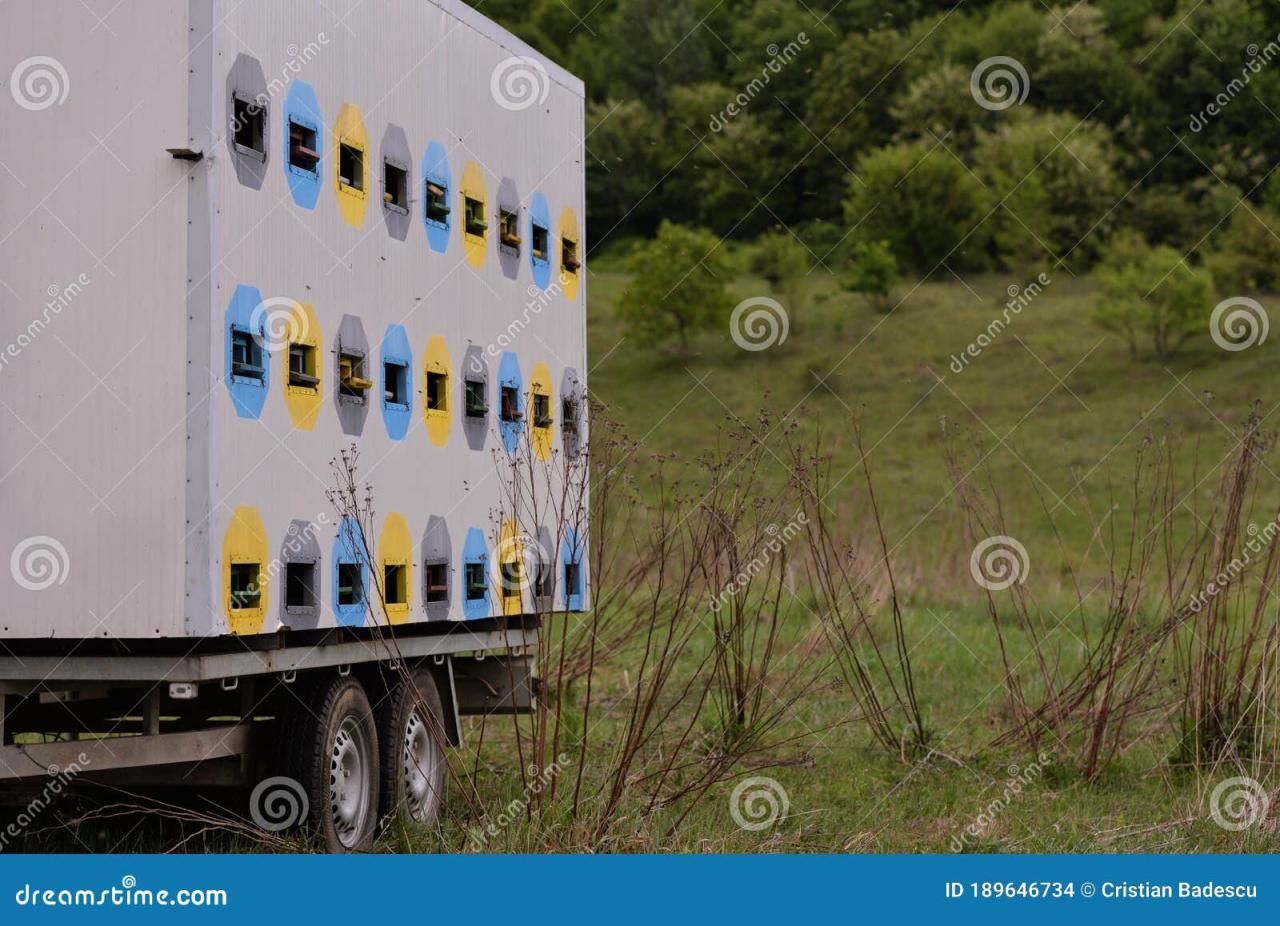
Efficient and safe loading of beehives onto a truck is critical to maintain the health of the colony, prevent damage to the hives, and ensure transportation safety. Following a systematic approach minimizes risks such as hive collapse, injury to personnel, or mishandling during transit. Proper loading procedures demand attention to detail, correct lifting techniques, and strategic placement to promote stability during transportation.
Implementing precise loading steps not only preserves the integrity of the hives but also optimizes weight distribution across the vehicle, which is essential for safe driving and compliance with transportation regulations. Mastery of these procedures ensures the longevity of the equipment and the safety of both the staff and the bees.
Step-by-step Lifting and Placement of Hives
Loading hives onto a truck involves careful planning and physical coordination to prevent strain or accidents. The following structured steps Artikel the essential procedures for safe handling and placement:
- Preparation and Safety Checks: Confirm that the truck is parked on a level surface with the parking brake engaged. Ensure that all personnel are wearing appropriate protective gear, including gloves and bee suits, and that the loading area is clear of obstacles.
- Assessing Hive Position and Handling Equipment: Identify the hives to be loaded, noting their weight and size. Use suitable handling tools such as hive straps, dollies, or forklifts if necessary, especially for heavier or multiple hives.
- Proper Lifting Technique: When manually lifting, bend at the knees and keep your back straight to avoid injury, gripping the hive securely with both hands. Lift with your legs, not your back, to distribute the effort evenly.
- Transporting the Hive: Carefully carry the hive to the truck, maintaining a stable posture. Do not tilt or shake the hive excessively to prevent damage to the bees or structural components.
- Placing the Hive on the Truck: Position the hive onto the designated loading area, ensuring it sits securely on the truck bed or rack. Use appropriate supports or pallets to prevent shifting.
- Securing the Hive: Fasten the hive with straps or tie-downs to prevent movement during transit. Double-check that the hive is stable and not at risk of slipping or falling.
Adhering to these steps promotes safety, preserves hive integrity, and ensures efficient loading operations.
Techniques for Balancing Hive Weight Distribution
Balancing the weight of hives across the truck is vital to prevent uneven load stress on the vehicle’s suspension and to enhance overall safety during transport. Proper weight distribution also reduces the risk of tipping or swaying, especially on uneven or inclined roads. Consider the following strategies to achieve an optimal balance:
- Assess the weight of each hive: Use scales or estimate based on hive size and bee population. Record weights to plan placement accordingly.
- Distribute heavier hives evenly: Place the heaviest hives towards the front and center of the truck bed, as this area provides better vehicle stability during movement.
- Place lighter hives towards the edges: Position lighter or smaller hives towards the sides and rear, preventing uneven lateral loads.
- Use support structures: Employ pallets or load bars to keep hives aligned and prevent shifting during transit, distributing forces evenly across the truck.
- Regularly check during loading: Continuously monitor the placement as hives are loaded, adjusting positions if necessary to maintain balance.
Consistent application of these techniques promotes a safer, more stable transportation process and reduces wear and tear on the vehicle.
Visual Illustration Descriptions of Proper Loading Positions and Methods
To facilitate understanding, consider the following detailed descriptions of ideal loading positions:
Imagine a truck with a flatbed that has designated tie-down points and support rails. Hives are positioned on pallets to elevate them slightly above the bed, ensuring airflow and ease of handling. The heavier hives are placed closer to the front of the truck, just behind the cab, with straps securely fastened over the lids and sides. Smaller or lighter hives are positioned towards the sides and rear, arranged in neat rows, with adequate space between each to prevent contact or shifting. Support bars run longitudinally along the truck bed, anchoring the hives firmly in place, while crossbars or load straps keep the entire load stable during transit.
In a typical visual scenario, you would see the hives aligned symmetrically across the width of the truck, with straps tightly securing each hive, and support structures ensuring no movement. The placement ensures a low center of gravity and even weight distribution, facilitating safe transportation and easy unloading at the destination.
Securing Hives During Transit
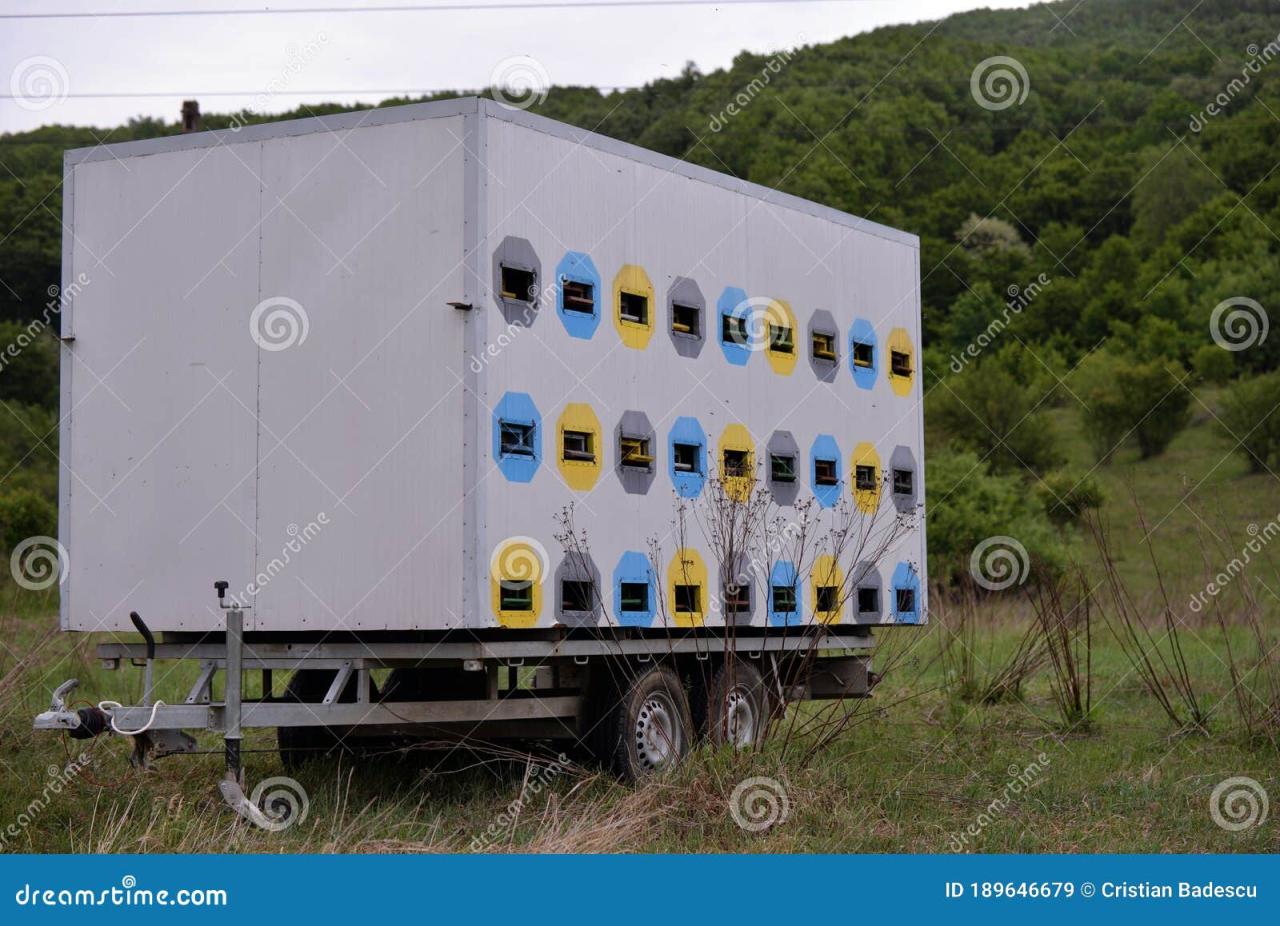
Ensuring that hives are properly secured during transportation is crucial to prevent shifting, damage, and maintain the safety of both the load and the vehicle occupants. Proper securing techniques not only protect the integrity of the hives but also contribute to efficient delivery and minimize potential liability. The goal is to create a stable, immovable setup that withstands road vibrations, turns, sudden stops, and other transit challenges.During transit, the primary focus should be on firmly fastening the hives using appropriate methods and materials.
This involves utilizing effective strapping and fastening techniques, along with protective padding, spacers, or barriers that mitigate movement and absorb shocks. Implementing these measures reduces the risk of hive damage, protects the bees, and ensures compliance with transportation safety standards.
Methods for Strapping and Fastening Hives
Proper strapping and fastening techniques are foundational to securing hives effectively. Straps should be tight enough to prevent movement but not so tight as to cause damage to the hive structures. Ratchet straps are commonly preferred due to their strength and ease of adjustments, enabling a secure fit around the entire load.Fastening methods include the use of:
Ratchet Straps
Durable, adjustable straps made of polyester or nylon, with metal ratchets that allow for tight, secure fastening.
Cam Buckle Straps
Suitable for lighter loads, offering quick tightening and releasing.
Rope or Cordage
Heavy-duty, UV-resistant ropes can be tied around the hives, especially when combined with knot techniques that ensure tightness and security.When applying straps, it is essential to secure hives at multiple points to prevent lateral movement and vertical shifting. Straps should cross over the hives and be anchored to sturdy points within the truck’s structure, such as built-in tie-down rings or anchor points.
Use of Padding, Spacers, or Barriers
To further protect hives during transit, incorporating padding, spacers, and barriers is essential. These materials serve to absorb shocks, prevent direct contact between hives, and minimize vibrations that could cause structural damage or hive dislocation.Padding materials include foam blocks, rubber mats, or thick blankets placed between hives and the truck’s interior surfaces. Spacers can be crafted from wood, plastic, or foam to maintain consistent gaps between hives, reducing the risk of collision or crushing during sudden stops.
Barriers such as partition panels or mesh screens can also be used to compartmentalize the load, providing additional stabilization.These protective measures are especially vital when transporting multiple hives stacked vertically or in densely packed arrangements, ensuring each hive remains stationary and unharmed throughout the journey.
Recommended Securing Materials and Specifications
Using the right materials with appropriate specifications guarantees the effectiveness of securing methods. The following are recommended securing materials:
- Polyester or Nylon Ratchet Straps: Lengths of 4-6 meters, with a breaking strength of at least 2,500 kg (5,500 lbs), to ensure durability and security.
- Cam Buckle Straps: 3-4 meters long, with a breaking strength of at least 1,500 kg (3,300 lbs), suitable for lighter or less critical securing points.
- Heavy-Duty Rope: Made of nylon or polyester, with a minimum breaking strength of 2,000 kg (4,400 lbs), and equipped with secure knotting techniques like bowline or trucker’s hitch.
- Foam Padding: High-density foam blocks or sheets, at least 2 inches thick, to absorb vibrations and cushion hives from impacts.
- Spacers and Barriers: Wooden or plastic spacers measuring approximately 4-6 inches in height, designed to fit the width of the hives and maintain consistent separation.
In summary, combining robust securing materials with effective fastening and protective strategies ensures that hives remain safe and stable during transit, safeguarding the bees and preserving the integrity of the hives upon arrival at their destination.
Transport Safety Regulations and Best Practices
Transporting beehives efficiently and safely requires adherence to regional safety regulations and the implementation of best practices that protect both the cargo and all involved personnel. Ensuring compliance minimizes risks during transit, prevents accidents, and promotes responsible hive handling across different jurisdictions.
Understanding and applying established safety procedures are essential for safeguarding not only the bees and equipment but also the drivers, other road users, and the environment. It involves knowing relevant legal requirements, maintaining clear communication, and conducting thorough safety checks prior to departure.
Regional Safety Regulations for Hive Transportation
Transport regulations governing hive movement vary across regions but generally aim to prevent the spread of pests and diseases, ensure vehicle safety, and facilitate smooth logistics. It is crucial for handlers to familiarize themselves with local, state, and national laws relevant to apiary transportation.
Some common regulations include restrictions on transporting hives across state lines without proper certification, mandatory vehicle inspections, and specific containment measures to prevent hive damage or loss.
Adherence to permits such as movement certificates or health certificates ensures legal compliance and helps mitigate disease transmission risks, especially when crossing regional or national borders. Moreover, regulations often specify vehicle standards, such as ventilation, load security, and signage requirements, to enhance safety during transit.
Driver Awareness and Safety Protocol Compliance
Drivers play a critical role in maintaining safety during hive transportation. It is essential that they are thoroughly trained in handling the specific challenges associated with hive transit, including securing loads, navigating safely, and responding to emergencies.
Establishing a safety-first mindset involves continuous education about regulations, proper load handling, and communication protocols. Drivers should be familiar with emergency procedures, such as what to do in case of vehicle breakdown, hive instability, or adverse weather conditions that could compromise load security.
Regular briefings, safety checklists, and clear documentation of safety protocols contribute to consistent adherence. Additionally, encouraging a safety culture within the transportation team fosters vigilance and responsibility among all personnel involved.
Pre-Transport Safety Inspection Checklist
Conducting a comprehensive pre-transport safety inspection is vital to identify potential issues that could compromise the safety of the load or vehicle during transit. Below is a checklist to guide this process:
| Item | Checkpoints |
|---|---|
| Vehicle Condition | Inspect brakes, tires, lights, and signals for proper functioning. Ensure the vehicle is clean and free of mechanical issues. |
| Load Security | Verify hives are properly secured with straps or bracing. Ensure no movement or shifting is possible during transit. |
| Hive Condition | Check for any damages or signs of pest infestation that could affect safety or compliance. |
| Documentation | Ensure all necessary permits, certificates, and documentation are on board and up to date. |
| Signage and Labeling | Confirm that warning signs or labels indicating hive transport are visible and compliant with regulations. |
| Emergency Equipment | Verify presence of fire extinguishers, first aid kits, and communication devices. |
| Driver Preparedness | Review safety procedures with the driver, including handling emergencies and securing the load during stops. |
Performing these checks before departure significantly reduces the risk of accidents, hive loss, or legal penalties, ensuring a smooth and safe transportation process across regions.
Unloading Hives Safely
Properly unloading hives from a transport vehicle is a critical step that directly impacts the safety of personnel, the integrity of the hives, and the health of the bees. Careful handling during this process helps prevent unnecessary damage to the hives and reduces stress on the bee colonies. Ensuring a systematic and cautious approach when unloading can also facilitate a smooth transition to the new site, enabling quick checks and preparations for installation.
Effective unloading involves not only careful removal but also strategic organization to maintain hive quality and safety. Proper techniques, organization, and post-transport inspection are essential components that contribute to the overall success of hive transportation and reinstallation.
Careful Removal of Hives from the Truck
Careful removal begins with assessing the load to identify the order in which hives will be unloaded, prioritizing those that are most accessible or at risk of damage. It is important to use appropriate lifting equipment, such as dollies, forklifts, or hand trucks, depending on the size and weight of the hives. Always ensure that personnel handling the hives are trained in proper lifting techniques to prevent injuries and minimize shaking or jostling that could harm the colonies inside.
When removing hives, gently tilt or lift them to avoid cracking or damaging the boxes. Use straps or securing devices to prevent sliding or falling during extraction. Applying a systematic approach, such as unloading from the top down or in designated sections, reduces the risk of collapsing or misplacing hives, thus safeguarding both the equipment and the bees.
Organizing Unloading to Optimize Hive Health and Safety
Organizing the unloading process optimizes both hive safety and the well-being of the bees. It involves planning the sequence of removal, designated staging areas, and immediate post-unloading handling procedures. To maintain hive integrity, avoid excessive exposure to the elements or rough handling during this phase.
Designate specific zones for unloaded hives so they can be quickly inspected and prepared for placement in the apiary. Keeping hives upright and avoiding unnecessary tilting helps prevent stress and possible damage to the frames or colonies. Additionally, handling equipment should be sanitized regularly to prevent disease transmission between hives.
Cleaning and Inspecting Hives Post-Transport
Post-transport inspection is vital to identify and address any damage or issues that may have occurred during transit. Carefully examine each hive’s exterior for cracks, broken parts, or signs of moisture intrusion. Check the interior for any displaced frames or debris that could hinder bee activity.
Cleaning the hives involves removing any dirt, residual transport materials, or foreign objects. Use appropriate cleaning agents that are safe for bees or rinse with warm water if necessary. Once cleaned, inspect the overall condition of the hive, including the foundation, frames, and entrance reducers, replacing parts as needed. Conduct a health check for signs of pests, mold, or other issues that could compromise colony health.
Properly cleaning and inspecting hives ensures they are in optimal condition for the upcoming beekeeping season and reduces the risk of disease spread or colony stress.
Troubleshooting Common Loading and Transport Challenges
Efficient hive loading and transportation require anticipation of potential issues that may arise during the process. Recognizing common challenges and implementing effective solutions ensures the safety of the hives, the bees, and the personnel involved. Proper troubleshooting not only minimizes risks but also enhances overall operational efficiency, especially when dealing with varying hive sizes and transport distances.
Challenges encountered during hive loading and transport can range from structural issues to logistical problems. Addressing these issues promptly and adaptively is essential for maintaining hive integrity and colony health. The following sections Artikel typical problems, practical solutions, and considerations for modifying procedures and equipment to suit different scenarios.
Common Issues Encountered When Loading Hives and Practical Solutions
Loading hives onto trucks can be complex, with multiple potential obstacles that can compromise safety and efficiency. Understanding these issues enables workers to respond effectively, preventing damage and ensuring the smooth transit of hives.
- Hive Stability and Shifting During Transit: Hives may shift or tip over, risking damage or bee escape.
- Inadequate Securing Mechanisms: Improper or insufficient securing tools can lead to movement or falls.
- Damaged or Weak Hive Structures: Fragile hives are more susceptible to breakage during handling.
- Difficulty Handling Large or Unwieldy Hives: Heavy or oversized hives pose ergonomic and safety challenges.
- Transport Distance and Road Conditions: Longer distances and rough roads increase the risk of hive disturbance.
To address these issues, implement solutions such as:
- Using sturdy, custom-fit straps and braces to secure hives firmly to the truck bed.
- Reinforcing hive structures with additional supports or protective padding to prevent breakage.
- Adapting loading techniques to minimize handling time and reduce movement risk, especially with larger hives.
- Employing specialized equipment, like hydraulic lifts or dollies, for safer handling of heavy or oversized hives.
- Planning routes that favor smoother roads and shorter transport distances when possible.
Adapting Procedures for Different Hive Sizes and Transport Distances
Different hive sizes and varying transport distances necessitate tailored loading strategies to maintain safety and hive integrity. Larger hives or those destined for longer journeys require additional precautions and modifications in handling procedures.
When working with larger or heavier hives, consider:
- Equipment Modifications: Installing reinforced pallets, heavy-duty straps, or custom supports that distribute weight evenly and prevent tipping.
- Handling Adjustments: Using mechanical lifts or team-based handling to reduce individual strain and improve control.
- Securing Enhancements: Employing additional tie-downs, corner braces, or protective cushioning to absorb shocks during transit.
- Route Planning: Selecting routes with minimal rough terrain and avoiding sharp turns or steep inclines that could destabilize the load.
For shorter distances or smaller hives, simplified procedures may suffice, such as lightweight straps and standard loading techniques. Conversely, for long-distance transport, it may be necessary to include vibration dampers or shock absorbers in the securing setup to mitigate the effects of road conditions.
Precise adaptation of loading procedures based on hive size and transport distance greatly reduces risks of hive damage and bee stress, ensuring colonies arrive healthy and ready for deployment.
Equipment Modifications and Adjustments for Improved Safety
Enhancing safety during hive transportation often involves modifying existing equipment or utilizing specialized tools to accommodate different scenarios. These adjustments can significantly reduce handling risks and improve the overall security of the load.
- Reinforced Strapping and Tie-Downs: Upgrading to heavy-duty, corrosion-resistant straps that can withstand tension and environmental factors.
- Custom Hive Supports: Designing and installing supplemental braces or corner reinforcements to stabilize larger hives.
- Shock Absorption Devices: Incorporating dampers or rubberized mats between the hive and securing devices to absorb vibrations during long trips.
- Adjustable Loading Platforms: Using modular or adjustable platforms that can be tailored to different hive sizes, ensuring proper fit and support.
Implementing these modifications requires careful assessment of the specific transport requirements and environmental conditions. Regular inspection and maintenance of equipment also ensure continued safety and effectiveness during each loading and transport operation.
Final Wrap-Up
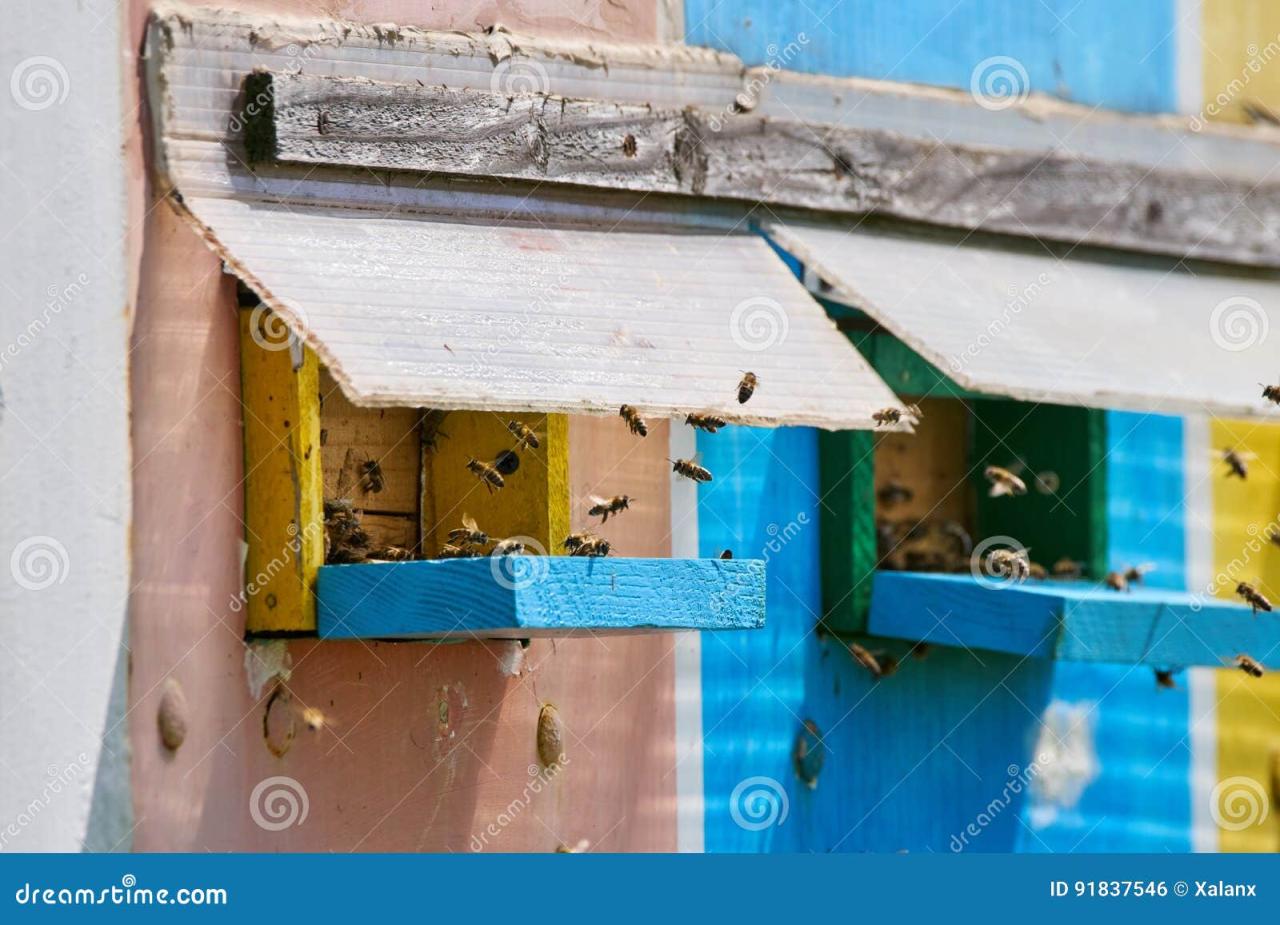
In conclusion, mastering the art of loading hives on a truck involves attention to detail, proper preparation, and adherence to safety practices. By following these steps, you can ensure that your hives are transported securely, minimizing stress and potential damage. Implementing these best practices will contribute to the overall health of your bee colonies and the success of your beekeeping operations.