Embarking on the journey to manage a bee colony offers a fascinating glimpse into the intricate world of these vital pollinators. Understanding their complex social structure and behaviors is essential for ensuring a thriving hive. Whether you’re a novice or an experienced beekeeper, mastering the art of colony management can lead to bountiful harvests and a positive impact on the environment.
This guide provides comprehensive insights into setting up, maintaining, and safeguarding your bee colony through effective practices, proper equipment, and seasonal strategies. From monitoring hive health to preventing pests and managing resources, each step is crucial for fostering a sustainable and productive beekeeping experience.
Understanding Bee Colony Structure and Behavior
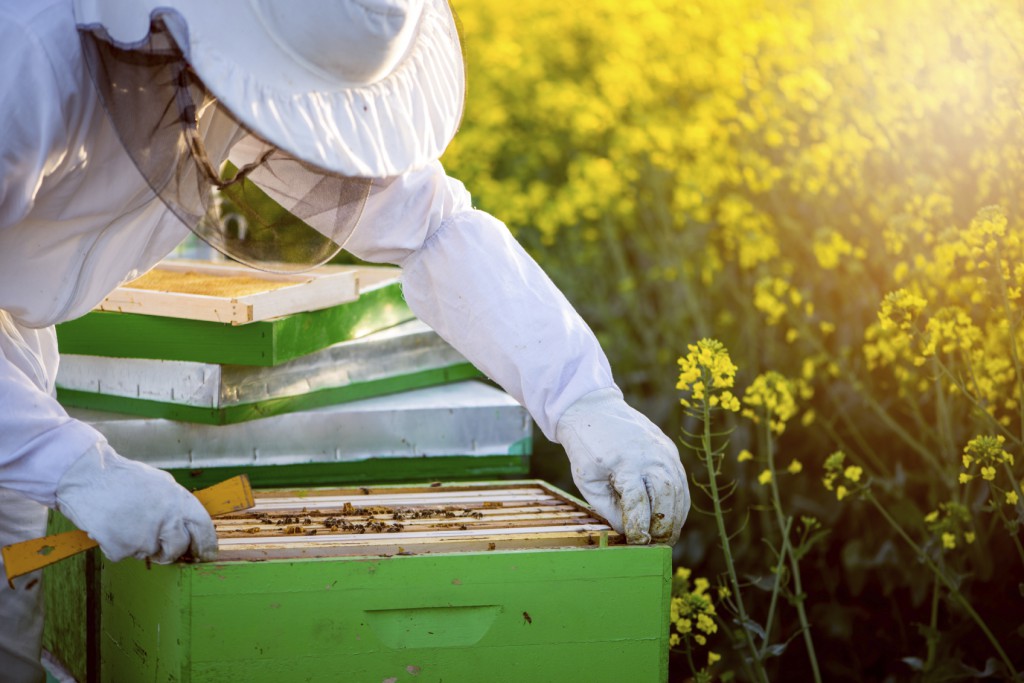
Gaining a comprehensive understanding of the internal organization and behavioral patterns of a bee colony is essential for effective hive management. Each member of the colony has specific roles that contribute to the overall health, productivity, and stability of the hive. Recognizing these roles, their lifecycle, and behaviors allows beekeepers to make informed decisions that promote strong colonies and early detection of potential issues.
The behavior of bees within a colony provides valuable insights into its health status. Observing their activities, movements, and interactions helps identify signs of stress, disease, or imbalance. By understanding the typical structure and functions within a hive, beekeepers can foster a thriving environment and ensure sustainable honey production and colony longevity.
Roles and Responsibilities of Bees in the Colony
Within a bee colony, social structure is organized into three primary castes, each with distinct roles that are vital for colony survival and efficiency. Recognizing these roles and their associated behaviors enables beekeepers to assess colony stability and anticipate potential needs or problems.
- Worker Bees: These female bees comprise the majority of the colony’s population and are responsible for a wide range of duties, including foraging for nectar and pollen, feeding larvae, cleaning the hive, defending the colony, and maintaining hive temperature. Worker bees start their lifecycle as nurse bees, transition to foragers as they age, and perform various tasks based on age and colony needs.
Their activity level, pollen intake, and guarding behaviors are key indicators of colony vitality.
- Drones: Drones are male bees whose primary role is mating with a queen from another colony. Drones develop from unfertilized eggs and are characterized by their larger eyes and bigger bodies compared to workers. Their behavior is mainly active during the mating season, where they congregate at drone congregation areas. A lack of drones or reduced drone activity can signal reproductive or environmental issues within the hive.
- Queen Bee: The queen is the reproductive center of the colony, responsible for laying eggs and producing pheromones that maintain colony cohesion. Queens are typically larger with a longer abdomen and are the only fertile female. Their presence and health are crucial; a healthy queen lays consistent eggs, while a declining queen or absence of a queen influences colony behavior and productivity.
Queen behaviors such as egg-laying frequency, pheromone production, and response to colony needs are critical for colony stability.
The Bee Life Cycle and Its Impact on Colony Management
The lifecycle of bees encompasses several stages—egg, larva, pupa, and adult—that occur within a span of approximately 3 weeks for workers and longer for queens and drones. Understanding these stages allows beekeepers to anticipate colony needs and manage hive resources more effectively.
- Egg Stage: The queen lays fertilized eggs in individual cells within the comb. These eggs are tiny, oval-shaped, and almost transparent. Monitoring egg-laying patterns helps assess queen performance and colony reproductive health.
- Larva Stage: After three days, eggs hatch into larvae, which are initially white and worm-like. Nurse bees feed the larvae a diet of royal jelly initially, then nectar and pollen. A healthy larval development indicates a well-functioning colony and sufficient food stores.
- Pupa Stage: Larvae spin a cocoon and enter pupation, transforming into adult bees. This stage lasts several days for workers, longer for queens. Proper hive temperature and humidity are vital during pupation to prevent disease and deformities.
- Adult Bee Emergence: Adult bees emerge from pupal cells, ready to take on their roles. The timing of emergence influences colony dynamics, including workforce availability and reproductive cycles.
By observing the progression through these stages, beekeepers can detect issues such as brood disease, queen failure, or environmental stressors. For example, a brood pattern that is patchy or irregular may signal disease or queen problems, while a surplus of drone brood might indicate queen insemination issues.
Observing and Interpreting Bee Behaviors for Colony Health
Monitoring bee behaviors provides vital cues about the overall health and stability of the colony. Recognizing normal activity patterns and spotting deviations early can prevent colony losses and facilitate timely interventions.
- Consistent foraging behavior, with many bees leaving and returning to the hive, indicates a healthy and productive colony. Reduced foraging or inactive bees may signal nutrition deficits or environmental challenges.
- Pack and Hive Entrance Behavior: A steady flow of bees entering and leaving the hive reflects active colony maintenance. Excessive congestion or a sudden decline could imply disease, queen absence, or inadequate resources.
- Brood Inspection and Egg Laying: Regular inspection of brood frames to observe egg placement, larvae, and pupae health informs colony reproductive status. Irregular brood patterns or presence of pests such as Varroa mites can be detected through behavioral cues.
- Defensive and Aggressive Behavior: Calm and focused bees suggest a stable hive, while excessive aggression may be a response to stressors such as pests, disease, or hive disturbance.
Effective observation and interpretation of bee behaviors enable beekeepers to detect early signs of diseases, pests, or queen issues, allowing for prompt and targeted management actions.
Comparison Table of Bee Roles, Responsibilities, and Behaviors
| Bee Role | Responsibilities | Typical Behaviors |
|---|---|---|
| Worker Bee | Foraging, brood care, hive cleaning, hive defense, temperature regulation | Active foraging, hive maintenance, guarding, cleaning habits |
| Drones | Mating with queens from other colonies | Congregating at drone congregation areas, active primarily during mating season |
| Queen Bee | Laying eggs, producing pheromones for colony cohesion | Egg-laying, pheromone release, responding to colony signals |
Essential Equipment and Supplies for Managing a Bee Colony
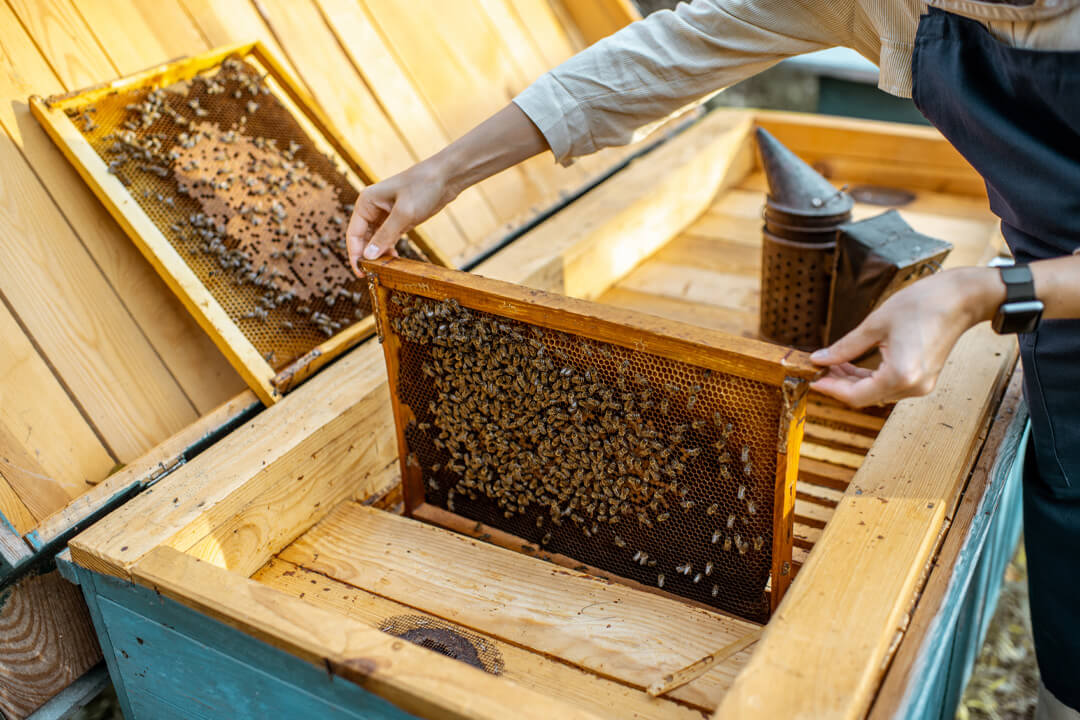
Managing a healthy and productive bee colony requires a well-organized assortment of equipment and supplies. Proper tools and protective gear not only facilitate effective hive management but also ensure the safety and well-being of the beekeeper. Equally important are the quality hive components and maintenance practices that support the longevity and health of the colony. Equipping oneself with the right gear and supplies forms the foundation for successful beekeeping endeavors.A comprehensive understanding of the necessary tools, protective equipment, hive types, and maintenance routines helps beekeepers maintain an efficient and safe apiary.
This section provides detailed insights into these essentials, ensuring that both beginners and experienced apiarists are well-prepared for practical hive management.
Beekeeping Tools and Protective Gear
To effectively manage a bee colony, beekeepers must utilize specialized equipment designed for hive inspection, honey harvesting, and colony health monitoring, alongside protective gear that minimizes risk from bee stings. Properly maintained tools and gear ease daily operations and promote safety.
- Hive Tool: A versatile metal or plastic instrument used to pry apart hive components, scrape combs, and perform inspections with minimal disturbance to the colony.
- Bee Smoker: A device that emits smoke to calm bees, reducing their defensive response during hive inspections or honey extraction.
- Hive Brush: A soft-bristled brush used to gently remove bees from frames without harming them.
- Feeder Equipment: Devices such as entrance feeders, top feeders, or frame feeders that supply sugar syrup or liquid feed to support colony growth.
- Protective Clothing: Including a bee suit with a veil, gloves, and boots made from durable, breathable materials to prevent stings and ensure comfort during hive work.
Hive Components and Structures
The physical structure of the hive is critical for colony health and productivity. Selecting appropriate hive components tailored to environmental conditions enhances colony management and honey production.
| Type of Hive | Features | Suitable Environments |
|---|---|---|
| Langstroth Hive | Standard hive with removable frames, expandable with honey supers, facilitating honey harvesting and hive inspection. | Temperate climates; ideal for both beginner and commercial beekeepers. |
| Top-Bar Hive | Horizontal hive with simplified design, allowing natural bee behavior, easier construction, and minimal equipment. | Small-scale beekeepers or those favoring natural beekeeping practices; suitable for warmer climates. |
| Warre Hive | Vertical, minimalist hive with a focus on natural colony development, requiring less frequent management. | Temperate regions; beneficial for sustainable and low-intervention beekeeping. |
Maintenance and Sterilization of Equipment
Proper maintenance and sterilization practices are vital to prevent disease transmission and ensure the longevity of beekeeping equipment. Regular cleaning not only promotes hive health but also enhances honey quality.
- Cleaning Procedures: Use hot water and a mild detergent to scrub hive tools, frames, and protective gear after each inspection. Rinse thoroughly to remove residues.
- Sterilization Methods: Periodically sterilize tools and equipment using solutions like 70% ethanol or diluted bleach to eliminate pathogens such as American Foulbrood or European Foulbrood.
- Storage Tips: Store cleaned equipment in a dry, covered space to prevent mold growth and pest infestation. Regularly inspect stored items for signs of deterioration.
- Inspection Frequency: Conduct routine cleanliness checks and equipment updates in accordance with local health guidelines and your apiary’s needs.
Essential Supplies for Starting and Expanding a Colony
Having a well-stocked inventory of supplies is crucial for establishing a new colony or expanding an existing one. These supplies support colony health, honey production, and smooth hive management.
- Foundation Frames: Wax or plastic sheets placed within frames to guide bees in building combs efficiently.
- Queen Excluders: Frames or screens that restrict the queen’s movement to designated hive sections, aiding in honey harvesting and colony management.
- Feeding Supplies: Sugar syrup, pollen patties, and other supplemental feeds to support colony growth during dearth periods.
- Replacement Parts: Extra hive bodies, frames, and foundation to facilitate hive expansion or repairs.
- Monitoring Devices: Beekeeping journals, hive scales, or infrared thermometers to track colony conditions and productivity.
Setting Up a New Bee Colony
Establishing a new bee colony requires careful planning and precise execution to ensure the health and productivity of the hive. Proper setup involves selecting an appropriate location, choosing suitable hive equipment, and correctly introducing the bees to their new environment. A well-structured initial setup lays the foundation for a thriving colony and effective management throughout the beekeeping season.
Implementing a systematic approach to setting up a new colony enhances the chances of successful colony establishment, minimizes stress on the bees, and supports sustainable hive development. Careful consideration of environmental factors, hive type, and introduction methods plays a vital role in fostering a healthy and productive apiary.
Selecting a Location and Installing a Hive
The first step in establishing a new bee colony is selecting an optimal location that provides safety, accessibility, and favorable environmental conditions. The site should be sheltered from strong winds, receive plenty of morning sunlight to promote early activity, and be situated away from high traffic areas to prevent disturbances. Additionally, proximity to nectar and pollen sources is crucial for foraging success.
Once the site is identified, installing the hive involves several key procedures:
- Clear the area of debris and level the ground to ensure stability for the hive stand.
- Position the hive at a height that minimizes back strain during routine inspections, typically on a sturdy stand or platform about 30-40 centimeters above ground.
- Ensure the hive faces southeast or south to maximize morning sun exposure, which encourages bees to start foraging early.
- Maintain a safe distance from neighboring properties and avoid placing hives directly under tree branches that could shade or damage the hive.
- Install the hive in a shaded or partially shaded spot, especially in warmer climates, to prevent overheating during peak summer months.
Introducing New Bees or Packages into the Hive
Introducing new bees, whether through packages, nucs, or swarm captures, requires gentle handling and strategic timing to promote acceptance and colony growth. Proper introduction methods help reduce stress and prevent rejection by existing hive members.
The typical process for introduction includes:
- Transport the package or nucleus colony to the hive location during cooler parts of the day, preferably late afternoon or early morning.
- Gently remove the package or nuc from its container, ensuring minimal disturbance to the bees.
- Position the package or nuc on the hive stand, then carefully remove the queen cage if provided. For packages, the queen is usually enclosed in a cage within the package; for nucs, the queen is already present.
- If using a queen cage, place it inside the hive with the candy end accessible to worker bees, allowing them to feed her gradually and accept her as their new queen.
- Distribute the remaining bees evenly within the hive, ensuring they have access to entrance points and resources.
- Close the hive securely and monitor the colony over subsequent days for signs of acceptance, such as the queen being marked or observed actively laying eggs.
Choosing the Right Hive Type Based on Climate and Space
Selecting an appropriate hive type is essential for optimal management and colony health, especially considering climatic conditions and available space. Different hive designs offer various advantages, and understanding their suitability helps in making informed decisions.
When choosing a hive, consider the following factors:
- Langstroth Hive: The most common hive type, featuring removable frames, facilitating easy inspection and honey harvesting. Ideal for temperate climates with distinct seasons, as it offers excellent ventilation and insulation options.
- Top-Bar Hive: A horizontal hive that allows bees to build comb naturally. Suitable for small-scale beekeepers or those with limited space, especially in warmer climates where natural ventilation is beneficial.
- Flow Hive: A modern hive with built-in honey flow frames that allow harvesting without opening the hive. Well-suited for regions with high honey production and minimal disturbance requirements.
- Climate Considerations: In colder climates, hives with better insulation and wind protection are preferred, while in hot regions, ventilated hives prevent overheating. The hive location should complement the hive design for optimal thermoregulation.
Comparison Table of Methods for Establishing a New Colony
| Method | Description | Advantages | Considerations |
|---|---|---|---|
| Swarm Capture | Collecting a natural swarm that has left an existing colony, often during swarming season. | Cost-effective; promotes natural colony expansion. | Unpredictable timing; requires quick response and equipment readiness. |
| Package Installation | Introducing a package of bees purchased from a supplier, including a queen and worker bees. | Controlled introduction; reliable colony founding; suitable for new beekeepers. | Requires careful handling during installation; initial adjustment period for the colony. |
| Nucleus Colony (Nuc) | A small, established colony with frames containing brood, bees, and a queen. | Faster establishment; ready-to-serve colony; better chance of survival. | Higher cost; limited availability; requires appropriate space. |
Routine Inspection and Monitoring
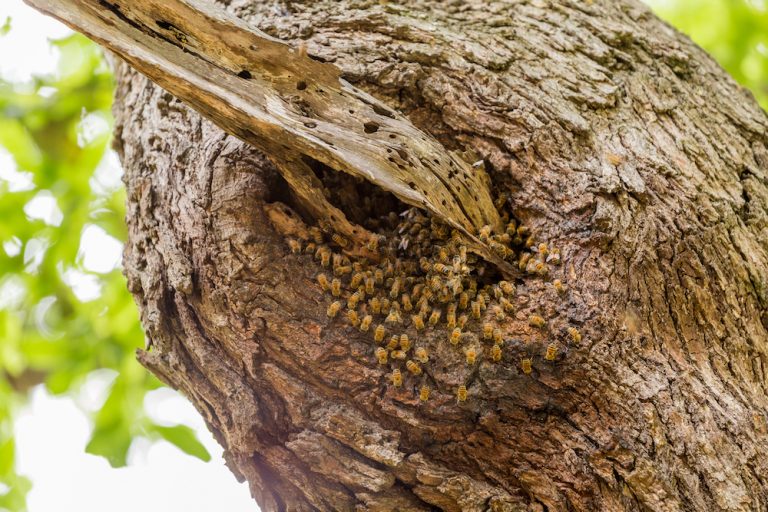
Regular hive inspections are vital for maintaining the health and productivity of a bee colony. They enable beekeepers to identify early signs of disease, pest infestations, or environmental stressors that could compromise the hive’s well-being. Effective monitoring ensures timely interventions, promotes vigorous bee activity, and supports sustainable hive management practices.
Performing systematic inspections involves careful observation, tactile assessment, and record-keeping. By establishing a consistent inspection routine, beekeepers can track changes over time, recognize patterns, and respond proactively to potential issues. Monitoring hive conditions such as temperature, humidity, and bee activity levels helps in maintaining an optimal environment for the colony’s growth and productivity.
Performing Regular Hive Inspections and Checking for Diseases
Hive inspections should be conducted on a regular basis, typically every 7 to 10 days during peak seasons, and less frequently during colder months. During inspections, carefully remove the hive cover and observe the bees’ behavior, ensuring the hive is not overly congested or excessively cold. Examine the brood pattern for signs of disease or pests, such as irregular brood or discolored larvae.
Look for abnormal behavior like excessive aggression or lethargy among bees, which may signal health issues.
Signs of common bee diseases include:
- American foulbrood (AFB): Sunken, leathery brood cappings with a foul odor.
- Chalkbrood: Mummified, chalky-looking larvae within cells.
- Varroa mite infestation: Visible mites on bees or within brood cells, along with deformed wings or other deformities.
Managing Hive Pests and Parasites
Effective pest management involves regular monitoring and targeted treatments to prevent infestations from compromising hive health. Beekeepers should vigilantly observe for signs of pests, especially Varroa mites, tracheal mites, small hive beetles, and wax moths. Early detection is crucial for controlling infestations without excessive chemical use, which can harm bees and contaminate honey.
Key procedures for pest management include:
- Inspect brood frames for mite presence, particularly on emerging bees and within brood cells.
- Use sticky boards or mite counting methods such as the sugar shake or alcohol wash to quantify mite loads.
- Apply approved miticides or organic treatments, following manufacturer instructions and environmental guidelines.
- Maintain hive cleanliness and remove debris or infested combs promptly.
Monitoring Hive Temperature, Humidity, and Bee Activity
Consistent environmental monitoring helps ensure the colony maintains an optimal climate for brood development and overall health. Bees regulate hive temperature and humidity through collective behaviors such as wing fanning and water evaporation. Disruptions in these parameters can indicate stress or disease that requires intervention.
Monitoring tools and techniques include:
- Thermometers and hygrometers: Place these within the hive to record temperature and humidity levels regularly. Ideal brood nest temperature hovers around 33-35°C (91-95°F), with humidity maintained at approximately 50-60%.
- Observation of bee activity: Note the number of foragers returning to the hive, their behavior, and the presence of flying bees during inspection times. Reduced activity may signal environmental or health issues.
- Hive scale or weight monitoring: Tracking hive weight provides insights into nectar stores and overall hive vitality.
Tools Needed for Effective Hive Inspections
Having the right tools simplifies inspections and enhances bee safety. Essential equipment includes:
- Hive tool: For prying apart hive components gently without damaging frames.
- Bee smoker: To calm bees and minimize aggressive behavior during inspection.
- Protective gear: Including a veil, gloves, and suit to prevent stings and ensure personal safety.
- Flashlight: To illuminate dark hive sections and inspect hidden areas effectively.
- Notebook or digital device: For recording observations, dates, and conditions during each inspection.
- Thermometer and hygrometer: For monitoring internal hive conditions.
- Frame grip or hive elevator: To handle frames safely and reduce disturbance.
Managing Nutrition and Feeding
Proper nutrition is vital for maintaining healthy and productive bee colonies. During periods of nectar scarcity, such as nectar dearths or winter months, supplemental feeding becomes essential to support colony survival, promote brood rearing, and ensure the overall vitality of the hive. Effective management of bee nutrition involves understanding the types of feeds available, their appropriate application, and strategies to sustain robust colony growth throughout challenging periods.Providing supplemental nutrition during times when natural forage is limited helps prevent colony decline, supports energy needs, and encourages consistent development.
Adequate feeding practices influence the strength of the colony, its ability to resist diseases, and its capacity for honey production in the subsequent seasons. Ensuring bees receive balanced and sufficient nutrition is a cornerstone of successful apiary management.
Preparing and Offering Sugar Syrup or Pollen Substitutes
During nectar dearths or winter, beekeepers often prepare sugar syrup as a primary carbohydrate source. The syrup typically consists of a mixture of granulated sugar and water, with the most common ratio being 1:1 (by weight) for spring and summer feeding, and 2:1 during late fall or winter to provide concentrated energy reserves. To prepare, dissolve the sugar thoroughly in warm water and allow the syrup to cool before presentation.
Ensuring the solution is free of impurities prevents contamination and promotes healthy intake.Pollen substitutes or supplements are also critical when natural pollen is scarce. These substitutes often include a blend of soy protein, brewer’s yeast, or commercial pollen patties fortified with vitamins and minerals. The goal of these feeds is to supply essential proteins required for brood rearing and colony development.
When offering pollen substitutes, it is vital to place them directly in the hive in accessible locations, such as atop frames or within specialized feeders, to encourage consumption.Strategies for effective feeding include establishing a consistent schedule, monitoring hive responses, and adjusting feed quantities based on colony size and activity levels. Maintaining clean, accessible feeders and ensuring that feeds are fresh and free from mold or fermentation are crucial for preventing disease and encouraging uptake.
Strategies for Ensuring Adequate Nutrition to Promote Colony Growth
To promote healthy colony expansion, beekeepers should focus on providing balanced nutrition tailored to the colony’s seasonal needs. This involves:
- Regular assessment of the colony’s brood and food stores through inspections to determine nutritional requirements.
- Providing supplemental feeds well before natural forage depletes, allowing bees to store resources for lean periods.
- Using high-quality pollen substitutes during early spring to support brood rearing when natural pollen is not yet abundant.
- Adjusting feed types and quantities based on the colony’s strength, ensuring that energy and protein needs are met without overfeeding, which can lead to issues like mold or robbing behavior.
- Implementing feeding during and after nectar flows to build up stores for winter and support colony health.
Maintaining optimal nutrition throughout the year enhances colony resilience, promotes consistent brood production, and increases honey yields in productive seasons.
Feed Types, Benefits, and Application Methods
The following table summarizes key feed types used in apiary management, highlighting their benefits and recommended application techniques:
| Feed Type | Benefits | Application Method |
|---|---|---|
| Sugar Syrup (1:1 ratio) | Provides quick energy, supports brood rearing, and replenishes carbohydrate stores | Dispensed via entrance feeders, top feeders, or frame feeders; placed in accessible locations for easy consumption |
| Sugar Syrup (2:1 ratio) | Concentrated energy reserve, ideal for winter feeding to build honey stores | Applied similarly to lighter syrup; stored in insulated or protected feeders to prevent fermentation |
| Pollen Substitutes | Supplies essential proteins and nutrients for brood development and colony growth | Placed directly in the hive on top of frames or in specialized pollen feeder boxes; replaced or replenished as needed |
| Fondant and Candy Boards | Easy to store and handle; suitable for winter feeding and when natural pollen is unavailable | Placed directly above the brood nest or on the inner cover; kept dry and in a protected environment |
| Liquid or Gel Feeders | Facilitates controlled feeding and reduces waste; suitable for supplemental feeding during critical periods | Attached within the hive or at the entrance; monitored regularly for consumption and cleanliness |
Proper application of these feeds, aligned with colony needs and environmental conditions, supports strong, healthy, and productive bee colonies throughout the year.
Pest and Disease Control Strategies
Managing a healthy bee colony involves vigilant monitoring and proactive measures to prevent and control pests and diseases. These threats can significantly compromise colony health and productivity if not promptly identified and addressed. Implementing comprehensive strategies that combine early detection, integrated pest management, and strict biosecurity protocols is essential for sustainable apiculture.Effective pest and disease management requires understanding the common challenges faced by beekeepers.
Pests like varroa mites and small hive beetles, as well as contagious diseases such as American foulbrood and European foulbrood, can spread rapidly and cause devastating losses. Recognizing the signs of these threats early enables timely intervention, reducing the risk of widespread infestation or disease outbreak.
Common Hive Pests and Diseases
An awareness of the typical pests and diseases affecting bee colonies is foundational to effective management. Proper identification allows beekeepers to implement targeted control measures, minimizing unnecessary chemical use and promoting overall colony health.The most prevalent pests and diseases include:
- Varroa destructor (Varroa mites): External mites that attach to bees and brood, weakening the colony. Signs include irregular brood patterns, presence of mites on bees, and increased mite drop during screenings.
- Small hive beetle (Aethina tumida): Beetles that damage comb and ferment stored honey. Observable signs include beetle presence, cell contamination, and fermenting odors.
- American foulbrood (AFB): Bacterial disease causing sunken, ropy brood cappings and a foul odor. Dead brood appears as dark, collapsed scales on the comb surface.
- European foulbrood (EFB): Bacterial infection resulting in shredded, discolored brood with a sour smell. Brood may appear punctured or uncapped.
Integrated Pest Management Techniques
Integrated pest management (IPM) emphasizes combining multiple strategies to control pests effectively while minimizing chemical reliance. This approach promotes sustainable beekeeping practices by integrating biological, mechanical, and chemical controls as necessary.Key components of IPM include:
- Monitoring and Identification: Regular hive inspections to detect early signs of pests and diseases, enabling targeted interventions.
- Mechanical Controls: Methods such as drone brood removal to reduce varroa populations, use of screened bottom boards to facilitate mite fall, and trapping devices for beetles.
- Biological Controls: Introducing natural predators or parasites where applicable, although their use in apiculture remains limited.
- Chemical Treatments: Application of approved miticides or antibiotics judiciously, following manufacturer instructions and local regulations to prevent resistance buildup.
Treatments for Varroa Mites and Foulbrood Diseases
Specific strategies exist for addressing severe infestations or infections, requiring precise procedures to ensure colony safety and effectiveness.
Varroa Mite Treatment Procedures
- Conduct mite counts via alcohol washes or sugar roll tests to determine infestation levels.
- Apply approved miticides such as formic acid, oxalic acid, or amitraz, following label instructions carefully.
- Rotate chemical treatments to prevent mite resistance development.
- Supplement chemical control with mechanical methods like drone brood removal, which exploits the mites’ preference for drone cells.
- Maintain broodless periods when possible, as mites cannot reproduce without brood.
American Foulbrood Treatment Procedures
- Confirm diagnosis via laboratory testing or field signs.
- Burn infected frames, hives, and equipment to prevent spread.
- Disinfect equipment with appropriate solutions, such as 70% alcohol or specialized disinfectants.
- Use antibiotics like oxytetracycline only when permitted, and under veterinary guidance, acknowledging that in many regions, burning remains the primary control method.
- Implement strict quarantine and movement restrictions to prevent disease transmission.
Biosecurity Measures for Disease Prevention
Preventing the introduction and spread of pests and diseases is critical to maintaining colony health. Adopting rigorous biosecurity protocols minimizes risks and promotes a resilient apiary.
- Always source bees and equipment from reputable suppliers with documented health status.
- Disinfect tools, gloves, and hive components before and after handling colonies.
- Limit hive access to authorized personnel and maintain cleanliness during hive inspections.
- Implement quarantine procedures for new colonies or equipment before integrating them into the main apiary.
- Avoid relocating bees between distant sites without proper health checks to prevent spreading contagious diseases.
- Keep detailed records of colony health status, treatments applied, and inspection findings for ongoing monitoring and management.
Swarm Prevention and Control
Swarm behavior is a natural part of a honey bee colony’s reproductive cycle, but it can pose challenges for beekeepers aiming to maintain a stable and productive hive. Recognizing early signs of swarming and implementing effective management strategies are essential for reducing the likelihood of swarms and ensuring colony health. When swarms do occur, safe and efficient capture methods are vital to minimize stress on the bees and preserve the hive’s stability.
This section covers the key techniques for identifying early swarming signals, practical hive management practices to mitigate swarming tendencies, procedures for safely managing and capturing swarms, and a comparative overview of various swarm prevention methods and their effectiveness.
Early Signs of Swarming Behavior
Detecting swarming early enables beekeepers to intervene before the actual departure of the swarm, thereby preserving the colony’s productivity and stability. The following signs are indicative of an impending swarm:
- Increased drone production and large drone combs, indicating the colony’s preparation for reproduction.
- Build-up of queen cells, especially those located at the edges or corners of the brood frames, signaling the colony’s intent to replace the queen and reproduce.
- Rapid colony population growth with many bees clustering at the hive entrance, often seen during late spring and early summer.
- Behavioral signs such as increased activity at the hive entrance, bees clustering on the outside or hanging from the hive roof, and a buzzing sound that intensifies.
- Reduced brood rearing or honey storage, often associated with queen cell development and swarming preparations.
Monitoring these signs regularly during peak swarming season allows beekeepers to take timely action.
Hive Management Strategies to Reduce Swarm Tendency
Implementing effective beekeeping practices can significantly diminish the frequency of swarming events. These strategies focus on maintaining colony health, reducing congestion, and ensuring adequate resources:
- Providing Adequate Space: Regularly expanding hive space by adding supers or enlarging the brood nest prevents overcrowding, a primary trigger for swarming.
- Managing Queen Cells: Removing or pinching emerging queen cells can disrupt the swarm preparation process, especially if done early.
- Ensuring Proper Ventilation: Adequate airflow reduces hive temperature and humidity, decreasing stress and the urge to swarm.
- Balancing Colony Population: Splitting strong colonies or requeening can alleviate congestion and reduce swarming pressure.
- Providing Continuous Food Resources: Ensuring sufficient nectar and pollen availability minimizes stress and supports colony resilience.
Consistent hive inspections and proactive management are crucial in maintaining a healthy, non-swarming colony.
Procedures for Safely Capturing and Managing Swarms
Despite preventive measures, swarms may still occur. Proper procedures ensure the safe and humane capture of swarms, preserving the bees and minimizing risks to the beekeeper:
- Locating the Swarm: Observe the swarm’s clustering site, often on tree branches, fences, or other structures near the hive.
- Preparing Equipment: Use a suitable swarm box or a clean, ventilated container. Equip yourself with protective gear such as gloves and a veil.
- Approaching the Swarm: Calmly and gently position the container beneath the cluster, minimizing disturbance.
- Capturing the Swarm: Tap or shake the cluster lightly to encourage bees to fall into the container. For larger swarms, use a bee brush or a soft brush to gently guide bees into the box.
- Transporting and Releasing: Secure the swarm box and transport it to a prepared hive or suitable location. Release the bees gently into the new hive, ensuring they have access to food and shelter.
- Post-Capture Management: Check the swarm for the presence of the queen and ensure the colony is healthy before integrating into the main hive or establishing a new colony.
Comparison of Swarm Prevention Methods and Their Effectiveness
Different swarm prevention strategies vary in their effectiveness depending on colony conditions, beekeeper experience, and environmental factors. The following table summarizes common methods and their relative success rates based on practical beekeeping experiences:
| Prevention Method | Description | Effectiveness |
|---|---|---|
| Providing Extra Space | Adding supers or enlarging hive space to reduce congestion. | High — Significantly reduces swarming if implemented proactively. |
| Requeening with Calm, Non-Swarming Queens | Replacing aggressive or high-swarming queens with calmer stock. | Moderate to High — Improves colony stability over time. |
| Removing Queen Cells | Pinching or removing developing queen cells before they hatch. | Moderate — Effective when done early but may require repeated inspections. |
| Splitting Colonies | Dividing a strong colony into two, each with a queen, to reduce congestion. | High — Effectively prevents swarming and promotes new colony development. |
| Providing Adequate Ventilation | Ensuring good airflow within the hive to reduce stress. | Low to Moderate — Supports overall colony health but less directly prevents swarming. |
Combining multiple strategies often yields the best results in controlling swarming tendencies while maintaining colony vitality.
Harvesting and Processing Hive Products
Efficient and sustainable harvesting of hive products is essential for maintaining colony health while maximizing yield. Proper techniques ensure the preservation of product quality and minimize stress on the bees. This section provides detailed guidance on honey extraction, collecting beeswax, propolis, and royal jelly, as well as best practices for storing these valuable resources.
Implementing best practices in harvesting not only enhances productivity but also supports the longevity and wellbeing of the bee colony, aligning with sustainable apiculture principles.
Honey Extraction: Tools and Timing
Honey extraction is a critical process that requires precision and appropriate tools to ensure the quality of the honey and the health of the hive. Timing is also crucial to optimize honey harvests and minimize disruption to the colony.
- Choose the right time for harvest, typically after the main nectar flow, when the majority of honey in the comb is capped. This usually occurs in late summer or early autumn, depending on the local climate and floral sources.
- Use a hive tool to carefully lift the frames without damaging the comb or disturbing the bees excessively.
- Remove the honey supers from the hive and place them in a clean, bee-proof area for extraction.
- Uncap the honey cells using a heated uncapping knife or fork, ensuring all the caps are removed uniformly.
- Extract honey using a honey extractor—a centrifugal device that spins the frames to remove honey efficiently. Manual or electric extractors are available, with electric models suitable for larger operations.
- Strain the honey through a fine mesh or cheesecloth to remove wax particles and debris before bottling.
Timely extraction prevents honey from fermenting or crystallizing inside the hive, which can lead to spoilage or hive disturbance.
Collecting Beeswax, Propolis, and Royal Jelly
Beyond honey, other hive products hold significant value and require specific collection methods that protect the colony and preserve product quality.
- Beeswax: Collected from foundation sheets, combs that are no longer productive, or by harvesting old combs during hive renewals. Melted beeswax can be obtained by gently heating the combs in a double boiler, allowing impurities to separate naturally.
- Propolis: Gathered by scraping the resinous material from hive frames, walls, or other hive parts. Use a hive tool or scraper to gently remove propolis, which can then be processed by dissolving in alcohol to create tinctures or extracts.
- Royal Jelly: Collected by carefully stimulating the queen cells and extracting the jelly with sterilized equipment. Due to its delicate nature, royal jelly is stored immediately in a cool, dark place, preferably refrigerated, to maintain its quality.
Preserving and Storing Hive Products
Proper storage practices are vital to maintaining the purity, flavor, and medicinal properties of hive products. Storage conditions should prevent contamination, crystallization, or spoilage.
- Store honey in airtight, glass or food-grade plastic containers, kept in a cool, dark place with stable temperatures between 10-20°C.
- Beeswax should be kept in a sealed container away from direct sunlight and heat to prevent melting or deformation.
- Propolis extracts are best stored in dark glass bottles with tight-fitting lids, placed in a cool, dry environment.
- Royal jelly requires refrigeration to prolong freshness and prevent spoilage; use sterilized containers to avoid contamination.
Sustainable Harvesting Methods
Adopting sustainable harvesting techniques ensures the health of the bee colony while obtaining high-quality hive products. The following practices are recommended:
- Harvest only the excess honey and combs that the colony can replenish, avoiding over-extraction that can weaken the hive.
- Limit the removal of beeswax to old or damaged combs, leaving enough for the bees to maintain hive structure and insulation.
- Use gentle scraping techniques for propolis collection that do not damage the brood or comb foundation.
- Introduce controlled stimulation methods for royal jelly collection, ensuring the queen’s health and colony stability are maintained.
- Allow the colony sufficient time to recover between harvest cycles, ideally aligning with their natural production rates and seasonal cycles.
- Monitor hive health regularly to prevent over-harvesting that could lead to stress or decline in colony populations.
Seasonal Management Tasks
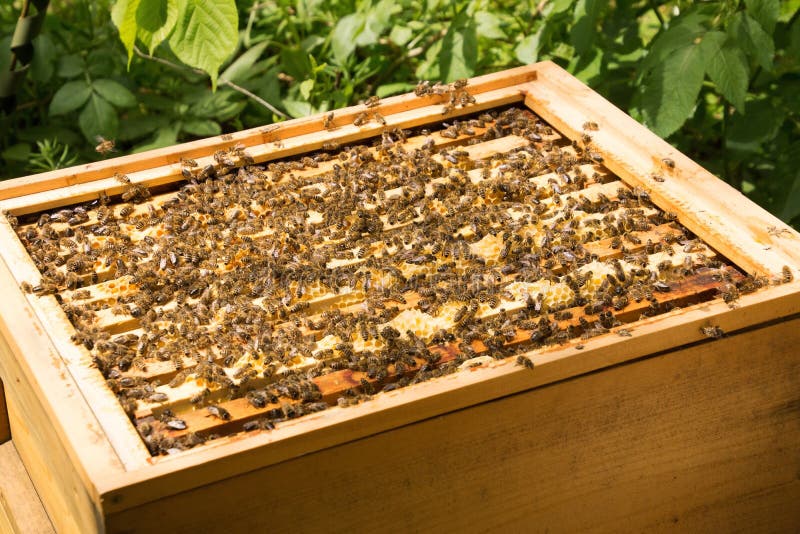
Effective honey bee colony management requires understanding and implementing specific activities tailored to each season. These tasks help ensure the health, productivity, and longevity of the hive throughout the year. Proper seasonal management not only optimizes honey production but also enhances the colony’s resilience to environmental stresses and pests.
Each season presents unique challenges and opportunities for beekepers. Spring involves stimulating colony growth and preparing for the nectar flow, summer focuses on maintaining hive health and maximizing honey harvest, fall emphasizes preparing colonies for winter, and winter management centers on protecting colonies from cold stress and ensuring their survival during dormancy. Recognizing these seasonal nuances allows beekeepers to plan and execute timely interventions that support the colony’s well-being year-round.
Spring Management Activities
Spring marks the awakening of the hive after winter dormancy, making it a critical period for revitalizing colonies. Activities during this time aim to promote brood rearing, expand hive space, and prepare bees for the nectar flow, setting the foundation for a productive season.
- Splitting Colonies: Dividing strong colonies to prevent swarming and increase apiary numbers. This involves relocating a portion of the brood, bees, and resources to establish a new hive, ensuring both colonies remain healthy and balanced.
- Requeening: Introducing new queens to replace failing or poorly performing queens, or to improve genetics. The process involves removing the old queen and introducing a mated queen, which fosters increased egg-laying and colony vitality.
- Hive Inspection and Maintenance: Conducting thorough inspections to assess queen health, brood pattern, and honey stores. Repairing or replacing damaged equipment and ensuring proper ventilation support colony growth.
Summer Management Activities
Summer is typically the peak honey flow period, requiring diligent hive monitoring and management to sustain colony health and optimize honey collection.
- Hive Surveillance: Regular inspections to monitor for signs of pests, diseases, and environmental stressors. Ensuring adequate ventilation and preventing overcrowding are essential.
- Feeding and Nutrition: Supplementing feed during dearth periods or when nectar flow diminishes, especially for colony strength and brood rearing.
- Hive Expansion and Harvesting: Adding honey supers as colonies grow and harvesting honey carefully to prevent disturbance or robbing behavior among colonies.
Fall Management Activities
Fall practices focus on preparing colonies for the upcoming winter months. This involves consolidating stores, requeening if necessary, and reducing hive disturbance to minimize stress on the bees.
- Honey Harvest and Store Consolidation: Removing excess honey that is not needed for winter survival, while ensuring colonies have sufficient stores for overwintering. Typically, around 60-80 pounds of honey per colony is recommended for wintering in temperate zones.
- Requeening and Genetic Improvement: Introducing queens with traits suited for colder climates or disease resistance to enhance winter survivability.
- Hive Preparation and Insulation: Reducing hive entrances, installing insulation, and ensuring proper ventilation to prevent moisture buildup and cold stress.
Winter Management Activities
Winter activities aim at safeguarding colonies against cold temperatures and environmental stresses, ensuring their survival until spring arrives.
- Winterizing Hives: Sealing hive entrances to prevent drafts, insulating hives with appropriate material, and providing adequate ventilation to control moisture.
- Monitoring and Feedings: Periodic checks through protected entrances or ventilation holes, with supplemental feeding if colonies show signs of starvation or weak development.
- Reducing Disturbance: Minimizing hive inspections during coldest months to reduce stress, while being vigilant for signs of distress or moisture buildup.
Comparison of Seasonal Tasks
| Season | Timing | Main Objectives |
|---|---|---|
| Spring | March – May |
|
| Summer | June – August |
|
| Fall | September – November |
|
| Winter | December – February |
|
Record Keeping and Data Management
Maintaining accurate and detailed records is an essential component of effective bee colony management. Proper documentation enables beekeepers to monitor hive health, track interventions, and make informed decisions that promote colony vitality and productivity. Whether using traditional paper logs or digital record-keeping systems, organized data management provides invaluable insights into the long-term success of apiary operations.Effective record keeping involves systematically documenting every aspect of hive management, from inspections to treatments and seasonal changes.
These records help identify patterns, assess the impact of various interventions, and facilitate compliance with health and safety standards. As the apiary grows, having reliable data becomes increasingly vital for troubleshooting issues and planning future activities.
Methods for Maintaining Hive Inspection and Intervention Logs
Consistent and thorough documentation of hive inspections and interventions is critical for tracking colony health and identifying emerging problems early. Beekeepers should develop a standardized approach to recording observations and actions. This can be achieved through:
- Using physical logbooks or notebooks dedicated solely to hive management, with clearly labeled sections for each hive.
- Implementing digital record-keeping tools such as spreadsheets, specialized beekeeping software, or mobile apps designed for apiary management.
- Establishing a regular schedule for data entry, preferably immediately following inspections or interventions, to ensure details are accurately captured.
- Including date, weather conditions, and any unusual observations during each inspection to provide context for later analysis.
Tracking Colony Development, Treatments, and Productivity
Monitoring colony development involves recording metrics that reflect the growth, strength, and productivity of the hive. Such data enable beekeepers to evaluate the success of management practices and identify needs for intervention. Key aspects include:
- Population estimates based on frame analysis or visual assessment of bees and brood patterns.
- Honey and pollen stores, quantified by frame coverage or weight estimates.
- Queen status, including presence, egg-laying activity, and any signs of queen loss or supersedure.
- Details of treatments, including type, dosage, application date, and observed effects.
- Record of nectar flows and honey yields during harvest periods.
To ensure comprehensive tracking, it is advisable to maintain a colony development chart or digital dashboard that consolidates these metrics over time. This approach allows for trend analysis and timely management actions.
Sample Format for a Hive Management Journal or Digital Record
A well-structured record format enhances consistency and ease of analysis. An example of a simple yet comprehensive format includes the following sections:
| Field | Description |
|---|---|
| Date | The date of the inspection or intervention. |
| Hive ID | Unique identifier for each hive, such as a numbered label or name. |
| Weather Conditions | Brief notes on weather, temperature, and wind during inspection. |
| Colony Status | Observations on bee activity, brood pattern, queen presence, and overall vitality. |
| Food Stores | Assessment of honey and pollen reserves, including quantity and location. |
| Health Checks | Notes on pests, diseases, and signs of stress or abnormal behavior. |
| Interventions | Details on treatments applied, equipment used, and dosage. |
| Remarks and Recommendations | Additional observations and suggested actions for future management. |
Critical Data Points for Effective Colony Management
Collecting the right data is fundamental to making informed decisions about hive health and productivity. The following list highlights the most essential data points to record regularly:
- Colony population estimates
- Brood pattern quality and extent
- Queen presence and status
- Honey and pollen stores
- Signs of pests such as Varroa mites, wax moths, or small hive beetles
- Evidence of diseases like American foulbrood or European foulbrood
- Dates and details of treatments and medications
- Hive weight or honey yield measurements
- Environmental conditions at each inspection
- Behavioral observations, such as swarming signs or robbing activity
Keeping detailed records of these points ensures a comprehensive understanding of each hive’s status, facilitates timely interventions, and enhances the overall success of apiary management. Effective data management ultimately leads to healthier colonies, increased honey production, and a more sustainable beekeeping operation.
Final Summary
In conclusion, managing a bee colony requires dedication, knowledge, and attentive care, but the rewards are well worth the effort. With proper understanding and proactive management, you can ensure the health and vitality of your hive while contributing to the preservation of these essential pollinators. Embrace the journey and enjoy the thriving hive you cultivate.