Learning how to market a beekeeping business is essential for turning a passion for beekeeping into a thriving enterprise. Effective marketing strategies can help you reach the right audience, build a strong brand, and boost sales of honey and bee products. By understanding various promotional channels and creating an engaging online presence, beekeepers can expand their reach and establish lasting relationships with customers.
This guide explores practical methods for promoting a beekeeping business, including digital marketing, community engagement, branding, and certifications. Implementing these techniques can significantly enhance visibility and credibility in a competitive marketplace.
Strategies for Effective Beekeeping Business Marketing
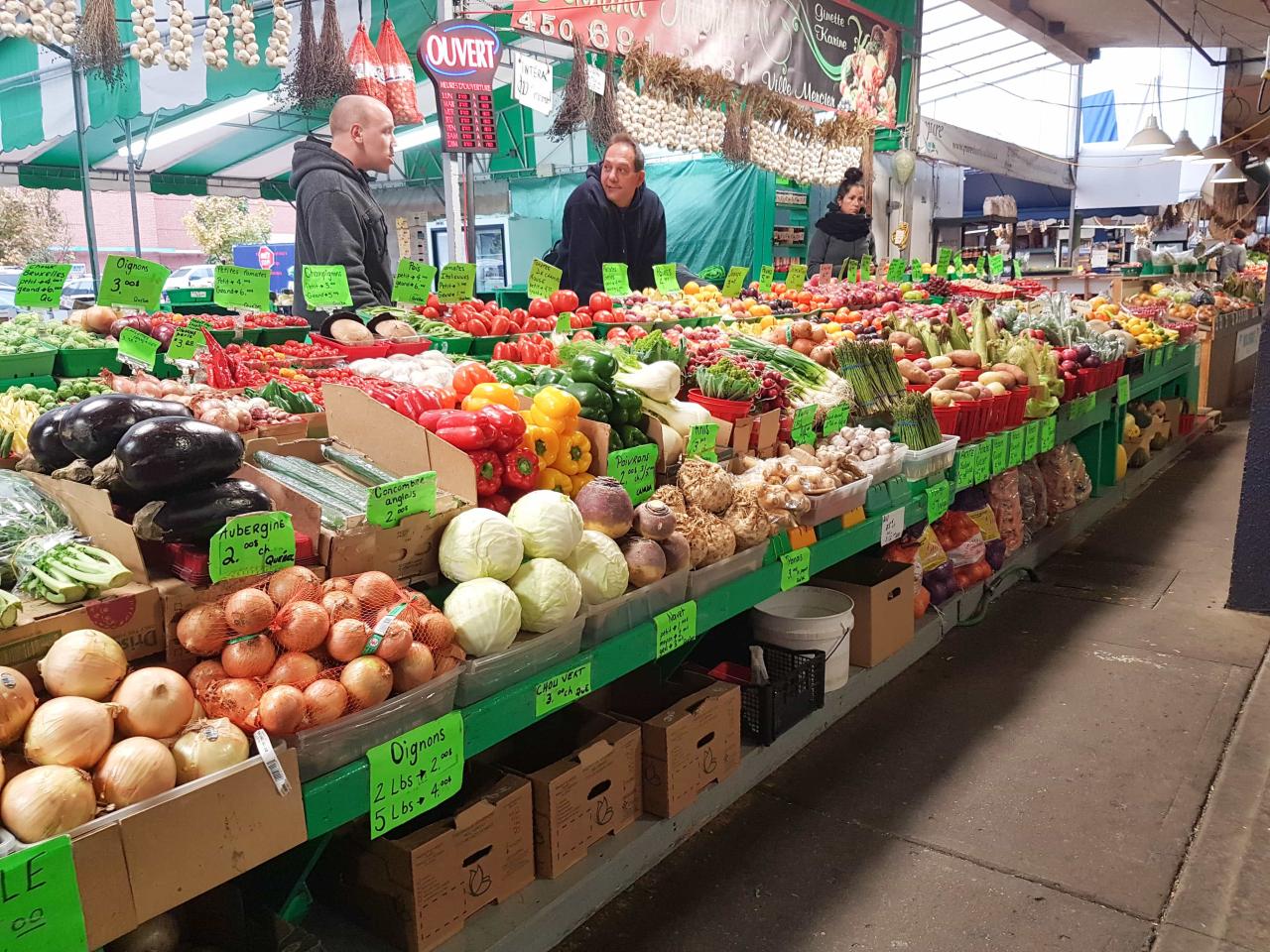
Marketing plays a crucial role in establishing and growing a successful beekeeping enterprise. With a diverse range of honey and bee-related products entering the market, it is essential for beekeepers to adopt targeted and innovative marketing strategies to stand out and connect effectively with their customers. Implementing a well-rounded marketing plan ensures brand visibility, customer engagement, and sustainable business growth.
This section explores various marketing techniques tailored for beekeeping businesses, methods to identify and target specific audiences, and a comparative overview of promotional channels, highlighting their respective advantages and disadvantages to facilitate informed decision-making.
Marketing Techniques for Beekeeping Businesses
Effective promotion of beekeeping products requires a combination of traditional and digital marketing strategies. These techniques help in building brand awareness, fostering customer trust, and increasing sales. Some core marketing approaches include:
- Branding and Packaging: Creating appealing packaging and a strong brand identity helps products stand out on store shelves and online platforms. Consistent branding builds recognition and trust among consumers.
- Content Marketing: Sharing educational and engaging content about bees, honey benefits, and sustainable practices can attract a dedicated customer base. Blog posts, videos, and social media updates serve as effective tools.
- Participating in Local Events and Markets: Engaging with the community through farmers’ markets, fairs, and bee-related workshops enhances local visibility and fosters direct customer relationships.
- Collaborations and Partnerships: Partnering with local health stores, cafes, or gourmet food shops can expand market reach and create cross-promotional opportunities.
- Online Presence and E-commerce: Developing a professional website and leveraging e-commerce platforms enables reach beyond local markets and offers convenient purchasing options for customers.
Target Audience Identification and Segmentation
Understanding who your potential customers are is fundamental for tailoring marketing efforts effectively. Identifying target audiences involves analyzing demographic, geographic, and psychographic factors to segment the market accurately. Key target groups for beekeeping products include:
- Health-Conscious Consumers: Individuals seeking natural, organic, and healthy food options, especially those interested in raw honey and bee products with medicinal benefits.
- Gourmet Food Enthusiasts: Consumers who appreciate high-quality, locally sourced, and artisanal food products, including specialty honey varieties and beeswax items.
- Environmental and Sustainability Advocates: Customers passionate about eco-friendly practices and supporting local, sustainable agriculture.
- Commercial Buyers and Retailers: Grocery stores, health food chains, and specialty shops looking to stock authentic bee products in bulk.
Employing market research, surveys, and social media analytics helps identify these groups’ preferences, allowing for tailored marketing messages and product positioning that resonate with each segment.
Promotional Channels: Advantages and Disadvantages
Effective promotion relies on selecting the right channels to reach target audiences efficiently. Below is a table summarizing common promotional channels, their benefits, and limitations:
| Channel | Advantages | Disadvantages | Suitability |
|---|---|---|---|
| Social Media Platforms (e.g., Facebook, Instagram, TikTok) |
|
|
Ideal for building brand awareness, engaging with consumers, and showcasing products visually. |
| Local Events and Farmers’ Markets |
|
|
Excellent for local branding, testing new products, and developing personal customer relationships. |
| Online Store and E-commerce Platforms |
|
|
Best suited for scaling business operations and reaching a wider, more diverse customer base. |
| Print Media and Local Advertising |
|
|
Suitable for community-specific promotions and brand reinforcement within localized markets. |
Building an Online Presence for Beekeeping Business
Establishing a robust online presence is essential for modern beekeepers aiming to expand their reach and attract a broader customer base. A well-crafted digital footprint not only enhances credibility but also provides an accessible platform for marketing products, sharing knowledge, and engaging with potential clients.
In today’s digital age, leveraging online tools and platforms can significantly impact the growth and sustainability of a beekeeping enterprise. From creating an informative website to engaging audiences through social media, these strategies help build brand awareness and foster customer loyalty.
Creating and Optimizing a Website for Beekeeping Business
An effective website serves as the cornerstone of your online presence, acting as a virtual storefront that showcases your products, services, and expertise. Developing a professional, user-friendly website involves several key steps:
- Domain Registration and Hosting: Choose a domain name that reflects your business name or niche and select a reliable hosting provider to ensure your website remains accessible and loads quickly.
- Design and Layout: Opt for a clean, attractive design that is easy to navigate. Use high-quality images of your beekeeping operation, honey jars, hives, and apiary tours to capture visitors’ interest.
- Content Development: Include detailed information about your products, such as types of honey, beeswax, or other hive products. Add an ‘About Us’ section that shares your story and expertise. Incorporate a blog to provide educational content about beekeeping and honey benefits.
- Search Engine Optimization (): Optimize your website with relevant s like ‘organic honey,’ ‘local beekeeping,’ or ‘honey farm near me’ to improve visibility on search engines. Use descriptive meta tags, alt text for images, and relevant headings.
- Mobile Responsiveness: Ensure your website adapts seamlessly to smartphones and tablets, as many customers browse and shop via mobile devices.
- Contact and E-commerce Features: Provide clear contact details, a contact form, and if applicable, an integrated online store for direct sales. Offer secure checkout options and multiple payment methods.
Utilizing Social Media Platforms to Reach Potential Customers
Social media platforms are powerful channels for engaging with your audience, sharing updates, and promoting your products. Developing an active presence on relevant platforms helps you connect with local communities and beekeeping enthusiasts worldwide.
- Facebook: Create a business page to share news, success stories, customer testimonials, and upcoming events. Use Facebook groups to participate in local or niche beekeeping communities.
- Instagram: Share visually appealing images and short videos of your apiary, honey harvesting, and events. Use relevant hashtags such as #BeekeepingLife, #HoneyLove, or #Apiary to increase discoverability.
- Twitter: Post quick updates, industry news, and engage in conversations using trending hashtags. Twitter allows for real-time interaction with your audience.
- Pinterest: Curate boards featuring beekeeping tips, hive designs, and honey recipes, attracting DIY enthusiasts and potential customers interested in honey products and beekeeping supplies.
- LinkedIn: Build professional connections with suppliers, local businesses, and industry experts. Share your business milestones, certifications, and educational content to establish authority in the field.
Sample Social Media Content Ideas
Consistent, creative content on social media can significantly boost your visibility and engagement. Here are some content ideas tailored for a beekeeping business:
- Product Highlights: Showcase different honey varieties, beeswax products, or gift sets with detailed descriptions and usage tips.
- Behind-the-Scenes Stories: Share daily life at the apiary, honey harvesting process, or hive maintenance routines to build transparency and trust.
- Educational Posts: Provide tips on bee conservation, hive health, or benefits of local honey to position yourself as an industry expert.
- Customer Testimonials and Reviews: Share positive feedback from satisfied customers to enhance credibility.
- Special Promotions and Giveaways: Announce seasonal discounts or host contests encouraging followers to share your content or visit your apiary.
- Event Announcements: Promote open days, workshops, or participation in local markets or fairs to attract visitors and potential buyers.
- Engaging Visual Content: Post high-resolution images of your hives, honey jars, or beekeeping tools, complemented by compelling captions.
- Ad Campaigns: Use targeted ads to reach specific demographics, such as organic product lovers or local food enthusiasts, ensuring your marketing budget yields maximum return.
Effective online marketing relies on consistent, authentic content that educates, entertains, and engages your audience, ultimately converting followers into loyal customers.
Branding and Packaging of Bee Products
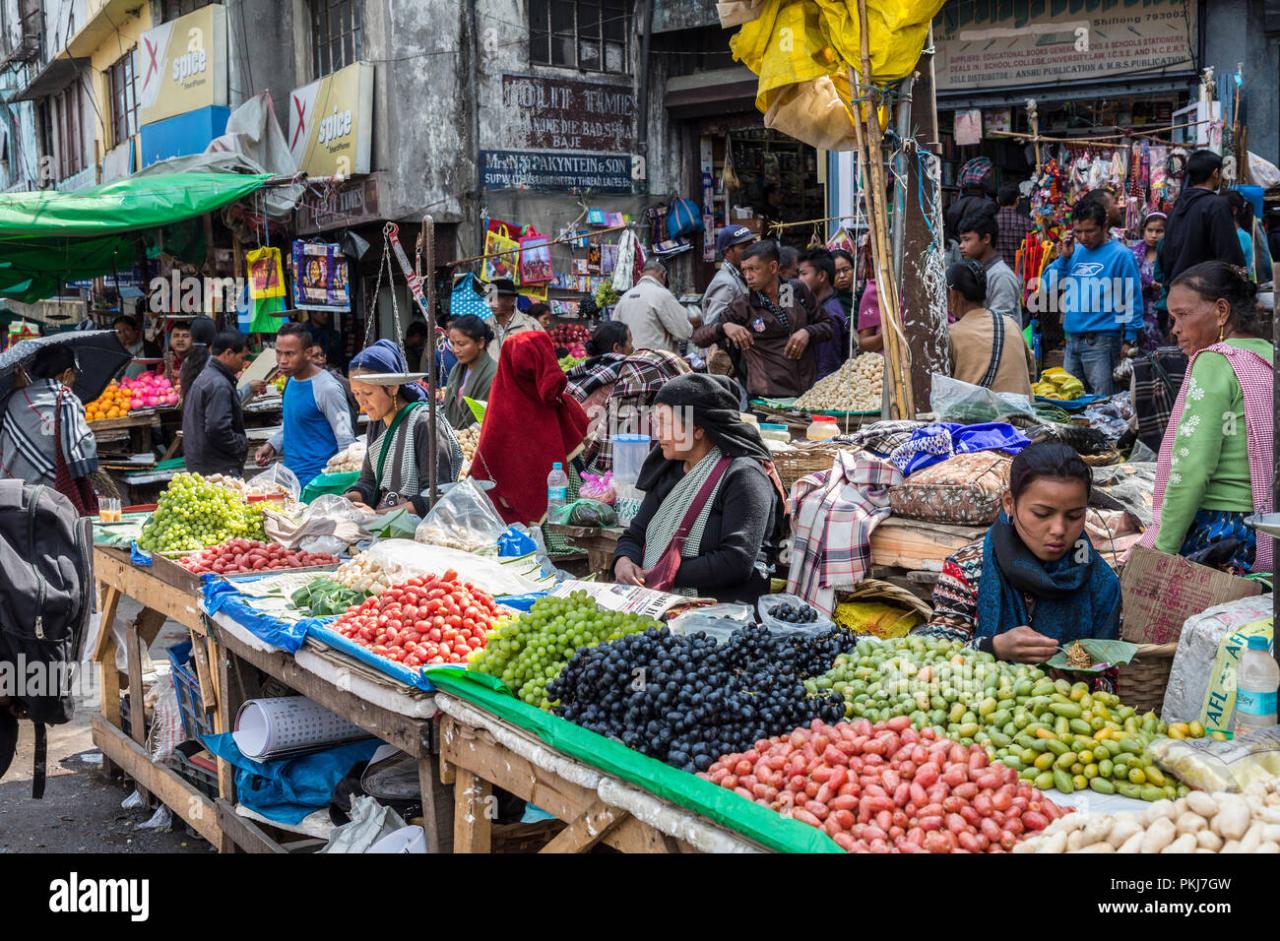
Effective branding and packaging are pivotal in differentiating your beekeeping business in a competitive marketplace. They not only enhance the visual appeal of your products but also communicate the values and quality standards your brand upholds. For beekeepers aiming to attract health-conscious and environmentally aware consumers, strategic branding combined with eco-friendly packaging can significantly boost market recognition and customer loyalty.
Careful attention to branding strategies and packaging design ensures that bee products such as honey, beeswax, propolis, and pollen stand out on store shelves and online platforms. Well-crafted branding fosters trust, emphasizes the natural origins of your products, and aligns with consumer preferences for organic and sustainable goods.
Branding Strategies for Natural and Organic Bee Products
In the crowded natural and organic product market, branding must effectively communicate purity, authenticity, and eco-consciousness. The following strategies are essential:
- Emphasize Natural and Organic Certification: Clearly display certifications such as USDA Organic or local organic labels to verify product authenticity and appeal to health-conscious buyers.
- Storytelling and Branding Narratives: Share the story behind your bee farm, highlighting sustainable practices, local community involvement, and environmental commitments. This personal touch fosters emotional connections with consumers.
- Consistent Visual Identity: Use earthy color palettes, rustic fonts, and imagery that evoke nature and purity. Consistency across labels, packaging, and online presence reinforces brand recognition.
- Highlight Unique Selling Points: Focus on aspects such as raw, unfiltered honey or rare bee products to differentiate from mass-produced competitors.
- Engage with Eco-Friendly Messaging: Incorporate messaging that emphasizes sustainability, such as biodegradable packaging or supporting bee conservation efforts, resonating with environmentally conscious consumers.
Designing Attractive and Informative Packaging
Packaging that combines visual appeal with informative content enhances consumer confidence and satisfaction. The guidelines below Artikel key considerations:
- Use Natural and Recyclable Materials: Opt for glass jars, aluminum tins, or biodegradable plastics that reflect eco-friendliness and safety.
- Clear Labeling: Ensure labels include vital information such as product name, weight, ingredients, nutritional facts, expiration date, and any certifications. Legibility and font size should be appropriate.
- Appealing Visual Elements: Incorporate high-quality, detailed illustrations of bees, honeycombs, or floral motifs that evoke the natural origin of the products.
- Informative Content: Provide brief descriptions of the product benefits, origin stories, or sustainable practices to educate consumers and build trust.
- Brand Consistency: Maintain uniformity in logo placement, color schemes, and typography across all packaging to reinforce brand identity.
Comparison Table of Branding Approaches and Packaging Materials
| Branding Approach | Description | Recommended Packaging Materials | Advantages | Considerations |
|---|---|---|---|---|
| Organic Minimalism | Simple, clean design emphasizing purity and eco-friendliness | Glass jars, kraft paper labels, biodegradable plastics | Appeals to eco-conscious consumers; easy to produce | Requires high-quality printing to stand out |
| Rustic and Heritage | Vintage-inspired branding emphasizing tradition and craftsmanship | Amber glass bottles, metal tins, textured labels | Conveys authenticity and premium quality | May involve higher production costs |
| Modern and Vibrant | Bright colors and bold graphics to attract a broad audience | Plastic squeeze bottles, colorful labels, laminated packaging | Highly noticeable on shelves; flexible branding options | Less eco-friendly; needs careful design to maintain natural appeal |
| Eco-Conscious and Sustainable | Focus on sustainability messaging with eco-friendly materials | Recycled cardboard boxes, compostable pouches, glass containers | Aligns with environmentally aware consumers; enhances brand image | Potentially higher costs and limited material availability |
Local Community Engagement and Partnerships

Engaging effectively with the local community and establishing strategic partnerships are vital components of a successful beekeeping business. These activities not only enhance brand visibility but also foster trust and support from the community, leading to increased sales and recognition. Building strong relationships with local markets, stores, and community groups can open new avenues for growth and sustainability.Community engagement strategies should focus on creating meaningful connections that highlight the value of bee products and educate the public about the importance of bees to the environment and local agriculture.
Developing partnerships with local retailers ensures wider distribution channels while active participation in community events reinforces the business’s commitment to local development and environmental conservation.
Connecting with Local Markets, Farmers’ Markets, and Community Events
Establishing a presence at local markets and community events provides direct access to consumers who value fresh, locally produced honey and other bee products. These venues serve as excellent platforms for brand exposure, product sampling, and customer feedback. To maximize impact:
- Secure stall space at popular farmers’ markets by contacting market organizers well in advance, providing proof of quality and safety certifications for your products.
- Participate in local festivals, fairs, and agricultural expos to showcase your honey and related products, enhancing visibility within the community.
- Organize or sponsor community events such as bee-awareness days, educational workshops, or environmental cleanup activities to position your business as an active and responsible community member.
- Distribute branded promotional materials and offer exclusive discounts during these events to attract new customers and encourage repeat business.
Community engagement through these channels not only increases sales but also builds a reputation as a dedicated and approachable local producer.
Establishing Partnerships with Local Stores and Health Food Shops
Forming partnerships with local retail outlets and health food shops can significantly expand the reach of your bee products. Such collaborations require a strategic approach that emphasizes product quality, consistency, and mutual benefits:
- Identify potential partners by researching stores that prioritize local, organic, or natural products, aligning with your brand values.
- Arrange meetings with store owners or managers to present your products, providing samples and detailed information about your production process and health benefits.
- Negotiate terms for product placement, shelf space, and promotional support, ensuring that the partnership is beneficial to both parties.
- Offer exclusive or seasonal products to attract store interest and create a sense of uniqueness for their customers.
- Maintain open communication and provide ongoing support through promotional materials, product education, and timely delivery to foster long-term collaborations.
Building strong relationships with local retailers not only enhances product accessibility but also reinforces your credibility as a trusted local producer.
Community Outreach Activities
Community outreach is essential for educating the public about beekeeping, promoting your products, and strengthening your business’s local footprint. These activities serve as effective tools for raising awareness and fostering community support:
- Workshops and Demonstrations: Host sessions on beekeeping practices, honey tasting, and the benefits of bee products to engage different age groups and educate consumers.
- Farm Visits: Invite schools, community groups, and interested individuals to tour your apiary, observe hive management, and learn firsthand about bee conservation efforts.
- Tasting Events and Product Sampling: Organize tasting booths at community festivals or markets, allowing customers to experience your products and learn about their health benefits.
- Partnership with Local Schools and NGOs: Collaborate on environmental education programs, sustainability projects, or conservation initiatives to promote ecological awareness and your business’s social responsibility.
- Participate in Local Conservation Initiatives: Engage in or sponsor community efforts to protect pollinator habitats, demonstrating your commitment to environmental sustainability and community well-being.
These activities not only foster goodwill but also position your beekeeping enterprise as an integral part of the local community fabric, encouraging loyalty and support from residents and stakeholders alike.
Content Marketing and Educational Resources
Implementing a comprehensive content marketing strategy and providing educational resources are essential steps in establishing credibility and attracting a loyal customer base for your beekeeping business. Well-crafted informational content not only educates consumers about the benefits of honey and bee products but also positions your brand as a trustworthy authority in the industry. By sharing valuable insights and engaging materials, you foster a deeper connection with your audience, encouraging repeat business and word-of-mouth referrals.
In the competitive landscape of beekeeping, leveraging diverse content formats such as blog articles, videos, and infographics can significantly enhance your outreach efforts. These resources serve as educational tools that inform, inspire, and build trust among potential customers. Effective use of content marketing helps demystify beekeeping practices, highlights the health benefits of honey, and promotes sustainable apiculture, thereby creating a meaningful impact on your brand’s reputation and market presence.
Ideas for Educational Content to Boost Credibility and Attract Customers
Developing engaging and informative content tailored to your target audience can position your beekeeping business as a reliable source of knowledge. Consider the following ideas:
- Detailed blog articles explaining the science of honey production and the various types of honey with their unique qualities.
- Video tutorials demonstrating sustainable beekeeping practices, hive management, and honey harvesting techniques.
- Infographics illustrating the health benefits of honey, including antioxidant properties, immune support, and usage tips.
- Case studies highlighting success stories from local beekeepers or customer testimonials emphasizing honey’s benefits.
- Interactive guides or e-books on how to start beekeeping, suitable equipment, and best practices for beginners.
Producing Informative Blog Articles, Videos, and Infographics
Creating high-quality educational content involves a strategic approach to research, presentation, and dissemination. To produce compelling blog articles, conduct thorough research on beekeeping topics, ensuring accuracy and relevance. Use clear language paired with engaging storytelling to make complex concepts accessible. Incorporate real-life examples and scientific data to reinforce credibility.
Videos should be concise yet comprehensive, utilizing visual demonstrations, close-up shots of hive activities, and expert commentary. High production quality enhances viewer engagement and trust. For infographics, focus on visual clarity and simplicity, presenting key facts, statistics, or processes in an easy-to-understand format. Use vibrant colors, icons, and minimal text to communicate essential information effectively.
Sample Blog Post: The Health Benefits of Honey
| Health Benefit | Description |
|---|---|
| Rich in Antioxidants | Honey contains a variety of antioxidants, such as flavonoids and phenolic compounds, which help protect the body from oxidative stress and may reduce the risk of chronic diseases. |
| Supports Immune System | Consumption of honey can enhance immune responses due to its antimicrobial properties, aiding the body in fighting infections. |
| Wound Healing | Topical application of honey has been used traditionally to promote wound healing, reduce inflammation, and prevent infection thanks to its natural antibacterial qualities. |
| Soothes Sore Throats | Honey’s viscous texture and natural antimicrobial agents make it effective in soothing sore throats and coughs, providing relief without medication. |
| Digestive Health | Consuming honey can aid digestion and improve gut health by promoting beneficial bacteria in the gastrointestinal tract. |
“Incorporating honey into daily routines can offer numerous health advantages rooted in nature’s own medicine chest.”
Customer Engagement and Loyalty Programs
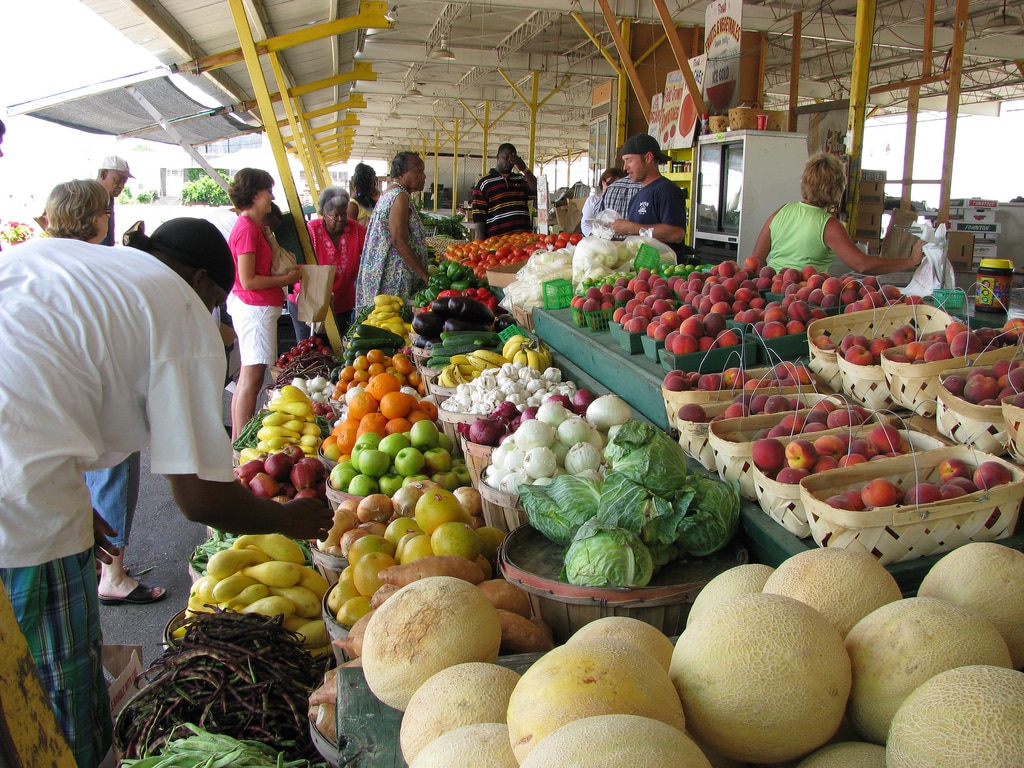
Building strong relationships with customers is essential for ensuring repeat business and fostering long-term loyalty in the beekeeping industry. Effective engagement strategies not only encourage customers to return but also transform them into brand ambassadors who promote your products within their networks. Implementing well-designed loyalty programs and interactive engagement initiatives cultivates a sense of community and appreciation that benefits both the beekeeper and the customer.Developing customer loyalty and repeat business involves creating meaningful interactions that make customers feel valued and connected to your brand.
Loyalty is reinforced when customers perceive consistent quality, personalized service, and exclusive benefits. Rewarding repeat purchases through incentives and establishing referral systems can significantly enhance customer retention and expand your customer base.
Creating Reward Programs and Referral Incentives
Implementing reward programs incentivizes customers to continue purchasing your bee products by offering tangible benefits, such as discounts, free items, or exclusive access. Referral incentives encourage existing customers to recommend your products to friends and family, leveraging word-of-mouth marketing to generate new business.To develop an effective reward program:
- Establish a points-based system where customers earn points with each purchase, which can be redeemed for discounts or products.
- Offer tiered rewards that increase in value based on purchase frequency or amount, motivating customers to reach higher loyalty levels.
- Provide exclusive early access to new honey varieties or special edition products as a perk for loyal clients.
- Implement a referral program that offers both the referrer and the new customer a discount or gift upon the first purchase.
- Use personalized thank-you notes or small gifts to show appreciation after significant purchases or milestones.
“Customer loyalty programs should be simple, transparent, and rewarding to effectively foster ongoing engagement and advocacy.”
Engagement Ideas to Cultivate Customer Relationships
Engagement strategies are vital in maintaining an active and invested customer community. These ideas help keep your beekeeping business top of mind and deepen customers’ emotional connection to your brand.Some effective engagement methods include:
- Regularly sending out newsletters that share updates on your apiary, new product launches, recipes, and beekeeping tips to add value beyond just product sales.
- Offering occasional discounts or flash sales exclusively for subscribers or loyal customers to incentivize repeat purchases.
- Providing behind-the-scenes content, such as videos or photos of hive maintenance, honey extraction, and day-to-day apiary life, to foster transparency and trust.
- Hosting live Q&A sessions or webinars where customers can learn more about beekeeping, honey benefits, and sustainable practices, positioning your brand as an educational resource.
- Organizing community events or participation in local markets, creating opportunities for face-to-face interaction and brand loyalty.
- Creating a referral program that rewards customers for bringing new buyers, amplifying word-of-mouth marketing.
These engagement initiatives work synergistically to enhance customer satisfaction, increase repeat sales, and strengthen your beekeeping business’s reputation as a trusted and approachable brand.
Concluding Remarks
In conclusion, mastering how to market a beekeeping business involves a blend of strategic online presence, community involvement, and strong branding. By leveraging these approaches, beekeepers can elevate their brand, attract dedicated customers, and ensure sustainable growth. Embracing these marketing insights will position your business for long-term success in the natural products industry.