Protecting beehives from bears is essential for maintaining healthy colonies and ensuring productive apiculture. Understanding bear behavior and implementing strategic safeguards can significantly reduce the risk of intrusion, ultimately safeguarding your valuable bees and honey harvest. This guide offers comprehensive insights into effective methods for preventing bear encounters with your hives, combining practical measures with proactive site management.
By exploring physical barriers, deterrents, strategic apiary placement, and community efforts, beekeepers can create a resilient environment that discourages bear access. Learning how to identify signs of bear activity and respond effectively ensures the longevity of your apiary while promoting coexistence with local wildlife.
Understanding Bear Behavior and Risks to Beekeeping
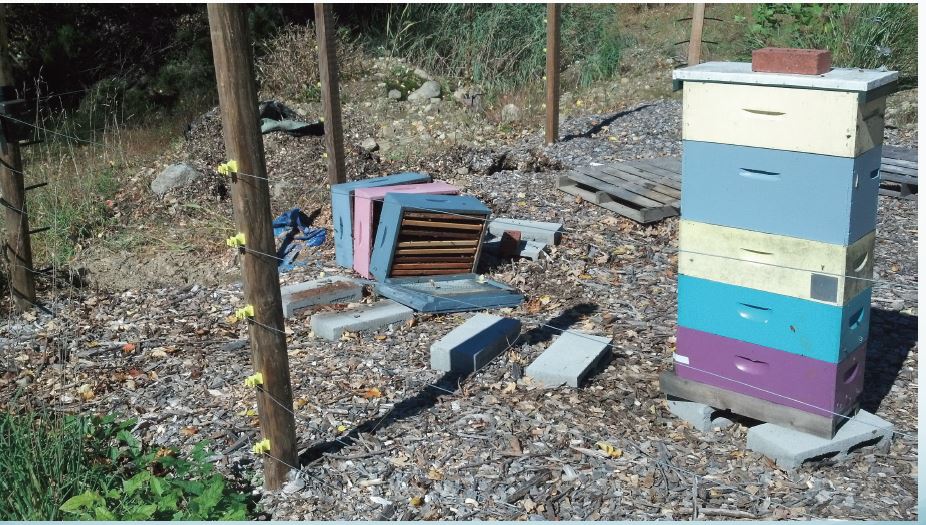
Bears pose a significant challenge to beekeepers due to their natural behaviors and dietary preferences that frequently lead them to target apiaries. Recognizing these behaviors and understanding the signs of bear activity are essential steps in implementing effective protective measures and ensuring the safety of both the bees and the animals involved.
Bears are highly intelligent and adaptable creatures with strong instincts driven by the need to find food, especially during periods of scarcity. Their ability to locate beehives can sometimes result in extensive damage, threatening the sustainability of beekeeping operations. A comprehensive grasp of their habits, preferences, and detection methods is therefore crucial for developing proactive strategies to mitigate conflicts and protect apiaries from bear incursions.
Natural Habits and Dietary Preferences of Bears
Bears are omnivorous mammals with a diet that varies according to species, season, and local ecosystem. Their natural habits include foraging in forests, grasslands, and near water sources, with a particular emphasis on high-calorie foods to support their energetic demands, especially before hibernation.
Among their dietary staples are insects and their colonies, such as beehives, which provide a rich source of protein and carbohydrates. Bears are especially attracted to the sweet nectar and honey stored within hives, which serve as vital energy sources during late summer and early fall. Their preference for honey and beeswax makes beehives a prime target when other food sources are scarce or when they are foraging in areas with abundant natural resources.
Signs of Bear Presence Near Apiaries
Detecting the presence of bears in the vicinity of apiaries is essential for early intervention and prevention. Several visual and physical signs can indicate recent or ongoing bear activity, including:
- Track impressions: Large paw prints, often muddy or in soft soil, are hallmarks of bears. Tracks typically measure between 10 to 12 inches in length for adult bears.
- Scat (feces): Bear droppings are usually large, containing remnants of berries, insects, or other foraged items, and may be found near the hive or along commonly traveled paths.
- Damage to hives or surrounding structures: Signs of bear intrusion include knocked-over hives, gnawed wood, or chew marks on hive boxes and frames.
- Disturbed vegetation or footprints around apiaries: Flattened bushes, broken branches, or fresh tracks in the soil can signal bear activity nearby.
Monitoring these signs helps beekeepers assess risk levels and take appropriate protective measures promptly, reducing the likelihood of significant hive damage.
Bear Detection and Hive Location Strategies
Bears are skilled at detecting food sources through keen senses of smell and sight. They can locate beehives in various environments, from dense forests to open fields, often from considerable distances.
In forested areas, bears primarily use their olfactory sense to find hives containing honey and beeswax. They are particularly adept at detecting sweet scents emanating from hives, which can travel hundreds of meters. In open or semi-open landscapes, their visual acuity allows them to spot hive structures from afar, especially if hives are unprotected or poorly concealed.
Research indicates that bears can identify hives through the scent of honey, nectar, or even residual bee odors. They are known to follow scent trails or seek out hives that emit strong odors, sometimes even locating hives hidden within natural cover. In environments with abundant natural food, bears may be less inclined to target apiaries, but during periods of food scarcity, their interest in hives significantly increases.
Understanding these detection strategies enables beekeepers to adapt their hive placement, such as selecting locations less accessible or less scented, and to implement physical barriers that diminish the likelihood of detection and intrusion.
Physical Barriers and Structural Protections for Hives
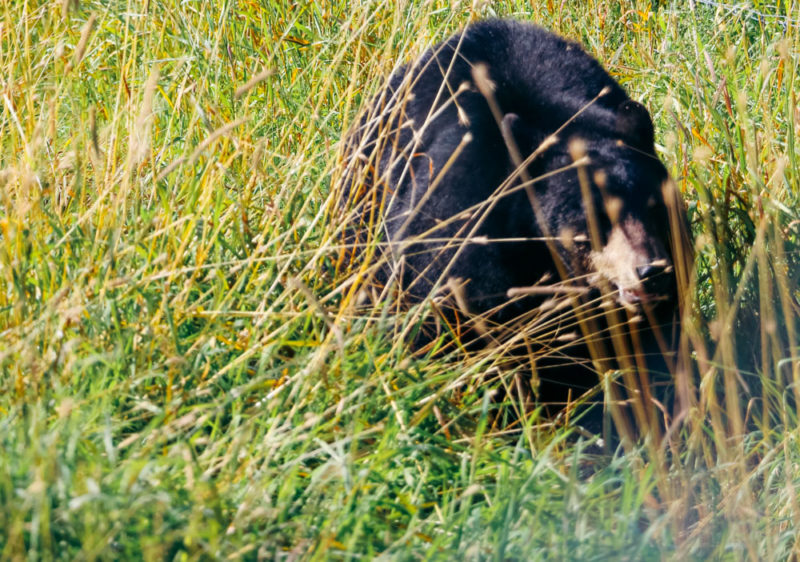
Implementing effective physical barriers and structural protections is essential for safeguarding beehives from bear intrusions. These measures serve as a primary line of defense, helping beekeepers protect their colonies without relying solely on deterrents or behavioral modifications. Properly designed enclosures and reinforced stands can significantly reduce the risk of bear damage, ensuring the health and productivity of the apiary.
Establishing sturdy, well-constructed barriers not only deters bears physically but also signals that the hives are protected, discouraging persistent attempts at access. Careful planning and use of durable materials are key components in creating a resilient apiary infrastructure that withstands bear encounters over time.
Step-by-Step Construction of Bear-Proof Hive Enclosures
Building or installing bear-proof enclosures involves a systematic approach to selecting materials, designing the structure, and securing it effectively. The following steps Artikel a practical process:
- Assess the Site and Select Materials: Choose a location with good visibility and minimal shrub cover, reducing bear ambush points. Select sturdy, weather-resistant materials such as pressure-treated lumber, steel, or heavy-duty plastic mesh.
- Construct a Durable Frame: Build a rectangular or square frame using pressure-treated lumber or steel posts to serve as the foundation. Ensure the frame is sufficiently large to accommodate the hive and allow for easy access for maintenance.
- Install Walls and Roof: Attach solid panels or heavy-duty mesh panels around the frame to form walls. For increased security, use welded wire or metal sheets that are at least 1/4 inch thick. Cover the top with a sloped, heavy-duty roof to prevent bears from gaining leverage.
- Secure the Enclosure to the Ground: Anchor the structure with ground stakes or concrete footings to prevent movement or tipping, which bears might exploit to access the hive.
- Install Hinged or Lockable Doors: Incorporate secure, lockable doors for hive access, ensuring they are made with heavy-duty materials and fitted with tamper-proof locks.
- Place the Hive Inside the Enclosure: Position the hive on a sturdy, reinforced stand within the enclosure. Ensure the hive entrance aligns with the enclosure opening and is protected by the structure’s walls.
Comparison of Various Barriers for Bear Protection
Different types of barriers offer varying levels of protection, costs, and ease of installation. The following table provides an overview of commonly used barriers in beekeeping for bear deterrence.
| Barrier Type | Materials | Cost | Effectiveness |
|---|---|---|---|
| Electric Fencing | High-tensile wire, energizer, grounding system | Moderate to high | Very high; deters bears through shock, especially when properly maintained |
| Solid Barriers | Pressure-treated wood, steel panels, concrete walls | High | High; physically prevents bear access, durable over long-term |
| Mesh Enclosures | Heavy-duty welded wire or chain-link mesh | Moderate | Moderate to high; effective if mesh size is small enough to prevent bear entry, but may require reinforcement |
| Natural Barriers | Dense shrubbery, large rocks, natural landforms | Variable | Low to moderate; reliant on natural terrain, less reliable alone |
Reinforcing Hive Stands and Entrances
Reinforcing hive stands and entrances is a crucial step in preventing bears from accessing hives through physical manipulation. Strengthening these components involves specific procedures to enhance durability and security:
- Use Heavy-Duty Materials: Construct hive stands from pressure-treated lumber, steel, or reinforced concrete to withstand bear attempts to overturn or break into the stand.
- Anchor Stands Firmly: Secure the stands to the ground using concrete footings or ground stakes. Proper anchoring prevents the bear from tipping or moving the stand.
- Install Reinforced Entrances: Replace standard hive entrances with metal or heavy-duty plastic entrance reducers that are tamper-proof. For added security, use security bars or locking mechanisms to prevent bear entry.
- Wrap or Enclose the Hive Base: Encase the base of the hive with steel or mesh skirting that extends several inches below the hive to prevent bears from prying or digging underneath.
- Use Barriers Around Hive Openings: Install small, reinforced doors or covers that can be securely latched, making it difficult for bears to access the interior even if they attempt to manipulate the hive entrance.
- Regular Maintenance and Inspection: Periodically check all reinforcements for signs of wear or tampering, and promptly repair any vulnerabilities to maintain maximum security.
Apiary Location Strategies to Minimize Bear Encounters
Strategic placement of beehives plays a vital role in reducing the likelihood of bear interactions, thereby safeguarding both the hives and the beekeepers. Selecting appropriate sites helps to naturally deter bears by minimizing attractive features and avoiding known bear pathways. Implementing effective location strategies enhances overall apiary security and promotes healthy, productive colonies.
When determining the optimal location for an apiary, it is essential to consider environmental factors and bear behavior patterns. Proper site selection can significantly reduce the risk of destructive encounters, helping maintain a peaceful coexistence with local wildlife. The following guidelines Artikel criteria for choosing suitable apiary sites and landscape modifications to further discourage bear activity.
Criteria for Selecting Apiary Sites Away from Bear Trails, Water Sources, and Dense Cover
Identifying locations that are less attractive to bears requires understanding their natural movement and habitat preferences. Bears are primarily attracted to water sources, dense cover for shelter, and food availability. Therefore, selecting sites that are distant from these features can greatly decrease encounters.
- Avoid proximity to water bodies: Bears frequently visit streams, lakes, and ponds for drinking and foraging. Placing hives at least half a mile from such water sources reduces the chance of attracting bears to the apiary.
- Steer clear of dense cover and thick shrubbery: Areas with dense foliage or undergrowth provide natural cover for bears, making them more comfortable and likely to visit. Open areas with sparse vegetation are preferable.
- Steer clear of known bear trails and crossings: Local knowledge or wildlife tracking can identify common bear pathways. Positioning hives away from these routes minimizes accidental encounters.
- Consider elevation and terrain: Elevated or rocky terrains tend to be less frequented by bears. Flat, open spaces with clear visibility enable better monitoring and deterrence.
Maintaining a Safe Distance from Known Bear Habitats
Establishing and maintaining an adequate buffer zone around known bear habitats is crucial. The distance helps prevent bears from habituating to the apiary’s scent or presence, reducing the likelihood of conflict.
- Identify and map local bear territories: Use wildlife reports, local authorities, or trail cameras to locate areas frequently used by bears.
- Set minimum buffer zones: Maintain at least a 1-mile distance from known bear dens, foraging sites, or frequently used travel corridors.
- Regularly reassess the site: Bear activity can shift seasonally. Conduct periodic reviews to ensure the apiary remains outside active bear ranges.
- Use natural barriers as part of the buffer: Features like roads, rivers, or cliffs can naturally extend the buffer zone, further decreasing bear presence risk.
Landscape Modification Tips to Deter Bear Approaches
Adjusting the landscape around the apiary can make the area less appealing or accessible to bears, acting as an additional deterrent.
- Remove or secure attractants: Eliminate any sources of food such as garbage, fruit trees, or bird feeders near the apiary. If unavoidable, secure them in bear-proof containers.
- Maintain open visibility: Clear underbrush and low-hanging branches around the hive area to eliminate cover that could shelter bears or facilitate sneaky approaches.
- Use fencing strategically: Incorporate fencing that extends above bear reach and is anchored securely into the ground to prevent digging underneath. Electric fencing can be particularly effective when combined with other deterrents.
- Implement habitat management: Manage surrounding vegetation to reduce cover and food sources that may attract bears, including pruning dense shrubbery or removing fallen fruit from nearby trees.
Effective apiary site selection combined with landscape modifications significantly enhances the safety of beekeeping operations by reducing bear attraction and enabling easier detection and deterrence of bear presence.
Behavioral Management and Community Practices
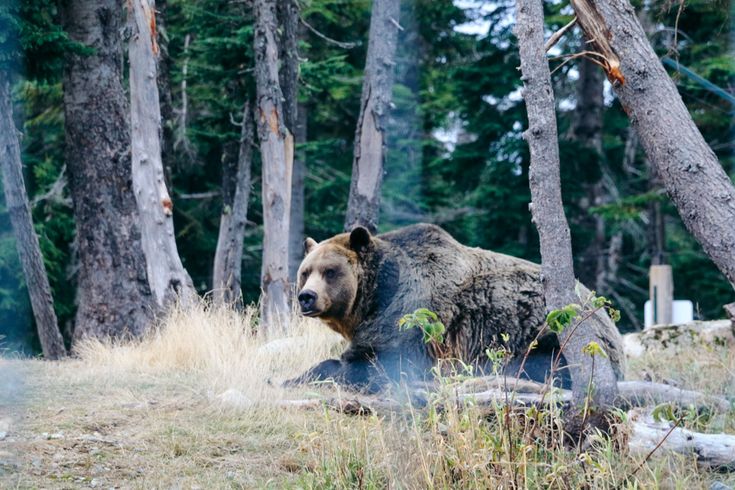
Effective bear management in apiary settings extends beyond physical barriers, emphasizing routine practices and community collaboration to reduce bear encounters and protect hives. Implementing consistent behavioral strategies among beekeepers and local residents can significantly diminish attractants and foster a safer environment for both bears and apiary operations.
Through coordinated community efforts and diligent hive monitoring, apiary owners can proactively identify potential issues and respond promptly to bear activities, thereby minimizing damage and promoting coexistence with local wildlife.
Routine Practices to Prevent Attracting Bears
Preventative measures are essential in maintaining an apiary that is unattractive to bears. These practices involve careful management of hive products and removal of environmental attractants that draw bears to the area.
Key strategies include:
- Securing honey and hive products in bear-proof containers or storage facilities that are resistant to bear tampering.
- Implementing regular cleanup routines to remove spilled honey, wax scraps, or other residual attractants around the apiary site.
- Minimizing the presence of feeding materials such as sweetened water or sugary substances that may inadvertently lure bears.
- Maintaining proper compost and waste disposal, ensuring that no food scraps or attractants are accessible to wildlife.
Applying consistent hive management practices reduces the likelihood of bears associating apiaries with an easy food source, thus deterred from frequent visits.
Community Coordination for Bear Management
Community efforts play a vital role in managing bear interactions, particularly in regions with high bear populations. Collaborative strategies help create a unified front against bear encroachment and facilitate rapid response to incidents.
Examples of community coordination include:
- Shared fencing systems that surround multiple apiaries or community lands, constructed with durable, bear-resistant materials to prevent entry.
- Alarm and monitoring systems such as motion-activated lights, cameras, or noise devices that alert beekeepers and residents of bear presence in real-time.
- Establishment of local volunteer groups or cooperative patrols tasked with regular site inspections and early detection of bear activity.
- Communication networks, including neighborhood watch groups or digital platforms, to disseminate information quickly about bear sightings or threats.
Community cooperation enhances the effectiveness of individual efforts, creating a resilient network that reduces bear-human conflicts and safeguards apiary assets.
Procedures for Monitoring and Inspecting Hives
Regular hive inspections are crucial in early detection of bear intrusion or potential threats. Consistent monitoring enables beekeepers to address issues before significant damage occurs and to implement targeted protective measures.
Effective procedures include:
- Scheduling routine inspections, ideally weekly, especially during seasons of increased bear activity or when attractants are abundant.
- Checking for physical signs of bear presence, such as torn hive boxes, displaced frames, or tracks around the apiary.
- Monitoring for unusual bee behavior, which may indicate disturbance or nearby bear activity.
- Recording observations meticulously to identify patterns or recurring issues, facilitating targeted interventions.
- Using trail cameras and other monitoring tools to gather evidence of bear activity and assess the effectiveness of existing protective measures.
Early identification of bear presence through diligent hive inspections allows for timely responses, reducing the risk of hive loss and promoting sustainable apiary practices.
Emergency Response and Damage Control Measures
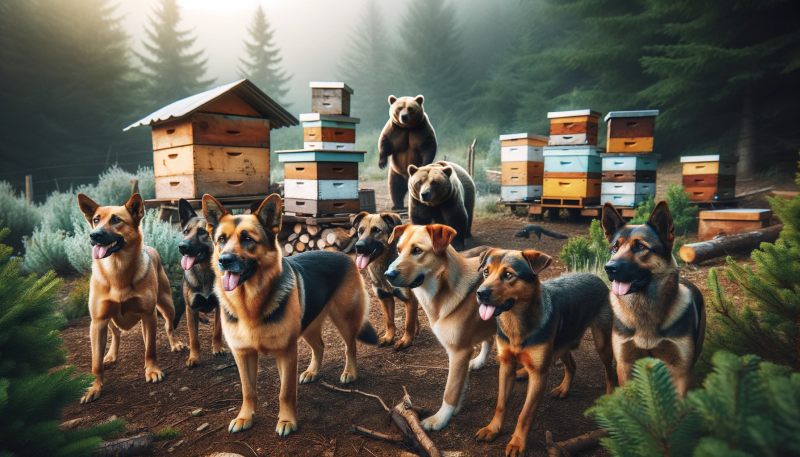
Effective management of bear encounters with beehives requires prompt and strategic actions to minimize damage and ensure safety. Immediate response after a bear attack is crucial in preventing further harm to hives, protecting personnel, and maintaining the integrity of the apiary. Proper damage control measures also involve efficient reporting and collaboration with wildlife authorities to prevent future incidents and enhance hive security.
This section Artikels essential steps for responding to bear attacks, procedures for reporting sightings, and guidelines for repairing or upgrading hive protections to withstand potential future encounters.
Immediate Actions Following a Bear Attack
Swift and organized response following a bear attack can significantly reduce hive loss and prevent escalation. The initial steps focus on ensuring safety, assessing damage, and preventing the bear from returning.
- Secure personnel and prevent access to the affected area to avoid further injury or disturbance.
- Maintain a safe distance from the attacked hives and avoid confrontation with the bear.
- Assess the extent of damage to the hives, noting which colonies were affected and the severity of the attack.
- Remove any remaining bear scent or attractants around the apiary, such as food residues or fragrant materials, to discourage repeat visits.
- Document the incident thoroughly, including photographs of damage, for reporting and analysis purposes.
- Notify local wildlife authorities immediately, providing detailed information about the attack, location, and observed bear behavior.
Implementing these steps quickly can help contain the situation, reduce future risks, and facilitate effective coordination with authorities for further action.
Reporting Bear Sightings and Coordinating with Wildlife Authorities
Timely and accurate reporting of bear sightings is vital in managing human-wildlife interactions and preventing conflicts. Establishing a clear flow of communication with wildlife agencies ensures that appropriate measures are taken promptly.
The following flowchart Artikels the sequence of actions for reporting and coordinating efforts:
| Step | Description |
|---|---|
| 1. Observation of Bear | Recognize bear presence near or around the apiary, noting details such as the bear’s behavior, size, and time of sighting. |
| 2. Immediate Notification | Contact local wildlife authorities or designated wildlife management agencies to report the sighting, providing precise location data. |
| 3. Documentation | Record additional observations, including photographs, videos, and any signs of bear activity such as tracks or scat. |
| 4. Follow-up Actions | Assist wildlife officials with any requested information or access to the site for further assessment. |
| 5. Implementation of Recommendations | Follow guidance provided by authorities, which may include relocating hives, installing additional barriers, or monitoring bear movements. |
| 6. Community Coordination | Share information with neighboring apiaries and local community groups to promote collective safety and preventive measures. |
Procedures for Repairing or Upgrading Hive Protections After an Incident
Post-attack repair and reinforcement of hive protections are critical to safeguarding against future bear encounters. These procedures focus on restoring damaged hives and implementing structural improvements based on attack insights.
- Remove and safely dispose of damaged hive components, ensuring all remnants of the attack are cleared from the apiary site.
- Inspect remaining hives for vulnerabilities or signs of previous breaches, paying particular attention to entry points and structural integrity.
- Upgrade physical barriers such as stronger fences, electrified wires, or bear-resistant hive enclosures, considering the specific methods bears used to breach protections.
- Reinforce existing hive stands with sturdy materials to prevent tipping or collapse during future encounters.
- Apply additional deterrents, such as motion-activated lights or noise devices, to discourage bear approach.
- Conduct regular maintenance and inspection routines to identify and address new vulnerabilities promptly.
- Document the repairs and upgrades, including photographs and descriptions, to facilitate continuous improvement and future reference.
Implementing robust repair and upgrade procedures following an incident helps create a resilient apiary environment that reduces the likelihood of repeat attacks and safeguards both the hives and beekeepers.
Final Summary
In conclusion, safeguarding your hives from bears requires a combination of understanding animal behavior, installing physical protections, utilizing deterrents, and practicing vigilant management. Implementing these strategies not only helps prevent costly damages but also fosters a responsible approach to beekeeping in bear-prone areas. With careful planning and community cooperation, beekeepers can enjoy a fruitful and secure apiary environment.