Understanding how to protect hives from wasps is essential for maintaining healthy and productive beekeeping operations. Wasps pose a significant threat to honeybees, often attacking colonies and competing for resources, which can lead to decreased hive health and honey production. Recognizing the behaviors and signs of wasp activity allows beekeepers to implement effective preventative measures and safeguard their valuable colonies.
This knowledge not only helps in early detection but also empowers beekeepers to create a safer environment for their bees.
This comprehensive approach includes identifying vulnerable hive areas, installing physical barriers, managing wasp populations nearby, and adopting environmentally friendly control methods. Regular monitoring and community engagement further enhance the protection efforts, ensuring that beekeepers can effectively defend their hives against wasp intrusions and maintain thriving apiaries.
Understanding Wasps and Their Impact on Beekeeping
Effective beekeeping requires not only caring for honeybees but also understanding the various threats they face, particularly from wasps. Wasps can pose significant challenges to apiaries by preying on bees and competing for hive resources. Recognizing the behavior, lifecycle, and signs of wasp activity is essential for developing targeted protective strategies to ensure the health and productivity of honeybee colonies.
Wasps are often considered a nuisance for beekeepers, especially during the warmer months when their activity peaks. Unlike honeybees, which are social and cooperative within their hives, wasps tend to be more aggressive and opportunistic predators. Their presence can lead to weakened colonies, reduced honey yields, and, in severe cases, complete hive destruction. Understanding their patterns and behaviors allows beekeepers to implement effective deterrents and safeguard their hives against these persistent pests.
Behavior and Lifecycle of Wasps Threatening Honeybee Hives
Wasps undergo a complex lifecycle that directly influences their interactions with honeybee colonies. Typically, the lifecycle begins in early spring with queen wasps emerging from hibernation. These queens establish new nests and lay eggs that develop into workers, which are responsible for expanding the nest and foraging for food. During late summer and early autumn, the colony reaches its peak, producing new queens and male wasps that will mate and then die off as the season progresses.
Worker wasps are highly aggressive predators, often targeting honeybees to feed their developing larvae. They are opportunistic feeders, scavenging both dead insects and nectar, but they particularly favor bee larvae and pupae as a protein source. Their predatory behavior can lead to direct attacks on bee colonies, especially when they sense a vulnerability or competition for resources.
The lifecycle pattern means that wasp activity is most intense during late summer when colonies are at their largest. The presence of new queens in autumn signals the end of the season’s heightened wasp activity, but it also marks the beginning of the next cycle, making early detection and management crucial for beekeepers.
Types of Wasps Commonly Found Near Apiaries
Several wasp species are known to pose threats to honeybee hives, with their prevalence varying based on geographic location and seasonal factors. The most common wasps encountered around apiaries include:
| Wasp Species | Characteristics | Behavior Towards Hives |
|---|---|---|
| Yellowjacket (Vespula spp.) | Small, aggressive, with a distinctive black and yellow pattern, and a preference for scavenging human food and proteins. | Highly aggressive predators targeting bee larvae and occasionally attacking adult bees, especially when disturbed or foraging near nests. |
| German Wasp (Vespula germanica) | Large, with a darker coloration, known for forming large colonies and being particularly aggressive in late summer. | Predates on honeybees and competes for nectar, often invading hives to steal honey and feed on bee brood. |
| Common Paper Wasp (Polistes dominula) | Slender body with a narrow waist, less aggressive than yellowjackets but still a threat during nest proximity. | Scavenges and occasionally preys on bees; tends to build nests on nearby trees, eaves, or ledges close to apiaries. |
Signs of Wasp Activity Around Hives
Early detection of wasp activity is vital for effective management. Beekeepers should remain vigilant for specific signs indicating the presence of wasps near their hives. Recognizing these signs allows for timely intervention, minimizing hive disturbance and damage.
- Increased Number of Wasps Flying Around the Apiary:
- Wasp Nests in the Vicinity:
- Disturbances or Aggressive Behavior:
- Unusual Activity on the Hive Entrance:
Seeing a large number of wasps hovering near hive entrances or in the vicinity suggests active nests nearby or an ongoing foraging effort. These insects are often observed during late summer when colonies are at their peak.
Identifying papery nests hanging from trees, eaves, or structures close to the apiary is a clear indication of wasp presence. Nests can vary in size but are generally characterized by their papery, layered appearance.
Wasp swarms attacking or attempting to invade hives indicate a direct threat. Bees may become more agitated, and defensive behavior such as increased buzzing or persistent guarding at hive entrances can be observed.
Frequent wasps probing or attempting to enter the hive, especially during times when bees are working outside, signifies active predation or scavenging efforts.
“Awareness of wasp behavior and signs of activity is the first step toward effective hive protection, enabling timely and targeted responses that preserve the health of honeybee colonies.”
Identifying Vulnerable Areas of Hives to Wasps
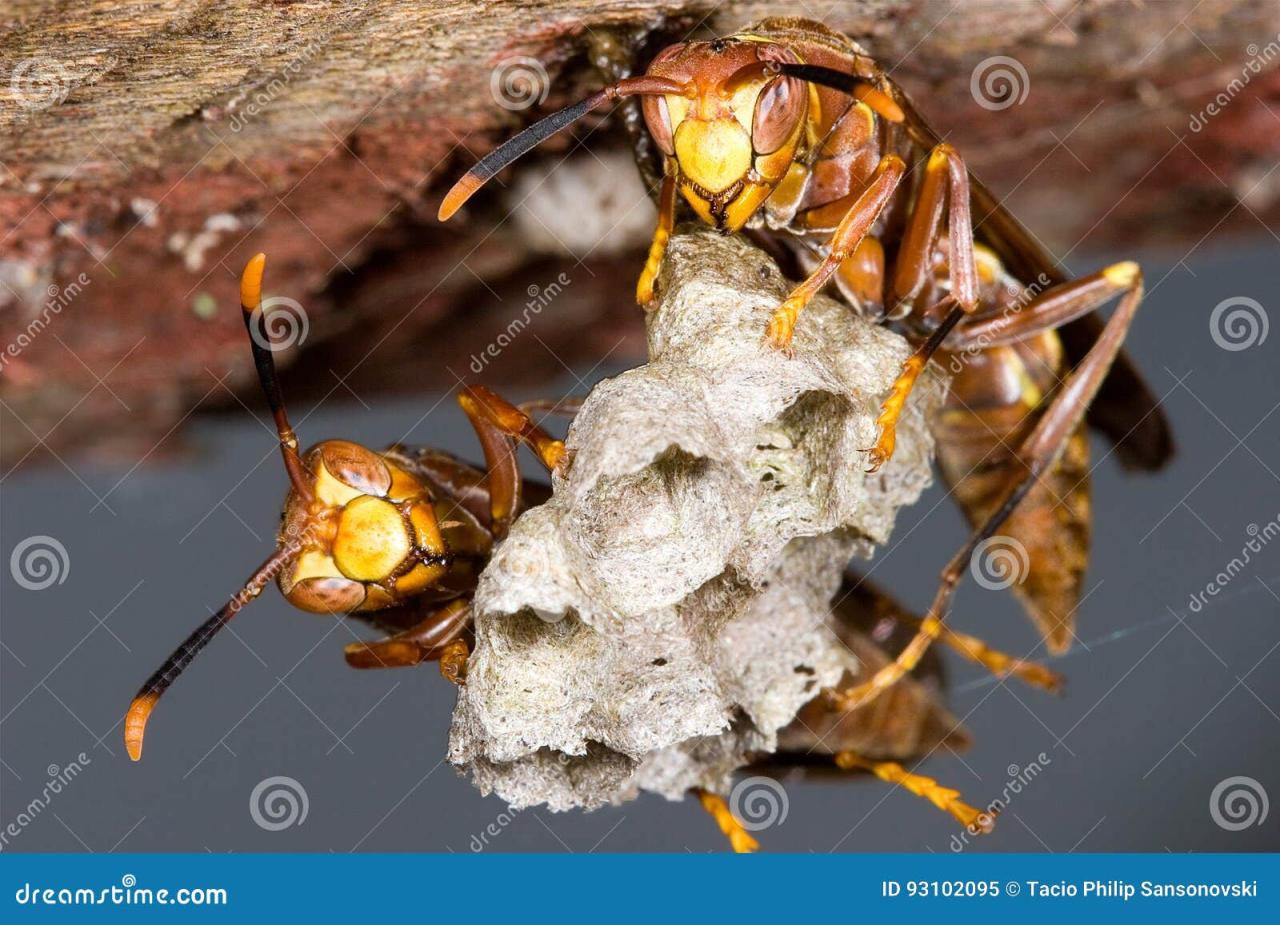
Understanding where wasps are most likely to access or damage beehives is essential for implementing effective protective measures. Wasps tend to exploit specific structural weaknesses, making continuous vigilance and thorough inspection vital components of hive security. Recognizing these vulnerable areas helps beekeepers take targeted action to prevent potential infestations and protect their colonies.
This section provides detailed insights into common entry points and weak spots within hive structures. Additionally, a visual inspection checklist is included to assist beekeepers in systematically identifying potential access routes for wasps. To facilitate comparison and planning, an organized table summarizes vulnerable hive components alongside recommended protective strategies.
Common Entry Points and Weak Spots in Hive Structures
Wasps are resourceful and can exploit various structural vulnerabilities to gain entry into hives. Identifying these specific points allows beekeepers to reinforce defenses effectively. Typical access points include sealing gaps, cracks, or openings in the hive exterior, especially during seasons when wasps are most active. Weak spots often occur at natural or human-made junctions, such as entrances, ventilation holes, and areas with compromised materials.
- Hive Entrance and Exit Gaps: Unsealed or poorly fitted entrance reducers or gaps around entrance holes can serve as entry points for wasps.
- Cracks in Wooden Frames or Hive Bodies: Small cracks or splits in the hive structure, often caused by weathering or improper handling, provide easy access points.
- Ventilation and Fume Ports: Oversized or unprotected ventilation holes allow wasps to crawl into the hive vicinity.
- Cracks in Base and Stand: Gaps between the hive bottom and stand or the ground can enable wasps to establish nests underneath or gain entry from below.
Visual Inspection Checklist for Detecting Wasps’ Access Points
A systematic inspection process ensures that no potential entry is overlooked. Regularly examining the hive for vulnerabilities helps in early detection and reinforcement, minimizing the risk of wasp intrusion. It is recommended to perform inspections during calm, warm weather for optimal visibility and safety.
- Inspect the hive entrance for gaps, cracks, or damage that could allow wasps to enter or linger near the entry point.
- Examine the hive exterior for visible cracks, splits, or broken components, especially around the edges and corners.
- Check ventilation and fume ports for proper sealing and size appropriateness, ensuring they are not oversized or damaged.
- Evaluate the hive stand and base for gaps or spaces that could facilitate access or nesting underneath.
- Look for signs of wasp activity, such as mud or paper-like debris, holes, or wasp nests nearby or attached to the hive structure.
- Ensure all entrances are fitted with properly sized and secured reducers or covers to prevent wasps from bypassing physical barriers.
Comparison of Vulnerable Hive Components and Protective Measures
Implementing appropriate protective measures requires understanding which hive components are most susceptible to wasp intrusion and how to reinforce them effectively. The table below summarizes common vulnerable areas and corresponding strategies to enhance hive security.
| Hive Component | Vulnerable Aspects | Protective Measures | Additional Recommendations |
|---|---|---|---|
| Hive Entrance | Unsealed gaps, oversized openings | Use entrance reducers, seal gaps with appropriate weatherproof materials | Regularly check reducer fit and replace if damaged or warped |
| Hive Walls and Cracks | Cracks, splits, weather-induced damage | Seal cracks with hive-safe wood filler or caulking, reinforce with external siding if needed | Inspect after storms or extreme weather conditions |
| Ventilation and Fume Ports | Oversized openings, unprotected holes | Install covers or mesh screens to limit access while allowing airflow | Ensure screens are fine-meshed to prevent wasp entry but do not restrict necessary ventilation |
| Hive Stand and Base | Gaps between hive and ground, spaces under the hive | Use sturdy, sealed stands with enclosed bases; fill gaps with fitted materials | Elevate hive to discourage nesting underneath and facilitate inspection |
Preventative Strategies to Protect Hives from Wasps
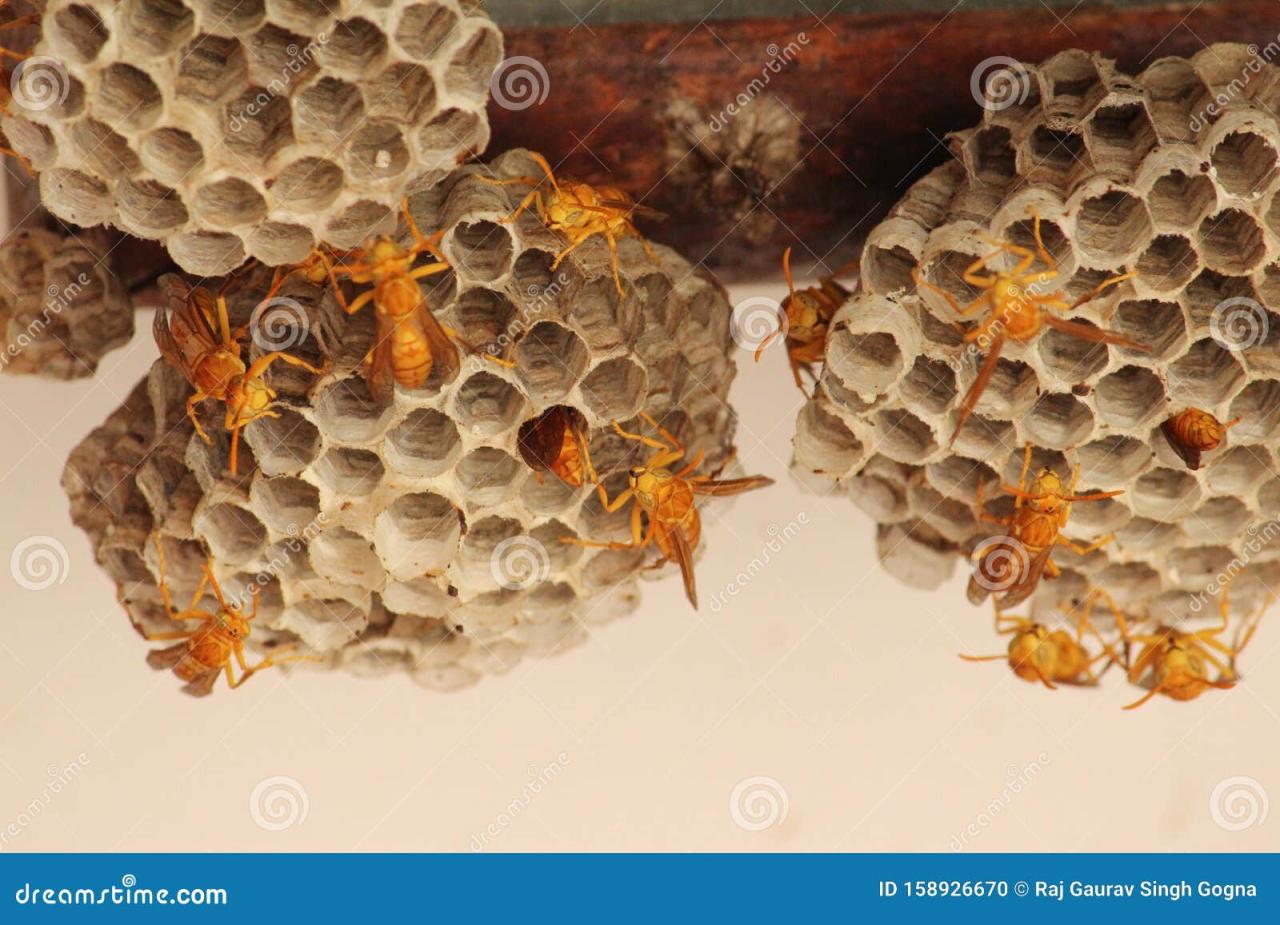
Implementing effective preventative measures is crucial in safeguarding beehives from wasp intrusions, which can significantly threaten colony health and productivity. By adopting a combination of physical barriers, strategic hive design, and thoughtful placement, beekeepers can reduce the likelihood of wasp attacks and promote a safer environment for their bees.
Preventative strategies focus on creating obstacles that deter wasps from accessing hives while ensuring the bees remain comfortable and undisturbed. These methods are based on understanding wasp behavior and employing proactive measures that disrupt their ability to locate and invade hives effectively.
Physical Barriers and Protective Equipment
Physical barriers are among the most effective tools in a beekeeper’s arsenal against wasps. These include screens, entrance reducers, and hive wraps designed to limit wasp access without impeding bee movement. Properly installed physical barriers act as frontline defenses, significantly reducing wasp entry points and discouraging their nesting near hives.
- Screens: Fine mesh screens can be fitted over the hive entrance or surrounding the hive structure. These screens allow bees to pass freely while blocking larger wasps from entering. The mesh size should be small enough to prevent wasps but large enough not to hinder bee traffic.
- Entrance reducers: These are adjustable covers that narrow the hive entrance, making it more difficult for wasps to enter. They also help control airflow and reduce drafts, which benefits the hive’s internal environment.
- Hive wraps: Insulating wraps or protective covers can create a physical barrier around the hive, reducing scent trails that attract wasps and providing a buffer zone that wasps find difficult to penetrate.
Installing Protective Screens: A Step-by-Step Guide
Proper installation of protective screens is essential to ensure maximum effectiveness. Below is a detailed guide to help beekeepers install screens effectively on their hives:
- Choose the appropriate screen: Select a fine mesh screen, preferably made of durable material such as stainless steel or high-quality plastic, with a mesh size of approximately 1-2 mm to block wasps while allowing bee passage.
- Prepare the hive: Remove the hive cover and inner cover carefully, ensuring the colony is undisturbed. Clean the perimeter where the screen will be installed to ensure a secure fit.
- Position the screen: Place the screen over the hive entrance or around the hive’s opening, ensuring it extends at least 2-3 cm beyond the edges of the entrance on all sides.
- Secure the edges: Use hive staples, zip ties, or a suitable frame to fasten the screen securely, preventing gaps that could be exploited by wasps.
- Replace hive covers: Reinstall the inner and outer covers over the screen, ensuring they fit snugly and do not disturb the bees.
- Monitor and maintain: Regularly check the installation for damage or displacement, especially during high wasp activity seasons, and make adjustments as necessary.
Hive Placement and Environmental Considerations
Strategic hive placement plays a vital role in minimizing wasp interference. Proper positioning can reduce wasp attraction and nesting nearby, thereby offering natural protection to the colony.
Key factors include maintaining adequate distance from wasp nests and selecting optimal sun exposure. Hives placed too close to active wasp nests are at a higher risk of invasion, while those positioned in sunlit, open areas tend to deter wasps due to better airflow and reduced shelter options for them.
- Distance from wasp nests: Position hives at least 50 meters away from known wasp nests or areas with high wasp activity. This distance reduces the scent trails that attract wasps to the hive vicinity.
- Sun exposure: Place hives in locations receiving ample sunlight, especially during the morning hours. Sunlight helps keep the hive dry and discourages wasps from nesting nearby, as they prefer shaded, sheltered locations.
- Vegetation and surrounding environment: Avoid placing hives in dense shrubbery or shaded areas where wasps can easily hide or establish nests. Instead, select open, well-ventilated sites with minimal nearby flowering plants that attract wasps.
Optimal hive placement not only prevents wasp invasions but also promotes healthy bee activity by ensuring proper airflow and reducing stress factors related to environmental conditions.
Managing and Reducing Wasp Populations Near Apiaries
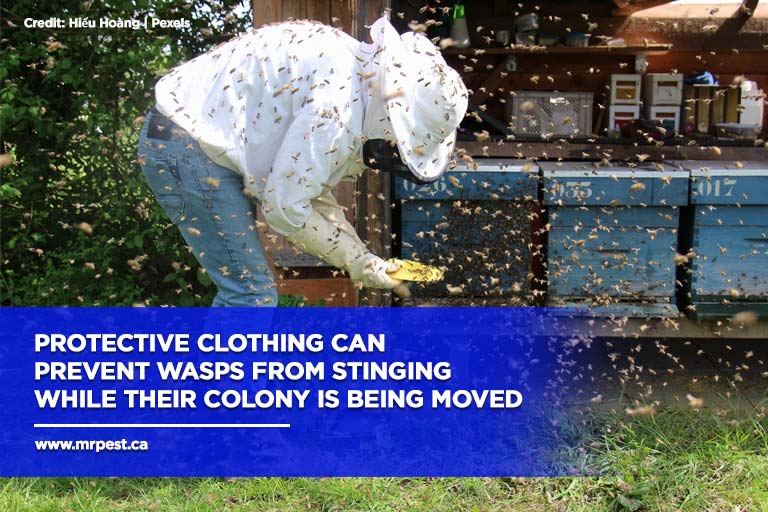
Effective management and reduction of wasp populations in the vicinity of apiaries are essential to safeguarding bee colonies from predation and interference. Wasps are highly adaptable insects that can establish nests in various locations, often near beekeeping sites, which increases the risk of hive damage and honey theft. Implementing strategic removal and trapping methods not only minimizes wasp activity but also promotes a healthier environment for the bees to thrive.
Properly locating and eliminating wasp nests, along with setting up humane traps, form the cornerstone of integrated pest management around apiaries. These approaches require careful planning, the right tools, and adherence to safety procedures to ensure effective control while maintaining ecological balance.
Locating and Removing Nearby Wasp Nests Safely
Identifying wasp nests early is crucial to preventing their expansion and reducing their impact on bee colonies. Nests are often built in sheltered areas such as tree branches, wall cavities, under eaves, or within dense shrubbery. Observing wasp activity during late spring to early summer offers the best opportunity to spot new nests before they become large and more difficult to manage.
When approaching nest removal, safety must be prioritized. Professionals or experienced beekeepers should use appropriate protective gear, including a bee suit with a veil, gloves, and long sleeves, to prevent stings. The best time for nest removal is during late evening or early morning when wasps are less active and congregated within the nest interior, reducing the risk of stings.
Using tools such as long-handled vacuums, smoke, or insecticidal sprays designed specifically for wasps can facilitate safe removal, but chemical treatments should be used judiciously and in accordance with local regulations.
Always ensure that the area is clear of bystanders and that access points are secured to prevent wasps from escaping and causing harm or establishing new nests nearby.
Humane Wasp Trap Setups and Baiting Techniques
Implementing humane trapping strategies effectively attracts wasps away from apiaries, thereby reducing their numbers without causing unnecessary suffering. The key to successful trapping lies in selecting appropriate bait and designing traps that are accessible yet prevent wasps from escaping.
Commonly used baits include sweet liquids such as fruit juices, sugar water, or diluted honey, which mimic natural food sources and appeal to foraging wasps. Protein-based baits like fish or meat can also attract predatory wasps. Traps can be constructed from simple containers such as plastic bottles or commercial traps available at agricultural supply stores.
To set up traps:
- Cut the top off a plastic bottle and invert it into the body, creating a funnel that allows wasps to enter but makes escape difficult.
- Fill the trap with bait solution, ensuring it is fresh and appealing to wasps.
- Place traps at strategic locations around the apiary, such as near hive entrances, away from bee flight paths, and in shaded areas to maximize effectiveness.
- Regularly check and replace bait and clean traps to prevent the buildup of dead insects or mold, which can repel wasps or attract unwanted pests.
In addition to baited traps, physical barriers such as sticky bands or wasp-proof mesh can be installed around apiary structures to prevent wasp entry. Combining these trapping methods with nest management efforts creates a comprehensive approach to reducing wasp populations effectively and humanely.
Tools and Materials Needed for Wasp Nest Removal and Trapping Processes
Executing safe nest removal and trap setup requires a specific set of tools and materials to ensure efficiency and safety. The following list summarizes essential items:
| Tools | Materials |
|---|---|
| Protective clothing (bee suit, gloves, veil) | Insecticidal wasp spray (EPA-approved) |
| Long-handled vacuum or blower | Plastic bottles or commercial traps |
| Ladder (if nests are located high up) | Sweet liquid bait (fruit juice, sugar water, honey) |
| Flashlight (for early morning or late evening nest inspection) | Paper or plastic cups for baiting |
| Pry bars or sticks (for nest dislodging, if necessary) | Secure trash bags or containers for disposal |
| Sealant or mesh (to block hive entrances or entry points) | Labels and markers (to identify trap locations) |
Proper handling of tools and materials, combined with safety protocols, ensures that wasp management activities are effective and pose minimal risk to beekeepers and the environment. Regular maintenance and inspection of traps and removal sites are essential to maintain a low wasp presence around apiaries, thus fostering a safe and productive environment for honey bees.
Integrating Biological and Chemical Wasp Control
Effectively managing wasp populations near apiaries requires a balanced approach that combines environmentally friendly methods with targeted chemical controls. Integrating these strategies ensures the protection of bee colonies while minimizing ecological impact. Understanding the available options and their appropriate application is essential for sustainable apiculture practices.
Biological controls focus on natural methods, such as promoting predator species or using organic repellents, which help reduce wasp numbers without introducing harmful chemicals into the environment. Chemical controls, including specialized insecticides, offer a more immediate solution but must be used judiciously to prevent adverse effects on bees and other beneficial insects. Combining these approaches allows beekeepers to tailor their pest management plan to local conditions, hive vulnerability, and environmental considerations.
Natural Predators and Organic Repellents
Utilizing natural predators such as certain bird species, dragonflies, or parasitic wasps can help control wasp populations naturally. These predators target wasp larvae or adult wasps, reducing their numbers over time. Introducing or encouraging these predators requires habitat management strategies, such as installing birdhouses or maintaining native vegetation that attracts beneficial insects.
Organic repellents, including substances like citronella, peppermint oil, or neem oil, can be applied around hive entrances or nearby areas. These repellents interfere with wasp navigation and discourage them from approaching the hive. Organic options are environmentally friendly, biodegradable, and less likely to harm bees or other non-target species, making them suitable for organic apiaries or environmentally sensitive regions.
Chemical Controls and Insecticides
Chemical control methods involve the application of insecticides specifically formulated for wasp management in apiary settings. These agents are designed to eliminate wasps efficiently while minimizing risks to bees when used properly. Common chemical options include contact aerosols, bait stations containing insecticidal gels, or dust formulations applied directly to wasp nests.
It is crucial to select insecticides labeled for apiary use, ensuring they have minimal bee toxicity and are approved by relevant agricultural or environmental authorities. Proper timing and targeted application help reduce non-target impacts, preserve hive health, and prevent chemical buildup in the environment.
Comparison of Control Methods
| Control Method | Pros | Cons | Suitability |
|---|---|---|---|
| Natural Predators |
|
|
Ideal for organic apiaries and areas with low to moderate wasp populations |
| Organic Repellents |
|
|
Suitable for routine prevention and in environmentally sensitive zones |
| Chemical Insecticides |
|
|
Recommended for severe wasp problems with proper handling and timing |
Integrating biological and chemical methods allows for flexible, effective, and environmentally responsible wasp control strategies. Beekeepers should assess their specific circumstances, consider the severity of wasp presence, and choose the most appropriate combination to safeguard their hives and promote sustainable beekeeping practices.
Educating Beekeepers and Community Engagement
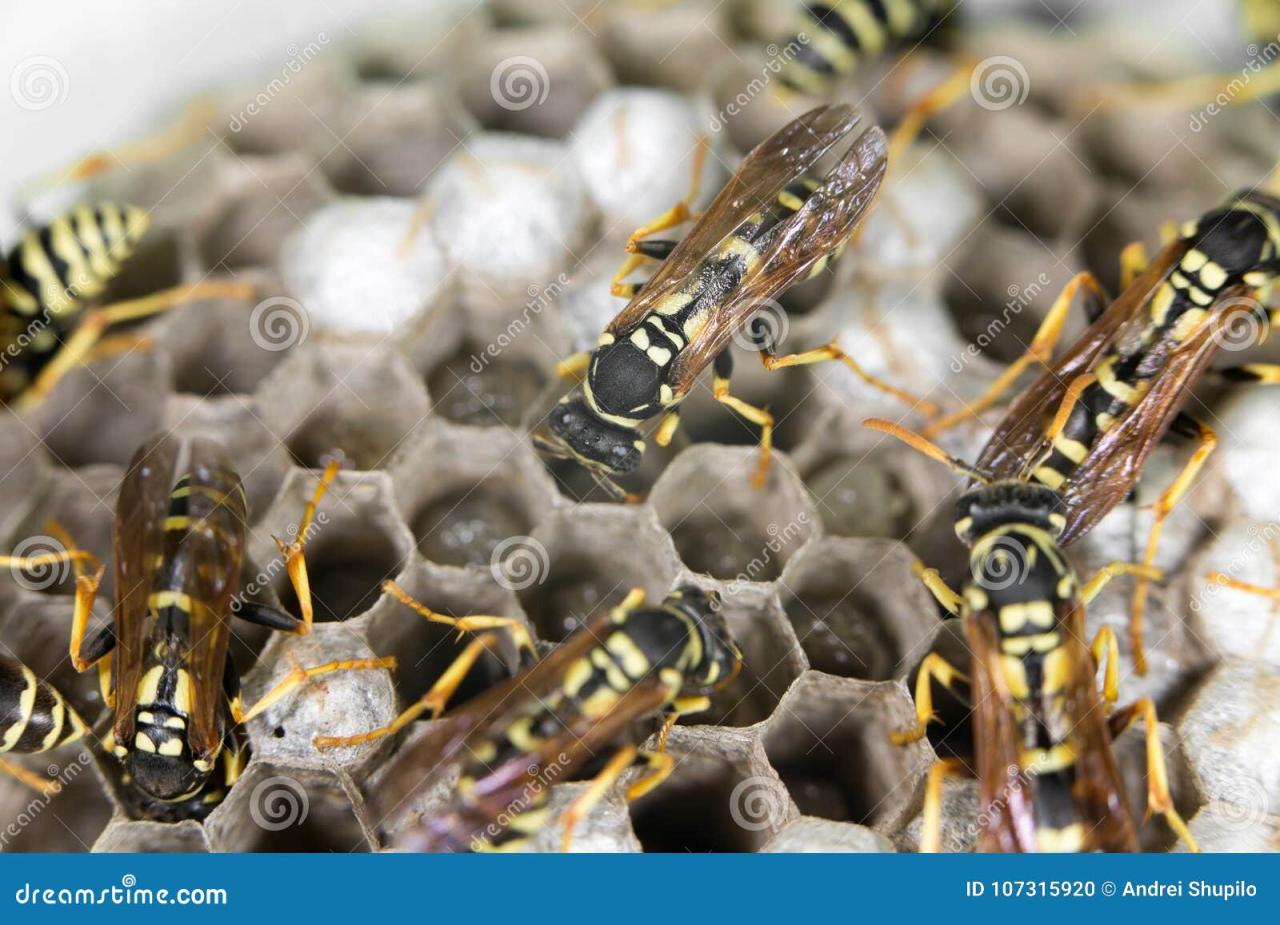
Effective protection of beehives from wasps extends beyond individual hive management to encompass community-wide efforts and comprehensive education initiatives. Equipping beekeepers with the necessary knowledge and fostering community involvement are crucial steps in creating a resilient environment that minimizes wasp threats and supports healthy apiaries. Through targeted training, public participation, and accessible informational materials, stakeholders can collaboratively develop sustainable strategies to reduce wasp-related risks.
Engaging beekeepers and local communities in understanding wasp behavior, recognizing early signs of infestation, and implementing preventive measures enhances overall hive protection. These efforts foster a proactive approach, encourage shared responsibility, and amplify the impact of individual hive management practices. Educational programs and community initiatives serve as vital tools in building awareness, promoting best practices, and establishing a collective front against wasp incursions.
Training Beekeepers on Wasps Threat Recognition and Prevention
Providing comprehensive training to beekeepers ensures they can accurately identify wasp activity and implement effective preventive measures. Well-informed beekeepers are better equipped to recognize early signs of wasp presence, such as the appearance of nests or increased wasp activity near hives. Training sessions should include visual identification of common wasp species, understanding their nesting behaviors, and differentiating between wasps and other insects.
Workshops can incorporate hands-on demonstrations of nest inspection, safe removal techniques, and the use of protective gear. Emphasizing regular hive inspections and documenting wasp activity helps in early detection and timely intervention. Additionally, education on environmental modifications, such as removing potential nesting sites around apiaries, enhances preventive efforts. Providing access to updated resources and fostering peer-to-peer knowledge sharing strengthens beekeepers’ capacity to manage wasp threats effectively.
Community Actions to Reduce Local Wasp Populations
Community involvement plays a pivotal role in controlling wasp populations that threaten apiaries. Collective actions can significantly decrease the prevalence of wasps and reduce the likelihood of hive invasions. Public nest removal campaigns are among the most effective strategies, especially during the early nesting season when wasps establish new colonies.
Organizing community-led nest removal events, supported by local authorities or environmental groups, encourages widespread participation. These campaigns should focus on safe nest identification, removal techniques, and proper disposal methods to prevent nest reuse or spreading of wasps. Public education campaigns can also promote the elimination of food sources and attractants, such as uncovered trash or fallen fruit, which sustain wasp populations.
Establishing community networks for reporting wasp sightings and coordinating removal efforts fosters a collaborative environment dedicated to apiary health and safety.
Designing Informational Posters and Handouts on Preventive Practices
Effective communication tools are essential for disseminating practical and accessible information about wasp prevention to beekeepers and the general public. Well-designed posters and handouts should provide clear, concise descriptions of best practices, identification tips, and safety precautions. Visual aids, such as diagrams of wasp nests and hive vulnerable points, enhance understanding and recall.
Key content to include in these materials encompasses methods for inspecting hives regularly, recognizing early wasp activity, and implementing physical barriers like screens or traps. Emphasizing the importance of maintaining clean apiary surroundings, removing potential nesting sites, and using non-toxic repellents can be visually highlighted through bullet points or infographics. Additionally, these materials should contain contact information for local pest control services or community groups involved in nest removal and wasp management.
Distributing these posters at community centers, apiary sites, and during educational events ensures widespread awareness and fosters a culture of proactive wasp management.
Outcome Summary
In conclusion, protecting hives from wasps requires a combination of vigilant observation, strategic placement, physical barriers, and sustainable control methods. By staying proactive and informed, beekeepers can significantly reduce wasp-related risks and promote healthier bee colonies. Engaging with the community and continuous maintenance of protective measures are key to long-term success in safeguarding apiaries from these persistent pests.