Learning how to raise organic honey bees opens the door to sustainable and eco-friendly beekeeping practices that benefit both the environment and honey producers. This comprehensive guide provides essential insights into establishing and maintaining an organic apiary, emphasizing natural methods and standards that promote healthy bee colonies.
From selecting suitable locations to sourcing certified organic bees and equipment, each step plays a crucial role in ensuring the success of organic honey production. Understanding pest management, hive construction, feeding strategies, and record-keeping are all integral components that help achieve organic certification and produce high-quality honey.
Understanding Organic Honey Bee Farming
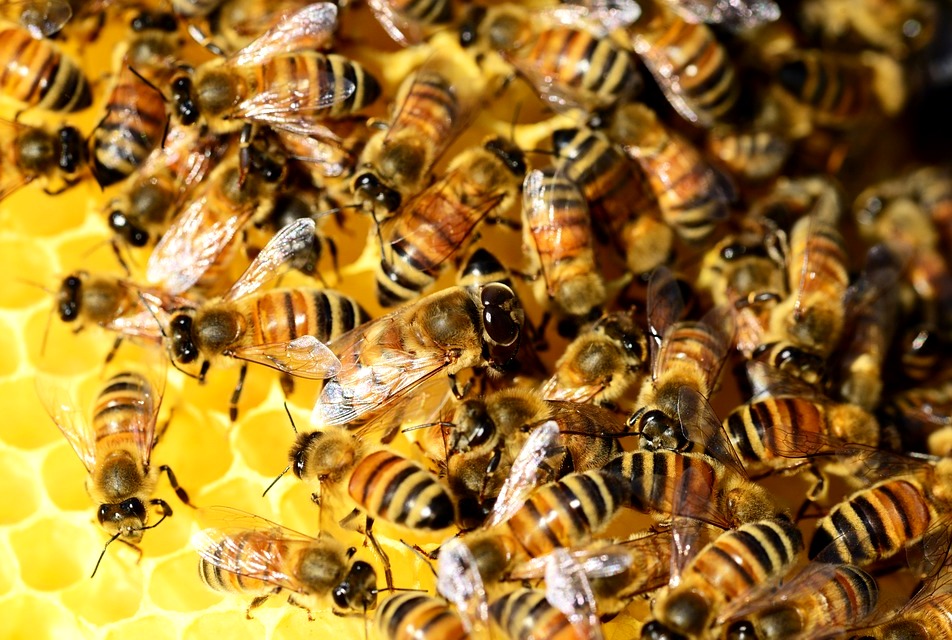
Organic honey bee farming emphasizes sustainable, chemical-free, and environmentally respectful practices that promote healthy bee populations and produce pure, high-quality honey. This approach aligns with ecological principles, prioritizing bee welfare, biodiversity, and the integrity of the ecosystem. Unlike conventional beekeeping, which may utilize synthetic chemicals and intensive interventions, organic methods focus on natural processes and biological balance.
Implementing organic honey bee farming requires a comprehensive understanding of specific principles, strict adherence to standards, and certification to validate the organic status. This ensures that consumers receive authentic organic honey and that the farm maintains ecological integrity. The transition from conventional to organic practices involves changing management techniques, sourcing organic materials, and establishing transparency and traceability throughout the production process.
Understanding these foundational aspects is vital for beekeepers aiming to adopt organic methods successfully and sustainably.
Principles and Standards of Organic Beekeeping Practices
Organic honey bee farming is grounded in several core principles designed to promote bee health, environmental sustainability, and honey purity. These principles include:
- Use of organic or untreated forage sources, avoiding synthetic pesticides and herbicides.
- Provision of diverse nectar and pollen sources to support bee nutrition and resilience.
- Use of organic-approved treatments and natural methods for disease and pest management, such as mechanical controls or biological agents.
- Ensuring the hive environment is maintained without the use of synthetic chemicals, ensuring the integrity of organic honey and beeswax.
- Promoting biodiversity and habitat conservation around apiary locations.
Compared to conventional beekeeping, organic practices prohibit the use of synthetic antibiotics, growth regulators, or chemical treatments. Instead, emphasis is placed on proactive health management, habitat diversity, and natural rearing practices. This approach reduces chemical residues in honey and beeswax, ultimately supporting healthier bees and safer products for consumers.
Organic Certification and Farm Requirements
Achieving organic certification involves compliance with specific standards established by recognized certifying bodies, which vary by country but generally share common criteria. Certification ensures that the farm adheres to organic principles from hive management to honey production, maintaining transparency and consumer trust.
Key criteria for organic certification include:
- Use of organic or untreated planting for forage around the apiary, with buffer zones to prevent chemical drift.
- Application of organic-approved treatments for pest and disease control, avoiding synthetic substances.
- Provision of appropriate hive equipment that is free from synthetic chemicals or residues, with regular cleaning and maintenance protocols.
- Documentation of all management practices, inputs, and treatments for traceability and verification purposes.
- Physical separation of organic honey from non-organic products during processing and storage to prevent contamination.
Note: Certified organic honey production may require a transition period, typically lasting at least 12 months, during which the farm demonstrates compliance with all standards before certification is granted.
Comparison of Organic and Non-Organic Beekeeping Practices
Understanding the differences between organic and conventional beekeeping practices helps clarify the benefits and requirements associated with each approach. The following table summarizes key aspects:
| Practices | Benefits | Requirements |
|---|---|---|
| Use of synthetic chemicals (pesticides, antibiotics) | Conventional methods may control pests quickly and efficiently, but can lead to residue buildup and health issues. | Organic beekeeping prohibits synthetic chemicals; instead, relies on natural pest management and organic-approved treatments. |
| Hive management approaches | Conventional farms often use chemical treatments, artificial feeds, and intensive management. | Organic farms emphasize natural hive management, minimal intervention, and organic feeding practices. |
| Nutritional practices | Conventional beekeepers may feed bees sugar syrup and antibiotics to control disease. | Organic beekeepers prioritize natural forage, supplemented with organic feeds if necessary, avoiding artificial additives. |
| Environmental impact | Conventional methods may contribute to environmental contamination through chemical runoff. | Organic practices aim to conserve biodiversity, maintain soil health, and reduce chemical runoff. |
| Certification process | Less regulated, with fewer standards and controls. | Requires strict adherence to defined standards, documentation, and certification audits. |
| Overall Benefits | Organic beekeeping produces honey free from synthetic chemical residues, supports bee health through sustainable practices, and benefits the environment. Conventional methods may offer immediate pest control but pose long-term health and environmental risks. | |
Selecting and Preparing the Ideal Location for Organic Beekeeping
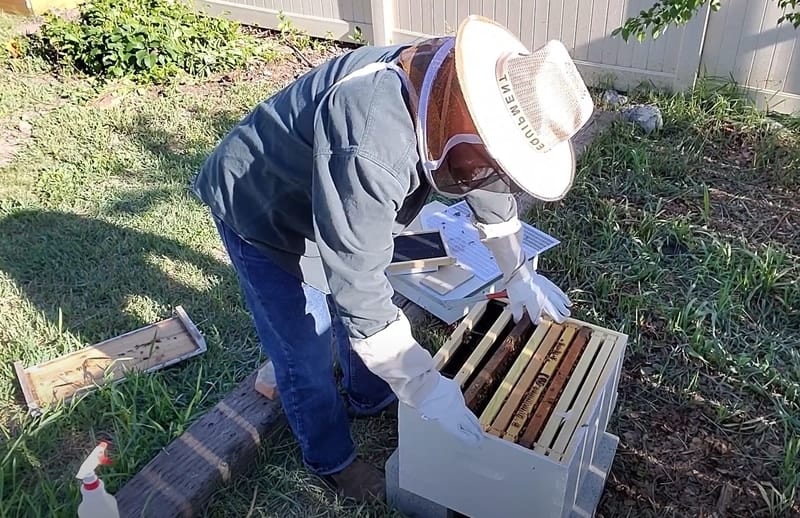
Choosing the right location is a foundational step in establishing a successful organic honey bee farm. An ideal site promotes healthy bee colonies, supports diverse floral sources, and minimizes exposure to harmful chemicals. Proper selection and preparation of the site not only enhance honey quality but also contribute to the sustainability and ecological balance of the beekeeping operation.
Ensuring that environmental conditions align with organic standards involves a thorough assessment of the landscape, flora diversity, and potential external influences such as pesticide use. This proactive approach safeguards the bees’ health and aligns with organic certification requirements, ultimately leading to higher quality honey and a more resilient apiary.
Environmental Conditions Essential for Organic Honey Bee Colonies
Organic beekeeping demands specific environmental conditions to thrive. A balanced ecosystem rich in floral diversity provides continuous nectar and pollen sources, crucial for bee nutrition and hive productivity. Minimal or no exposure to synthetic pesticides, herbicides, and fungicides is essential, as these substances can weaken colonies and compromise organic integrity. Additionally, access to clean, uncontaminated water sources is vital to maintain hive hydration and support bee health.
The climate should facilitate a gentle wintering period without extreme temperature fluctuations, which can stress the colonies and hinder honey production. An environment that encourages natural behaviors and minimizes stressors creates a sustainable foundation for organic honey bee farming.
Site Assessment Checklist for Organic Beekeeping
Conducting a comprehensive site assessment ensures the chosen location meets all essential criteria for organic standards and optimal bee health. The following checklist guides beekeepers through critical evaluation points:
- Soil Quality: Well-drained, non-contaminated soil that supports native plant growth and is free from pollutants or residual chemicals.
- Surrounding Land Use: Predominantly natural or agricultural land with minimal pesticide application; avoid proximity to industrial zones or urban areas with high chemical use.
- Water Sources: Reliable, clean water sources such as streams, ponds, or natural springs, located at a safe distance from potential pollutants.
- Accessibility: Adequate access for regular hive inspections, maintenance, and honey harvest, while maintaining a level of seclusion to reduce disturbance and stress on the colonies.
Regional Climate, Flora, and Site Characteristics
Different regions require tailored considerations for successful organic beekeeping. The following table summarizes key climate factors, typical flora, and optimal site attributes across various regions:
| Region | Climate Considerations | Typical Flora Types | Ideal Site Characteristics |
|---|---|---|---|
| Temperate Zones | Moderate temperatures with distinct seasons; cold winters and warm summers | Wildflowers, fruit blossoms, clover, acacia | Open, elevated area with good airflow, access to diverse floral sources, and protected from strong winds |
| Tropical Regions | Warm temperatures year-round with high humidity; minimal seasonal variation | Mango, eucalyptus, honey locust, tropical flowering plants | Areas with partial shade, well-drained soil, and proximity to year-round flowering plants |
| Arid and Semi-Arid Areas | High temperatures, low rainfall, and significant temperature fluctuations between day and night | Acacia, mesquite, desert wildflowers | Sites with access to water and shade, minimized exposure to dust, and native floral diversity to support bees during scarce flowering periods |
Choosing a location with diverse floral sources and minimal chemical exposure is fundamental for producing high-quality organic honey and maintaining healthy bee colonies. Site selection is a strategic decision that influences the sustainability and success of organic beekeeping efforts.
Sourcing Organic Bees and Equipment
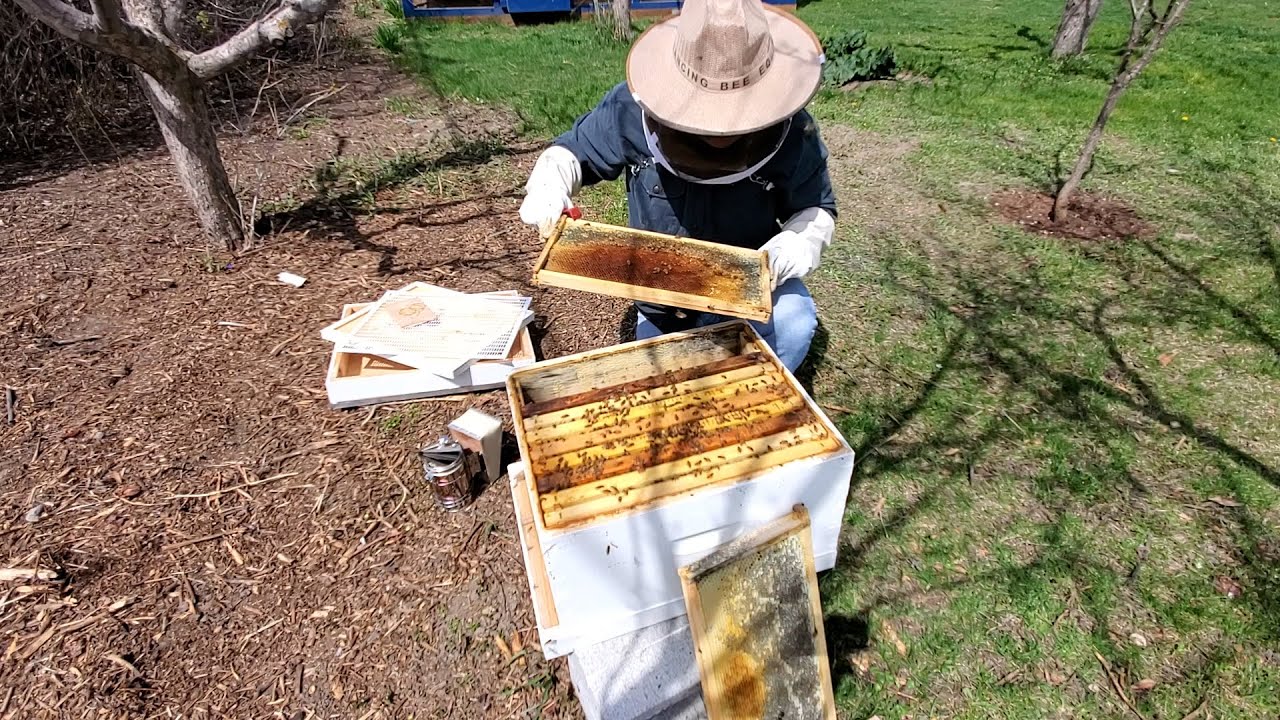
Securing healthy, certified organic bee colonies and suitable equipment forms the foundation of successful organic honey bee farming. Ensuring that both the bees and gear adhere strictly to organic standards helps maintain the integrity of your apiary and produces truly organic honey. This process involves careful selection of reputable suppliers, understanding organic certification requirements, and choosing equipment that aligns with natural, chemical-free practices.
Proper sourcing not only guarantees compliance with organic standards but also promotes the health and productivity of your bee colonies. Employing natural equipment options reduces chemical exposure and supports sustainable beekeeping practices, ultimately contributing to the overall quality of your organic honey production.
Sourcing Certified Organic Bee Colonies and Nuclei
Acquiring certified organic bee colonies or nuclei (nuc) requires navigating specialized breeders and suppliers committed to organic standards. It is essential to verify the organic certification status of the supplier and ensure that their bees are raised without synthetic chemicals, antibiotics, or genetically modified organisms. Reputable organic beekeepers often provide documented certification and detailed histories of their colonies’ health and management practices.
When sourcing, prioritize suppliers that follow strict organic management protocols, including natural feeding, disease prevention, and habitat management. It’s advisable to inspect the colonies beforehand or request recent certification documents, ensuring the bees are free from synthetic treatments and bred in environments that support organic principles. Establishing relationships with local organic beekeepers can also be advantageous, as it fosters community support and provides access to healthy, well-maintained colonies.
Essential Organic Beekeeping Equipment and Materials
Utilizing natural, chemical-free equipment is vital for maintaining organic standards and ensuring the health of your bee colonies. The equipment should be durable, non-toxic, and compliant with organic certification regulations. Key items include hive components, tools, protective gear, and feeding materials, all selected with an emphasis on natural and sustainable materials.
Below is a categorized overview of essential equipment and their organic certification considerations:
| Equipment Type | Materials | Organic Certification Status |
|---|---|---|
| Hive Bodies and Frames | Unpainted, untreated cedar or pine; natural beeswax or organic paint | Often certified organic if made from untreated, sustainably sourced wood and finished with natural coatings |
| Supers and Foundation | Uncoated or beeswax-coated foundation sheets, preferably organic beeswax | Organic certification available when foundation is made from organic beeswax and free from synthetic additives |
| Protective Gear | Natural fiber clothing, untreated leather gloves, and veils | Certification varies; select suppliers providing organic or natural fiber options without chemical treatments |
| Feeding Equipment | Organic sugar, organic pollen substitutes, natural feeders made from stainless steel or food-grade plastics | Organic certification applies to the feed, not the equipment; however, choosing non-chemical, food-grade materials is recommended |
| Tools | Wooden hive tools, natural brushes, stainless steel extractors | Generally free from chemicals; select high-quality, durable materials with organic certification when applicable |
Note: Always verify the organic certification status of both the materials and their suppliers to ensure adherence to organic standards. Natural materials such as untreated wood, beeswax, and organic fabrics are preferred to minimize chemical residues in the hive environment.
Building and Maintaining Organic Hives
Creating an environment conducive to healthy bee development and efficient honey production is fundamental to successful organic beekeeping. The design and maintenance of hives must adhere strictly to organic standards, emphasizing natural materials, proper placement, and optimal conditions for the bees. By thoughtfully constructing and maintaining these hives, beekeepers can foster resilient colonies that thrive naturally without reliance on synthetic interventions.
Organic hive management involves selecting materials and design features that promote strong immune systems and reduce stress among bees. Proper setup ensures adequate ventilation, insulation, and protection from environmental stressors, creating a balanced ecosystem for bees to flourish. Regular maintenance, monitoring, and adjustments are vital to sustain hive health and productivity over time.
Design Features of Organic Hives
Organic hives are designed to mimic the natural living environment of bees, encouraging natural behaviors and reducing dependence on chemical treatments. Key features include:
- Use of Natural Materials: Wooden boxes made from untreated, sustainably sourced wood prevent chemical leaching and promote a healthy environment.
- Accessible Frames: Deep, removable frames facilitate hive inspections, honey harvesting, and management while minimizing disturbance to the colony.
- Combined Hive Structures: Designs such as top-bar hives or Langstroth-style hives with organic modifications support natural comb building and ease of maintenance.
- Space Optimization: Adequate space within the hive allows for expansion, reducing congestion and minimizing stress-related behaviors among bees.
Incorporating features that encourage natural bee behaviors—such as free comb building and easy access—helps maintain genetic diversity and resilience, essential traits for organic honey production.
Procedures for Setting Up Organic Hives
Establishing hives in compliance with organic standards requires careful planning regarding placement, insulation, and ventilation to ensure the health and productivity of the bee colonies. The following step-by-step guide offers a comprehensive approach:
- Site Selection: Choose a location with ample sunlight exposure, protection from strong winds, and minimal exposure to pesticides or pollutants. The site should be level and have access to clean water sources.
- Preparation of Materials: Gather untreated, natural wooden hive bodies, beeswax foundation (preferably organic), and non-toxic tools. Ensure all materials are free from chemical treatments or synthetic substances.
- Hive Assembly: Assemble hive boxes according to design specifications, ensuring tight-fitting joints and secure frames. Use non-toxic, natural adhesives or fasteners if necessary.
- Placement and Orientation: Position hives with the entrance facing south or southeast to maximize morning sunlight, which encourages early activity and helps regulate hive temperature.
- Insulation and Ventilation: Install insulation materials like natural wool or cork around hive walls to maintain stable internal temperatures. Incorporate adjustable ventilation openings or screened vents to facilitate airflow and prevent moisture buildup.
- Final Inspection and Setup: Verify that the hive is stable, well-insulated, and properly ventilated. Place the hive on a stable, elevated stand to prevent ground moisture ingress and reduce pest access.
- Monitoring and Adjustments: Regularly check hive conditions, ensuring insulation and ventilation remain effective. Adjust vents seasonally and replace any deteriorating materials with organic, non-toxic substitutes.
Ensuring meticulous setup and ongoing maintenance of organic hives creates a thriving environment for bees, enhances honey quality, and aligns with organic standards, ultimately supporting sustainable apiculture practices.
Feeding and Nutrition for Organic Honey Bees
Ensuring proper nutrition is fundamental to maintaining healthy, productive organic honey bee colonies. Feeding practices must align with organic standards, focusing on natural, chemical-free sources that support the bees’ immune systems and overall vitality. By providing appropriate nourishment, beekeepers can promote robust hive development, enhance honey production, and sustain bee health throughout the year.
Organic feeding strategies emphasize using natural ingredients and methods that mimic the bees’ natural foraging behaviors, avoiding synthetic additives or processed feeds. These practices not only meet organic certification requirements but also foster a resilient hive ecosystem capable of thriving in diverse environmental conditions. Developing a comprehensive feeding plan involves selecting suitable feeds, timing the supplementation appropriately, and balancing nutritional needs to prevent deficiencies or overstimulation.
Approved Natural Feeding Methods
Organic honey bees benefit from carefully chosen natural feeding options that supplement their nectar and pollen intake, especially during periods of scarcity. These approved methods focus on natural, minimally processed ingredients that support bee health without compromising organic standards.
- Organic Sugar Syrups: Made from evaporated cane sugar or beet sugar, these syrups are a primary carbohydrate source during dearth periods. They provide bees with the necessary energy for foraging, brood rearing, and hive maintenance while avoiding synthetic additives.
- Pollen Supplements: Organic pollen substitutes or supplements offer essential proteins, lipids, and micronutrients when natural pollen is limited. These are typically derived from organic plant sources or formulated from organic hydrolyzed pollen, designed to support brood development and bee vitality.
- Hive Nutrition Strategies: Incorporating natural hive supplements such as bee bread substitutes, organic propolis, or herbal extracts can enhance the immune response and overall hive resilience. These strategies focus on promoting natural hive functions without synthetic chemicals.
Comparison of Organic Feeding Practices
Choosing the appropriate feeding method depends on the colony’s specific needs, environmental conditions, and compliance with organic standards. The following table compares common organic feeding practices, highlighting ingredients, methods, and benefits to assist beekeepers in making informed decisions.
| Feeding Practice | Ingredients | Method | Benefits |
|---|---|---|---|
| Organic Sugar Syrup | Evaporated cane or beet sugar | Boiling sugar in water to create syrup, then feeding via feeders | Provides quick-energy carbohydrates; supports hive activity during nectar shortages |
| Pollen Substitutes | Organic hydrolyzed pollen, organic soy or sunflower protein | Mixed with water to form a paste or syrup, fed directly to bees or placed in feeders | Supplies essential proteins and nutrients, aiding brood growth and colony strength |
| Herbal or Natural Supplements | Organic herbs, propolis extracts, herbal syrups | Added to syrup or directly applied in hive | Enhances immunity, reduces disease susceptibility, and supports natural hive functions |
Developing a Comprehensive Feeding Schedule
Constructing an effective feeding schedule requires careful planning to ensure bees receive adequate nutrition without relying on synthetic additives. The schedule should be tailored to the colony’s growth stage, local climate, and seasonal nectar flows, emphasizing natural feeding methods.
Assess hive conditions regularly to determine nutritional needs, adjusting feeding frequency and quantity accordingly. During early spring, introduce pollen substitutes to stimulate brood rearing. In late summer or winter, provide carbohydrate feeds to sustain the colony through periods of limited forage.
Prioritize feeding during critical times such as dearth periods, establishing new colonies, or supporting colonies through stressors like disease or environmental challenges. Always use organic, high-quality ingredients and avoid overfeeding, which can lead to fermentation or spoilage. Maintain a detailed feeding log to track consumption patterns, enabling timely adjustments and preventing nutritional deficiencies.
Pest and Disease Management in Organic Beekeeping
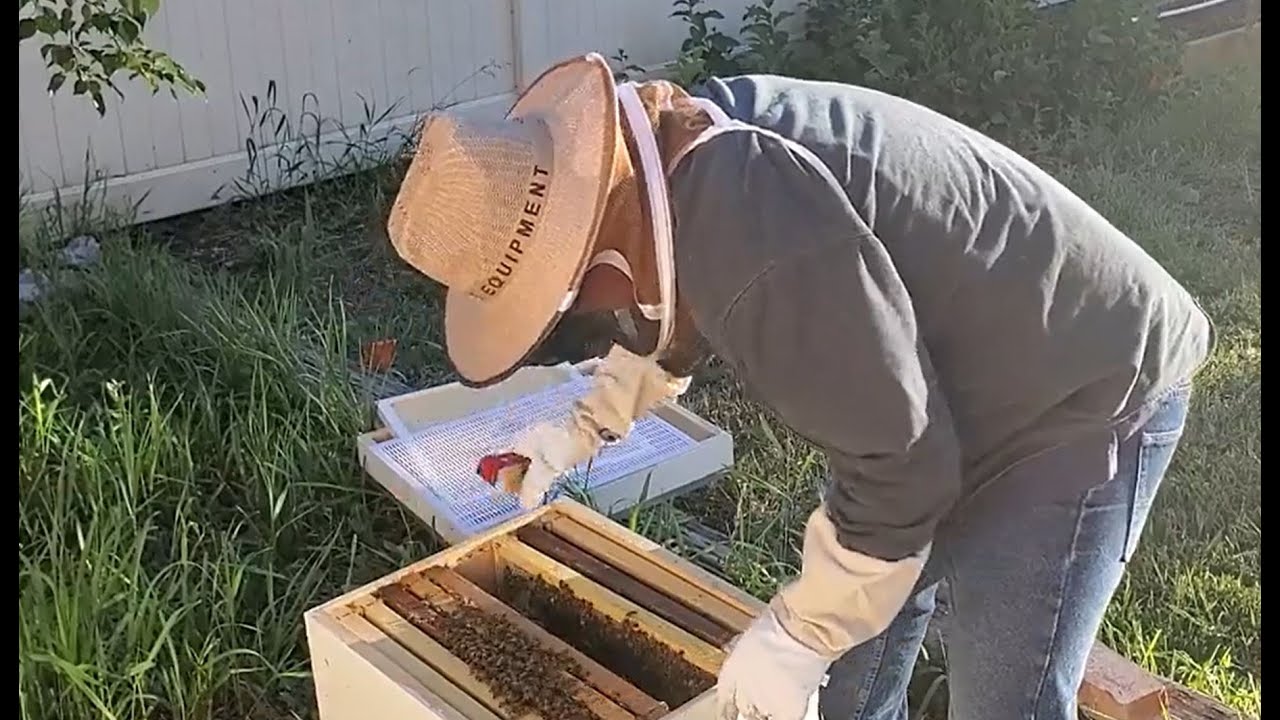
Effective management of pests and diseases is crucial for maintaining healthy honey bee colonies in organic beekeeping practices. Unlike conventional methods, organic pest and disease control emphasizes natural, sustainable, and biologically compatible strategies that safeguard bee health without relying on synthetic chemicals. Understanding the common threats to honey bees and implementing preventative and natural control measures are vital components of responsible organic apiculture.
Proper identification of pests and diseases, coupled with proactive habitat management and biological controls, helps minimize colony losses and promotes resilient bee populations. This section Artikels the primary pests and diseases affecting honey bees, explores organic control tactics, and emphasizes preventative measures to ensure thriving, healthy colonies in an organic setting.
Common Pests and Diseases Affecting Honey Bees
Honey bees are susceptible to a variety of pests and diseases that can significantly impair colony health if not properly managed. The most prevalent pests include Varroa mites, small hive beetles, and wax moths, while common diseases involve American foulbrood, European foulbrood, and Nosema. Recognizing these threats early is essential for implementing effective control measures.
Varroa destructor mites are particularly destructive, weakening bees by feeding on their hemolymph and transmitting viruses. Small hive beetles can infest colonies by damaging combs and stored honey, while wax moths primarily target hive materials, causing deterioration. Disease agents like foulbrood are bacterial infections that compromise brood development and can lead to colony collapse if untreated.
Natural Pest Management Procedures
Organic beekeepers prioritize biological controls and habitat management techniques to reduce pest infestations and disease prevalence. These approaches aim to create an environment that naturally suppresses pests while promoting overall colony resilience.
- Biological Controls: Introducing or encouraging beneficial organisms such as predatory mites that target Varroa mites, or utilizing naturally occurring pathogens like
-Ascosphaera apis* to combat hive beetles. - Mechanical Management: Regular hive inspections to remove infested frames, replace old or damaged combs susceptible to pests, and apply screened bottom boards to facilitate pest drop-off.
- Habitat and Hive Management: Maintaining clean, well-ventilated hives, minimizing debris, and avoiding excess moisture. Providing sufficient space discourages overcrowding, which can exacerbate pest issues.
- Biopesticides and Organic Treatments: Using approved organic substances such as formic acid or oxalic acid vapors, applied carefully and in accordance with organic standards, to control Varroa mites without synthetic chemicals.
Preventative Measures and Management Table
Preventative strategies are fundamental in organic beekeeping, aiming to reduce the likelihood of pest and disease outbreaks before they occur. Implementing a combination of these measures helps maintain colony health and productivity.
| Pest/Disease | Organic Control Tactics | Preventative Measures |
|---|---|---|
| Varroa Mites |
|
|
| Small Hive Beetle |
|
|
| Wax Moths |
|
|
| American Foulbrood |
|
|
| European Foulbrood |
|
|
| Nosema |
|
|
Harvesting and Processing Organic Honey
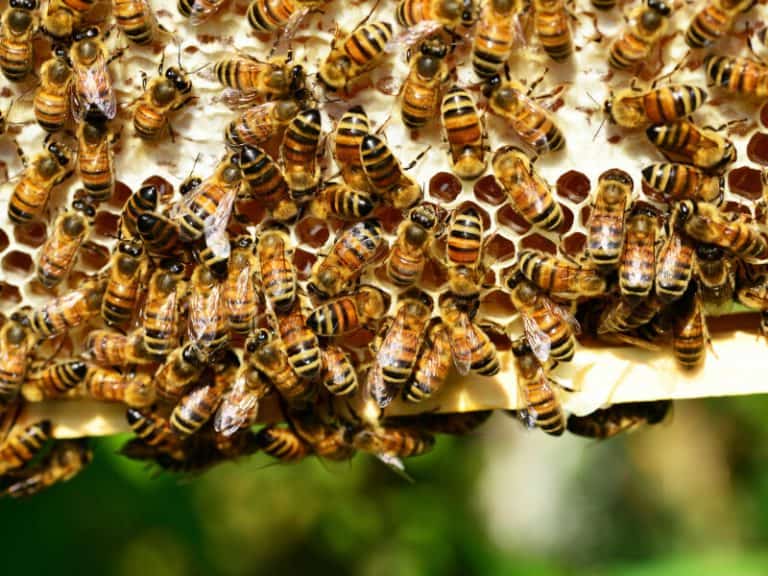
Harvesting organic honey requires meticulous techniques to ensure the purity and quality of the product are maintained without compromising the health of the hive. Proper handling during extraction and processing not only preserves the natural qualities of the honey but also aligns with organic standards that emphasize sustainability and environmental responsibility. Post-harvest procedures such as filtering, storage, and labeling are equally critical to uphold organic integrity and comply with certification requirements.
Implementing consistent and careful harvesting and processing methods ensures that the final product remains free from contaminants, retains its natural flavor and medicinal properties, and meets consumer expectations for organic honey. Attention to detail at each stage of the process contributes significantly to the success of organic beekeeping operations and sustains the health of the bees and their environment.
Honey Extraction Techniques
Efficient honey extraction involves removing honey from the hive in a manner that minimizes stress on the bees and prevents contamination. The process begins with opening the hive carefully to access the honey supers, which contain the honey-filled frames. Using sanitized tools, such as hive scrapers and uncapping knives, ensures that no external contaminants are introduced. The frames should be handled gently to avoid damaging the comb structure, which is vital for the bees’ health and hive sustainability.
Once the frames are removed, they are uncapped using a heated uncapping knife or fork, carefully removing the wax cappings to allow honey to flow freely during extraction. Mechanical extractors, such as centrifugal honey extractors, are commonly used to spin the frames and extract honey efficiently without damaging the combs. The extracted honey then flows into collection tanks or containers prepared beforehand.
Ensuring the hive remains intact and undisturbed during harvesting preserves the hive’s integrity and promotes ongoing honey production.
Filtering, Storage, and Labeling of Organic Honey
Post-harvest processing involves filtering honey to remove residual wax, pollen, and other debris, ensuring a clear and pure product. The filtration process should use food-grade, organic-compliant filters, such as fine mesh or nylon strainers, to retain beneficial pollen and enzymes while eliminating unwanted particles. Filtering should be done promptly after extraction to prevent fermentation or spoilage.
Proper storage of organic honey is essential to maintain quality and prevent contamination. Honey should be stored in clean, airtight, food-grade containers made from inert materials like glass or stainless steel. Containers must be clearly labeled with important information such as harvest date, batch number, and organic certification details, adhering strictly to organic labeling standards. Store honey in a cool, dry place away from direct sunlight to preserve its natural properties and prevent crystallization or fermentation.
The following procedural steps Artikel the honey harvesting and processing workflow:
- Carefully open the hive and remove honey supers, minimizing disturbance to the bees.
- Uncap the honey-filled frames using a heated uncapping knife or uncapping fork, removing all wax caps carefully.
- Place uncapped frames into a sanitized honey extractor and spin to extract honey efficiently.
- Collect the extracted honey in clean, food-grade containers, ensuring minimal exposure to potential contaminants.
- Filter the honey through fine mesh or nylon strainers to remove wax and debris, preserving pollen content if desired.
- Transfer filtered honey into storage containers, label with relevant information including organic certification details and harvest date.
- Store honey in a cool, dry environment, away from direct sunlight, until it is ready for packaging and sale.
End of Discussion
Mastering the principles of organic honey bee farming not only results in pure and high-quality honey but also supports bee health and environmental sustainability. By adhering to organic standards and practices, beekeepers can enjoy a rewarding and responsible approach to apiculture that benefits nature and consumers alike.