Learning how to raise queen bees is a vital aspect of ensuring the sustainability and productivity of a beekeeping operation. This process involves understanding the biological traits of queen bees, selecting the right colonies, and employing effective rearing techniques to cultivate strong, resilient queens. Mastering these skills not only enhances hive health but also contributes to the overall success of apiculture endeavors.
This comprehensive guide explores the essentials of queen bee rearing, from selecting suitable colonies and preparing the environment to applying various rearing techniques, caring for developing queens, and successfully introducing new queens into existing hives. With detailed steps, comparisons, and troubleshooting tips, beekeepers can confidently navigate each stage of the process to foster thriving colonies.
Understanding Queen Bee Rearing
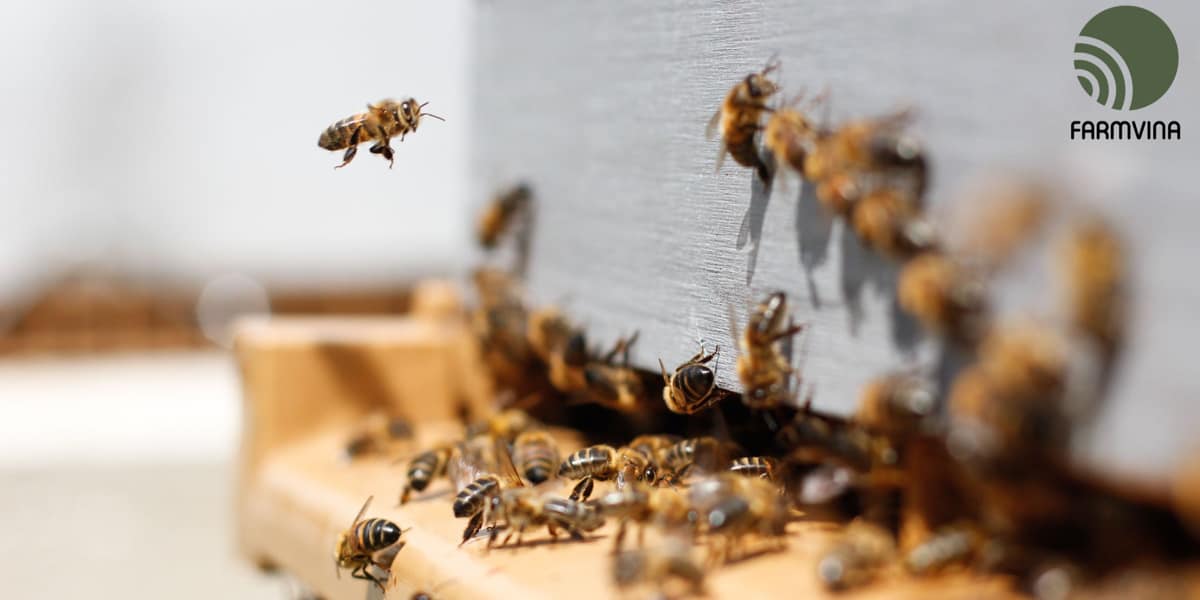
Queen bee rearing is a fundamental aspect of apiculture that significantly influences hive vitality, productivity, and sustainability. A thorough comprehension of the biological and behavioral traits of queen bees is essential to ensure successful rearing processes and the overall health of the colony. Recognizing the key characteristics that define a high-quality queen enables beekeepers to make informed decisions when selecting queens and managing hive dynamics.
Effective queen rearing involves not only understanding these traits but also implementing observation and assessment techniques that accurately gauge queen health. This knowledge empowers beekeepers to foster strong, resilient colonies capable of thriving in diverse environmental conditions, ultimately contributing to the sustainability and productivity of their apiaries.
Biological and Behavioral Traits of Queen Bees
Queen bees possess distinct biological and behavioral characteristics that set them apart from worker bees. These traits are vital for their role as colony reproductive leaders and influence their success in mating, egg-laying, and colony stability. Understanding these traits aids in identifying healthy queens and optimizing rearing practices.
| Trait | Explanation | Significance for Rearing |
|---|---|---|
| Size and Morphology | Queen bees are larger than worker bees, with a longer abdomen suited for egg-laying. | Size indicates maturity and health; a well-developed queen is essential for high egg production. |
| Spiraling Ovipositor | The queen’s reproductive organ is well-developed, allowing her to lay fertilized eggs efficiently. | Ensures successful reproduction and colony growth. |
| Behavioral Traits | Queens exhibit dominant behavior within the hive, including pheromone production that suppresses worker ovary development. | Maintains colony hierarchy and stability; the queen’s pheromones are vital indicators of her health. |
| Olfactory Pheromone Production | Queens emit specific pheromones that influence worker behavior and hive cohesion. | High-quality queens produce strong, consistent pheromone signals vital for colony health. |
| Mating Behavior | Queens mate during a brief period and store sperm for lifelong egg fertilization. | Successful mating ensures genetic diversity and robust colony development. |
| Lifespan | Queens typically live 2-5 years, with some exceptional queens reaching up to 7 years. | Lifespan impacts rearing decisions; selecting queens with longer productive periods enhances hive sustainability. |
Selecting Healthy, Robust Queens for Hive Success
The selection process for queens should prioritize health and robustness, as these qualities directly influence colony performance. Healthy queens are vigorous, exhibit strong fertility, and produce consistent pheromones that maintain hive harmony. Beekeepers often assess queens visually and behaviorally to determine their suitability for rearing or replacement.
Key indicators of a healthy queen include a well-rounded, undamaged abdomen; active, consistent egg-laying patterns; and strong pheromone emission. Evaluating these traits during hive inspections helps ensure that only the most capable queens are propagated, thereby strengthening the colony’s resilience against diseases, pests, and environmental stresses.
Assessing queen health involves observing her physical condition, egg-laying patterns, and pheromone activity to ensure optimal colony productivity and stability.
Methods for Observing and Assessing Queen Bee Health
Accurate assessment of a queen’s health requires careful observation and specific techniques that reveal her vitality and reproductive status. These methods enable beekeepers to make informed decisions about requeening, managing hive dynamics, and maintaining overall colony health.
- Visual Inspection of Physical Condition: Examine the queen for signs of damage, deformities, or abnormal size. A healthy queen should have a smooth, intact exoskeleton and a proportionate body size.
- Egg-Laying Pattern Evaluation: Inspect the brood frames for a consistent and even pattern of eggs and larvae. A thriving queen lays eggs in a well-distributed manner, filling her combs without gaps or irregularities.
- Pheromone Activity Assessment: Observe worker bees’ behavior and hive odor to gauge the strength of pheromone signals. Strong, uniform pheromone presence indicates a healthy queen.
- Larval and Brood Viability Tests: Check for healthy, developing larvae with no signs of disease or deformities, indicating the queen’s successful fertilization and sperm viability.
- Behavioral Observation: Watch for signs of queen activity such as escorting by worker bees and her central placement within the hive. Active and well-positioned queens denote good health and reproductive capability.
These assessment techniques, combined with consistent monitoring, ensure that beekeepers can identify queens that will sustain and improve hive performance. Early detection of health issues allows for timely intervention, ultimately contributing to the long-term success of the apiary.
Selecting and Preparing for Queen Rearing
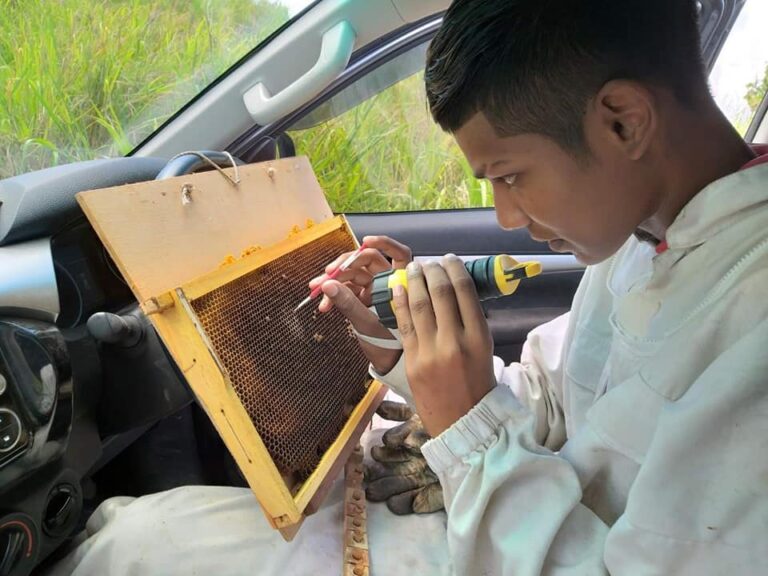
Successful queen rearing begins with the careful selection of suitable colonies and worker bees that possess strong genetics, health, and vigor. Proper preparation ensures that the rearing environment is optimal, increasing the likelihood of producing high-quality queens. This stage is crucial for beekeepers aiming to expand their apiary or improve colony traits effectively.
Choosing the right colonies involves assessing certain characteristics such as queen age, colony strength, and honey flow activity. Equipping oneself with the necessary tools and establishing the ideal environment further enhances the chances of successful queen rearing. Attention to timing and environmental conditions ensures that the process aligns with seasonal and biological cycles, maximizing the survival and development rate of the queens.
Choosing Suitable Worker Bees or Colonies
Identifying colonies with strong, healthy, and productive queens is essential. Preferably, select colonies that have recently swarmed or have a proven record of vigorous brood rearing. Young, mated queens tend to produce better queens, so inspecting colonies for recent queen emergence or signs of queen cells can guide selection. Healthy colonies with ample food stores and robust brood patterns are ideal candidates for rearing queens.
When choosing colonies, consider the age and temperament of the existing queen, avoiding colonies with signs of disease or pests. It is advisable to work with colonies that are actively expanding or producing surplus bees, as this ensures a plentiful supply of nurse bees necessary for rearing new queens. Maintaining genetic diversity and desired traits within the apiary are additional factors to consider during selection.
Tools, Materials, and Environment for Successful Queen Rearing
Effective queen rearing requires a set of specialized tools and materials to facilitate tasks such as grafting, cell construction, and hive management. Essential tools include grafting frames, queen cups, a grafting needle, and queen rearing boxes. Materials such as cells, feed supplements, and pheromone strips help stimulate queen development and encourage acceptance.
The environment plays a significant role; a clean, dry, and well-ventilated apiary location minimizes disease and pests. Ensuring stable temperatures—ideally between 32°C and 34°C (89.6°F – 93.2°F)—and adequate humidity supports brood development. Providing a consistent nectar flow and avoiding disturbances during the rearing period are vital for healthy queen development.
Optimal conditions include: temperature between 32°C-34°C, relative humidity around 50-60%, minimal environmental vibrations, and access to abundant nectar sources.
Optimal Timing and Conditions for Initiating Queen Rearing
Timing plays a critical role in the success of queen rearing. Initiate the process during periods of active nectar flow when colonies are strong and queens are actively laying. The best times are typically late spring to early summer or early fall, depending on the local climate.
Ideal conditions include warm temperatures, abundant forage, and a healthy colony population with sufficient brood frames. Avoid initiating queen rearing during adverse weather conditions such as heavy rain or cold snaps, which can impede brood development and queen survival. Planning according to local seasonal patterns ensures that queens have ample time to mature and establish before winter or the next nectar flow.
Queen Rearing Methods Comparison
| Method | Advantages | Disadvantages |
|---|---|---|
| Grafting |
|
|
| Nucleus Nucs |
|
|
| Kitten or Cell Builder |
|
|
Techniques for Raising Queen Bees
Effective queen rearing is fundamental to the sustainability and productivity of any apiary. Various techniques have been developed to facilitate the successful emergence of healthy, vigorous queens suitable for mating and colony expansion. Understanding these methods allows beekeepers to choose the most appropriate approach based on resources, experience, and specific goals.
Among the primary techniques for raising queens are selection of natural methods, controlled cell builder systems, and modern artificial insemination approaches. Each method has distinct procedures, advantages, and considerations that influence their application in diverse beekeeping contexts.
Cell Builder Methods
Cell builder techniques involve establishing specialized hive setups that promote the production of multiple queen cells simultaneously. This method is widely used by beekeepers aiming for large-scale queen production with minimal artificial intervention. It emphasizes mimicking natural swarm cell construction, providing the bees with an environment conducive to queen rearing.
To implement a cell builder method, the beekeeper typically provides a young, vigorously brood-nest with ample nurse bees and ensures the colony has access to fresh pollen and nectar. A frame with open brood, preferably in the early larval stage, is transferred into the queenless cell builder hive. The colony, being queenless, responds by raising new queens, selecting larvae less than 24 hours old, and constructing queen cells around them.
Once queen cells are built, they are carefully transferred to mating nuclei or mini-nuclei to facilitate queen emergence. The entire process requires diligent monitoring to prevent cell damage and ensure the health of emerging queens.
Jenter Cage Method
The Jenter system provides a controlled environment for raising queens, combining traditional queen rearing with modern hardware. It consists of a plastic frame with removable queen cells and is designed to facilitate easy larval transfer and queen cell management.
The procedure involves grafting young larvae into the small cups within the Jenter tray, which are then placed into a queenless colony. The colony responds by constructing queen cells around the grafted larvae. After a specified period, the queen cells are carefully removed and transferred into mating nucs for maturation.
The advantages of the Jenter system include reduced risk of damage during transfer, enhanced control over larval age, and streamlined management. This method is particularly suitable for beekeepers seeking consistent results with less manual labor involved in larval handling.
Artificial Insemination
Artificial insemination (AI) represents the most controlled and precise method for queen rearing. It involves collecting semen from selected drones and manually inseminating a queen in a laboratory setting or in the field.
The process begins with the collection of drone semen, which is then stored in a microinjector. A queen, typically young and healthy, is restrained, and the semen is carefully deposited into her spermatheca using specialized equipment. This technique allows for selective breeding, combining desirable traits such as disease resistance, temperament, and productivity.
Artificial insemination requires significant technical skill, equipment, and laboratory facilities but offers unparalleled control over genetic lineage. It is often employed by breeders aiming to improve specific traits within their colonies or develop advanced breeding lines.
Creating Queen Cells and Larval Transfer Procedures
Successful queen rearing hinges on the ability to produce high-quality queen cells and accurately transfer larvae to suitable cells or queen cups. The process begins with selecting larvae in their earliest stages, ideally less than 24 hours old, as they are most receptive for grafting.
Grafting involves carefully transferring these tiny larvae into specialized queen cups or grafting frames using a fine, sterilized tool. The grafted frames are then placed into a queenless colony, which provides the nurse bees and resources necessary for queen development. During this period, maintaining optimal hive conditions—including temperature, humidity, and ample food supply—is critical to ensure proper larval nourishment and development.
Once the queen cells are fully formed and mature, they are cut from the grafting frame with minimal disturbance and transferred into mating nuclei or mating boxes. Handling should be gentle to prevent damaging the cell structures or larvae, which could compromise the health of the emerging queens.
Comparison of Natural and Artificial Queen Rearing Techniques
| Criteria | Natural Queen Rearing | Artificial Queen Rearing |
|---|---|---|
| Process | Relies on the colony’s innate ability to produce queen cells, typically during swarming or supersedure. The beekeeper provides minimal intervention, allowing bees to select larvae and build queen cells naturally. | Involves manual grafting or larval transfer into controlled environments, with precise management of larval age and queen cell construction. Techniques include cell builder methods, Jenter cages, or laboratory insemination. |
| Control Over Selection | Limited, as colony chooses larvae based on natural cues. Genetic selection is indirect and depends on queen and colony health. | High, especially with artificial insemination, enabling breeders to select specific genetic traits and mates deliberately. |
| Efficiency | Variable; depends on colony readiness and environmental conditions. Can be slower and less predictable. | More consistent and scalable, suitable for large-scale queen production and breeding programs. |
| Equipment Needs | Minimal; primarily requires space for colonies and basic hive management tools. | Specialized equipment such as grafting tools, queen cages, and insemination apparatus. |
| Genetic Control | Limited to queen’s genetics; less control over mating. | Extensive control, especially with insemination, allowing for selective breeding and trait improvement. |
| Suitability | Ideal for hobbyists and backyard beekeepers interested in natural bee behavior. | Preferred by professional breeders and researchers aiming for specific genetic outcomes. |
Maintaining Hive Conditions During Queen Development
Optimal hive conditions are crucial to ensure the successful development of queens from larvae to mature, mated queens. Temperature, humidity, and nutrition play vital roles throughout this process.
Temperature should be maintained around 34-35°C (93-95°F) to mimic natural brood rearing conditions, preventing developmental anomalies. Humidity levels should be kept consistent to facilitate proper larval growth and prevent desiccation or mold formation.
Provisioning the colony with ample pollen and nectar ensures sufficient nutrition, which directly affects the quality and vitality of developing queens. Maintaining a strong, healthy colony with adequate nurse bees supports the care and protection of queen cells during their development.
Environmental stability, minimal disturbance, and diligent monitoring are fundamental to achieving high success rates in queen rearing endeavors.
Feeding and Caring for Developing Queens
Effective feeding and diligent care of developing queen bees are crucial components in ensuring strong, healthy queens capable of establishing and maintaining productive colonies. Proper nutrition during the larval and pupal stages directly influences the queen’s vitality, longevity, and reproductive success. By understanding specific feeding protocols and maintaining optimal hive conditions, beekeepers can significantly improve queen rearing outcomes.
Careful monitoring of hive environment parameters such as temperature, humidity, and food availability ensures that developing queens receive the ideal conditions for healthy growth. Adjustments in feeding strategies and hive management practices are essential to accommodate the different needs during various stages of queen development, reducing the risk of malnourishment or developmental issues that could compromise queen quality.
Feeding Protocols for Larval and Pupal Stages
During the larval stage, providing high-quality nutrition is fundamental for robust queen development. Supplements should be introduced early, with a focus on ensuring continuous access to suitable food sources that support rapid growth. As the larvae transition into pupal stages, maintaining consistent feeding and optimal hive conditions prevents stress and promotes healthy pupation.
Feeding schedules should be adapted to the specific needs of each development phase, with increased attention to the quality and timing of supplements to avoid developmental delays or deformities.
Types of Supplements and Timing
Larval nutrition primarily depends on royal jelly, which is naturally produced by worker bees. In artificial queen rearing, supplemental feeding involves providing fresh, high-quality royal jelly or specially formulated protein patties designed for queen larvae. These supplements should be introduced immediately upon egg hatching to support rapid cell development and larval growth.
During the pupal stage, it is essential to maintain sufficient nourishment indirectly by ensuring the brood nest remains free of disturbances and providing the bees with adequate pollen and nectar stores. This ensures the colony can synthesize royal jelly in sufficient quantities for ongoing larval nutrition if needed.
Monitoring and Adjusting Hive Conditions
Consistent observation of the hive environment is vital for fostering healthy queen development. Temperature should be maintained around 34-35°C (93-95°F), with humidity levels kept between 50-60%. Any deviation from these parameters can hinder larval growth or cause developmental deformities. Regularly inspecting the brood frames for uniformity and signs of improper growth allows early detection of issues.
Adjustments such as supplemental feeding, regulating hive ventilation, or controlling temperature using hive covers or fans can optimize conditions. Ensuring that the colony has sufficient pollen and nectar stores prevents nutritional deficiencies that could impair queen development.
Signs of Proper or Improper Queen Larva Growth
Recognizing the signs of healthy or unhealthy queen larvae helps beekeepers intervene promptly. Proper growth indicates:
- Uniform, well-formed larval cells with plump, pear-shaped larvae sitting at the bottom of cells
- Consistent royal jelly secretion visible within the cells
- Rapid development with no signs of stunting or discoloration
Indicators of improper growth include:
- Larvae that appear shriveled, discolored, or sunken
- Irregularly shaped or deformed larvae
- Delayed development or failure to pupate within expected timeframes
- Uneven brood pattern with dead or deadened larvae
Feeding Schedule Aligned with Queen Development Stages
| Development Stage | Timing | Feeding Protocol |
|---|---|---|
| Egg to Larva | Day 1–4 after oviposition |
|
| Larva Growth | Day 4–7 |
|
| Pupal Stage | Day 7–16 |
|
| Emergence | Day 16–17 | Maintain optimal hive environment to support emergence and initial queen activity |
Introducing and Managing New Queens
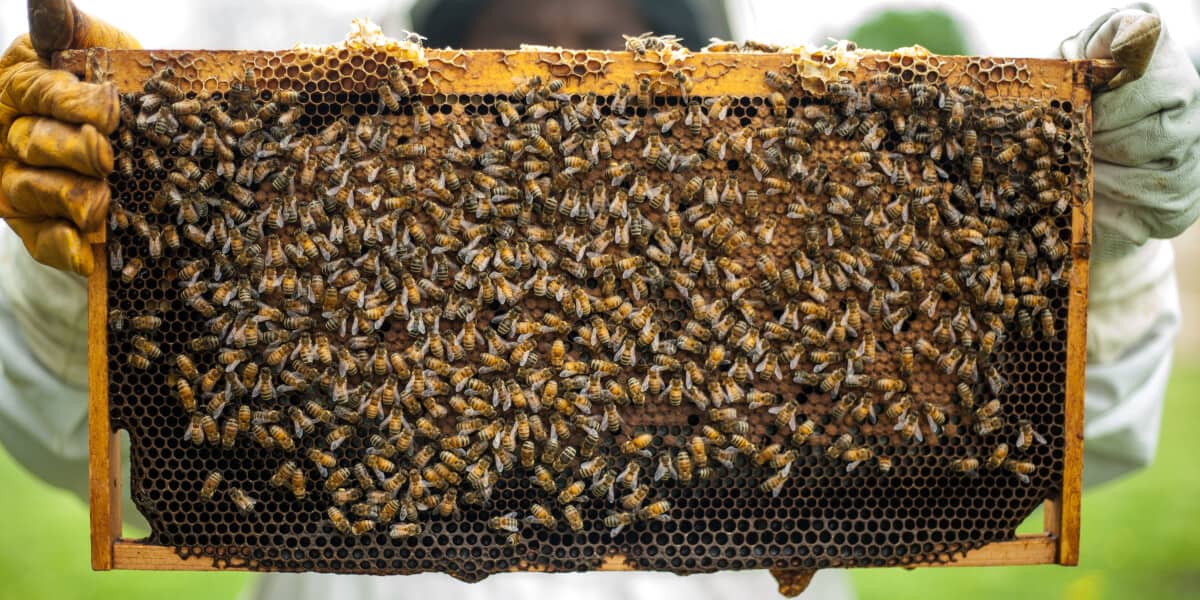
Efficiently introducing a new queen into an existing hive or nucleus is a critical step in maintaining colony health and productivity. Proper management ensures that the colony accepts the new queen willingly, avoids rejection or supersedure, and minimizes the risk of damage to queen cells during transfer processes. Understanding the best practices and techniques involved in queen introduction can significantly influence the success rate of establishing a healthy, laying queen within your hive.Introducing a new queen involves delicate procedures designed to facilitate acceptance by the worker bees while preventing aggression or rejection.
It is essential to choose the appropriate method based on the colony’s condition, the type of queen (e.g., mated or virgin), and environmental factors. Proper handling of queen cells and carefully timed introductions help mitigate risks related to queen rejection or supersedure, ensuring a seamless transition that supports colony stability and productivity.
Procedures for Introducing New Queens into Existing Colonies or Nucs
Introducing a new queen requires precision and patience to foster acceptance. The procedure begins with selecting the appropriate queen, such as a mated and young queen, or a virgin queen if the colony has recently lost its previous queen. The introduction process typically involves the following steps:
- Preparation of the Colony: Ensure the hive is healthy, with a strong worker population that is receptive to accepting a new queen. Remove any existing queen cells or queen right issues if necessary.
- Selection of Queen Introduction Method: Choose between direct introduction, using a queen cage, or introducing through a nucleus (nuc).
- Placement of the Queen: For queen cages, position the cage within the brood nest, often with a candy plug to allow worker bees to feed her gradually. For direct releases, gently place the queen on the combs, ensuring she does not fall or get injured.
- Monitoring and Adjustment: Observe the hive over the following days for signs of acceptance, such as worker bees tending to the queen and no aggression or rejection behaviors.
Methods to Ensure Acceptance and Prevent Queen Rejection or Supersedure
Acceptance of a new queen hinges on minimizing stress and providing the worker bees with cues to recognize her as their own. The following methods have proven effective:
- Using Queen Cages with Candy Plugs: Placing the queen in a cage with a candy plug allows worker bees to feed her gradually, facilitating acceptance by giving them time to familiarize themselves with her scent.
- Introducing the Virgin Queen at Night: Nighttime introduction reduces activity levels and allows worker bees to settle and accept the queen with minimal disturbance.
- Incorporating the Queen with Marking or Scent: Marking the queen or applying a scent from the colony to her can improve recognition and acceptance, reducing rejection tendencies.
- Time Management: Allowing sufficient time, typically 24-48 hours, before opening the hive further ensures that worker bees have adequately accepted the queen.
Successful acceptance depends on reducing stress and aligning cues between the queen and worker bees, which can be optimized through proper timing and handling techniques.
Handling Queen Cells to Avoid Damage
Queen cells are delicate structures that house developing queens. Damage to these cells during transfer or management can compromise queen development or lead to colony rejection. Proper handling involves:
- Using appropriate tools, such as a soft brush or hive tool, to gently lift and transport queen cells, avoiding excessive pressure or jolting.
- Minimizing the duration that queen cells are exposed outside the hive environment to prevent desiccation or damage.
- Transporting queen cells in secure, well-ventilated containers that provide stability and prevent jostling during movement.
- Inspecting queen cells carefully before installation, ensuring they are healthy, undamaged, and properly oriented to prevent breakage during placement.
Comparative Table of Queen Introduction Techniques and Their Success Rates
To better understand the effectiveness of various methods, the following table summarizes common queen introduction techniques along with typical success rates based on empirical studies and beekeepers’ experience:
| Technique | Overview | Success Rate | Advantages | Disadvantages |
|---|---|---|---|---|
| Queen Cage with Candy Plug | Insert queen in a cage with candy to allow gradual acceptance. | 85-95% | High acceptance, minimizes rejection, allows worker bees to get familiar with the queen’s scent. | Longer integration period, requires careful handling. |
| Direct Introduction | Place the queen directly into the brood area. | 60-80% | Quick, simple method, minimal equipment. | Higher rejection risk, potential for aggressive behavior. |
| Introduction at Night | Introduce the queen during evening hours when activity is low. | 80-90% | Increases chances of acceptance, reduces aggression. | Requires precise timing and attention to hive conditions. |
| Using a Queen Excluder or Entrance Feeder | Contain the queen temporarily in a cage or compartment within the hive. | 75-90% | Prevents the queen from roaming and reduces rejection. | Additional equipment needed, may delay acceptance. |
Troubleshooting and Common Challenges
Successful queen rearing is essential for maintaining a healthy, productive hive. However, various challenges can impede the development of strong, viable queens. Recognizing and addressing these issues promptly is critical to ensure the sustainability of your beekeeping operations. This section provides an overview of common problems encountered during queen rearing, along with practical solutions and preventative strategies to mitigate their impact.
Understanding and quickly responding to issues such as disease outbreaks, larval mortality, and queen rejection can significantly improve success rates. Beekeepers should develop keen observation skills to identify early warning signs and implement appropriate interventions. The following subsections detail common challenges and offer structured troubleshooting steps to facilitate effective management during the queen rearing process.
Common Challenges in Queen Rearing and Solutions
During the queen rearing process, several issues may arise that threaten the health and development of the queen bees. These problems often stem from environmental stressors, disease, or management errors. Recognizing these challenges early and applying targeted remedies can prevent significant setbacks.
- Disease and Parasite Infestation: Diseases such as American foulbrood (AFB), European foulbrood (EFB), or Varroa mite infestations can severely compromise larval survival and queen health. Signs include discolored or sunken brood, sticky brood frames, and abnormal mite counts. Regular health checks and integrated pest management are essential.
- Poor Larval Survival: Factors contributing to larval mortality include incorrect temperature regulation, inadequate queen cell care, or contamination. Ensuring proper hive ventilation, maintaining optimal humidity, and sanitizing equipment reduce risks.
- Queen Rejection or Acceptance Failure: Worker bees may reject a new queen due to prior negative experiences, incorrect introduction methods, or poor queen quality. Observing bee behavior post-introduction, providing enough time for acceptance, and selecting healthy, well-mated queens curb this challenge.
Solutions and Preventative Measures
Applying effective solutions and preventative practices can significantly enhance queen rearing success. The following strategies are recommended for each common challenge:
- Disease Management: Regularly inspect colonies for symptoms of brood disease and parasites. Use appropriate treatments such as oxytetracycline for foulbrood or thymol for Varroa mites. Practice strict hygiene by sterilizing tools and replacing contaminated combs.
- Poor Larval Survival: Maintain precise temperature control within the hive, typically around 34-35°C for brood rearing. Use fresh, uncontaminated larvae, and avoid disturbing the hive during critical larval development stages. Ensure bees have ample pollen and nectar stores to support nutrition.
- Queen Acceptance and Introduction: Introduce queens using gentle acceptance methods, such as cage introductions with candy plugs, allowing worker bees time to familiarize themselves. Remove existing queens before introducing new ones to reduce rejection risk. Select queens with good mating history and genetic vigor.
Critical Observations Indicating Problems in Queen Development
Early detection of issues in queen development relies on keen observation. The following signs can indicate underlying problems:
- Abnormal Brood Patterns: Irregular or patchy brood, sunken or discolored cells may suggest disease or queen infertility.
- Low Larval and Pupal Counts: Decline in brood area can signal larval mortality or queen rejection.
- Worker Behavior: Aggression towards the queen, increased drone activity, or abandonment of queen cells may reflect rejection or stress.
- Queen Absence or Poor Appearance: If a newly introduced queen is missing or presents physical deformities, re-evaluate your rearing and introduction methods.
Troubleshooting Flowchart
| Issue | Observation | Initial Action | Further Steps |
|---|---|---|---|
| Disease detected in brood | Discolored brood, sunken cells | Isolate affected colony, treat for disease | Sanitize equipment, replace contaminated combs, monitor for recurrence |
| Poor larval survival | Few larvae or empty cells in queen cups | Check hive temperature, nutrition, and cleanliness | Adjust environmental conditions, reintroduce larvae if necessary |
| Queen rejected or not accepted | Worker bees ignore or attack introduced queen | Ensure queen is healthy and well-mated, reintroduce with a cage method | Observe acceptance over 48-72 hours, replace if rejection persists |
| Irregular brood pattern | Patchy or uneven brood distribution | Inspect for disease or queen issues | Replace queen if infertility or disease is confirmed |
Final Conclusion
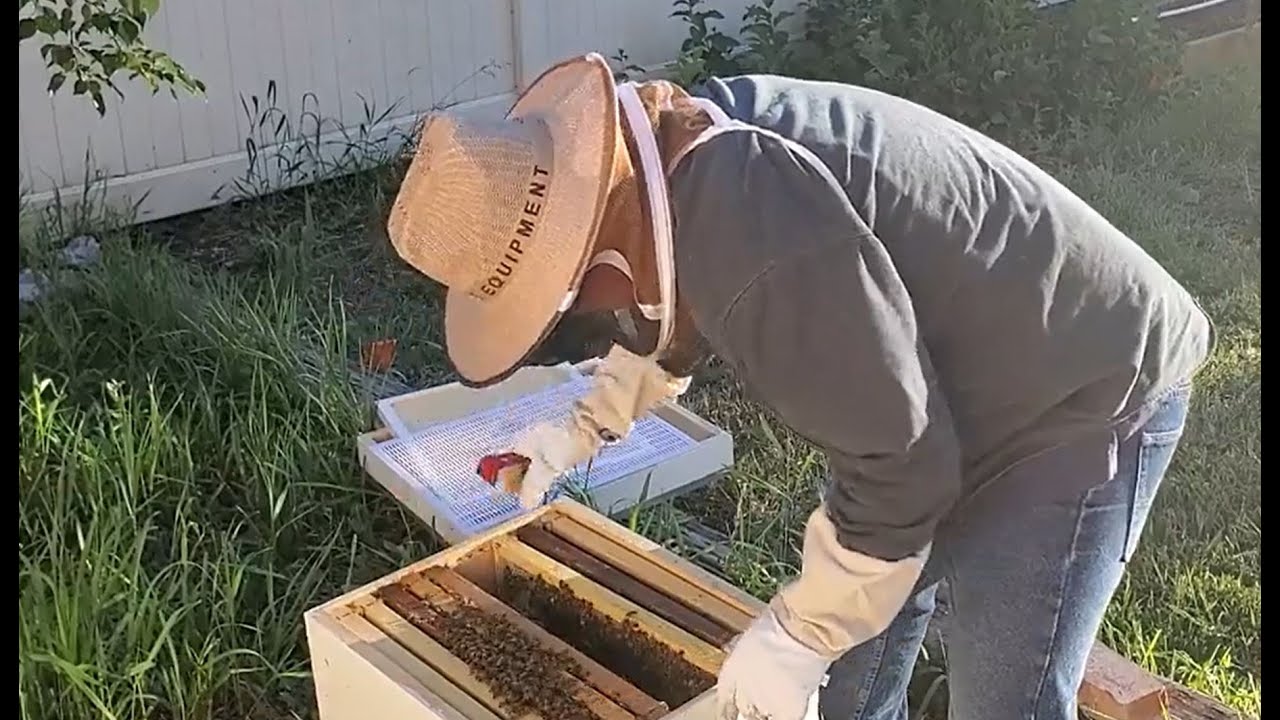
In conclusion, mastering how to raise queen bees is a rewarding endeavor that significantly impacts hive vitality and honey production. By understanding the biological traits, employing proper techniques, and proactively managing potential challenges, beekeepers can ensure the development of healthy, productive queens. This knowledge empowers beekeepers to sustain strong colonies and contribute positively to the broader beekeeping community.