How to relocate a beehive is a vital process for beekeepers and enthusiasts aiming to move their colonies without causing stress or harm. Proper planning and execution are essential to ensure the safety of the bees and the success of the new hive placement. This guide provides comprehensive insights into the methods, tools, and precautions necessary for a smooth and responsible hive relocation.
Understanding the various techniques and steps involved allows beekeepers to minimize risks, adhere to legal requirements, and ensure the health and productivity of their colonies during the move. From preparing the hive and selecting an appropriate site to transporting and reestablishing the colony, each phase is crucial for a successful transition.
Understanding the Basics of Beehive Relocation
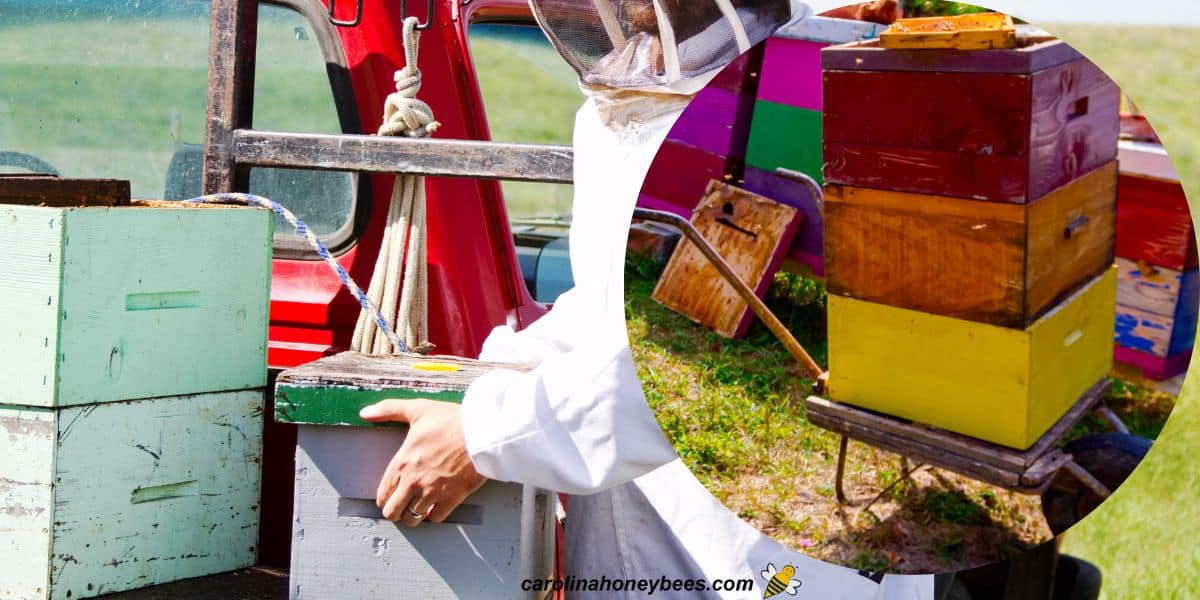
Relocating a beehive is a task that requires careful planning and an understanding of the essential procedures involved. Whether moving the hive to a more suitable location for better foraging, safety, or environmental reasons, it is vital to approach the process with knowledge to ensure the health and safety of the bee colony. Properly executed, hive relocation can minimize stress for the bees and prevent conflicts with humans or predators, promoting a healthy and productive hive in its new environment.
There are various reasons why beekeepers or property owners may decide to relocate a hive, including urban development, pesticide exposure, or the need for a more favorable forage area. Different types of hives are suitable for relocation based on their design and structure, such as traditional Langstroth, top-bar, or Warre hives. Each type has specific considerations for safe movement, demanding an understanding of their unique features.
Observing safety precautions before moving a hive is crucial for protecting both the bees and the individuals involved, reducing the risk of stings, hive damage, or accidental exposure to hive components.
Reasons for Relocating a Beehive
Relocating a beehive can be driven by various factors that impact the hive’s health, safety, or productivity. Urban expansion might force beekeepers to move hives away from construction zones or busy roads to reduce the risk of disturbance and ensure the safety of both humans and bees. Environmental concerns, such as proximity to pesticides or pollution, often necessitate hive relocation to areas with better foraging resources and lower chemical exposure.
Additionally, hive placement may need adjustment to optimize sunlight exposure, wind protection, or accessibility for maintenance and harvesting activities.
Types of Beehives Suitable for Relocation
Understanding which hive types are best suited for relocation is essential for a smooth transfer process. Different hive designs offer various advantages and challenges during movement. The most common types include:
- Langstroth Hives: Recognized for their modular design and stackable boxes, Langstroth hives are widely used and relatively straightforward to move. Their removable frames facilitate easier handling and inspection during relocation.
- Top-Bar Hives: Comprising horizontal or vertical structures with accessible bars on top, these hives are lightweight and simple, making them convenient for manual moving. Their open design reduces the risk of frame damage during transport.
- Warre Hives: These vertical hives resemble small pyramids or boxes with removable boxes, often requiring careful handling due to their shape and weight. Their compact design can be advantageous for smaller colonies.
Each hive type demands specific considerations, such as securing frames, protecting hive entrances, and ensuring the colony remains undisturbed during the move. Evaluating the hive’s size, weight, and construction material can inform the best approach for safe relocation.
Safety Precautions Before Moving a Beehive
Prioritizing safety before initiating hive relocation is essential to prevent injuries and ensure the wellbeing of the colony. Several precautions should be observed to mitigate risks during the process:
- Protective Clothing: Wear appropriate protective gear, including a bee suit, gloves, and a veil, to prevent stings during handling and transport.
- Timing the Move: Choose a time when bees are less active, typically early morning or late evening, to minimize their defensive behavior and stress.
- Assess Weather Conditions: Plan the move during calm, dry weather, avoiding windy or rainy days that can agitate the bees or complicate handling.
- Secure the Hive: Ensure the hive is properly sealed and stabilized with straps or protective covers to prevent accidental opening or damage during transit.
- Prepare Transportation: Use a secure vehicle or trailer that provides adequate ventilation, stable support, and protection from external elements to reduce stress on the hive.
- Limit Disturbance: Handle the hive carefully, minimizing vibrations and shocks that could disrupt the colony or damage combs.
Adhering to these safety precautions facilitates a smooth, low-stress transfer for the bees while protecting human handlers from potential stings or injuries. Proper planning and safety measures lay the foundation for a successful hive relocation.
Planning the Beehive Move
Relocating a beehive requires careful planning to ensure the health and productivity of the colony are maintained. Selecting the right new site, assessing its environmental suitability, and understanding the legal considerations are fundamental steps in a successful hive transfer. A well-thought-out plan minimizes stress on the bees and maximizes their chances of thriving in their new environment.
Thorough preparation before moving the hive can prevent common issues such as disorientation, exposure to unfavorable conditions, or legal complications. This section guides beekeepers through the essential aspects of planning, emphasizing the importance of choosing an optimal location and understanding relevant regulations.
Selecting an Appropriate New Location for the Hive
Choosing the right site for relocating a beehive is crucial for the colony’s health, safety, and productivity. An ideal location should mimic the bees’ natural environment as closely as possible while ensuring accessibility and safety for both the bees and nearby residents or activities. Consideration of factors such as sunlight, wind protection, nearby water sources, and forage availability will significantly influence the hive’s success in its new setting.
When selecting a new site, assess its proximity to sources of nectar and pollen, ensuring the bees will have access to ample foraging opportunities throughout the season. The location should also be free from excessive human traffic, pets, or potential disturbances that could stress the colony. Additionally, the hive should be placed in a shaded spot during the hottest parts of the day to prevent overheating and to provide some protection from strong winds that could disturb the bees or damage the hive.
Assessing Environmental Suitability of the New Site
Environmental assessment involves evaluating multiple factors that impact bee health and hive stability. A comprehensive analysis ensures the chosen location supports the bees’ needs and minimizes risks.
- Sunlight Exposure: The hive should receive morning sunlight to warm the colony early in the day, promoting activity, but should be shaded during peak afternoon hours to prevent overheating.
- Wind and Weather Conditions: Select a site sheltered by natural windbreaks such as trees, shrubs, or fences to reduce stress from strong gusts and extreme weather conditions.
- Accessibility and Safety: Ensure the site is accessible for hive installation, regular inspections, and honey harvests, while also being safe from predators and vandalism.
- Proximity to Water: A nearby water source is essential for hive health, providing hydration for the bees and assisting in hive cooling during hot weather.
- Forage Resources: The site should be within a reasonable distance—ideally 2-3 miles—from abundant flowering plants to support foraging activities.
“A site with diverse and plentiful forage, adequate sunlight, and protection from harsh weather greatly enhances hive resilience and productivity.”
Legal Permits and Regulations for Hive Relocation
Compliance with local regulations and obtaining necessary permits are vital steps before relocating a beehive. Different regions and municipalities have specific laws aimed at protecting pollinators and public safety. Failing to adhere to these can result in fines, removal orders, or legal complications.
Beekeepers should begin by consulting local agricultural or environmental authorities to determine the requirements for hive relocation. Some jurisdictions mandate notification of authorities, registration of the hive, or adherence to specific setback distances from property lines and public spaces.
Additionally, consider restrictions related to protected areas, conservation zones, or heritage sites where hive movement may be prohibited or require special permissions. Conducting thorough research and obtaining all necessary documentation prior to the move ensures a smooth transition and legal compliance, fostering good relationships with local communities and authorities.
Tools and Equipment Needed for Relocation
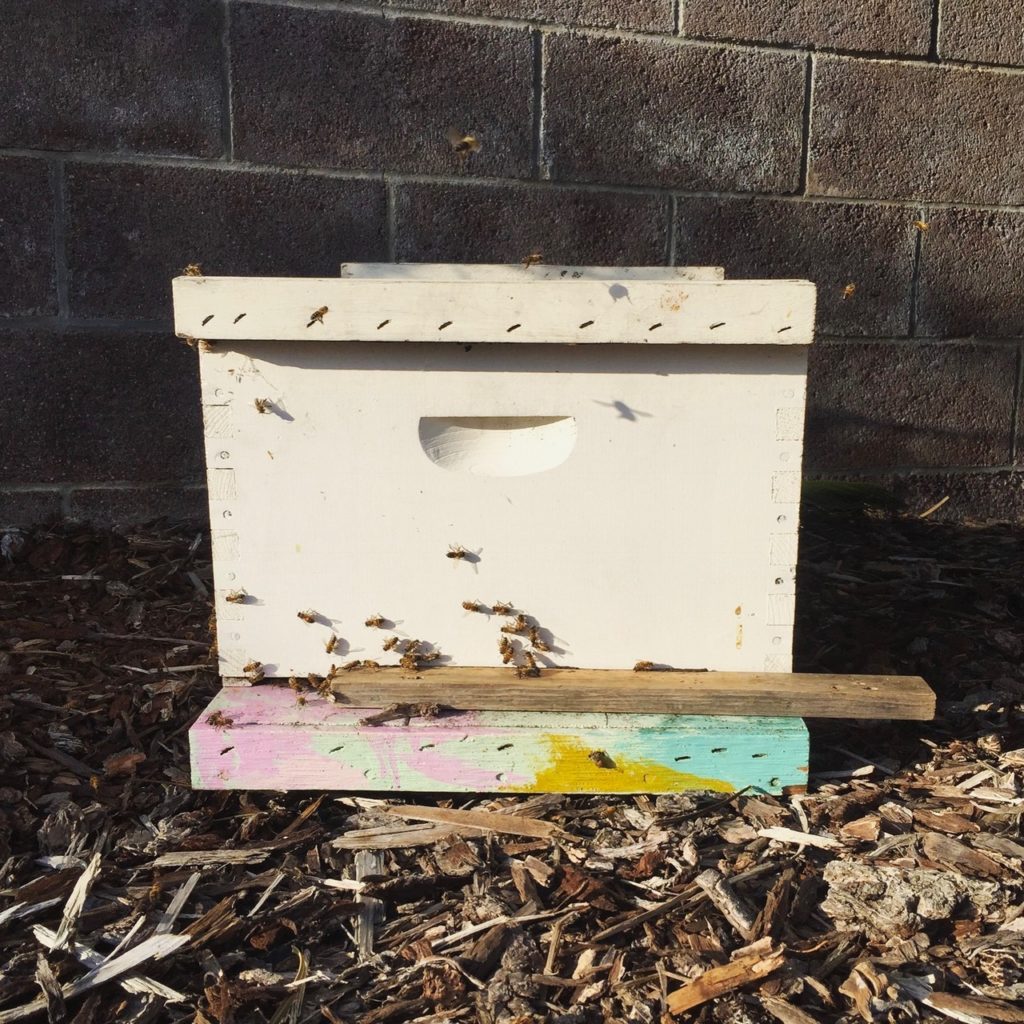
Relocating a beehive requires careful preparation and the right set of tools to ensure the safety of both the bees and the handler, as well as the integrity of the hive during transport. Proper equipment minimizes stress on the colony, prevents damage, and streamlines the moving process. Having the correct tools on hand is essential for a smooth and successful hive relocation, whether you are moving a single hive or multiple colonies over a considerable distance.To facilitate a safe and efficient move, beekeepers must gather specific tools designed for hive handling, personal safety, and transport.
These tools not only aid in the physical aspects of moving but also help in minimizing disturbance to the bees and reducing the risk of injuries. Preparing the equipment properly before starting the process ensures that each step of the relocation proceeds without unnecessary delays or hazards.
Essential Tools and Protective Gear
The core of hive relocation equipment consists of both specialized tools for handling the hive components and protective gear to guard against stings and other risks. Here is an Artikel of the most vital items:
- Hive Tool: A resilient, flat-edged metal tool used for prying apart hive components, scraping propolis, and lifting frames. It is indispensable for managing hive boxes and frames without causing damage.
- Bee Smoker: A device that emits cool smoke to calm the bees during hive manipulation. Properly used, it reduces aggressive behavior and makes handling safer.
- Protective Clothing: Includes a beekeeping suit with a veil, gloves, and boots, designed to minimize the chance of stings during handling. Full-body suits with veils are preferred for added protection in sensitive situations.
- Hive Frames and Containers: Sturdy, stackable transport boxes or carriers designed specifically for beehives. These are used to safely contain and move frames, bees, and honey stores.
- Transport Vehicle or Container: A secure, ventilated container or vehicle designed to hold the hive during transit, protecting it from external elements and vibrations.
Comparison of Hive Transport Types
Choosing the appropriate transport method depends on the size of the hive, the distance of relocation, and available resources. The following table compares common hive transportation options, highlighting their advantages to aid in decision-making:
| Transport Method | Advantages |
|---|---|
| Standard Wooden Hive Boxes with Stands | Easy to handle with existing equipment; familiar to beekeepers; allows for quick setup at the new location. |
| Plastic Hive Transport Containers | Lightweight; durable; resistant to weather; designed with ventilation features; suitable for long-distance moves. |
| Custom-Created Mobile Frames or Carts | Mobility within the hive yard; facilitates collection and transfer; reduces handling time and bee disturbance. |
| Vehicle with Ventilated Enclosure | Safe for large-scale relocations; prevents external contamination; maintains stable temperature and humidity. |
Preparing Equipment for a Safe Move
Proper preparation of tools and equipment is critical to ensure a smooth and injury-free relocation. The process involves inspection, cleaning, and organization:
Ensure all tools are clean, functioning correctly, and free from damage before use. Damaged tools can compromise hive integrity and safety during the move.
Start by sterilizing hive tools and containers to prevent disease transmission between colonies. Confirm that protective gear fits comfortably and provides adequate coverage. Arrange tools systematically to allow quick access during each stage of the move, reducing handling time and minimizing bee disturbance.Prepare the transport containers by ensuring proper ventilation and securing lids or covers to prevent escape of the bees.
If using vehicles or carts, check that they are clean, well-ventilated, and equipped with secure straps or padding to protect the hive from bumps and jolts. Additionally, label equipment clearly for easy identification during the process.Properly prepared equipment not only enhances safety but also contributes to the wellbeing of the bee colony, minimizing stress and avoiding injuries during the challenging task of relocation.
Preparing the Hive for Moving
Proper preparation of the beehive before relocation is essential to ensure the health of the colony and the safety of the bees during transit. This process involves careful inspection, humane removal techniques, and measures to minimize stress, all aimed at safeguarding the colony’s vitality and productivity after the move.
Effective hive preparation requires a systematic approach that prioritizes bee welfare and thoroughness. Implementing these steps helps prevent damage to the hive structure, reduces the risk of disease transmission, and ensures the bees remain calm and healthy throughout the relocation process.
Inspecting Hive Health Before Relocation
Assessing the health of the hive prior to moving is a critical step that involves checking for signs of disease, pests, and overall bee vitality. A healthy hive not only survives the move better but also reduces the risk of spreading illnesses to other colonies or new locations.
Begin by visually examining the hive for any visible abnormalities, such as dead bees, mold, or unusual debris. Use a hive tool to gently lift frames and inspect the brood chamber and honey stores. Look for signs of common ailments like Varroa mites, American foulbrood, or chalkbrood, which require attention before relocation.
Consistent monitoring and early detection of health issues facilitate timely treatment and reduce the likelihood of colony loss during the move.
Removing Bees from the Hive Carefully and Humanely
Safely extracting bees from the hive without harm is paramount to maintain colony strength and minimize stress. This involves using gentle techniques and appropriate tools to collect bees while ensuring their safety and well-being.
Employ a bee brush or soft feather to gently dislodge bees from the frames, directing them into a bee escape or a temporary holding container. For larger colonies, a skilled beekeeper may use a bee vacuum designed specifically for humane bee removal. Throughout the process, work calmly and steadily to prevent unnecessary agitation or injury.
Minimizing physical disturbance helps reduce stress levels among the bees, which is crucial for their survival and adaptation after relocation.
Minimizing Stress and Disturbance During Preparation
Reducing stress and disturbance ensures the colony remains as calm as possible, decreasing the likelihood of bee attrition and defensive behavior during transport. Proper handling and timing are key factors in achieving this goal.
Schedule hive inspections and preparations during favorable weather conditions, preferably on a warm, sunny day when bees are actively flying. Use smoke sparingly and gently to calm the colony without causing alarm. Limit handling time and avoid unnecessary movements of frames and hive components.
Additionally, ensure that the hive is securely closed with a breathable cover that prevents escape while allowing airflow. This preserves the colony’s health and reduces the chances of injury or disorientation during the move.
Methods of Relocating a Beehive
Relocating a beehive requires careful consideration of the technique best suited to the hive’s size, structure, and the environment into which it will be moved. Several methods exist, each with its advantages and specific procedural steps. Selecting the appropriate approach ensures the safety of the bees, minimizes stress, and promotes successful establishment in the new location. Understanding these methods allows beekeepers to choose the most efficient and least disruptive technique for their situation.Different techniques for hive relocation include splitting the hive, moving the entire hive as a single unit, or utilizing bait hives to attract the colony to a new site.
Each method involves specific procedures that should be followed meticulously to ensure the health and stability of the colony post-move. The choice of method also depends on factors such as hive size, structural design, accessibility, and the distance to the new location.
Hive Splitting
Hive splitting involves dividing an existing hive into smaller, manageable parts, which are then moved separately to the desired location. This method is particularly useful when relocating large colonies or hives with extensive brood frames, as it reduces the weight and makes transportation easier.
- Choose a suitable day with favorable weather conditions to ensure the bees are active and foraging.
- Prepare new hive boxes at the destination, ensuring they are clean and equipped with frames, foundation, and ventilation.
- Carefully remove brood frames, honey, and bees from the original hive, dividing them evenly between the new boxes.
- Ensure each split contains a queen or a queen cell to promote colony survival and growth.
- Secure the splits with lids and transport them carefully, avoiding excessive jostling or heat exposure.
- Once at the new site, place the splits in shaded, protected areas and allow bees to acclimate.
Splitting is effective in managing large hives and reducing the risk of colony collapse during relocation. It also minimizes the stress on individual bees by avoiding the need to move the entire hive at once.
Moving the Hive as a Complete Unit
Transporting the entire hive intact is a straightforward method suitable for small to medium-sized hives. It involves carefully disassembling and relocating the hive with bees, brood, honey, and the queen all together, maintaining the hive’s original structure and environment.
This method is commonly used for short distances or when the hive’s structure is fragile and cannot be easily split. Proper preparation and handling are vital to preserve the colony’s health and prevent disorientation or loss of bees during transit.
- Wrap the hive in a protective covering to shield it from weather and physical damage during transport.
- Use a sturdy, wheeled cart or a vehicle with adequate space to carry the hive securely.
- Ensure the hive is level and stable to prevent tilting or damage to frames and bees during movement.
- Minimize transit time by planning the shortest and smoothest route to the new location.
- Upon arrival, place the hive in a shaded, quiet area, and allow the colony to settle before opening it.
This method is advantageous for its simplicity and preservation of the hive’s original environment, which can facilitate a smoother transition for the bees. It is especially suitable for hobbyist beekeepers managing small colonies.
Using Bait Hives
Bait hives are an effective technique for relocating a colony over longer distances or in situations where direct movement of the hive is impractical. This method involves placing a new, attractant hive at the desired location and encouraging the bees to move into it naturally.
The bait hive technique relies on the natural behaviors of bees seeking suitable nesting sites and the attractiveness of the bait hive’s scent and structure. It is particularly useful in urban or remote environments where disturbance is a concern or where access to the hive is limited.
- Set up a clean, empty hive box at the new location, adding attractants such as old combs, brood frames, or swarm lure compounds.
- Place the bait hive in a shaded, sheltered spot to mimic natural nesting conditions.
- Remove the original hive’s cover or entrance to encourage the swarm to investigate the new site.
- Monitor the bait hive regularly for signs of bees moving in or entering.
- Once a substantial number of bees have relocated, secure the bait hive and discontinue other hive activities.
Bait hives are especially useful for capturing swarms or encouraging a colony to vacate an existing hive without direct handling. This technique minimizes stress and is less invasive, making it suitable for delicate environments or sensitive operations.
Portability Options for Different Hive Sizes and Structures
The portability of a hive during relocation varies significantly based on its size, structure, and materials. Smaller, lightweight hives such as Langstroth or top-bar hives are easier to transport, especially when using carts or vehicle-mounted carriers. Larger, multi-story or Langstroth-style hives with numerous frames require additional support and planning to move safely.
For small hives with fewer frames, simple hand-carry methods or wheeled carts suffice. Medium-sized hives can be transported using specially designed hive carriers or boxes with handles, ensuring stability and security during movement. Large hives often necessitate disassembly into components, with careful handling of frames and foundation, or the use of moving trucks equipped with padded compartments to prevent damage and minimize stress on the colony.
“Proper handling and transportation of hive components are crucial to ensure the safety and health of the bees during relocation.”
Regardless of size, all hives should be transported in a way that minimizes jostling, exposure to extreme temperatures, and disturbance to the bees. Using padded containers, secure straps, and shaded transport routes enhance safety and reduce the risk of colony loss.
Transporting the Beehive Safely
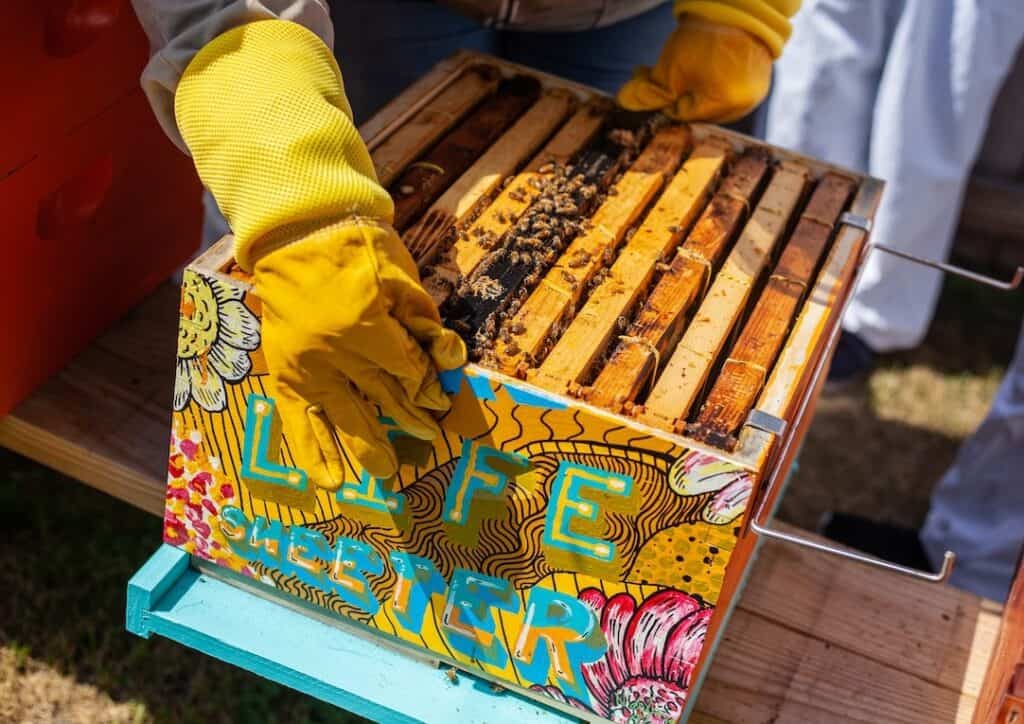
Transporting a beehive from its current location to a new site requires careful planning and execution to ensure the safety and well-being of the bees, as well as the preservation of the hive itself. Properly securing the hive during transit and maintaining optimal conditions are essential to prevent injury to the colony and to minimize stress, which can impact hive productivity and health.Transporting a beehive involves managing various factors such as vehicle stability, vibration, temperature fluctuations, and potential disruptions during transit.
These considerations help ensure that the bees arrive at their new environment in the best possible condition, ready to establish and thrive in their new home.
Securing the Hive Within a Vehicle or Trailer
Ensuring the hive remains stable during transportation is critical to prevent damage or dislodgement. The process begins with selecting an appropriate vehicle or trailer that provides enough space to accommodate the hive comfortably, preventing movement during the journey.The hive should be placed on a flat, sturdy surface, ideally padded with foam or thick blankets to absorb shocks and vibrations. Use ratchet straps or bungee cords to firmly secure the hive, making sure they are tight enough to prevent shifting but not so tight as to damage the hive structure.
Position the hive in a manner that limits exposure to direct sunlight, wind, or rain, and it should be oriented to prevent tipping over during turns or stops.For added security, consider placing the hive in a protective crate or container that can be sealed, especially if transporting multiple hives or in rough terrain. Regularly check the straps and positioning throughout the journey to ensure stability.
Minimizing Vibrations and Temperature Fluctuations During Transit
Vibrations and temperature extremes can significantly stress the bee colony, potentially causing disorientation or injury. To mitigate these risks, it is vital to implement measures that stabilize conditions within the transport environment.Vibrations are best minimized by padding the hive with materials such as foam padding, blankets, or rubber mats that absorb shocks during movement. Ensuring the vehicle or trailer is driven smoothly, avoiding sudden stops or sharp turns, also reduces vibrations transmitted to the hive.Temperature regulation is equally important.
Bees are sensitive to temperature changes; excessive heat can cause overheating, while cold temperatures can slow their metabolism. To maintain a consistent temperature, transport the hive during cooler parts of the day, such as early morning or late evening. Cover the hive with reflective materials or a lightweight, breathable cloth that shields it from direct sunlight, yet allows airflow. If the journey is lengthy or during hot weather, consider using portable fans or cooling pads inside the vehicle to prevent overheating.Ensure the transport environment remains well-ventilated to promote airflow and prevent humidity buildup, which can lead to mold or mite proliferation in the hive.
Monitoring Hive Conditions Throughout the Journey
Continuous monitoring during transit is crucial to quickly address any issues that arise and to ensure the colony’s safety. Use simple tools and practices to keep track of the hive’s condition.Implement temperature and humidity sensors inside or near the hive to provide real-time data. These devices can alert you to sudden changes, allowing you to take immediate corrective actions such as adjusting ventilation or insulation.Periodically stop during the journey to visually inspect the hive’s stability, strap tension, and overall condition.
Listen for unusual sounds, such as mass movement or distress signals from the bees, and check for any signs of damage or dislodgement.If feasible, keep a record of the conditions at regular intervals, noting temperature, humidity, and any observed issues. In longer trips, having a dedicated person to oversee these aspects ensures that the hive remains in optimal condition until arrival.Maintaining a calm and controlled environment during transport significantly reduces stress on the bees, leading to a successful transition to their new location.
Reestablishing the Hive at the New Location
Relocating a beehive is a critical step in ensuring the health and productivity of the colony after the move. Properly reestablishing the hive at its new environment involves careful procedures that facilitate a smooth transition for the bees. This process not only minimizes stress but also accelerates the colony’s adaptation to its new surroundings, promoting sustained hive productivity and colony well-being.Reestablishing the hive requires a systematic approach to installing the hive components, introducing the colony, and ensuring environmental conditions support thriving bee activity.
It also involves creating an environment that encourages the queen and worker bees to acclimate quickly, reducing the risk of colony disorientation or abandonment.
Installing the Hive in Its New Environment
The initial step involves choosing an optimal location that offers a safe, sheltered, and resource-rich environment. The hive should be placed on a stable, level surface, away from direct exposure to strong winds or excessive sunlight, to maintain consistent internal temperatures. Once positioned, inspect the hive components to ensure they are clean, properly assembled, and free of debris or pests that could hinder bee settlement.Carefully transfer the colony into the new hive, ensuring that the bees are gently guided into the entrance without undue disturbance.
If the hive was transported with frames, position them as they were in the previous location to prevent disorientation. It is advisable to set up an external entrance or landing board to facilitate easy access for foraging and movement.
Acclimating the Colony to the New Surroundings
Creating a welcoming environment is essential for the colony’s adaptation. The new location should be familiarized gradually by introducing the hive days in advance, allowing bees to become accustomed to the surroundings. During the first few days, minimize disturbances around the hive, avoiding loud noises, excessive human activity, or strong odors that could stress the bees.Monitoring environmental conditions such as temperature, humidity, and airflow can help maintain a stable climate within the hive.
Providing nearby water sources and ensuring the availability of forage plants in the vicinity will encourage natural foraging behaviors, supporting colony health and growth.
Methods for Ensuring Quick Adaptation of the Queen and Worker Bees
The success of hive reestablishment heavily depends on the colony’s ability to adapt swiftly. The queen’s orientation is critical because her presence influences worker activity and foraging efficiency. To facilitate this, ensure the queen is introduced carefully, with minimal handling, and placed in a position where she can easily access the colony and communicate with worker bees.Encouraging worker bees to recognize and accept the new environment involves providing the colony with familiar hive scents.
If necessary, lightly dusting the hive with propolis or hive scent from the previous location can help maintain colony cohesion. Additionally, supplementing the hive with a small amount of sugar syrup or pollen patties during the initial days can support energy needs, especially if natural forage has not yet become abundant.To further promote rapid adaptation, observe bee behaviors such as entrance activity, brood development, and clustering patterns.
Promptly addressing any signs of disorientation or stress, such as excessive absconding or reduced activity, will help stabilize the colony and set the stage for a successful, long-term habitation in the new environment.
Post-Relocation Care and Monitoring
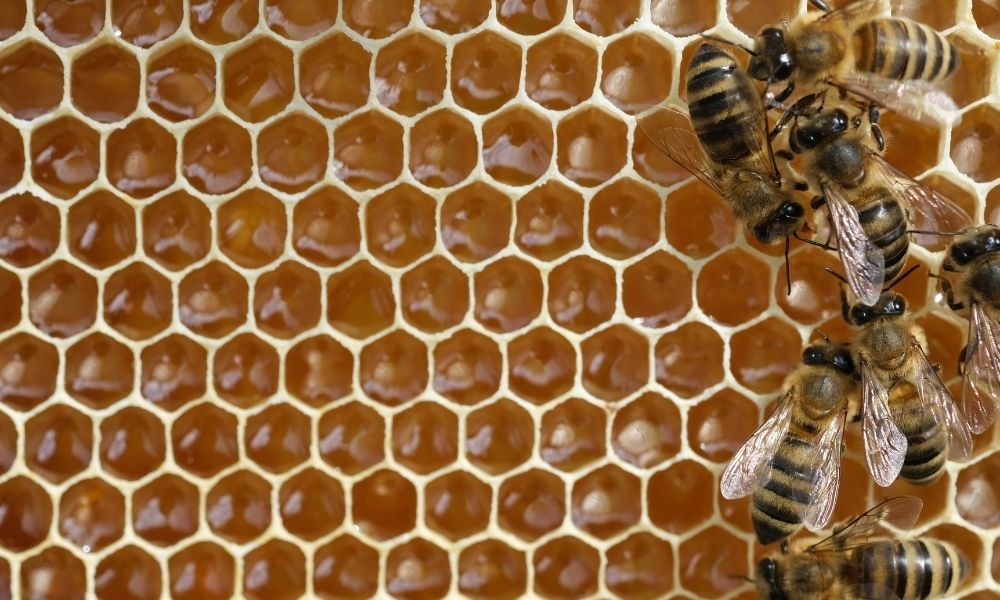
Relocating a beehive is a significant step toward promoting healthy colonies and ensuring productive honey production. However, the process does not end once the hive is placed in its new location. Ongoing care and vigilant monitoring are essential to support bees in adjusting to their new environment, detect any early signs of stress or disorientation, and promote overall hive stability.
Proper post-relocation practices help minimize colony losses and foster a thriving apiary.Effective post-relocation care involves establishing a structured observation schedule, recognizing signs of stress or disorientation among bees, and implementing routine maintenance procedures. These efforts collectively contribute to the long-term health and productivity of the hive, ensuring that bees adapt smoothly and continue to perform their vital roles within the colony.
Scheduled Hive Inspections and Monitoring
Establishing a consistent schedule for inspecting the hive is crucial for early detection of potential issues and maintaining colony health. Typically, the first week after relocation should include daily inspections to observe the bees’ behavior and overall condition. During this period, note activity levels, brood development, and the presence of food stores. As the colony stabilizes, inspections can be spaced out to every 7-10 days, focusing on the same key indicators.A comprehensive inspection checklist includes:
- Assessment of bee activity: vigorous movement and foraging behavior indicate adaptation, while lethargy or minimal movement suggest stress.
- Observation of brood pattern: consistent brood presence and healthy pattern reflect colony stability.
- Checking food supplies: sufficient honey and pollen levels ensure nutrition during adjustment.
- Monitoring for pests or diseases: signs of mite infestations, foul odors, or abnormal larvae appearance require prompt action.
Maintaining detailed records during each inspection helps identify trends or recurring issues, facilitating targeted interventions and long-term planning.
Signs of Stress or Disorientation in Bees
Recognizing early indicators of stress or disorientation is vital for timely management and support of the colony. Bees under stress may display specific behaviors or physical signs that indicate they struggle to adapt to the new environment.Key signs include:
- Reduced foraging activity or a complete cessation of foraging flights, which may suggest disorientation or environmental aversion.
- Unusual clustering or prolonged resting activity inside the hive without purpose, indicating possible confusion or stress.
- Increased aggression or defensive behavior, often caused by environmental stressors or disturbance.
- Presence of dead bees or abnormal larval development, which can signal disease or poor adaptation.
- Disorganized brood pattern or irregular cell cappings, reflecting potential stress on queen health or hive conditions.
Beekeepers should observe these signs carefully and consider environmental factors such as light levels, airflow, or nearby disturbances that might influence bee behavior.
Ongoing Maintenance and Support for Colony Stability
Maintaining hive health after relocation involves proactive management to support colony stability and resilience. Consistent feeding routines, environmental adjustments, and pest management are fundamental components of ongoing care.Key tips for ongoing hive maintenance include:
- Providing supplemental feeding if natural nectar sources are scarce, especially during adverse weather or seasonal transitions.
- Ensuring proper ventilation and insulation to regulate temperature and humidity within the hive, fostering a comfortable environment for bees.
- Regularly inspecting and replacing any damaged or worn hive components to prevent pest ingress and maintain hygiene.
- Monitoring and controlling pests such as Varroa mites, wax moths, and small hive beetles through integrated pest management practices.
- Reducing environmental stressors by positioning hives away from strong winds, excessive noise, or chemical pollutants.
Implementing these maintenance routines helps reinforce colony strength, supports queen vitality, and minimizes the risk of disease or colony collapse, ensuring the hive remains productive and healthy in its new location.
Wrap-Up
In summary, relocating a beehive requires careful planning, proper tools, and gentle handling to protect the colony and ensure its thriving existence in a new environment. Following best practices and monitoring the hive post-move can lead to a seamless transition, supporting healthy and productive bees for seasons to come.