Transporting hives safely is a critical aspect of beekeeping that ensures the health and safety of both the bees and the handlers. Proper preparation and careful planning can make the process smooth and stress-free, preventing damage to the hives and minimizing disruption to the bee colonies.
This guide covers essential steps such as selecting appropriate equipment, securing hives during transit, minimizing stress for the bees, and adhering to safety and legal regulations. Whether you’re moving hives across short distances or long journeys, understanding best practices is key to successful and safe transportation.
Preparation for Transporting Hives
Transporting beehives safely requires meticulous preparation to ensure the health of the colonies, prevent damage during transit, and comply with safety regulations. Proper planning involves selecting appropriate equipment, inspecting hives thoroughly, and organizing the necessary tools and materials. Adequate preparation reduces stress for the bees and minimizes the risk of accidents or hive loss during movement.
Thorough preparation not only safeguards the bees and their environment but also streamlines the transportation process, saving time and resources. Attention to detail in the planning stage is vital for successful hive relocation, particularly when dealing with large or fragile colonies. The following guide provides essential information on equipment, checklist items, and vehicle options to facilitate safe and effective hive transportation.
Necessary Equipment and Tools for Safe Hive Transportation
Using the correct equipment and tools is fundamental to ensuring the safety of both the beekeeper and the bees during transit. Proper protective gear prevents stings and injuries, while vehicle modifications secure hives and prevent movement. Securing materials such as straps and padding also play a crucial role in maintaining hive integrity and stability.
- Protective gear: Complete bee suits with veiled hoods, gloves, and boots to prevent stings and allow comfortable handling of hives.
- Vehicle modifications: Installing sturdy racks, non-slip flooring, and adjustable supports to accommodate hive sizes securely.
- Securing materials: Heavy-duty straps, bungee cords, and padding ensure hives are immobilized during transit, reducing the risk of shifting or damage.
- Handling tools: Hive boxes, lifting straps, and transport covers facilitate safe handling and protection during movement.
Checklist for Preparing Hives Prior to Moving
Prior to transportation, a comprehensive inspection of each hive is essential. This process ensures the health and safety of the colonies, reduces potential hazards during transit, and maintains hive functionality upon arrival. The checklist covers hive condition, honey and brood levels, and structural integrity.
- Hive health: Verify that colonies are free from pests such as Varroa mites and diseases like American foulbrood. Ensure bees are healthy and active.
- Honey and food stores: Assess honey stores to prevent starvation during transit. If necessary, reduce honey levels to prevent excess weight and spoilage, while ensuring adequate nutrition.
- Structural integrity: Examine hive components for damage, cracks, or loose parts. Reinforce or repair as needed to prevent collapse or loss of bees during movement.
- Queen status: Confirm the presence of a healthy queen and note her location to prevent accidental separation.
- Hive cleanliness: Remove debris, dead bees, and excess propolis that could compromise hive health or cause difficulty during handling.
Vehicle Types Suitable for Hive Transport and Their Features
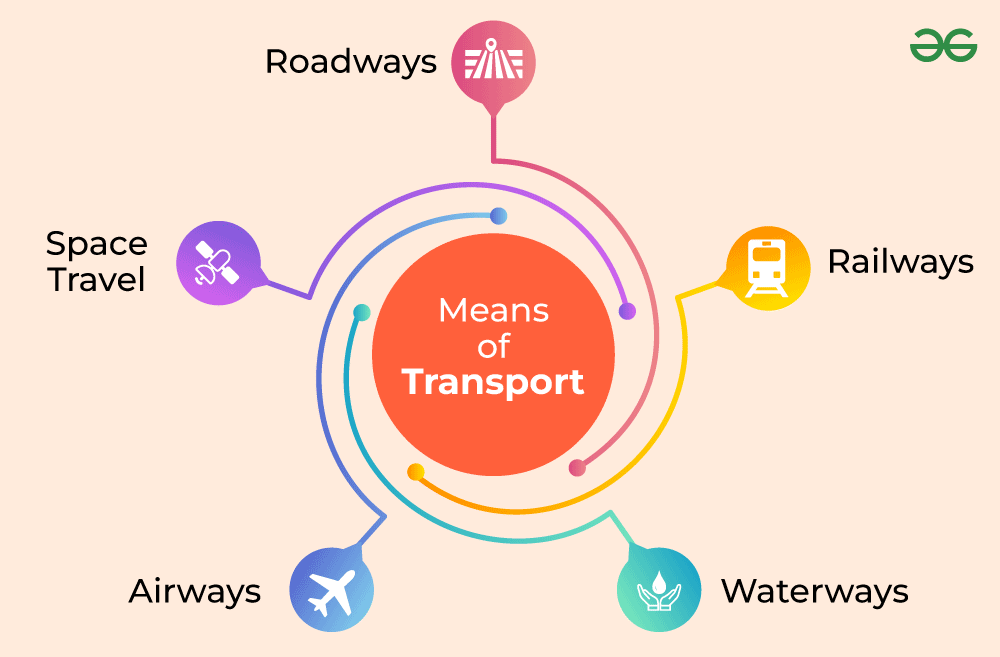
Choosing the appropriate vehicle for hive transportation depends on the size and number of colonies, distance traveled, and terrain conditions. The right vehicle ensures stability, safety, and ease of loading and unloading. The following table Artikels different vehicle options along with their key features.
| Vehicle Type | Features | Advantages | Ideal Usage |
|---|---|---|---|
| Van or Minibus | Enclosed space with low floor, spacious interior, adjustable shelving | Protects hives from weather, easy to load/unload, suitable for small to medium operations | Transporting 5-15 hives over short to medium distances |
| Pickup Truck with Flatbed | Open bed with tie-down points, optional canopy for weather protection | Versatile, allows for custom modifications, good for medium-sized loads | Transporting multiple hives across farms or rural areas |
| Specialized Beehive Trailer | Designed specifically for hives, with padded racks, ventilation, and secure straps | Maximizes safety and stability, minimizes hive movement during transit | Commercial beekeeping operations requiring frequent transport |
| Large Truck or Lorry | High capacity, enclosed, with reinforced flooring and loading ramps | Suitable for bulk hive movement, long-distance transportation | Relocating entire apiaries or large-scale commercial hives |
Choosing the Right Vehicle and Transportation Methods

Transporting beehives safely and efficiently requires selecting the appropriate vehicle and method tailored to specific operational needs. The choice of transportation mode directly impacts hive safety, health, and productivity, making it essential to understand the available options and their suitability for different circumstances. Proper selection involves evaluating capacity, safety features, environmental considerations, and logistical factors to ensure a smooth transition of hives from one location to another.Transportation methods vary widely, from personal vehicles to specialized trucks and trailers.
Each option offers distinct advantages and limitations, making it necessary to weigh factors such as the volume of hives, distance to be covered, and environmental conditions like temperature and road quality. Careful planning and understanding of these variables help prevent hive damage, stress, and potential loss of colonies during transit.
Transportation Options and Features
Transporting hives can be achieved through several methods, each suited to different scales and conditions. The primary options include personal vehicles, small trailers, and large trucks designed specifically for apiary logistics. Below is a detailed comparison of these methods, highlighting their safety features, capacity, and suitability for various scenarios.
| Transportation Method | Advantages | Limitations |
|---|---|---|
| Personal Vehicles (Cars, SUVs) |
|
|
| Trailers (Open or Enclosed) |
|
|
| Specialized Trucks (Beehive Transportation Trucks) |
|
|
Factors Influencing Vehicle Selection
Choosing the appropriate transportation method hinges on several critical factors. These include the volume of hives to be transported, the distance involved, and the environmental conditions expected during transit.
- Hive Volume: Small-scale operations with a few hives may suffice with personal vehicles or small trailers. Conversely, large apiaries moving dozens or hundreds of hives benefit from specialized trucks equipped with secure racks and climate control to minimize hive stress and damage.
- Distance: Short-distance moves within a local apiary or nearby farms can comfortably utilize personal vehicles or trailers. Long-distance transport, especially across regions or states, warrants the use of dedicated trucks designed for safety, comfort, and environmental regulation.
- Environmental Conditions: Weather plays a significant role in vehicle choice. Enclosed trailers or climate-controlled trucks help protect hives from extreme temperatures, wind, and precipitation. Open trailers might be suitable in mild, predictable weather but require additional precautions if conditions change unexpectedly.
Proper vehicle selection ensures the safety and health of bee colonies during transit, reducing stress and preventing damages that could compromise colony vitality.
Transporting Hives with Minimal Stress to Bees

Transporting beehives requires meticulous planning to ensure the safety and well-being of the colony during movement. Minimizing stress during transit not only preserves the health of the bees but also maintains colony productivity and reduces the risk of absconding or injury. By implementing appropriate handling techniques, route planning, and environmental controls, beekeepers can facilitate smooth transportation with minimal impact on their vital pollinators.Transporting hives involves numerous factors that can influence bee health during transit.
External vibrations, shocks, temperature fluctuations, and ventilation are critical considerations. Proper awareness and management of these elements help prevent disorientation, injury, or escape attempts by the bees, ensuring that the colony arrives at its destination healthy and ready to function.
Reducing Vibrations and Shocks During Transit
Vibrations and jolts experienced during transportation pose significant stress to the hive, potentially causing injury to bees and damage to hive structures. Effective strategies focus on vehicle handling, route selection, and secure placement of hives to mitigate these risks.Transport methods should prioritize smooth travel by selecting routes with minimal bumps, potholes, or sharp turns, especially when traveling over uneven terrain or through construction zones.
Maintaining a steady and moderate vehicle speed—typically not exceeding 30-40 km/h—reduces the amplitude of vibrations transmitted to the hive. Use of shock-absorbing materials such as foam padding or rubber mats beneath the hive helps dampen shocks. Securing hives firmly within the vehicle prevents shifting or tipping, which can cause structural damage or disorient the bees.Route planning plays a crucial role; avoiding busy highways with frequent stops or rough roads minimizes sudden jolts.
If possible, scheduling transportation during periods of low traffic further reduces vibrations. Regularly inspecting the securing mechanisms during transit ensures hives remain stable throughout the journey.
Maintaining Proper Temperature and Ventilation
The internal environment of the hive during transportation must remain within optimal temperature and humidity ranges to prevent stress and health issues among bees. Fluctuations outside of these parameters can impair the bees’ ability to regulate their hive, leading to dehydration, overheating, or chilling.Ensuring proper ventilation inside the hive involves maintaining small, unobstructed openings that allow fresh air to circulate while preventing the escape of bees.
During transit, it is advisable to keep hive entrances partially open or fitted with mesh screens that facilitate airflow without risking bee escape. In colder climates or winter transportation, additional insulation can be used to retain warmth, while in hot conditions, physical shade and ventilation help dissipate heat.Monitoring ambient temperature throughout the journey is essential. If transportation occurs in extreme weather, consider using climate-controlled vehicles or installing portable fans and insulation materials to maintain stable conditions.
The goal is to simulate the hive’s natural environment as closely as possible, minimizing thermal stress.
Precautions to Prevent Bees from Escaping or Injuring Themselves
Ensuring bees remain safely contained and unharmed during movement involves implementing specific precautions and handling procedures.Securing hive entrances with protective covers or screens prevents bees from escaping during sudden movements or vibrations. Avoid opening hive entrances during transit, as this can lead to escape attempts or exposure to external elements. Additionally, using well-fitting hive lids and hardware cloth covers on entrances provides a physical barrier against accidental dislodging.Handling the hives carefully during loading and unloading reduces injury risks.
Using proper lifting techniques and ensuring the hives are stable before movement prevents accidental damage or tilting that could injure the colony. It is also advisable to transport colonies during favorable weather conditions to reduce agitation; avoid transporting during rain, high winds, or extreme temperatures.Providing a calm, quiet environment inside the vehicle minimizes vibrations and external disturbances that could stress the bees.
Avoiding loud noises or sudden stops helps maintain a peaceful transit, which is crucial for reducing escape behavior and injury risk.
Handling and Moving Hives at the Destination
Transporting beehives to their new location is a critical phase that requires careful handling to ensure the safety of both the bees and the equipment. Proper procedures for unloading, positioning, and inspecting hives help maintain hive health and minimize stress on the colonies. A structured approach to re-establishing hives after transportation ensures stability and longevity of the colonies in their new environment.Handling hives at the destination involves precise and cautious techniques to prevent injury to the bees and damage to the hive structures.
Once the vehicle has arrived and been safely parked, the focus shifts to systematic unloading that preserves the integrity of the hives while reducing physical disturbance. Proper placement of hives is essential for the comfort of the bees, ease of access for ongoing management, and protection from environmental hazards such as wind, rain, or direct sunlight.Careful positioning includes placing hives on sturdy, level surfaces that can support their weight, typically on pallets or stands designed for apiaries.
Hives should be oriented to shield entrances from prevailing winds and to maximize exposure to sunlight during cooler mornings. Ensuring sufficient space between colonies minimizes the risk of drifting and disease transmission. After positioning, gently remove any transport pads or protective coverings, taking care not to jar the hive excessively, which could disturb the bees.
Post-Transport Inspection and Assessment
Post-transport routines are vital to evaluate hive condition, bee health, and overall readiness for ongoing activity. Regular inspections should focus on identifying signs of stress, damage, or disease that may have occurred during transit. These assessments ensure prompt intervention, which is critical for colony recovery and productivity.The inspection process begins with a visual check of the hive exterior for any structural damage, broken or displaced parts, and the overall stability of the setup.
Next, opening the hive slightly allows for a closer examination of the internal conditions. Key areas of focus include the condition of the frames, the presence of adequate food stores, and the behavior of the bees. Signs of stress such as increased bee mortality, absence of brood, or abnormal activity should be noted.A detailed health assessment may involve checking for mites, pests, and signs of disease like foulbrood or Nosema.
It is advisable to record observations systematically, using a checklist for consistency. Any issues identified should be addressed promptly, whether through treatment, reinforcement, or reorganization of the hive components.
Re-establishing and Stabilizing Hives Post-Transport
Re-establishing hives after transportation involves a careful, step-by-step process aimed at ensuring colony stability and minimizing further stress. The process starts with confirming that the hive is secure and correctly oriented, then gradually reintroducing the bees to their environment.Initially, avoid excessive disturbance by limiting opening the hive to essential inspections only. Ensure that all hive components are intact and properly aligned.
If frames or parts were dislodged during transportation, carefully reassemble them, maintaining the integrity of the brood and honey frames. It is advisable to provide a calming environment to reduce bee agitation, such as covering entrances temporarily or using natural attractants.Monitoring bee activity closely during the first few days is important for detecting early signs of distress or disorientation. If necessary, supplemental feeding can be introduced to support colonies during their adjustment period.
Regular check-ins should continue in subsequent weeks to observe for signs of successful adaptation, such as consistent brood rearing, foraging activity, and stable hive temperature.A final key step involves securing the hive in a protected location if environmental conditions warrant, and ensuring that it remains stable and level to prevent shifting or tipping. Proper re-establishment procedures create a resilient foundation for the hive to thrive in its new surroundings, promoting healthy development and productivity.
Legal and Safety Considerations
Transporting beehives involves not only practical planning but also adherence to legal regulations and safety protocols to ensure the well-being of handlers, bees, and the public. Proper understanding and implementation of these considerations help prevent legal complications and reduce the risk of accidents during hive transportation, fostering a safe and compliant operation.Transporting hives across regions or international borders often requires compliance with specific regulations, permits, and documentation.
These legal frameworks are designed to prevent the spread of pests and diseases, protect local ecosystems, and ensure safe handling practices. It is essential to research and obtain all necessary permits before initiating the move, which may include health certificates, movement notifications, or quarantine requirements, depending on the jurisdiction and the destination.Safety during hive transport is paramount for both personnel and bystanders.
Handling large, potentially heavy equipment like hives requires strict safety precautions to prevent injuries. Protecting yourself and others involves using appropriate protective gear, establishing emergency protocols, and ensuring clear communication among team members. Proper training on safe hive handling and emergency procedures significantly reduces the risk of accidents, such as hive falls or bee stings that could lead to allergic reactions.
Legal Regulations and Permits for Hive Transport
Transporting hives across different regions or countries is governed by a variety of laws aimed at preventing the spread of bee diseases and pests such as American Foulbrood or Varroa mites. Before moving hives, beekeepers must identify the specific regulations applicable to their area, which often include acquiring permits from agricultural or environmental authorities. These permits typically require documentation of hive health status, inspection reports, or disease-free certifications, especially when crossing state or national borders.In many regions, movement notifications must be filed in advance, and certain quarantine periods may be mandated upon arrival at the destination.
Commercial transport companies specializing in hive moving are familiar with these regulations and can assist in ensuring compliance. Keeping detailed records of each transport, including permits and inspection reports, helps avoid legal penalties and supports traceability in case of future disease investigations.
Safety Precautions for Handlers and Bystanders
The safety of everyone involved in hive transportation hinges on strict adherence to protective measures and emergency protocols. Beekeepers and handlers should always wear personal protective equipment (PPE) such as beekeeping suits, gloves, veiled hats, and appropriate footwear to prevent stings and exposure to bees during hive handling and movement.Maintaining a safe work environment involves establishing clear communication among team members, using signaling devices or radios to coordinate movements, and setting up barriers or warning signs to keep bystanders at a safe distance.
Emergency protocols should be in place to address allergic reactions, hive falls, or accidental releases of bees, including readily accessible first aid kits and access to emergency services.
Essential Safety Equipment and Procedures for Transport Day
To ensure safety during hive transportation, a comprehensive list of equipment and procedures should be followed:
- Protective Clothing: Beekeeping suits, veils, gloves, and boots to prevent stings.
- Secure Hive Containers: Sturdy, well-ventilated, and properly sealed transport boxes or crates.
- Handling Tools: hive straps, lifting aids, and transport dollies to facilitate safe movement.
- Vehicle Safety Equipment: Secured loadings, reflective warning signs, and proper lighting for visibility.
- Emergency Supplies: First aid kits, bee stings kits, and communication devices such as radios or cell phones.
- Procedural Steps: Conduct pre-transport hive inspections, ensure all hives are securely fastened, and verify vehicle safety before departure.
- Transport Protocols: Maintain appropriate speeds, avoid sudden stops or sharp turns, and monitor hive condition throughout transit.
- Post-Transport Inspection: Check hives upon arrival for damage, bee behavior, and hive integrity before offloading.
Following these safety considerations helps protect both the handlers and the bees, ensuring a smooth, compliant, and safe hive transportation process.
Outcome Summary
In conclusion, transporting hives with diligence and attention to detail not only protects the wellbeing of the bees but also ensures compliance with safety standards. Proper planning, securing techniques, and awareness of legal requirements are vital components that contribute to a successful move. By following these guidelines, beekeepers can confidently transport their hives while safeguarding their valuable colonies.