Understanding how to trap small hive beetles is essential for maintaining healthy and productive honeybee colonies. These pests can cause significant damage if not managed properly, so effective trapping methods are vital for beekeepers seeking sustainable solutions.
This guide provides comprehensive insights into identifying, monitoring, and controlling small hive beetles through various trapping techniques, both homemade and commercial, to ensure hive health and longevity.
Understanding Small Hive Beetles
Small hive beetles (Aethina tumida) are a persistent pest that can significantly threaten honeybee colonies. Gaining a comprehensive understanding of their biology, behavior, and the ways they impact hive health is essential for beekeepers aiming to safeguard their bees and honey production. Recognizing the signs of infestation early can facilitate timely intervention and prevent widespread damage.
These beetles are native to sub-Saharan Africa but have spread to various parts of the world, including North America, Australia, and Europe. Their ability to adapt to different environments and their reproductive efficiency make them particularly challenging pests in beekeeping operations. An informed approach that includes knowledge of their life cycle and behavior can help in developing effective management strategies.
Biology, Life Cycle, and Behavior of Small Hive Beetles
The small hive beetle’s life cycle is closely tied to the hive environment, and understanding it is crucial for effective control. The beetle’s biology involves distinct stages—egg, larva, pupa, and adult—that occur within the confines of the beehive or nearby soil.
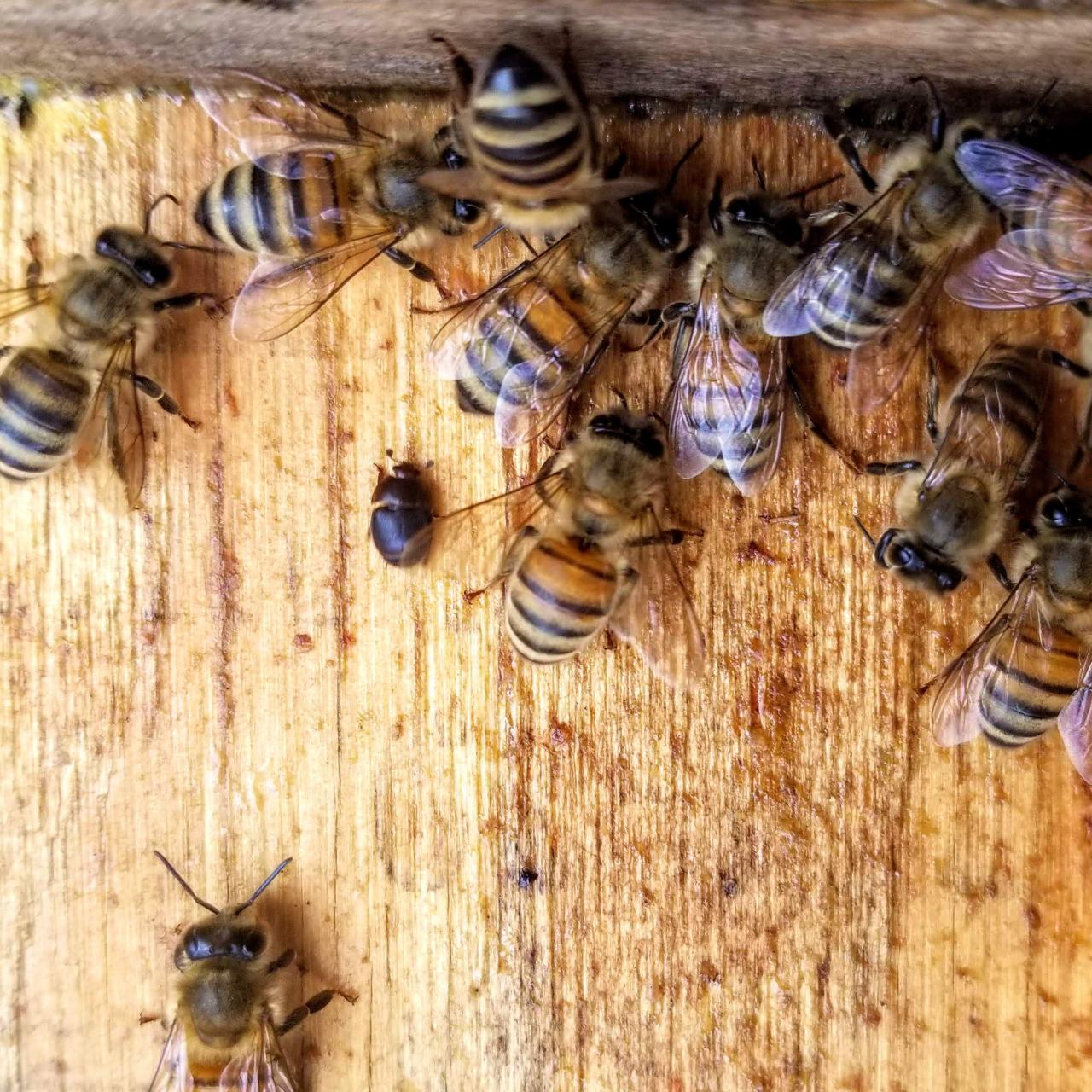
Adult beetles are oval-shaped, measuring approximately 5 millimeters in length, with a shiny, dark brown to black exterior. They are agile, capable of flying into a hive through small openings or cracks, especially when attracted by hive odors. Once inside, they seek out a suitable location to lay eggs, often on combs, hive debris, or within honey stores.
The female beetles can lay hundreds of eggs—up to 150 per day—over a period of several weeks. These eggs hatch within three to six days, releasing larvae that are cream-colored, with a slightly translucent appearance, and measure up to 12 millimeters in length. Larvae are voracious feeders, burrowing into combs, honey, and pollen, causing significant damage.
The larval stage lasts about 10-16 days, during which they tunnel through hive materials, contaminating food stores and producing a foul odor. After completing their larval development, they pupate in the soil outside the hive, where they remain for approximately 10 days before emerging as adult beetles to continue the cycle.
Behaviorally, small hive beetles are opportunistic and highly mobile. They are attracted to hive odors, decaying organic matter, and fermenting honey. Their presence is often characterized by their quick movement around the hive interior, and they tend to congregate near the brood frames or honey cells.
Impact on Honeybee Colonies and Hive Health
The presence of small hive beetles can severely compromise the health and productivity of a honeybee colony. The damage inflicted by these pests manifests in multiple ways, often leading to colony decline if not managed effectively.
Larvae burrow into honeycomb, destroying the structural integrity of the combs and contaminating honey with their frass (excrement), mold, and a foul smell. This contamination makes honey unsuitable for consumption by bees or humans, leading to economic losses for beekeepers. Additionally, the larvae’s tunneling activity causes the comb to collapse, which disrupts the brood rearing process and weakens the colony’s population.
Adult beetles, while less directly destructive, contribute to hive deterioration by spreading pathogens and promoting mold growth in damaged combs. Their activity can also incite bees to abandon infested combs, further reducing the colony’s resilience.
Signs of small hive beetle infestation include:
- Presence of adult beetles crawling on the combs, hive walls, or bottom board.
- Larvae seen wriggling within the honey stores, combs, or on the hive floor.
- A strong, foul odor emanating from the hive, often described as musty or moldy.
- Excessive hive debris, mold growth, or collapsed comb structures.
- Disruption or abandonment of brood frames by bees, often associated with larval activity.
Early detection, combined with a thorough understanding of their biology and behavior, allows beekeepers to implement targeted control measures, minimizing hive damage and maintaining healthy colonies.
Identification and Monitoring Techniques
Effectively managing small hive beetle infestations begins with accurate identification and consistent monitoring. Recognizing the presence of these pests early can prevent significant hive damage and facilitate timely intervention. Proper monitoring techniques enable beekeepers to assess infestation levels and determine the necessity for control measures, thereby promoting hive health and productivity.
Employing visual inspection methods and utilizing specialized traps and monitoring devices are crucial components of an integrated pest management strategy. These techniques help in detecting small hive beetles promptly and accurately, providing vital information for effective control decisions.
Visual Inspection of Hives
Regular and thorough visual inspections are fundamental to detecting small hive beetles in their early stages. Beekeepers should examine the hive internals and exterior components meticulously, focusing on areas where beetles and their larvae are most likely to congregate or hide.
During inspections, look for the following signs:
- Presence of adult small hive beetles crawling on combs, frame surfaces, or hive walls.
- Shredded beeswax and dark, slimy, or decayed comb material resulting from larval activity.
- Larvae or pupae visible within the comb or at the hive’s periphery.
- Unusual odors emanating from the hive, often associated with decay caused by beetle activity.
It is advisable to conduct inspections every 7 to 10 days during peak beetle activity periods, typically in warmer months, to ensure early detection and intervention.
Setting Up Traps and Monitoring Devices
Monitoring devices and traps serve as effective tools to capture adult beetles and gauge infestation levels. Proper deployment and maintenance of these devices enhance detection accuracy and facilitate ongoing monitoring efforts.
Steps for setting up traps include:
- Select appropriate traps: Common types include beetle mats, sticky traps, and wing traps. Each has unique features suitable for different hive environments.
- Placement: Position traps at the hive’s entrance, on top of frames, or near suspected hotspots to maximize beetle capture. For example, beetle mats are best placed directly on the brood combs or beneath screened bottom boards.
- Preparation: Ensure traps are clean and, if applicable, baited with attractants such as fermenting fruit or sugar solutions to lure beetles.
- Monitoring: Check traps regularly—ideally weekly—and record the number of captured beetles to assess infestation severity.
- Replacement and cleaning: Replace or clean traps periodically to maintain effectiveness and prevent mold or debris buildup.
Effective trap placement and consistent monitoring provide quantifiable data on beetle activity, enabling beekeepers to make informed management decisions and implement control measures when necessary.
Comparison of Detection Methods
Different detection techniques vary in effectiveness, ease of use, and suitability for specific hive conditions. The following table summarizes key detection methods, their advantages, and limitations:
| Detection Method | Effectiveness | Ease of Use | Cost | Additional Notes |
|---|---|---|---|---|
| Visual Inspection | High for adult beetles and larvae during inspection | Moderate; requires time and careful observation | Low | Best when combined with regular, systematic checks |
| Beetle Traps (e.g., beetle mats, sticky traps) | Moderate to high; captures adult beetles | High; simple to deploy and monitor | Moderate; initial setup cost | Effective for ongoing monitoring, especially in high-risk hives |
| Sticky Boards on Bottom Boards | Moderate; captures beetles arriving at hive entrance | High; easy to place and check | Low to moderate | Provides visual evidence of beetle activity |
| Larval Sampling | High for detecting infestations through larval presence | Moderate; requires dissecting combs or debris | Low | Labor-intensive, typically used in detailed investigations |
| Resin Traps and Baited Traps | Moderate; attracts adult beetles using bait | High; simple setup with bait placement | Moderate; cost of bait materials | Useful for targeted detection in suspected hives |
Effective Trapping Methods
Implementing efficient trapping methods is a crucial component in managing small hive beetle populations within apiaries. Properly designed and strategically deployed traps can significantly reduce beetle numbers, thereby protecting the health of the honeybee colonies and maintaining hive productivity. This section explores various homemade trapping solutions, strategies for practical deployment within apiaries, and options available through commercial products.
Choosing the right trapping method depends on the scale of the apiary, severity of infestation, and available resources. Combining physical traps with monitoring techniques enhances our ability to detect and control small hive beetles effectively and sustainably.
Homemade Small Hive Beetle Traps
Creating homemade traps offers an affordable and customizable approach to managing small hive beetles. These traps typically utilize common household materials and attractants that lure beetles away from the hive interior. Their design aims to capture and contain beetles before they can establish a foothold within the colony.
Effective homemade traps often incorporate attractants such as fermented fruit, sugar syrups, or baited attractants that mimic hive conditions. The traps are designed to allow beetles to enter easily but make escape difficult, trapping them securely for removal and disposal. They can be placed near hive entrances, under hive covers, or on hive floors to maximize coverage and effectiveness.
Examples of DIY traps include:
“A simple beetle trap can be assembled using a plastic container with small entry holes, filled with a mixture of apple cider vinegar and a few drops of dish soap. The vinegar attracts the beetles, and the soap reduces surface tension, causing beetles to drown upon contact.”
Strategies for Deploying Physical Traps within Apiaries
Proper placement and maintenance of physical traps are essential for maximizing their effectiveness and minimizing hive disturbance. Traps should be positioned where beetles are most likely to congregate, such as hive entrances, under hive lids, or on the ground beneath colonies.
When deploying traps, consider the following strategies:
- Place traps at multiple points around each hive to increase capture zones.
- Ensure traps are positioned at hive level or slightly below to intercept beetles emerging from the soil or floor.
- Regularly inspect and clean traps to prevent clogging and maintain their attractiveness.
- Replace bait or trap contents periodically to sustain their efficacy, especially during peak beetle activity seasons.
Integrating traps into routine hive inspections enhances early detection and control, reducing the beetle population before significant hive damage occurs.
Commercially Available Trap Options and Installation Procedures
Several effective commercial traps are available designed specifically for small hive beetle control. These products often feature proven attractants, durable materials, and user-friendly installation instructions, providing a reliable supplement to homemade solutions.
Popular commercial options include:
| Trap Name | Features | Installation Tips |
|---|---|---|
| Beetle Barrier | Sticky surface trap with attractant lure, easy to place under hive covers | Position directly beneath hive lid or at hive entrance, replace sticky sheets regularly |
| Sentinel Beetle Trap | Plastic trap with bait chamber, designed for ground or hive floor placement | Place on the hive floor or just outside hive entrance, refill bait as needed |
| Beetle Blaster | Trap with attractant lure and built-in collection chamber, reusable | Position near hive entrances or under telescoping covers, clean and replace lure periodically |
Installation procedures typically involve securing traps in designated locations, ensuring they are stable and accessible for inspection. Regular monitoring and maintenance of commercial traps are vital for continual effectiveness and to prevent beetle populations from reaching damaging levels.
Sustainable and Non-Chemical Control Measures

Implementing sustainable, non-chemical strategies is essential for maintaining healthy beekeeping practices while effectively managing small hive beetle populations. These methods prioritize the well-being of the hive, the environment, and beekeepers seeking chemical-free solutions. Choosing bee-friendly techniques not only minimizes potential harm but also promotes a balanced ecosystem within and around the hive.
Natural deterrents and hive management routines can significantly reduce beetle infestations without relying on chemical treatments. By adopting integrated pest management practices, beekeepers can create an inhospitable environment for small hive beetles, encouraging natural control and preserving the integrity of the hive. Additionally, non-chemical trapping techniques, designed with bee safety and efficiency in mind, serve as effective tools for monitoring and reducing beetle populations.
Natural Deterrents and Bee-Friendly Methods for Reducing Beetle Populations
Using natural deterrents involves employing substances and practices that discourage beetle activity while remaining safe for bees and the environment. These methods leverage the beetles’ vulnerabilities and behavioral tendencies to prevent infestations.
- Maintaining Dry and Well-ventilated Hives: Ensuring proper hive ventilation reduces moisture levels, which are favorable for beetle breeding. Regularly inspecting and cleaning the hive helps prevent buildup of debris and moisture, making the environment less attractive to beetles.
- Use of Botanical Repellents: Certain herbs and plants, such as mint, spearmint, and thyme, emit odors that repel small hive beetles. Incorporating these into hive surroundings or planting them nearby can create a natural barrier against beetle intrusion.
- Promoting Strong, Healthy Bees: Robust colonies with active, healthy bees are more capable of defending against beetle incursion. Providing ample nutrition and disease management supports colony resilience against pests.
Hive Management Procedures to Minimize Beetle Infestations
Proactive hive management is critical in preventing and controlling small hive beetle populations. Effective practices focus on disrupting beetle life cycles and reducing habitat suitability within the hive.
- Regular Hive Inspections: Conduct frequent inspections to identify early signs of beetle presence, such as small beetles or larvae in the hive or debris accumulating in the corners.
- Hive Hygiene: Remove hive debris, dead bees, and contaminated combs promptly. Keeping the hive clean reduces available habitat for beetles and their larvae.
- Proper Hive Ventilation and Space Management: Avoid overcrowding and ensure good airflow to discourage moisture accumulation. Adequate space prevents beetle hiding spots and makes management easier.
- Use of Screened Bottom Boards: Installing screened bottom boards allows beetles to fall through and escape from the hive, reducing their numbers naturally.
Non-Chemical Trapping Techniques Using Descriptive Steps
Non-chemical traps offer a safe, effective way to monitor and control small hive beetle populations without harming bees. Proper setup and maintenance are vital for maximizing their efficiency.
- Designing a Beetle Trap: Use a shallow, smooth-sided container that can be easily placed inside or under the hive. Fill it with a non-toxic, beetle-attracting bait such as ripe fruit, honey, or a mixture of sugar and water. The bait should emit strong odors that lure beetles into the trap.
- Placement of the Trap: Position the trap on the hive’s entrance or directly over the brood area to intercept beetles as they attempt to invade the hive or hide within.
- Monitoring and Maintenance: Regularly check traps for captured beetles and remove them to prevent re-infestation. Refresh the bait periodically to maintain attractiveness. Ensure the trap remains clean and free of debris.
- Integration with Hive Management: Combine trapping with routine inspections and hive hygiene practices. This comprehensive approach significantly reduces beetle populations and minimizes the risk of infestation escalation.
Effective non-chemical control hinges on consistent monitoring, timely intervention, and maintaining an optimal hive environment that discourages beetle proliferation while supporting bee health.
Chemical and Biological Control Options
Managing small hive beetle infestations effectively requires an understanding of available control strategies, including chemical treatments and biological agents. Implementing an integrated approach can enhance hive health while minimizing environmental impact. This section explores the appropriate chemical options, biological control agents, and a comparison of their advantages and disadvantages.
Choosing between chemical and biological control methods depends on several factors such as infestation severity, hive management practices, environmental considerations, and regulatory guidelines. Understanding the proper application protocols for chemicals and the efficacy of biological agents can help beekeepers make informed decisions to protect their colonies sustainably.
Chemical Treatments and Application Protocols
Chemical control methods involve the targeted application of specific pesticides formulated to eliminate small hive beetles. These treatments must be used judiciously to ensure hive safety, bee health, and compliance with local regulations. Proper application protocols are essential to maximize efficacy and minimize potential residue accumulation in honey and beeswax.
Common chemical treatments include:
- Permethrin-based products: Often used as a dust or spray, permethrin is effective against adult beetles. Application involves dusting the hive interior or spraying on hive surfaces, ensuring thorough coverage of infested areas.
- Coumaphos: An acaricide that also impacts small hive beetles, applied as strips or dust within the hive. Strict adherence to label instructions prevents overuse and contamination.
- CheckMite+ or other miticides: Some products may have efficacy against beetles, but their use should be carefully evaluated to avoid harming bees or developing resistance.
Application protocols typically involve applying treatments during periods of low bee activity, such as late evening or early morning, to reduce bee exposure. Repeated applications might be necessary depending on infestation levels, and it’s crucial to follow manufacturer guidelines regarding dosage and frequency.
Biological Control Agents Targeting Small Hive Beetles
Biological control involves utilizing living organisms or naturally occurring substances to suppress beetle populations. These methods are environmentally friendly and often integrated into sustainable pest management programs.
Effective biological control agents include:
- Beauveria bassiana: A naturally occurring entomopathogenic fungus that infects and kills small hive beetles upon contact. It is applied as a spore suspension sprayed inside the hive, where it colonizes and destroys beetle larvae and adults.
- Predatory nematodes (Steinernema spp.): Soil-dwelling nematodes that attack beetle larvae developing in hive debris or the surrounding soil. These nematodes are applied to the hive environment, especially around hive entrances and debris traps.
- Beneficial microbes and parasitoids: Research is ongoing into other microbial agents and natural parasitoids that can target beetle eggs or larvae without harming bees.
Biological control agents are generally safe for bees and the environment, and their use supports long-term colony health. Proper application and timing are vital, often requiring regular reapplication to maintain beetle suppression.
Comparison of Chemical and Biological Control Methods
Both chemical and biological control strategies offer distinct advantages and limitations that influence their suitability within integrated pest management programs.
| Aspect | Chemical Control | Biological Control |
|---|---|---|
| Effectiveness | Provides rapid and potent knockdown of adult beetles and larvae with proper application. | Offers gradual suppression, primarily targeting larvae and supporting long-term control. |
| Environmental Impact | May pose risks of pesticide residues, non-target effects, and environmental contamination if misused. | Usually environmentally friendly, with minimal non-target effects and biodegradability. |
| Safety for Bees | Potential for bee exposure; requires careful timing and application protocols to minimize risks. | Generally safe for bees and hive products when properly applied. |
| Residue Concerns | Possible residue buildup in hive products; adherence to withdrawal periods is necessary. | Less risk of residues, favoring organic and residue-free honey production. |
| Cost and Labor | Can be cost-effective but may require repeated treatments and protective equipment. | May involve higher initial costs but can reduce ongoing chemical expenses and environmental remediation. |
| Resistance Development | Risk of beetles developing resistance with repeated chemical use, necessitating rotation strategies. | Lower risk, as biological agents tend to have diverse modes of action. |
Integrating chemical and biological controls can optimize beetle suppression while aligning with sustainable apiary practices, ensuring hive health and environmental safety are maintained.
Preventative Measures for Hive Protection
Implementing effective preventative strategies is crucial for safeguarding beehives against small hive beetles. By focusing on proper hive placement, routine maintenance, and vigilant monitoring, beekeepers can significantly reduce the risk of beetle infestations and maintain healthy colonies. Prevention not only minimizes the need for intervention but also promotes a sustainable and environmentally friendly approach to hive management.
Proactive measures involve creating an inhospitable environment for beetles while ensuring the hive remains accessible and safe for the bees. These practices aim to block beetle entry points, maintain hive hygiene, and establish regular inspection routines that detect early signs of infestation. Adopting these best practices can lead to stronger colonies and more productive beekeeping endeavors.
Optimal Hive Placement and Maintenance
The location and upkeep of your beehives play a vital role in preventing small hive beetle intrusion. Strategic placement minimizes environmental factors that attract beetles and creates physical barriers to entry.
- Position hives in well-drained, sunny areas that receive ample airflow, reducing moisture buildup which beetles prefer.
- Place hives away from dense vegetation and decaying organic matter, common sources of beetle attractants.
- Use sturdy, sealed stands or platforms to elevate hives, preventing access by ground-dwelling beetles and other pests.
- Ensure hive entrances are unobstructed and properly sealed, with a minimal gap to prevent beetle entry.
- Regularly inspect and repair hive components, including frames and seals, to maintain structural integrity.
Hive Cleanliness and Attractant Management
Maintaining cleanliness within and around the hive significantly reduces beetle attractants and discourages infestation. Organic debris, spilled honey, and hive debris can lure beetles and other pests, creating a conducive environment for their proliferation.
- Remove dead bees, discarded comb, and debris from the hive and surrounding area promptly.
- Clean hive equipment regularly using gentle, bee-safe disinfectants to eliminate residual attractants.
- Manage honey supers and brood frames carefully to prevent spillage or buildup of sugary residues.
- Control moisture levels within the hive by ensuring proper ventilation, as high humidity attracts beetles.
- Implement a routine trash disposal system for hive debris, avoiding composting or leaving organic waste nearby.
Regular Hive Inspection Checklist
Consistent monitoring with a comprehensive checklist allows beekeepers to identify early signs of beetle activity and take swift action to prevent infestation escalation.
- Examine hive entrances for beetle presence or signs of activity, such as movement or carcasses.
- Inspect frames for small beetle larvae, live beetles, or evidence of beetle tunneling.
- Look for signs of hive disturbance, such as excessive debris, chewed comb, or honey spillages.
- Check for unusual odors or mold that may indicate beetle-facilitated hive deterioration.
- Monitor trap counts, if traps are in place, and record findings during each inspection.
- Assess hive ventilation and humidity levels, adjusting if necessary to discourage beetle proliferation.
Implementing these preventative measures consistently can create an environment hostile to small hive beetles, thereby protecting your colonies and ensuring their long-term health and productivity.
Case Studies and Practical Examples

Examining real-world instances of small hive beetle management provides valuable insights into effective trapping strategies across diverse environments. These practical examples highlight how different beekeepers have successfully adapted control methods to specific climatic conditions, hive setups, and infestation levels, offering a comprehensive understanding of best practices in the field.
Detailed case analyses demonstrate the application of trapping techniques, monitoring, and integrated control measures, illustrating how these strategies can be tailored to achieve optimal results while maintaining hive health and sustainability.
Successful Beetle Trapping in Temperate Climates
In a mid-latitude apiary located in the northeastern United States, a beekeeper faced recurrent small hive beetle infestations during late summer. The strategy centered on deploying commercial beetle traps equipped with attractants and monitoring their effectiveness over several months. The process involved the following steps:
- Placement of traps at hive entrances and within brood boxes to intercept beetles emerging from infested combs.
- Regular inspection every two weeks to assess trap catch levels and replace attractants as needed.
- Maintaining hive cleanliness by removing debris and old combs, reducing beetle breeding sites.
Outcomes indicated a significant decrease in beetle populations within three months. The beekeeper noted that consistent trap monitoring, combined with hive hygiene, effectively suppressed the infestation without the use of chemical controls, demonstrating the adaptation of trapping methods to temperate conditions.
Adapting Trapping Techniques in Tropical Conditions
In a subtropical region where high temperatures and humidity prevailed, a commercial apiary implemented an integrated approach involving modified trap designs and environmental management. The procedures entailed:
- Using UV-illuminated beetle traps that attracted beetles actively seeking light sources, capitalizing on their phototactic behavior.
- Positioning traps in shaded areas to prevent overheating and maintaining trap humidity levels favorable to beetle attraction.
- Implementing regular removal of infested combs and improving hive ventilation to disrupt beetle breeding cycles.
Results from this case demonstrated that combining environmental modifications with targeted trapping increased beetle capture rates and reduced infestation levels significantly within six weeks. The success hinged on understanding local climatic influences on beetle behavior and adapting trap placement accordingly.
Controlling Beetles in Small-Scale Urban Apiaries
Urban beekeepers often face unique challenges due to limited space and increased human activity. One such beekeeper utilized a comprehensive trapping protocol that included:
- Placement of sticky board traps beneath hive entrances, replacing them every week to monitor beetle ingress.
- Creating physical barriers, such as fine mesh screens, to restrict beetle movement into hives.
- Introducing natural predators like predatory mites in conjunction with trapping to establish a biological control synergy.
This multi-faceted approach yielded a marked reduction in beetle numbers over two months, showcasing that combining trapping with physical and biological controls can be efficient in urban settings with space constraints and higher human safety considerations.
Summary of Outcomes and Lessons Learned
Across these diverse cases, common factors contributed to successful small hive beetle management:
- Strategic placement and regular inspection of traps tailored to specific climatic conditions.
- Integration of trapping with hive management practices such as cleaning and ventilation.
- Adapting trap designs and attractants based on beetle behavior influenced by environmental factors.
- Combining physical barriers and biological controls when suitable, to enhance effectiveness.
These examples underscore the importance of context-specific strategies and proactive monitoring in maintaining healthy hives free from small hive beetle infestations.
Epilogue
In conclusion, implementing proper trapping strategies and preventive measures can significantly reduce small hive beetle populations, safeguarding the vitality of your apiary. Regular monitoring and adopting eco-friendly control options contribute to sustainable hive management and overall colony wellbeing.