Learning how to treat tracheal mites is essential for maintaining healthy and productive bee colonies. These tiny parasites can cause significant harm to bees, leading to decreased vitality and honey yield if not properly managed. Understanding effective detection and treatment methods is crucial for beekeepers aiming to safeguard their hives from these elusive pests.
This comprehensive overview covers the biology of tracheal mites, signs of infestation, detection techniques, and various treatment options — from natural remedies to chemical solutions — providing a solid foundation for sustainable mite management and colony health preservation.
Understanding Tracheal Mites in Bees
Tracheal mites, primarily
-Acarapis woodi*, pose a significant threat to honeybee colonies worldwide. To effectively manage and prevent infestations, it is essential to comprehend their biology, lifecycle, and the impact they have on bee health and colony productivity. This knowledge enables beekeepers and researchers to implement targeted control measures, ensuring the vitality and sustainability of bee populations.
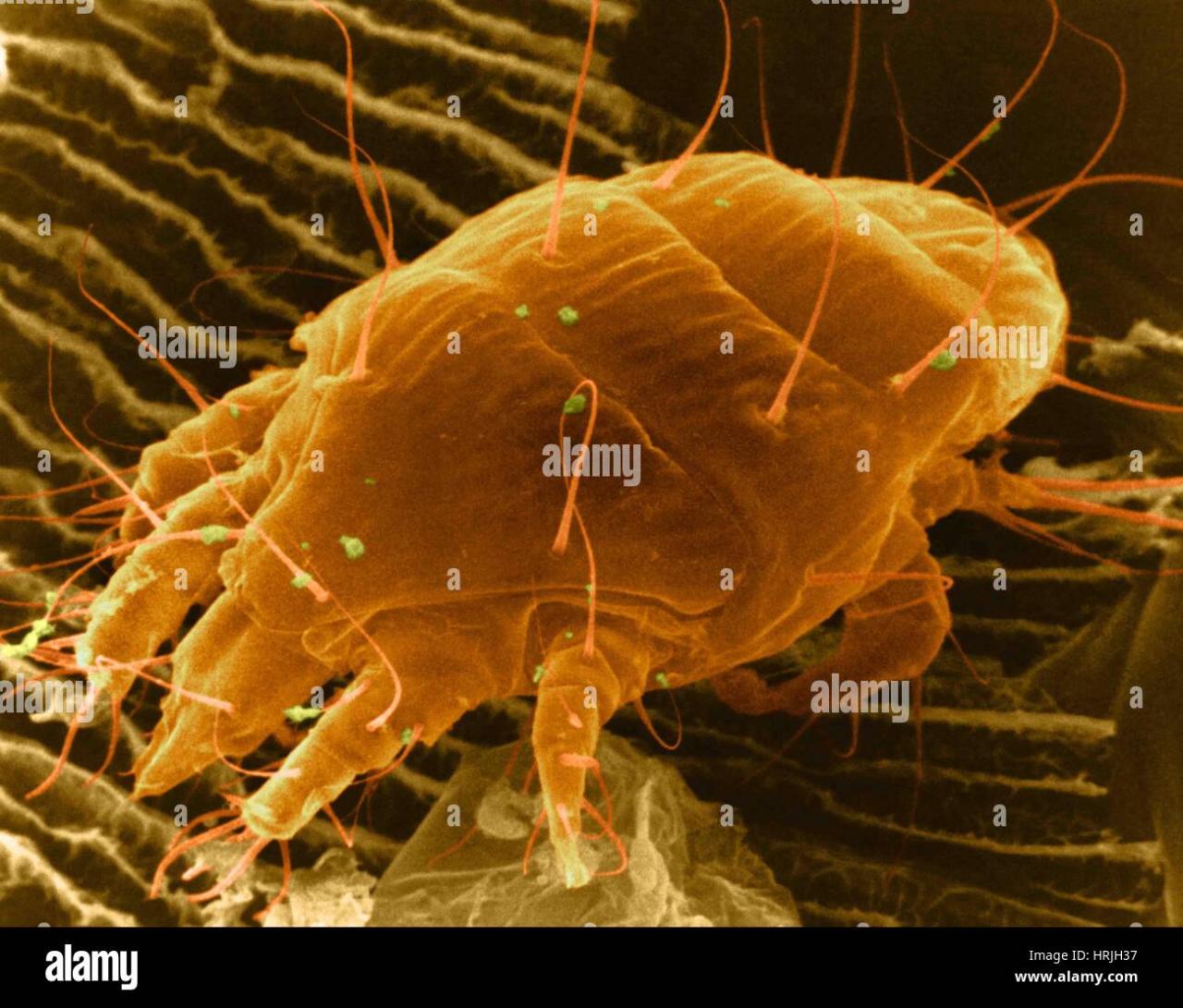
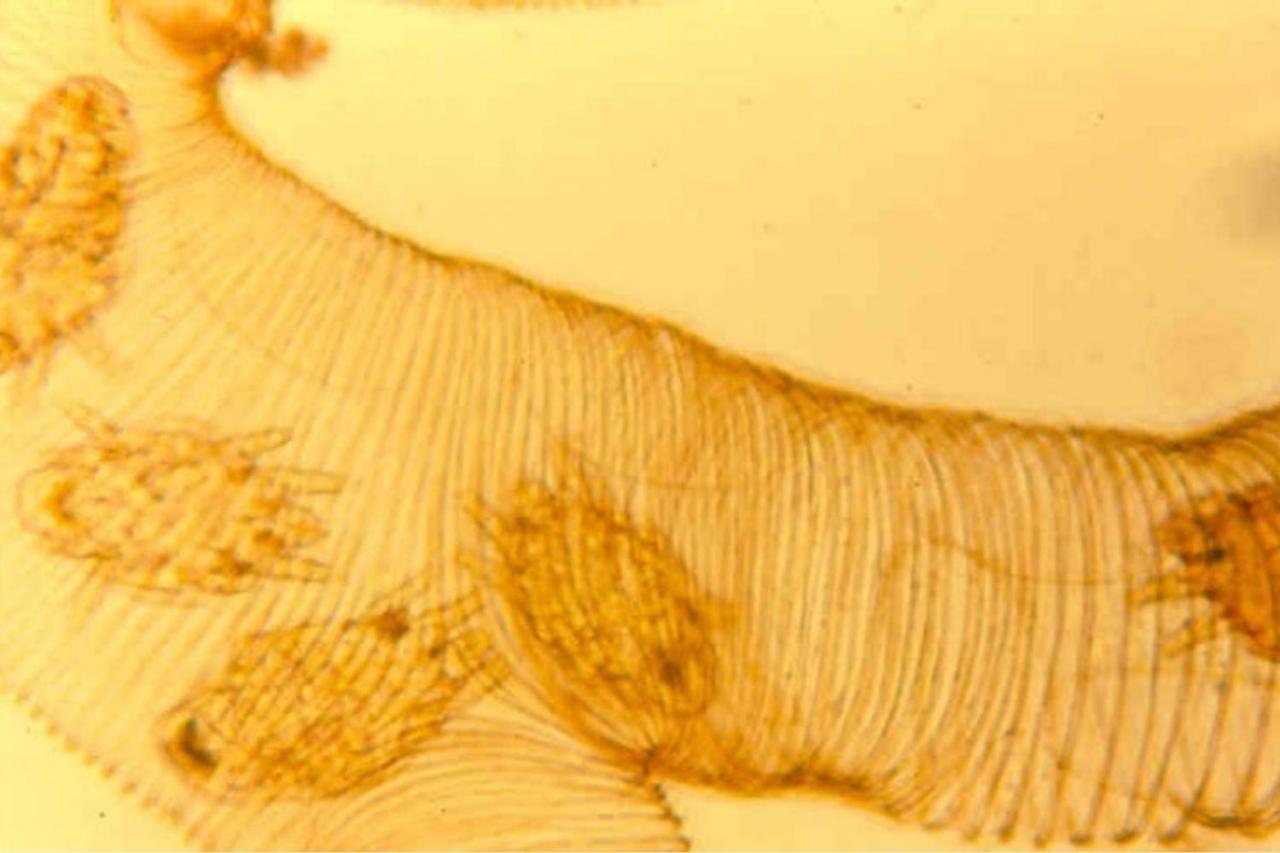
Tracheal mites are microscopic parasites that reside within the respiratory system of bees, particularly inhabiting the tracheae—the network of tubes responsible for airflow and oxygen delivery. Their presence can subtly undermine the bees’ respiratory efficiency, leading to weakened colonies and increased susceptibility to other stressors or diseases.
Biology and Lifecycle of Tracheal Mites
The lifecycle of
-Acarapis woodi* is closely intertwined with that of its honeybee hosts. These mites are obligate parasites, completing their development within the bee’s respiratory system, which offers both shelter and a nutrient source. Their lifecycle includes several stages:
- Eggs: The female mite lays eggs within the tracheae, usually near the spiracles—small openings that allow air exchange.
- Nymphs: Eggs hatch into larvae, which develop into nymphal stages, feeding on the bee’s tissue and continuing to grow within the tracheal tubes.
- Adult Mites: Mature mites emerge from nymphs, capable of moving within the respiratory system and reproducing to sustain the population.
The entire lifecycle is dependent on the bee’s anatomy and environmental conditions. Mite reproduction accelerates in warmer temperatures, leading to rapid colony infestations if unmanaged.
Effects of Tracheal Mites on Bee Health and Colony Productivity
The presence of tracheal mites compromises the respiratory efficiency of bees, leading to a cascade of health issues that diminish colony vigor. Mite infestation results in:
- Reduced oxygen intake, causing fatigue and decreased activity levels among affected bees.
- Impaired thermoregulation, making colonies more vulnerable to temperature fluctuations.
- Increased susceptibility to other diseases, such as American foulbrood or Varroa mites, due to weakened immune responses.
- Elevated bee mortality rates, especially among worker bees, which are vital for foraging and hive maintenance.
- Decline in honey production and brood rearing, ultimately threatening colony survival.
Signs and Symptoms of Tracheal Mite Infestation
Detecting tracheal mite infestations early is crucial for effective management. Beekeepers should observe specific behavioral and physical indicators that point toward mite presence:
- Disoriented or impaired flight: Bees exhibit uncoordinated flying patterns or appear sluggish.
- Increased bee mortality: Higher than usual losses, especially among newly emerged or foraging bees.
- Decreased brood rearing: Reduced brood patterns or failure to rear new bees, indicating colony stress.
- Wax moth and small hive beetle infestations: May indicate weakened colony defenses often associated with mite infestation.
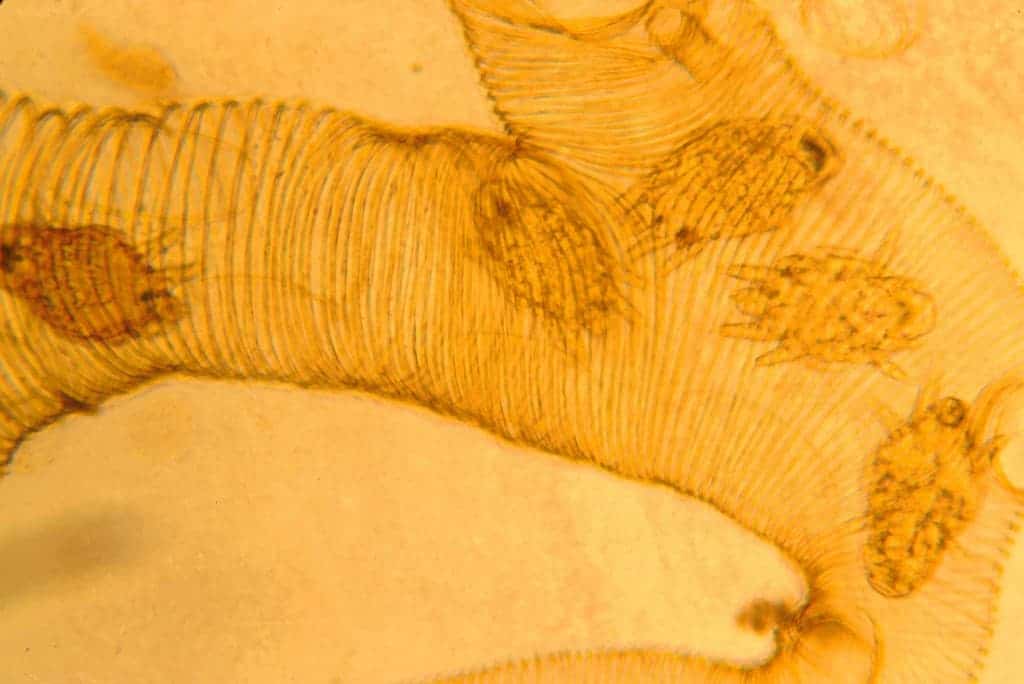
- Gross observations: Under a microscope, mites can be seen within the tracheae of dissected bees, typically near the spiracles.
- Behavioral changes: Bees may exhibit increased grooming behavior as a response to infestation.
It’s important to note that these symptoms can overlap with other stress factors, making diagnostic testing, such as microscopic examination or tracheal washes, essential for confirmation.
Comparison of Healthy Bees versus Infested Bees
| Characteristic | Healthy Bees | Infested Bees |
|---|---|---|
| Respiratory efficiency | Normal airflow; active and vigorous | Impaired airflow; sluggish or disoriented |
| Activity level | Normal foraging and hive maintenance | Reduced activity; increased grooming or erratic movements |
| Brood production | Steady brood rearing; healthy larval development | Stunted or reduced brood; signs of colony stress |
| Physical condition | Clean, well-melanized exoskeletons | Potential signs of stress or physical deterioration |
| Presence of mites | No mites observed in tracheae | Mites visible within the tracheal system upon dissection |
Methods for Detecting Tracheal Mite Infestation
Accurate detection of tracheal mite infestations is a vital component of effective bee health management. Early identification allows beekeepers to implement timely control measures, minimizing colony stress and preventing widespread outbreaks. Various inspection techniques, both visual and laboratory-based, are employed to determine the presence and extent of mite infestation within bee colonies.
Detecting tracheal mites involves a combination of direct observation, physical sampling, and microscopic analysis. Each method offers unique advantages and limitations, making it essential for beekeepers to understand their application context and reliability. Employing multiple techniques can enhance detection accuracy and inform better decision-making regarding mite management strategies.
Visual Inspection Techniques
Visual inspection remains the most accessible initial approach to identifying signs of tracheal mite presence. Beekeepers can perform thorough inspections during routine hive checks, focusing on symptoms such as bees with disoriented movements, excessive grooming behaviors, or abnormal brood patterns. While direct visual cues can suggest infestation, they do not confirm the presence or quantify the mite load, necessitating further testing.
Mite Detection Using Sugar Roll or Alcohol Wash Tests
The sugar roll and alcohol wash tests are standardized, minimally invasive procedures used to estimate mite populations within a colony. These tests involve collecting a sample of bees and processing them to dislodge mites, which can then be counted. The procedures are valuable tools for routine monitoring, providing a quantifiable measure of infestation levels to guide management decisions.
Procedures for Conducting a Sugar Roll Test
- Choose a healthy, representative sample of approximately 300 bees from the brood frames, preferably during mid-morning when bees are actively foraging.
- Place the bees in a sealed container with a few teaspoons of powdered sugar. Gently shake or roll the container to coat the bees thoroughly with sugar, ensuring the mites are dislodged from the tracheae and body surfaces.
- Transfer the sugar-coated bees onto a screened or fine-mesh sieve, then gently shake or tap to remove excess sugar.
- Inspect the sugar and catch any dislodged mites by hand or with a magnifying lens, counting the mites carefully.
- Record the mite count and compare it with established thresholds to determine infestation severity.
Procedures for Conducting an Alcohol Wash Test
- Collect approximately 300 bees from brood frames using a similar method as the sugar roll test.
- Place the bees into a sealed jar with a small amount (about 70%) of alcohol, typically enough to cover the bees.
- Vigorously shake or roll the jar for about 20-30 seconds to dislodge mites from the bees.
- Pour the contents through a fine mesh or sieve to separate bees from the liquid.
- Use a magnifying lens or microscope to count the mites in the alcohol solution.
- Record the number of mites to assess infestation levels, noting that higher counts indicate more severe infestations requiring intervention.
Microscopic Examination of Bee Tracheae
Microscopic examination offers the most definitive method for confirming tracheal mite infestation. This process involves examining the bee’s tracheae directly, either by dissection or indirect sampling, to detect mites embedded within the respiratory system. It provides precise information about mite presence, load, and possible damage to the tracheal tissues, essential for accurate diagnosis and treatment planning.
Step-by-Step Guide to Microscopic Examination
- Gently immobilize a bee by chilling it briefly in a container with ice or using a soft immobilizer to prevent injury during dissection.
- Using fine forceps and a dissecting microscope, carefully remove the head and thorax to expose the tracheal system.
- Dissect the tracheae from the surrounding tissues, ensuring minimal damage to the delicate tubes.
- Place the tracheae on a glass slide with a drop of saline or mounting medium to stabilize the tissue.
- Examine the tracheal tissue under a compound microscope at higher magnifications (typically 40x to 100x).
- Look for characteristic features of tracheal mites, such as small, dark, oval-shaped bodies attached to the inner tracheal lining or embedded within the tissue.
- Document findings with detailed notes or photographs to aid in diagnosis and record-keeping.
Detection Methods, Advantages, and Limitations
| Detection Method | Advantages | Limitations |
|---|---|---|
| Visual Inspection | Quick, non-invasive, easy to perform during routine hive checks | Less reliable for early or low-level infestations; symptoms may be subtle or absent |
| Sugar Roll Test | Minimal harm to bees; allows rapid assessment; inexpensive | May underestimate mite load; mites can be dislodged but not all may be collected |
| Alcohol Wash Test | More accurate quantification; effective for detecting high infestation levels | More invasive; kills sampled bees; requires handling and disposal |
| Microscopic Examination of Tracheae | Most definitive; confirms presence and provides mite load; detailed assessment of damage | Labor-intensive; requires specialized equipment and expertise; destructive to individual bees |
Natural and Organic Treatment Options
Implementing natural and organic treatments for tracheal mites offers beekeepers environmentally friendly and sustainable methods to protect their colonies. These options are often preferred for their minimal chemical residues and compatibility with organic beekeeping practices. Proper understanding and application of these remedies can effectively reduce mite populations while maintaining bee health.
Choosing organic treatments requires careful consideration of their efficacy, safety, and the specific needs of the hive. These methods typically involve natural substances with known antimicrobial and acaricidal properties, applied in a manner that minimizes stress on the bees and preserves hive integrity. Proper application protocols are essential to maximize benefits and prevent adverse effects.
Use of Essential Oils and Application Protocols
Essential oils such as thymol are widely recognized for their acaricidal properties against tracheal mites. Thymol, derived from thyme essential oil, has been used successfully in organic beekeeping to control mite infestations without resorting to synthetic chemicals.
- Preparation: Prepare a thymol solution by dissolving a specific amount of thymol crystals in a carrier oil or alcohol, following manufacturer recommendations or established protocols. For example, a common method involves dissolving 2-4 grams of thymol in 100 milliliters of alcohol, then mixing with carrier substances.
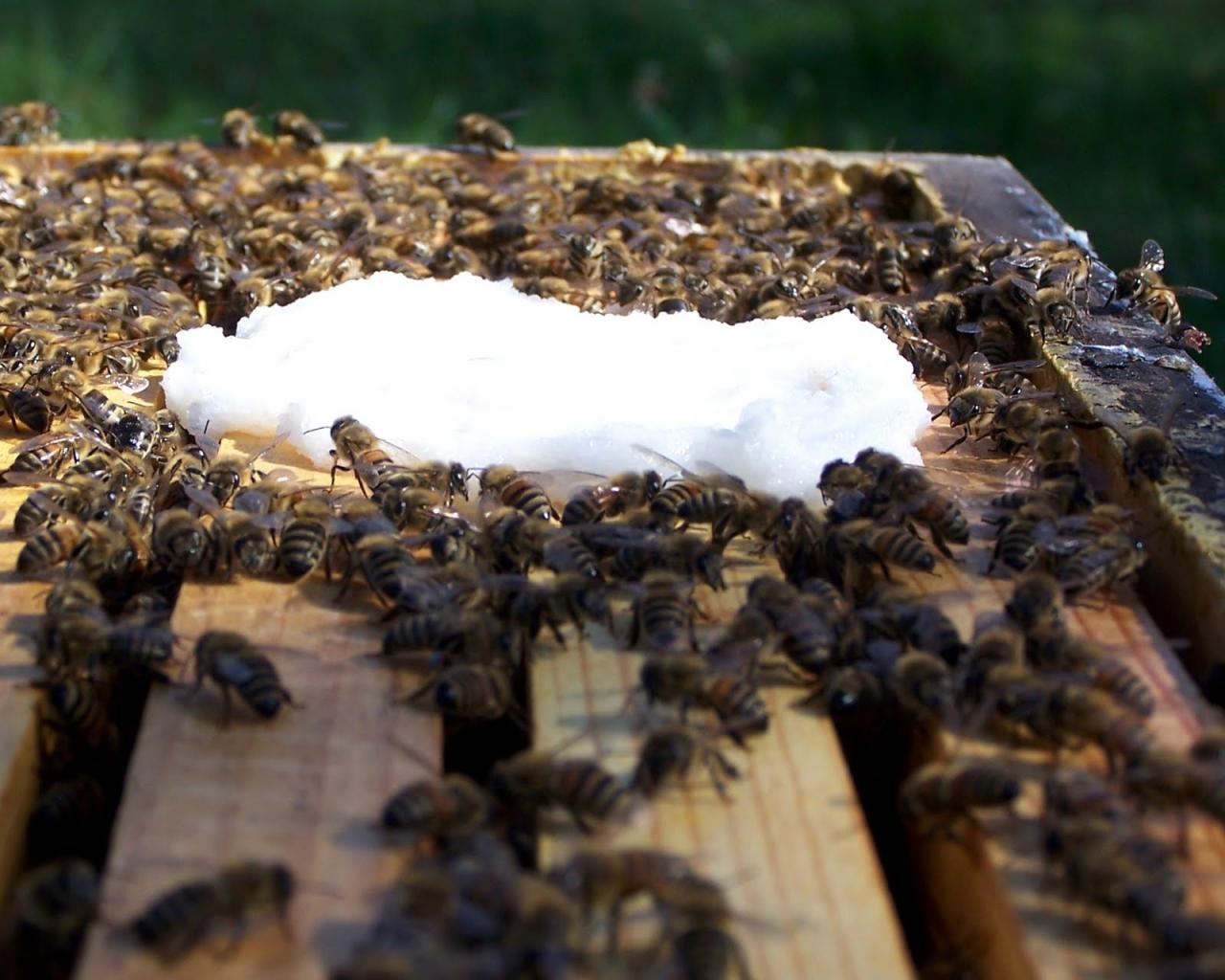
- Application: Thymol can be administered using vaporizers or soaked pads placed inside the hive. The vapor method involves placing thymol-soaked pads or strips in the hive’s upper chambers, allowing the volatile compounds to permeate the colony gradually.
- Timing: Apply during warm weather conditions, ideally in late spring or early summer, to ensure optimal vapor dispersion and minimize bee stress.
- Precautions: Avoid direct contact with bees and hive parts, as excessive thymol exposure can cause bee irritation and affect brood development. Follow recommended dosages strictly to prevent toxicity.
Use of Formic Acid and Other Organic Acids as Mite Control Methods
Formic acid and other organic acids like oxalic acid and lactic acid are effective in controlling tracheal and Varroa mite populations. Their natural origin makes them suitable for organic beekeeping, provided they are used carefully and according to guidelines.
- Preparation: Organic acids are available in commercial formulations designed for hive treatment. It is crucial to follow manufacturer instructions for preparation and application to ensure safety and efficacy.
- Application:
- Formic acid can be applied using pads or vaporizer devices that release controlled amounts of vapors into the hive. For example, using a formic acid vaporizer during the honey flow period can effectively reduce mite loads without harming bees or honey quality.
- Oxalic acid is often administered via dribble or sublimation techniques. A common method involves dissolving oxalic acid crystals in a sugar syrup and applying it directly onto the bees’ thorax using a syringe or drip method.
- Timing: Treatments are most effective during broodless periods to target phoretic mites. For example, oxalic acid treatments are best performed in late winter or early spring when the colony has minimal brood.
- Precautions: Always wear protective gear, such as gloves and masks, when handling acids. Avoid over-application, which can cause bee mortality or hive damage. Ensure proper ventilation during application.
Natural Remedies: Application and Precautions
Various natural remedies have been employed to combat tracheal mites, often with varying degrees of success. These remedies include herbal extracts, essential oils, and other organic substances that support mite management while safeguarding bee health.
- Herbal Extracts: Substances like neem oil, garlic, and citrus oils have been used in hive treatments. For example, neem oil can be diluted and sprayed onto bees or hive surfaces to deter mites.
- Bee-Friendly Plant Materials: Incorporating certain herbs or plants within the apiary area can promote overall hive health and potentially reduce mite infestation levels.
- Application Protocols: Apply herbal treatments via spraying, fumigation, or as a part of sugar syrup feeds, following manufacturer instructions or established guidelines. Regular monitoring is essential to evaluate efficacy.
Precautions: Always test treatments on a small hive segment first to assess bee tolerance. Avoid using excessive concentrations that could harm the bees or disrupt their natural behaviors. Maintain hygiene and cleanliness within hives to prevent secondary infections or pest issues.
Preparing and Administering Organic Treatments within Hive Environments
Effective use of organic treatments requires meticulous preparation to ensure proper delivery and safety for the bees. This involves selecting the right formulation, precise dosing, and appropriate timing in the hive environment.
- Preparation:
- Thoroughly read and follow manufacturer instructions for each product to determine the correct concentration and application method.
- Use sterilized equipment to prevent introducing pathogens during treatment.
- Prepare solutions in a clean environment, ensuring accurate measurement of active substances.
- Administration:
- Place vaporizers, pads, or applicators designed for the specific treatment inside the hive at designated locations to maximize dispersion and minimize disturbance.
- Schedule applications during periods of low bee activity, such as late evening, to reduce stress.
- Maintain adequate ventilation within the hive to prevent buildup of volatile compounds.
- Post-Treatment:
- Remove any residual application materials after the treatment period to prevent ongoing exposure.
- Monitor the colony regularly to assess treatment efficacy and check for any adverse effects.
- Record treatment details, including date, dosage, and observations, to inform future management strategies.
Chemical Treatments and Professional Products
Proper management of tracheal mite infestations often involves the use of specific chemical miticides approved for use in apiculture. These products can provide an effective means of controlling mite populations, especially in cases where natural and organic methods prove insufficient. It is essential for beekeepers to understand the correct application procedures, safety precautions, and the relative effectiveness of available chemical options to ensure both hive health and compliance with regulatory standards.
In this section, we will review the most commonly approved chemical miticides for tracheal mites, discuss appropriate dosages and application timing, and compare their efficacy, residue concerns, and safety profiles. Following best practices for chemical application helps minimize contamination of hive products and ensures the long-term health of the colony.
Approved Chemical Miticides for Tracheal Mites
Several chemical treatments have received approval for controlling tracheal mites, with the goal of reducing mite populations while maintaining hive safety. These products are regulated by agencies such as the U.S. Environmental Protection Agency (EPA) and are subject to strict guidelines to ensure safe usage within apiaries.
- Tropomyosin-based products: Such as ApiLife VAR, combining thymol, menthol, and other natural oils, are approved for organic and conventional beekeeping and provide effective control with minimal residues.
- Thymol-based treatments: Thymol (e.g., ApiGuard) is a naturally occurring compound derived from thyme, used to manage tracheal mites, especially during broodless periods.
- Organic acids: Formic acid products, like Mite-Away Quick Strips, primarily target Varroa mites but have some efficacy against tracheal mites when applied correctly.
It is critical to select a miticide approved for tracheal mite control and compatible with your hive management goals, whether organic or conventional.
Dosage, Timing, and Safety Precautions for Chemical Treatments
Effective chemical management hinges on precise application techniques, including correct dosages and timing, as well as adherence to safety protocols to protect both the beekeeper and hive environment.
- Dosage: Always follow the manufacturer’s label instructions explicitly, as over- or under-dosing can compromise efficacy and safety. For example, thymol-based treatments typically specify a certain concentration of thymol per hive volume.
- Timing: The optimal period for chemical application is often during late fall or early winter, when brood rearing is minimal, and tracheal mites are more vulnerable. Avoid applying during peak brood periods to prevent mites from escaping treatment within capped cells.
- Safety precautions: Wear protective gear such as gloves, masks, and eye protection during application. Ensure proper ventilation and avoid applying treatments near water sources or in windy conditions to prevent environmental contamination. Store chemicals securely away from food and hive equipment to prevent accidental exposure.
Proper application and safety adherence are vital to minimize chemical residues in hive products and to protect both bees and beekeepers from potential health risks.
Comparison Chart of Chemical Miticides
Understanding the relative efficacy and residue concerns of available chemical options helps beekeepers make informed decisions tailored to their management practices.
| Product | Active Ingredient | Efficacy Against Tracheal Mites | Residue Potential | Application Frequency | Notes |
|---|---|---|---|---|---|
| ApiLife VAR | Thymol, menthol, eucalyptus oil | High | Minimal; approved for organic use | Every 4-6 weeks during treatment season | Best used during broodless periods for maximum effectiveness |
| ApiGuard | Thymol | Moderate to high | Low; considered safe if used as directed | Every 2-3 weeks during treatment period | Requires careful temperature and humidity control for optimal results |
| Mite-Away Quick Strips | Formic acid | Moderate | Moderate; residues may persist in hive honey | Once or twice per season | Effective against Varroa, with some effect on tracheal mites during broodless periods |
Choosing the right chemical treatment depends on the specific mite infestation level, hive conditions, and your approach to residue management. Always consult current regulatory guidelines and product labels before application.
Best Practices for Applying Chemical Treatments to Minimize Hive Contamination
Applying chemical miticides with care and precision reduces the risk of contamination of hive products and ensures the health of the colony. Several best practices are recommended based on research and expert advice.
- Apply during appropriate seasons: Target treatments during periods of minimal brood rearing, such as late fall or early winter, to maximize mite exposure and reduce mite escape within capped brood.
- Use accurate application methods: Follow label instructions precisely, including dosage, application temperature, and environmental conditions to ensure effective treatment and minimize residues.
- Maintain hive hygiene: Remove honey super frames or prevent honey harvesting during and shortly after treatment to avoid contamination of hive products.
- Avoid overlapping treatments: Stagger chemical applications to prevent cumulative chemical buildup and reduce the risk of resistance development.
- Record and monitor: Keep detailed records of treatments applied, dates, dosages, and mite counts to evaluate effectiveness and inform future management decisions.
Implementing these best practices fosters a safe, effective, and environmentally responsible approach to chemical control of tracheal mites in bee colonies.
Integrated Pest Management Strategies
Combining multiple control methods creates a comprehensive approach to managing tracheal mite infestations in honey bee colonies. This integrated strategy emphasizes the importance of using mechanical, biological, and chemical techniques harmoniously to reduce mite populations sustainably while minimizing risks to bees and the environment.
Effective mite control depends on a well-coordinated plan that incorporates monitoring, preventative measures, and timely interventions. By integrating diverse methods, beekeepers can improve the longevity and health of their colonies, reduce chemical residues, and promote sustainable apiculture practices.
Combining Mechanical, Biological, and Chemical Methods
Integrating different control techniques enhances overall effectiveness and reduces reliance on any single approach. Mechanical methods physically remove or disrupt mite habitats, biological methods utilize natural enemies or immune responses, and chemical methods provide targeted suppression of mite populations. The synergy among these methods helps maintain mite populations below damaging levels without overusing chemicals.
For example, employing drone brood removal (a mechanical method) can significantly reduce mite numbers, while encouraging beneficial fungi or bacteria (biological methods) can suppress mite reproduction. When chemical treatments are necessary, they should be applied judiciously alongside other methods to ensure their effectiveness and minimize resistance development.
Hive Management Techniques to Reduce Mite Populations
Proper hive management plays a crucial role in controlling mite levels. Regular hive inspections, maintaining optimal ventilation, and ensuring strong, healthy colonies help reduce the likelihood of infestation buildup. Techniques such as removing and replacing old combs can interrupt mite habitats, while proper spacing and airflow decrease conditions favorable for mite proliferation.
- Implement drone brood removal, which targets the mite’s preferred reproductive sites, effectively reducing their numbers.
- Manage hive density and ventilation to prevent conditions that favor mite survival and reproduction.
- Limit the use of chemical treatments to specific thresholds, relying on monitoring data to guide reapplication schedules.
Monitoring and Re-Treatment Schedules within an Integrated Approach
Consistent monitoring is vital for the timely detection of tracheal mites and determining the need for intervention. Techniques such as sticky board sampling, sugar roll tests, or visual inspections help quantify infestation levels. Based on monitoring results, beekeepers can establish re-treatment schedules that optimize control measures while minimizing chemical exposure.
Establishing a routine schedule for monitoring—such as bi-monthly inspections during peak infestation periods—allows for early detection and targeted treatment. Re-treatment should be based on threshold levels, with reapplication only when necessary, to prevent overtreatment and resistance development.
Regular assessment of mite levels combined with strategic interventions forms the foundation of sustainable mite management, ensuring healthier colonies and more resilient apiaries.
Best Practices for Sustainable Tracheal Mite Management
Adopting best practices ensures long-term control of tracheal mites while safeguarding bee health and minimizing environmental impact. These include maintaining strong and healthy colonies through proper nutrition, genetic selection for mite-resistant bee strains, and minimizing chemical use by integrating cultural and biological controls.
Other best practices involve educating beekeepers about early signs of infestation, fostering a routine monitoring schedule, and encouraging the use of organic or natural treatments as first-line interventions. It is also critical to keep detailed records of mite levels, treatments applied, and colony health status to inform future management decisions.
Implementing these strategies collectively fosters a sustainable beekeeping environment that balances effective pest control with ecological responsibility and bee well-being.
Preventative Measures for Tracheal Mites
Ensuring the health of a bee colony requires proactive strategies that minimize the risk of tracheal mite infestation. Implementing effective preventative measures can significantly reduce the likelihood of mite buildup, thereby promoting the overall vitality and productivity of the hive. These measures encompass hive design modifications, best practices for colony management, seasonal management routines, and protocols for introducing mite-free colonies.Effective prevention begins with designing hives that are less conducive to mite colonization and easier to monitor.
Combining these physical modifications with sound apiary practices creates a resilient environment that deters mites before they become a serious concern.
Hive Design Modifications to Deter Mite Infestation
Hive architecture plays a crucial role in reducing tracheal mite transmission and proliferation. Thoughtful modifications can create physical barriers or reduce favorable conditions for mites.
- Use of Screened Bottom Boards: Installing ventilated, screened bottom boards facilitates better airflow within the hive, reducing humidity levels that favor mite survival. It also allows for easier inspection of debris and mites that fall through, aiding in early detection.
- Implementing Ventilation Enhancements: Adequate ventilation prevents moisture accumulation, which can weaken bees’ natural defenses against mites. Incorporating adjustable vents or upper entrances can improve airflow and discourage mite habitation.
- Designing Modular and Accessible Hives: Modular hives with removable frames and accessible sections facilitate regular inspections. Ease of access encourages consistent monitoring for mite presence and overall colony health.
- Sealing External Gaps: Ensuring that hives are well-sealed minimizes entry points for pests and external mites, especially when colonies are transported or placed in mite-prone environments.
Best Practices for Colony Health Maintenance and Mite Resistance
Maintaining robust colonies is key to resisting tracheal mite infestations. Several management strategies empower bees to naturally combat mites and reduce infestation severity.
- Ensuring Nutritional Adequacy: Providing abundant, diverse forage enhances bee health and immune responses, making colonies more resilient against mite infestation.
- Promoting Genetic Resistance: Breeding or selecting for colonies with traits linked to mite resistance, such as hygienic behavior, can naturally suppress mite populations over time.
- Regular Monitoring and Early Intervention: Conducting routine inspections, especially during peak mite activity periods, enables early detection and prompt action before infestations escalate.
- Managing Colony Density and Space: Adequate space within hives and managing colony density can prevent overcrowding, which can exacerbate mite transmission and weaken bees’ defenses.
Seasonal Management Tips to Prevent Tracheal Mite Buildup
Seasonal changes significantly influence tracheal mite activity and colony vulnerability. Implementing targeted management routines throughout the year helps maintain low mite levels.
During spring and early summer, focus on strengthening colonies through nutritional support and increasing inspections after hive splits or queen replacements. In late summer and fall, intensify monitoring for mite signs, and consider implementing physical or organic controls. Winter preparations should include ensuring proper ventilation to prevent moisture buildup, which can weaken colonies and promote mite survival.
| Season | Management Practices |
|---|---|
| Spring | Perform initial mite inspections, provide supplemental feeding if necessary, and reinforce hive insulation for robust colony development. |
| Summer | Increase inspection frequency, monitor for signs of mite infestation, and ensure proper ventilation to reduce humidity. |
| Fall | Conduct thorough mite assessments, apply organic treatments if thresholds are met, and prepare colonies for winter. |
| Winter | Maintain adequate ventilation, minimize hive disturbances, and monitor for signs of stress or disease that can exacerbate mite problems. |
Guidelines for Quarantine and Introduction of Mite-Free Colonies
Preventing the introduction of tracheal mites begins with strict quarantine procedures for new colonies and equipment. Establishing a protocol minimizes the risk of bringing in infested colonies or contaminated materials.
- Quarantine Period: Isolate new colonies or package bees for a minimum of 30 days, during which regular inspections for mite presence are conducted.
- Health Certification: Obtain health certificates from reputable suppliers confirming that colonies are free of mites and other pests.
- Inspection and Treatment Prior to Introduction: Conduct thorough inspections, including direct examination of the trachea or using non-invasive testing methods, and treat if any signs of infestation appear.
- Use of Mite-Free Stock: Always acquire colonies from trusted sources that maintain strict biosecurity measures and regularly monitor for mites.
- Proper Transfer Procedures: When relocating colonies, handle equipment carefully to prevent mite transfer, and employ disinfectant protocols for tools and hive components.
Concluding Remarks
In conclusion, mastering how to treat tracheal mites involves a combination of vigilant monitoring, effective treatment strategies, and preventive measures. By implementing integrated pest management practices and maintaining optimal hive conditions, beekeepers can successfully control mite populations and ensure thriving bee colonies for seasons to come.